
Addressing Power Dynamics
Addressing power dynamics is a crucial aspect of engaging with hard to reach groups, as it involves understanding and navigating the complex web of relationships, social structures, and institutions that shape the lives of individuals and c…
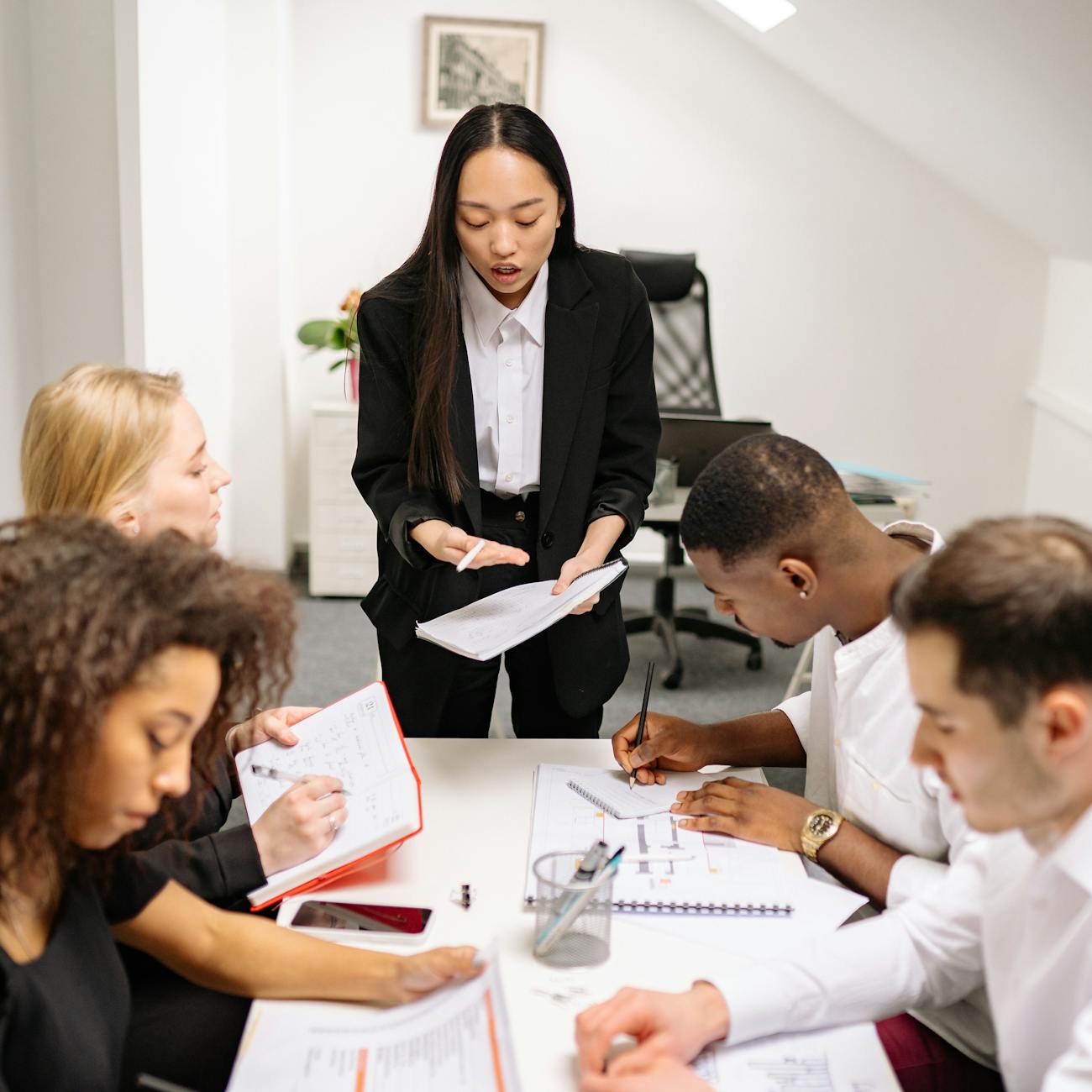
Addressing power dynamics is a crucial aspect of engaging with hard to reach groups, as it involves understanding and navigating the complex web of relationships, social structures, and institutions that shape the lives of individuals and communities. At its core, power dynamics refer to the ways in which power is distributed, exercised, and maintained within social systems, often resulting in inequalities and disparities in access to resources, opportunities, and decision-making processes.
One of the key concepts in understanding power dynamics is the idea of social location, which refers to the unique position or location that an individual or group occupies within the social hierarchy. This social location is shaped by a range of factors, including race, gender, class, age, ability, and sexual orientation, among others. Each of these factors can confer different levels of privilege or oppression, influencing the ways in which individuals and groups experience and navigate the social world.
Another important concept is the idea of intersectionality, which recognizes that individuals and groups experience multiple forms of oppression and discrimination simultaneously. For example, a woman of color may experience both racism and sexism, while a person with a disability may experience ableism and classism. Intersectionality highlights the need to consider the complex and multiple ways in which power dynamics operate, and to develop strategies that address these intersecting forms of oppression.
In addition to understanding social location and intersectionality, it is also important to recognize the role of institutions and systems in shaping power dynamics. Institutions such as schools, hospitals, and government agencies can perpetuate inequalities and disparities through their policies, practices, and cultures. For example, a school may have policies that disproportionately affect students from low-income backgrounds, or a hospital may have practices that discriminate against patients from marginalized communities.
To address power dynamics, it is essential to develop a critical understanding of these institutions and systems, and to identify strategies for challenging and transforming them. This may involve working with individuals and groups to empower them to take control of their lives and to advocate for their rights, as well as working to change the policies and practices of institutions and systems.
One of the key strategies for addressing power dynamics is through the use of participatory action research, which involves working with individuals and groups to identify and address the root causes of inequalities and disparities. This approach recognizes that individuals and groups are not simply passive recipients of services or interventions, but are rather active agents who have the capacity to shape and transform their own lives and communities.
Another important strategy is through the use of critical pedagogy, which involves working with individuals and groups to develop a critical understanding of the power dynamics that shape their lives. This approach recognizes that education and consciousness-raising are essential components of social change, and that individuals and groups must be empowered to think critically and to take action to challenge and transform the systems and institutions that perpetuate inequalities and disparities.
In addition to these strategies, it is also important to recognize the importance of self-reflection and self-awareness in addressing power dynamics. This involves recognizing and acknowledging one's own privileges and biases, and working to challenge and transform them. It also involves developing a critical understanding of one's own positionality and social location, and recognizing the ways in which these factors shape one's experiences and interactions with others.
Furthermore, addressing power dynamics requires a deep understanding of the historical and cultural contexts in which they operate. This involves recognizing the ways in which colonization,
In practical terms, addressing power dynamics may involve a range of activities, such as community organizing, advocacy, and policy change. It may also involve working with individuals and groups to develop participatory and inclusive decision-making processes, and to create safe and supportive environments for marginalized and oppressed groups.
However,! Addressing power dynamics is not without its challenges. One of the key challenges is the tendency for individuals and groups to resist or deny the existence of power dynamics, or to blame or pathologize marginalized and oppressed groups for their experiences and circumstances. Another challenge is the difficulty of navigating and challenging the complex and often invisible systems and institutions that perpetuate inequalities and disparities.
Despite these challenges, addressing power dynamics is essential for creating a more just and equitable society. By working to understand and navigate the complex web of relationships, social structures, and institutions that shape the lives of individuals and communities, we can begin to challenge and transform the power dynamics that perpetuate inequalities and disparities. We can work to create participatory and inclusive decision-making processes, and to develop critical and conscious approaches to social change.
In the context of engaging with hard to reach groups, addressing power dynamics is critical for building trust and rapport with individuals and communities. It involves recognizing and respecting the autonomy and agency of marginalized and oppressed groups, and working to empower them to take control of their lives and to advocate for their rights. It also involves being aware of one's own privileges and biases, and working to challenge and transform them.
Ultimately, addressing power dynamics requires a deep commitment to social justice and human rights, and a willingness to challenge and transform the systems and institutions that perpetuate inequalities and disparities. It requires a critical understanding of the complex web of relationships, social structures, and institutions that shape the lives of individuals and communities, and a recognition of the importance of participatory and inclusive approaches to social change. By working to address power dynamics, we can create a more just and equitable society, and promote the wellbeing and empowerment of marginalized and oppressed groups.
Addressing power dynamics is an ongoing process that requires continuous reflection and action. It involves being open to feedback and critique, and being willing to adapt and change in response to new information and experiences. It also involves being aware of one's own limitations and biases, and being willing to seek and accept support and guidance from others.
In terms of practical applications, addressing power dynamics may involve a range of activities, such as training and capacity building for individuals and groups, as well as policy and legislative change. It may also involve working with community-based and grassroots organizations, as well as with government and institutional actors.
One of the key challenges in addressing power dynamics is the need to balance short-term and long-term goals and strategies. While it may be tempting to focus on quick fixes and short-term gains, it is essential to recognize that addressing power dynamics is a long-term process that requires sustained effort and commitment. It involves working to create systemic and structural change, rather than simply addressing symptoms and surface-level issues.
Another challenge is the need to navigate complex and conflicting demands and priorities. Addressing power dynamics may involve working with multiple stakeholders and interest groups, each with their own agendas and priorities. It requires being able to negotiate and facilitate complex agreements and compromises, while also remaining committed to social justice and human rights.
Key takeaways
- One of the key concepts in understanding power dynamics is the idea of social location, which refers to the unique position or location that an individual or group occupies within the social hierarchy.
- Another important concept is the idea of intersectionality, which recognizes that individuals and groups experience multiple forms of oppression and discrimination simultaneously.
- For example, a school may have policies that disproportionately affect students from low-income backgrounds, or a hospital may have practices that discriminate against patients from marginalized communities.
- This may involve working with individuals and groups to empower them to take control of their lives and to advocate for their rights, as well as working to change the policies and practices of institutions and systems.
- Another important strategy is through the use of critical pedagogy, which involves working with individuals and groups to develop a critical understanding of the power dynamics that shape their lives.
- It also involves developing a critical understanding of one's own positionality and social location, and recognizing the ways in which these factors shape one's experiences and interactions with others.
- It also involves recognizing the importance of cultural competence and cultural humility in working with diverse groups and communities.