
Chinese Medicine Psychology
Chinese Medicine Psychology (CMP) is a branch of Chinese Medicine (CM) that focuses on the emotional and mental aspects of health and disease. CMP is based on the philosophical framework of CM, which emphasizes the balance and harmony of th…
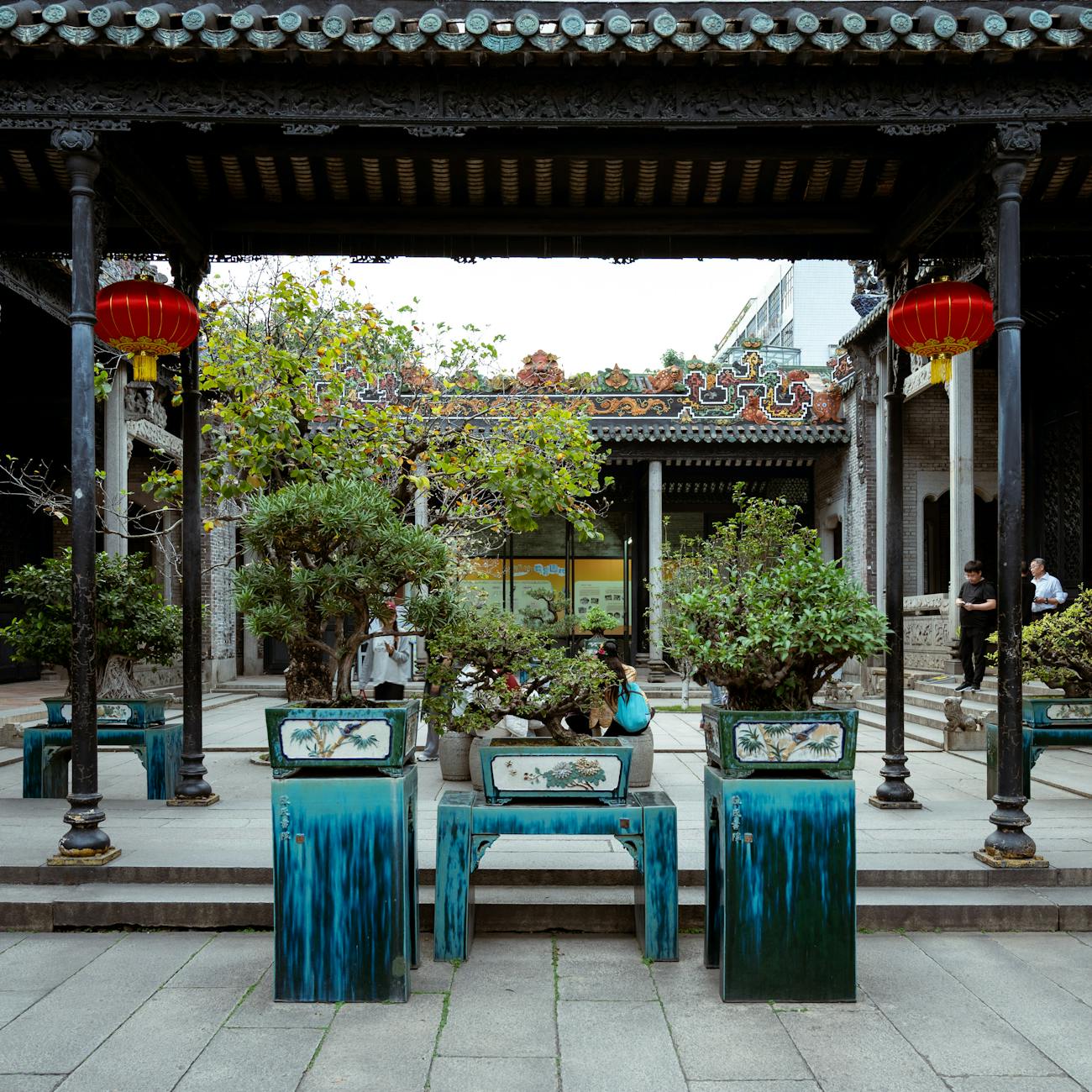
Chinese Medicine Psychology (CMP) is a branch of Chinese Medicine (CM) that focuses on the emotional and mental aspects of health and disease. CMP is based on the philosophical framework of CM, which emphasizes the balance and harmony of the body, mind, and spirit. In CMP, emotions are seen as both causes and symptoms of illness, and mental health is closely connected to physical health.
Here are some key terms and vocabulary related to CMP:
1. Qi (Chi): Qi is the vital energy that flows through the body and regulates all its functions. Qi is responsible for the body's growth, development, and maintenance, as well as its ability to defend against illness and disease. In CMP, Qi is closely related to emotions, as each emotion has a specific effect on the flow of Qi in the body. 2. Yin and Yang: Yin and Yang are the two fundamental principles of CM, representing the opposite but interdependent forces that govern the universe and the human body. Yin represents the dark, cold, passive, and receptive aspects of nature, while Yang represents the light, warm, active, and creative aspects. In CMP, Yin and Yang are used to describe the balance and harmony of the body, mind, and emotions. 3. Five Elements: The Five Elements are Wood, Fire, Earth, Metal, and Water, which represent the five stages of growth and transformation in nature and the human body. Each Element is associated with specific organs, emotions, and qualities, and they interact with each other through a complex system of relationships and cycles. 4. Zang Fu: Zang Fu refers to the Viscera and Organs, which are the fundamental units of CM physiology and pathology. The Zang organs are the Heart, Lung, Spleen, Liver, and Kidney, while the Fu organs are the Small Intestine, Large Intestine, Stomach, Gallbladder, and Bladder. Each organ has a specific function and is related to a specific emotion, and the Zang Fu system provides a comprehensive framework for understanding the body's physiology and pathology. 5. Shen: Shen is the spirit or consciousness of the body, which is often translated as the "Mind" or "Heart-Mind." Shen is the vital force that animates the body and gives it its vitality, intelligence, and consciousness. Shen is closely related to the Heart organ, and it is the seat of the emotions, thoughts, and consciousness. 6. Hun and Po: Hun and Po are the Ethereal Soul and the Corporeal Soul, which are two aspects of the Shen that are responsible for the body's emotional and mental functions. Hun is the Yin aspect of the Shen, which is associated with the Liver organ and is responsible for the body's imagination, creativity, and planning. Po is the Yang aspect of the Shen, which is associated with the Lung organ and is responsible for the body's sensations, reactions, and instincts. 7. San Jiao: San Jiao, or the Triple Burner, is a functional organ that regulates the body's water metabolism and temperature. San Jiao is not a physical organ but a concept that refers to the three regions of the body: the upper Jiao, which includes the Heart and Lungs; the middle Jiao, which includes the Spleen and Stomach; and the lower Jiao, which includes the Kidney and Bladder. 8. Zhi: Zhi is the Will or Intent, which is the driving force behind the body's actions and behaviors. Zhi is the aspect of the Shen that gives the body its purpose, direction, and motivation, and it is closely related to the Kidney organ. 9. Yuan Qi: Yuan Qi, or Original Qi, is the primordial energy that is stored in the Kidney organ and is responsible for the body's growth, development, and reproduction. Yuan Qi is the source of the body's vitality and strength, and it is closely related to the body's genetic and constitutional factors. 10. Xu Shen: Xu Shen is the Empty or Vacuous Shen, which is the state of the Shen when it is depleted or deficient. Xu Shen can result from chronic illness, emotional stress, or overwork, and it can manifest as anxiety, depression, insomnia, or other mental health disorders. 11. Shi Shen: Shi Shen is the Full or Excessive Shen, which is the state of the Shen when it is overflowing or hyperactive. Shi Shen can result from acute illness, emotional excitement, or external stimuli, and it can manifest as mania, rage, or other mental health disorders. 12. Zang Zao: Zang Zao is the disturbance or agitation of the Zang organs, which can result from emotional stress, lifestyle factors, or environmental influences. Zang Zao can manifest as anxiety, depression, irritability, or other mental health disorders, and it is treated with acupuncture, herbal medicine, and other CM modalities. 13. Jing Luo: Jing Luo, or the Meridians and Collaterals, are the channels through which Qi and Blood flow in the body. Jing Luo connect the Zang Fu organs, muscles, bones, and tissues, and they provide a comprehensive network for diagnosing and treating CM disorders. 14. Tiao: Tiao is the regulation or balancing of the body's functions and processes, which is the goal of CM treatment. Tiao involves adjusting the body's Qi, blood, Yin and Yang, and other factors to achieve a state of balance and harmony, and it is achieved through acupuncture, herbal medicine, diet, exercise, and other CM modalities.
In summary, CMP is a complex and sophisticated system of diagnosis and treatment that focuses on the emotional and mental aspects of health and disease. CMP is based on the philosophical framework of CM, which emphasizes the balance and harmony of the body, mind, and spirit. CMP uses a variety of terms and concepts to describe the body's physiology and pathology, including Qi, Yin and Yang, Five Elements, Zang Fu, Shen, Hun and Po, San Jiao, Zhi, Yuan Qi, Xu Shen, Shi Shen, Zang Zao, Jing Luo, and Tiao. These terms and concepts provide a comprehensive framework for understanding the body's emotional and mental functions, and they are used to diagnose and treat a wide range of mental health disorders.
Challenges in CMP include the complexity and subtlety of its diagnostic and therapeutic methods, as well as the need for a thorough understanding of CM theory and practice. However, with proper training and experience, CMP can be a valuable and effective tool for promoting mental health and well-being.
Here are some practical applications and examples of CMP in clinical settings:
* Depression: Depression is a common mental health disorder that is characterized by persistent feelings of sadness, hopelessness, and worthlessness. In CMP, depression is often associated with a deficiency of Qi and Blood, as well as imbalances in the Heart, Spleen, and Liver organs. Treatment may involve acupuncture points that nourish the Qi and Blood, as well as herbs that tonify the Heart and Spleen. * Anxiety: Anxiety is a mental health disorder that is characterized by excessive and irrational fear, worry, and tension. In CMP, anxiety is often associated with imbalances in the Liver and Heart organs, as well as disturbances in the Shen and Hun. Treatment may involve acupuncture points that calm the Shen and regulate the Liver, as well as herbs that soothe the Liver and nourish the Heart. * Insomnia: Insomnia is a common sleep disorder that is characterized by difficulty falling or staying asleep. In CMP, insomnia is often associated with imbalances in the Heart, Spleen, and Liver organs, as well as disturbances in the Shen and Hun. Treatment may involve acupuncture points that calm the Shen and regulate the Heart, as well as herbs that nourish the Heart and tranquilize the mind. * Stress: Stress is a common psychological and physiological response to external stimuli that can have negative effects on mental and physical health. In CMP, stress is often associated with imbalances in the Kidney, Liver, and Heart organs, as well as disturbances in the Shen and Zhi. Treatment may involve acupuncture points that tonify the Kidney and regulate the Liver, as well as herbs that nourish the Kidney and calm the Shen.
In conclusion, CMP is a valuable and effective tool for promoting mental health and well-being. By understanding the complex and subtle interactions between the body, mind,
Key takeaways
- Chinese Medicine Psychology (CMP) is a branch of Chinese Medicine (CM) that focuses on the emotional and mental aspects of health and disease.
- Tiao involves adjusting the body's Qi, blood, Yin and Yang, and other factors to achieve a state of balance and harmony, and it is achieved through acupuncture, herbal medicine, diet, exercise, and other CM modalities.
- CMP uses a variety of terms and concepts to describe the body's physiology and pathology, including Qi, Yin and Yang, Five Elements, Zang Fu, Shen, Hun and Po, San Jiao, Zhi, Yuan Qi, Xu Shen, Shi Shen, Zang Zao, Jing Luo, and Tiao.
- Challenges in CMP include the complexity and subtlety of its diagnostic and therapeutic methods, as well as the need for a thorough understanding of CM theory and practice.
- * Stress: Stress is a common psychological and physiological response to external stimuli that can have negative effects on mental and physical health.
- In conclusion, CMP is a valuable and effective tool for promoting mental health and well-being.