
Catastrophe Modeling
Catastrophe modeling is a complex field that involves the use of mathematical models to simulate the potential losses from catastrophic events such as natural disasters, terrorist attacks, and other types of crises. These models are used by…
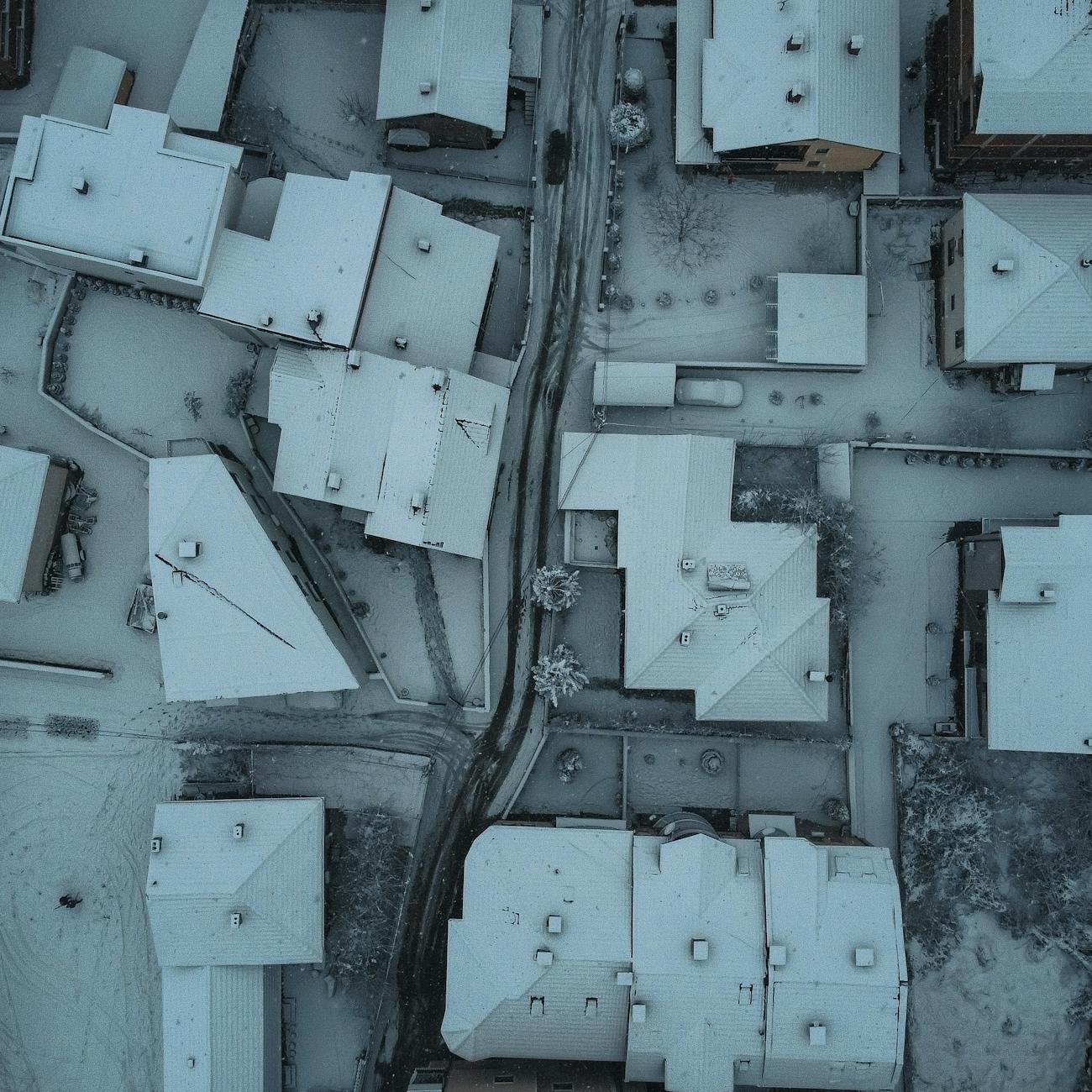
Catastrophe modeling is a complex field that involves the use of mathematical models to simulate the potential losses from catastrophic events such as natural disasters, terrorist attacks, and other types of crises. These models are used by insurers and reinsurers to assess the potential risks and losses associated with different types of catastrophes, and to develop strategies for managing and mitigating those risks. One of the key components of catastrophe modeling is the use of historical data to understand the frequency and severity of different types of catastrophes, and to identify trends and patterns that can inform the development of models.
Catastrophe models typically involve the use of stochastic processes to simulate the behavior of catastrophes, and to estimate the potential losses associated with different scenarios. These models can be used to analyze a wide range of catastrophes, including natural disasters such as hurricanes, earthquakes, and floods, as well as man-made disasters such as terrorist attacks and industrial accidents. The output of catastrophe models can be used to inform a range of decisions, including the pricing of insurance policies, the allocation of capital to different types of risks, and the development of strategies for managing and mitigating potential losses.
One of the key challenges in catastrophe modeling is the need to account for the uncertainty associated with different types of catastrophes. This uncertainty can arise from a range of sources, including the random nature of catastrophic events, the limited availability of historical data, and the complexity of the systems and processes that are being modeled. To address this uncertainty, catastrophe models often incorporate sensitivity analyses and other techniques to quantify the potential impacts of different types of catastrophes, and to identify the key drivers of risk and uncertainty.
In addition to the technical challenges associated with catastrophe modeling, there are also a range of practical challenges that must be addressed. For example, catastrophe models must be able to accommodate the diverse needs and requirements of different types of users, including insurers, reinsurers, and other types of stakeholders. This can involve the use of customized models and interfaces, as well as the development of training programs and other types of support to help users understand and apply the models effectively.
The use of catastrophe modeling has a number of benefits for insurers and reinsurers, including the ability to quantify and manage risk more effectively, and to develop more accurate and reliable estimates of potential losses. Catastrophe models can also be used to identify opportunities for growth and expansion, and to develop strategies for mitigating potential losses and minimizing the impacts of catastrophes. However, the use of catastrophe modeling also involves a range of challenges and limitations, including the need to address the uncertainty and complexity associated with different types of catastrophes, and the need to ensure that models are validated and verified through the use of historical data and other types of evidence.
One of the key components of catastrophe modeling is the use of exposure data to understand the potential losses associated with different types of catastrophes. This data can include information on the location and value of different types of assets, such as buildings, infrastructure, and other types of property. The use of exposure data is critical to the development of accurate and reliable catastrophe models, as it allows modelers to estimate the potential losses associated with different types of catastrophes, and to identify the key drivers of risk and uncertainty.
In addition to exposure data, catastrophe models also require the use of hazard data to understand the frequency and severity of different types of catastrophes. This data can include information on the probability of different types of catastrophes, as well as the potential impacts of those catastrophes on different types of assets and populations. The use of hazard data is critical to the development of accurate and reliable catastrophe models, as it allows modelers to estimate the potential losses associated with different types of catastrophes, and to identify the key drivers of risk and uncertainty.
Catastrophe models can be used to analyze a wide range of scenarios, including natural disasters such as hurricanes, earthquakes, and floods, as well as man-made disasters such as terrorist attacks and industrial accidents. These models can be used to estimate the potential losses associated with different types of catastrophes, and to identify the key drivers of risk and uncertainty. The output of catastrophe models can be used to inform a range of decisions, including the pricing of insurance policies, the allocation of capital to different types of risks, and the development of strategies for managing and mitigating potential losses.
One of the key applications of catastrophe modeling is in the field of reinsurance. Reinsurers use catastrophe models to estimate the potential losses associated with different types of catastrophes, and to develop strategies for managing and mitigating those risks. The use of catastrophe models allows reinsurers to quantify and manage risk more effectively, and to develop more accurate and reliable estimates of potential losses. This can involve the use of customized models and interfaces, as well as the development of training programs and other types of support to help users understand and apply the models effectively.
In addition to the use of catastrophe modeling in reinsurance, these models are also used in a range of other fields, including insurance, finance, and emergency management. The use of catastrophe models allows organizations to quantify and manage risk more effectively, and to develop more accurate and reliable estimates of potential losses. This can involve the use of customized models and interfaces, as well as the development of training programs and other types of support to help users understand and apply the models effectively.
The development of catastrophe models involves a range of steps, including the collection and analysis of data, the development of algorithms and other types of models, and the validation and verification of the models through the use of historical data and other types of evidence. The use of catastrophe models requires a range of skills and knowledge, including expertise in statistics, mathematics, and computer programming, as well as knowledge of the insurance and reinsurance industries.
One of the key challenges in catastrophe modeling is the need to address the uncertainty and complexity associated with different types of catastrophes. This can involve the use of sensitivity analyses and other techniques to quantify the potential impacts of different types of catastrophes, and to identify the key drivers of risk and uncertainty. The use of catastrophe models also requires a range of assumptions and judgments to be made, including assumptions about the frequency and severity of different types of catastrophes, as well as judgments about the effectiveness of different types of mitigation strategies.
In addition to the technical challenges associated with catastrophe modeling, there are also a range of practical challenges that must be addressed. For example, catastrophe models must be able to accommodate the diverse needs and requirements of different types of users, including insurers,
Key takeaways
- Catastrophe modeling is a complex field that involves the use of mathematical models to simulate the potential losses from catastrophic events such as natural disasters, terrorist attacks, and other types of crises.
- These models can be used to analyze a wide range of catastrophes, including natural disasters such as hurricanes, earthquakes, and floods, as well as man-made disasters such as terrorist attacks and industrial accidents.
- One of the key challenges in catastrophe modeling is the need to account for the uncertainty associated with different types of catastrophes.
- For example, catastrophe models must be able to accommodate the diverse needs and requirements of different types of users, including insurers, reinsurers, and other types of stakeholders.
- Catastrophe models can also be used to identify opportunities for growth and expansion, and to develop strategies for mitigating potential losses and minimizing the impacts of catastrophes.
- This data can include information on the location and value of different types of assets, such as buildings, infrastructure, and other types of property.
- This data can include information on the probability of different types of catastrophes, as well as the potential impacts of those catastrophes on different types of assets and populations.