
Introduction to Railway Operations Management
Introduction to Railway Operations Management is a key course in the Global Certificate in Railway Operations Management program. This course covers the fundamental concepts and terminology used in railway operations management. In this exp…
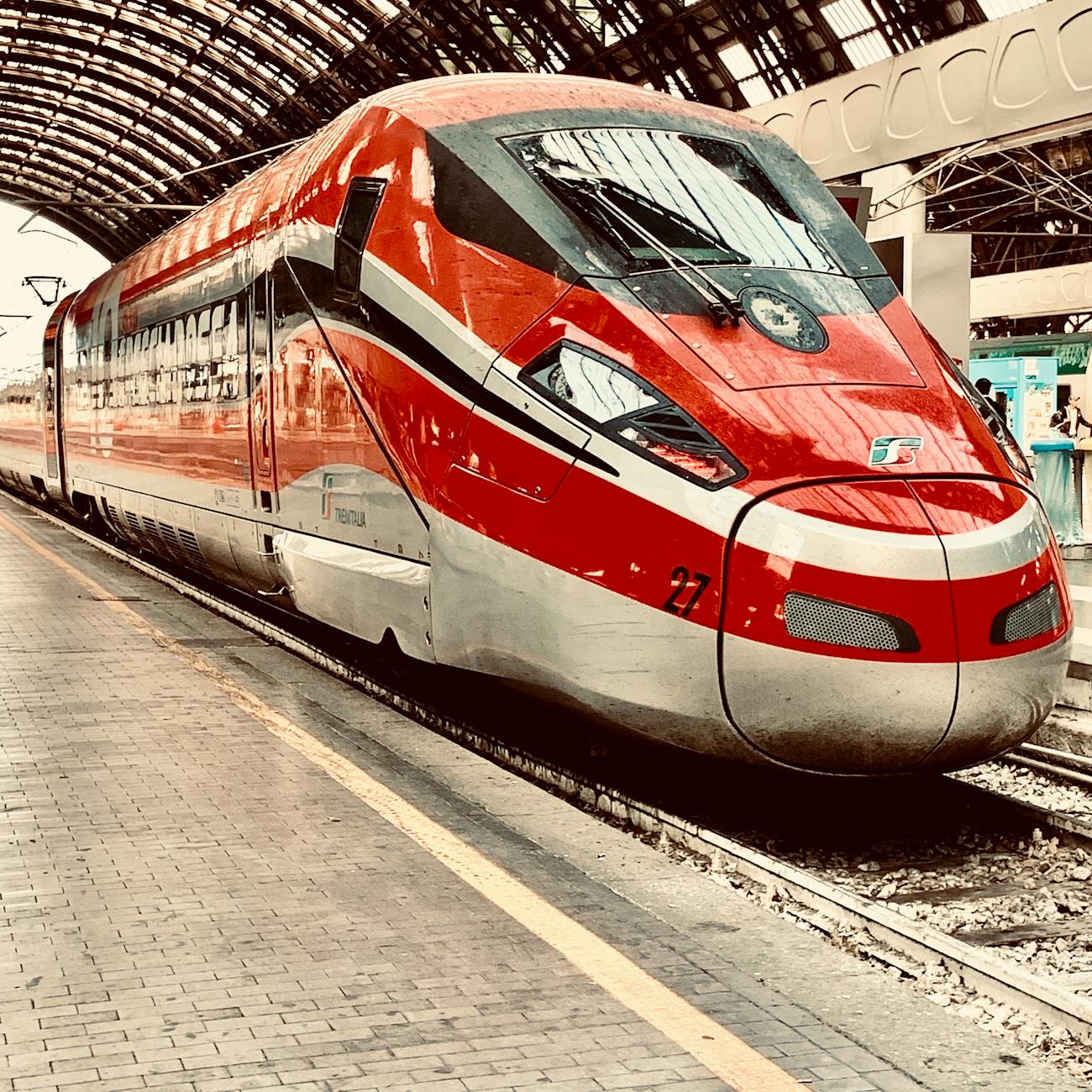
Introduction to Railway Operations Management is a key course in the Global Certificate in Railway Operations Management program. This course covers the fundamental concepts and terminology used in railway operations management. In this explanation, we will discuss some of the key terms and vocabulary that are essential for understanding the course.
Railway Operations Management: This term refers to the management of railway systems, including infrastructure, rolling stock, signaling, and communication systems. The primary goal of railway operations management is to ensure the safe, efficient, and reliable movement of trains and passengers.
Infrastructure: Railway infrastructure includes all the physical components required for railway operations, such as tracks, bridges, tunnels, stations, and signal systems. The infrastructure must be well-maintained and upgraded regularly to ensure safe and efficient operations.
Rolling Stock: Rolling stock refers to the vehicles that run on the railway tracks, including locomotives, passenger trains, freight trains, and maintenance vehicles. The rolling stock must be properly maintained and managed to ensure safe and efficient operations.
Signaling: Signaling systems are used to control the movement of trains and ensure safe separation between them. Signaling systems include track circuits, signals, and interlockings. These systems must be designed and maintained to ensure safe and efficient operations.
Communication Systems: Communication systems are used to facilitate communication between railway staff, including train crews, dispatchers, and maintenance personnel. Communication systems include radio, telephone, and data communication networks. These systems must be reliable and secure to ensure safe and efficient operations.
Safety Management System: A safety management system is a systematic approach to managing safety in railway operations. It includes policies, procedures, and practices for identifying, assessing, and controlling safety risks. A safety management system is essential for ensuring the safety of railway operations.
Operational Planning: Operational planning is the process of developing plans and schedules for railway operations. It includes determining the number and type of trains to be operated, assigning crews and equipment, and scheduling maintenance activities. Operational planning is critical for ensuring the efficient and reliable movement of trains and passengers.
Capacity Management: Capacity management is the process of managing the capacity of railway infrastructure and rolling stock to meet demand. It includes determining the optimal number of trains and passengers that can be accommodated on the railway system, and managing demand to avoid congestion and delays.
Performance Management: Performance management is the process of monitoring and evaluating the performance of railway operations. It includes measuring key performance indicators (KPIs) such as punctuality, reliability, and safety. Performance management is essential for identifying areas for improvement and ensuring that railway operations meet customer expectations.
Asset Management: Asset management is the process of managing the lifecycle of railway assets, including infrastructure, rolling stock, and signaling systems. It includes planning for replacement and maintenance, and ensuring that assets are used efficiently and effectively.
Maintenance Management: Maintenance management is the process of planning, scheduling, and executing maintenance activities to ensure the safe and reliable operation of railway assets. It includes developing maintenance plans and schedules, managing maintenance personnel and resources, and tracking maintenance activities.
Energy Management: Energy management is the process of managing the energy consumption of railway operations. It includes developing strategies for reducing energy consumption and costs, and monitoring energy use to ensure efficiency.
Environmental Management: Environmental management is the process of managing the environmental impact of railway operations. It includes developing strategies for reducing emissions, waste, and noise, and monitoring environmental performance to ensure compliance with regulations.
Intermodal Transport: Intermodal transport is the movement of goods using multiple modes of transportation, such as trucks, trains, and ships. Intermodal transport is essential for efficient and sustainable freight transportation.
Urban Rail Transit: Urban rail transit refers to railway systems that operate within urban areas, such as subways, light rail, and commuter rail. Urban rail transit is essential for reducing traffic congestion and improving mobility in urban areas.
High-Speed Rail: High-speed rail is a type of railway system that operates at speeds of over 250 km/h (155 mph). High-speed rail is essential for efficient and sustainable long-distance transportation.
Positive Train Control: Positive Train Control (PTC) is a signaling system that is designed to prevent train collisions and derailments. PTC uses communication systems and sensors to monitor the movement of trains and ensure that they operate within safe parameters.
Intelligent Transportation Systems: Intelligent Transportation Systems (ITS) are advanced technologies that are used to improve the safety, efficiency, and sustainability of transportation systems. ITS includes technologies such as traffic management systems, vehicle tracking systems, and communication systems.
Challenges in Railway Operations Management: Railway operations management faces several challenges, including aging infrastructure, increasing demand, safety risks, and environmental impact. These challenges require innovative solutions, such as the use of new technologies, alternative financing models, and collaborative approaches to problem-solving.
In conclusion, this explanation has covered some of the key terms and vocabulary used in Introduction to Railway Operations Management. Understanding these terms is essential for successfully completing the course and pursuing a career in railway operations management. By mastering these concepts, learners will be able to contribute to the safe, efficient, and sustainable movement of passengers and goods on railway systems around the world.
Key takeaways
- Introduction to Railway Operations Management is a key course in the Global Certificate in Railway Operations Management program.
- Railway Operations Management: This term refers to the management of railway systems, including infrastructure, rolling stock, signaling, and communication systems.
- Infrastructure: Railway infrastructure includes all the physical components required for railway operations, such as tracks, bridges, tunnels, stations, and signal systems.
- Rolling Stock: Rolling stock refers to the vehicles that run on the railway tracks, including locomotives, passenger trains, freight trains, and maintenance vehicles.
- Signaling: Signaling systems are used to control the movement of trains and ensure safe separation between them.
- Communication Systems: Communication systems are used to facilitate communication between railway staff, including train crews, dispatchers, and maintenance personnel.
- Safety Management System: A safety management system is a systematic approach to managing safety in railway operations.