
Industrial Control Systems Security
Industrial Control System (ICS) is the collective term for the hardware and software that monitor and control physical processes in industries such as manufacturing, energy, water treatment, and transportation. An ICS typically consists of …
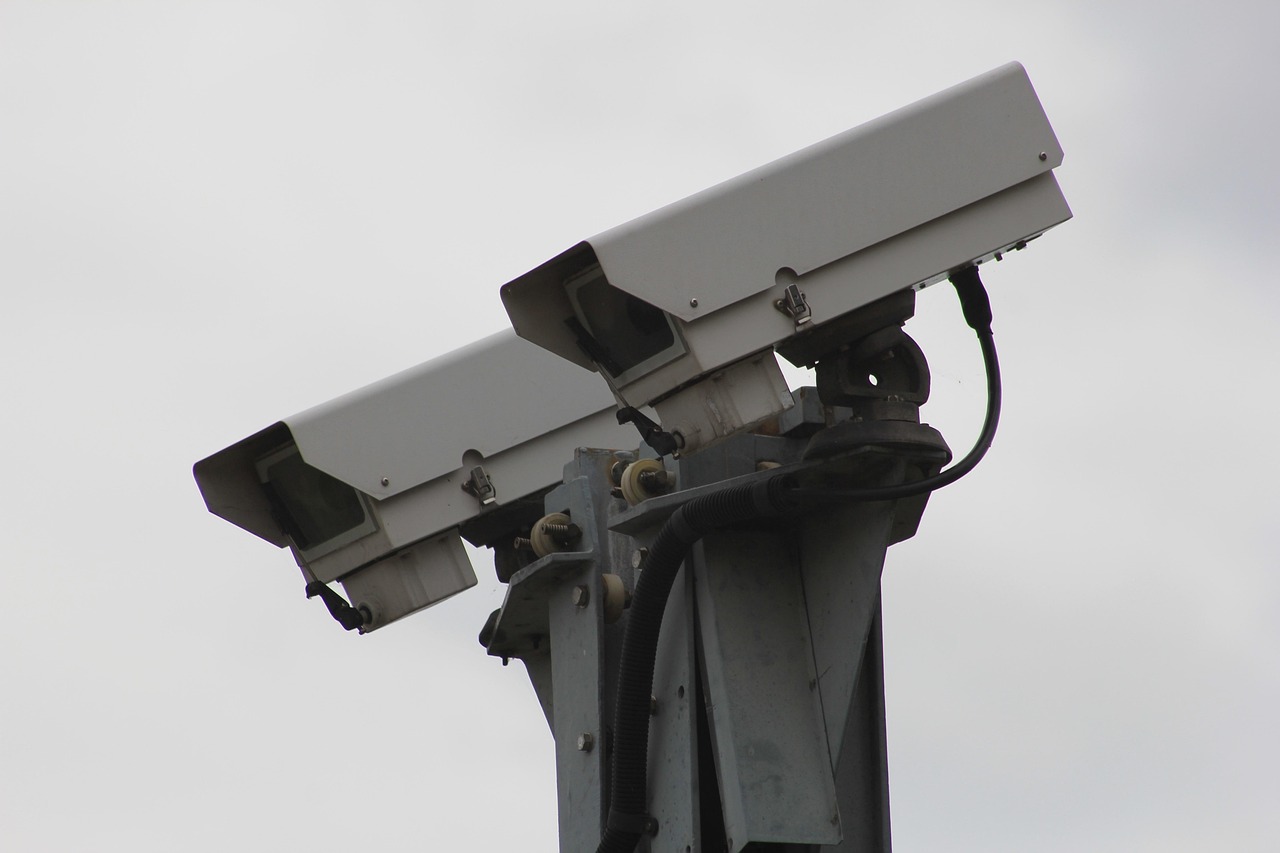
Industrial Control System (ICS) is the collective term for the hardware and software that monitor and control physical processes in industries such as manufacturing, energy, water treatment, and transportation. An ICS typically consists of devices that gather data from sensors, process that data, and then command actuators to adjust the operation of machinery. Understanding the vocabulary that surrounds these systems is essential for anyone pursuing the Professional Certificate in Operational Technology Engineer in the United Kingdom, as it forms the foundation for both design and security practices.
Supervisory Control and Data Acquisition (SCADA) refers to a class of systems that provide centralized monitoring and control of geographically dispersed assets. A SCADA architecture usually includes a central server, human‑machine interface (HMI), communication links, and remote terminal units (RTUs) or programmable logic controllers (PLCs). For example, a water utility may use SCADA to monitor pump stations across a city, displaying real‑time flow rates and allowing operators to start or stop pumps from a control centre. The security challenge with SCADA lies in its often‑legacy protocols, such as Modbus and DNP3, which were designed without authentication or encryption. Protecting SCADA therefore requires adding layers of network segmentation, intrusion detection, and strict access controls.
Programmable Logic Controller (PLC) is a ruggedized digital computer used for automation of electromechanical processes. PLCs are programmed using languages defined by IEC 61131‑3, such as ladder logic, function block, structured text, instruction list, and sequential function chart. A typical PLC may control a conveyor belt by reading inputs from proximity sensors and sending outputs to motor drives. Because PLCs often run continuously and are physically located in harsh environments, they are a prime target for attackers seeking to disrupt production. Security measures include disabling unused ports, applying firmware updates, and employing authentication mechanisms that limit configuration changes to authorized personnel.
Distributed Control System (DCS) is an architecture where control functions are distributed throughout the plant rather than being centralized in a single controller. DCS is commonly used in large‑scale process industries such as oil refining or chemical manufacturing, where multiple control loops require high reliability and deterministic response times. A DCS typically includes multiple I/O modules, controller racks, and a supervisory layer that aggregates data for operators. The security implications of a DCS are similar to those of SCADA, but the higher integration and tighter real‑time constraints often make it more difficult to retrofit defensive technologies without affecting performance.
Human‑Machine Interface (HMI) is the graphical interface through which operators interact with the control system. HMIs display process variables, alarms, and trends, and allow operators to issue commands. An HMI might show a diagram of a power plant’s turbine, indicating temperature, pressure, and flow, while also providing a button to open a valve. Insecure HMIs can expose sensitive process data to unauthorized viewers or allow malicious commands to be injected. Best practice includes using strong authentication for HMI access, logging all user actions, and separating the HMI network from the corporate IT network.
Remote Terminal Unit (RTU) is a field device that connects sensors and actuators to the SCADA network, often over long distances. RTUs typically have built-in communication modules that support protocols such as IEC 60870‑5‑101/104 or DNP3. For instance, an RTU in a remote substation may collect voltage and current measurements and transmit them to the central SCADA server. Because RTUs operate in exposed locations, they are vulnerable to physical tampering and network‑based attacks. Hardening RTUs involves disabling unnecessary services, using secure communication channels (e.G., VPNs or TLS), and performing regular integrity checks on firmware.
Operational Technology (OT) describes the hardware and software that directly monitors and controls physical devices. OT differs from information technology (IT) in that its primary concern is safety, reliability, and real‑time performance rather than data confidentiality. A typical OT environment includes PLCs, DCS, SCADA, HMIs, and safety instrumented systems (SIS). Understanding OT terminology is crucial because security controls that work well in IT may not be suitable for OT due to latency constraints or limited processing capacity.
Safety Instrumented System (SIS) is a specialized control system that performs safety functions independent of the primary control system. An SIS monitors critical parameters and can initiate a safe shutdown if hazardous conditions are detected. For example, a SIS may automatically close a valve if pressure exceeds a predefined limit, preventing a potential explosion. SIS components are often certified to standards such as IEC 61511, which defines requirements for safety integrity levels (SIL). The security of an SIS is paramount; a successful cyber‑attack that disables safety functions can have catastrophic physical consequences. Mitigation strategies include network segregation, integrity verification of SIS software, and strict change‑management processes.
Safety Integrity Level (SIL) is a measurement of the reliability of safety functions, expressed as a target probability of failure on demand. SIL 1 through SIL 4 correspond to increasing levels of risk reduction. For instance, a valve‑closure function required to achieve SIL 3 must demonstrate a failure‑on‑demand probability of less than 10⁻⁴. Determining the appropriate SIL involves hazard analysis and risk assessment. Security controls that affect the availability of safety functions, such as network latency or denial‑of‑service attacks, must be considered when calculating SIL compliance.
Industrial Protocol refers to the communication standards used by OT devices to exchange data. Common protocols include Modbus, PROFINET, EtherNet/IP, OPC UA, and DNP3. Many of these protocols were originally designed for open, trusted environments and lack built‑in security features. For example, Modbus RTU transmits data in clear text, making it easy for an attacker to read or modify register values. Modern security approaches encourage the use of secure variants, such as Modbus TCP with TLS, or the adoption of protocol‑agnostic security layers like VPNs and firewalls that enforce authentication and encryption.
Network Segmentation is the practice of dividing a network into distinct zones or subnets, each with its own security controls. In an OT setting, segmentation often follows the Purdue model, which defines levels from the enterprise (Level 4) down to the field devices (Level 0). By placing PLCs and RTUs in a separate zone from the corporate IT network, organizations can limit the spread of malware and reduce the attack surface. Effective segmentation requires firewalls that support industrial protocols, strict access‑control lists, and continuous monitoring for unauthorized traffic between zones.
Defense‑in‑Depth is a layered security strategy that employs multiple overlapping controls to protect assets. In the context of an OT environment, defense‑in‑depth might include physical barriers (e.G., Locked cabinets), network firewalls, host‑based intrusion detection, application whitelisting on PLCs, and regular patch management. The rationale is that if one layer fails—say, a firewall misconfiguration—other layers such as authentication or monitoring can still prevent a breach. Implementing defense‑in‑depth requires careful coordination between OT and IT teams to avoid conflicts that could affect process stability.
Zero Trust is a security model that assumes no implicit trust for any user, device, or network segment, regardless of location. Applying zero trust in OT involves verifying every request to access a PLC, HMI, or data historian, often using multi‑factor authentication and strict role‑based access control. For instance, an engineer who needs to update a PLC program may be required to authenticate with a smart card and a one‑time password, and the session may be limited to a specific IP address and time window. Zero trust can reduce the risk of lateral movement by attackers who have compromised a peripheral device.
Patch Management is the process of applying software updates to fix vulnerabilities, improve functionality, or address bugs. In OT, patch management is challenging because many devices run proprietary firmware, have limited downtime windows, and cannot be rebooted without disrupting production. A typical approach involves maintaining an inventory of all device firmware versions, testing patches in a staging environment that mirrors the production configuration, and scheduling updates during planned maintenance periods. Documentation of each patch, including the reason for deployment and any observed impact, is essential for compliance with standards such as IEC 62443.
Air Gap is a security measure that physically isolates a system from external networks, often by disconnecting it from the internet and corporate LAN. While an air‑gapped OT network can provide strong protection against remote attacks, it is not foolproof. Threat actors have demonstrated methods to bridge air gaps using removable media, compromised supply chains, or covert channels (e.G., Acoustic or electromagnetic emissions). Consequently, organizations should treat air gaps as part of a broader defense strategy, supplementing them with monitoring of removable media usage, strict change‑control procedures, and regular integrity verification of critical assets.
Supply Chain Security concerns the protection of hardware and software components from the moment they are designed, through manufacturing, distribution, and deployment. In OT, supply‑chain attacks can manifest as malicious firmware embedded in a PLC by a compromised vendor, or as counterfeit components that fail under load. Mitigation techniques include procuring devices only from vetted suppliers, verifying digital signatures on firmware, and performing inbound inspection of hardware for tampering. Maintaining a trusted list of approved components and regularly reviewing supplier security practices is a key part of a robust supply‑chain risk management program.
Firmware is the low‑level software that runs directly on hardware devices, providing the basic functionality required for operation. Firmware updates can address critical vulnerabilities, but an insecure update process can become an attack vector. For example, if a PLC accepts firmware images over an unauthenticated network connection, an attacker could inject malicious code that grants remote control of the process. Secure firmware management involves cryptographic signing of images, verification of signatures before installation, and storing a rollback version in case of failure. Auditing firmware versions across the OT landscape helps identify devices that are out‑of‑date and potentially exposed.
Bootloader is a small program that initializes hardware and loads the main operating system or firmware. In many OT devices, the bootloader is a privileged component that can be exploited to gain persistent control. Attackers may replace the bootloader with a malicious version that loads a trojan before the legitimate firmware. Protecting the bootloader requires mechanisms such as secure boot, where a cryptographic hash of the bootloader is compared against a trusted value stored in hardware. Physical protection of the device, such as tamper‑evident seals, also helps deter direct attacks on the bootloader.
Root of Trust is a hardware‑based anchor that establishes a secure foundation for the entire system. It typically includes a trusted platform module (TPM) or a secure element that stores cryptographic keys and performs integrity checks. In OT, a root of trust can be used to verify that only signed firmware is allowed to execute, preventing unauthorized modifications. Implementing a root of trust may require hardware upgrades, but the benefit is a strong guarantee that the device’s software stack has not been altered maliciously.
Authentication is the process of verifying the identity of a user, device, or service. In OT environments, authentication methods must balance security with usability and real‑time constraints. Common mechanisms include username/password, digital certificates, smart cards, and biometric factors. For a PLC that supports SSH, using public‑key authentication is preferable to passwords because it eliminates the risk of credential brute‑forcing. Multi‑factor authentication is recommended for remote access to critical control systems, ensuring that even if one factor is compromised, the attacker cannot gain entry without the second factor.
Authorization determines what actions an authenticated entity is permitted to perform. Role‑based access control (RBAC) is widely used in OT to assign permissions based on job function, such as operator, engineer, or maintenance technician. An operator may be allowed to start or stop a pump, while an engineer may have rights to modify control logic. Enforcing fine‑grained authorization reduces the chance that a compromised account can perform destructive actions. Auditing authorization changes and reviewing role definitions regularly helps maintain a least‑privilege posture.
Encryption protects data confidentiality and integrity by converting plaintext into ciphertext using cryptographic algorithms. In OT, encryption must be applied carefully to avoid introducing latency that could affect control loops. Protocols such as OPC UA support built‑in encryption, while legacy protocols can be secured by encapsulating them within a VPN or TLS tunnel. For example, a DCS may use IPsec to encrypt traffic between the control room and remote substations, preserving both confidentiality and integrity without altering the underlying protocol.
Integrity ensures that data has not been altered in an unauthorized manner. In process control, integrity is critical because a single corrupted sensor reading could trigger an unsafe response. Techniques to verify integrity include checksums, cryptographic hash functions, and digital signatures. A PLC that stores its configuration file with a SHA‑256 hash can detect tampering during boot. Integrity monitoring can also be performed by a separate system that periodically compares live data against expected ranges, raising alerts if anomalies are detected.
Availability refers to the ability of a system to provide services when needed. In OT, high availability is essential because downtime can result in production loss, safety hazards, or regulatory penalties. Availability can be compromised by denial‑of‑service (DoS) attacks that flood network links, or by ransomware that encrypts critical files. Redundancy, such as dual‑redundant PLCs and network paths, helps maintain availability, while regular backups and offline storage protect against ransomware. Designing control logic to fail safely—known as “fail‑to‑safe”—ensures that even if a component becomes unavailable, the process transitions to a safe state.
Incident Response is the organized approach to detecting, analyzing, and mitigating security events. An effective incident‑response plan for OT includes clear roles for both IT and OT personnel, predefined communication channels, and procedures for isolating affected devices without disrupting the process. For instance, if a PLC is suspected of being compromised, the response may involve switching to a hot‑standby controller, collecting volatile memory for forensic analysis, and performing a firmware rollback. Post‑incident reviews should capture lessons learned and update security controls accordingly.
Risk Assessment is the systematic evaluation of potential threats, vulnerabilities, and impacts to determine the level of risk to assets. In OT, risk assessment often follows standards such as IEC 62443‑2‑1, which defines a risk‑based approach for identifying security requirements. The process involves cataloguing assets (e.G., Critical pumps, safety valves), identifying threats (e.G., Insider sabotage, nation‑state cyber‑espionage), assessing vulnerabilities (e.G., Unpatched firmware, weak passwords), and estimating the impact on safety, environment, and business continuity. The resulting risk matrix informs the selection of appropriate security controls.
Threat Intelligence provides information about emerging attack techniques, malware families, and adversary tactics. In OT, threat intelligence can help organizations anticipate attacks that target specific protocols or device types. For example, intelligence reports may highlight a new variant of ransomware that encrypts PLC configuration files. Consuming threat intelligence feeds, participating in industry sharing groups such as the ISA Security Intelligence Exchange, and integrating indicators of compromise (IOCs) into security monitoring platforms enable proactive defense and rapid response to evolving threats.
Intrusion Detection System (IDS) monitors network traffic or host activity for signs of malicious behavior. In OT, IDS solutions must be protocol‑aware to correctly interpret Modbus or DNP3 traffic and avoid false positives that could overwhelm operators. Network‑based IDS can be placed at zone boundaries to detect unauthorized commands, while host‑based IDS may monitor changes to PLC configuration files. When an anomaly is detected, the IDS should generate alerts that are correlated with other security events, enabling security analysts to investigate promptly.
Security Information and Event Management (SIEM) aggregates logs from multiple sources, correlates events, and provides dashboards for real‑time monitoring. A SIEM that ingests logs from firewalls, PLCs, HMIs, and authentication servers can reveal patterns such as repeated failed login attempts or unusual command sequences. Configuring SIEM rules specific to OT protocols reduces noise and improves detection accuracy. Integration with incident‑response workflows ensures that alerts are escalated to the appropriate personnel and that remediation steps are documented.
Access Control List (ACL) defines which traffic is permitted or denied on a network device. In an OT firewall, ACLs can be used to restrict Modbus traffic to specific source and destination IP addresses, preventing unauthorized devices from issuing control commands. ACLs should be reviewed regularly to remove obsolete rules that could inadvertently open pathways for attackers. Using a “deny‑all, permit‑by‑exception” approach helps maintain a tight security posture.
Whitelisting is the practice of allowing only approved applications or code to execute. In OT, application whitelisting can be applied to PLC programming tools, ensuring that only digitally signed binaries are used for configuration changes. Whitelisting reduces the risk of malware executing on critical devices, as any unauthorized code will be blocked by the operating system or runtime environment. Implementation must consider the impact on maintenance activities, providing a process for quickly adding legitimate tools when needed.
Demilitarized Zone (DMZ) is a network segment that sits between the internal network and external networks, providing a buffer zone for services that need to be externally accessible. In OT, a DMZ may host a historian or a web‑based HMI that external contractors use. Placing these services in a DMZ isolates them from the core control network, reducing the attack surface. Proper configuration of firewalls, intrusion detection, and strict authentication for DMZ services is essential to prevent attackers from moving from the DMZ into the production environment.
Virtual Private Network (VPN) creates an encrypted tunnel over an untrusted network, allowing remote users to access internal resources securely. OT personnel often require VPN access to connect to PLCs for troubleshooting while on site at remote facilities. Selecting a VPN solution that supports strong encryption (e.G., AES‑256) and multi‑factor authentication helps protect against credential theft and eavesdropping. Additionally, VPN connections should be limited to specific devices and time windows to reduce exposure.
Port Scanning is the technique of probing network ports to discover open services. While port scanning is a common network‑administration tool, malicious actors use it to map OT networks and identify vulnerable devices. Defensive measures include configuring firewalls to block inbound scans, limiting exposure of management interfaces to trusted subnets, and employing intrusion detection to alert on scanning activity. Regular vulnerability assessments should be conducted using authorized scanning tools to identify unintended open ports.
Vulnerability Management encompasses the processes for identifying, evaluating, and mitigating security weaknesses. In OT, vulnerability management is complicated by the need to maintain continuous operation and the limited availability of patches for proprietary hardware. A practical approach involves maintaining an up‑to‑date asset inventory, subscribing to vendor security advisories, and prioritizing remediation based on the criticality of the asset and the severity of the vulnerability. Where patches cannot be applied, compensating controls such as network segmentation or additional monitoring may be employed.
Change Management is the formal process for proposing, reviewing, approving, and implementing modifications to systems. In OT, change management must address both software updates and configuration adjustments that could impact process safety. A change request for a PLC program revision should include a risk assessment, a test plan in a simulated environment, a rollback strategy, and sign‑off from both engineering and safety personnel. Documenting each change provides traceability and supports compliance with standards like IEC 62443‑4‑2.
Configuration Management involves maintaining the consistency of a system’s settings and software across its lifecycle. For PLCs, configuration management includes tracking ladder‑logic versions, I/O mappings, and communication parameters. Using a version‑control system enables engineers to compare revisions, roll back to a known good state, and audit who made changes. Automated tools can detect drift between the documented configuration and the actual device settings, alerting operators to unauthorized modifications.
Audit Trail is a chronological record of system activities, including user logins, configuration changes, and command executions. An audit trail is essential for forensic analysis after a security incident and for demonstrating compliance with regulatory requirements such as the UK’s NIS Directive. OT audit logs should be stored securely, protected from tampering, and retained for a period defined by organizational policy. Centralizing audit logs in a SIEM facilitates correlation with other security events.
Digital Signature is a cryptographic mechanism that verifies the authenticity and integrity of a message or file. In the context of firmware updates, a digital signature ensures that the firmware originated from a trusted source and has not been altered. Devices that verify signatures before installation can reject malicious or corrupted images, protecting the control system from supply‑chain attacks. Managing keys for digital signatures requires a secure key‑management infrastructure to prevent unauthorized signing.
Key Management encompasses the generation, distribution, storage, rotation, and revocation of cryptographic keys. In OT, key management is often overlooked, leading to the use of default or weak keys in devices. Implementing a robust key‑management policy includes generating strong keys in a hardware security module, rotating keys on a regular schedule, and securely storing backups. Failure to manage keys properly can undermine encryption and authentication mechanisms, leaving the system vulnerable.
Physical Security protects assets from unauthorized physical access, tampering, or environmental threats. In an industrial plant, physical security measures may include perimeter fencing, access‑controlled doors, surveillance cameras, and tamper‑evident seals on cabinets housing PLCs. Physical security is the first line of defense; if an attacker can physically access a device, they can bypass many logical controls. Integrating physical‑security events with cyber‑security monitoring provides a comprehensive view of threats.
Environmental Monitoring tracks conditions such as temperature, humidity, and vibration that could affect the reliability of OT equipment. Sensors that detect abnormal environmental parameters can trigger alerts before hardware failures occur. For example, a temperature sensor that exceeds the operating limit of a PLC may indicate a cooling failure, prompting an immediate shutdown to prevent damage. Environmental monitoring data can also be used in security analytics to detect anomalous patterns that may indicate an attack, such as unexpected power cycling.
Redundancy involves duplicating critical components to ensure continued operation in the event of a failure. In control systems, redundancy can be implemented at multiple levels: Dual‑redundant PLCs, hot‑standby HMIs, and multiple communication paths. Redundant architectures must be carefully designed to avoid split‑brain scenarios where two controllers diverge in state. Synchronization mechanisms and deterministic failover processes are essential to maintain process integrity while providing resilience against both technical faults and malicious disruptions.
Fail‑Safe Design ensures that a system defaults to a safe condition when a fault occurs. In OT, fail‑safe principles may dictate that a valve closes automatically if power is lost, or that a motor stops when a sensor signal becomes invalid. Designing control logic with inherent safety actions reduces reliance on external security controls and provides a baseline protection against both accidental and intentional failures. Documentation of fail‑safe behavior is required for safety certification and for informing incident‑response procedures.
Deterministic Response describes a system’s ability to produce predictable timing for control actions. Real‑time constraints are critical in many OT applications, such as turbine control where a delay of even a few milliseconds can cause instability. Security controls that introduce latency, such as deep packet inspection, must be evaluated for impact on deterministic performance. Selecting security devices that support real‑time processing, or offloading security functions to dedicated hardware, helps preserve the required timing characteristics.
Latency is the delay introduced as data travels through a network or processing chain. In OT, excessive latency can degrade control loop performance, leading to oscillations or unsafe conditions. Security measures that add encryption or inspection must be balanced against the need for low latency. Engineers often measure latency using tools that generate test traffic and record round‑trip times, ensuring that added security does not exceed the allowable threshold defined in the control system’s specifications.
Protocol Converter translates between different communication standards, such as converting Modbus TCP to OPC UA. Converters enable integration of legacy devices with modern platforms but can also become points of vulnerability if not properly secured. An insecure protocol converter may expose internal device addresses or allow command injection. Securing converters involves applying authentication, using encrypted transport where possible, and regularly updating the converter firmware to patch known issues.
Industrial Internet of Things (IIoT) extends the concept of IoT to industrial environments, adding sensors, actuators, and analytics to enhance efficiency and enable predictive maintenance. IIoT devices often have limited computational resources and may run open‑source operating systems, increasing the attack surface. Security considerations for IIoT include secure boot, device authentication, encrypted data transmission, and lifecycle management. For example, a smart sensor that monitors vibration on a rotating shaft can send data to a cloud analytics platform; ensuring that the sensor’s firmware is signed and that communication is protected by TLS mitigates the risk of data tampering or unauthorized data collection.
Edge Computing processes data near the source, reducing latency and bandwidth usage. In OT, edge gateways may aggregate sensor data, perform local analytics, and enforce security policies before forwarding information to a central server. Edge devices must be hardened against attacks, as they often serve as the bridge between field devices and the corporate network. Using hardware‑based security modules for key storage, applying regular patches, and isolating edge workloads using containers are common practices to secure edge computing environments.
Containerization packages applications and their dependencies into isolated units called containers. In OT, containers can be used to run analytics, data historians, or web services on edge devices without interfering with the underlying control system. Containers provide a level of isolation that can limit the impact of a compromised application. However, container images must be sourced from trusted registries, and runtime security tools should monitor for abnormal behaviour such as privilege escalation attempts.
Artificial Intelligence and Machine Learning (AI/ML) are increasingly applied to detect anomalies in process data, predict equipment failures, and optimise control strategies. While AI/ML can enhance security by identifying subtle patterns of malicious activity, it also introduces new challenges. Model poisoning attacks, where an adversary manipulates training data to cause misclassification, can lead to false negatives in intrusion detection. Ensuring the integrity of training datasets, validating model outputs, and incorporating explainability techniques help mitigate these risks.
Cyber‑Physical Attack is an assault that targets both the digital and physical components of an industrial system. An example is the manipulation of a PLC to open a valve, causing a chemical spill. Such attacks often aim to disrupt safety, cause financial loss, or damage reputation. Defending against cyber‑physical attacks requires a combination of network security, strict access controls, continuous monitoring, and safety‑system redundancy. Conducting tabletop exercises that simulate cyber‑physical scenarios helps organisations prepare coordinated responses.
Threat Modelling is a structured approach to identifying potential attack vectors, adversary capabilities, and system vulnerabilities. In OT, threat modelling may use frameworks such as STRIDE (Spoofing, Tampering, Repudiation, Information disclosure, Denial of service, Elevation of privilege) adapted to industrial protocols. By mapping each component of the control system to possible threats, engineers can prioritize mitigations. For instance, a threat model may reveal that an HMI server is susceptible to credential theft, prompting the implementation of multi‑factor authentication and network segmentation.
Security Architecture defines the overall structure of security controls, policies, and processes. In the context of OT, a security architecture aligns with the Purdue model, specifying zones, conduits, and security layers. It includes the selection of firewalls, intrusion detection systems, authentication mechanisms, and incident‑response capabilities. A well‑documented architecture serves as a blueprint for engineers, auditors, and management, ensuring that security measures are consistently applied across the entire operational environment.
Compliance refers to adherence to laws, regulations, and industry standards. In the United Kingdom, OT security is influenced by the NIS Regulations, the UK‑specific implementation of the EU Network and Information Security Directive, and sector‑specific guidance such as the Energy Networks Association (ENA) standards for the electricity sector. Compliance activities include regular audits, documentation of security policies, and evidence of control implementation. Failure to comply can result in regulatory fines, loss of licences, or increased liability in the event of an incident.
Risk Treatment involves selecting and implementing controls to reduce risk to an acceptable level. The IEC 62443 framework outlines a set of security levels and associated requirements that guide risk treatment decisions. Options for risk treatment include risk acceptance (when the cost of mitigation outweighs the benefit), risk transference (through insurance), risk avoidance (by removing the vulnerable asset), and risk mitigation (by applying controls). Documenting the rationale for each decision is essential for governance and for demonstrating due diligence during audits.
Security Policy is a high‑level document that outlines the organisation’s security objectives, responsibilities, and rules. In an OT setting, the policy should address topics such as acceptable use of control system devices, remote access procedures, patch‑management schedules, and incident‑response protocols. Policies must be communicated to all personnel, including engineering staff, contractors, and third‑party vendors. Regular reviews ensure that the policy remains aligned with evolving threats and technological changes.
Security Awareness Training educates staff about the importance of security and how to recognise and respond to threats. OT personnel often focus on process reliability and may overlook cyber‑security considerations. Training programmes should cover topics such as phishing awareness, safe handling of removable media, proper use of privileged accounts, and reporting procedures for suspicious activity. Tailoring the content to the specific roles—operators, engineers, maintenance crews—enhances relevance and retention.
Third‑Party Risk Management addresses the security posture of suppliers, contractors, and service providers that interact with the OT environment. Many incidents arise from compromised third‑party software or hardware. A robust third‑party risk programme includes due‑diligence questionnaires, security assessments of vendor products, contractual clauses mandating security standards, and continuous monitoring of vendor‑related vulnerabilities. For example, a contractor who needs remote access to a PLC should be granted a time‑limited VPN account with limited privileges, and their activities should be logged and reviewed.
Secure Development Lifecycle (SDLC) integrates security activities into each phase of software creation, from requirements gathering to deployment and maintenance. For OT software such as PLC programming tools or HMI applications, the SDLC should incorporate threat modelling, secure coding standards, static analysis, and penetration testing. Applying the SDLC to custom control logic helps reduce vulnerabilities that could be exploited by attackers. Additionally, code reviews by peers and sign‑off by safety engineers ensure that functional safety and security requirements are both satisfied.
Static Application Security Testing (SAST) analyses source code or binaries for security flaws without executing the program. In the OT domain, SAST can be used to examine ladder‑logic programs, structured‑text scripts, or compiled HMI applications for unsafe constructs, hard‑coded credentials, or insecure API calls. Integrating SAST tools into the build pipeline provides early detection of defects, allowing developers to remediate issues before deployment to production devices.
Dynamic Application Security Testing (DAST) evaluates an application while it is running, identifying vulnerabilities such as injection attacks, improper authentication, or insecure session handling. For web‑based HMIs, DAST tools can simulate attacks against the user interface, uncovering weaknesses that may not be evident in static analysis. Conducting DAST on a staging environment that mirrors the production configuration helps ensure that discovered vulnerabilities are relevant and can be addressed without impacting live operations.
Penetration Testing simulates real‑world attacks to assess the effectiveness of security controls. In OT, penetration testing must be carefully planned to avoid disrupting critical processes. Test scopes often focus on network segmentation, device hardening, and authentication mechanisms. Testers may attempt to exploit known protocol weaknesses, bypass firewalls, or gain unauthorized access to PLC programming interfaces. Results are documented in a report that includes findings, risk ratings, and remediation recommendations, forming the basis for targeted improvements.
Red Team Exercise involves a group of security professionals who adopt the tactics, techniques, and procedures of adversaries to challenge an organisation’s defenses. In an OT context, a red team may attempt to gain remote access to a control system, manipulate sensor data, or trigger a safety shutdown. The exercise tests not only technical controls but also organisational readiness, including incident‑response coordination and communication with management. Lessons learned from red‑team engagements drive enhancements to policies, training, and technical safeguards.
Blue Team is the defensive counterpart that monitors, detects, and responds to security incidents. A blue team in an OT environment monitors network traffic, reviews logs from firewalls and IDS, and validates the integrity of control system configurations. Blue‑team members must possess deep knowledge of both cyber‑security and industrial processes to distinguish between legitimate operational anomalies and malicious activity. Continuous improvement cycles, where blue‑team findings feed into security‑architecture updates, strengthen the overall resilience of the control environment.
Red‑Blue Collaboration fosters coordinated efforts between offensive and defensive security groups. By sharing insights from red‑team activities with blue‑team analysts, organisations can refine detection rules, improve response playbooks, and adjust security controls. In OT, this collaboration often includes joint tabletop exercises that simulate a cyber‑physical incident, allowing both teams to practice coordinated actions such as isolating a compromised PLC while maintaining safe process shutdown.
Business Continuity Planning (BCP) ensures that essential functions can continue during and after a disruptive event. For industrial facilities, BCP includes strategies for maintaining production, protecting safety systems, and preserving critical data. Plans may involve establishing alternate control rooms, maintaining spare parts inventories, and defining communication protocols for stakeholders. BCP complements incident‑response plans by addressing the longer‑term recovery and restoration of normal operations.
Disaster Recovery (DR) focuses on restoring IT and OT systems after a catastrophic event, such as a fire, flood, or ransomware outbreak. DR includes regular backups of configuration files, control logic, and historical data, stored in an off‑site location with strong encryption. Testing DR procedures through periodic drills validates that backups can be restored within the required recovery‑time objective (RTO). For OT, DR must also consider the safe restart of control systems, ensuring that safety interlocks are engaged before production resumes.
Backup Strategy defines how data is copied, stored, and protected against loss. In OT, backups should capture not only traditional IT data but also PLC programs, HMI configurations, and historian databases. Incremental backups reduce the amount of data transferred each cycle, while full backups provide a complete snapshot for recovery. Encryption of backup media prevents unauthorized access, and regular verification of backup integrity ensures that the data can be successfully restored when needed.
Incident Reporting is the formal process of documenting and communicating security events to appropriate stakeholders. In the UK, certain incidents may need to be reported to the National Cyber Security Centre (NCSC) under the NIS Regulations. An incident report typically includes a description of the event, timeline, impact assessment, containment actions, and lessons learned. Timely reporting enables coordination with external agencies, facilitates regulatory compliance, and contributes to broader threat‑intelligence sharing.
Forensic Analysis involves the collection, preservation, and examination of digital evidence to understand the cause and scope of a security incident. In OT, forensic analysis may require extracting volatile memory from a PLC, capturing network traffic logs, and analyzing configuration files. Specialized tools are needed to interpret proprietary data formats and to reconstruct the sequence of commands that led to a process deviation. Maintaining a chain‑of‑custody for evidence ensures that findings can be used in legal or regulatory proceedings.
Root Cause Analysis seeks to identify the underlying factors that contributed to an incident.
Key takeaways
- Industrial Control System (ICS) is the collective term for the hardware and software that monitor and control physical processes in industries such as manufacturing, energy, water treatment, and transportation.
- For example, a water utility may use SCADA to monitor pump stations across a city, displaying real‑time flow rates and allowing operators to start or stop pumps from a control centre.
- Security measures include disabling unused ports, applying firmware updates, and employing authentication mechanisms that limit configuration changes to authorized personnel.
- The security implications of a DCS are similar to those of SCADA, but the higher integration and tighter real‑time constraints often make it more difficult to retrofit defensive technologies without affecting performance.
- Best practice includes using strong authentication for HMI access, logging all user actions, and separating the HMI network from the corporate IT network.
- Remote Terminal Unit (RTU) is a field device that connects sensors and actuators to the SCADA network, often over long distances.
- Understanding OT terminology is crucial because security controls that work well in IT may not be suitable for OT due to latency constraints or limited processing capacity.