
International Trade Law Fundamentals
International trade law is a complex and multifaceted field that governs the exchange of goods and services across national borders. At its core, international trade law is concerned with the rules and regulations that facilitate and regula…
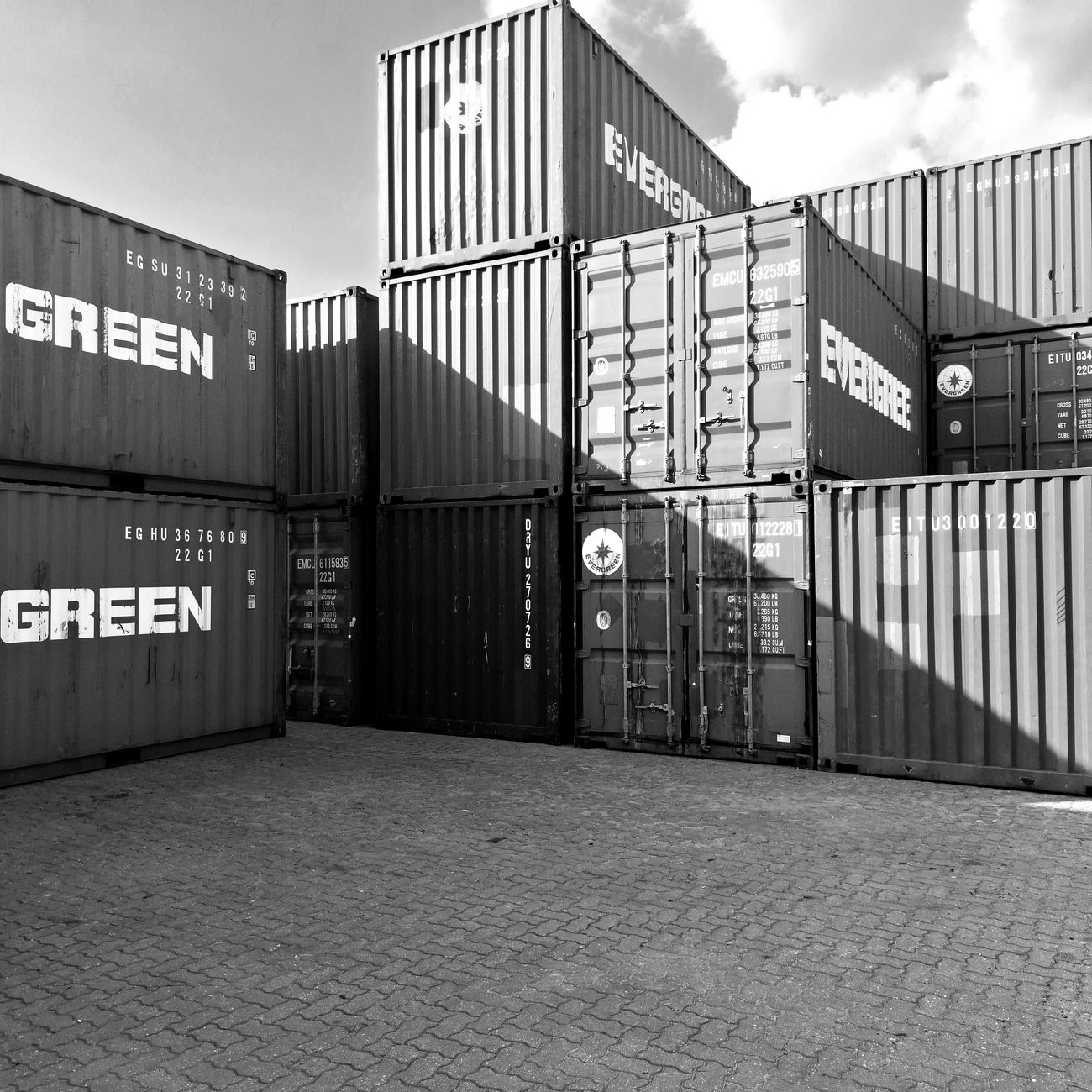
International trade law is a complex and multifaceted field that governs the exchange of goods and services across national borders. At its core, international trade law is concerned with the rules and regulations that facilitate and regulate international trade. One of the key concepts in international trade law is the idea of comparative advantage, which suggests that countries should specialize in producing goods and services in which they have a relative advantage. This concept is based on the idea that countries can benefit from trade by exporting goods and services in which they have a lower opportunity cost and importing goods and services in which they have a higher opportunity cost.
The World Trade Organization (WTO) is the primary international organization responsible for promoting and regulating international trade. The WTO was established in 1995 and is responsible for enforcing the rules of international trade, including the General Agreement on Tariffs and Trade (GATT) and the General Agreement on Trade in Services (GATS). The WTO also provides a forum for countries to negotiate trade agreements and resolve trade disputes. One of the key challenges facing the WTO is the issue of protectionism, which refers to the use of trade barriers, such as tariffs and quotas, to protect domestic industries from foreign competition.
International trade law also involves the use of tariffs and quotas to regulate the flow of goods and services across national borders. A tariff is a tax imposed on imported goods, while a quota is a quantitative restriction on the amount of goods that can be imported. These trade barriers can be used to protect domestic industries, raise revenue, and pursue other policy objectives. However, they can also have negative effects, such as increasing the cost of goods and services for consumers and reducing economic efficiency.
Another important concept in international trade law is the idea of most-favored-nation (MFN) treatment, which requires countries to treat imports from all trading partners equally. This means that a country cannot discriminate against imports from one country in favor of another country. The MFN principle is a key component of the WTO's rules and is designed to promote fairness and equality in international trade. However, there are some exceptions to the MFN principle, such as the use of preferential trade agreements (PTAs), which allow countries to grant preferential treatment to certain trading partners.
International trade law also involves the use of anti-dumping duties and countervailing duties to protect domestic industries from unfair trade practices. Anti-dumping duties are imposed on imports that are sold at a price that is lower than the normal value of the goods in the exporting country. Countervailing duties are imposed on imports that have been subsidized by the exporting country. These duties are designed to level the playing field and prevent unfair trade practices. However, they can also be used as a protectionist tool to restrict imports and protect domestic industries.
The WTO Dispute Settlement Body is responsible for resolving trade disputes between countries. The dispute settlement process involves several stages, including consultation, mediation, and arbitration. The WTO Dispute Settlement Body has the power to impose sanctions on countries that fail to comply with WTO rules. The use of sanctions can be an effective way to enforce WTO rules and promote compliance. However, it can also have negative effects, such as reducing trade and investment between countries.
International trade law also involves the use of free trade agreements (FTAs) and customs unions to promote trade liberalization and economic integration. An FTA is an agreement between two or more countries to reduce or eliminate tariffs and other trade barriers. A customs union is a type of FTA that involves the creation of a common external tariff and the elimination of tariffs and other trade barriers between member countries. These agreements can promote trade and investment between countries and increase economic efficiency. However, they can also have negative effects, such as reducing the ability of countries to pursue independent trade policies.
The rules of origin are an important concept in international trade law, as they determine the country of origin of a good or service. The rules of origin are used to determine the eligibility of a good or service for preferential treatment under a trade agreement. There are several types of rules of origin, including the last substantial transformation rule and the value-added rule. These rules can be complex and difficult to apply, and they can have a significant impact on trade between countries.
International trade law also involves the use of trade facilitation measures to simplify and streamline international trade procedures. Trade facilitation measures include the use of electronic data interchange (EDI) and other technologies to reduce the time and cost of international trade. These measures can promote trade and investment between countries and increase economic efficiency. However, they can also have negative effects, such as reducing the ability of countries to regulate international trade and protect domestic industries.
The Incoterms are a set of international trade terms that are used to define the responsibilities of buyers and sellers in international trade transactions. The Incoterms are published by the International Chamber of Commerce (ICC) and are widely used in international trade. They provide a common language and set of standards for international trade transactions and can help to reduce the risk of disputes and misunderstandings.
International trade law also involves the use of letters of credit and other payment instruments to facilitate international trade transactions. A letter of credit is a document that guarantees payment to the seller upon presentation of compliant documents. These payment instruments can promote trade and investment between countries and increase economic efficiency.
The UN Convention on Contracts for the International Sale of Goods (CISG) is a treaty that governs the sale of goods in international trade. The CISG provides a set of rules and standards for international sales contracts and can help to reduce the risk of disputes and misunderstandings. The CISG is widely used in international trade and is considered an important tool for promoting trade and investment between countries.
International trade law also involves the use of arbitration and other dispute resolution mechanisms to resolve trade disputes between countries. Arbitration is a process in which a neutral third party makes a binding decision in a trade dispute. These dispute resolution mechanisms can promote trade and investment between countries and increase economic efficiency.
The World Customs Organization (WCO) is an international organization that is responsible for promoting the harmonization and standardization of customs procedures. The WCO provides a forum for countries to discuss and agree on customs issues and promotes the use of technology and other tools to simplify and streamline customs procedures. The WCO is also responsible for promoting the security and safety of international trade and for combating counterfeiting and other forms of illegal trade.
International trade law also involves the use of export controls and other trade restrictions to regulate the flow of goods and services across national borders. Export controls are used to restrict the export of certain goods and services, such as military equipment and dual-use items. These trade restrictions can be used to promote national security and protect domestic industries. However, they can also have negative effects, such as reducing trade and investment between countries.
The OECD is an international organization that is responsible for promoting economic growth and development. The OECD provides a forum for countries to discuss and agree on economic issues and promotes the use of policies and other tools to promote economic efficiency. The OECD is also responsible for promoting corporate social responsibility and other ethical business practices in international trade.
International trade law also involves the use of environmental regulations and other sustainability measures to promote sustainable development and protect the environment. Environmental regulations are used to restrict the trade of certain goods and services that have a negative impact on the environment, such as hazardous waste and endangered species. These sustainability measures can promote trade and investment between countries and increase economic efficiency.
The EU is a regional trade organization that is responsible for promoting economic integration and cooperation among its member countries. The EU provides a forum for countries to discuss and agree on trade issues and promotes the use of policies and other tools to promote trade liberalization and economic integration. The EU is also responsible for promoting competition policy and other fair trade practices in international trade.
International trade law also involves the use of technical barriers to trade (TBTs) and other non-tariff barriers to regulate the flow of goods and services across national borders. TBTs are used to restrict the trade of certain goods and services that do not meet certain technical standards, such as safety standards and environmental standards. These non-tariff barriers can be used to promote national security and protect domestic industries.
The WTO Agreement on Sanitary and Phytosanitary Measures (SPS Agreement) is a treaty that governs the use of sanitary and phytosanitary measures (SPS measures) in international trade. SPS measures are used to restrict the trade of certain goods and services that pose a risk to human, animal, or plant health. The SPS Agreement provides a set of rules and standards for the use of SPS measures and can help to reduce the risk of disputes and misunderstandings.
International trade law also involves the use of intellectual property rights (IPRs) to protect intellectual property in international trade. IPRs are used to restrict the trade of certain goods and services that infringe on intellectual property rights, such as patents and copyrights. These IPRs can be used to promote innovation and creativity.
The TRIPS Agreement is a treaty that governs the use of IPRs in international trade. The TRIPS Agreement provides a set of rules and standards for the use of IPRs and can help to reduce the risk of disputes and misunderstandings. The TRIPS Agreement is widely used in international trade and is considered an important tool for promoting trade and investment between countries.
International trade law also involves the use of e-commerce and other digital trade technologies to facilitate international trade transactions. E-commerce is the use of electronic means to buy and sell goods and services. Digital trade technologies can promote trade and investment between countries and increase economic efficiency.
The WTO Work Programme on Electronic Commerce is a program that is designed to promote the development of e-commerce and other digital trade technologies. The program provides a forum for countries to discuss and agree on issues related to digital trade and promotes the use of policies and other tools to promote digital trade. The program is also responsible for promoting consumer protection and other fair trade practices in digital trade.
International trade law also involves the use of small and medium-sized enterprises (SMEs) to promote trade and investment between countries. SMEs are businesses that have a small or medium size and are often involved in international trade. SMEs can promote trade and investment between countries and increase economic efficiency. However, they can also face challenges, such as limited access to finance and technology.
The WTO Declaration on Trade and Development is a declaration that is designed to promote the development of SMEs and other businesses in international trade. The declaration provides a set of principles and guidelines for promoting trade and development and can help to reduce the risk of disputes and misunderstandings. The declaration is widely used in international trade and is considered an important tool for promoting trade and investment between countries.
International trade law also involves the use of regional trade agreements (RTAs) to promote trade liberalization and economic integration. RTAs are agreements between two or more countries to reduce or eliminate tariffs and other trade barriers. RTAs can promote trade and investment between countries and increase economic efficiency.
The WTO Rules of Origin are a set of rules that are used to determine the country of origin of a good or service. There are several types of rules of origin, including the last substantial transformation rule and the value-added rule.
International trade law also involves the use of customs procedures and other trade facilitation measures to simplify and streamline international trade procedures. Customs procedures are the procedures that are used to clear goods and services through customs. Trade facilitation measures can promote trade and investment between countries and increase economic efficiency.
The WCO Revised Kyoto Convention is a treaty that governs the use of customs procedures and other trade facilitation measures. The convention provides a set of rules and standards for the use of customs procedures and can help to reduce the risk of disputes and misunderstandings. The convention is widely used in international trade and is considered an important tool for promoting trade and investment between countries.
International trade law also involves the use of dispute resolution mechanisms to resolve trade disputes between countries. Dispute resolution mechanisms are procedures that are used to resolve trade disputes, such as arbitration and mediation. These mechanisms can promote trade and investment between countries and increase economic efficiency.
The WTO Dispute Settlement Understanding is a treaty that governs the use of dispute resolution mechanisms in international trade. The understanding provides a set of rules and standards for the use of dispute resolution mechanisms and can help to reduce the risk of disputes and misunderstandings. The understanding is widely used in international trade and is considered an important tool for promoting trade and investment between countries.
International trade law also involves the use of trade policy reviews to promote transparency and accountability in international trade. Trade policy reviews are procedures that are used to review and assess the trade policies of countries. These reviews can promote trade and investment between countries and increase economic efficiency.
The WTO Trade Policy Review Mechanism is a mechanism that is used to conduct trade policy reviews. The mechanism provides a set of rules and standards for the conduct of trade policy reviews and can help to reduce the risk of disputes and misunderstandings. The mechanism is widely used in international trade and is considered an important tool for promoting trade and investment between countries.
International trade law also involves the use of aid for trade to promote trade and development in developing countries. Aid for trade is assistance that is provided to developing countries to help them build their trade capacity and promote their trade and development. Aid for trade can promote trade and investment between countries and increase economic efficiency. However, it can also have negative effects, such as reducing the ability of countries to pursue independent trade policies.
The WTO Aid for Trade Initiative is an initiative that is designed to promote aid for trade. The initiative provides a set of principles and guidelines for the provision of aid for trade and can help to reduce the risk of disputes and misunderstandings. The initiative is widely used in international trade and is considered an important tool for promoting trade and investment between countries.
International trade law also involves the use of trade and environment measures to promote sustainable development and protect the environment. Trade and environment measures are procedures that are used to restrict the trade of certain goods and services that have a negative impact on the environment.
The WTO Committee on Trade and Environment is a committee that is responsible for promoting trade and environment measures. The committee provides a forum for countries to discuss and agree on trade and environment issues and promotes the use of policies and other tools to promote sustainable development and protect the environment. The committee is widely used in international trade and is considered an important tool for promoting trade and investment between countries.
International trade law also involves the use of trade and investment measures to promote trade and investment between countries. Trade and investment measures are procedures that are used to restrict the trade of certain goods and services and to promote investment.
The WTO Working Group on Trade and Investment is a working group that is responsible for promoting trade and investment measures. The working group provides a forum for countries to discuss and agree on trade and investment issues and promotes the use of policies and other tools to promote trade and investment. The working group is widely used in international trade and is considered an important tool for promoting trade and investment between countries.
International trade law also involves the use of competition policy to promote fair competition and prevent anti-competitive practices. Competition policy is a set of rules and regulations that are used to promote fair competition and prevent anti-competitive practices, such as monopolies and cartels. These policies can promote trade and investment between countries and increase economic efficiency.
The WTO Working Group on Trade and Competition is a working group that is responsible for promoting competition policy. The working group provides a forum for countries to discuss and agree on competition issues and promotes the use of policies and other tools to promote fair competition and prevent anti-competitive practices.
International trade law also involves the use of consumer protection measures to promote consumer welfare and protect consumers from unfair trade practices. Consumer protection measures are procedures that are used to restrict the trade of certain goods and services that are harmful to consumers.
The WTO Committee on Consumer Protection is a committee that is responsible for promoting consumer protection measures. The committee provides a forum for countries to discuss and agree on consumer protection issues and promotes the use of policies and other tools to promote consumer welfare and protect consumers from unfair trade practices.
International trade law also involves the use of electronic commerce to facilitate international trade transactions. Electronic commerce is the use of electronic means to buy and sell goods and services. Electronic commerce can promote trade and investment between countries and increase economic efficiency. However, it can also have negative effects, such as reducing the ability of countries to regulate international trade and protect domestic industries.
The WTO Work Programme on Electronic Commerce is a program that is designed to promote the development of electronic commerce. The program provides a forum for countries to discuss and agree on issues related to electronic commerce and promotes the use of policies and other tools to promote electronic commerce. The program is widely used in international trade and is considered an important tool for promoting trade and investment between countries.
Key takeaways
- This concept is based on the idea that countries can benefit from trade by exporting goods and services in which they have a lower opportunity cost and importing goods and services in which they have a higher opportunity cost.
- The WTO was established in 1995 and is responsible for enforcing the rules of international trade, including the General Agreement on Tariffs and Trade (GATT) and the General Agreement on Trade in Services (GATS).
- International trade law also involves the use of tariffs and quotas to regulate the flow of goods and services across national borders.
- However, there are some exceptions to the MFN principle, such as the use of preferential trade agreements (PTAs), which allow countries to grant preferential treatment to certain trading partners.
- International trade law also involves the use of anti-dumping duties and countervailing duties to protect domestic industries from unfair trade practices.
- The WTO Dispute Settlement Body has the power to impose sanctions on countries that fail to comply with WTO rules.
- A customs union is a type of FTA that involves the creation of a common external tariff and the elimination of tariffs and other trade barriers between member countries.