
Nutrition and Hair Health
The study of nutrition and its impact on hair health is a complex and multifaceted field that requires a thorough understanding of various key terms and concepts. At the forefront of this field is the recognition that nutritional deficienci…
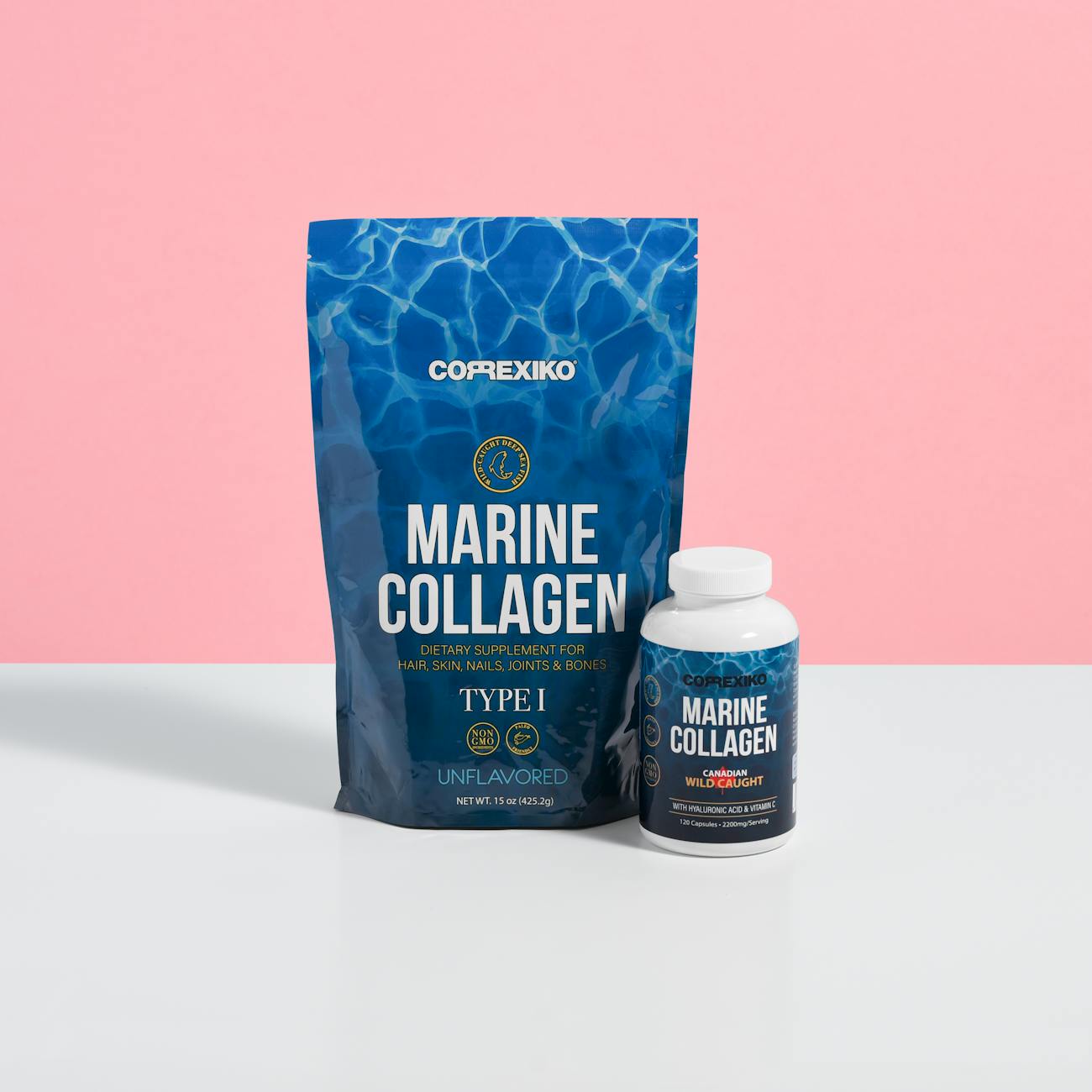
The study of nutrition and its impact on hair health is a complex and multifaceted field that requires a thorough understanding of various key terms and concepts. At the forefront of this field is the recognition that nutritional deficiencies can have a significant impact on the health and appearance of hair. For instance, a deficiency in iron can lead to hair loss, while a lack of zinc can result in hair that is dull and brittle.
To fully comprehend the relationship between nutrition and hair health, it is essential to understand the different types of nutrients that are essential for healthy hair growth. These include macronutrients such as carbohydrates, proteins, and fats, as well as micronutrients like vitamins and minerals. For example, protein is a crucial nutrient for hair growth, as it provides the building blocks for the production of keratin, a protein that is found in hair.
In addition to understanding the different types of nutrients, it is also important to recognize the various food sources that provide these nutrients. For instance, leafy greens like spinach and kale are rich in iron and vitamin C, while nuts and seeds are good sources of healthy fats and protein. Furthermore, whole grains like brown rice and quinoa provide complex carbohydrates and fiber, which are essential for healthy hair growth.
Another critical aspect of nutrition and hair health is the role of hormones in regulating hair growth. Hormonal imbalances can have a significant impact on hair health, leading to conditions such as alopecia and hirsutism. For example, an excess of dihydrotestosterone (DHT) can lead to hair loss, while a deficiency in thyroid hormone can result in hair that is dry and brittle.
In terms of practical applications, understanding the relationship between nutrition and hair health can inform the development of hair care products and treatments that are tailored to individual nutritional needs. For instance, a hair mask that is rich in keratin and vitamin E can help to nourish and protect hair, while a dietary supplement that contains biotin and zinc can help to promote healthy hair growth.
However, there are also several challenges associated with the study of nutrition and hair health. One of the main challenges is the complexity of the relationship between nutrition and hair health, which can make it difficult to identify the underlying causes of hair problems. Additionally, there is a lack of standardization in the field, which can make it challenging to compare the results of different studies.
Despite these challenges, research in the field of nutrition and hair health continues to advance our understanding of the complex relationships between nutrients,
Furthermore, the study of nutrition and hair health has significant implications for the development of personalized nutrition plans that are tailored to individual nutritional needs. For instance, a hair analysis can provide valuable insights into an individual's nutritional status, while a dietary assessment can help to identify potential nutrient deficiencies that may be impacting hair health.
In addition to its implications for personalized nutrition, the study of nutrition and hair health also has significant applications in the field of cosmetology. For example, understanding the relationship between nutrition and hair health can inform the development of hair care products that are tailored to individual nutritional needs, while also highlighting the importance of proper nutrition in maintaining healthy hair.
The importance of proper nutrition in maintaining healthy hair cannot be overstated. A balanced diet that is rich in essential nutrients is essential for promoting healthy hair growth, while a deficient diet can lead to a range of hair problems, including hair loss and dryness. For instance, a diet that is lacking in protein can lead to hair that is weak and brittle, while a diet that is deficient in iron can lead to hair loss.
In terms of specific nutrients, there are several that are particularly important for hair health. For example, biotin is a B-complex vitamin that plays a critical role in the production of keratin, a protein that is found in hair. Similarly, zinc is an essential mineral that is involved in the regulation of hormones and the production of keratin.
Other important nutrients for hair health include vitamin C, which is involved in the production of collagen and the maintenance of healthy blood vessels, and omega-3 fatty acids, which are involved in the regulation of inflammation and the promotion of healthy hair growth. For instance, a study found that omega-3 fatty acids can help to reduce inflammation and promote healthy hair growth in individuals with alopecia.
In addition to its importance for hair health, nutrition also plays a critical role in maintaining healthy skin and nails. For example, a deficient diet can lead to skin problems such as acne and dryness, while a diet that is rich in essential nutrients can help to promote healthy skin and nails.
The relationship between nutrition and skin health is complex and multifaceted, and involves the regulation of hormones and the production of collagen. For instance, a study found that vitamin C can help to promote the production of collagen and improve skin elasticity. Similarly, omega-3 fatty acids have been shown to reduce inflammation and promote healthy skin.
In terms of practical applications, understanding the relationship between nutrition and skin health can inform the development of skin care products and treatments that are tailored to individual nutritional needs. For example, a moisturizer that is rich in essential fatty acids and antioxidants can help to nourish and protect the skin, while a dietary supplement that contains vitamin C and zinc can help to promote healthy skin and nails.
Furthermore, the study of nutrition and skin health has significant implications for the development of personalized nutrition plans that are tailored to individual nutritional needs. For instance, a skin analysis can provide valuable insights into an individual's nutritional status, while a dietary assessment can help to identify potential nutrient deficiencies that may be impacting skin health.
In addition to its implications for personalized nutrition, the study of nutrition and skin health also has significant applications in the field of cosmetology. For example, understanding the relationship between nutrition and skin health can inform the development of skin care products that are tailored to individual nutritional needs, while also highlighting the importance of proper nutrition in maintaining healthy skin.
The importance of proper nutrition in maintaining healthy skin cannot be overstated. A balanced diet that is rich in essential nutrients is essential for promoting healthy skin, while a deficient diet can lead to a range of skin problems, including acne and dryness. For instance, a diet that is lacking in essential fatty acids can lead to dry skin, while a diet that is deficient in antioxidants can lead to premature aging.
In terms of specific nutrients, there are several that are particularly important for skin health. For example, vitamin C is a powerful antioxidant that is involved in the production of collagen and the maintenance of healthy blood vessels.
Other important nutrients for skin health include omega-3 fatty acids, which are involved in the regulation of inflammation and the promotion of healthy skin, and probiotics, which are involved in the regulation of the gut microbiome and the promotion of healthy skin. For instance, a study found that probiotics can help to reduce inflammation and promote healthy skin in individuals with acne.
In addition to its importance for skin health, nutrition also plays a critical role in maintaining healthy nails. For example, a deficient diet can lead to nail problems such as brittleness and dryness, while a diet that is rich in essential nutrients can help to promote healthy nails.
The relationship between nutrition and nail health is complex and multifaceted, and involves the regulation of hormones and the production of keratin. For instance, a study found that biotin can help to promote the production of keratin and improve nail health. Similarly, vitamin C has been shown to promote the production of collagen and improve nail health.
In terms of practical applications, understanding the relationship between nutrition and nail health can inform the development of nail care products and treatments that are tailored to individual nutritional needs. For example, a nail strengthener that is rich in keratin and biotin can help to nourish and protect the nails, while a dietary supplement that contains vitamin C and zinc can help to promote healthy nails.
Furthermore, the study of nutrition and nail health has significant implications for the development of personalized nutrition plans that are tailored to individual nutritional needs. For instance, a nail analysis can provide valuable insights into an individual's nutritional status, while a dietary assessment can help to identify potential nutrient deficiencies that may be impacting nail health.
In addition to its implications for personalized nutrition, the study of nutrition and nail health also has significant applications in the field of cosmetology. For example, understanding the relationship between nutrition and nail health can inform the development of nail care products that are tailored to individual nutritional needs, while also highlighting the importance of proper nutrition in maintaining healthy nails.
The importance of proper nutrition in maintaining healthy nails cannot be overstated. A balanced diet that is rich in essential nutrients is essential for promoting healthy nails, while a deficient diet can lead to a range of nail problems, including brittleness and dryness. For instance, a diet that is lacking in biotin can lead to brittle nails, while a diet that is deficient in vitamin C can lead to weak nails.
In terms of specific nutrients, there are several that are particularly important for nail health. For example, biotin is a B-complex vitamin that is involved in the production of keratin and the maintenance of healthy nails.
Other important nutrients for nail health include vitamin C, which is involved in the production of collagen and the maintenance of healthy blood vessels, and omega-3 fatty acids, which are involved in the regulation of inflammation and the promotion of healthy nails. For instance, a study found that omega-3 fatty acids can help to reduce inflammation and promote healthy nails in individuals with brittle nail syndrome.
The relationship between nutrition and hair health, skin health, and nail health is complex and multifaceted, and involves the regulation of hormones and the production of keratin and collagen. Understanding this relationship is essential for the development of personalized nutrition plans that are tailored to individual nutritional needs, and can inform the development of hair care products, skin care products, and nail care products that are tailored to individual nutritional needs.
Furthermore, the study of nutrition and hair health, skin health, and nail health has significant implications for the field of cosmetology, and can inform the development of treatments and products that are tailored to individual nutritional needs. The importance of proper nutrition in maintaining healthy hair, skin, and nails cannot be overstated, and a balanced diet that is rich in essential nutrients is essential for promoting healthy hair, skin, and nails.
In terms of practical applications, understanding the relationship between nutrition and hair health, skin health, and nail health can inform the development of dietary supplements and nutritional products that are tailored to individual nutritional needs. For example, a hair growth supplement that contains biotin and vitamin C can help to promote healthy hair growth, while a skin care supplement that contains omega-3 fatty acids and antioxidants can help to promote healthy skin.
Similarly, a nail care supplement that contains biotin and vitamin C can help to promote healthy nails. Furthermore, understanding the relationship between nutrition and hair health, skin health, and nail health can inform the development of personalized nutrition plans that are tailored to individual nutritional needs, and can help to identify potential nutrient deficiencies that may be impacting hair health, skin health, and nail health.
In addition to its implications for personalized nutrition, the study of nutrition and hair health, skin health, and nail health also has significant applications in the field of cosmetology. For example, understanding the relationship between nutrition and hair health, skin health, and nail health can inform the development of hair care products, skin care products, and nail care products that are tailored to individual nutritional needs, and can help to promote healthy hair, skin, and nails.
In terms of specific nutrients, there are several that are particularly important for hair health, skin health, and nail health. For example, biotin is a B-complex vitamin that is involved in the production of keratin and the maintenance of healthy hair, skin, and nails.
Similarly, zinc is an essential mineral that is involved in the regulation of hormones and the production of keratin and collagen. Other important nutrients for hair health, skin health, and nail health include vitamin C, which is involved in the production of collagen and the maintenance of healthy blood vessels, and omega-3 fatty acids, which are involved in the regulation of inflammation and the promotion of healthy hair, skin, and nails.
In addition to its importance for hair health, skin health, and nail health, nutrition also plays a critical role in maintaining overall health and wellbeing. A balanced diet that is rich in essential nutrients is essential for promoting overall health and wellbeing, while a deficient diet can lead to a range of health problems, including chronic diseases such as heart disease and diabetes.
Furthermore, the study of nutrition and hair health, skin health, and nail health has significant implications for the development of public health policies and programs that are aimed at promoting healthy hair, skin, and nails. For example, understanding the relationship between nutrition and hair health, skin health, and nail health can inform the development of education programs that are aimed at promoting healthy hair, skin, and nails, and can help to identify potential nutrient deficiencies that may be impacting hair health, skin health, and nail health.
In addition to its implications for public health, the study of nutrition and hair health, skin health, and nail health also has significant applications in the field of research. For example, understanding the relationship between nutrition and hair health, skin health, and nail health can inform the development of research studies that are aimed at investigating the effects of nutrient deficiencies on hair health, skin health, and nail health, and can help to identify potential nutrient deficiencies that may be impacting hair health, skin health, and nail health.
Key takeaways
- The study of nutrition and its impact on hair health is a complex and multifaceted field that requires a thorough understanding of various key terms and concepts.
- To fully comprehend the relationship between nutrition and hair health, it is essential to understand the different types of nutrients that are essential for healthy hair growth.
- For instance, leafy greens like spinach and kale are rich in iron and vitamin C, while nuts and seeds are good sources of healthy fats and protein.
- For example, an excess of dihydrotestosterone (DHT) can lead to hair loss, while a deficiency in thyroid hormone can result in hair that is dry and brittle.
- In terms of practical applications, understanding the relationship between nutrition and hair health can inform the development of hair care products and treatments that are tailored to individual nutritional needs.
- One of the main challenges is the complexity of the relationship between nutrition and hair health, which can make it difficult to identify the underlying causes of hair problems.
- Despite these challenges, research in the field of nutrition and hair health continues to advance our understanding of the complex relationships between nutrients,