
Industrial Automation
Industrial automation refers to the use of control systems and information technologies to operate and monitor industrial processes, reducing the need for human intervention. This field combines mechanical engineering , electrical engineeri…
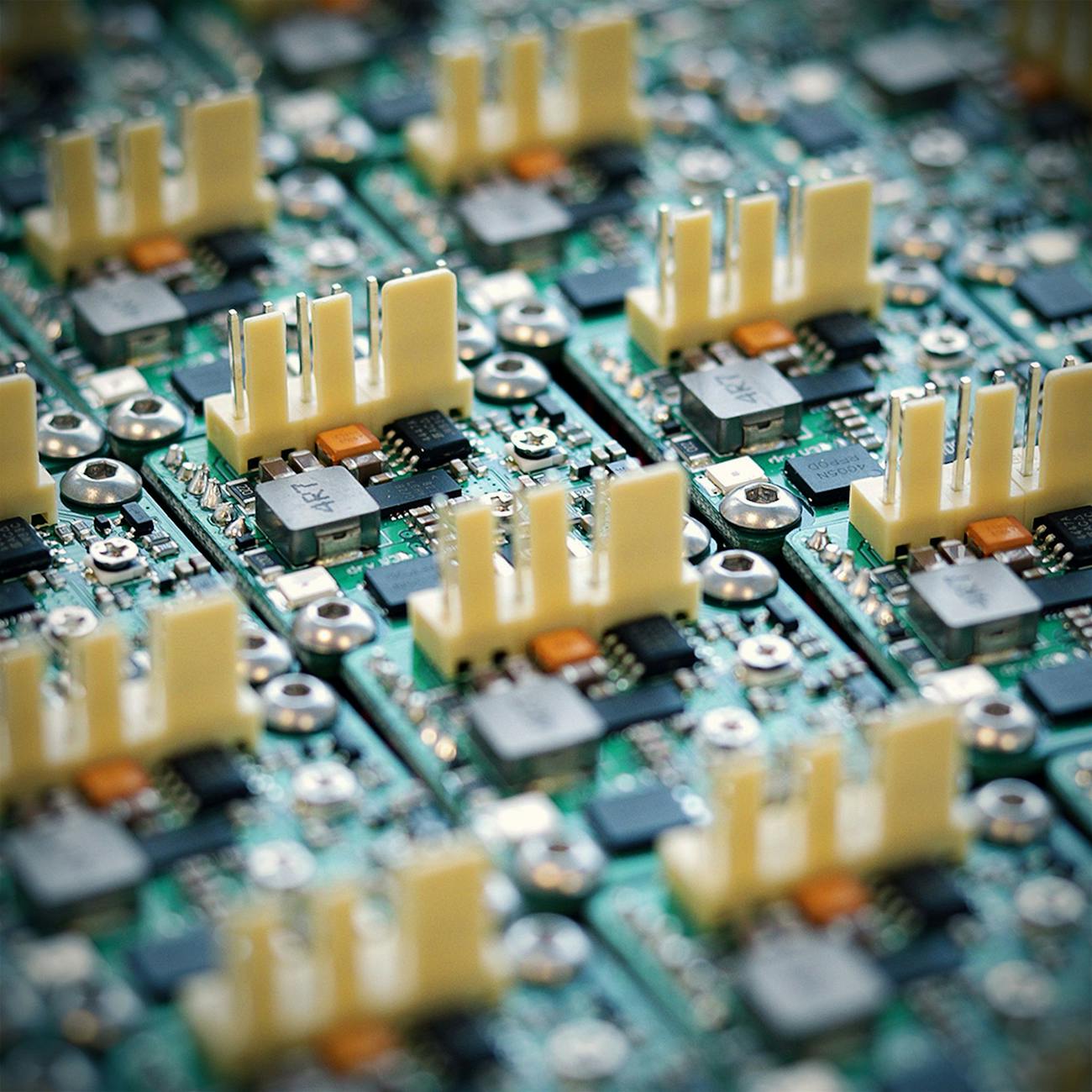
Industrial automation refers to the use of control systems and information technologies to operate and monitor industrial processes, reducing the need for human intervention. This field combines mechanical engineering, electrical engineering, and computer science to create efficient and productive systems. Instrumentation engineering plays a crucial role in industrial automation, as it involves the design, installation, and maintenance of instrumentation systems that measure and control various process parameters.
In industrial automation, sensors and transmitters are used to measure process variables such as temperature, pressure, flow rate, and level. These measurements are then transmitted to control systems, which use algorithms and logic to determine the required actions. The control systems send signals to actuators and valves, which adjust the process parameters to achieve the desired outcomes. For example, in a temperature control system, a thermocouple sensor measures the temperature and sends the signal to a controller, which then adjusts the heating or cooling system to maintain the desired temperature.
Industrial automation involves various types of control systems, including open-loop and closed-loop systems. In an open-loop system, the control action is based on a predetermined sequence of events, without feedback from the process. In a closed-loop system, the control action is based on feedback from the process, allowing for continuous monitoring and adjustment. For instance, a level control system in a tank uses a level sensor to measure the level and a controller to adjust the valve opening to maintain the desired level.
The use of programming languages such as Ladder Logic and Function Block Diagram is essential in industrial automation. These languages are used to create programs that control the logic and sequence of events in a process. For example, in a batching system, a program is used to control the sequence of valve openings and pump start/stop operations to produce a specific batch of product.
Industrial automation also involves the use of communication protocols such as Modbus and Profibus to enable communication between devices and systems. These protocols allow for the exchange of data and control signals between devices, enabling remote monitoring and control of processes. For instance, in a distributed control system, Modbus is used to communicate between controllers and input/output devices.
The application of industrial automation can be seen in various industries such as process control, manufacturing, and power generation. In process control, industrial automation is used to control and monitor process variables such as temperature, pressure, and flow rate. In manufacturing, industrial automation is used to control and monitor production lines and machinery. In power generation, industrial automation is used to control and monitor power plants and transmission systems.
One of the key challenges in industrial automation is the integration of legacy systems with new technologies. Many industries have existing infrastructure and systems that need to be integrated with new technologies and devices. This requires careful planning and execution to ensure seamless integration and minimal disruption to operations.
Another challenge in industrial automation is the security of systems and data. With the increasing use of networks and internet connectivity, industrial automation systems are vulnerable to cyber attacks and data breaches. This requires the implementation of security measures such as firewalls and encryption to protect systems and data.
The use of artificial intelligence and machine learning is becoming increasingly popular in industrial automation. These technologies enable predictive maintenance and quality control, allowing for real-time monitoring and adjustment of processes. For example, in a predictive maintenance system, machine learning algorithms are used to analyze sensor data and predict when equipment is likely to fail, enabling proactive maintenance and reducing downtime.
In addition to artificial intelligence and machine learning, the use of Internet of Things (IoT) is also becoming increasingly popular in industrial automation. IoT enables the connection of devices and systems to the internet, allowing for remote monitoring and control of processes. For example, in a smart factory, IoT is used to connect machines and devices to the internet, enabling real-time monitoring and adjustment of processes.
The application of industrial automation can also be seen in oil and gas industries, where it is used to control and monitor process variables such as pressure, temperature, and flow rate. In oil and gas industries, industrial automation is used to control and monitor wellhead operations, pipeline operations, and refinery operations.
In water treatment plants, industrial automation is used to control and monitor process variables such as pH, temperature, and flow rate. In water treatment plants, industrial automation is used to control and monitor chemical dosing, filtration, and disinfection processes.
In food processing industries, industrial automation is used to control and monitor process variables such as temperature, pressure, and flow rate. In food processing industries, industrial automation is used to control and monitor cooking, packaging, and quality control processes.
In pharmaceutical industries, industrial automation is used to control and monitor process variables such as temperature, pressure, and flow rate. In pharmaceutical industries, industrial automation is used to control and monitor manufacturing, quality control, and packaging processes.
The use of industrial automation has many benefits, including increased efficiency, improved quality, and reduced costs. Industrial automation enables real-time monitoring and adjustment of processes, allowing for quick response to changes in process conditions. Industrial automation also enables predictive maintenance and quality control, allowing for proactive maintenance and reducing downtime.
However, the use of industrial automation also has some challenges, including high upfront costs, complexity, and security concerns. Industrial automation requires significant investment in hardware and software, as well as training and support for personnel. Industrial automation also requires careful planning and execution to ensure seamless integration and minimal disruption to operations.
In addition to the benefits and challenges, the use of industrial automation also has some future directions, including the use of artificial intelligence and machine learning, the use of Internet of Things (IoT), and the use of cloud computing. These technologies are expected to play a major role in the future of industrial automation, enabling real-time monitoring and adjustment of processes, as well as predictive maintenance and quality control.
The use of artificial intelligence and machine learning in industrial automation is expected to increase in the future, enabling predictive maintenance and quality control. These technologies will enable real-time monitoring and adjustment of processes, allowing for quick response to changes in process conditions.
The use of Internet of Things (IoT) in industrial automation is also expected to increase in the future, enabling remote monitoring and control of processes. IoT will enable the connection of devices and systems to the internet, allowing for real-time monitoring and adjustment of processes.
The use of cloud computing in industrial automation is also expected to increase in the future, enabling scalability and flexibility in data storage and processing. Cloud computing will enable the storage and processing of large amounts of data, allowing for real-time monitoring and adjustment of processes.
In summary, industrial automation is a rapidly evolving field that involves the use of control systems and information technologies to operate and monitor industrial processes. The future of industrial automation is expected to involve the use of artificial intelligence and machine learning, the use of Internet of Things (IoT), and the use of cloud computing. These technologies will enable real-time monitoring and adjustment of processes, as well as predictive maintenance and quality control.
The role of instrumentation engineering in industrial automation is crucial, as it involves the design, installation, and maintenance of instrumentation systems that measure and control various process parameters. Instrumentation engineers play a key role in ensuring the accuracy and reliability of instrumentation systems, as well as the safety and efficiency of industrial processes.
In instrumentation engineering, the use of sensors and transmitters is essential for measuring process variables such as temperature, pressure, and flow rate. The selection of sensors and transmitters depends on the type of process variable being measured, as well as the range and accuracy required.
The use of control valves and actuators is also essential in instrumentation engineering, as they are used to control and regulate process variables. The selection of control valves and actuators depends on the type of process variable being controlled, as well as the range and accuracy required.
In addition to the hardware components, instrumentation engineering also involves the use of software and programming languages to create programs that control the logic and sequence of events in a process. The use of programming languages such as Ladder Logic and Function Block Diagram is essential in instrumentation engineering, as they enable the creation of programs that can be used to control and monitor industrial processes.
The application of instrumentation engineering can be seen in various industries such as process control, manufacturing, and power generation. In process control, instrumentation engineering is used to control and monitor process variables such as temperature, pressure, and flow rate. In manufacturing, instrumentation engineering is used to control and monitor production lines and machinery. In power generation, instrumentation engineering is used to control and monitor power plants and transmission systems.
In oil and gas industries, instrumentation engineering is used to control and monitor process variables such as pressure, temperature, and flow rate. In oil and gas industries, instrumentation engineering is used to control and monitor wellhead operations, pipeline operations, and refinery operations.
In water treatment plants, instrumentation engineering is used to control and monitor process variables such as pH, temperature, and flow rate. In water treatment plants, instrumentation engineering is used to control and monitor chemical dosing, filtration, and disinfection processes.
In food processing industries, instrumentation engineering is used to control and monitor process variables such as temperature, pressure, and flow rate. In food processing industries, instrumentation engineering is used to control and monitor cooking, packaging, and quality control processes.
In pharmaceutical industries, instrumentation engineering is used to control and monitor process variables such as temperature, pressure, and flow rate. In pharmaceutical industries, instrumentation engineering is used to control and monitor manufacturing, quality control, and packaging processes.
The use of instrumentation engineering has many benefits, including increased efficiency, improved quality, and reduced costs. Instrumentation engineering enables real-time monitoring and adjustment of processes, allowing for quick response to changes in process conditions. Instrumentation engineering also enables predictive maintenance and quality control, allowing for proactive maintenance and reducing downtime.
However, the use of instrumentation engineering also has some challenges, including high upfront costs, complexity, and security concerns. Instrumentation engineering requires significant investment in hardware and software, as well as training and support for personnel. Instrumentation engineering also requires careful planning and execution to ensure seamless integration and minimal disruption to operations.
In addition to the benefits and challenges, the use of instrumentation engineering also has some future directions, including the use of artificial intelligence and machine learning, the use of Internet of Things (IoT), and the use of cloud computing. These technologies are expected to play a major role in the future of instrumentation engineering, enabling real-time monitoring and adjustment of processes, as well as predictive maintenance and quality control.
The role of instrumentation engineers in industrial automation is crucial, as they are responsible for designing, installing, and maintaining instrumentation systems that measure and control various process parameters.
In summary, instrumentation engineering is a crucial aspect of industrial automation, involving the design, installation, and maintenance of instrumentation systems that measure and control various process parameters. The future of instrumentation engineering is expected to involve the use of artificial intelligence and machine learning, the use of Internet of Things (IoT), and the use of cloud computing.
Key takeaways
- Instrumentation engineering plays a crucial role in industrial automation, as it involves the design, installation, and maintenance of instrumentation systems that measure and control various process parameters.
- In industrial automation, sensors and transmitters are used to measure process variables such as temperature, pressure, flow rate, and level.
- For instance, a level control system in a tank uses a level sensor to measure the level and a controller to adjust the valve opening to maintain the desired level.
- For example, in a batching system, a program is used to control the sequence of valve openings and pump start/stop operations to produce a specific batch of product.
- Industrial automation also involves the use of communication protocols such as Modbus and Profibus to enable communication between devices and systems.
- The application of industrial automation can be seen in various industries such as process control, manufacturing, and power generation.
- This requires careful planning and execution to ensure seamless integration and minimal disruption to operations.