
Stadium Design And Development
Stadium design is a multidisciplinary endeavor that blends architecture, engineering, finance, and operations into a cohesive whole. The vocabulary used by professionals in this field is extensive, and mastery of these terms is essential fo…
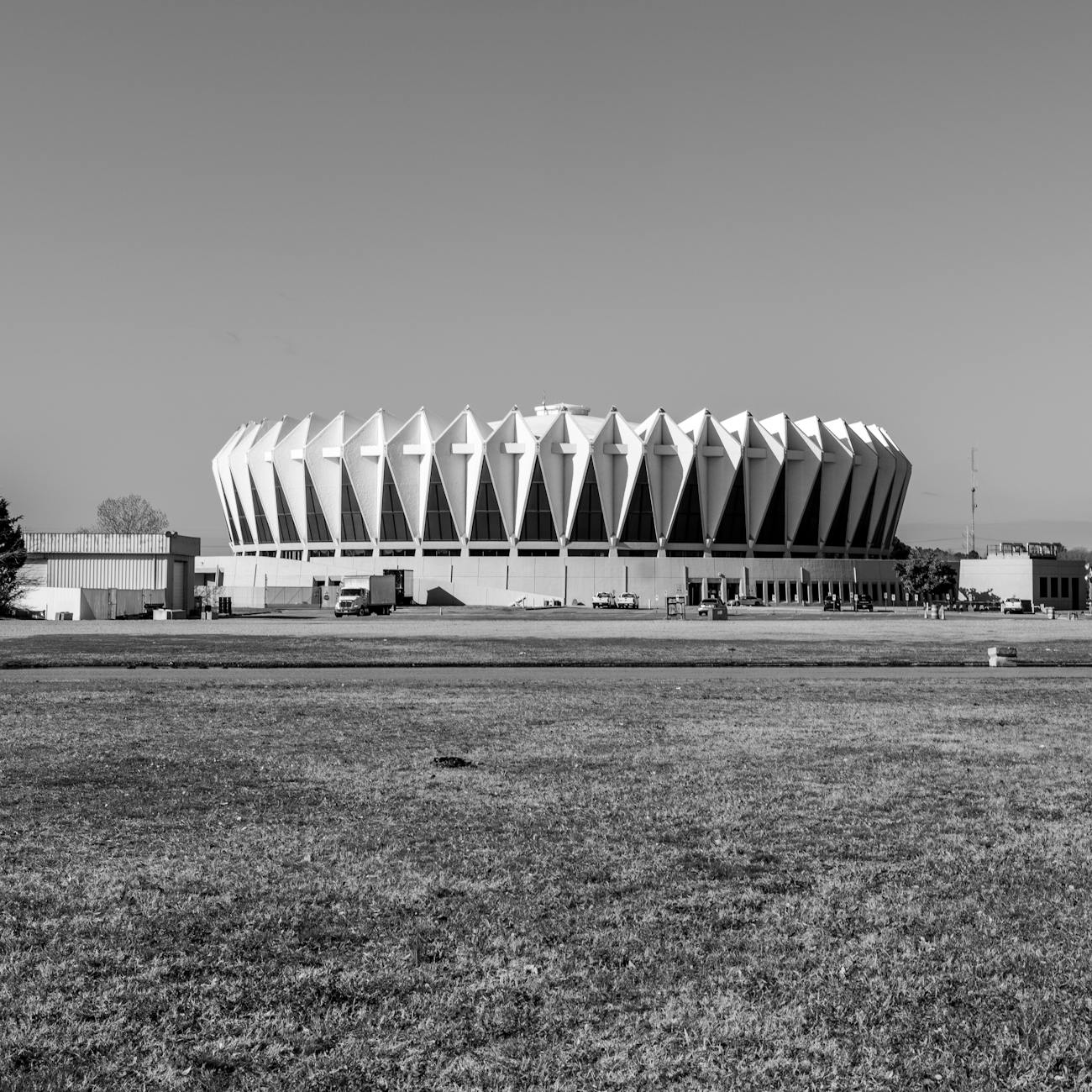
Stadium design is a multidisciplinary endeavor that blends architecture, engineering, finance, and operations into a cohesive whole. The vocabulary used by professionals in this field is extensive, and mastery of these terms is essential for anyone pursuing an Executive Certificate in Stadium Management. Below is a comprehensive guide to the most important concepts, each explained with practical examples, typical applications, and the challenges they pose.
The first step in any stadium project is the feasibility study. This document evaluates the economic, demographic, and market conditions that will determine whether a new venue is viable. Analysts examine population density, median income, and competing entertainment options to forecast attendance and revenue. A common challenge is the uncertainty of future ticket sales, which can be mitigated by incorporating a scenario analysis that tests optimistic, realistic, and pessimistic outcomes. For example, a mid‑size city in the Midwest might project a base attendance of 20,000 per game, but a scenario that includes a new professional franchise could raise that figure to 30,000, altering the financial model dramatically.
Once feasibility is established, the next phase is the site analysis. This involves a detailed assessment of topography, soil conditions, climate, and infrastructure. Geotechnical engineers conduct soil bearing capacity tests to determine the type of foundation required—whether a shallow spread footing will suffice or a deep pile system is needed. In coastal locations, high water tables and corrosion risk demand additional protective measures, such as concrete admixtures and cathodic protection. A practical challenge here is balancing the ideal site location—often near public transport hubs—with land acquisition costs and zoning restrictions.
The architectural program follows, defining the functional requirements of the stadium. Key parameters include gross floor area, seating capacity, and the mix of ancillary spaces. For a 40,000‑seat venue, the program might allocate 55 % of the total area to the playing surface and spectator seating, 20 % to hospitality suites and premium lounges, and the remaining 25 % to circulation, concessions, and back‑of‑house operations. Designers must also consider flexibility—the ability to reconfigure the space for concerts, conventions, or community events. A challenge arises when the desire for a large, open concourse conflicts with structural constraints; engineers often resort to long‑span trusses or tensioned cable systems to maintain clear sightlines while supporting the roof.
Speaking of sightlines, the concept of view geometry is central to fan experience. The C‑value—a measure of the vertical angle between a spectator’s eye and the point of focus—must meet minimum thresholds to ensure unobstructed viewing. Stadiums with steeply raked seating, such as many European football grounds, achieve high C‑values but may pose accessibility challenges. To address this, designers incorporate ramp‑accessible tiers and strategically placed elevators that serve all levels while complying with local disability codes. The trade‑off between optimal sightlines and inclusive design often requires iterative 3‑D modeling and stakeholder consultation.
The structural system is another critical vocabulary area. Common choices include reinforced concrete, steel frame, and hybrid systems that combine both materials. A steel truss roof can span 200 m without interior columns, providing an unobstructed interior volume ideal for large‑scale events. However, steel is susceptible to temperature‑induced expansion, necessitating expansion joints and careful detailing to prevent buckling. In contrast, concrete offers rigidity and fire resistance but can increase the overall weight, demanding deeper foundations. Modern stadiums often employ a composite steel‑concrete system, leveraging the strengths of each material to achieve a lighter, more resilient structure.
The roof type dictates both the visual identity and functional performance of the venue. Options range from fixed, permanent roofs to retractable and operable designs that allow the field to be exposed to natural light and weather when desired. Retractable roofs, like those seen in several NFL stadiums, involve complex mechanical systems, high maintenance costs, and significant energy consumption. Designers must evaluate the climate—frequent rain or extreme heat may justify the investment—while also considering the impact on acoustics and lighting. A common challenge is ensuring that the roof’s movement does not interfere with the stadium’s structural integrity or the surrounding urban fabric.
Acoustic engineering is a specialized term that addresses sound quality within the arena. The shape of the roof, the materials used for interior finishes, and the placement of acoustic panels all influence reverberation time and speech intelligibility. For a venue that will host both sporting events and concerts, designers aim for a balanced acoustic profile that minimizes echo during crowd noise while enhancing clarity for musical performances. Computational fluid dynamics (CFD) simulations are employed to model sound propagation, and the results guide the selection of absorbent panels and diffusers. The challenge lies in achieving the optimal balance without compromising the visual aesthetics of the interior.
Lighting design is equally vital, and the term illuminance uniformity refers to the even distribution of light across the playing surface. International sports governing bodies prescribe specific lux levels—for example, 1,500 lux for televised soccer matches. Modern stadiums use LED fixtures because they provide high luminous efficacy, lower energy costs, and dynamic color control for pre‑game shows. However, integrating LED lighting with the overall electrical system requires careful coordination with the MEP (mechanical, electrical, and plumbing) design team to manage power loads, heat dissipation, and control wiring. A practical challenge is ensuring that the lighting system can be maintained quickly, as any failure during a live event can cause significant disruptions.
The HVAC system must maintain comfortable conditions for spectators while being energy efficient. In large venues, the volume of air that must be conditioned is enormous, prompting designers to use variable air volume (VAV) controls, demand‑controlled ventilation, and heat recovery systems. A stadium in a hot, arid climate may incorporate a desert cooling tower that recycles water and reduces reliance on potable water supplies. Integration with a building management system (BMS) allows real‑time monitoring of temperature, humidity, and CO₂ levels, facilitating adjustments that improve occupant comfort and reduce operating expenses. The primary challenge is balancing the need for rapid climate control with sustainability goals and budget constraints.
Sustainability terminology has become a core component of stadium vocabulary. LEED (Leadership in Energy and Environmental Design) certification offers a framework for measuring a building’s environmental performance. Points are awarded for energy efficiency, water conservation, use of recycled materials, and indoor environmental quality. Achieving a Gold or Platinum rating often requires incorporating solar panels on the roof, rainwater harvesting systems, and a green roof that provides insulation and stormwater mitigation. The challenge is that high‑performance sustainable features can increase upfront capital expenditures, necessitating a thorough life‑cycle cost analysis to demonstrate long‑term savings.
Water management is another specialized area. Stormwater management systems capture runoff from the roof and surrounding site, directing it to retention ponds or underground storage for reuse in irrigation and toilet flushing. In regions with water scarcity, designers may employ grey‑water recycling, treating low‑grade wastewater from sinks and showers for non‑potable applications. The installation of low‑flow fixtures and sensor‑activated faucets further reduces consumption. A practical obstacle is ensuring that the plumbing infrastructure can handle dual water supplies without cross‑contamination, which requires careful design of backflow preventers and separate piping networks.
The term circulation describes the movement pathways for spectators, staff, and services within the stadium. Effective circulation design minimizes congestion, shortens travel distances, and supports rapid evacuation. Wide concourses, multiple entry points, and clearly marked wayfinding signs are essential components. In high‑capacity venues, designers often employ a “spoke‑and‑hub” model, where primary aisles radiate from a central concourse, allowing crowds to disperse evenly. The challenge is that increasing the number of access points can reduce the amount of usable seating area, so trade‑offs must be carefully evaluated during the schematic design phase.
Accessibility is a legal and ethical imperative. The term ADA compliance (Americans with Disabilities Act) refers to design standards that ensure persons with disabilities can access all areas of the stadium. This includes wheelchair‑accessible seating with adjacent companion seats, tactile signage, audible announcements, and accessible restrooms. In many jurisdictions, the required proportion of accessible seats is calculated as a percentage of total capacity—often around 1 % for every 1000 seats. Implementing these features may require additional structural modifications, such as ramped platforms and reinforced flooring, which can increase construction costs and affect sightline geometry.
Crowd management terminology includes egress capacity, which defines the rate at which occupants can safely exit the venue during an emergency. Building codes specify a minimum egress width per occupant, typically 0.2 Inches per person for stairways. Designers use evacuation modeling software to simulate various scenarios, ensuring that all exits can be cleared within a prescribed time—often under three minutes for large stadiums. The challenge is that increasing egress capacity may conflict with revenue‑generating features like premium seating or additional concessions, requiring creative solutions such as collapsible barriers or multi‑level exit routes.
Security terminology has expanded significantly in the post‑9/11 era. Security screening refers to the process of inspecting bags, detecting prohibited items, and verifying ticket authenticity before entry. Modern venues employ a combination of metal detectors, X‑ray scanners, and CCTV (closed‑circuit television) surveillance to monitor activity throughout the facility. The integration of biometric access control—such as fingerprint or facial recognition—offers faster, more accurate verification but raises privacy concerns and requires robust data protection measures. A key challenge is balancing thorough security measures with a seamless fan experience, as excessive delays at entry gates can diminish satisfaction and reduce repeat attendance.
The term ticketing system encompasses the software and hardware used to sell, distribute, and validate tickets. Advanced platforms provide dynamic pricing, mobile ticket delivery, and real‑time inventory management. Integration with the stadium’s CRM (customer relationship management) system enables personalized marketing and loyalty programs. However, reliance on digital ticketing introduces cybersecurity risks, necessitating strong encryption and regular penetration testing. Practically, stadium operators must develop contingency plans for system outages, such as backup ticket scanners and manual verification procedures.
A stadium’s concourse serves as the primary hub for fan services, including food and beverage, retail, and restrooms. The term amenities refers to the range of conveniences offered, from high‑end hospitality suites and luxury boxes to family‑friendly play areas. The mix of amenities directly influences revenue streams; premium suites generate higher per‑seat income, while concession sales depend on foot traffic and product variety. Designing an effective concourse layout involves analyzing conversion rates—the percentage of attendees who purchase food, merchandise, or upgrades. A challenge is that overly dense placement of concessions can cause bottlenecks, while sparse placement can reduce sales opportunities. Simulation tools that model pedestrian flow help identify optimal locations for each service.
The scoreboard and digital signage are integral to modern stadiums, providing real‑time game information, advertising, and interactive content. High‑definition LED screens can display dynamic graphics, replays, and sponsor messages, creating additional revenue streams through sponsor signage. However, these systems require substantial power and generate heat, demanding dedicated cooling solutions and careful integration with the venue’s electrical infrastructure. A practical challenge is ensuring that the scoreboard does not obstruct sightlines for spectators seated behind it, which may require a cantilevered mounting system or a recessed placement within the roof structure.
Connectivity is a rapidly evolving vocabulary area. Wi‑Fi infrastructure must support thousands of simultaneous users, requiring a dense network of access points, bandwidth management, and robust back‑haul connections. The term IoT (Internet of Things) refers to the network of sensors that monitor everything from lighting levels to seat occupancy, feeding data into the BMS for real‑time optimization. Deploying IoT devices raises concerns about data security and network reliability, especially during high‑profile events where cyber‑attacks could target broadcast feeds or ticketing systems. Stadium operators must therefore adopt a layered security architecture, combining firewalls, intrusion detection, and regular firmware updates.
The parking strategy is a key component of stadium site planning. In many cities, the venue is served by a combination of on‑site parking structures and off‑site lots connected by shuttle services. The term parking ratio—the number of parking spaces per 1,000 seats—guides the sizing of these facilities. In dense urban environments, a lower parking ratio encourages the use of public transport, while suburban sites may require a higher ratio to accommodate car‑dependent fans. A challenge is that constructing large parking garages significantly increases project cost and can detract from the aesthetic appeal of the surrounding area. Innovative solutions include automated parking systems and shared‑use agreements with nearby businesses.
Public transport integration is often a decisive factor in a stadium’s success. The term multimodal connectivity describes the seamless linkage of train, bus, light rail, and pedestrian pathways to the venue. Effective integration reduces traffic congestion, improves fan experience, and supports sustainability goals. For example, a stadium located adjacent to a commuter rail station can provide dedicated platforms for event arrivals, reducing the need for extensive shuttle services. The primary challenge is coordinating schedules with transit agencies, ensuring that service frequency aligns with event start and end times, and managing crowd flow on platforms and at ticket gates.
The branding and naming rights vocabulary reflects the commercial aspects of stadium development. A naming rights agreement typically involves a multi‑year contract in which a corporation pays a fixed fee for the right to attach its name to the venue. The contract may also include provisions for exclusive signage, product placement, and hospitality access. Negotiating these deals requires understanding the market value of exposure, the sponsor’s brand alignment, and the legal framework governing naming rights. A challenge is that long‑term contracts may become misaligned with future market conditions, potentially leading to renegotiation or early termination clauses.
The term legacy use refers to the long‑term function of a stadium after its primary tenant departs. Forward‑looking design incorporates flexible spaces that can be repurposed for community events, concerts, or even conversion to mixed‑use development with offices, hotels, or residential units. The concept of adaptive reuse is particularly relevant for older venues, where preserving historic elements while introducing modern amenities can enhance cultural value and attract tourism. A practical challenge is securing funding for post‑event transformation, as many stakeholders focus on immediate revenue rather than future adaptability.
Project delivery terminology includes design‑build, construction management at risk (CMAR), and public‑private partnership (PPP). In a design‑build contract, a single entity is responsible for both the design and construction, promoting faster delivery and tighter cost control. CMAR involves a construction manager who provides input during the design phase, sharing risk for cost overruns. PPPs combine public financing with private sector expertise, often used for large‑scale stadium projects where the municipality seeks to leverage private capital while retaining ownership. Each delivery method presents distinct challenges: Design‑build may limit owner control over design details, CMAR requires careful alignment of incentives, and PPPs can involve complex contractual negotiations and public scrutiny.
Financial terminology is critical for stadium managers. CAPEX (capital expenditures) covers the upfront costs of land acquisition, design, construction, and major equipment. OPEX (operating expenditures) includes ongoing costs such as staffing, utilities, maintenance, and marketing. A thorough cost estimating process distinguishes between hard costs (materials, labor) and soft costs (fees, permits, insurance). Value engineering is a systematic approach to improving function while reducing cost, often by substituting materials, simplifying construction methods, or optimizing design details. The challenge lies in maintaining quality and performance while achieving budget targets, especially when stakeholders have divergent priorities.
Revenue streams for a stadium are diverse. In addition to ticket sales, venues generate income from concessions, merchandise, parking fees, advertising, and broadcast rights. Luxury suites and hospitality clubs command premium prices, often sold on multi‑year contracts that provide a stable cash flow. Dynamic pricing models adjust ticket prices based on demand, opponent, and time of purchase, maximizing revenue potential. A practical challenge is forecasting these streams accurately; overestimation can lead to cash‑flow shortfalls, while underestimation may result in missed opportunities. Robust financial modeling, incorporating sensitivity analysis, helps mitigate these risks.
Risk management terminology encompasses contingency reserves, insurance, and force‑majeure clauses. Contingency reserves are budgetary allocations set aside to cover unforeseen costs, typically ranging from 5 % to 10 % of the total construction budget. Insurance policies may cover property damage, liability, and business interruption. Force‑majeure provisions protect parties from events such as natural disasters or pandemics that could delay construction or reduce attendance. Managing these risks requires a comprehensive risk register, regular monitoring, and clear communication among all project participants. A common challenge is that excessive contingencies can inflate project cost, while insufficient reserves may expose the owner to financial strain.
Scheduling terminology includes critical path, float, and milestones. The critical path consists of tasks that directly determine the project’s duration; any delay on these tasks will extend the overall timeline. Float, or slack, represents the amount of time that non‑critical tasks can be delayed without affecting the finish date. Milestones mark key achievements such as design completion, permitting, ground breaking, and topping‑off. Accurate scheduling is vital for coordinating the numerous trades involved in stadium construction, from structural steel erection to MEP installation. A frequent challenge is the impact of weather delays on the critical path, which can be mitigated through contingency scheduling and the use of weather‑resistant construction methods.
The term procurement refers to the process of acquiring goods and services needed for the project. Procurement strategies can be split into open tender, where bids are publicly solicited, or negotiated contract, where a select vendor is chosen based on expertise and price. For specialized components such as a retractable roof mechanism or high‑definition scoreboard, a negotiated approach is often preferred to ensure technical compatibility and performance guarantees. The challenge lies in balancing competitive pricing with quality assurance, especially when dealing with long‑lead‑time items that may impact the project schedule.
Material terminology is extensive. Cladding refers to the external skin of the building, which may be composed of metal panels, glass, or composite materials. The choice of cladding affects aesthetics, thermal performance, and durability. For example, aluminum composite panels (ACP) offer a lightweight solution with a sleek finish but have raised fire safety concerns after high‑profile incidents, prompting stricter fire‑rating requirements. Structural steel grades, such as ASTM A992, define the strength and ductility of the framing members, influencing the design of long‑span trusses. Pre‑cast concrete elements can accelerate construction by allowing components to be fabricated off‑site, reducing on‑site labor and improving quality control. However, transportation logistics and joint detailing are challenges that require detailed coordination.
The term wind tunnel testing is used to evaluate aerodynamic performance of the stadium envelope, particularly for venues with large roof structures. By simulating wind pressures, engineers can identify areas prone to vortex shedding, which can cause uncomfortable vibrations or structural fatigue. Results inform the design of wind bracing, dampers, and façade geometry. A practical challenge is that wind tunnel testing is costly and time‑consuming, so it is typically reserved for stadiums with unconventional roof shapes or those located in high‑wind regions.
In the realm of environmental performance, energy modeling predicts the building’s annual energy consumption based on factors such as envelope insulation, HVAC efficiency, lighting, and occupancy patterns. Software tools generate simulated utility bills, enabling designers to compare alternative design options and achieve targeted energy use intensity (EUI) values. Implementing renewable energy sources, such as photovoltaic panels on the roof, can offset a portion of the stadium’s electricity demand. The main challenge is integrating these systems without compromising structural loading limits or visual design intent.
Fire safety terminology includes fire rating, sprinkler coverage, and means of egress. Fire rating defines the duration a structural element can withstand fire exposure, typically measured in hours. Sprinkler coverage must meet local code requirements, often requiring a minimum density of 0.1 Gpm per square foot. Means of egress design ensures that occupants can exit the building safely, with clear signage, illuminated exit signs, and verified emergency lighting. A challenge is that large open spaces can create smoke accumulation zones, necessitating smoke control systems such as exhaust fans and pressurization of stairwells.
The term acoustic isolation describes measures taken to prevent external noise from entering the stadium and internal sound from escaping. This is particularly important for venues located near residential neighborhoods or for stadiums that host both sports and concerts. Strategies include using double‑glazed windows, acoustic baffles, and insulated wall assemblies. The challenge is achieving high acoustic performance while maintaining visual transparency and budget constraints.
The concept of crowd analytics has emerged with advances in data collection. Sensors embedded in turnstiles, Wi‑Fi access points, and video cameras capture real‑time data on crowd density, movement patterns, and dwell times. This information feeds predictive models that help operators adjust staffing levels, open additional concessions, or direct security personnel to potential bottlenecks. While crowd analytics can improve operational efficiency, it raises privacy concerns and requires compliance with data protection regulations such as GDPR. Implementing robust anonymization protocols and transparent data policies is essential to address these challenges.
The term integration testing refers to the process of verifying that all building systems—structural, MEP, security, IT, and audiovisual—operate together as intended. This phase occurs after individual systems have been commissioned and involves simulating real‑world scenarios, such as a full game day with full spectator load, emergency evacuation, and broadcast operations. Successful integration testing ensures that, for instance, the public address system can be triggered automatically by the fire alarm, or that the scoreboard can receive live feeds from the broadcast network without latency. A common challenge is coordinating the schedules of multiple contractors and vendors, each of whom may have different testing protocols and documentation requirements.
The term post‑occupancy evaluation (POE) describes the systematic assessment of a stadium’s performance after it becomes operational. POE examines criteria such as user satisfaction, energy consumption, maintenance costs, and revenue generation. Data collected from POE informs future design improvements and can be used to benchmark against industry standards. Conducting a thorough POE requires collaboration among owners, operators, designers, and possibly third‑party consultants. The challenge lies in gathering reliable data, especially for intangible measures like fan experience, and translating insights into actionable design refinements.
Finally, the term legacy planning encompasses the long‑term strategy for maintaining the stadium’s relevance and financial viability. This includes scheduled upgrades, technology refresh cycles, and community engagement programs. For example, a stadium may commit to a five‑year plan that replaces LED lighting with higher‑efficiency models, upgrades the Wi‑Fi network to support emerging 5G standards, and expands community outreach by hosting youth sports clinics. Effective legacy planning requires realistic budgeting, stakeholder buy‑in, and a clear governance structure to oversee implementation. A frequent challenge is securing consistent funding streams for these initiatives, especially when the stadium’s primary tenant experiences fluctuating performance or when market conditions shift.
By mastering this vocabulary, professionals can navigate the complex landscape of stadium design and development with confidence. Understanding each term’s definition, practical application, and associated challenges enables more informed decision‑making, better communication among multidisciplinary teams, and ultimately the creation of venues that are safe, sustainable, financially sound, and beloved by fans.
Key takeaways
- The vocabulary used by professionals in this field is extensive, and mastery of these terms is essential for anyone pursuing an Executive Certificate in Stadium Management.
- For example, a mid‑size city in the Midwest might project a base attendance of 20,000 per game, but a scenario that includes a new professional franchise could raise that figure to 30,000, altering the financial model dramatically.
- Geotechnical engineers conduct soil bearing capacity tests to determine the type of foundation required—whether a shallow spread footing will suffice or a deep pile system is needed.
- A challenge arises when the desire for a large, open concourse conflicts with structural constraints; engineers often resort to long‑span trusses or tensioned cable systems to maintain clear sightlines while supporting the roof.
- To address this, designers incorporate ramp‑accessible tiers and strategically placed elevators that serve all levels while complying with local disability codes.
- Modern stadiums often employ a composite steel‑concrete system, leveraging the strengths of each material to achieve a lighter, more resilient structure.
- Options range from fixed, permanent roofs to retractable and operable designs that allow the field to be exposed to natural light and weather when desired.