
Oil And Gas Logistics
Oil and Gas Logistics is a complex network of activities that moves hydrocarbons from the point of extraction to the end consumer. In the context of the Advanced Certificate in Tank Storage and Terminal Operations in Oman, a clear understan…
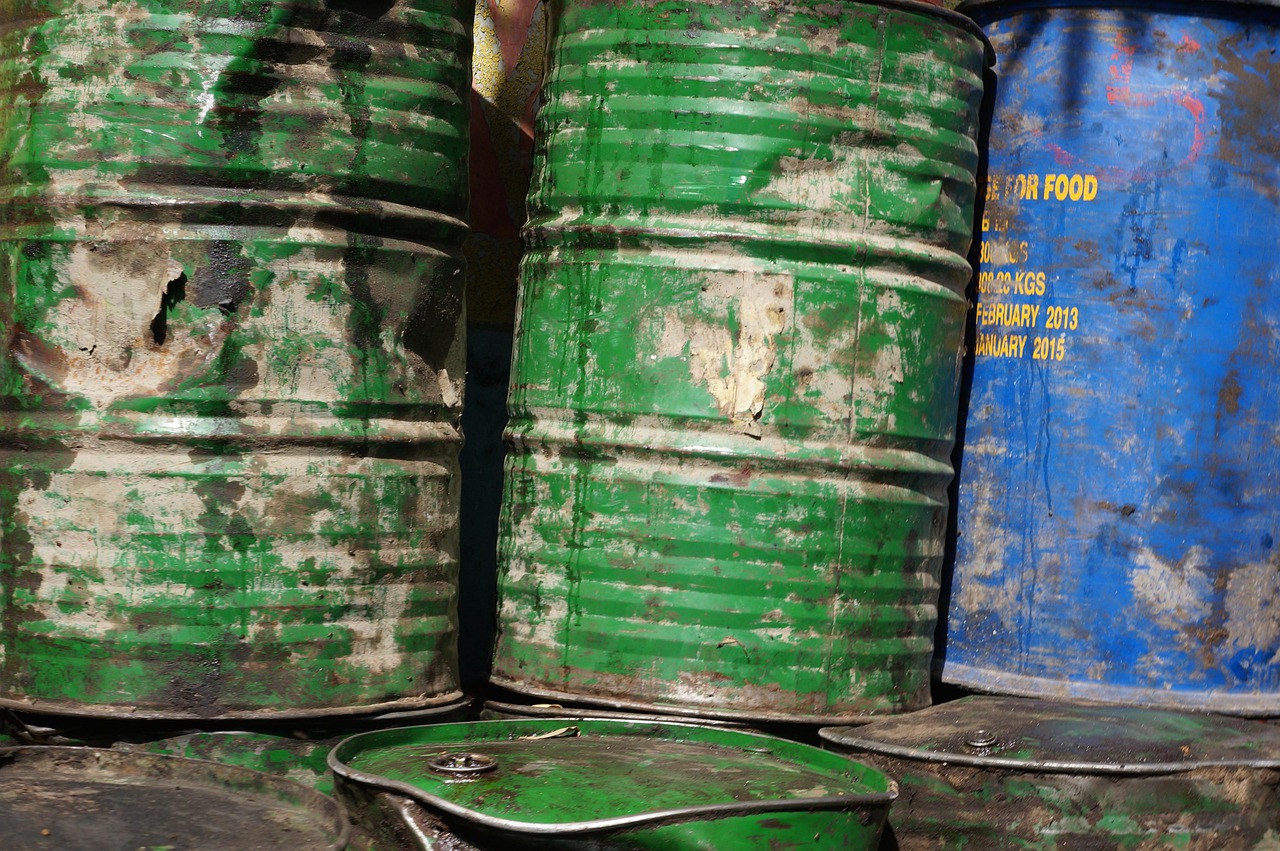
Oil and Gas Logistics is a complex network of activities that moves hydrocarbons from the point of extraction to the end consumer. In the context of the Advanced Certificate in Tank Storage and Terminal Operations in Oman, a clear understanding of the terminology used throughout the supply chain is essential for safe and efficient terminal management. The following explanation covers the most important terms, organized by functional area, and includes examples, practical applications, and typical challenges encountered in each domain.
---
UPSTREAM AND MIDSTREAM TERMS
Upstream refers to the exploration and production (E&P) phase, where oil and gas are discovered, drilled, and extracted. A common example is the Al‑Muthanna oil field in southern Oman, where wells are drilled to bring crude to the surface. Challenges in upstream logistics include handling high‑pressure fluids, managing well‑site safety, and coordinating the transport of produced fluids to processing facilities.
Midstream encompasses the transportation, storage, and processing of hydrocarbons after they leave the wellhead but before they reach refineries or end‑use markets. Midstream activities include pipeline conveyance, tanker loading, and terminal operations. For instance, the Oman‑Saudi pipeline carries crude from the Fahud field to the Al‑Mazyunah border terminal. Typical challenges are pipeline integrity management, pressure regulation, and coordination of multiple carriers to avoid bottlenecks.
Downstream covers refining, petrochemical conversion, distribution, and marketing of finished products such as gasoline, diesel, and jet fuel. A downstream example is the Sohar Refinery, which processes crude into a range of fuels for domestic and export markets. Downstream logistics must address product blending, quality control, and the synchronization of product supply with market demand.
---
CRUDE OIL AND PRODUCT DEFINITIONS
Crude oil is the unrefined petroleum extracted from reservoirs. It is characterized by API gravity, sulfur content, and viscosity. For example, a light sweet crude with an API of 35° and sulfur below 0.5 % Is more valuable because it yields a higher proportion of light products. Logistics challenges include maintaining temperature to prevent wax deposition, ensuring proper segregation of different grades, and accurate measurement for custody transfer.
Petroleum product is any refined or partially refined hydrocarbon, such as gasoline, diesel, kerosene, or lubricants. Each product has specific handling requirements. Diesel, for example, must be kept within a temperature range to avoid gelling in cold climates. The terminal must therefore have heating systems and temperature monitoring to guarantee product quality during storage and transfer.
Natural gas is a gaseous hydrocarbon mixture, primarily methane, often accompanied by ethane, propane, and other light hydrocarbons. In Oman, natural gas is transported via pipeline to the Duqm LNG plant for liquefaction. Logistics considerations for gas include compression, dehydration, and ensuring leak‑free transport lines.
LNG (Liquefied Natural Gas) is natural gas cooled to –162 °C to become a liquid, reducing its volume by a factor of 600. LNG is stored in insulated, often double‑walled, cryogenic tanks. A practical challenge is boil‑off gas management; the terminal must have reliquefaction or venting systems to handle the gas that naturally evaporates from the storage tanks.
LPG (Liquefied Petroleum Gas) consists mainly of propane and butane. It is stored under pressure in spherical or cylindrical tanks. An example is the Al‑Ras LPG terminal, which supplies fuel for domestic cooking and automotive use. LPG handling requires strict pressure monitoring and flame‑proof equipment to mitigate fire hazards.
---
TERMINAL AND STORAGE FACILITIES
Tank farm is a collection of storage tanks located within a terminal complex. Tanks may be fixed‑roof, floating‑roof, or internal floating‑roof designs. A fixed‑roof tank is suitable for products with low vapor pressure, while a floating‑roof tank minimizes vapor loss for volatile liquids such as gasoline.
Floating roof can be external or internal. An external floating roof moves with the liquid level, reducing the vapor space above the product and thus emissions. Internal floating roofs are situated inside a fixed‑roof tank, offering additional safety by isolating the product from the external atmosphere. The choice between external and internal floating roofs depends on product volatility, environmental regulations, and cost considerations.
Loading arm is a articulated pipe used to transfer product between a vessel and a terminal tank. The arm can be a top‑side, bottom‑side, or side‑arm configuration. For example, a top‑side loading arm is used for loading crude onto VLCCs (Very Large Crude Carriers) at deep‑water berths. Challenges include precise alignment, maintaining a seal under variable vessel motions, and ensuring safe disconnect procedures.
Berth is a designated docking location for vessels at a terminal. Each berth is designed for specific vessel sizes, such as Panamax, Suezmax, or VLCC. The berth’s depth, or draft, must accommodate the vessel’s loaded draft, which can be up to 20 m for a fully loaded VLCC. Limited berth availability can cause delays, especially during peak export seasons.
Vessel types relevant to oil logistics include:
- VLCC (Very Large Crude Carrier): Up to 300 000 DWT, used for long‑haul crude transport. - Suezmax: Up to 200 000 DWT, designed to pass through the Suez Canal. - Aframax: Up to 120 000 DWT, commonly used for regional trade. - LNG carrier: Equipped with cryogenic containment systems for liquefied gas.
Each vessel type imposes specific requirements on terminal infrastructure, such as berth length, loading rate, and mooring arrangements.
Metering system measures the volume of product transferred between tanks, vessels, or pipelines. Accurate metering is critical for custody transfer and financial settlement. Common metering technologies include Coriolis flow meters, ultrasonic meters, and turbine meters. Calibration of these devices must be performed regularly to maintain measurement accuracy within ±0.5 %.
Quality control involves testing product properties to ensure compliance with contract specifications. Typical parameters include API gravity, sulfur content, water content, and viscosity. Sampling is performed using a sampling valve or a portable sampler, and the sample is analyzed in a laboratory or on‑site using portable analyzers. Inaccurate sampling can lead to disputes and financial penalties.
Tank cleaning (also known as CIP – Clean‑In‑Place) is required when switching product types or before maintenance. Methods include high‑pressure water jetting, chemical cleaning agents, and steam cleaning. The choice of method depends on the residue type, tank material, and environmental regulations regarding waste disposal. A typical challenge is ensuring that cleaning agents are fully removed to prevent contamination of the next product.
Cathodic protection is a technique used to prevent corrosion of underground or submerged metal structures such as pipelines and tank foundations. It involves applying a protective current or sacrificial anodes. Monitoring of protection levels is essential; insufficient protection can lead to rapid corrosion, while excessive current may cause coating damage.
---
LOGISTICS AND TRANSPORT TERMS
Chartering is the agreement to hire a vessel for transporting cargo. Three main charter types are:
- Voyage charter: The charterer pays freight per ton of cargo for a specific voyage. - Time charter: The charterer pays a daily rate for the use of the vessel, retaining control of cargo operations. - Bareboat charter: The charterer takes full responsibility for the vessel, including crew and operation.
Each charter type impacts the terminal’s scheduling and revenue model. For example, a voyage charter for a VLCC carrying 2 million barrels of crude may include a freight rate of $15 per barrel, while a time charter for the same vessel might be $30 000 per day.
Demurrage is a penalty charged when the vessel exceeds the agreed laytime for loading or unloading. Laytime is the allotted time for cargo operations, expressed in hours or days. Demurrage rates are negotiated in the charter party and can be as high as $30 000 per day for a VLCC. Managing laytime efficiently is essential to avoid costly demurrage.
Laytime is calculated based on the loading rate, cargo quantity, and agreed terms. For instance, a loading rate of 5 000 m³ per hour for a 100 000 m³ cargo would result in a laytime of 20 hours, assuming no interruptions.
Freight is the payment made for transporting cargo, expressed per ton or per barrel. Freight rates fluctuate based on market conditions, vessel availability, and route risk. Understanding freight trends helps terminal operators forecast revenue and negotiate favorable contracts.
Ballast refers to the water taken on board a vessel to maintain stability when it is empty or lightly loaded. Ballast water must be managed in accordance with the IMO Ballast Water Management Convention to prevent the transfer of invasive species. Terminals may provide ballast water treatment facilities, adding a compliance layer to logistics operations.
Bunker is the fuel used to power a vessel’s engines. Bunker procurement can be arranged through the terminal’s bunker supplier or the vessel’s own crew. Bunker quality must meet IMO specifications, and improper bunker fuel can lead to engine damage or environmental penalties.
Pipeline is a fixed conduit for transporting liquids or gases over land. In Oman, the gas pipeline network connects offshore production platforms to onshore processing plants. Pipelines require regular inspection using inline inspection tools (pigs) to detect corrosion, dents, or cracks. A pipeline failure can cause significant product loss and environmental damage, making preventive maintenance critical.
Vapor recovery systems capture volatile organic compounds (VOCs) emitted during loading and unloading. These systems reduce emissions, improve safety, and comply with environmental regulations. For example, a vapor recovery unit (VRU) can capture up to 95 % of VOCs from a gasoline loading operation, converting them into usable fuel gas for the terminal’s power plant.
Just‑in‑time (JIT) logistics aims to minimize inventory holding by synchronizing product arrival with demand. In a JIT model, a terminal may schedule a single tanker arrival each week, reducing storage costs. However, this approach increases reliance on precise scheduling and can be vulnerable to disruptions such as weather delays or port congestion.
Supply chain encompasses all activities from upstream production to downstream delivery. Effective supply chain management involves demand forecasting, inventory control, transportation planning, and risk mitigation. Terminals act as critical nodes, balancing inbound crude, storage capacity, and outbound product shipments.
---
MEASUREMENT AND ASSAY TERMS
API gravity is a measure of a liquid’s density relative to water. It is calculated using the formula: API = (141.5 / SG) – 131.5, Where SG is specific gravity at 60 °F. A higher API indicates lighter oil. For example, an oil with an API of 45° is considered light, while an API of 15° is heavy. API gravity influences pricing, refining yields, and transportation costs.
Viscosity measures a fluid’s resistance to flow. It is expressed in centistokes (cSt) at a specified temperature, usually 40 °C for crude. High‑viscosity crudes may require heating to facilitate pumping. Viscosity testing is performed using a viscometer, and the results are used to select appropriate pipeline pumps and heating systems.
Sulfur content indicates the amount of sulfur present in the oil, expressed as weight percent. Low‑sulfur, or “sweet,” crudes are preferred for meeting environmental regulations and producing high‑quality fuels. Sulfur is measured using elemental analysis. A crude with 0.2 % Sulfur is considered sweet, while one with 2 % sulfur is classified as sour.
Assay is a comprehensive laboratory analysis of crude or product properties, including API gravity, sulfur, metals, and contaminants. An assay report guides refiners in selecting processing units (e.G., Distillation, hydrotreating) and helps traders price the cargo.
Water cut is the proportion of water in a produced fluid stream, expressed as a percentage. A high water cut (e.G., 80 %) Can strain separation facilities and increase handling costs. Water cut is measured using separation tests and influences the decision to transport produced water to treatment facilities.
Flash point is the lowest temperature at which a liquid produces enough vapor to ignite in air. It is a safety metric used to classify products as flammable or non‑flammable. For example, gasoline has a flash point of –43 °C, whereas diesel’s flash point is around 52 °C. Flash point determines storage requirements, such as fire‑proofing and ventilation.
Octane rating measures a gasoline’s resistance to knocking. It is expressed as Research Octane Number (RON) and Motor Octane Number (MON). Higher octane fuels are used in high‑performance engines. Terminal operators must ensure that gasoline blends meet the required octane specifications for the target market.
---
SAFETY, ENVIRONMENTAL, AND REGULATORY TERMS
HSSE stands for Health, Safety, Security, and Environment. It is a management framework that integrates risk assessment, incident reporting, and continuous improvement. At an Omani terminal, HSSE policies must align with national regulations and international standards such as ISO 45001.
IMO (International Maritime Organization) sets global standards for maritime safety, environmental protection, and ship operation. Key IMO conventions affecting terminals include SOLAS (Safety of Life at Sea), MARPOL (Marine Pollution), and the Ballast Water Management Convention. Compliance with IMO regulations is verified through audits and inspections.
ISGOTT (International Safety Guide for Oil Tankers and Terminals) provides best‑practice guidance on safe operations. It covers topics such as cargo handling, emergency response, and fire protection. Terminals adopt ISGOTT recommendations to develop Standard Operating Procedures (SOPs) and to train personnel.
Emergency shutdown (ESD) systems are designed to isolate hazardous areas quickly in the event of a fire, leak, or other incident. An ESD panel typically includes pressure‑actuated valves, gas detectors, and manual override switches. Regular testing of ESD systems is required to ensure reliability.
Fire fighting system includes foam generators, water spray, and deluge systems. For flammable liquids like gasoline, foam is preferred because it suppresses vapor release. The system’s design capacity is expressed in terms of flow rate (e.G., 3 000 L/min) and coverage area.
Exclusion zone is a safety perimeter around a terminal where non‑authorized personnel are prohibited during operations. The size of the exclusion zone depends on the product’s flash point, storage capacity, and local regulations. Maintaining the exclusion zone helps prevent accidental exposure to hazardous vapors.
Corrosion is the degradation of metal due to chemical reactions, often accelerated by moisture, salts, and acids. In marine environments like Oman’s coastal terminals, corrosion rates can be high. Mitigation strategies include cathodic protection, protective coatings, and regular inspection using non‑destructive testing (NDT) methods such as ultrasonic thickness measurement.
Non‑Destructive Testing (NDT) techniques assess the integrity of structures without causing damage. Common NDT methods for tanks and pipelines include ultrasonic testing, radiography, and magnetic particle inspection. NDT findings are recorded in inspection reports and used to schedule maintenance or repairs.
Regulatory compliance in Oman is overseen by entities such as the Ministry of Oil and Gas and the Environment Authority. Regulations cover emission limits, waste disposal, and safety standards. Failure to comply can result in fines, operational shutdowns, or loss of operating licenses.
Environmental impact assessment (EIA) is a mandatory study before constructing new terminal facilities. The EIA evaluates potential effects on air quality, marine life, and local communities. Mitigation measures may include installing vapor recovery units, using low‑sulfur fuel, and implementing spill‑containment systems.
---
OPERATIONS AND PRACTICAL APPLICATIONS
Pre‑loading checklist ensures that all safety and operational requirements are met before a vessel is moored. Items include verification of mooring lines, confirmation of the loading arm configuration, checking of the vapor recovery system, and ensuring that the tank’s product level is within the acceptable range. Completion of the checklist reduces the risk of incidents during cargo transfer.
Product segregation is the practice of keeping different grades of oil or gas separate to avoid cross‑contamination. Segregation is achieved by using dedicated tanks, pipeline loops, or batch loading techniques. For example, a terminal handling both diesel and jet fuel must maintain separate loading arms and pipelines, or use a double‑acting manifold to prevent mixing.
Turnaround planning involves scheduling maintenance shutdowns, tank cleaning, and equipment inspections while minimizing impact on cargo throughput. A typical turnaround may last 2–4 weeks, during which the terminal reduces operations to essential activities only. Effective planning requires coordination with shippers, charterers, and regulatory bodies to obtain necessary permits.
Port congestion management addresses situations where vessel arrivals exceed berth capacity, leading to delays and increased demurrage. Strategies include implementing a queuing system, using offshore anchorage areas, and coordinating with pilotage services to optimize berth allocation. Real‑time tracking of vessel positions using AIS (Automatic Identification System) helps terminal operators anticipate congestion and adjust schedules.
Spill response procedures are critical for protecting the environment and maintaining safety. A typical response includes immediate containment using booms, recovery of the spilled product with skimmers, and disposal according to hazardous waste regulations. Terminals must maintain a spill response kit and conduct regular drills to ensure crew readiness.
Inventory management relies on accurate measurement, regular reconciliation, and forecasting demand. The terminal’s inventory system tracks product volumes in each tank, accounting for deliveries, withdrawals, and losses due to evaporation or theft. Discrepancies are investigated using reconciliation reports and physical inspections.
Quality assurance (QA) program defines the processes for sampling, testing, and documenting product quality. QA ensures that each cargo meets contract specifications before loading onto a vessel. A robust QA program reduces the likelihood of disputes and protects the terminal’s reputation.
Risk assessment identifies hazards associated with each operation, evaluates the probability and impact, and implements controls. For example, loading a volatile product may be assessed for fire risk, and controls such as grounding, bonding, and continuous gas monitoring are instituted.
Training and competency are vital for safe terminal operations. Personnel must be certified in areas such as hazardous material handling, fire fighting, and emergency response. Ongoing training programs, competency assessments, and refresher courses keep skills up to date and ensure compliance with international standards.
---
CHALLENGES IN OIL AND GAS LOGISTICS
Weather variability can disrupt vessel movements and offshore loading operations. In Oman, seasonal monsoon winds may affect the approach to ports, requiring dynamic positioning (DP) vessels and flexible scheduling.
Regulatory changes introduce new compliance requirements, such as stricter VOC emission limits or updated ballast water treatment standards. Terminals must invest in technology upgrades and staff training to meet evolving regulations.
Infrastructure constraints include limited berth depth, aging pipelines, and insufficient storage capacity. Expanding infrastructure requires significant capital investment and careful project management to avoid operational interruptions.
Market volatility influences freight rates, product prices, and demand patterns. Sudden price spikes can affect chartering decisions, while demand downturns may lead to under‑utilized storage capacity. Terminals must maintain financial flexibility to adapt to market swings.
Cybersecurity threats target critical control systems, such as SCADA (Supervisory Control and Data Acquisition) networks. A cyber‑attack could disrupt loading operations, cause safety alarms, or compromise data integrity. Implementing robust cybersecurity measures, including firewalls, intrusion detection, and regular patching, is essential.
Environmental pressure from NGOs and governments pushes terminals toward greener operations. Initiatives such as carbon capture, renewable energy integration, and zero‑flaring policies are becoming increasingly important. Terminals that adopt sustainable practices can gain a competitive advantage and improve community relations.
Human factors such as fatigue, communication errors, and inadequate training can lead to accidents. Implementing crew rest schedules, clear communication protocols, and a safety culture that encourages reporting of near‑misses helps mitigate human‑related risks.
---
CASE STUDY: TERMINAL OPERATIONS AT DUQM
The Duqm Port and Freezone is a strategic hub for Omani oil and gas logistics, handling crude imports, LPG imports, and exports of refined products. Key vocabulary applied in this context includes:
- Berth allocation: Duqm has dedicated berths for VLCCs, Suezmax, and LNG carriers. Allocation is managed by a terminal operating system that matches vessel size with berth depth, ensuring safe loading rates.
- Vapor recovery unit (VRU): Installed at the diesel loading area, the VRU captures VOCs during loading, reducing emissions by 90 % and complying with Omani environmental standards.
- Tank farm layout: The terminal features both fixed‑roof tanks for diesel and internal floating‑roof tanks for gasoline. Segregation is maintained using a double‑acting manifold system, allowing simultaneous loading of different products without cross‑contamination.
- Emergency shutdown (ESD) system: The ESD panel integrates pressure sensors, gas detectors, and manual shut‑off valves. Annual drills test the system’s response time, which must be under 30 seconds to meet ISGOTT guidelines.
- Charter party management: Duqm’s logistics team negotiates voyage charters for crude imports, setting freight rates based on market benchmarks such as the Brent‑to‑Dubai spread. Demurrage clauses are tightly controlled to avoid costly penalties.
- Ballast water compliance: The terminal provides a ballast water treatment facility that meets IMO standards, enabling vessels to discharge treated water without violating regulations.
- Inventory reconciliation: Daily tank balances are reconciled with metered volumes, and any variance exceeding 0.2 % Triggers an investigation. This practice ensures accurate custody transfer and financial integrity.
Challenges faced at Duqm include seasonal wind patterns that affect vessel approach, occasional berth congestion during peak export periods, and the need for continuous upgrades to meet stricter VOC limits. The terminal’s proactive investment in vapor recovery technology and robust HSSE management has mitigated many of these challenges.
---
TECHNOLOGY AND INNOVATION
Automation in terminal operations reduces human error and improves efficiency. Automated loading arms equipped with sensors can adjust flow rates in real time, maintaining target loading speeds while preventing over‑pressurization.
Digital twins create a virtual replica of the terminal, allowing operators to simulate scenarios such as equipment failure, extreme weather, or changes in cargo mix. This predictive capability supports better decision‑making and risk mitigation.
Remote monitoring uses IoT (Internet of Things) devices to track tank levels, temperature, and vapor pressure. Data is transmitted to a central control room where operators can respond to anomalies instantly.
Advanced analytics apply machine learning to historical loading data, identifying patterns that help optimize berth allocation, predict demurrage, and improve fuel consumption for berthed vessels.
Renewable energy integration includes installing solar panels on terminal roofs and using waste heat from LNG boil‑off to generate steam for tank cleaning. These measures lower operating costs and support sustainability goals.
---
KEY PERFORMANCE INDICATORS (KPIs)
Monitoring performance is essential for continuous improvement. Common KPIs for a tank storage terminal include:
- Loading rate (m³/h): Measures how quickly product is transferred to a vessel. Targets are set based on contract specifications, e.G., 5 000 M³/h for a VLCC.
- Turnaround time (days): The duration of planned maintenance periods. Shorter turnaround times increase asset utilization.
- Demurrage cost (USD): Total penalties incurred due to exceedance of laytime. Lower demurrage reflects efficient scheduling.
- Vapor loss (percentage of cargo): Indicates effectiveness of vapor recovery systems. A loss below 1 % is considered good performance.
- Incident frequency (LTI – Lost Time Injuries): Number of workplace injuries per million man‑hours. The goal is zero LTI.
- Inventory accuracy (percentage): Ratio of recorded inventory to physical measurement. Accuracy above 99.5 % Demonstrates reliable measurement systems.
---
INTERACTION WITH STAKEHOLDERS
Shippers and charterers rely on accurate information about product availability, loading windows, and berth occupancy. Effective communication through electronic data interchange (EDI) improves planning and reduces the risk of missed windows.
Regulators conduct inspections and audits to verify compliance. Maintaining up‑to‑date documentation, such as safety manuals, environmental permits, and training records, facilitates smoother regulatory interactions.
Local communities are affected by terminal operations through noise, traffic, and potential environmental impacts. Engaging with community representatives, providing transparent reporting, and implementing mitigation measures (e.G., Noise barriers) help maintain a social license to operate.
Suppliers of equipment, chemicals, and services must meet quality and safety standards. Supplier audits and performance reviews ensure that the terminal receives reliable inputs that support safe operations.
---
FUTURE TRENDS IN OIL AND GAS LOGISTICS
Decarbonization is driving the adoption of low‑carbon fuels, such as ultra‑low‑sulfur diesel and hydrogen. Terminals may need to accommodate new product types, requiring modifications to storage tanks, loading arms, and safety systems.
Hybrid vessels powered by both conventional fuel and electric propulsion are emerging. These ships reduce emissions and may have different bunker requirements, influencing terminal fuel supply strategies.
Blockchain technology promises greater transparency in cargo tracking, contract execution, and payment settlement. A blockchain‑based platform could enable real‑time verification of product quality and custody transfer, reducing disputes.
Advanced waste management focuses on recycling spent solvents, reusing cleaning water, and converting waste heat into electricity. Implementing circular‑economy principles can improve the terminal’s environmental performance and reduce operating costs.
---
SUMMARY OF CORE VOCABULARY
- Upstream, Midstream, Downstream – Phases of the oil and gas value chain. - Crude oil, LPG, LNG, Petroleum product – Types of hydrocarbons handled. - Tank farm, Fixed‑roof, Floating‑roof, Internal floating‑roof – Storage configurations. - Loading arm, Berth, Vessel types (VLCC, Suezmax, Aframax, LNG carrier) – Transfer infrastructure. - Chartering, Voyage charter, Time charter, Bareboat charter, Demurrage, Laytime, Freight – Shipping contract terminology. - API gravity, Viscosity, Sulfur content, Assay, Water cut, Flash point, Octane rating – Product quality parameters. - HSSE, IMO, ISGOTT, Emergency shutdown, Fire fighting system, Exclusion zone – Safety and regulatory framework. - Cathodic protection, Corrosion, NDT, Vapor recovery, Just‑in‑time, Supply chain – Operational and environmental controls. - Pre‑loading checklist, Turnaround planning, Port congestion, Spill response, Inventory management, QA program, Risk assessment – Practical operational tools. - KPIs (Loading rate, Demurrage cost, Vapor loss, Incident frequency, Inventory accuracy) – Performance measurement.
Understanding and correctly applying these terms enables terminal personnel to manage the intricate logistics of oil and gas efficiently, safely, and in compliance with both local Omani regulations and international standards. The depth of knowledge required spans technical, operational, commercial, and environmental domains, reflecting the multidisciplinary nature of modern tank storage and terminal operations.
Key takeaways
- In the context of the Advanced Certificate in Tank Storage and Terminal Operations in Oman, a clear understanding of the terminology used throughout the supply chain is essential for safe and efficient terminal management.
- Challenges in upstream logistics include handling high‑pressure fluids, managing well‑site safety, and coordinating the transport of produced fluids to processing facilities.
- Midstream encompasses the transportation, storage, and processing of hydrocarbons after they leave the wellhead but before they reach refineries or end‑use markets.
- Downstream covers refining, petrochemical conversion, distribution, and marketing of finished products such as gasoline, diesel, and jet fuel.
- Logistics challenges include maintaining temperature to prevent wax deposition, ensuring proper segregation of different grades, and accurate measurement for custody transfer.
- The terminal must therefore have heating systems and temperature monitoring to guarantee product quality during storage and transfer.
- Natural gas is a gaseous hydrocarbon mixture, primarily methane, often accompanied by ethane, propane, and other light hydrocarbons.