
Energy Efficiency Technologies
The Certificate in Vessel Performance Management course in India is designed to provide learners with a comprehensive understanding of energy efficiency technologies and their applications in the maritime industry. One of the key terms in t…
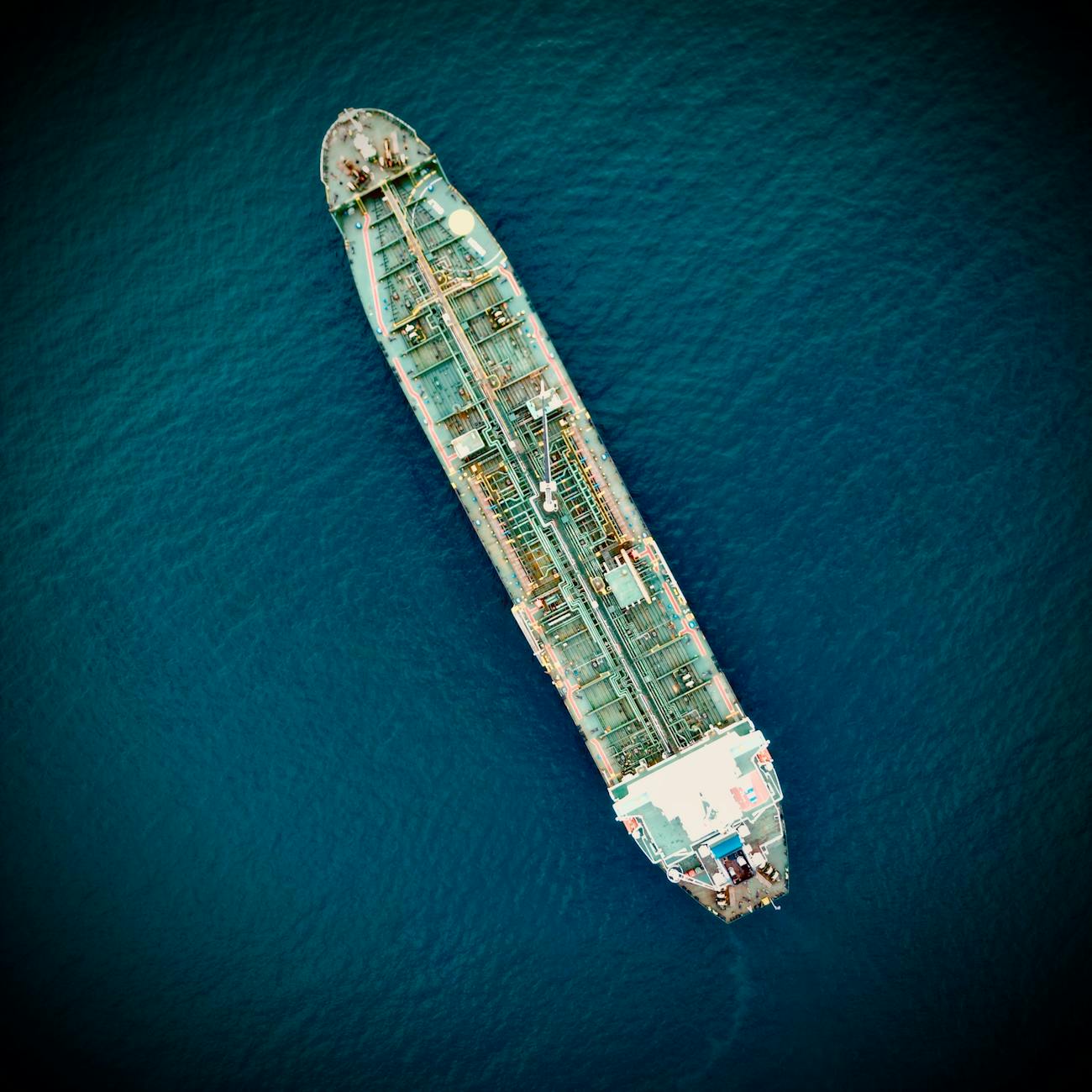
The Certificate in Vessel Performance Management course in India is designed to provide learners with a comprehensive understanding of energy efficiency technologies and their applications in the maritime industry. One of the key terms in this context is energy efficiency, which refers to the use of technology and practices to reduce the amount of energy required to perform a particular task or operation. In the context of vessel performance management, energy efficiency is critical to reducing fuel consumption, lowering emissions, and minimizing the environmental impact of vessel operations.
Another important term is propulsion systems, which refer to the mechanisms used to propel a vessel through the water. There are several types of propulsion systems, including traditional fossil fuel-based systems and more modern alternative systems such as wind and solar power. The choice of propulsion system can have a significant impact on a vessel's energy efficiency and environmental performance.
In addition to propulsion systems, hull design is also a critical factor in determining a vessel's energy efficiency. A well-designed hull can reduce resistance and improve a vessel's overall energy efficiency. There are several factors to consider when designing a hull, including the shape and size of the hull, the materials used in its construction, and the coatings applied to its surface.
Coatings are an important consideration in vessel performance management, as they can significantly reduce friction and improve a vessel's energy efficiency. There are several types of coatings available, including traditional paint and more modern nanocoatings. The choice of coatings will depend on a variety of factors, including the type of vessel, its operating conditions, and the desired level of energy efficiency.
Energy efficiency is not just about the technical aspects of vessel design and operation, but also about the behavior of vessel operators and crew. Energy-efficient practices such as slow steaming and route optimization can significantly reduce fuel consumption and lower emissions. However, these practices require a high degree of coordination and communication among vessel operators, crew, and other stakeholders.
The use of technology is also critical to achieving energy efficiency in vessel operations. Advanced technologies such as GPS and autonomous systems can help optimize vessel routes and reduce fuel consumption. Additionally, data analytics and machine learning can be used to analyze vessel performance data and identify opportunities for energy efficiency improvements.
In terms of energy efficiency metrics, there are several key indicators that are commonly used in the maritime industry. These include energy efficiency design index (EEDI), which is a measure of a vessel's energy efficiency relative to its size and type. Another important metric is the energy efficiency operational indicator (EEOI), which measures a vessel's energy efficiency in operation.
The energy efficiency design index (EEDI) is a regulatory requirement for new vessels, and it is calculated based on a vessel's hull design, propulsion system, and other factors. The energy efficiency operational indicator (EEOI) is a voluntary metric that can be used to measure a vessel's energy efficiency in operation. It is calculated based on a vessel's fuel consumption and distance traveled.
There are several challenges to achieving energy efficiency in vessel operations, including the cost of implementing energy-efficient technologies and practices. Additionally, there may be barriers to energy efficiency such as lack of awareness and training among vessel operators and crew. However, there are also many opportunities for energy efficiency improvements, including the use of alternative fuels and advanced technologies.
One of the key opportunities for energy efficiency improvements is the use of alternative fuels such as liquefied natural gas (LNG) and biofuels. These fuels can significantly reduce emissions and improve a vessel's energy efficiency. Additionally, hybrid propulsion systems that combine traditional fossil fuel-based systems with alternative systems such as wind and solar power can also improve energy efficiency.
Another key opportunity for energy efficiency improvements is the use of advanced technologies such as digital twins and artificial intelligence. These technologies can be used to analyze vessel performance data and identify opportunities for energy efficiency improvements. Additionally, autonomous systems can be used to optimize vessel routes and reduce fuel consumption.
The use of data analytics and machine learning is also critical to achieving energy efficiency in vessel operations. These technologies can be used to analyze large amounts of vessel performance data and identify patterns and trends that can inform energy efficiency improvements. Additionally, predictive maintenance can be used to reduce downtime and improve a vessel's overall energy efficiency.
In terms of energy efficiency practices, there are several key strategies that can be used to improve a vessel's energy efficiency. These include slow steaming, route optimization, and weather routing. Slow steaming involves reducing a vessel's speed to minimize fuel consumption, while route optimization involves selecting the most energy-efficient route between two points. Weather routing involves using weather forecasts to optimize a vessel's route and reduce fuel consumption.
The implementation of energy efficiency practices requires a high degree of coordination and communication among vessel operators, crew, and other stakeholders. It also requires a strong commitment to energy efficiency and a willingness to invest in energy-efficient technologies and practices. Additionally, training and awareness programs can be used to educate vessel operators and crew about the importance of energy efficiency and the benefits of energy-efficient practices.
The benefits of energy efficiency in vessel operations are numerous, including reduced fuel consumption, lower emissions, and minimized environmental impact. Additionally, energy efficiency can help to reduce costs and improve a vessel's overall performance. However, there are also several challenges to achieving energy efficiency, including the cost of implementing energy-efficient technologies and practices, and the need for coordination and communication among vessel operators, crew, and other stakeholders.
In terms of energy efficiency regulations, there are several key frameworks that govern the maritime industry. These include the International Maritime Organization's (IMO) energy efficiency design index (EEDI) and the energy efficiency operational indicator (EEOI). The EEDI is a regulatory requirement for new vessels, while the EEOI is a voluntary metric that can be used to measure a vessel's energy efficiency in operation.
The IMO has also implemented several energy efficiency measures, including the use of alternative fuels and advanced technologies. Additionally, the IMO has established a global energy efficiency standard for vessels, which aims to reduce emissions and improve energy efficiency.
In addition to the IMO, there are several other organizations that play a critical role in promoting energy efficiency in the maritime industry. These include the International Chamber of Shipping (ICS) and the World Shipping Council (WSC). The ICS and WSC have both implemented energy efficiency measures, including the use of alternative fuels and advanced technologies.
The use of alternative fuels is a key strategy for reducing emissions and improving energy efficiency in the maritime industry. Alternative fuels such as liquefied natural gas (LNG) and biofuels can significantly reduce emissions and improve a vessel's energy efficiency.
In terms of energy efficiency research and development, there are several key areas of focus. These include the development of alternative fuels and advanced technologies, as well as the improvement of vessel design and operation. Additionally, data analytics and machine learning are being used to analyze vessel performance data and identify opportunities for energy efficiency improvements.
The use of digital twins is also a key area of research and development in the maritime industry. Digital twins are virtual replicas of vessels that can be used to simulate operational scenarios and identify opportunities for energy efficiency improvements. Additionally, autonomous systems are being developed to optimize vessel routes and reduce fuel consumption.
In terms of energy efficiency education and training, there are several key programs available. These include the IMO's energy efficiency training program, as well as programs offered by the ICS and WSC. These programs aim to educate vessel operators and crew about the importance of energy efficiency and the benefits of energy-efficient practices.
The implementation of energy efficiency measures requires a strong commitment to energy efficiency and a willingness to invest in energy-efficient technologies and practices. Additionally, coordination and communication among vessel operators, crew, and other stakeholders is critical to achieving energy efficiency. By working together, the maritime industry can reduce emissions, improve energy efficiency, and minimize its environmental impact.
The energy efficiency of a vessel is influenced by a variety of factors, including its design, operation, and maintenance. A well-designed vessel with an energy-efficient hull and propulsion system can significantly reduce fuel consumption and lower emissions. Additionally, energy-efficient practices such as slow steaming and route optimization can help to reduce fuel consumption and improve a vessel's overall energy efficiency.
The use of alternative fuels and advanced technologies is also critical to achieving energy efficiency in the maritime industry.
In terms of energy efficiency challenges, there are several key barriers to overcome. These include the cost of implementing energy-efficient technologies and practices, as well as the need for coordination and communication among vessel operators, crew, and other stakeholders. Additionally, there may be regulatory barriers to overcome, such as the need for approvals and certifications for new energy-efficient technologies.
The benefits of energy efficiency in the maritime industry are numerous, including reduced fuel consumption, lower emissions, and minimized environmental impact. By investing in energy-efficient technologies and practices, the maritime industry can reduce its environmental impact and improve its overall sustainability.
In terms of energy efficiency opportunities, there are several key areas of focus.
The use of digital twins is also a key area of opportunity in the maritime industry.
Additionally, there may be regulatory barriers to overcome, such as the need for approvals and certifications for new energy-efficient technologies.
Key takeaways
- The Certificate in Vessel Performance Management course in India is designed to provide learners with a comprehensive understanding of energy efficiency technologies and their applications in the maritime industry.
- There are several types of propulsion systems, including traditional fossil fuel-based systems and more modern alternative systems such as wind and solar power.
- There are several factors to consider when designing a hull, including the shape and size of the hull, the materials used in its construction, and the coatings applied to its surface.
- Coatings are an important consideration in vessel performance management, as they can significantly reduce friction and improve a vessel's energy efficiency.
- Energy efficiency is not just about the technical aspects of vessel design and operation, but also about the behavior of vessel operators and crew.
- Additionally, data analytics and machine learning can be used to analyze vessel performance data and identify opportunities for energy efficiency improvements.
- Another important metric is the energy efficiency operational indicator (EEOI), which measures a vessel's energy efficiency in operation.