
Fire Code Compliance
Fire Code compliance is the cornerstone of effective fire safety management and forms the basis for the systematic identification, evaluation, and mitigation of fire hazards in any built environment. In the context of a Risk Assessment and …
Fire Code compliance is the cornerstone of effective fire safety management and forms the basis for the systematic identification, evaluation, and mitigation of fire hazards in any built environment. In the context of a Risk Assessment and Management in Fire Prevention course, understanding the precise meaning of each term, the relationships among them, and how they are applied in practice is essential for both students and professionals. This comprehensive guide presents the key vocabulary that underpins fire code compliance, offering clear definitions, practical examples, typical applications, and common challenges that may arise during implementation. The material is organized thematically, moving from broad regulatory concepts to specific technical terms, ensuring a logical flow that supports learning and retention.
---
Fire Code – A set of legally enforceable standards, regulations, and requirements that govern the design, construction, operation, and maintenance of buildings and facilities to protect life and property from fire. Fire codes are usually derived from national or international model codes, such as the International Fire Code (IFC) or National Fire Protection Association (NFPA) standards, and are adopted and amended by local authorities having jurisdiction (AHJ). Compliance with the fire code means that every applicable provision has been met, documented, and verified through inspections or certifications.
Authority Having Jurisdiction (AHJ) – The organization, agency, or individual empowered by law to enforce the fire code, issue permits, conduct inspections, and approve fire protection systems. The AHJ may be a fire marshal’s office, building department, or a combination of agencies depending on the jurisdiction. Understanding the role of the AHJ is critical because it determines the approval process, inspection schedule, and the specific amendments that may apply to a given project.
Occupancy Classification – A categorization of a building or space based on its intended use, the number of occupants, and the associated fire risk. The primary occupancy groups include Assembly, Educational, Institutional, Residential, Business, Mercantile, Storage, and Industrial. Each classification dictates specific fire protection requirements such as means of egress, fire alarm system type, and fire resistance ratings. For example, an auditorium (Assembly) must provide a minimum of two exit routes, while a warehouse (Industrial) may require higher fire-resistance-rated walls and ceilings.
Means of Egress – The continuous, unobstructed path of travel from any point within a building to a place of safety. It includes three components: The exit access, the exit (doorway), and the exit discharge. The fire code specifies the minimum width, number, and arrangement of exits based on occupancy load and travel distance. A well‑designed means of egress reduces evacuation time and prevents bottlenecks during an emergency.
Travel Distance – The maximum allowable distance that occupants may travel to reach an exit, measured along the path of egress. Travel distance limits vary by occupancy type; for instance, an Assembly occupancy may have a maximum travel distance of 200 feet, while a Residential occupancy may be limited to 150 feet. Accurately calculating travel distance is a key step in a fire safety design review.
Exit Capacity – The combined width of all exits available for a particular occupancy, expressed in inches or centimeters of clear opening. The fire code sets minimum exit capacity based upon the number of occupants and the occupancy classification. For example, a mercantile space with an occupant load of 250 people would require at least 80 inches of exit width. Designers often use exit width calculations to verify compliance and to determine whether additional exits or wider doors are needed.
Fire Resistance Rating (FRR) – The duration, measured in minutes, that a building element (wall, floor, ceiling, or door) can withstand fire exposure while maintaining structural integrity, containment, and stability. Common ratings include 30, 60, 90, and 120 minutes. Fire resistance ratings are determined by standardized tests such as ASTM E119 or UL 263. Selecting the appropriate FRR for each component ensures that fire and smoke are contained long enough for occupants to evacuate and for fire‑fighting crews to respond.
Fire Barrier – A fire‑resistant construction element that extends from one side of a compartment to the other, limiting the spread of fire and smoke. Fire barriers are typically required between different occupancy areas, on walls separating a building from an exterior property line, or around high‑hazard equipment. The fire code may refer to fire barriers as “fire partitions” or “fire walls,” each with specific rating requirements.
Fire Wall – A special type of fire barrier that provides both fire resistance and structural separation between two buildings or between fire‑exposed and non‑exposed portions of a single building. Fire walls are usually required to have a minimum rating of 2 hours (120 minutes) and must extend from foundation to the roof. They are designed to prevent fire from passing through the wall and to support the loads of the structure above them.
Fire Door – A door that is part of a fire-resistance-rated assembly, designed to close automatically and maintain the integrity of a fire barrier. Fire doors are rated by the same time intervals as walls (e.G., 20‑Minute, 45‑minute, 90‑minute). They must be equipped with self‑closing hardware, proper hardware, and a fire‑rated label. Failure to install or maintain fire doors is a common compliance issue that can compromise the entire fire protection strategy.
Self‑Closing Device – A mechanism installed on a fire door that ensures the door closes automatically after being opened. The device must be tested and listed for the specific door rating. In many jurisdictions, self‑closing devices are mandatory for doors serving as part of an exit enclosure or fire compartment.
Fire Alarm System – An integrated network of detection devices, control panels, and notification appliances that provide early warning of fire conditions. Fire alarm systems are classified by the type of hazard they address (e.G., Smoke, heat, flame) and by the level of protection required (e.G., Addressable, conventional). The fire code defines minimum performance criteria for sound pressure level, intelligibility, and redundancy.
Addressable System – A fire alarm system in which each detection device has a unique address, allowing the control panel to identify the exact location of a fire or fault. Addressable systems provide faster response and more precise information to occupants and fire personnel, but they are more complex and costly than conventional systems.
Conventional System – A fire alarm system that groups detection devices into zones, each monitored by a single circuit. When a device is activated, the control panel indicates the zone, but not the specific device. Conventional systems are simpler and less expensive, but they may not meet the higher performance requirements of certain occupancies, such as high‑rise buildings.
Smoke Detector – A device that senses the presence of smoke particles in the air and initiates an alarm signal. Smoke detectors are classified as either ionization (sensitive to fast‑flaming fires) or photoelectric (more responsive to smoldering fires). The fire code specifies placement criteria, such as a maximum spacing of 30 feet between detectors in a typical office environment.
Heat Detector – A device that activates when the temperature rises above a preset threshold, typically used in areas where smoke detectors may generate nuisance alarms, such as kitchens, garages, or dusty environments. Heat detectors are required to be installed in accordance with the fire code’s “hazardous location” provisions.
Manual Pull Station – A device that allows occupants to manually initiate a fire alarm by pulling a lever or handle. Pull stations are usually located near exits, in corridors, and at strategic points throughout a building. The fire code mandates that pull stations be installed at a height of 42 to 48 inches above the finished floor and that they be clearly marked with illuminated signage.
Fire Sprinkler System – An active fire protection system that automatically discharges water through a network of piping and sprinkler heads when a fire’s heat reaches a certain temperature. Sprinklers are designed to control or suppress a fire before it spreads, thereby reducing damage and improving occupant safety. Sprinkler systems are classified by the type of water source (wet, dry, pre‑action) and by the occupancy they serve.
Wet Pipe System – The most common type of sprinkler system, in which water is permanently stored in the piping and is ready to discharge when a sprinkler head opens. Wet pipe systems are suitable for environments where temperatures remain above freezing.
Dry Pipe System – A sprinkler system in which the piping is filled with pressurized air or nitrogen, and water is held back by a dry‑pipe valve. When a sprinkler head opens, the air is released, allowing water to flow into the pipe. Dry pipe systems are required in unheated or freezing environments.
Pre‑Action System – A hybrid sprinkler system that combines elements of wet and dry pipe designs. The water is held back by a detection‑initiated valve, which opens only after a fire detection device (such as a smoke detector) signals a fire condition. Pre‑action systems are often used in areas where accidental water discharge could cause significant damage, such as data centers or museums.
Deluge System – A sprinkler system that discharges water through all open sprinkler heads simultaneously upon activation of a fire detection device. Deluge systems are typically employed in high‑hazard areas where rapid fire spread is expected, such as aircraft hangars or chemical processing plants.
Sprinkler Head – The component of a sprinkler system that releases water when the temperature of its fusible element reaches a designated activation temperature. Sprinkler heads are classified by temperature rating (e.G., 135°F, 155°F, 175°F) and by coverage pattern (e.G., Standard, quick‑response, extended coverage). Selecting the correct sprinkler head type is essential for meeting the fire code’s design density and spacing requirements.
Design Density – The amount of water flow, expressed in gallons per minute per square foot (gpm/ft²), that a sprinkler system must provide to a specific area in order to achieve fire suppression objectives. Design density is calculated based on the hazard classification (light, ordinary, or extra hazard) and the area of operation. For example, a light‑hazard occupancy may require a design density of 0.1 Gpm/ft² over a 1,500‑square‑foot area.
Hydraulic Calculations – The engineering analysis used to determine the water supply requirements, pipe sizes, and pressure losses in a sprinkler system. Hydraulic calculations ensure that the system can deliver the required flow and pressure at the most remote sprinkler head. These calculations are typically performed using specialized software and must be submitted for approval to the AHJ.
Fire Department Connection (FDC) – A piping outlet located on the exterior of a building that allows fire‑fighting personnel to supplement the sprinkler system’s water supply with additional flow from fire engines. The fire code mandates that FDCs be clearly marked, readily accessible, and sized according to the required flow for the building’s sprinkler system.
Standpipe System – A network of pipes that provides a water source for fire‑hose connections within a building. Standpipe systems are classified as Class A (for fire department use only) or Class B (for both fire department and building occupant use). In high‑rise structures, standpipe systems are essential for delivering water to upper floors where fire engines cannot reach.
Fire Extinguisher – A portable fire‑suppression device that contains an extinguishing agent (e.G., Water, foam, dry chemical, CO₂) and is used to combat small fires before they spread. The fire code specifies the type, size, and placement of extinguishers based on the fire hazard classification. For example, a Class A (ordinary combustibles) fire may require a 2‑liter water extinguisher, while a Class K (cooking oil) fire requires a specialized wet‑chemical extinguisher.
Class A, B, C, D, K Fires – Categories that describe the type of fuel involved in a fire. Class A involves solid combustibles (wood, paper), Class B involves flammable liquids (gasoline, oil), Class C involves energized electrical equipment, Class D involves combustible metals, and Class K involves cooking oils and greases. Understanding fire classes is vital for selecting appropriate extinguishing agents and for designing fire protection systems.
Fire Hazard Analysis (FHA) – A systematic process that identifies potential fire sources, evaluates the likelihood and consequences of fire events, and determines the adequacy of existing fire protection measures. The FHA is a core component of a risk assessment and informs decisions about mitigation strategies, such as installing additional detection devices or upgrading fire‑resistance ratings.
Risk Assessment – The overall methodology for evaluating the probability and impact of fire incidents. In fire prevention, risk assessment includes hazard identification, risk evaluation, and risk control. The fire code often references risk assessment principles to justify variance requests or alternative compliance methods.
Risk Matrix – A tool used to plot the likelihood of a fire event against its potential severity, producing a visual representation of risk levels (low, medium, high). The matrix helps prioritize mitigation measures and allocate resources effectively.
Likelihood – The probability that a fire will occur, expressed qualitatively (rare, unlikely, possible, likely, frequent) or quantitatively (percentage per year). Likelihood is influenced by factors such as material flammability, occupancy density, and presence of ignition sources.
Severity – The potential consequences of a fire, measured in terms of property damage, injury, loss of life, environmental impact, and business interruption. Severity is assessed by analyzing the fire load, egress capacity, and the presence of critical assets.
Fire Load – The total amount of combustible material within a space, expressed in British Thermal Units (BTU) per square foot. High fire loads increase both the likelihood and severity of fire events. Calculating fire load is essential for determining sprinkler design density and for evaluating the need for fire-resistant construction.
Fire Protection System – An integrated set of passive and active components designed to prevent fire ignition, detect fire early, control fire growth, and facilitate safe evacuation. Passive systems include fire‑resistant walls, doors, and compartmentalization; active systems include detection devices, alarms, sprinklers, and suppression agents.
Passive Fire Protection (PFP) – Construction elements that contain fire and limit its spread without requiring mechanical activation. PFP includes fire walls, fire doors, fire barriers, fire‑resistive coatings, and fire‑stop sealants. The fire code specifies minimum performance standards for each PFP component.
Active Fire Protection (AFP) – Systems that respond automatically or manually to a fire event, such as fire alarm systems, sprinkler systems, and gaseous suppression systems. AFP components are subject to routine testing, maintenance, and functional verification to ensure reliability.
Fire‑Stop – A material or assembly used to seal openings penetrated by pipes, cables, or ducts, preventing fire and smoke from traveling through these pathways. Fire‑stop systems must be tested and listed for the specific fire rating of the assembly they protect.
Fire‑Resistive Coating – A protective layer applied to structural steel or other elements to increase fire resistance. The coating is evaluated based on its ability to maintain structural integrity for a specified period (e.G., 1 Hour, 2 hours). The fire code may require fire‑resistive coating in high‑rise or high‑hazard structures.
Compartmentation – The division of a building into separate fire compartments using fire‑resistive barriers, doors, and floors. Compartmentation limits fire spread, protects egress routes, and protects critical assets. The degree of compartmentation required is determined by occupancy type, fire load, and building height.
Smoke Control System – A mechanical system that uses fans, dampers, and pressure differentials to manage the movement of smoke during a fire, improving visibility for occupants and firefighters. The fire code mandates smoke control in high‑rise buildings, large assembly spaces, and underground structures.
Pressurization – The creation of a higher pressure in stairwells, corridors, or refuge areas to prevent smoke infiltration. Pressurization is achieved by dedicated fans that maintain a specific pressure differential (often measured in Pascals). Proper pressurization design must consider door operation, leakage, and fan capacity.
Refuge Area – A protected space within a building where occupants can await rescue when evacuation is not possible. Refuge areas must have fire‑resistive construction, a reliable communication system, and an independent power supply. The fire code specifies the maximum number of occupants per refuge area and the required duration of protection (commonly 2 hours).
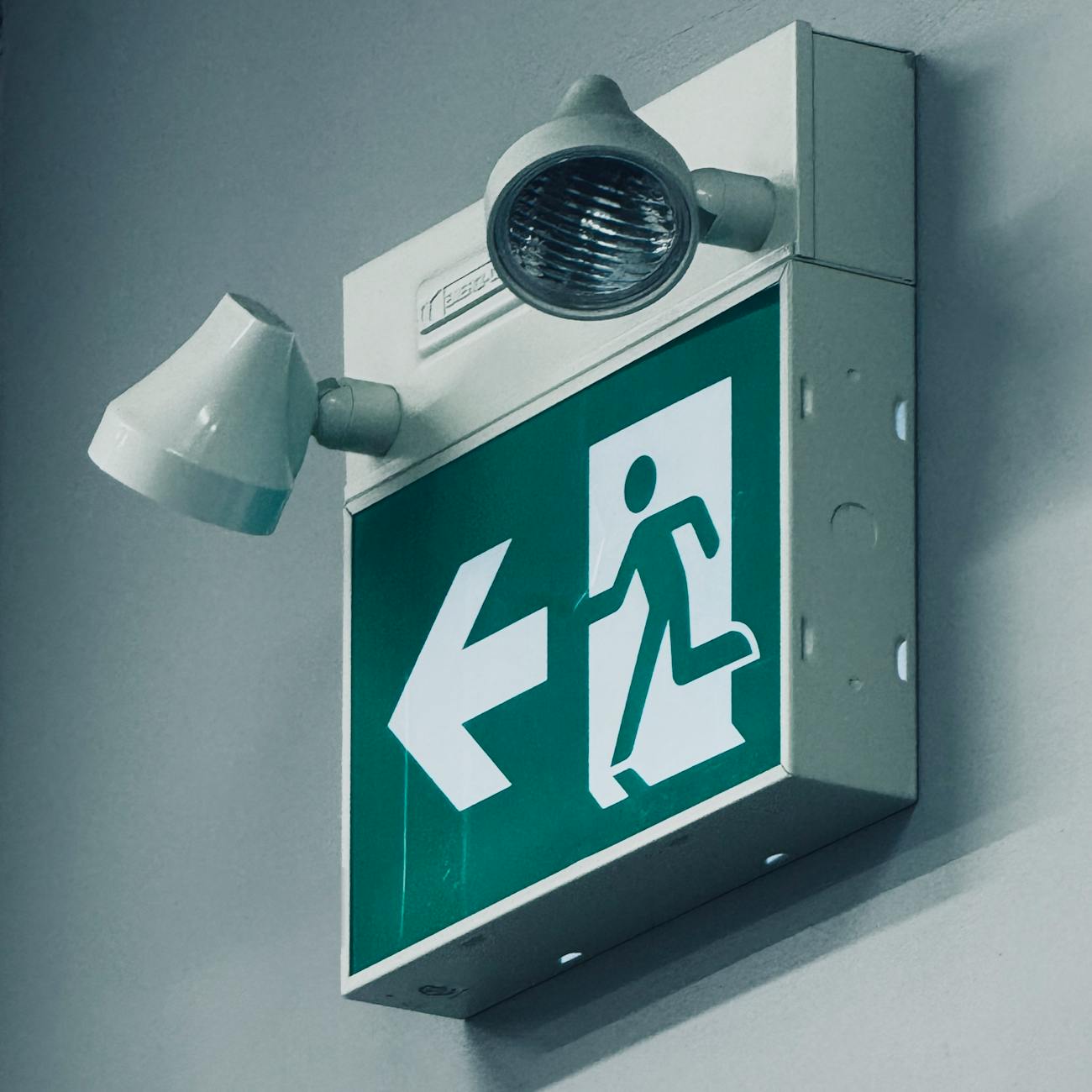
Emergency Lighting – Lighting fixtures that operate on battery backup to provide illumination during a power outage, ensuring that exit routes remain visible. Emergency lighting must meet illumination levels specified in the fire code (typically 1 foot‑candle at floor level) and must be tested regularly.
Exit Signage – Illuminated or photoluminescent signs that indicate the direction of exits. Exit signs must be placed at intervals not exceeding 100 feet (or as required by local code) and must be visible from all points within the means of egress. The fire code also requires that signs be installed on doors that serve as exits.
Photoluminescent Markings – Non‑electric markings that glow in low‑light conditions after exposure to ambient light. These markings are used on floor lines, stair nosings, and exit signage to guide occupants during a fire. Photoluminescent materials must be approved and meet durability requirements.
Fire Department Access Road – A designated route that allows fire apparatus to reach a building quickly and safely. The fire code defines minimum width, turning radius, and clearance for access roads, and may require fire lanes in parking lots. Proper planning of access roads reduces response times and improves firefighting effectiveness.
Fire Hydrant – A water supply point located on or near a property that provides a high‑flow source for fire‑fighting operations. Hydrants must be spaced according to fire flow calculations and must be maintained in a functional condition. The fire code may require hydrants for large industrial sites or high‑hazard facilities.
Fire Flow – The amount of water, measured in gallons per minute (gpm), required to control a fire in a specific occupancy or hazard. Fire flow is calculated using formulas that consider fire load, area, and construction type. The fire code uses fire flow estimates to determine the adequacy of water supply infrastructure.
Fire Safety Plan – A documented strategy that outlines fire protection measures, emergency procedures, roles and responsibilities, and maintenance schedules. The fire safety plan is required for many occupancies, especially those with high fire risk, and must be reviewed and updated regularly.
Fire Drill – A scheduled practice exercise in which occupants evacuate the building according to the established emergency procedures. Fire drills test the effectiveness of the means of egress, communication systems, and occupant awareness. The fire code often specifies the frequency of drills (e.G., Quarterly for schools, semi‑annually for office buildings).
Fire Marshal – The official responsible for enforcing fire safety regulations, inspecting buildings, issuing permits, and investigating fire incidents. The fire marshal works closely with the AHJ and may provide guidance on code interpretation, variance requests, and compliance strategies.
Variance – An approved deviation from a specific fire code requirement, granted when strict compliance is impractical or when an alternative method provides equivalent safety. Variances must be documented, justified with a risk analysis, and approved by the AHJ. Common examples include reducing the number of exits in a historic building where adding new stairwells would compromise architectural integrity.
Alternative Means of Compliance (AMC) – A performance‑based approach that allows designers to meet the intent of the fire code through innovative solutions rather than prescriptive requirements. AMCs require a thorough engineering analysis, risk assessment, and often peer review. Successful AMCs can lead to more flexible designs while maintaining safety.
Fire Protection Engineer – A professional specialized in the design, analysis, and implementation of fire protection systems. Fire protection engineers apply scientific principles, code requirements, and risk assessment techniques to develop solutions that safeguard life and property. Their work often involves hydraulic calculations, fire modeling, and coordination with architects and contractors.
Fire Modeling – The use of computer simulations to predict fire development, smoke movement, and temperature distribution within a building. Fire modeling helps assess the effectiveness of fire protection measures, optimize egress design, and support variance requests. Common software tools include FDS (Fire Dynamics Simulator) and PyroSim.
Fire Dynamics – The study of how fire behaves, including heat release rate, flame spread, and smoke production. Understanding fire dynamics is essential for developing accurate risk assessments, selecting appropriate suppression systems, and designing effective compartmentation.
Heat Release Rate (HRR) – The amount of energy released by a fire per unit time, expressed in kilowatts (kW) or BTU per second. HRR is a critical parameter in fire modeling and sprinkler design, as it determines the intensity of the fire and the required water flow.
Flashover – A rapid transition in a compartment fire where all combustible surfaces reach ignition temperature simultaneously, resulting in full involvement of the space. Flashover represents a critical point in fire development and underscores the importance of early detection and suppression.
Fire Spread Index (FSI) – A metric that quantifies the potential for fire to spread across a building’s interior, based on material combustibility, layout, and compartmentation. The FSI assists in prioritizing mitigation measures and in selecting appropriate fire‑resistive materials.
Fire‑Resistive Material – Materials that possess inherent or treated properties that inhibit fire ignition and propagation. Examples include gypsum board, concrete, mineral wool, and fire‑treated wood. The fire code often requires the use of fire‑resistive materials in walls, ceilings, and floors to achieve required fire‑resistance ratings.
Fire‑Retardant Coating – A surface treatment applied to combustible materials to reduce flammability and increase fire‑resistance rating. Coatings are tested for performance under standardized fire exposure conditions, and the fire code may prescribe specific coating systems for certain applications.
Combustible – Any material that can ignite and sustain a flame. The fire code categorizes combustibles based on their flame spread index and heat of combustion. Reducing the amount of combustible material in a space can lower fire load and improve overall safety.
Non‑Combustible – Materials that do not support combustion under normal fire conditions. Non‑combustible materials are preferred for structural elements, interior finishes, and furnishings in high‑risk occupancies. The fire code may mandate non‑combustible construction for certain building types.
Flame Spread Index (FSI) – A numeric value derived from standardized tests (such as ASTM E84) that measures the rate at which flame spreads across a material’s surface. Materials with an FSI of 25 or less are considered “Class A” (low flame spread), while higher values indicate greater fire risk.
Smoke Development Index (SDI) – A numeric measure of the amount of smoke produced by a material during combustion, also obtained from ASTM E84 testing. Lower SDI values correspond to reduced smoke production, which is critical for maintaining visibility during evacuation.
Fire‑Resistive Rating (FRR) – The duration for which a building assembly can withstand fire exposure while maintaining structural integrity and limiting temperature rise. FRR is expressed in minutes (e.G., 2‑Hour fire‑resistive rating). The fire code specifies minimum FRR for walls, floors, and doors based on occupancy and fire load.
Fire Door Assembly – A complete unit consisting of a fire‑rated door, frame, hardware, self‑closing device, and seal. Each component must be listed together as an assembly to ensure the overall fire‑resistance rating is achieved. Improper installation of any component can compromise the assembly’s performance.
Fire Door Label – A permanent tag affixed to a fire door that indicates its fire‑resistance rating, manufacturer, and testing standard. The label must be visible on the latch side of the door and must not be removed or altered. The fire code requires that labels be intact and legible at the time of inspection.
Fire Door Gap – The clearance between a fire door and its frame, measured at the top, bottom, and sides. Gaps must be within the limits specified by the manufacturer (typically 1/8 inch at the top and 1/4 inch at the bottom). Excessive gaps can allow fire and smoke to bypass the door, reducing its effectiveness.
Fire Door Hardware – The collection of locks, latches, hinges, and closers that secure a fire door while allowing it to close automatically. Hardware must be listed for the door’s fire‑resistance rating and must be installed according to the manufacturer’s instructions. Failure to use proper hardware is a common cause of non‑compliance.
Fire Door Maintenance – The routine inspection, testing, and repair of fire doors to ensure they remain functional and meet code requirements. Maintenance tasks include checking for proper operation of self‑closing devices, verifying that gaps are within tolerance, and confirming that labels are intact. The fire code typically requires annual inspections.
Fire Door Inspection Checklist – A standardized tool used by building managers and fire inspectors to verify compliance of fire doors. The checklist covers items such as door label, hardware condition, gap measurements, and operation of the closing mechanism. Documented inspections provide evidence of compliance and support liability protection.
Fire Door Testing – The process of subjecting a fire door assembly to fire exposure in a controlled environment to verify its performance. Testing is performed by accredited laboratories and must follow standards such as UL 10C or NFPA 252. The results are recorded on a fire test report, which serves as proof of compliance.
Fire Alarm Control Panel (FACP) – The central unit that receives signals from detection devices, processes alarm conditions, and activates notification appliances. The FACP may be addressable or conventional, and it must be located in a secure, readily accessible area. The fire code requires that the panel be powered by an emergency source and that it be capable of indicating fault conditions.
Notification Appliance – Devices that convey fire alarm signals to occupants, including horns, sirens, strobe lights, and speaker‑voice systems. The fire code specifies minimum sound pressure levels (typically 75 dB at the point of egress) and visual intensity (e.G., 15 Candela for strobes). Proper placement ensures that all occupants receive a clear warning.
Voice Evacuation System – A fire alarm system that delivers pre‑recorded or live voice messages to guide occupants during an emergency. Voice systems are often required in large or complex buildings where plain sound signals may not provide sufficient direction. The fire code mandates that voice messages be intelligible and audible throughout the protected area.
Fire Alarm Initiating Device – Any device that can trigger a fire alarm, including smoke detectors, heat detectors, manual pull stations, and sprinkler water flow switches. Initiating devices must be listed, installed according to code, and maintained regularly. The fire code defines specific spacing and mounting height requirements for each type of device.
Water Flow Switch – A device that detects water movement through a sprinkler system’s piping and initiates the fire alarm. Water flow switches are essential for integrating sprinkler systems with fire alarm panels, providing automatic notification when a sprinkler head opens. The fire code requires that water flow switches be installed at the most remote sprinkler head.
Fire Alarm Supervisory Signal – A signal sent from the fire alarm system to a monitoring station or fire department to indicate an alarm condition. Supervisory signals are transmitted via telephone lines, radio, or IP networks. The fire code mandates that supervisory signals be reliable, encrypted (if applicable), and tested regularly.
Fire Department Notification – The process of alerting the fire department of a fire alarm activation. Notification can be automatic (through a water flow switch or alarm signal) or manual (via a fire alarm pull station that directly contacts the fire department). The fire code requires that notification be immediate and continuous until the alarm is cleared.
Fire Alarm Annunciation – The visual or audible indication that a fire alarm is active, typically displayed on the FACP as a series of LEDs or indicators. Annunciation panels help building staff identify the location and nature of the alarm. The fire code may require annunciation in fire command centers or security rooms.
Fire Alarm Zoning – The division of a fire alarm system into distinct areas (zones) that allow for the identification of the alarm source. Zoning simplifies troubleshooting and aids in emergency response. In conventional systems, each zone may contain multiple devices; in addressable systems, each device has a unique address.
Fire Alarm System Testing – The scheduled verification of fire alarm components to ensure proper operation. Testing includes functional checks of detectors, pull stations, notification appliances, and control panels. The fire code typically requires quarterly testing of detection devices and annual full‑system testing.
Fire Alarm Maintenance Log – A record of all testing, inspections, repairs, and modifications performed on a fire alarm system. The log must be kept on site and be available for review by the AHJ. Accurate documentation demonstrates compliance and supports proactive maintenance.
Fire Suppression System – An active system that extinguishes or controls fire using a specific extinguishing agent, such as water, foam, dry chemical, or inert gas. Suppression systems are selected based on the hazard they protect and the potential impact of the agent on equipment or occupants. The fire code governs the design, installation, and testing of each type.
Foam Fire Suppression System – A system that discharges a foam concentrate mixed with water to blanket flammable liquids, preventing vapor release and extinguishing the fire. Foam systems are commonly used in aircraft hangars, oil storage facilities, and marine terminals. The fire code specifies the required foam concentration and discharge density.
Dry Chemical Suppression System – A system that releases a powdered extinguishing agent (e.G., ABC powder) to interrupt the chemical reaction of a fire. Dry chemical systems are typically employed in industrial settings, vehicle bays, and areas with electrical equipment. The fire code dictates the minimum coverage area and discharge duration.
Inert Gas Suppression System – A system that floods a protected space with a non‑flammable gas (e.G., FM‑200, Inergen) to reduce oxygen concentration below the combustion threshold. Inert gas systems are used in data centers, museums, and telecommunication rooms where water damage would be unacceptable. The fire code requires that the system be designed to achieve a specific agent concentration (often 34% for FM‑200) within a defined time.
Clean Agent System – A type of gaseous suppression system that uses halogen‑based or halogen‑free agents (e.G., FE‑13, Novec 1230) to extinguish fire without leaving residue. Clean agents are selected for areas containing sensitive electronic equipment. The fire code outlines criteria for agent storage, discharge time, and venting.
Pre‑Action Sprinkler System – A hybrid sprinkler system that combines elements of dry‑pipe and wet‑pipe designs. The system remains dry until a fire detection device activates a pre‑action valve, allowing water to fill the piping before sprinkler heads discharge. Pre‑action systems are often required in libraries, archives, and museums where accidental water discharge could cause severe loss.
Fire Department Intervention – The actions taken by fire‑fighting personnel upon arrival at a fire scene, including fire suppression, rescue, ventilation, and salvage. Understanding the capabilities and limitations of fire department intervention influences the level of fire protection required in a building’s design. The fire code may require provisions such as fire hydrants, adequate water supply, and access routes to facilitate rapid response.
Fire Hydrant Flow Test – A test performed to verify that a fire hydrant can deliver the required flow rate and pressure. The test is conducted using a portable flow‑meter and must meet the standards set by the fire code or local regulations. Regular hydrant testing ensures reliable water supply for fire‑fighting operations.
Fire Pump – A mechanical device that increases water pressure to meet the flow demands of a sprinkler system, standpipe system, or fire department connection. Fire pumps are classified as “automatic” (activated by pressure drop) or “manual” (operated by fire personnel). The fire code mandates that fire pumps be sized based on the required fire flow and that they be tested annually.
Fire Pump Test – A performance verification in which the fire pump is operated at its design flow and pressure to confirm proper operation. Tests must be documented, with results filed with the building’s fire safety documentation. The fire code may require a performance test after installation, after major repairs, and annually thereafter.
Fire Pump Controller – An electronic device that monitors fire pump pressure, flow, and power, and initiates alarms or shutdowns if abnormal conditions occur. Controllers are required for automatic fire pumps and must be listed for fire‑pump service. The fire code specifies that controllers be powered by an emergency source and that they provide audible and visual alerts.
Fire Pump Backup Power – An emergency power source (often a generator) that supplies electricity to fire pumps during a utility outage. Backup power must be capable of starting the pump within a specified time (commonly 10 seconds) and sustaining operation for the required duration (often 30 minutes). The fire code defines the sizing and testing requirements for backup power systems.
Fire Pump Room – A dedicated space that houses the fire pump, controller, and related equipment. The fire pump room must be fire‑resistive, have adequate ventilation, and be accessible for maintenance. The fire code may require that the pump room be protected by a fire‑rated door and that it be equipped with a dedicated fire alarm point.
Fire Department Connection (FDC) Testing – A verification that the FDC can accept water from fire engines and deliver it to the building’s water supply system. Testing includes checking for proper flow direction, pressure, and the integrity of the connection. The fire code requires periodic testing to ensure reliable operation.
Fire Safety Signage – Visual cues that communicate fire safety information, such as “Fire Extinguisher,” “Fire Alarm Pull Station,” and “No Smoking.” Signage must be durable, legible, and placed according to code‑specified locations and heights. Proper signage enhances occupant awareness and aids in emergency response.
Fire Hazard Mitigation – The implementation of measures that reduce the likelihood or impact of fire events. Mitigation strategies include removing unnecessary combustibles, installing fire barriers, upgrading detection systems, and improving egress. The fire code often provides a hierarchy of mitigation actions, encouraging the use of less restrictive measures first.
Fire Safety Audit – A systematic review of a building’s fire protection systems, procedures, and documentation to assess compliance with the fire code and best practices. Audits may be conducted by internal staff, external consultants, or fire department officials. Findings are documented in a report that includes corrective actions and timelines.
Fire Safety Management System (FSMS) – An organized framework that integrates policies, procedures, training, and continuous improvement to achieve fire safety objectives. An FSMS aligns with standards such as ISO 45001 (Occupational Health and Safety) and incorporates fire‑specific elements like risk assessment, emergency planning, and performance monitoring.
Fire Safety Training – Instruction provided to occupants, staff, and fire safety personnel on fire prevention, detection, evacuation, and use of fire extinguishers. Training must be documented, repeatable, and tailored to the specific hazards of the environment. The fire code often mandates regular training sessions for high‑risk occupancies.
Fire Wardens – Designated individuals responsible for assisting occupants during a fire evacuation, performing headcounts, and communicating with emergency responders. Fire wardens receive specialized training and are listed on the fire safety plan. Their duties are essential for orderly evacuation and accountability.
Key takeaways
- This comprehensive guide presents the key vocabulary that underpins fire code compliance, offering clear definitions, practical examples, typical applications, and common challenges that may arise during implementation.
- Fire Code – A set of legally enforceable standards, regulations, and requirements that govern the design, construction, operation, and maintenance of buildings and facilities to protect life and property from fire.
- Authority Having Jurisdiction (AHJ) – The organization, agency, or individual empowered by law to enforce the fire code, issue permits, conduct inspections, and approve fire protection systems.
- For example, an auditorium (Assembly) must provide a minimum of two exit routes, while a warehouse (Industrial) may require higher fire-resistance-rated walls and ceilings.
- Means of Egress – The continuous, unobstructed path of travel from any point within a building to a place of safety.
- Travel distance limits vary by occupancy type; for instance, an Assembly occupancy may have a maximum travel distance of 200 feet, while a Residential occupancy may be limited to 150 feet.
- Exit Capacity – The combined width of all exits available for a particular occupancy, expressed in inches or centimeters of clear opening.