
Food Politics And Policy
Food politics refers to the ways in which power, economics, culture, and law intersect to shape what people eat, how food is produced, and who benefits from the food system. In the context of a professional certificate in food anthropology …
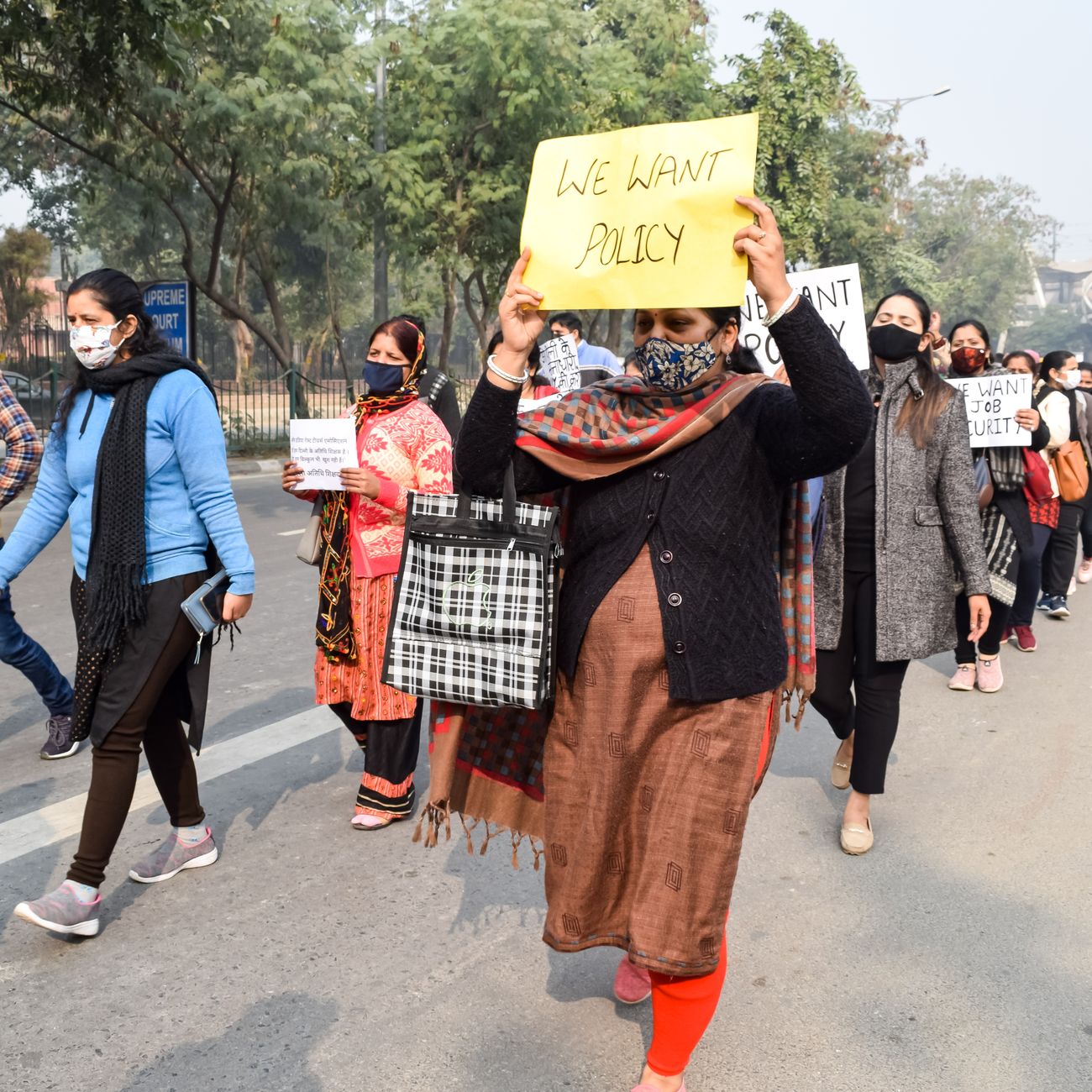
Food politics refers to the ways in which power, economics, culture, and law intersect to shape what people eat, how food is produced, and who benefits from the food system. In the context of a professional certificate in food anthropology and culinary history reporting, a solid grasp of the terminology that underpins this field is essential for accurate analysis, clear communication, and effective advocacy. The following exposition outlines the most frequently encountered concepts, provides concrete examples, and highlights practical applications and challenges that professionals may encounter when reporting on food politics and policy.
Food security is a foundational concept that describes a condition in which all people, at all times, have physical, social, and economic access to sufficient, safe, and nutritious food that meets their dietary needs for an active and healthy life. The three pillars of food security—availability, access, and utilization—are often illustrated with a case study of a coastal community that experiences seasonal abundance of fish (availability), but suffers from high market prices that limit purchase power (access), and faces health issues due to inadequate cooking facilities (utilization). Reporters must examine each pillar when assessing the impact of a new agricultural policy, recognizing that a policy that boosts crop yields may not automatically improve access if distribution networks remain underdeveloped.
Food sovereignty expands on food security by emphasizing the right of peoples to define their own food systems, prioritize local producers, and protect cultural food practices. The concept emerged from peasant movements in Latin America and is closely linked to the principle of self‑determination. A practical illustration is the adoption of community‑managed seed banks that preserve heirloom varieties and resist corporate seed monopolies. When covering a policy proposal to standardize seed certification, a journalist should consider how the measure aligns or conflicts with food sovereignty goals, and should give voice to local farmers who may view the policy as a threat to biodiversity and cultural heritage.
Agricultural subsidies are financial incentives provided by governments to support farmers, stabilize prices, and encourage certain production practices. In the United States, the Farm Bill allocates billions of dollars in direct payments, crop insurance, and conservation programs. Critics argue that subsidies disproportionately favor large agribusinesses and commodity crops such as corn, soy, and wheat, while marginalizing specialty crops and smallholders. A reporter investigating the impact of a new subsidy for biofuel corn must trace the chain from government funding to land use changes, water consumption, and food price fluctuations, highlighting both economic benefits for producers and potential nutritional drawbacks for consumers.
Tariffs are taxes imposed on imported goods, often used to protect domestic industries or generate revenue. In the realm of food policy, tariffs can shape the competitiveness of foreign products and influence consumer choices. For example, a high tariff on imported cheese may encourage consumers to purchase domestically produced cheese, supporting local dairies but also raising prices for low‑income households. When analyzing a trade dispute between two nations over dairy tariffs, a journalist should assess the balance between protecting domestic producers and ensuring affordable access for consumers, while also considering the diplomatic ramifications of trade negotiations.
Trade agreements such as the North American Free Trade Agreement (NAFTA) or the Comprehensive and Progressive Agreement for Trans-Pacific Partnership (CPTPP) create standardized rules for the movement of goods, services, and investments across borders. These agreements often contain provisions that affect food safety standards, labeling requirements, and intellectual property rights for agricultural technologies. A case in point is the inclusion of “sanitary and phytosanitary” (SPS) measures that harmonize inspection protocols for fresh produce. Reporting on a renegotiated trade agreement demands an understanding of how the new rules will affect domestic producers, importers, and consumers, as well as an awareness of any contested provisions that may undermine local food sovereignty.
Genetically modified organisms (GMOs) are organisms whose genetic material has been altered using biotechnology techniques such as gene splicing or CRISPR. GMO crops are designed to increase yields, resist pests, or improve nutritional content. The debate surrounding GMOs pivots on scientific, ethical, and economic dimensions. Proponents cite reduced pesticide use and higher productivity, while opponents raise concerns about biodiversity loss, corporate control of seed markets, and unknown health effects. When covering a policy that mandates GMO labeling, a reporter should explain the scientific basis for the technology, outline the labeling requirements, and present perspectives from scientists, farmers, consumer advocacy groups, and industry representatives.
Labeling regulations dictate the information that must appear on food packaging, including ingredient lists, nutrition facts, allergen warnings, and country of origin. In many jurisdictions, “organic” and “non‑GMO” claims are regulated to prevent misleading marketing. A practical challenge arises when a product contains multiple ingredients sourced from different countries; determining the appropriate country‑of‑origin label can be complex. Journalists must navigate these technicalities and convey to audiences why accurate labeling matters for health, environmental stewardship, and informed consumer choice.
Food deserts describe geographic areas where residents have limited access to affordable, nutritious food, typically due to a scarcity of grocery stores, fresh produce markets, or reliable transportation. The term is often applied to low‑income urban neighborhoods and rural regions lacking infrastructure. An illustrative example is a city block in a metropolitan area where the nearest supermarket is ten miles away, forcing residents to rely on convenience stores that stock primarily processed foods. Reporting on initiatives to address food deserts—such as mobile markets, community gardens, or subsidized public transit—requires an assessment of both supply‑side interventions (increasing availability) and demand‑side factors (affordability, cultural preferences).
Food waste encompasses the loss of edible food at any point along the supply chain, from farm to fork. In high‑income countries, a significant proportion of waste occurs at the consumer level, while in low‑income regions, losses are more prevalent during production and storage due to inadequate infrastructure. A policy aimed at reducing food waste might introduce tax incentives for businesses that donate surplus food, or mandate the use of “best‑by” dates that reflect safety rather than quality. A reporter should examine data on waste volumes, identify the drivers of waste in specific contexts, and evaluate the effectiveness of mitigation strategies.
Nutrition policy refers to governmental actions that aim to improve the nutritional status of populations through programs such as school meals, dietary guidelines, fortification mandates, and taxation of unhealthy foods. One well‑known example is the implementation of a sugar‑sweetened beverage tax in several cities, designed to curb consumption of high‑calorie drinks and reduce obesity rates. When covering a new nutrition policy, journalists must explain the scientific rationale, describe the mechanisms of implementation, and present evidence on health outcomes, while also addressing concerns about personal choice and economic impact on manufacturers.
Public health intersects with food policy through initiatives that address diet‑related diseases, foodborne illness outbreaks, and health disparities. The Centers for Disease Control and Prevention (CDC) monitors trends in conditions such as diabetes and heart disease, linking them to dietary patterns. A case study of a public health campaign that promotes increased fruit and vegetable intake can illustrate how policy, education, and community engagement combine to shape behavior. Reporters should be attentive to the role of socioeconomic factors in health outcomes and the importance of culturally appropriate messaging.
Food safety encompasses the practices and regulations that ensure that food is free from harmful contaminants, pathogens, and chemical residues. Agencies such as the Food and Drug Administration (FDA) and the European Food Safety Authority (EFSA) set standards for processing, packaging, and inspection. A notable incident is the recall of contaminated spinach that caused a nationwide outbreak of E. Coli infections. Coverage of food safety incidents requires rapid fact‑checking, clear explanation of the source of contamination, and guidance on consumer actions, while also exploring systemic vulnerabilities in the supply chain.
HACCP (Hazard Analysis Critical Control Point) is a systematic preventive approach to food safety that identifies potential hazards at each stage of production and establishes controls to mitigate them. The HACCP framework is mandatory for many food processing facilities and is often a prerequisite for export certification. When reporting on a restaurant that adopts HACCP protocols, a journalist can illustrate how the system reduces the risk of foodborne illness, improves traceability, and may enhance consumer confidence.
Food labeling claims such as “low‑fat,” “high‑protein,” or “gluten‑free” are regulated terms that communicate specific nutritional attributes. The definitions of these claims can vary by jurisdiction; for instance, “low‑fat” in the United States requires a product to contain less than 3 grams of fat per serving, whereas the European Union sets a threshold of 3 grams per 100 grams. A reporter covering a new labeling law should clarify the quantitative criteria, discuss the implications for manufacturers, and assess whether the claims align with consumer expectations and health goals.
Allergen labeling is a critical component of food safety, requiring manufacturers to disclose the presence of major allergens such as peanuts, tree nuts, dairy, eggs, wheat, soy, fish, and shellfish. The rise in food allergy prevalence has prompted stricter enforcement and the development of “precautionary allergen statements” like “may contain.” An investigative piece on mislabeled products can reveal the consequences for individuals with severe allergies and underscore the importance of rigorous compliance.
Supply chain transparency refers to the visibility of each step in the journey of food from production to consumption. Technologies such as blockchain, QR codes, and satellite imaging are increasingly used to track origin, handling, and environmental impact. A practical example is a coffee company that provides a QR code linking to a digital map of the farm, processing facility, and shipping route. Reporting on transparency initiatives involves explaining the technology, evaluating its reliability, and assessing its potential to empower consumers and deter fraud.
Corporate concentration in the food sector describes the consolidation of market power among a few large firms that control a significant share of production, processing, or distribution. The merger of two major meatpacking companies, for example, can raise concerns about reduced competition, price manipulation, and labor conditions. A journalist should investigate the market share of dominant firms, analyze antitrust implications, and consider the effects on small producers and consumer choice.
Food justice is a movement that seeks equitable access to healthy, culturally appropriate food and fair labor conditions throughout the food system. It intersects with environmental justice, racial equity, and economic inclusion. Initiatives such as urban farms in historically marginalized neighborhoods or fair‑trade certification schemes illustrate food justice in practice. Coverage of food justice campaigns should highlight the voices of community organizers, document policy successes or setbacks, and connect local actions to broader systemic change.
Farm Bill is a comprehensive piece of legislation in the United States that authorizes spending for agricultural programs, nutrition assistance, conservation, and rural development. The Farm Bill is reauthorized roughly every five years, and each iteration reflects shifting priorities. For instance, the inclusion of the Supplemental Nutrition Assistance Program (SNAP) expansion reflects an emphasis on food assistance, while the removal of certain conservation programs may signal a pivot toward commodity production. Reporting on the Farm Bill requires an understanding of its multiple titles, the stakeholders involved, and the projected impacts on different segments of the food system.
SNAP (Supplemental Nutrition Assistance Program) provides financial assistance to low‑income individuals and families to purchase food. The program is often referred to as “food stamps,” though the terminology has evolved. SNAP benefits can be used at authorized retailers, and recent policy discussions have explored expanding eligibility, increasing benefit amounts, or allowing purchases of prepared meals. A journalist analyzing SNAP reforms should present data on participation rates, examine the nutritional outcomes for beneficiaries, and discuss the fiscal implications for the federal budget.
Food stamp fraud involves the misuse or illegal acquisition of SNAP benefits, such as selling benefits for cash or purchasing ineligible items. While fraud rates are relatively low, public perception can influence policy decisions. Reporting on SNAP fraud requires careful presentation of statistics, avoidance of sensationalism, and contextualization of the overall benefits of the program.
Farmers markets are venues where producers sell directly to consumers, often emphasizing locally grown, seasonal, and organic products. They serve as a conduit for community engagement, education, and economic support for small farms. A case study of a city that provides tax incentives for farmers market vendors can illustrate how policy can stimulate local food economies. Journalists should assess the accessibility of markets, the diversity of offerings, and any barriers faced by producers, such as licensing requirements.
Community Supported Agriculture (CSA) is a model in which consumers purchase shares of a farm’s harvest in advance, providing farmers with upfront capital and guaranteeing a market for their produce. In return, members receive a regular supply of fresh, seasonal produce. The CSA model promotes risk sharing, strengthens farmer‑consumer relationships, and can enhance food security for participants. Coverage of a CSA program should discuss enrollment processes, seasonal menu variability, and the impact on farm viability.
Food policy councils are multi‑stakeholder groups that bring together government officials, NGOs, academics, producers, and community members to develop coordinated food strategies. For example, a city food policy council may draft a comprehensive plan that addresses nutrition, sustainability, and equity. Reporting on a food policy council’s work involves describing its composition, decision‑making processes, and the outcomes of its recommendations, such as new zoning ordinances that allow for urban agriculture.
Zoning ordinances regulate land use and can either enable or restrict food‑related activities such as urban farms, food trucks, and farmers markets. A city that revises its zoning code to permit rooftop gardening creates new opportunities for local food production. Conversely, restrictive zoning may limit the establishment of grocery stores in underserved neighborhoods, perpetuating food deserts. Journalists should explain the legal framework, illustrate how zoning changes affect stakeholders, and highlight any community opposition or support.
Urban agriculture encompasses the cultivation of crops and raising of livestock within city limits, including community gardens, rooftop farms, vertical farms, and hydroponic systems. Urban agriculture can improve food access, provide educational opportunities, and contribute to green space. However, challenges include soil contamination, limited space, and regulatory barriers. A reporter covering a vertical farm that supplies a local supermarket chain should examine the technology, the environmental footprint, and the economic viability compared to traditional supply chains.
Vertical farming is a method of growing crops in stacked layers, often using controlled‑environment agriculture (CEA) technologies such as LED lighting, climate control, and hydroponic or aeroponic nutrient delivery. The approach can dramatically increase yield per square foot and reduce water usage. Yet, high capital costs and energy consumption are notable challenges. When profiling a vertical farm, a journalist can discuss the start‑up investment, the types of crops grown (typically leafy greens), and the potential to supply fresh produce year‑round in regions with limited arable land.
Controlled‑environment agriculture (CEA) refers to the use of technology to regulate temperature, humidity, light, and nutrient delivery in indoor farming operations. CEA can be applied to greenhouses, indoor farms, and aquaponic systems. An example is a greenhouse that utilizes CO₂ enrichment to boost photosynthesis. Reporting on CEA practices should address the sustainability trade‑offs, such as the balance between reduced pesticide use and increased energy demand.
Aquaponics combines aquaculture (raising fish) with hydroponics (soil‑less plant cultivation) in a symbiotic system where fish waste provides nutrients for plants, and plants filter water for the fish. This closed‑loop system can produce both protein and vegetables on limited land. A case study of a school that implements an aquaponic system can illustrate educational benefits and potential for local food production. Challenges include maintaining water quality, disease management, and the need for technical expertise.
Food miles measure the distance food travels from production to consumption, often used as an indicator of environmental impact. While shorter food miles are generally associated with lower carbon emissions, the metric can be misleading if production methods are energy‑intensive. For instance, a locally grown tomato grown in heated greenhouses may have higher emissions than an imported tomato grown in a sunny climate with minimal inputs. Reporting on food miles should contextualize the metric within a broader life‑cycle assessment.
Life‑cycle assessment (LCA) is a methodological framework for evaluating the environmental impacts of a product throughout its entire life span, from raw material extraction to disposal. In the food sector, LCA can assess greenhouse gas emissions, water use, land use, and energy consumption. An LCA comparing beef production in a feedlot to plant‑based alternatives can reveal the relative environmental burdens. Journalists using LCA data should explain the scope, assumptions, and uncertainties inherent in the analysis.
Carbon footprint quantifies the total greenhouse gas emissions associated with a product or activity, expressed in carbon dioxide equivalents (CO₂e). Food items vary widely in carbon footprint; for example, beef typically has a larger footprint than beans. A policy that introduces a carbon label on packaged foods aims to inform consumers and incentivize low‑emission choices. Coverage of such a policy should detail the labeling standards, the methodology for calculating footprints, and the potential impact on purchasing behavior.
Water footprint measures the volume of freshwater used directly and indirectly to produce a good, including irrigation, processing, and supply chain activities. Crops such as almonds have high water footprints, especially when grown in arid regions. A journalist examining a water‑intensive crop can discuss the implications for regional water scarcity, potential mitigation strategies like drip irrigation, and consumer awareness campaigns.
Organic certification is a third‑party verification that a farm or product meets specific standards for organic production, which typically exclude synthetic fertilizers, pesticides, genetically modified inputs, and require certain animal welfare practices. In the United States, the USDA Organic seal signals compliance. However, certification processes can be costly and burdensome for small farms. Reporting on organic certification should outline the criteria, the benefits for consumers, and the challenges faced by producers seeking certification.
Fair‑trade certification ensures that producers receive a minimum price, a premium for community development, and adhere to labor and environmental standards. Fair‑trade coffee, chocolate, and bananas are common examples. Critics argue that the premium may not always reach the intended beneficiaries due to complex supply chains. A reporter covering a fair‑trade initiative should trace the flow of premiums, assess compliance monitoring, and evaluate consumer willingness to pay higher prices.
Geographical indication (GI) is a label that identifies a product as originating from a specific region with recognized qualities or reputation linked to that place, such as “Champagne” or “Parmigiano‑Reggiano.” GIs protect cultural heritage and can command premium prices. However, they also raise trade disputes when other countries claim the right to use similar names. An article on a GI dispute between two nations can explain the legal basis for protection, the economic stakes for producers, and the role of international bodies like the World Trade Organization.
Food labeling standards differ across regions, influencing how products are marketed and perceived. In the European Union, the “Nutrition and Health Claims Regulation” governs statements such as “low‑salt” or “source of omega‑3.” In contrast, the United States relies on the Nutrition Labeling and Education Act (NLEA). A comparative analysis of labeling standards can reveal opportunities for exporters and challenges for manufacturers adapting packaging to multiple markets.
Nutrition facts panel provides standardized information on energy (calories), macronutrients (fat, carbohydrate, protein), and certain micronutrients (sodium, vitamin D, calcium, iron). The panel allows consumers to compare products and make informed choices. Recent revisions, such as the inclusion of added sugars, reflect evolving scientific understanding of diet‑related health risks. Journalists should be able to interpret the panel, explain the significance of daily value percentages, and highlight common misconceptions.
Added sugars are sugars that are not naturally present in a food but are incorporated during processing or preparation, such as sucrose, high‑fructose corn syrup, and honey. Excessive consumption is linked to obesity, type 2 diabetes, and dental caries. Policies that require added sugar disclosure aim to reduce intake by increasing transparency. Reporting on added sugars can involve analyzing product reformulations, industry responses, and consumer reactions.
Trans‑fat bans have been enacted in many jurisdictions to eliminate artificial trans‑fatty acids from the food supply, given their association with cardiovascular disease. The United States Food and Drug Administration (FDA) issued a final determination that partially hydrogenated oils are no longer “generally recognized as safe.” A reporter covering a trans‑fat ban can discuss the timeline of regulation, the impact on food manufacturers, and the residual presence of naturally occurring trans‑fats.
Nutrition education programs aim to improve dietary knowledge and behaviors through school curricula, public campaigns, and community workshops. Examples include “MyPlate” in the United States and “Eatwell Guide” in the United Kingdom. Effective programs often combine messaging with hands‑on activities, such as cooking demonstrations. When evaluating a nutrition education initiative, journalists should assess reach, cultural relevance, and measurable changes in dietary habits.
School lunch programs provide meals to students, often funded by government subsidies. The quality of these meals can influence childhood nutrition and academic performance. Recent policy shifts toward “farm‑to‑school” procurement seek to source ingredients from local producers, supporting both nutrition and local agriculture. Reporting on school lunch reforms can involve interviewing administrators, parents, and local farmers, and reviewing nutritional standards.
Food assistance programs include SNAP, the Women, Infants, and Children (WIC) program, and school nutrition programs. These programs aim to reduce food insecurity and improve nutrition among vulnerable populations. A comparative analysis of program eligibility criteria, benefit levels, and health outcomes can illuminate strengths and gaps in the safety net.
Food sovereignty movements often oppose large‑scale industrial agriculture and promote agroecology, seed saving, and community control. The “La Vía Campesina” network is a global coalition advocating for peasant rights and sustainable food systems. Documenting a food sovereignty protest can involve capturing the historical context, the demands for policy change, and the reactions from policymakers and corporations.
Agroecology integrates ecological principles into agricultural production, emphasizing biodiversity, soil health, and social equity. Practices include intercropping, cover cropping, and reduced chemical inputs. An agroecology pilot project on a smallholder farm can demonstrate improvements in yield stability and resilience to climate shocks. Reporters should explain the science behind agroecological practices, the socioeconomic benefits, and the policy environment that either supports or hinders adoption.
Climate‑smart agriculture is an approach that seeks to increase productivity, adapt to climate change, and reduce greenhouse gas emissions. Techniques include conservation tillage, precision irrigation, and the use of climate‑resilient crop varieties. Coverage of a climate‑smart agriculture program can highlight funding mechanisms, farmer training, and measurable outcomes such as reduced emissions per hectare.
Carbon pricing mechanisms, such as carbon taxes or cap‑and‑trade systems, assign a monetary cost to greenhouse gas emissions. In the food sector, carbon pricing can influence production decisions, encouraging lower‑emission practices. For instance, a carbon tax on livestock methane emissions may incentivize the adoption of feed additives that reduce methane output. Journalists should explain how carbon pricing works, the policy design, and the potential impact on food prices and consumer behavior.
Food waste reduction targets are often set by governments or international bodies to curb the amount of edible food discarded. The United Nations Sustainable Development Goal 12.3 Aims to halve per‑capita global food waste at the retail and consumer levels by 2030. A city that implements a mandatory food waste audit for restaurants can serve as a case study. Reporting on progress toward waste reduction targets should include data on waste volumes, policy enforcement, and innovative solutions such as food rescue apps.
Food rescue refers to the collection and redistribution of surplus food that would otherwise be discarded, often through partnerships with retailers, restaurants, and nonprofits. Food rescue organizations, such as “Feeding America” in the United States, play a critical role in addressing food insecurity. Coverage of food rescue operations can explore logistical challenges, safety standards, and the impact on both waste reduction and hunger alleviation.
Food safety inspections are conducted by regulatory agencies to ensure compliance with sanitary standards in food processing, storage, and service establishments. Inspections may be routine or triggered by complaints. A high‑profile inspection failure at a major food chain can lead to recalls, fines, and reputational damage. Journalists must accurately report inspection findings, explain the regulatory framework, and note any corrective actions taken.
Recall procedures involve the removal of unsafe or mislabeled products from the market. Recalls are typically classified by severity (Class I, II, III) based on the level of health risk. A well‑executed recall requires clear communication to consumers, coordination with retailers, and transparent documentation. Reporting on a recall should include the reason for the recall, the scope, consumer advice, and the company’s response.
Foodborne illness outbreaks occur when contaminated food leads to illness among a group of people. Common pathogens include Salmonella, Listeria, and Norovirus. Outbreak investigations involve epidemiological tracing, laboratory testing, and public health alerts. A journalist covering an outbreak must balance timely reporting with accurate attribution of the source, while also providing guidance on prevention.
Pathogen testing is a laboratory method used to detect harmful microorganisms in food. Techniques range from traditional culture methods to rapid molecular assays such as PCR. Adoption of advanced pathogen testing can improve detection speed and reduce the spread of contaminated products. Reporting on new testing technologies can discuss their sensitivity, cost, and implications for food safety.
Food labeling transparency initiatives aim to provide consumers with clear, accurate, and comprehensive information about product origins, ingredients, and production methods. Examples include “farm‑to‑fork” labeling schemes and blockchain‑based traceability platforms. A critical examination of transparency initiatives should assess the reliability of data, the level of consumer understanding, and the potential for green‑washing.
Consumer advocacy groups play a pivotal role in shaping food policy by lobbying for stricter regulations, conducting independent research, and raising public awareness. Organizations such as “Consumer Reports” and “The Center for Science in the Public Interest” often issue reports on nutritional quality, labeling accuracy, and corporate practices. Journalists can leverage the expertise of advocacy groups while also seeking balanced perspectives from industry representatives.
Corporate lobbying refers to efforts by food industry entities to influence legislation, regulation, and public opinion. Lobbying expenditures can be tracked through public disclosure databases, revealing the scale of industry influence on policy outcomes. When reporting on lobbying activities, it is important to contextualize the financial data, identify the policy issues at stake, and examine the impact on public health objectives.
Regulatory capture occurs when a regulatory agency becomes dominated by the interests it is supposed to regulate, leading to weakened enforcement and policy bias. In the food sector, capture can manifest as delayed action on food safety violations or lenient standards for contaminants. Investigative reporting on regulatory capture may involve analyzing revolving‑door employment patterns, budget allocations, and decision‑making records.
Food industry consolidation describes the trend of mergers and acquisitions that reduce the number of independent firms in the market. Consolidation can lead to economies of scale, but also raise concerns about market power, price fixing, and reduced innovation. A comprehensive analysis of consolidation should trace ownership structures, evaluate antitrust considerations, and assess potential effects on small producers and consumers.
Food marketing encompasses advertising, packaging, and promotional tactics used to influence consumer preferences and purchasing behavior. Marketing to children, in particular, raises ethical concerns due to the vulnerability of young audiences. Policies such as restrictions on advertising high‑sugar foods during children’s television programming aim to protect public health. Reporting on food marketing trends can reveal the strategies employed by companies and the regulatory responses.
Nutrition claims such as “heart‑healthy” or “low‑glycemic” are regulated in many jurisdictions to prevent misleading statements. The scientific evidence supporting a claim must meet specific criteria, and the claim must be accompanied by qualifying language. An article examining a new “brain‑boosting” claim on a snack product should verify whether the claim complies with regulatory standards and whether the supporting research is robust.
Food deserts and food swamps are related but distinct concepts. While food deserts denote a lack of access to healthy foods, food swamps describe areas saturated with unhealthy, calorie‑dense options, often fast‑food restaurants and convenience stores. A community that experiences both a food desert and a food swamp faces compounded challenges for dietary improvement. Coverage should differentiate the two phenomena, explore underlying socioeconomic factors, and highlight interventions tailored to each condition.
Nutrition assistance eligibility criteria determine who can receive benefits such as SNAP or WIC. Eligibility thresholds often consider income, household size, and asset limits. Changes to eligibility rules can expand or contract the safety net, affecting millions of individuals. When reporting on policy proposals that tighten eligibility, journalists should examine the projected reduction in beneficiaries, the rationale behind the change, and the potential health consequences.
Food affordability is a measure of the cost of a nutritionally adequate diet relative to household income. The “Thrifty Food Plan” is used in the United States to calculate a baseline cost for a nutritious diet. Rising food prices, inflation, and supply chain disruptions can erode affordability, leading to increased reliance on assistance programs. Coverage of food affordability trends should incorporate data on price indices, income changes, and policy measures aimed at price stabilization.
Food price volatility refers to fluctuations in food commodity prices caused by factors such as weather events, geopolitical tensions, and market speculation. Sharp price spikes can destabilize food‑insecure households and trigger social unrest. A journalist tracking price volatility might analyze futures market data, interview commodity traders, and assess the effectiveness of government buffer stocks.
Buffer stocks are government‑maintained reserves of staple foods intended to smooth out price fluctuations and ensure supply during emergencies. Countries such as India maintain buffer stocks of wheat and rice. Reporting on buffer stock policies should discuss storage costs, the criteria for release, and the impact on market prices.
Food export subsidies are financial supports that lower the cost of exporting agricultural products, making them more competitive internationally. While exporters benefit, such subsidies can depress world prices and disadvantage producers in developing nations. A detailed examination of export subsidies should consider World Trade Organization (WTO) rules, the motivations of exporting countries, and the effects on global food security.
Import tariffs on processed foods are often used to protect domestic manufacturers from foreign competition. However, higher tariffs can increase the price of imported processed foods, potentially limiting consumer choice and raising nutrition concerns if domestic alternatives are less healthy. A policy analysis should weigh the protectionist intent against the health implications for consumers.
Food safety standards such as the Hazard Analysis Critical Control Point (HACCP) system, Good Manufacturing Practices (GMP), and Codex Alimentarius guidelines provide frameworks for ensuring that food is safe for consumption. Compliance with these standards is mandatory for many exporters seeking access to international markets. When reporting on a food safety violation, journalists should reference the relevant standard, explain the breach, and outline corrective measures.
Codex Alimentarius is a collection of internationally recognized standards, guidelines, and codes of practice developed by the Food and Agriculture Organization (FAO) and the World Health Organization (WHO). Codex standards serve as reference points for WTO dispute settlement and facilitate trade by harmonizing food safety requirements. A story on a Codex amendment for pesticide residues should explain the scientific basis, the stakeholder positions, and the implications for exporting countries.
Food labeling compliance is monitored by regulatory agencies that conduct inspections, review labeling submissions, and enforce penalties for violations. Non‑compliant labeling can lead to product recalls, fines, and loss of consumer trust. Reporting on a compliance crackdown can illustrate the enforcement process, the scale of violations discovered, and the response from industry.
Nutrition labeling reforms aim to improve the clarity and usefulness of information presented to consumers. Recent reforms in several countries have introduced front‑of‑pack “traffic light” systems that use color coding to indicate high, medium, or low levels of nutrients such as saturated fat, sugars, and salt. An analysis of the effectiveness of traffic light labeling should reference consumer behavior studies, industry adaptations, and any observed shifts in purchasing patterns.
Food policy research is an interdisciplinary field that draws on economics, sociology, public health, and environmental science to assess the impacts of policies. Academic institutions, think tanks, and government agencies produce research that informs policy development. A journalist covering a new food policy initiative should seek out relevant studies, summarize key findings, and present expert commentary.
Policy impact assessments evaluate the anticipated or actual effects of a policy on various outcomes, such as health, environment, and economy. Impact assessments can be quantitative, using statistical modeling, or qualitative, incorporating stakeholder interviews. Reporting on a policy impact assessment involves translating technical results into accessible language while preserving nuance.
Stakeholder analysis identifies the groups that have an interest in or are affected by a policy, ranging from producers and consumers to NGOs and government agencies. Understanding stakeholder positions helps explain the political dynamics surrounding policy proposals. A feature article that maps stakeholder influence can reveal alliances, conflicts, and potential pathways for consensus.
Public‑private partnerships (PPPs) are collaborative arrangements between government entities and private sector companies to deliver services or develop infrastructure. In the food sector, PPPs may fund the construction of cold‑storage facilities, support research into sustainable farming practices, or develop nutrition education campaigns. While PPPs can mobilize resources, they also raise concerns about accountability and profit motives. Journalists should examine the terms of partnership agreements, the distribution of benefits, and mechanisms for public oversight.
Food policy advocacy includes activities such as lobbying, public campaigns, and grassroots mobilization aimed at influencing legislation and public opinion. Successful advocacy often hinges on clear messaging, credible data, and coalition building. A case study of a successful advocacy campaign that led to the implementation of a soda tax can illustrate strategic planning, media engagement, and policy negotiation.
Food policy think tanks produce research briefs, policy recommendations, and strategic analyses for decision‑makers. Institutions such as the Brookings Institution’s Food Policy Program and the Institute of Food Technologists provide expertise on topics ranging from nutrition standards to supply chain resilience. When citing think‑tank reports, journalists should assess the methodological rigor, potential biases, and relevance to the story’s focus.
Policy briefs are concise documents that summarize research findings and propose actionable recommendations for policymakers. Effective briefs are evidence‑based, clearly organized, and tailored to the target audience. A journalist may use a policy brief as a source of expert insight while also seeking additional perspectives to ensure balanced coverage.
Food system resilience refers to the capacity of the food system to absorb shocks, adapt to changing conditions, and maintain functionality. Resilience is tested by events such as extreme weather, pandemics, and supply chain disruptions. Strategies to enhance resilience include diversification of crops, investment in local processing facilities, and development of digital platforms for real‑time market information. Reporting on resilience initiatives should highlight specific measures, assess their effectiveness, and discuss any trade‑offs.
Digital agriculture leverages data analytics, remote sensing, and Internet of Things (IoT) devices to improve farm management. Tools such as satellite imagery for crop monitoring and sensor‑driven irrigation can increase efficiency and reduce inputs. However, digital agriculture raises concerns about data ownership, privacy, and the digital divide between large agribusinesses and smallholder farmers. A feature on a digital platform that connects farmers with buyers can explore how the technology reshapes market dynamics and the challenges of equitable access.
Food fraud involves the intentional misrepresentation of food products for economic gain, such as adulteration, mislabeling, or substitution. High‑profile cases include the horse‑meat scandal in Europe and the olive oil adulteration in the Mediterranean. Detecting food fraud requires analytical techniques like mass spectrometry and DNA barcoding. Journalists investigating food fraud should explain the methods used to uncover deception, the scale of the problem, and the regulatory response.
Supply chain disruptions can arise from natural disasters, labor strikes, transportation bottleneities, or geopolitical tensions. The COVID‑19 pandemic highlighted vulnerabilities in global food supply chains, leading to shortages of certain commodities and increased freight costs. Coverage of supply chain disruptions should map the affected nodes, discuss mitigation strategies such as diversification of suppliers, and assess the impact on consumers and producers.
Food system governance encompasses the institutions, policies, and processes that guide the production, distribution, and consumption of food. Governance structures can be centralized, devolved, or participatory.
Key takeaways
- In the context of a professional certificate in food anthropology and culinary history reporting, a solid grasp of the terminology that underpins this field is essential for accurate analysis, clear communication, and effective advocacy.
- Reporters must examine each pillar when assessing the impact of a new agricultural policy, recognizing that a policy that boosts crop yields may not automatically improve access if distribution networks remain underdeveloped.
- Food sovereignty expands on food security by emphasizing the right of peoples to define their own food systems, prioritize local producers, and protect cultural food practices.
- Critics argue that subsidies disproportionately favor large agribusinesses and commodity crops such as corn, soy, and wheat, while marginalizing specialty crops and smallholders.
- For example, a high tariff on imported cheese may encourage consumers to purchase domestically produced cheese, supporting local dairies but also raising prices for low‑income households.
- These agreements often contain provisions that affect food safety standards, labeling requirements, and intellectual property rights for agricultural technologies.
- Proponents cite reduced pesticide use and higher productivity, while opponents raise concerns about biodiversity loss, corporate control of seed markets, and unknown health effects.