
Dry Cargo Chartering
In the context of dry cargo chartering, it is essential to understand the various types of charter parties, which are contracts between the shipowner and the charterer. These contracts outline the terms and conditions of the charter, includ…
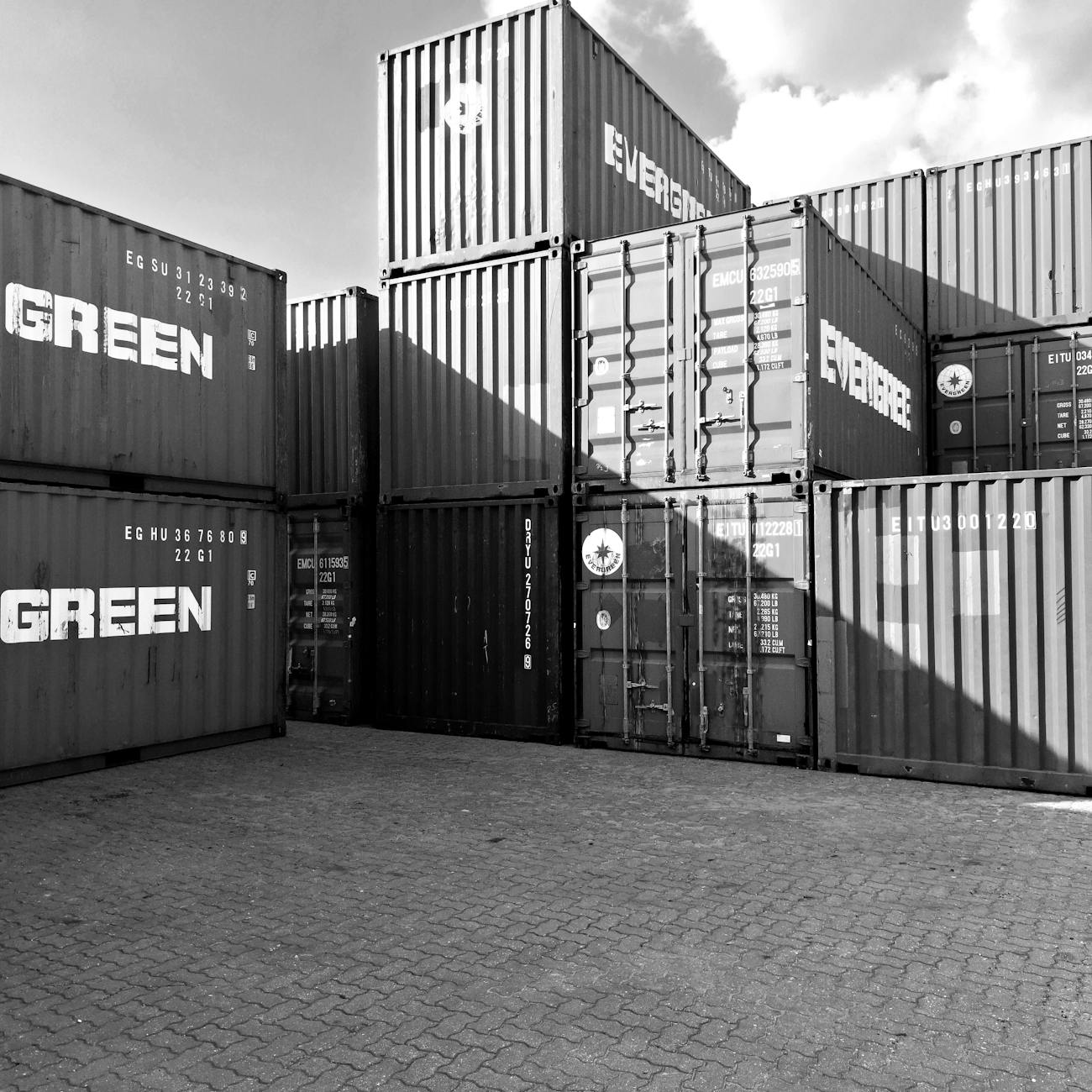
In the context of dry cargo chartering, it is essential to understand the various types of charter parties, which are contracts between the shipowner and the charterer. These contracts outline the terms and conditions of the charter, including the duration, rate of hire, and the obligations of both parties. The most common types of charter parties are the time charter, voyage charter, and bareboat charter. A time charter is a contract where the charterer hires the ship for a specific period, usually several months or years, and pays a daily hire rate. A voyage charter, on the other hand, is a contract where the charterer hires the ship for a single voyage, and pays a lump sum freight rate based on the cargo carried. A bareboat charter is a contract where the charterer takes possession of the ship for an extended period, usually several years, and is responsible for all operating costs, including crewing, maintenance, and insurance.
The charter party will also specify the cargo to be carried, which can include a wide range of dry bulk commodities such as grains, coal, iron ore, and steel products. The charter party will also outline the loading and discharging procedures, including the ports of call and the laydays allowed for loading and discharging. Laydays refer to the time allowed for loading and discharging, and any delay beyond this period will result in demurrage charges being incurred by the charterer. Demurrage is a fee paid to the shipowner for the delay in loading or discharging cargo, and is usually calculated based on the daily rate of hire.
In addition to the charter party, there are several other key documents used in dry cargo chartering, including the bill of lading, charter party agreement, and cargo manifest. The bill of lading is a document issued by the shipowner or master to the charterer, which serves as a receipt for the cargo and outlines the terms and conditions of the carriage. The charter party agreement is a contract between the shipowner and charterer, which outlines the terms and conditions of the charter, including the rate of hire, duration, and obligations of both parties. The cargo manifest is a document that lists the type, quantity, and weight of cargo on board, and is used to calculate the freight rate and other charges.
The freight rate is a critical component of dry cargo chartering, and is usually calculated based on the type and quantity of cargo, as well as the distance and route of the voyage. The freight rate can be calculated using various methods, including the weight of cargo, volume of cargo, or value of cargo. For example, a charterer may agree to pay a freight rate of $50 per ton for a cargo of iron ore, or $100 per cubic meter for a cargo of grains. The freight rate will also depend on the market conditions, including the supply and demand for cargo, as well as the competition among shipowners and charterers.
Another important concept in dry cargo chartering is the laycan, which refers to the period of time during which the ship is expected to be available for loading or discharging. The laycan is usually specified in the charter party, and any delay beyond this period will result in demurrage charges being incurred by the charterer. For example, a charterer may agree to load a cargo of coal within a laycan of 10-15 days, and any delay beyond this period will result in demurrage charges of $10,000 per day. The laycan is a critical component of dry cargo chartering, as it allows the charterer to plan and schedule the loading and discharging of cargo, and ensures that the ship is used efficiently and effectively.
In addition to the laycan, there are several other key terms used in dry cargo chartering, including despatch, demurrage, and off-hire. Despatch refers to the payment made to the shipowner for the time saved in loading or discharging cargo, and is usually calculated based on the daily rate of hire. Demurrage, as mentioned earlier, refers to the fee paid to the shipowner for the delay in loading or discharging cargo. Off-hire refers to the period of time during which the ship is not available for loading or discharging, and may result in a reduction in the hire rate or a claim for damages by the charterer.
The hire rate is another critical component of dry cargo chartering, and refers to the daily rate paid by the charterer to the shipowner for the use of the ship. The hire rate will depend on the type and size of the ship, as well as the market conditions, including the supply and demand for cargo, and the competition among shipowners and charterers. For example, a charterer may agree to pay a hire rate of $20,000 per day for a panamax ship, or $30,000 per day for a capsize ship. The hire rate will also depend on the duration of the charter, with longer charters usually resulting in a lower hire rate.
In dry cargo chartering, the shipowner is responsible for providing a seaworthy ship, which is fit for the purpose of carrying cargo. The shipowner is also responsible for crewing, maintaining, and insuring the ship, as well as complying with all regulations and laws related to the carriage of cargo. The charterer, on the other hand, is responsible for loading and discharging the cargo, as well as paying the freight rate and any other charges incurred during the voyage. The charterer is also responsible for ensuring that the cargo is properly stowed and secured on board, and that all customs and immigration regulations are complied with.
The charterer may also be responsible for nominating the ports of call, and for arranging the loading and discharging of cargo. The charterer may also be responsible for providing the cargo itself, or for arranging the purchase of cargo from a third party. In some cases, the charterer may also be responsible for arranging the insurance of the cargo, although this is usually the responsibility of the shipowner or cargo owner.
In dry cargo chartering, the shipbroker plays a critical role in facilitating the charter party agreement between the shipowner and charterer. The shipbroker is usually responsible for negotiating the terms and conditions of the charter, including the rate of hire, duration, and obligations of both parties. The shipbroker may also be responsible for providing market information and advice to the shipowner and charterer, as well as assisting with the documentation and administration of the charter party agreement.
The shipowner and charterer must also comply with all regulations and laws related to the carriage of cargo, including those related to safety, security, and environmental protection. The shipowner and charterer must also ensure that the ship and crew comply with all international conventions and national laws related to the carriage of cargo, including those related to customs, immigration, and quarantine.
In dry cargo chartering, the charter party agreement is a critical document that outlines the terms and conditions of the charter, including the rate of hire, duration, and obligations of both parties. The charter party agreement must be carefully negotiated and drafted to ensure that the rights and obligations of both parties are clearly outlined. The charter party agreement must also be signed by both parties, and witnessed by a third party if necessary.
The charter party agreement will also specify the type of cargo to be carried, as well as the quantity and weight of cargo. The charter party agreement will also outline the loading and discharging procedures, including the ports of call and the laydays allowed for loading and discharging. The charter party agreement will also specify the freight rate and any other charges incurred during the voyage, as well as the payment terms and conditions of payment.
In dry cargo chartering, the shipowner and charterer must also consider the risks and liabilities associated with the carriage of cargo, including the risk of loss or damage to the cargo, as well as the risk of delay or detention of the ship. The shipowner and charterer must also consider the insurance options available to them, including hull and machinery insurance, cargo insurance, and liability insurance.
The shipbroker plays a critical role in facilitating the charter party agreement between the shipowner and charterer.
The shipowner and charterer must also ensure that the ship and crew comply with all international conventions and national laws related to the carriage of cargo, including those related to customs, immigration, and quarantine.
Key takeaways
- A bareboat charter is a contract where the charterer takes possession of the ship for an extended period, usually several years, and is responsible for all operating costs, including crewing, maintenance, and insurance.
- The charter party will also specify the cargo to be carried, which can include a wide range of dry bulk commodities such as grains, coal, iron ore, and steel products.
- The charter party agreement is a contract between the shipowner and charterer, which outlines the terms and conditions of the charter, including the rate of hire, duration, and obligations of both parties.
- The freight rate is a critical component of dry cargo chartering, and is usually calculated based on the type and quantity of cargo, as well as the distance and route of the voyage.
- The laycan is a critical component of dry cargo chartering, as it allows the charterer to plan and schedule the loading and discharging of cargo, and ensures that the ship is used efficiently and effectively.
- Off-hire refers to the period of time during which the ship is not available for loading or discharging, and may result in a reduction in the hire rate or a claim for damages by the charterer.
- The hire rate will depend on the type and size of the ship, as well as the market conditions, including the supply and demand for cargo, and the competition among shipowners and charterers.