
Pharmaceutical Quality Assurance Introduction
The pharmaceutical industry is a highly regulated sector that requires strict adherence to quality standards to ensure the safety and efficacy of medicinal products. Pharmaceutical Quality Assurance (QA) is a critical component of this indu…
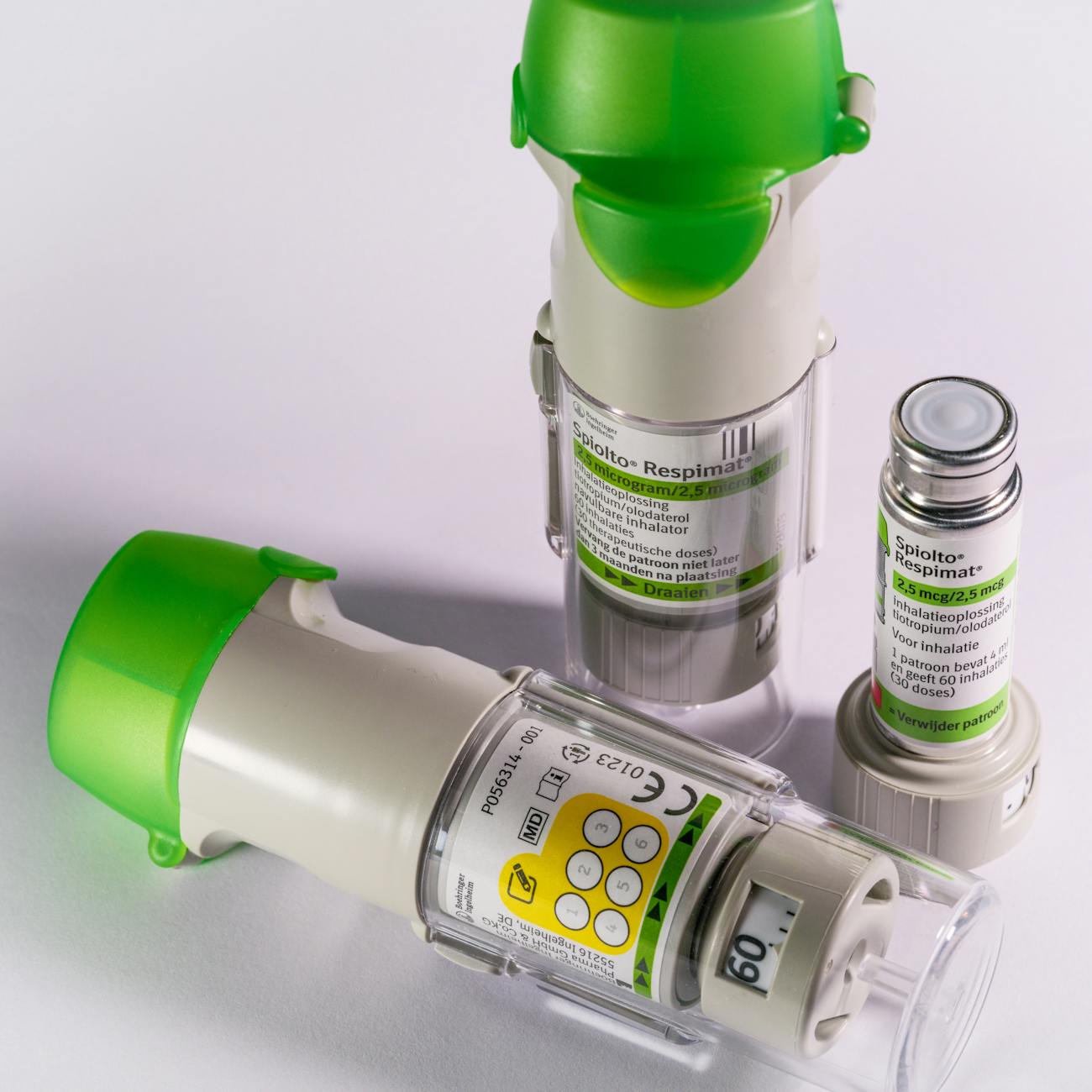
The pharmaceutical industry is a highly regulated sector that requires strict adherence to quality standards to ensure the safety and efficacy of medicinal products. Pharmaceutical Quality Assurance (QA) is a critical component of this industry, as it involves the systematic monitoring and evaluation of all aspects of the pharmaceutical manufacturing process to guarantee compliance with regulatory requirements and industry standards. In the context of the Global Certificate Course in Pharmaceutical Quality Assurance (United Kingdom), it is essential to understand the key terms and vocabulary that underpin the QA function.
One of the fundamental concepts in pharmaceutical QA is the idea of Good Manufacturing Practice (GMP). GMP refers to a set of guidelines and principles that outline the minimum requirements for the manufacture of medicinal products, including the design and construction of facilities, the qualification and training of personnel, and the control of processes and materials. GMP is a critical aspect of pharmaceutical QA, as it provides a framework for ensuring that products are consistently manufactured to a high standard of quality. In the United Kingdom, GMP is regulated by the Medicines and Healthcare products Regulatory Agency (MHRA), which is responsible for enforcing compliance with EU GMP guidelines.
Another essential term in pharmaceutical QA is Quality Control (QC). QC refers to the processes and procedures used to monitor and evaluate the quality of medicinal products during manufacture. This includes activities such as sampling, testing, and inspection, which are designed to detect any deviations from specified standards or requirements. QC is a critical component of the QA function, as it provides assurance that products are manufactured to the required standard of quality and are safe for use by patients. In the pharmaceutical industry, QC is typically performed by a dedicated team of scientists and technicians who are responsible for designing and implementing QC protocols.
The concept of Quality Assurance (QA) is also central to the pharmaceutical industry. QA refers to the systematic approach to ensuring that all aspects of the pharmaceutical manufacturing process are designed and operated to produce products that meet the required standard of quality. This includes activities such as auditing, training, and continuous improvement, which are designed to identify and mitigate risks to product quality. In the context of the Global Certificate Course in Pharmaceutical Quality Assurance (United Kingdom), QA is a critical component of the course, as it provides students with a comprehensive understanding of the principles and practices of QA in the pharmaceutical industry.
In addition to GMP, QC, and QA, there are several other key terms and concepts that are essential to the pharmaceutical industry. One of these is the concept of Validation. Validation refers to the process of verifying that a system, process, or equipment is capable of producing a consistent and reliable output. In the pharmaceutical industry, validation is critical, as it provides assurance that products are manufactured to a high standard of quality and are safe for use by patients. There are several types of validation, including process validation, equipment validation, and cleaning validation, each of which is designed to verify that a specific aspect of the manufacturing process is operating as intended.
Another important concept in the pharmaceutical industry is the idea of Clinical Trials. Clinical trials refer to the systematic evaluation of a medicinal product in human subjects, which is designed to assess the product's safety, efficacy, and quality. Clinical trials are a critical component of the pharmaceutical development process, as they provide essential information about the safety and efficacy of a product. In the United Kingdom, clinical trials are regulated by the MHRA, which is responsible for ensuring that trials are conducted in accordance with Good Clinical Practice (GCP) guidelines.
The pharmaceutical industry is also subject to a range of Regulatory requirements, which are designed to ensure that products are safe, effective, and of high quality. In the United Kingdom, the MHRA is responsible for regulating the pharmaceutical industry, including the approval of new medicinal products, the inspection of manufacturing facilities, and the monitoring of adverse reactions. The MHRA works closely with other regulatory agencies, such as the European Medicines Agency (EMA), to ensure that products meet the required standard of quality and safety.
In terms of Quality Management, the pharmaceutical industry uses a range of tools and techniques to ensure that products are manufactured to a high standard of quality. One of these is the concept of Total Quality Management (TQM), which refers to a systematic approach to managing quality that involves all aspects of the organization. TQM is based on a range of principles, including continuous improvement, customer focus, and employee involvement, which are designed to promote a culture of quality within the organization.
Another important concept in Quality Management is the idea of Quality Risk Management (QRM). QRM refers to a systematic approach to identifying, assessing, and mitigating risks to product quality. This includes activities such as risk assessment, risk prioritization, and risk mitigation, which are designed to minimize the risk of product defects or other quality-related issues. In the pharmaceutical industry, QRM is critical, as it provides assurance that products are manufactured to a high standard of quality and are safe for use by patients.
The concept of Compliance is also essential to the pharmaceutical industry. Compliance refers to the degree to which an organization adheres to regulatory requirements, industry standards, and internal policies and procedures. In the pharmaceutical industry, compliance is critical, as it provides assurance that products are manufactured to a high standard of quality and are safe for use by patients. Compliance is typically monitored through audits, inspections, and other forms of oversight, which are designed to verify that an organization is operating in accordance with regulatory requirements and industry standards.
In addition to these concepts, there are several other key terms and vocabulary that are essential to the pharmaceutical industry. One of these is the concept of Audit. An audit refers to a systematic examination of an organization's quality management system, which is designed to verify compliance with regulatory requirements and industry standards. Audits are typically performed by internal or external auditors, who are responsible for evaluating the effectiveness of an organization's quality management system.
Another important concept in the pharmaceutical industry is the idea of Inspection. An inspection refers to a visual examination of a facility, process, or product, which is designed to verify compliance with regulatory requirements and industry standards. Inspections are typically performed by regulatory agencies, such as the MHRA, which are responsible for ensuring that products are manufactured to a high standard of quality and are safe for use by patients.
The concept of Certification is also essential to the pharmaceutical industry. Certification refers to the process of verifying that a product, process, or system meets the required standard of quality and safety. In the pharmaceutical industry, certification is typically performed by regulatory agencies, such as the MHRA, which are responsible for ensuring that products meet the required standard of quality and safety.
In terms of Quality Metrics, the pharmaceutical industry uses a range of tools and techniques to measure and evaluate product quality. One of these is the concept of Key Performance Indicators (KPIs), which refer to a set of metrics that are used to evaluate an organization's performance in relation to quality. KPIs are typically used to monitor and evaluate an organization's quality management system, including aspects such as product quality, customer satisfaction, and regulatory compliance.
Another important concept in Quality Metrics is the idea of Quality Scorecards. A quality scorecard refers to a visual representation of an organization's quality performance, which is used to monitor and evaluate progress towards quality-related goals and objectives. Quality scorecards are typically used to track and trend quality metrics, such as product defects, customer complaints, and regulatory issues.
The pharmaceutical industry is also subject to a range of Regulatory requirements related to quality and safety. One of these is the concept of Good Laboratory Practice (GLP), which refers to a set of principles and guidelines that are used to ensure the quality and integrity of laboratory data. GLP is critical in the pharmaceutical industry, as it provides assurance that laboratory data are accurate, reliable, and compliant with regulatory requirements.
Another important concept in Regulatory requirements is the idea of Good Distribution Practice (GDP), which refers to a set of guidelines and principles that are used to ensure the quality and safety of medicinal products during distribution. GDP is critical in the pharmaceutical industry, as it provides assurance that products are handled, stored, and transported in a way that maintains their quality and safety.
In terms of Quality Systems, the pharmaceutical industry uses a range of tools and techniques to manage and ensure product quality. One of these is the concept of Quality Management Systems (QMS), which refers to a systematic approach to managing quality that involves all aspects of the organization. QMS is based on a range of principles, including continuous improvement, customer focus, and employee involvement, which are designed to promote a culture of quality within the organization.
Another important concept in Quality Systems is the idea of CAPA (Corrective and Preventive Action), which refers to a systematic approach to identifying, assessing, and mitigating risks to product quality. CAPA is critical in the pharmaceutical industry, as it provides assurance that products are manufactured to a high standard of quality and are safe for use by patients. CAPA involves activities such as root cause analysis, corrective action, and preventive action, which are designed to minimize the risk of product defects or other quality-related issues.
The pharmaceutical industry is also subject to a range of Challenges related to quality and safety. One of these is the concept of Counterfeiting, which refers to the manufacture, distribution, and sale of counterfeit medicinal products. Counterfeiting is a critical issue in the pharmaceutical industry, as it poses a significant risk to public health and safety. Counterfeit products can be ineffective, toxic, or even fatal, and can undermine trust in the pharmaceutical industry as a whole.
Another important concept in Challenges is the idea of Supply Chain Quality, which refers to the quality and safety of medicinal products throughout the supply chain. Supply chain quality is critical in the pharmaceutical industry, as it provides assurance that products are manufactured, handled, and distributed in a way that maintains their quality and safety. Supply chain quality involves activities such as supplier qualification, inventory management, and transportation control, which are designed to minimize the risk of product defects or other quality-related issues.
In terms of Quality Culture, the pharmaceutical industry recognizes the importance of promoting a culture of quality within organizations. A quality culture refers to a set of values, beliefs, and attitudes that prioritize quality and safety above all else. A quality culture is critical in the pharmaceutical industry, as it provides assurance that products are manufactured to a high standard of quality and are safe for use by patients. A quality culture involves activities such as training, communication, and recognition, which are designed to promote a culture of quality within the organization.
The concept of Quality Leadership is also essential to the pharmaceutical industry. Quality leadership refers to the ability of leaders to promote a culture of quality within an organization, and to prioritize quality and safety above all else. Quality leadership is critical in the pharmaceutical industry, as it provides assurance that products are manufactured to a high standard of quality and are safe for use by patients. Quality leadership involves activities such as strategic planning, resource allocation, and performance monitoring, which are designed to promote a culture of quality within the organization.
Another important concept in Quality Leadership is the idea of Quality Governance, which refers to the system of governance that oversees and directs an organization's quality management system. Quality governance is critical in the pharmaceutical industry, as it provides assurance that products are manufactured to a high standard of quality and are safe for use by patients. Quality governance involves activities such as policy development, risk management, and compliance monitoring, which are designed to promote a culture of quality within the organization.
In terms of Quality Improvement, the pharmaceutical industry recognizes the importance of continuously improving quality and safety. Quality improvement refers to the systematic approach to identifying, assessing, and mitigating risks to product quality. Quality improvement is critical in the pharmaceutical industry, as it provides assurance that products are manufactured to a high standard of quality and are safe for use by patients. Quality improvement involves activities such as data analysis, root cause analysis, and corrective action, which are designed to minimize the risk of product defects or other quality-related issues.
The concept of Quality Innovation is also essential to the pharmaceutical industry. Quality innovation refers to the application of new technologies, processes, and techniques to improve quality and safety. Quality innovation is critical in the pharmaceutical industry, as it provides assurance that products are manufactured to a high standard of quality and are safe for use by patients. Quality innovation involves activities such as research and development, testing and validation, and implementation and deployment, which are designed to promote a culture of quality within the organization.
Another important concept in Quality Innovation is the idea of Quality Excellence, which refers to the achievement of exceptional quality and safety standards. Quality excellence is critical in the pharmaceutical industry, as it provides assurance that products are manufactured to a high standard of quality and are safe for use by patients. Quality excellence involves activities such as benchmarking, best practice sharing, and recognition and reward, which are designed to promote a culture of quality within the organization.
One of these is the concept of Regulatory Compliance, which refers to the degree to which an organization adheres to regulatory requirements and industry standards. Regulatory compliance is critical in the pharmaceutical industry, as it provides assurance that products are manufactured to a high standard of quality and are safe for use by patients. Regulatory compliance involves activities such as auditing, inspection, and reporting, which are designed to verify that an organization is operating in accordance with regulatory requirements and industry standards.
Another important concept in Regulatory requirements is the idea of Regulatory Affairs, which refers to the management of regulatory issues and compliance within an organization. Regulatory affairs is critical in the pharmaceutical industry, as it provides assurance that products are manufactured to a high standard of quality and are safe for use by patients. Regulatory affairs involves activities such as regulatory strategy, regulatory submission, and regulatory inspection, which are designed to promote a culture of quality within the organization.
In terms of Quality Education, the pharmaceutical industry recognizes the importance of providing education and training to personnel involved in quality management. Quality education refers to the provision of knowledge, skills, and competencies necessary to perform quality-related tasks and activities. Quality education is critical in the pharmaceutical industry, as it provides assurance that products are manufactured to a high standard of quality and are safe for use by patients. Quality education involves activities such as training, coaching, and mentoring, which are designed to promote a culture of quality within the organization.
The concept of Quality Training is also essential to the pharmaceutical industry. Quality training refers to the provision of specific knowledge, skills, and competencies necessary to perform quality-related tasks and activities. Quality training is critical in the pharmaceutical industry, as it provides assurance that products are manufactured to a high standard of quality and are safe for use by patients. Quality training involves activities such as classroom training, on-the-job training, and computer-based training, which are designed to promote a culture of quality within the organization.
Another important concept in Quality Education is the idea of Quality Competence, which refers to the possession of necessary knowledge, skills, and competencies to perform quality-related tasks and activities. Quality competence is critical in the pharmaceutical industry, as it provides assurance that products are manufactured to a high standard of quality and are safe for use by patients. Quality competence involves activities such as assessment, development, and evaluation, which are designed to promote a culture of quality within the organization.
One of these is the concept of Globalization, which refers to the increasing complexity and interconnectedness of the global pharmaceutical supply chain. Globalization is a critical issue in the pharmaceutical industry, as it poses a significant risk to public health and safety. Globalization involves activities such as international trade, foreign investment, and global sourcing, which are designed to promote a culture of quality within the organization.
Another important concept in Challenges is the idea of Sustainability, which refers to the ability of an organization to maintain its quality management system over time. Sustainability is critical in the pharmaceutical industry, as it provides assurance that products are manufactured to a high standard of quality and are safe for use by patients. Sustainability involves activities such as continuous improvement, resource allocation, and risk management, which are designed to promote a culture of quality within the organization.
In terms of Quality Tools, the pharmaceutical industry uses a range of tools and techniques to manage and ensure product quality. One of these is the concept of Quality Function Deployment (QFD), which refers to a systematic approach to designing and developing products that meet customer requirements. QFD is critical in the pharmaceutical industry, as it provides assurance that products are manufactured to a high standard of quality and are safe for use by patients. QFD involves activities such as customer research, product design, and process development, which are designed to promote a culture of quality within the organization.
Another important concept in Quality Tools is the idea of Failure Mode and Effects Analysis (FMEA), which refers to a systematic approach to identifying and mitigating risks to product quality. FMEA is critical in the pharmaceutical industry, as it provides assurance that products are manufactured to a high standard of quality and are safe for use by patients. FMEA involves activities such as risk assessment, failure analysis, and corrective action, which are designed to minimize the risk of product defects or other quality-related issues.
The concept of Quality Indicators is also essential to the pharmaceutical industry. Quality indicators refer to the metrics and measures used to evaluate and monitor product quality. Quality indicators are critical in the pharmaceutical industry, as they provide assurance that products are manufactured to a high standard of quality and are safe for use by patients. Quality indicators involve activities such as data collection, data analysis, and reporting, which are designed to promote a culture of quality within the organization.
Another important concept in Quality Indicators is the idea of Quality Metrics, which refers to the quantitative measures used to evaluate and monitor product quality. Quality metrics are critical in the pharmaceutical industry, as they provide assurance that products are manufactured to a high standard of quality and are safe for use by patients. Quality metrics involve activities such as data collection, data analysis, and reporting, which are designed to promote a culture of quality within the organization.
One of these is the concept of Regulatory Framework, which refers to the system of laws, regulations, and guidelines that govern the pharmaceutical industry. Regulatory framework is critical in the pharmaceutical industry, as it provides assurance that products are manufactured to a high standard of quality and are safe for use by patients. Regulatory framework involves activities such as regulatory compliance, regulatory affairs, and regulatory inspection, which are designed to promote a culture of quality within the organization.
Another important concept in Regulatory requirements is the idea of Regulatory Guidance, which refers to the documents and guidelines that provide interpretation and clarification of regulatory requirements. Regulatory guidance is critical in the pharmaceutical industry, as it provides assurance that products are manufactured to a high standard of quality and are safe for use by patients. Regulatory guidance involves activities such as guidance development, guidance implementation, and guidance evaluation, which are designed to promote a culture of quality within the organization.
One of these is the concept of Quality Management System (QMS), which refers to a systematic approach to managing quality that involves all aspects of the organization. QMS is critical in the pharmaceutical industry, as it provides assurance that products are manufactured to a high standard of quality and are safe for use by patients. QMS involves activities such as quality planning, quality control, and quality improvement, which are designed to promote a culture of quality within the organization.
The concept of Quality Certification is also essential to the pharmaceutical industry. Quality certification refers to the process of verifying that a product, process, or system meets the required standard of quality and safety. Quality certification is critical in the pharmaceutical industry, as it provides assurance that products are manufactured to a high standard of quality and are safe for use by patients. Quality certification involves activities such as auditing, inspection, and testing, which are designed to promote a culture of quality within the organization.
Another important concept in Quality Certification is the idea of Quality Accreditation, which refers to the process of recognizing and verifying that an organization's quality management system meets the required standard of quality and safety. Quality accreditation is critical in the pharmaceutical industry, as it provides assurance that products are manufactured to a high standard of quality and are safe for use by patients. Quality accreditation involves activities such as assessment, evaluation, and recognition, which are designed to promote a culture of quality within the organization.
One of these is the concept of Change Management, which refers to the process of planning, implementing, and evaluating changes to an organization's quality management system. Change management is critical in the pharmaceutical industry, as it provides assurance that products are manufactured to a high standard of quality and are safe for use by patients. Change management involves activities such as change planning, change implementation, and change evaluation, which are designed to promote a culture of quality within the organization.
Another important concept in Challenges is the idea of Risk Management, which refers to the process of identifying, assessing, and mitigating risks to product quality. Risk management is critical in the pharmaceutical industry, as it provides assurance that products are manufactured to a high standard of quality and are safe for use by patients. Risk management involves activities such as risk assessment, risk prioritization, and risk mitigation, which are designed to minimize the risk of product defects or other quality-related issues.
The concept of Failure Mode and Effects Analysis (FMEA) is also essential to the pharmaceutical industry. FMEA refers to a systematic approach to identifying and mitigating risks to product quality.
By understanding the key terms and vocabulary that underpin the QA function, individuals can better navigate the complex regulatory landscape of the pharmaceutical industry and contribute to the development of safe and effective medicinal products.
Key takeaways
- In the context of the Global Certificate Course in Pharmaceutical Quality Assurance (United Kingdom), it is essential to understand the key terms and vocabulary that underpin the QA function.
- In the United Kingdom, GMP is regulated by the Medicines and Healthcare products Regulatory Agency (MHRA), which is responsible for enforcing compliance with EU GMP guidelines.
- QC is a critical component of the QA function, as it provides assurance that products are manufactured to the required standard of quality and are safe for use by patients.
- QA refers to the systematic approach to ensuring that all aspects of the pharmaceutical manufacturing process are designed and operated to produce products that meet the required standard of quality.
- There are several types of validation, including process validation, equipment validation, and cleaning validation, each of which is designed to verify that a specific aspect of the manufacturing process is operating as intended.
- In the United Kingdom, clinical trials are regulated by the MHRA, which is responsible for ensuring that trials are conducted in accordance with Good Clinical Practice (GCP) guidelines.
- In the United Kingdom, the MHRA is responsible for regulating the pharmaceutical industry, including the approval of new medicinal products, the inspection of manufacturing facilities, and the monitoring of adverse reactions.