
Data Collection and Analysis
Data collection and analysis are essential components of the Professional Certificate in AI for Wedding Planners in Italy, as they enable wedding planners to make informed decisions and provide personalized services to their clients. The pr…
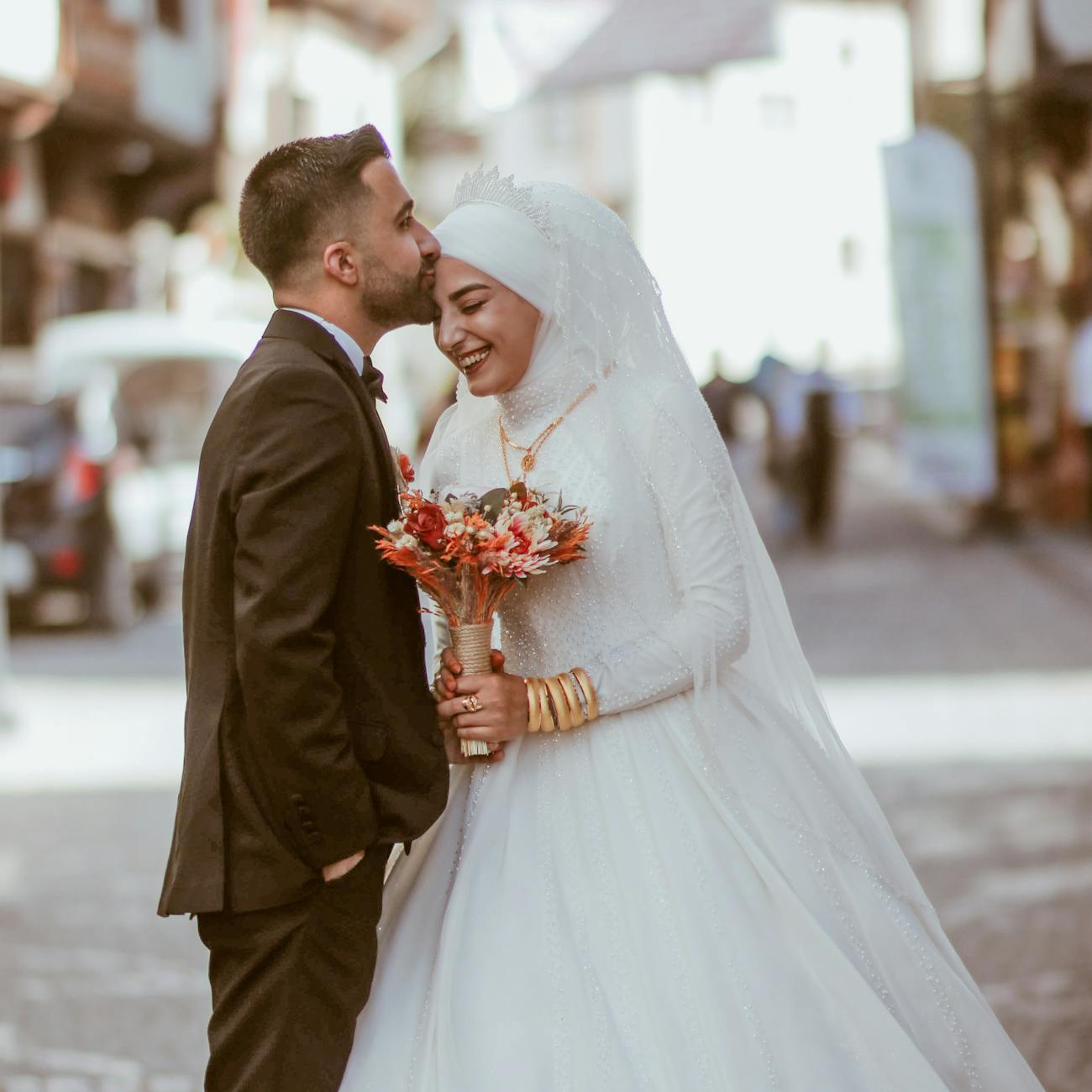
Data collection and analysis are essential components of the Professional Certificate in AI for Wedding Planners in Italy, as they enable wedding planners to make informed decisions and provide personalized services to their clients. The process of data collection involves gathering relevant information from various sources, such as client surveys, social media, and wedding websites. This information can be used to identify trends, preferences, and patterns in wedding planning, allowing wedding planners to tailor their services to meet the unique needs of their clients.
One of the key terms in data collection is data mining, which refers to the process of discovering patterns and relationships in large datasets. Data mining can be used to identify potential clients, predict wedding trends, and optimize wedding planning services. For example, a wedding planner can use data mining to analyze the demographics of their clients, such as age, location, and income level, to identify potential target markets for their services.
Another important concept in data collection is data quality, which refers to the accuracy, completeness, and consistency of the data collected. High-quality data is essential for making informed decisions and providing effective services to clients. Wedding planners can ensure data quality by using reliable sources, verifying data accuracy, and updating their datasets regularly.
In addition to data collection, data analysis is also a critical component of the Professional Certificate in AI for Wedding Planners in Italy. Data analysis involves using statistical and analytical techniques to extract insights and meaning from the data collected. One of the key techniques used in data analysis is regression analysis, which involves modeling the relationship between a dependent variable and one or more independent variables. For example, a wedding planner can use regression analysis to model the relationship between the number of guests and the cost of the wedding, allowing them to predict the cost of future weddings.
Another important technique used in data analysis is cluster analysis, which involves grouping similar data points into clusters based on their characteristics. Cluster analysis can be used to identify patterns and trends in wedding planning, such as the types of services that are most popular among clients. For example, a wedding planner can use cluster analysis to group their clients into clusters based on their preferences for wedding venues, allowing them to identify the most popular venues and tailor their services accordingly.
Wedding planners can also use decision trees to analyze data and make informed decisions. Decision trees involve creating a tree-like model of decisions and their possible consequences, allowing wedding planners to visualize the potential outcomes of different decisions. For example, a wedding planner can use a decision tree to determine the best course of action for a client who is considering different wedding venues, based on factors such as budget, guest list, and personal preferences.
In addition to these techniques, wedding planners can also use machine learning algorithms to analyze data and make predictions about future trends and patterns. Machine learning involves training algorithms on large datasets to enable them to learn from the data and make predictions or decisions without being explicitly programmed. For example, a wedding planner can use machine learning to predict the likelihood of a client booking a particular wedding venue, based on their demographics and preferences.
The application of data collection and analysis in wedding planning can have a significant impact on the services provided to clients. For example, a wedding planner can use data analysis to identify the most popular wedding trends and incorporate them into their services, allowing them to stay ahead of the competition. They can also use data analysis to personalize their services to meet the unique needs of their clients, such as by offering customized wedding packages or recommending specific vendors.
However, there are also challenges associated with data collection and analysis in wedding planning. One of the main challenges is ensuring the privacy and security of client data, particularly in the age of digital technology. Wedding planners must ensure that they are collecting and storing client data in a secure and confidential manner, and that they are complying with relevant data protection regulations.
Another challenge is dealing with missing or incomplete data, which can make it difficult to draw accurate conclusions or make informed decisions. Wedding planners must have strategies in place for dealing with missing or incomplete data, such as using imputation techniques or collecting additional data.
Despite these challenges, the use of data collection and analysis in wedding planning can have a significant impact on the success of wedding planning businesses. By using data analysis to identify trends and patterns, wedding planners can tailor their services to meet the unique needs of their clients, stay ahead of the competition, and provide personalized and effective services.
In practical terms, wedding planners can apply data collection and analysis in a variety of ways. For example, they can use social media analytics to track the performance of their social media campaigns and identify areas for improvement. They can also use customer relationship management (CRM) software to track client interactions and preferences, and to identify opportunities for upselling or cross-selling.
Wedding planners can also use data analysis to optimize their marketing strategies, such as by identifying the most effective channels for reaching their target audience or by tracking the return on investment (ROI) of their marketing campaigns. They can also use data analysis to evaluate the effectiveness of their services, such as by tracking client satisfaction or by identifying areas for improvement.
In addition to these applications, wedding planners can also use data collection and analysis to identify new business opportunities, such as by identifying gaps in the market or by predicting future trends and patterns. They can also use data analysis to benchmark their services against those of their competitors, allowing them to identify areas for improvement and stay ahead of the competition.
The use of data collection and analysis in wedding planning can also have a significant impact on the client experience. By using data analysis to identify client preferences and trends, wedding planners can tailor their services to meet the unique needs of their clients, providing a more personalized and effective experience. They can also use data analysis to identify areas for improvement, such as by tracking client satisfaction or by identifying common complaints.
In terms of technology, there are a variety of tools and software available to support data collection and analysis in wedding planning. For example, wedding planners can use spreadsheets to track client data and perform basic analysis, or they can use more advanced software such as data visualization tools to create interactive and dynamic visualizations of their data.
They can also use cloud-based software to store and manage their data, allowing them to access their data from anywhere and at any time. Additionally, wedding planners can use artificial intelligence (AI) and machine learning algorithms to analyze their data and make predictions about future trends and patterns.
Overall, the use of data collection and analysis in wedding planning can have a significant impact on the success of wedding planning businesses. However, there are also challenges associated with data collection and analysis, such as ensuring the privacy and security of client data, and dealing with missing or incomplete data.
To overcome these challenges, wedding planners must have strategies in place for collecting and analyzing data, such as using reliable sources, verifying data accuracy, and updating their datasets regularly. They must also have the necessary skills and knowledge to analyze and interpret their data, such as by using statistical and analytical techniques, and by staying up-to-date with the latest trends and technologies in data analysis.
By using data collection and analysis effectively, wedding planners can provide more personalized and effective services to their clients, stay ahead of the competition, and achieve success in their businesses. They can also use data analysis to identify new business opportunities, such as by identifying gaps in the market or by predicting future trends and patterns.
In the context of the Professional Certificate in AI for Wedding Planners in Italy, data collection and analysis are essential components of the program. The program provides wedding planners with the skills and knowledge they need to collect and analyze data, and to use data analysis to inform their decision-making and provide personalized services to their clients.
The program covers a range of topics related to data collection and analysis, including data mining, regression analysis, and cluster analysis. It also covers the application of data collection and analysis in wedding planning, including the use of decision trees and machine learning algorithms.
Through the program, wedding planners can gain a deeper understanding of the importance of data collection and analysis in wedding planning, and develop the skills and knowledge they need to use data analysis to inform their decision-making and provide personalized services to their clients. They can also learn about the latest trends and technologies in data analysis, and how to apply them in a practical and effective way.
Overall, the Professional Certificate in AI for Wedding Planners in Italy provides wedding planners with the skills and knowledge they need to succeed in their businesses, and to provide personalized and effective services to their clients. By covering the essential components of data collection and analysis, the program enables wedding planners to make informed decisions, identify new business opportunities, and stay ahead of the competition.
In the wedding planning industry, data collection and analysis can be used in a variety of ways to improve the services provided to clients. For example, wedding planners can use social media analytics to track the performance of their social media campaigns and identify areas for improvement.
The program also provides wedding planners with the opportunity to network with other professionals in the industry, and to learn from their experiences and insights. This can be particularly valuable in the wedding planning industry, where networking and collaboration are essential for success.
In addition to the technical skills and knowledge provided by the program, wedding planners can also develop the soft skills they need to succeed in their businesses, such as communication, teamwork, and problem-solving. These skills are essential for providing personalized and effective services to clients, and for building strong relationships with vendors and other professionals in the industry.
Overall, the Professional Certificate in AI for Wedding Planners in Italy is a comprehensive program that provides wedding planners with the skills and knowledge they need to succeed in their businesses, and to provide personalized and effective services to their clients.
The program is also highly practical, with a focus on real-world applications and case studies. This allows wedding planners to develop the skills and knowledge they need to apply data collection and analysis in a practical and effective way, and to make a positive impact on their businesses and clients.
In terms of career development, the Professional Certificate in AI for Wedding Planners in Italy can be highly beneficial for wedding planners who want to advance their careers and take on more senior roles in the industry. The program provides wedding planners with the skills and knowledge they need to succeed in their businesses, and to provide personalized and effective services to their clients.
The program can also be beneficial for wedding planners who want to start their own businesses, or who want to transition into a new role in the industry. By providing wedding planners with the skills and knowledge they need to succeed, the program can help them to achieve their career goals and to make a positive impact on their businesses and clients.
Overall, the Professional Certificate in AI for Wedding Planners in Italy is a highly comprehensive and practical program that provides wedding planners with the skills and knowledge they need to succeed in their businesses, and to provide personalized and effective services to their clients.
Key takeaways
- Data collection and analysis are essential components of the Professional Certificate in AI for Wedding Planners in Italy, as they enable wedding planners to make informed decisions and provide personalized services to their clients.
- For example, a wedding planner can use data mining to analyze the demographics of their clients, such as age, location, and income level, to identify potential target markets for their services.
- Another important concept in data collection is data quality, which refers to the accuracy, completeness, and consistency of the data collected.
- For example, a wedding planner can use regression analysis to model the relationship between the number of guests and the cost of the wedding, allowing them to predict the cost of future weddings.
- For example, a wedding planner can use cluster analysis to group their clients into clusters based on their preferences for wedding venues, allowing them to identify the most popular venues and tailor their services accordingly.
- For example, a wedding planner can use a decision tree to determine the best course of action for a client who is considering different wedding venues, based on factors such as budget, guest list, and personal preferences.
- For example, a wedding planner can use machine learning to predict the likelihood of a client booking a particular wedding venue, based on their demographics and preferences.