
Marine Mammal Communication
Marine mammal communication is a complex and fascinating field of study that encompasses various forms of information exchange between individuals of the same species or different species. The primary mode of communication in marine mammals…
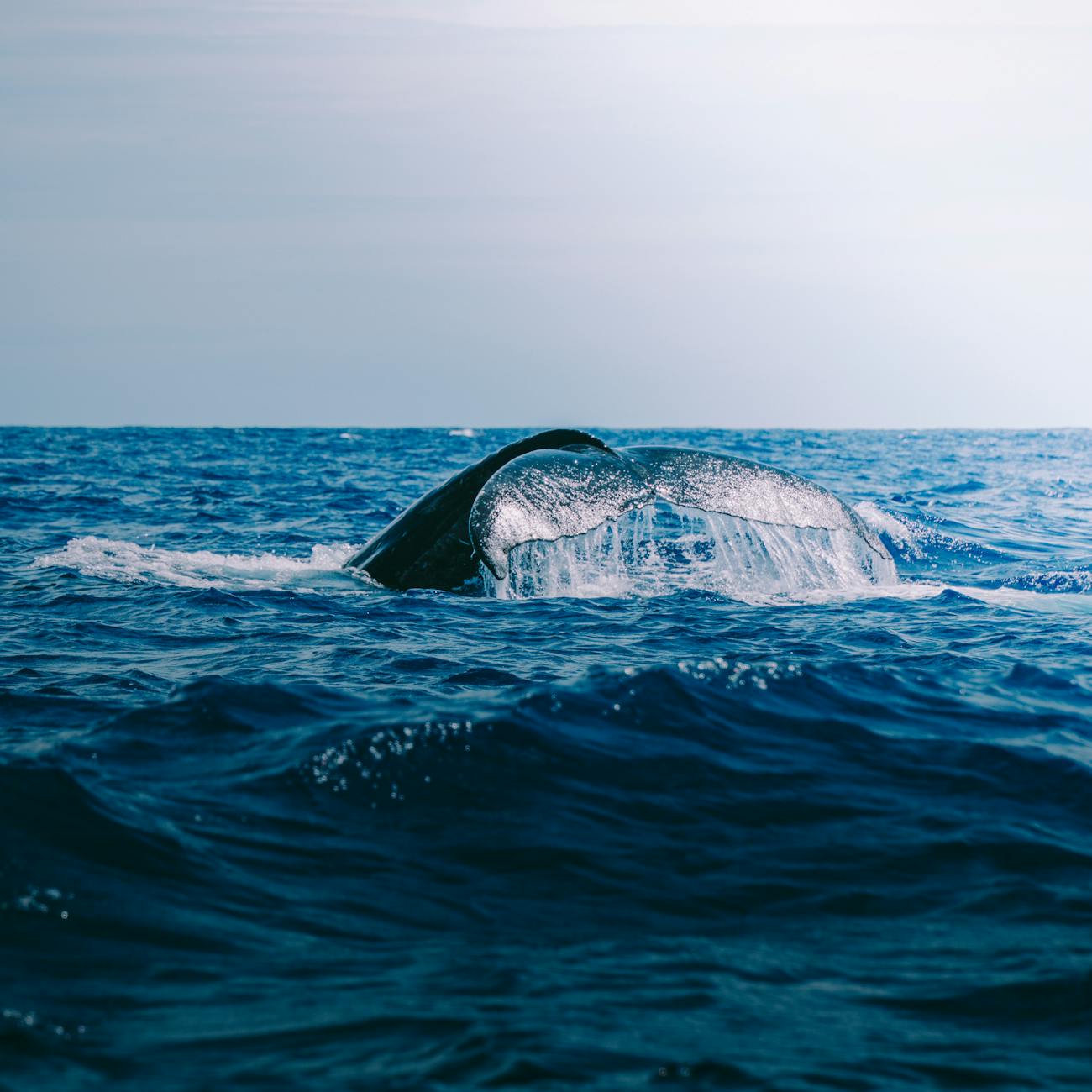
Marine mammal communication is a complex and fascinating field of study that encompasses various forms of information exchange between individuals of the same species or different species. The primary mode of communication in marine mammals is through sound production, which can be categorized into different types, including clicks, whistles, pulses, and body language.
One of the key terms in marine mammal communication is bioacoustics, which refers to the study of the production, transmission, and reception of sound waves in living organisms. Bioacoustics is essential in understanding how marine mammals communicate, navigate, and interact with their environment. The field of bioacoustics has led to the development of various techniques and tools, such as hydrophones and acoustic sensors, which are used to detect and analyze the sounds produced by marine mammals.
Marine mammals use different types of vocalizations to communicate, including clicks, whistles, and pulses. Clicks are high-frequency sounds used for echolocation, which is a biological sonar system used by dolphins and other toothed whales to navigate and locate prey in their environment. Whistles are high-frequency sounds used for social communication, such as contacting other individuals or maintaining social bonds. Pulses are low-frequency sounds used for long-distance communication, such as between different pods or groups.
Another important aspect of marine mammal communication is frequency modulation, which refers to the variation in the frequency of a sound wave over time. Frequency modulation is used by marine mammals to convey different types of information, such as the location of food or the presence of a predator. For example, a dolphin may use a high-frequency whistle to signal the location of a school of fish, while a low-frequency pulse may be used to alert other dolphins to the presence of a shark.
Marine mammals also use contextual behavior to communicate, which refers to the use of behavioral cues, such as body language and posturing, to convey information. For example, a sea lion may use a threat display to warn other sea lions of a potential predator, while a submissive posture may be used to signal dominance or submission.
The study of marine mammal communication has many practical applications, including the development of conservation strategies and the mitigation of human impacts on marine mammal populations. For example, understanding the communication patterns of marine mammals can help researchers develop effective conservation plans to protect endangered species, such as the north Atlantic right whale. Additionally, the study of marine mammal communication can inform the development of regulations and guidelines for human activities, such as shipping and fishing, that may impact marine mammal populations.
One of the challenges in studying marine mammal communication is the complexity of the marine environment, which can make it difficult to detect and analyze the sounds produced by marine mammals. The marine environment is characterized by a high level of background noise, which can include sounds from natural sources, such as waves and earthquakes, as well as human activities, such as shipping and construction. This background noise can make it challenging to detect the sounds produced by marine mammals, particularly in shallow water or coastal areas.
Another challenge in studying marine mammal communication is the limited understanding of the cognitive abilities of marine mammals. While we know that marine mammals are highly intelligent and social animals, we still have a limited understanding of their cognitive processes and how they perceive and process information. This limited understanding can make it challenging to interpret the meaning and context of marine mammal vocalizations and to develop effective conservation strategies.
Despite these challenges, the study of marine mammal communication has made significant progress in recent years, thanks to advances in technology and analytical techniques. The development of autonomous underwater vehicles and acoustic sensors has enabled researchers to collect high-quality data on marine mammal vocalizations in real-time. Additionally, the use of machine learning algorithms and statistical models has enabled researchers to analyze and interpret large datasets of marine mammal vocalizations, providing new insights into the complexity and diversity of marine mammal communication.
The study of marine mammal communication also has important implications for our understanding of animal behavior and cognition. Marine mammals are highly social and intelligent animals that are capable of complex behavioral adaptations and innovations. The study of marine mammal communication can provide valuable insights into the evolution of language and the cognitive processes that underlie animal communication.
In addition to its scientific significance, the study of marine mammal communication also has important practical applications in the field of conservation biology. Understanding the communication patterns of marine mammals can help researchers develop effective conservation strategies to protect endangered species and mitigate human impacts on marine mammal populations. For example, the study of marine mammal communication can inform the development of marine protected areas and management plans for marine mammal populations.
The study of marine mammal communication is also closely linked to the study of animal social behavior and group dynamics. Marine mammals are highly social animals that live in complex social groups with their own hierarchies and relationships. The study of marine mammal communication can provide valuable insights into the structure and function of these social groups and the behavioral adaptations that enable them to thrive in their environment.
Furthermore, the study of marine mammal communication has important implications for our understanding of ecological systems and the interactions between species. Marine mammals play a critical role in maintaining the balance of marine ecosystems and the study of their communication patterns can provide valuable insights into the complex interactions between species and their environment.
In terms of research methods, the study of marine mammal communication involves a range of techniques and tools, including acoustic monitoring, observations of behavior, and statistical analysis. Acoustic monitoring involves the use of hydrophones and acoustic sensors to detect and record the sounds produced by marine mammals. Observations of behavior involve the use of visual observations and camera traps to study the behavior and social interactions of marine mammals. Statistical analysis involves the use of machine learning algorithms and statistical models to analyze and interpret large datasets of marine mammal vocalizations and behavioral data.
The study of marine mammal communication also involves collaboration and interdisciplinary research, bringing together researchers from different fields, including biology, ecology, psychology, and computer science. This interdisciplinary approach enables researchers to tackle complex research questions and to develop innovative solutions to the challenges facing marine mammal populations.
In addition to its scientific significance, the study of marine mammal communication also has important implications for marine conservation policy and management practices. Understanding the communication patterns of marine mammals can inform the development of effective conservation strategies and management plans for marine mammal populations, and can help to mitigate human impacts on these populations.
The study of marine mammal communication is a rapidly evolving field that is driven by advances in technology and analytical techniques. As new research methods and tools become available, researchers are able to study marine mammal communication in greater detail and to gain new insights into the complexity and diversity of marine mammal communication.
In terms of future research directions, there are many exciting opportunities for the study of marine mammal communication. One area of future research is the development of new technologies and analytical techniques for studying marine mammal communication. For example, the use of artificial intelligence and machine learning algorithms may enable researchers to analyze and interpret large datasets of marine mammal vocalizations and behavioral data more effectively.
Another area of future research is the study of individual differences in marine mammal communication. While we know that marine mammals are highly social and intelligent animals, we still have a limited understanding of the individual differences in their communication patterns and cognitive abilities. The study of individual differences in marine mammal communication may provide valuable insights into the complexity and diversity of marine mammal communication and may have important implications for conservation biology and management practices.
Overall, the study of marine mammal communication is a fascinating and complex field that has many important implications for our understanding of animal behavior and cognition. As researchers continue to study marine mammal communication, we can expect to gain new insights into the complexity and diversity of marine mammal communication and to develop innovative solutions to the challenges facing marine mammal populations.
Key takeaways
- Marine mammal communication is a complex and fascinating field of study that encompasses various forms of information exchange between individuals of the same species or different species.
- The field of bioacoustics has led to the development of various techniques and tools, such as hydrophones and acoustic sensors, which are used to detect and analyze the sounds produced by marine mammals.
- Clicks are high-frequency sounds used for echolocation, which is a biological sonar system used by dolphins and other toothed whales to navigate and locate prey in their environment.
- For example, a dolphin may use a high-frequency whistle to signal the location of a school of fish, while a low-frequency pulse may be used to alert other dolphins to the presence of a shark.
- For example, a sea lion may use a threat display to warn other sea lions of a potential predator, while a submissive posture may be used to signal dominance or submission.
- Additionally, the study of marine mammal communication can inform the development of regulations and guidelines for human activities, such as shipping and fishing, that may impact marine mammal populations.
- The marine environment is characterized by a high level of background noise, which can include sounds from natural sources, such as waves and earthquakes, as well as human activities, such as shipping and construction.