
Road Safety Management
Road safety management is an organized, systematic approach that integrates policy, planning, implementation, monitoring and evaluation to reduce road‑traffic injuries and fatalities. It is the backbone of modern traffic law curricula, espe…
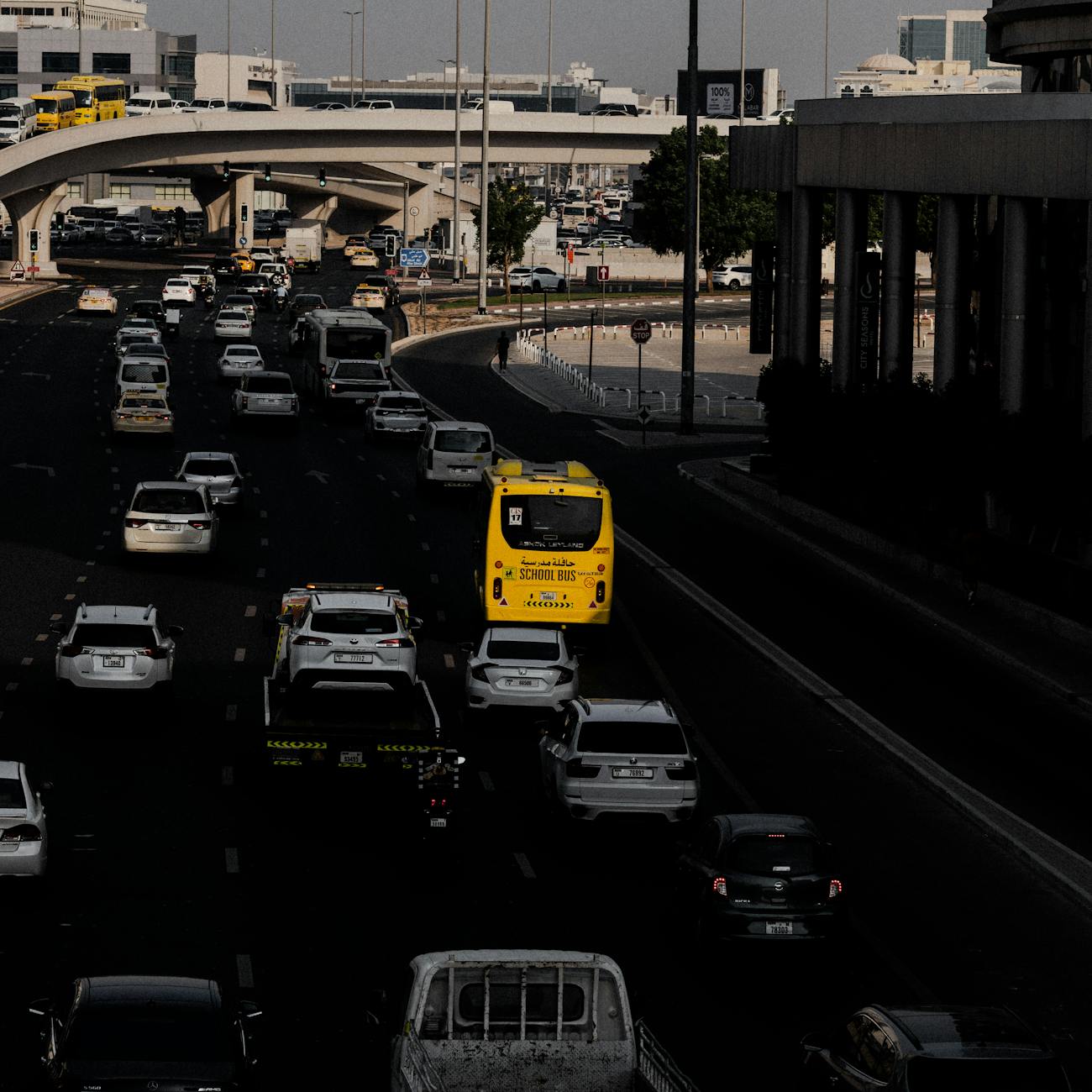
Road safety management is an organized, systematic approach that integrates policy, planning, implementation, monitoring and evaluation to reduce road‑traffic injuries and fatalities. It is the backbone of modern traffic law curricula, especially at the advanced certificate level, where students must understand not only the legal framework but also the technical and behavioural dimensions that influence safety outcomes. The following key terms and vocabulary form the essential lexicon for anyone studying or practising in this field. Each term is defined, illustrated with examples, linked to practical applications, and examined for common challenges.
Risk assessment is the process of identifying, analysing and prioritising hazards associated with road use. It involves quantifying the likelihood of an event and the severity of its consequences. For example, a municipal authority may conduct a risk assessment of a suburban intersection by examining traffic volumes, speed patterns, pedestrian movements and historic crash data. The resulting risk matrix highlights the most critical conflict points, guiding the allocation of resources. A common challenge in risk assessment is the availability of reliable data; often, incomplete crash reports or outdated traffic counts can lead to mis‑prioritisation.
Safety audit refers to a structured, independent review of road safety performance against established standards and objectives. Audits are typically conducted by external experts who examine road design, signage, lighting, enforcement mechanisms and user behaviour. A practical application is the road safety audit of a newly constructed highway segment before it opens to traffic. Auditors may identify insufficient shoulder width or inadequate rumble strips, prompting corrective measures. The main difficulty in safety audits is ensuring that auditors have sufficient authority to enforce recommendations, especially when political or budgetary pressures exist.
Countermeasures are specific interventions designed to mitigate identified risks. They can be engineering, enforcement, education or emergency‑response based. For instance, installing speed cameras on a high‑risk road segment serves as a countermeasure to reduce excessive speed. The effectiveness of countermeasures depends on proper placement, maintenance and public acceptance. One challenge is the “risk compensation” effect, where drivers may feel safer after a countermeasure is installed and consequently adopt riskier behaviours elsewhere.
Traffic engineering is the discipline that applies scientific principles to the planning, design, operation and management of roadways. It covers geometric design, signal timing, traffic flow analysis and capacity studies. A traffic engineer might redesign an intersection by converting it to a round‑about to improve safety and reduce delay. The engineering process must balance safety with efficiency, and a recurring challenge is reconciling competing stakeholder interests—such as commercial vehicle operators who favour higher speeds with local residents who demand lower speeds.
Speed management involves setting, enforcing and monitoring speed limits to align vehicle speeds with road conditions and user expectations. Speed limits are typically established based on road classification, surrounding land use, sight distance and crash history. An example of speed management is the implementation of variable speed limits on a highway that automatically adjust according to traffic density and weather conditions. Challenges include driver compliance, especially in areas where speed limits are perceived as arbitrary, and the need for robust technology to detect and enforce variable limits.
Enforcement refers to the application of legal authority to ensure compliance with traffic laws. It includes police patrols, automated enforcement tools such as speed or red‑light cameras, and administrative penalties like fines or licence points. A practical enforcement strategy might combine high‑visibility patrols with targeted ticketing at identified crash hotspots. A major obstacle is the “enforcement gap” where resources are insufficient to monitor all high‑risk locations, leading to selective enforcement that can erode public trust.
Education encompasses programmes aimed at improving knowledge, attitudes and behaviours of road users. Educational initiatives range from school‑based road‑safety curricula to public awareness campaigns about the dangers of distracted driving. For example, a media campaign promoting the use of hands‑free devices can reduce the incidence of mobile‑phone related crashes. The challenge lies in measuring the long‑term impact of education, as behavioural change is often difficult to quantify and may be offset by other risk factors.
Infrastructure denotes the physical components of the road network, including carriageways, sidewalks, lighting, signage, barriers and drainage. High‑quality infrastructure is a cornerstone of safety; well‑maintained pavement reduces vehicle wear and improves braking performance. A case study of infrastructure improvement is the installation of pedestrian refuge islands on a busy arterial road, which significantly lowers pedestrian‑vehicle conflict rates. Funding constraints and maintenance backlogs are common challenges that can undermine infrastructure upgrades.
Vehicle safety standards are technical specifications that vehicles must meet to be deemed road‑worthy. These standards cover crashworthiness, restraint systems, lighting, emissions and electronic stability control. An example is the mandatory inclusion of dual‑stage airbags in new passenger cars, which has been shown to reduce fatality rates. Enforcement of vehicle standards can be hindered by the presence of older, non‑compliant vehicles in the fleet and by informal markets that sell substandard parts.
Driver behaviour refers to the actions and decisions of individuals operating vehicles, shaped by knowledge, attitudes, experiences and external influences. Key behavioural factors include speed choice, overtaking, lane discipline and compliance with traffic signals. A practical application is the use of telematics to monitor driver speed and harsh braking, providing feedback that encourages safer driving. Behavioural change is often resisted due to habit, cultural norms or perceived inconvenience, making targeted interventions essential.
Human factors is an interdisciplinary field that examines how people interact with vehicles, road environments and technology. It includes ergonomics, perception, decision‑making and fatigue. For instance, designing a road sign with high contrast and adequate size reduces the likelihood of misinterpretation at night. Human‑factors research highlights challenges such as driver distraction from in‑vehicle infotainment systems, which requires both engineering controls (e.G., Steering‑wheel controls) and regulatory measures.
Crash data comprises records of road‑traffic incidents, including details on location, time, vehicle types, road conditions, weather, injury severity and contributing factors. Accurate crash data is vital for evidence‑based decision‑making. An example of using crash data is the creation of a “hotspot map” that visualises clusters of severe crashes, guiding prioritisation of safety improvements. Data quality issues, such as under‑reporting of minor crashes or inconsistent coding, pose significant challenges to analysts.
Accident analysis involves systematic examination of crash incidents to determine causation and identify preventive measures. Techniques range from basic descriptive statistics to advanced methods like Bayesian networks or crash reconstruction. A practical example is the use of “conflict analysis” at an intersection where near‑misses are recorded via video to anticipate future crashes. The main difficulty is the resource intensity of detailed analyses, especially for jurisdictions with limited technical capacity.
Safety performance indicators (SPIs) are quantitative measures used to assess the effectiveness of road‑safety strategies. Common SPIs include fatality rates per million vehicle‑kilometres, serious injury frequencies, and average speed compliance. For example, a city may set a target to reduce its SPI for pedestrian fatalities by 30 % over five years, monitoring progress annually. Selecting appropriate SPIs can be challenging because overly simplistic indicators may mask underlying problems, while overly complex metrics can be difficult to communicate to stakeholders.
Vision Zero is a strategic framework originating in Sweden that aims to eliminate all road‑traffic deaths and severe injuries. It is based on the principle that human life should not be compromised for mobility. Implementing Vision Zero involves redesigning roads to accommodate human error, enforcing strict speed limits and fostering a safety‑first culture. A practical illustration is the transformation of a city centre into a “complete streets” environment, where cyclists and pedestrians have dedicated lanes and vehicle speeds are limited to 30 km/h. Challenges include the cultural shift required to accept lower speed norms and the need for substantial investment in infrastructure retrofits.
Safety culture describes the shared values, attitudes and practices within an organisation or community that influence safety outcomes. A strong safety culture encourages reporting of hazards, continuous learning and proactive risk mitigation. For instance, a transport agency that conducts regular “safety walks” with staff at road sites demonstrates commitment to safety culture. The difficulty lies in embedding safety culture across diverse stakeholders, from government agencies to private contractors, each with differing priorities and incentives.
Road‑user groups are organisations that represent the interests of specific categories of road users, such as motorists, cyclists, pedestrians, public‑transport operators and freight carriers. Engaging these groups in safety planning ensures that interventions address real‑world needs. A practical engagement method is the formation of a “road safety forum” where representatives discuss proposed changes to a major corridor. However, divergent agendas can lead to conflict, requiring skilled facilitation and compromise.
Road‑safety hierarchy of controls is a prioritised list of intervention types, ranging from most to least effective. The hierarchy typically follows the order: Elimination, substitution, engineering controls, administrative controls, and personal protective equipment. For example, eliminating a dangerous at‑grade railway crossing by constructing an overpass is more effective than merely adding warning signs. Applying the hierarchy can be hampered by cost constraints and the feasibility of eliminating certain hazards altogether.
Elimination as a control strategy involves removing a hazard entirely from the road environment. An example is closing a high‑risk, low‑volume road that has a history of fatal crashes. While elimination offers the greatest safety benefit, it often faces opposition from users who rely on the route, creating social and political challenges.
Substitution replaces a hazardous condition with a less dangerous one. Installing a round‑about to replace a traditional four‑way stop is a substitution that reduces conflict points and severity of crashes. The challenge is ensuring that the new solution is compatible with existing traffic patterns and that drivers are adequately educated about the change.
Engineering controls modify the physical environment to reduce risk. Examples include adding median barriers, widening shoulders, improving drainage, and installing high‑visibility crosswalks. Engineering controls are generally more reliable than behavioural interventions because they do not depend on individual compliance. Nevertheless, they require substantial capital investment and long implementation timelines, which can delay safety gains.
Administrative controls involve changing policies, procedures or organisational structures to influence behaviour. Speed‑limit enforcement zones, driver‑licence restrictions for high‑risk groups, and mandatory training programmes are all administrative controls. The difficulty with administrative controls is that they rely heavily on enforcement and compliance, which can be inconsistent.
Personal protective equipment (PPE) for road users includes items such as helmets, seat‑belt harnesses, child restraint systems and reflective clothing. While PPE does not prevent crashes, it reduces injury severity. For example, widespread use of helmets among motorcyclists can lower head‑injury rates by up to 70 %. Challenges include ensuring proper fit, encouraging consistent use, and addressing cultural resistance.
Road safety management system (RSMS) is a structured framework that integrates policies, processes, responsibilities, resources and performance monitoring to achieve safety objectives. An RSMS typically follows the Plan‑Do‑Check‑Act (PDCA) cycle, allowing continuous improvement. A practical implementation might involve a municipal department establishing a dedicated road‑safety unit, defining measurable targets, conducting regular audits, and adjusting strategies based on the results. Common obstacles include fragmented responsibilities across agencies and insufficient data integration.
Road‑safety management plan outlines the strategic actions, timelines, responsibilities and resources required to achieve safety targets. It serves as a roadmap for stakeholders. For instance, a city’s plan may set a target to halve cyclist fatalities within ten years, detailing interventions such as protected bike lanes, safety education, and enforcement of helmet laws. The main challenge is aligning the plan with realistic budgeting cycles and political priorities.
Target setting involves establishing quantitative goals for safety outcomes, such as reducing fatality rates by a specific percentage. Targets should be SMART: Specific, measurable, achievable, relevant and time‑bound. An example is a national target of 50 % reduction in road‑traffic deaths by 2030. The difficulty lies in selecting targets that are ambitious yet attainable, especially when baseline data are limited.
Monitoring and evaluation (M&E) is the systematic collection and analysis of data to track progress against safety targets. It includes both process indicators (e.G., Number of speed cameras installed) and outcome indicators (e.G., Change in crash rates). A practical M&E approach could involve quarterly reporting of SPIs to a senior management committee. Challenges include ensuring data quality, avoiding data silos, and translating findings into actionable improvements.
Data collection methods encompass techniques such as police reports, hospital records, traffic surveys, automatic traffic counters, and emerging sources like mobile‑phone GPS data. Each method has strengths and limitations. For example, hospital data provide detailed injury severity information but may miss non‑injury crashes, while automatic counters capture high‑volume traffic flow but lack behavioural context. Selecting an appropriate mix of methods is crucial for comprehensive analysis.
Geographic information system (GIS) is a technology that enables spatial analysis and visualisation of road‑safety data. GIS can map crash hotspots, overlay demographic information, and model the impact of proposed interventions. A GIS‑based example is the creation of a “risk heat map” that highlights sections of a highway where crash frequency exceeds a defined threshold, guiding engineering upgrades. Technical expertise and data interoperability are common challenges in GIS deployment.
Road‑safety performance measurement involves the systematic use of indicators to assess how well safety strategies are working. It often requires benchmarking against international standards or peer jurisdictions. For instance, a country may compare its fatality rate per 100 000 population with that of neighbouring states to gauge relative performance. The challenge is ensuring that comparisons are made on a like‑for‑like basis, accounting for differences in traffic volume, vehicle mix and reporting practices.
Cost‑benefit analysis (CBA) evaluates the economic efficiency of safety interventions by comparing the costs of implementation with the monetary value of expected safety gains. A typical CBA may calculate the net present value of installing a new barrier system, taking into account reduced fatality costs, saved medical expenses and productivity gains. One major difficulty is assigning a monetary value to human life and injury, which can be ethically and culturally sensitive.
Life‑cycle cost analysis (LCCA) extends CBA by considering the total cost of an intervention over its useful life, including maintenance, operation and eventual disposal. For example, evaluating the LCCA of a high‑visibility pavement marking involves initial installation costs, periodic re‑painting, and eventual removal. Decision‑makers may struggle to obtain accurate long‑term cost data, leading to underestimation of total expenditures.
Stakeholder analysis identifies and assesses the interests, influence and expectations of parties affected by road‑safety initiatives. Key stakeholders include government agencies, law‑enforcement bodies, road‑user groups, NGOs, private sector partners and the general public. Conducting a stakeholder analysis helps to anticipate resistance, build alliances and tailor communication strategies. The challenge is balancing conflicting interests, such as commercial pressures for faster freight movement versus community demands for lower speeds.
Public‑private partnership (PPP) is a collaborative arrangement where government entities and private firms share responsibilities, risks and rewards for delivering road‑safety projects. A PPP example is a toll‑road operator that funds the installation of intelligent‑transport‑system (ITS) technologies to enforce speed limits. While PPPs can unlock additional financing, they also raise concerns about profit motives overriding safety priorities, requiring robust contractual safeguards.
Intelligent‑transport‑system (ITS) encompasses technologies that enhance the efficiency and safety of transportation networks through communication, detection and control. Examples include variable‑message signs, adaptive signal control, and collision‑avoidance systems. Deploying ITS can reduce crash rates by providing real‑time warnings to drivers. However, technical reliability, cybersecurity and integration with existing infrastructure are persistent challenges.
Road‑safety legislation comprises statutes, regulations and ordinances that define legal obligations for road users, vehicle standards, infrastructure design and enforcement mechanisms. The Road Traffic Act, for instance, may stipulate mandatory seat‑belt use, speed‑limit enforcement and penalties for drink‑driving. Effective legislation requires clear language, enforceability and periodic updates to reflect emerging risks such as autonomous vehicles. Legislative reform can be slowed by bureaucratic inertia and lobbying opposition.
Legal liability determines the responsibility of parties for damages resulting from road‑traffic incidents. Liability may be civil, criminal or administrative. A driver who causes a collision while exceeding the speed limit may face criminal charges, civil damages to the injured party, and administrative penalties such as licence suspension. Establishing liability can be complex when multiple contributors are involved, for example, when poor road design and driver error both play roles.
Regulatory compliance refers to the adherence of individuals, organisations and vehicles to applicable road‑safety laws and standards. Compliance monitoring may involve inspections, audits, and enforcement actions. An example is the periodic vehicle inspection programme that verifies compliance with emission and safety standards. Non‑compliance often stems from lack of awareness, cost barriers, or insufficient enforcement capacity.
Road‑safety standards are technical specifications that prescribe minimum performance criteria for road design, signage, lighting and vehicle equipment. Standards are typically developed by national agencies or international bodies such as the International Road Federation. For example, a standard may dictate the minimum luminance level for highway lighting to ensure adequate visibility at night. The challenge is keeping standards up‑to‑date with technological advances and ensuring consistent application across jurisdictions.
Road‑safety policies outline the strategic direction and priorities set by governments to improve traffic safety. Policies may address issues such as speed management, vulnerable‑road‑user protection, and data‑driven decision‑making. A national road‑safety policy might declare a target of zero child fatalities by a specific year, mandating coordinated actions across health, transport and education sectors. Policy implementation often suffers from gaps between high‑level intent and on‑the‑ground execution.
Road‑safety strategy is a comprehensive plan that translates policy objectives into concrete actions, timelines, responsibilities and resource allocations. Strategies typically incorporate the hierarchy of controls, performance measurement frameworks and stakeholder engagement processes. A city’s road‑safety strategy could integrate infrastructure upgrades, enforcement campaigns, and public‑education initiatives to achieve a 20 % reduction in serious injuries over five years. The principal difficulty is maintaining strategic focus amid competing short‑term demands, such as congestion mitigation projects.
Road‑safety program is a set of coordinated activities designed to achieve specific safety outcomes within a defined scope. Programs are often time‑bound and may be funded through dedicated budgets. An example is a “Safe School Zones” program that installs speed‑reduction measures, conducts driver‑awareness workshops, and monitors compliance around schools. Programs can be limited by funding cycles, leading to discontinuities once the initial grant expires.
Road‑safety audit checklist is a tool used by auditors to systematically evaluate safety aspects of a road project or existing facility. The checklist may include items such as sight‑distance adequacy, signage visibility, pedestrian crossing design, and crash‑data trends. Using a checklist ensures consistency across audits and facilitates documentation. However, over‑reliance on a generic checklist may overlook site‑specific nuances, necessitating expert judgement.
Road‑safety impact assessment (RSIA) is a formal process that predicts the safety consequences of a proposed project before implementation. RSIA involves baseline data collection, modelling of expected traffic changes, and identification of mitigation measures. For example, before constructing a new bypass, an RSIA would evaluate potential shifts in traffic volumes on adjacent local roads and propose countermeasures to protect residents. A common challenge is the uncertainty inherent in forecasting, which can affect the reliability of impact predictions.
Road‑safety risk matrix is a visual tool that plots the likelihood of a hazard against its severity, helping to prioritise interventions. A matrix may categorise risks as low, medium, high or extreme. Using a risk matrix, a transport planner might classify an unprotected curve with a high crash frequency as a high‑risk item, prompting immediate remedial action. The subjective nature of assigning likelihood and severity scores can lead to inconsistent prioritisation if not calibrated with clear criteria.
Vulnerable road users (VRUs) are individuals who are at greater risk of injury in traffic collisions because they lack the protective structure of a vehicle. VRUs include pedestrians, cyclists, motorcyclists and users of public transport. Designing infrastructure that protects VRUs—such as dedicated bike lanes, pedestrian islands, and reduced speed zones—enhances overall safety. Challenges include balancing the needs of VRUs with those of motorised traffic, especially in congested urban corridors.
Pedestrian safety focuses on measures that reduce the risk of pedestrian‑involved crashes. Strategies include improving crosswalk visibility, installing curb ramps, and enforcing lower speed limits in dense urban areas. A practical example is the implementation of “leading‑edge pedestrian signals” that give pedestrians a head start before vehicular traffic resumes. The difficulty lies in ensuring that pedestrians use designated crossing points, which may be hindered by inadequate sidewalk continuity.
Cyclist safety addresses the specific hazards faced by cyclists, such as inadequate lane width, poor road surface condition, and conflicts with motor vehicles at intersections. Protective measures include protected bike lanes, bicycle‑friendly traffic signal timing, and cyclist‑specific signage. For instance, a city may install a “bike box” at a major intersection to give cyclists a safe position ahead of motor vehicles during the red phase. The main challenge is integrating cyclist infrastructure into existing roadways without causing undue disruption to traffic flow.
Motorcyclist safety emphasises the higher fatality risk associated with two‑wheeled vehicles. Interventions include mandatory helmet laws, anti‑lock‑brake systems, and targeted enforcement of speed and alcohol limits. A practical measure is the use of “motorcycle‑only lanes” on high‑speed expressways to separate motorcyclists from faster traffic. Cultural attitudes that view motorcycling as a risky hobby can impede compliance with safety measures.
Heavy‑vehicle safety concerns the operation of large commercial vehicles such as trucks and buses, which have distinct safety considerations due to size, weight and braking distance. Safety measures include driver‑training programmes, electronic stability control, and mandatory rest‑period regulations. An example is the installation of “truck‑only lanes” on steep grades to reduce the risk of brake failure. Enforcing compliance with heavy‑vehicle regulations often requires specialised inspection equipment and inter‑agency cooperation.
Road‑environmental design integrates safety with environmental sustainability, ensuring that road projects minimise ecological impact while maximising safety. This includes using wildlife crossings, permeable pavement, and energy‑efficient lighting. A practical implementation is the installation of “green bridges” that allow animals to cross safely, thereby reducing vehicle‑wildlife collisions. The challenge is that environmental mitigation measures may increase project costs, requiring careful cost‑benefit justification.
Speed‑enforcement technology comprises devices such as radar guns, lidar systems, average‑speed cameras and automated ticketing platforms that detect and penalise speeding. These technologies can be fixed‑site or mobile, and may be integrated with data‑management systems for real‑time monitoring. For example, an average‑speed camera system that measures vehicle speed over a 5‑km stretch can effectively smooth traffic flow and reduce speed variance. Technological reliability, privacy concerns, and public acceptance are recurring issues.
Red‑light camera is an automated enforcement device that captures images of vehicles that enter an intersection after the traffic signal has turned red. Studies have shown that red‑light cameras can reduce intersection‑related injuries by up to 30 %. However, critics argue that cameras may encourage “stop‑and‑go” driving, increasing rear‑end collisions. Proper calibration, clear signage and transparent reporting are essential to address these concerns.
Seat‑belt enforcement involves legal mandates and enforcement mechanisms to ensure occupants wear seat belts. Automated seat‑belt detection cameras can issue citations to non‑compliant drivers. The effectiveness of seat‑belt enforcement is evident in jurisdictions where compliance rates exceed 90 %, leading to a marked decrease in fatality rates. Challenges include driver privacy objections and the need for reliable detection algorithms.
Drink‑driving legislation sets legal blood‑alcohol concentration (BAC) limits and prescribes penalties for violation. Enforcement tools include breath‑alyzer checkpoints, random roadside testing, and sobriety checkpoints. A country that lowers its BAC limit from 0.08 % To 0.05 % Often observes a measurable decline in alcohol‑related crashes. Enforcement intensity, public awareness, and cultural attitudes toward alcohol consumption are critical determinants of success.
Distracted‑driving legislation addresses behaviours such as texting, handheld phone use, and in‑vehicle infotainment manipulation while driving. Laws may prohibit specific actions, impose fines, and mandate points on licences. For instance, a jurisdiction may ban handheld phone use for all drivers and enforce the rule through roadside camera detection. The main difficulty is keeping legislation current with rapidly evolving technology, such as augmented‑reality displays.
Road‑safety education curriculum outlines the content and pedagogical approaches used to teach road‑safety concepts in schools and driver‑training programmes. Effective curricula blend theoretical knowledge with practical exercises, such as simulated driving scenarios and hazard‑perception training. A challenge is ensuring that curricula are culturally relevant and adapted to local traffic conditions, otherwise learners may not internalise the lessons.
Hazard‑perception training teaches drivers to recognise and anticipate potential dangers on the road. Training often uses video clips or virtual‑reality simulations that require the learner to identify hazards and respond appropriately. Studies indicate that drivers who undergo hazard‑perception training exhibit better braking response times in real‑world situations. The technology costs and the need for regular updates to reflect new road‑environment changes can limit widespread adoption.
Driver‑licence point system allocates demerit points for traffic offences; accumulation of points can lead to licence suspension or revocation. This system incentivises safer driving by imposing escalating penalties for repeat offences. For example, a driver who receives three points for speeding and two points for running a red light may face a licence suspension after reaching a threshold of eight points. Implementation challenges include ensuring consistent point attribution across jurisdictions and preventing administrative errors.
Road‑safety funding mechanisms encompass the financial sources that support safety initiatives, such as government budgets, road‑user taxes, fines, and dedicated safety funds. Innovative mechanisms include “safety bonds” that raise capital for infrastructure upgrades, with repayment linked to achieved safety outcomes. Securing stable funding is often problematic, as safety projects may be viewed as lower priority compared to expansion or maintenance projects.
Road‑safety research and development (R&D) focuses on generating new knowledge, technologies and approaches to improve traffic safety. R&D topics include autonomous‑vehicle safety, advanced driver‑assistance systems, and behavioural‑change models. Collaboration between universities, industry and government agencies is essential to translate research into practice. Funding constraints and the gap between laboratory results and field implementation are persistent hurdles.
Road‑safety performance dashboard is a visual interface that displays key safety metrics, trends and progress towards targets in real time. Dashboards enable decision‑makers to quickly assess the effectiveness of interventions and identify areas needing attention. An example is a municipal dashboard that shows live fatality rates, average speed compliance, and the status of active safety projects. Data integration from multiple sources and ensuring data accuracy are major technical challenges.
Road‑safety communication strategy outlines how information about safety initiatives, regulations and campaigns is disseminated to target audiences. Effective strategies use multiple channels—social media, radio, community meetings—and tailor messages to specific groups, such as young drivers or commercial fleet operators. A practical example is a “Safe Night Ride” campaign that partners with ride‑sharing services to promote sober driving. The difficulty lies in measuring the impact of communication efforts on actual behaviour change.
Road‑safety stakeholder engagement involves active participation of all parties affected by safety policies and projects. Engagement techniques include public consultations, focus groups, workshops, and online surveys. Engaging stakeholders early in the planning process can uncover local knowledge, increase acceptance, and reduce opposition. However, managing divergent viewpoints and ensuring that engagement is not merely tokenistic requires skilled facilitation and transparent decision‑making.
Road‑safety governance refers to the structures, processes and accountability mechanisms that guide safety decision‑making. Good governance includes clear roles for ministries, agencies, and local authorities, as well as mechanisms for reporting, oversight and public accountability. An example is the establishment of a national road‑safety council that coordinates actions across transport, health, police and education sectors. Governance challenges often stem from fragmented responsibilities and insufficient inter‑agency collaboration.
Road‑safety culture change is a long‑term effort to shift attitudes, norms and behaviours toward prioritising safety. Culture change initiatives may involve leadership commitment, employee training, public awareness, and incentives for safe behaviour. A successful example is a transport agency that integrates safety metrics into employee performance reviews, reinforcing the importance of safety at all organisational levels. Changing entrenched cultural attitudes, especially those that view speed as a status symbol, can be slow and resistant to intervention.
Road‑safety compliance audit assesses whether organisations and individuals adhere to safety regulations, standards and policies. Audits may examine licensing records, vehicle inspection reports, and enforcement logs. Findings are used to identify gaps and develop corrective action plans. A challenge is the resource intensity of conducting thorough audits across large, dispersed networks of road operators.
Road‑safety incident reporting system collects data on crashes, near‑misses, and safety‑related incidents from multiple sources, such as police, hospitals, insurance companies and the public. Effective reporting systems enable rapid identification of emerging safety issues. For instance, a real‑time reporting platform that allows citizens to submit hazard reports via a mobile app can help authorities respond quickly to dangerous road conditions. Data quality, privacy concerns and inter‑agency data sharing agreements often hinder the effectiveness of reporting systems.
Road‑safety target‑setting framework provides a structured approach for establishing measurable safety goals. Frameworks may incorporate baseline analysis, trend projection, and alignment with international targets such as the United Nations Sustainable Development Goal 3.6. An example of a target‑setting framework is the “5‑by‑5” model, which aims to reduce fatalities by five percent each year over five years. Selecting appropriate baselines and accounting for external factors, such as economic fluctuations, can complicate target formulation.
Road‑safety intervention prioritisation involves ranking potential safety measures based on criteria such as cost‑effectiveness, feasibility, impact on vulnerable users, and alignment with strategic goals. A prioritisation matrix may assign scores to each criterion, producing a ranked list of interventions. For example, installing pedestrian‑activated flashing beacons may rank higher than a full roadway redesign due to lower cost and quicker implementation. The subjectivity inherent in scoring and the risk of bias towards politically popular projects are typical challenges.
Road‑safety enforcement strategy outlines the tactics and resources allocated to ensure compliance with traffic laws. Strategies may include random breath testing, high‑visibility patrols, targeted operations at high‑risk locations, and the use of automated enforcement tools. A comprehensive enforcement strategy often combines visible deterrence with data‑driven targeting to maximise impact. Limitations include staffing shortages, equipment maintenance, and the potential for perceived over‑enforcement leading to public backlash.
Road‑safety legislation amendment process describes the procedural steps required to modify existing traffic laws. The process typically involves drafting amendments, stakeholder consultation, legislative debate, and ratification. Understanding this process is essential for practitioners who wish to advocate for stronger safety provisions. A challenge is the lengthy timelines associated with legislative change, which may delay the response to emerging safety threats such as autonomous‑vehicle operation.
Road‑safety compliance incentives are positive reinforcement mechanisms that encourage adherence to safety rules, such as insurance discounts for drivers with clean records or tax rebates for fleet operators that achieve safety benchmarks. Incentives can complement punitive measures to create a balanced enforcement environment. Designing incentives that are attractive yet fiscally sustainable can be complex, particularly when budget constraints limit the size of reward programmes.
Road‑safety punitive measures are sanctions applied for non‑compliance, including fines, licence suspensions, vehicle impoundment, and criminal prosecution. Punitive measures aim to deter unsafe behaviour by imposing tangible consequences. An example is the imposition of a higher fine for repeat drink‑driving offences. Over‑reliance on punitive approaches without accompanying education or engineering solutions may lead to short‑term compliance but does not address underlying risk factors.
Road‑safety data analytics utilizes statistical and computational techniques to extract insights from safety data. Methods include regression analysis, time‑series forecasting, clustering, and machine learning classification. Data analytics can identify hidden patterns, such as a correlation between weather conditions and crash severity. Implementing advanced analytics requires skilled personnel, robust data infrastructure, and a culture that values evidence‑based decision‑making.
Road‑safety predictive modelling employs mathematical models to forecast future crash occurrences based on variables such as traffic volume, speed, road geometry, and enforcement intensity. Predictive models can guide proactive interventions before crashes materialise. For instance, a model might predict a rise in cyclist injuries on a corridor where new bike lanes are planned, prompting pre‑emptive safety measures. Model accuracy depends on data quality, and models may be perceived as “black boxes” by stakeholders unfamiliar with statistical methods.
Road‑safety performance benchmarking compares safety outcomes of one jurisdiction with those of another to identify best practices and performance gaps. Benchmarking may use indicators like fatalities per 100 000 population or crash rates per vehicle‑kilometre. A city may benchmark its pedestrian‑fatality rate against a peer city that has successfully reduced such incidents through extensive traffic calming. Differences in data collection methods and contextual factors can limit the usefulness of benchmarking unless adjustments are made.
Road‑safety strategic planning horizon defines the time frame over which safety objectives are set and pursued. Common horizons include short‑term (1‑2 years), medium‑term (3‑5 years) and long‑term (10 years or more). Long‑term planning allows for large‑scale infrastructure projects, while short‑term actions can address immediate safety concerns. Balancing immediate needs with long‑term vision is often challenging due to fluctuating political priorities and budget cycles.
Road‑safety risk‑mitigation plan outlines specific actions to reduce identified risks, assigning responsibilities, resources and timelines. For example, a risk‑mitigation plan for a highway curve with a high crash rate may include installing chevron signs, improving surface friction, and reducing the design speed. The plan must be regularly reviewed and updated as risk levels change. Implementation delays and insufficient monitoring can undermine the effectiveness of mitigation plans.
Road‑safety incident response protocol details the coordinated actions to be taken immediately after a crash, involving emergency services, police, and traffic management agencies. Protocols aim to minimise secondary incidents, preserve evidence, and provide timely medical assistance. A well‑structured protocol includes clear communication channels, scene‑clearing procedures, and post‑incident data collection. Coordination challenges arise when multiple agencies operate under different command structures and communication systems.
Road‑safety emergency‑services coordination ensures that police, fire, ambulance and tow‑truck services work together efficiently during incidents. Integrated command centres, shared situational awareness platforms and joint training exercises enhance coordination. An example is a city that establishes a “traffic incident management centre” that dispatches resources based on real‑time traffic data. Funding, jurisdictional boundaries, and differing organisational cultures can impede seamless coordination.
Road‑safety incident investigation protocol provides a systematic approach for examining crash scenes, gathering evidence, and determining causation. Procedures may include photographs, measurements, witness statements, and vehicle inspections. Findings inform future safety measures. A challenge is maintaining the chain of custody for evidence, especially when multiple agencies are involved, and ensuring that investigations are thorough yet timely to avoid evidence degradation.
Road‑safety training for enforcement officers equips police and traffic officers with the knowledge and skills to enforce laws effectively and fairly. Training topics include legal standards, use of technology, de‑escalation techniques, and cultural sensitivity. Well‑trained officers are more likely to apply enforcement consistently, enhancing public confidence. Budgetary constraints and high turnover rates can limit the frequency and depth of training programmes.
Key takeaways
- It is the backbone of modern traffic law curricula, especially at the advanced certificate level, where students must understand not only the legal framework but also the technical and behavioural dimensions that influence safety outcomes.
- For example, a municipal authority may conduct a risk assessment of a suburban intersection by examining traffic volumes, speed patterns, pedestrian movements and historic crash data.
- The main difficulty in safety audits is ensuring that auditors have sufficient authority to enforce recommendations, especially when political or budgetary pressures exist.
- One challenge is the “risk compensation” effect, where drivers may feel safer after a countermeasure is installed and consequently adopt riskier behaviours elsewhere.
- Traffic engineering is the discipline that applies scientific principles to the planning, design, operation and management of roadways.
- Challenges include driver compliance, especially in areas where speed limits are perceived as arbitrary, and the need for robust technology to detect and enforce variable limits.
- A major obstacle is the “enforcement gap” where resources are insufficient to monitor all high‑risk locations, leading to selective enforcement that can erode public trust.