
Gym Equipment Safety Procedures
Gym equipment safety procedures are crucial for ensuring the well-being of users and preventing accidents. One key term in this context is hazard identification, which involves recognizing potential risks associated with gym equipment. Haza…
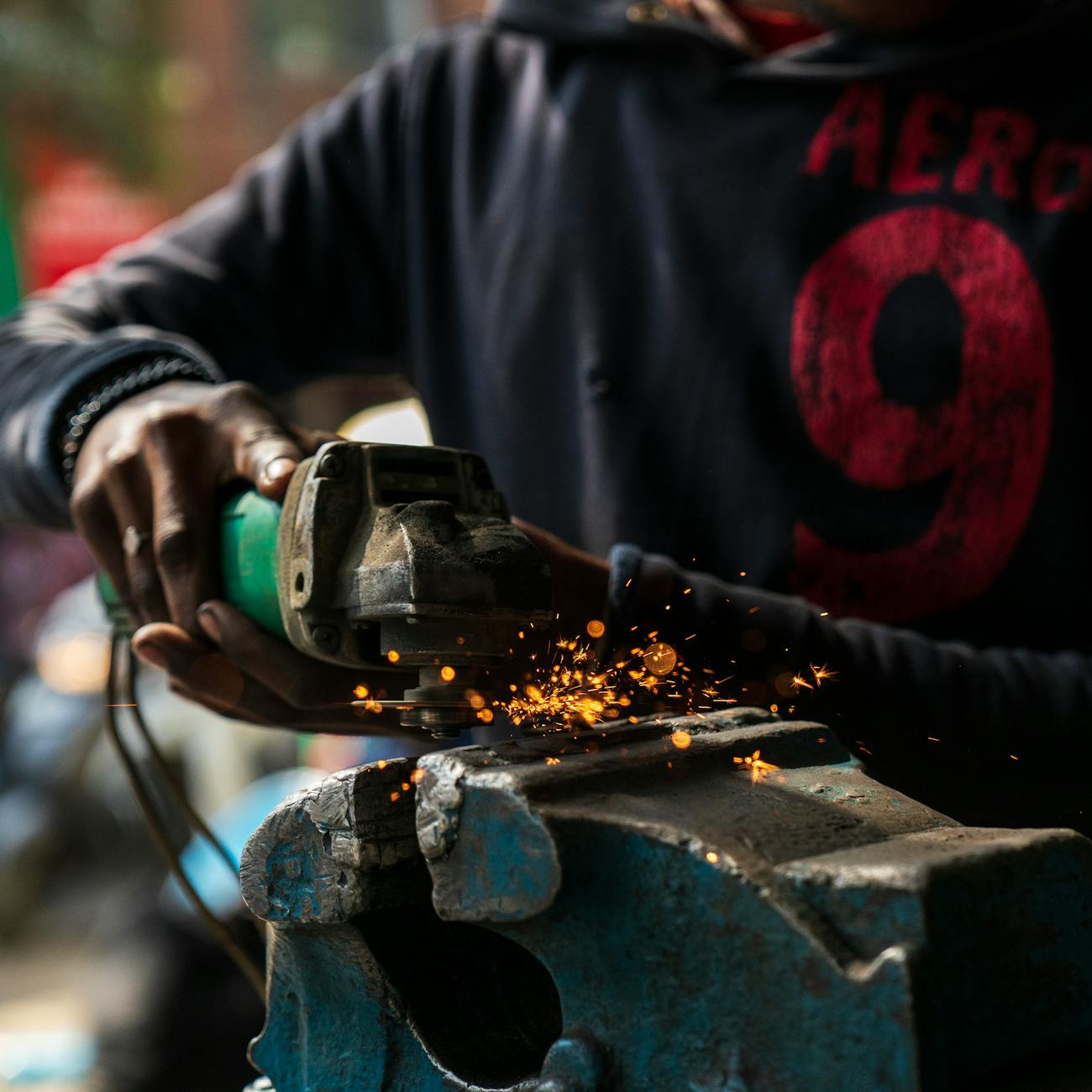
Gym equipment safety procedures are crucial for ensuring the well-being of users and preventing accidents. One key term in this context is hazard identification, which involves recognizing potential risks associated with gym equipment. Hazards can be mechanical, electrical, or related to user error. For instance, a loose screw on a treadmill can cause the machine to malfunction, leading to injuries. Gym staff and maintenance personnel must be trained to identify such hazards and take corrective action.
Regular inspection of gym equipment is essential for maintaining safety standards. This involves checking equipment for signs of wear and tear, damage, or malfunction. Inspection checklists can be used to ensure that all equipment is thoroughly examined, and any issues are documented and addressed. For example, a cracked weightlifting bench can be a hazard, and regular inspection can help identify such issues before they cause accidents.
Another important aspect of gym equipment safety is user education. Gym users must be informed about the proper use of equipment, including how to adjust settings, operate machines, and perform exercises safely. User manuals and instructional signs can be used to provide this information. Additionally, gym staff can offer personalized guidance and supervision to ensure that users are using equipment correctly.
Gym equipment maintenance is also critical for ensuring safety. This involves performing routine tasks such as cleaning, lubricating, and replacing worn-out parts. Maintenance schedules can be used to ensure that tasks are performed regularly and consistently. For instance, monthly cleaning of equipment can help prevent the buildup of dirt and grime, which can cause mechanical issues.
In the event of an accident, gym staff must be prepared to respond quickly and effectively. This involves having a first aid kit on hand, as well as a plan for emergency situations. Staff should be trained in CPR and other basic life support skills, and know how to call for medical help if needed. Accident reports should also be completed to document the incident and identify ways to prevent similar accidents in the future.
Gym equipment safety procedures must also comply with relevant regulations and standards. This includes adhering to guidelines set by organizations such as the American Society for Testing and Materials (ASTM) and the International Organization for Standardization (ISO). Compliance with these regulations can help ensure that gym equipment meets minimum safety standards, reducing the risk of accidents and injuries.
The use of personal protective equipment (PPE) is also important in gym settings. PPE such as gloves, safety glasses, and earplugs can help protect users from injury. For example, weightlifting gloves can help prevent hand injuries, while safety glasses can protect eyes from impact.
Gym equipment safety procedures should also address the issue of access control. This involves restricting access to certain equipment or areas of the gym to authorized personnel only. Access control measures such as locks, keys, and passwords can be used to prevent unauthorized use of equipment, reducing the risk of accidents and tampering.
In addition to these measures, gym equipment safety procedures should also include emergency preparedness plans. This involves identifying potential emergency situations, such as power outages or equipment malfunctions, and developing plans to respond to them. Emergency preparedness plans should include procedures for evacuating the gym, providing first aid, and contacting emergency services.
The importance of training cannot be overstated in gym equipment safety procedures. Gym staff and maintenance personnel should receive regular training on equipment operation, maintenance, and repair. This training should include both theoretical and practical components, and should be provided by qualified instructors. For example, hands-on training can help staff learn how to perform routine maintenance tasks, such as cleaning and lubricating equipment.
Gym equipment safety procedures should also address the issue of record keeping. This involves maintaining accurate and up-to-date records of equipment maintenance, inspection, and repair. Records should include details such as the date and time of maintenance, the tasks performed, and any issues or problems encountered. Record keeping can help gym staff track equipment history, identify potential issues, and ensure compliance with regulations.
The use of technology can also play a critical role in gym equipment safety procedures. For example, computerized maintenance management systems can be used to track equipment maintenance, schedule tasks, and generate reports. Technology can also be used to monitor equipment performance, detect potential issues, and provide real-time alerts and notifications.
In terms of challenges, gym equipment safety procedures can be complex and time-consuming to implement. Gym staff and maintenance personnel may require significant training and resources to ensure compliance with regulations and standards. Additionally, the cost of implementing and maintaining safety procedures can be high, particularly for small or independent gyms.
Despite these challenges, the benefits of gym equipment safety procedures far outweigh the costs. By implementing effective safety procedures, gyms can reduce the risk of accidents and injuries, improve user satisfaction, and maintain a positive reputation. Gym equipment safety procedures can also help to prevent liability issues, such as lawsuits and financial claims, by demonstrating a commitment to user safety and well-being.
In practical terms, gym equipment safety procedures can be applied in a variety of ways. For example, gyms can establish procedures for reporting and addressing equipment issues, such as a system for users to report problems or concerns. Gyms can also develop checklists for equipment inspection and maintenance, to ensure that all tasks are performed consistently and thoroughly.
Gym equipment safety procedures should also be regularly reviewed and updated to ensure they remain effective and relevant. This involves assessing the effectiveness of current procedures, identifying areas for improvement, and implementing changes as needed. Regular review and update can help gyms stay up-to-date with changing regulations and standards, and ensure that safety procedures remain aligned with best practices.
The role of communication is also critical in gym equipment safety procedures. Gym staff and maintenance personnel should be able to communicate effectively with users, providing clear and concise information about equipment operation, maintenance, and repair. Communication can also help to prevent accidents, by ensuring that users are aware of potential hazards and take necessary precautions.
In terms of best practices, gym equipment safety procedures should be based on established guidelines and standards. Gyms can consult with industry experts, such as equipment manufacturers and safety consultants, to develop effective safety procedures. Best practices can also be incorporated into gym operations, such as providing user education and training, and encouraging a culture of safety and responsibility.
The importance of equipment selection cannot be overstated in gym equipment safety procedures. Gyms should select equipment that is safe, durable, and easy to use, and that meets relevant regulations and standards. Equipment selection should also take into account the needs and preferences of users, such as accessibility and usability.
Gym equipment safety procedures should also address the issue of waste disposal. This involves disposing of hazardous materials, such as batteries and electronics, in an environmentally responsible manner. Waste disposal procedures should be established and communicated to gym staff and users, to ensure that all waste is handled and disposed of safely.
In addition to these measures, gym equipment safety procedures should also include quality control measures. This involves ensuring that equipment is manufactured and installed to high standards, and that all components are safe and reliable. Quality control measures can help to prevent equipment failures and malfunctions, reducing the risk of accidents and injuries.
The role of testing is also critical in gym equipment safety procedures. Equipment should be tested regularly to ensure it is functioning correctly and safely. Testing can involve visual inspections, functional tests, and performance evaluations, to identify any issues or problems. Testing can also help to ensure that equipment meets relevant regulations and standards.
Gym equipment safety procedures should also address the issue of certification. This involves obtaining certification from recognized organizations, such as the International Organization for Standardization (ISO), to demonstrate compliance with safety standards. Certification can help to ensure that gym equipment meets minimum safety requirements, and can provide users with confidence in the safety and quality of equipment.
In terms of future developments, gym equipment safety procedures are likely to become even more important and complex. Advances in technology, such as the use of artificial intelligence and Internet of Things (IoT) devices, will require gyms to adapt and update their safety procedures. Additionally, changing regulations and standards will require gyms to stay up-to-date with the latest developments and best practices.
The importance of partnership cannot be overstated in gym equipment safety procedures. Gyms should work closely with equipment manufacturers, safety consultants, and other stakeholders to develop and implement effective safety procedures. Partnership can help to ensure that safety procedures are based on best practices, and that gyms have access to the latest information and expertise.
Gym equipment safety procedures should also address the issue of compliance. This involves ensuring that all safety procedures are compliant with relevant regulations and standards, such as those set by the Occupational Safety and Health Administration (OSHA). Compliance can help to ensure that gyms meet minimum safety requirements, and can reduce the risk of accidents and injuries.
Gym equipment safety procedures should also be regularly evaluated to ensure they remain effective and relevant. Regular evaluation can help gyms stay up-to-date with changing regulations and standards, and ensure that safety procedures remain aligned with best practices.
The role of documentation is also critical in gym equipment safety procedures. Gyms should maintain accurate and up-to-date records of equipment maintenance, inspection, and repair. Documentation can help to ensure that all safety procedures are followed, and can provide evidence of compliance with regulations and standards.
In terms of implementation, gym equipment safety procedures should be implemented in a phased and structured manner. This involves developing a plan for implementation, identifying resources and personnel, and establishing timelines and milestones. Implementation should also involve training and education for gym staff and users, to ensure that all safety procedures are understood and followed.
Gym equipment safety procedures should also address the issue of monitoring. This involves regularly monitoring equipment performance, detecting potential issues, and providing real-time alerts and notifications. Monitoring can help to prevent equipment failures and malfunctions, reducing the risk of accidents and injuries.
The importance of reporting cannot be overstated in gym equipment safety procedures. Gyms should establish procedures for reporting equipment issues, accidents, and near-misses. Reporting can help to identify potential hazards, and can provide valuable insights for improving safety procedures.
Key takeaways
- One key term in this context is hazard identification, which involves recognizing potential risks associated with gym equipment.
- For example, a cracked weightlifting bench can be a hazard, and regular inspection can help identify such issues before they cause accidents.
- Gym users must be informed about the proper use of equipment, including how to adjust settings, operate machines, and perform exercises safely.
- For instance, monthly cleaning of equipment can help prevent the buildup of dirt and grime, which can cause mechanical issues.
- Accident reports should also be completed to document the incident and identify ways to prevent similar accidents in the future.
- This includes adhering to guidelines set by organizations such as the American Society for Testing and Materials (ASTM) and the International Organization for Standardization (ISO).
- For example, weightlifting gloves can help prevent hand injuries, while safety glasses can protect eyes from impact.