
Export Controls And Sanctions
Export controls and sanctions are measures put in place by governments to regulate and restrict the flow of goods, services, and technologies across borders, and they play a crucial role in maintaining national security, preventing the prol…
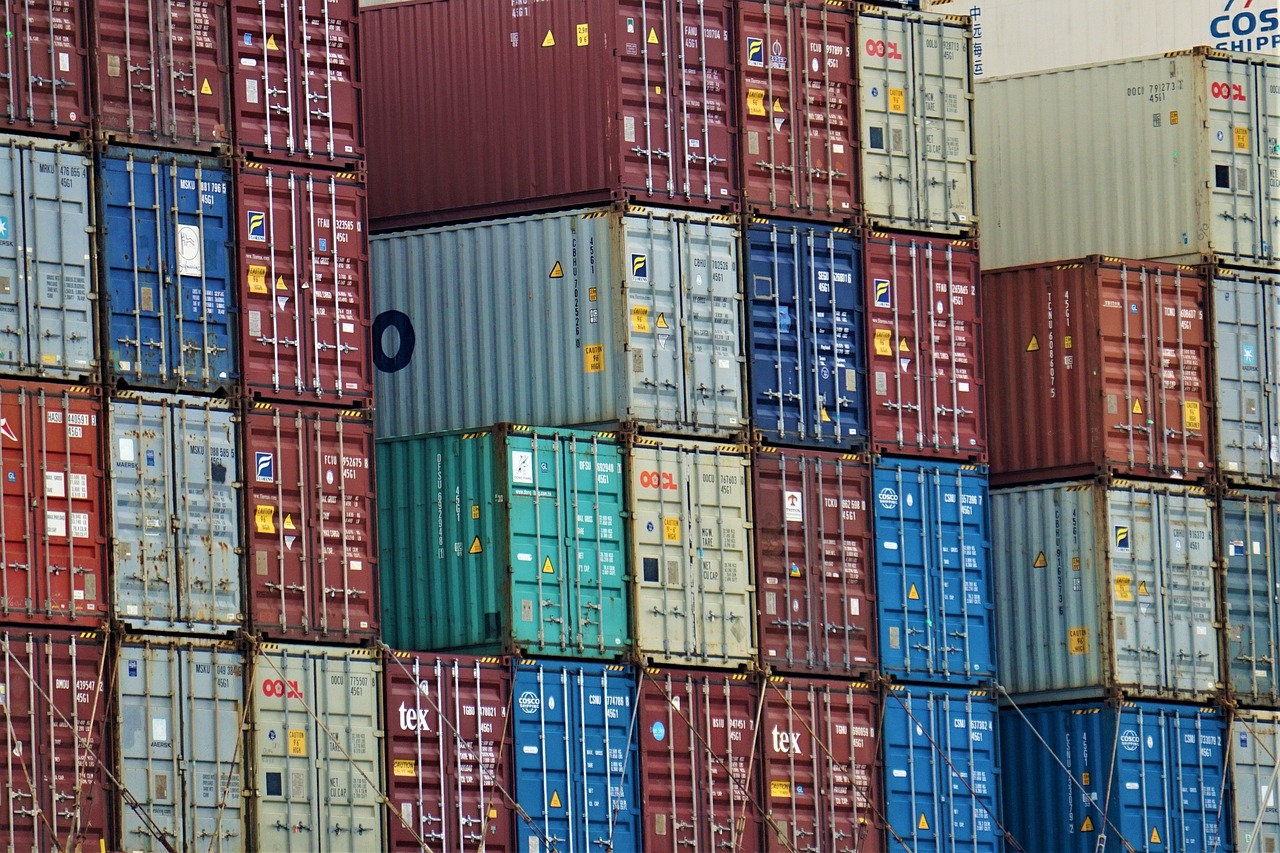
Export controls and sanctions are measures put in place by governments to regulate and restrict the flow of goods, services, and technologies across borders, and they play a crucial role in maintaining national security, preventing the proliferation of weapons of mass destruction, and protecting human rights. Understanding the key terms and vocabulary related to export controls and sanctions is essential for businesses and individuals involved in international trade.
The term export refers to the movement of goods, services, or technologies from one country to another, and export controls are laws and regulations that govern the export of certain items. These controls can be imposed by the country of origin or by international organizations, and they can be based on various factors, including the type of item being exported, the destination country, and the end-user.
One of the key concepts in export controls is the Commerce Control List (CCL), which is a list of items that are subject to export controls. The CCL includes a wide range of items, from _dual-use goods, which can be used for both civilian and military purposes, to items that are specifically designed for military or intelligence gathering purposes. The CCL is used by the US Department of Commerce to determine whether an export license is required for a particular item.
Another important concept is the Export Administration Regulations (EAR), which are a set of rules that govern the export of items that are subject to the CCL. The EAR are administered by the US Department of Commerce and provide guidance on how to determine whether an export license is required, how to apply for a license, and what are the requirements for compliance with export controls.
In addition to the CCL and EAR, there are other key terms and concepts that are important to understand, such as the International Traffic in Arms Regulations (ITAR), which govern the export of defense articles and services. The ITAR are administered by the US Department of State and are more restrictive than the EAR, as they apply to items that are specifically designed for military or intelligence gathering purposes.
The Wassenaar Arrangement is another important concept, which is a multilateral export control regime that aims to promote transparency and cooperation on export controls for dual-use goods and technologies. The Wassenaar Arrangement includes a list of items that are subject to export controls, and participating countries are required to implement export controls for these items.
Sanctions are another type of measure that can be imposed by governments to restrict the flow of goods, services, and technologies. Sanctions can be imposed for a variety of reasons, including to punish a country for its actions, to prevent the proliferation of weapons of mass destruction, or to protect human rights. The term sanctions refers to a set of measures that are designed to restrict the flow of goods, services, and technologies to or from a particular country or entity.
There are different types of sanctions, including trade sanctions, which restrict the import or export of certain goods or services, and financial sanctions, which restrict the flow of money to or from a particular country or entity. Sanctions can also be imposed on specific individuals or entities, such as terrorist organizations or corrupt government officials.
The Office of Foreign Assets Control (OFAC) is a key agency that administers and enforces sanctions in the United States. OFAC is responsible for imposing and enforcing sanctions, as well as for issuing licenses and other authorizations that allow for certain transactions to occur.
Understanding the key terms and concepts related to export controls and sanctions is essential for businesses and individuals involved in international trade. This includes understanding the CCL and EAR, as well as the ITAR and the Wassenaar Arrangement. It also includes understanding the different types of sanctions, such as trade sanctions and financial sanctions, and how they are imposed and enforced.
In addition to understanding the key terms and concepts, it is also important to understand the practical applications and challenges of export controls and sanctions. This includes understanding how to classify items on the CCL, how to determine whether an export license is required, and how to apply for a license. It also includes understanding how to comply with export controls and sanctions, and how to conduct due diligence on customers and business partners.
One of the key challenges of export controls and sanctions is the complexity of the regulations and the need for ongoing compliance. This includes the need to stay up-to-date with changes to the CCL and EAR, as well as changes to sanctions programs. It also includes the need to conduct regular audits and risk assessments to ensure compliance with export controls and sanctions.
Another challenge is the risk of non-compliance, which can result in significant fines and penalties. This includes the risk of exporting items without a license, or transacting with a sanctioned entity. It also includes the risk of misclassifying items on the CCL, or failing to obtain the required licenses or authorizations.
To mitigate these risks, businesses and individuals involved in international trade must have a robust compliance program in place. This includes having a clear understanding of the export controls and sanctions that apply to their business, as well as having procedures in place for classifying items on the CCL, determining whether an export license is required, and applying for a license. It also includes having procedures in place for conducting due diligence on customers and business partners, and for reporting any suspicious transactions to the relevant authorities.
In addition to having a robust compliance program in place, businesses and individuals involved in international trade must also stay up-to-date with changes to the export controls and sanctions regulations. This includes attending training sessions and workshops, as well as participating in industry associations and trade groups. It also includes subscribing to relevant publications and newsletters, and following government agencies and regulatory bodies on social media.
By understanding the key terms and concepts related to export controls and sanctions, and by having a robust compliance program in place, businesses and individuals involved in international trade can mitigate the risks associated with non-compliance and ensure that they are in compliance with the relevant regulations. This includes understanding the CCL and EAR, as well as the ITAR and the Wassenaar Arrangement, and having procedures in place for classifying items, determining whether an export license is required, and applying for a license.
By staying up-to-date with changes to the regulations, and by having a robust compliance program in place, businesses and individuals involved in international trade can ensure that they are in compliance with the relevant regulations, and can mitigate the risks associated with non-compliance.
Furthermore, understanding the key terms and concepts related to export controls and sanctions is essential for businesses and individuals involved in international trade to navigate the complex regulatory landscape. This includes understanding the export controls and sanctions regulations, as well as the CCL and EAR, and having procedures in place for classifying items, determining whether an export license is required, and applying for a license.
By having a clear understanding of these concepts, businesses and individuals involved in international trade can ensure that they are in compliance with the relevant regulations, and can mitigate the risks associated with non-compliance.
In addition, having a robust compliance program in place is essential for businesses and individuals involved in international trade to ensure that they are in compliance with the relevant regulations. This includes having procedures in place for classifying items on the CCL, determining whether an export license is required, and applying for a license.
By having a robust compliance program in place, businesses and individuals involved in international trade can mitigate the risks associated with non-compliance, and can ensure that they are in compliance with the relevant regulations.
Moreover, staying up-to-date with changes to the regulations is essential for businesses and individuals involved in international trade to ensure that they are in compliance with the relevant regulations.
By staying up-to-date with changes to the regulations, businesses and individuals involved in international trade can ensure that they are in compliance with the relevant regulations, and can mitigate the risks associated with non-compliance.
In conclusion, understanding the key terms and concepts related to export controls and sanctions is essential for businesses and individuals involved in international trade to navigate the complex regulatory landscape.
By having a clear understanding of these concepts, and by having a robust compliance program in place, businesses and individuals involved in international trade can ensure that they are in compliance with the relevant regulations, and can mitigate the risks associated with non-compliance.
Additionally, staying up-to-date with changes to the regulations is essential for businesses and individuals involved in international trade to ensure that they are in compliance with the relevant regulations.
Ultimately, understanding the key terms and concepts related to export controls and sanctions, and having a robust compliance program in place, is essential for businesses and individuals involved in international trade to navigate the complex regulatory landscape and to mitigate the risks associated with non-compliance.
Furthermore, having a robust compliance program in place is essential for businesses and individuals involved in international trade to ensure that they are in compliance with the relevant regulations.
In addition, understanding the key terms and concepts related to export controls and sanctions is essential for businesses and individuals involved in international trade to navigate the complex regulatory landscape.
Key takeaways
- Understanding the key terms and vocabulary related to export controls and sanctions is essential for businesses and individuals involved in international trade.
- These controls can be imposed by the country of origin or by international organizations, and they can be based on various factors, including the type of item being exported, the destination country, and the end-user.
- The CCL includes a wide range of items, from _dual-use goods, which can be used for both civilian and military purposes, to items that are specifically designed for military or intelligence gathering purposes.
- The EAR are administered by the US Department of Commerce and provide guidance on how to determine whether an export license is required, how to apply for a license, and what are the requirements for compliance with export controls.
- In addition to the CCL and EAR, there are other key terms and concepts that are important to understand, such as the International Traffic in Arms Regulations (ITAR), which govern the export of defense articles and services.
- The Wassenaar Arrangement is another important concept, which is a multilateral export control regime that aims to promote transparency and cooperation on export controls for dual-use goods and technologies.
- Sanctions can be imposed for a variety of reasons, including to punish a country for its actions, to prevent the proliferation of weapons of mass destruction, or to protect human rights.