
Construction Technology
Construction technology refers to the collection of innovative tools, machinery, and methods used in the construction industry to improve the efficiency, quality, and sustainability of building projects. The construction process involves va…
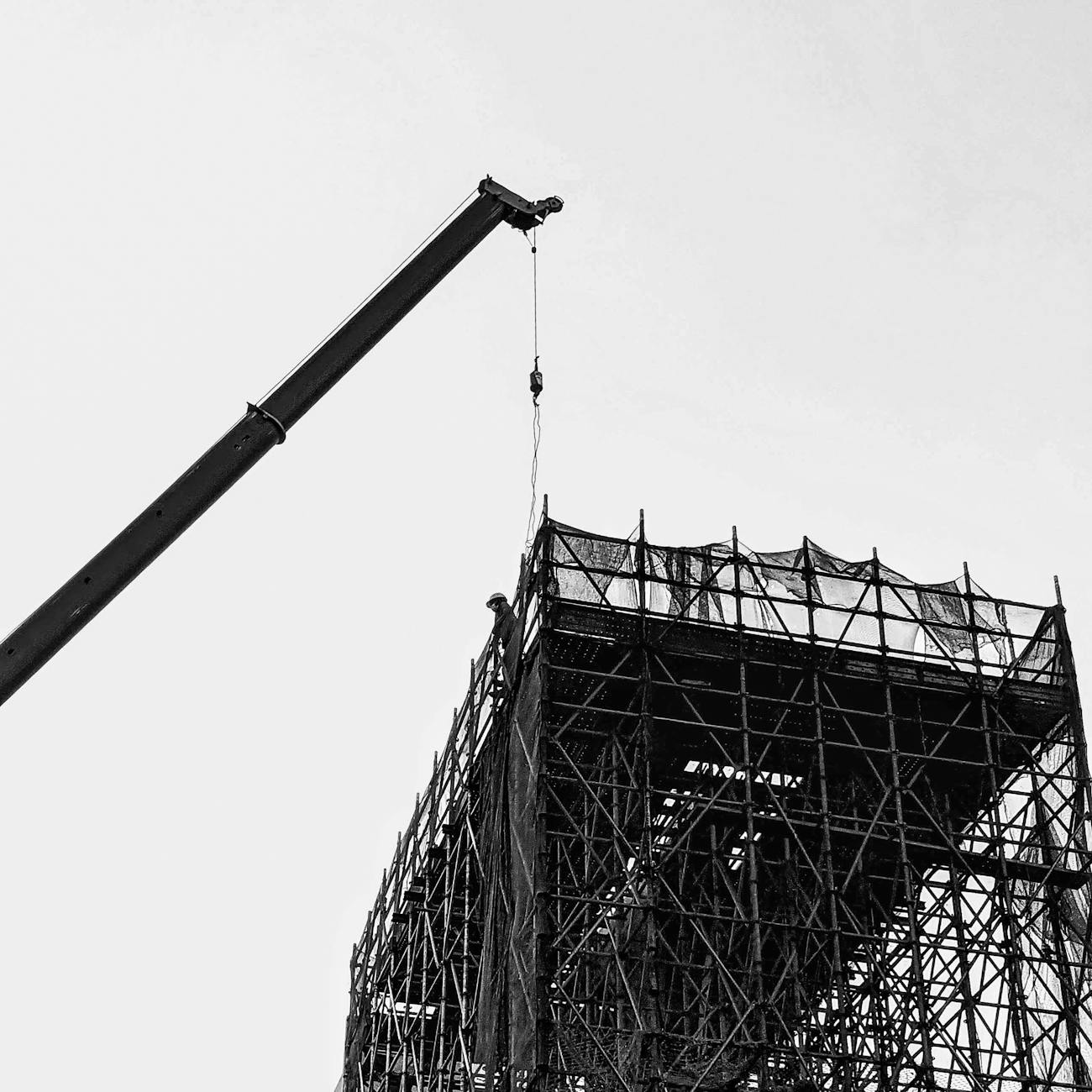
Construction technology refers to the collection of innovative tools, machinery, and methods used in the construction industry to improve the efficiency, quality, and sustainability of building projects. The construction process involves various stages, including planning, design, procurement, and execution, all of which are influenced by technological advancements. In the context of the Undergraduate Certificate in Civil Engineering Quantity Surveying, understanding construction technology is essential for quantity surveyors to manage construction costs, schedules, and resources effectively.
One of the key aspects of construction technology is the use of building information modeling (BIM) software, which enables the creation of digital models of buildings and infrastructure projects. BIM technology allows architects, engineers, and contractors to collaborate and share information more effectively, reducing errors and improving the overall quality of the project. Quantity surveyors can use BIM models to estimate costs, track changes, and manage the construction process more efficiently.
Another important concept in construction technology is the internet of things (IoT), which refers to the network of physical devices, vehicles, and other items that are embedded with sensors, software, and connectivity, allowing them to collect and exchange data. In construction, IoT technology can be used to monitor equipment, track materials, and improve site safety. For example, IoT sensors can be used to monitor the condition of equipment, reducing downtime and improving maintenance schedules.
Construction technology also involves the use of robotics and automation, which can improve the efficiency and accuracy of construction processes. Robotics can be used for tasks such as bricklaying, welding, and concrete finishing, reducing labor costs and improving quality. Automation can also be used to control construction equipment, such as cranes and excavators, improving safety and reducing the risk of accidents.
In addition to these technologies, construction projects also rely on geographic information systems (GIS), which are used to capture, store, and analyze spatial data. GIS technology can be used to create detailed maps of construction sites, track the movement of materials and equipment, and identify potential environmental hazards. Quantity surveyors can use GIS data to estimate costs, manage resources, and optimize the construction process.
The use of drone technology is also becoming increasingly popular in the construction industry, particularly for site surveying and monitoring. Drones can be equipped with cameras and sensors to capture high-resolution images and data, which can be used to track progress, identify defects, and improve quality control. Quantity surveyors can use drone data to estimate costs, track changes, and manage the construction process more efficiently.
Construction technology also involves the use of virtual reality (VR) and augmented reality (AR) tools, which can be used to enhance the design and construction process. VR and AR technology can be used to create immersive and interactive models of buildings and infrastructure projects, allowing architects, engineers, and contractors to visualize and interact with the design in a more engaging and effective way. Quantity surveyors can use VR and AR models to estimate costs, identify potential risks, and optimize the construction process.
Furthermore, construction technology involves the use of cloud computing, which enables the storage, processing, and analysis of large amounts of data remotely. Cloud computing can be used to manage construction data, track progress, and collaborate with stakeholders more effectively. Quantity surveyors can use cloud-based tools to estimate costs, manage resources, and optimize the construction process.
The construction industry is also experiencing a shift towards sustainable and green building practices, which aim to reduce the environmental impact of construction projects. Sustainable building practices involve the use of renewable materials, energy-efficient systems, and waste reduction strategies. Quantity surveyors can play a key role in promoting sustainable building practices by estimating the costs and benefits of green building technologies and materials.
In addition to these technologies, construction projects also rely on supply chain management, which involves the coordination and management of materials, equipment, and labor. Effective supply chain management is critical to ensuring that construction projects are completed on time, within budget, and to the required quality standards. Quantity surveyors can use supply chain management tools to estimate costs, manage resources, and optimize the construction process.
The use of big data analytics is also becoming increasingly important in the construction industry, particularly for predicting and managing construction costs. Big data analytics involves the use of advanced statistical and computational methods to analyze large amounts of data, identify patterns, and make predictions. Quantity surveyors can use big data analytics to estimate costs, identify potential risks, and optimize the construction process.
Construction technology also involves the use of artificial intelligence (AI) and machine learning algorithms, which can be used to analyze data, identify patterns, and make predictions. AI and machine learning can be used to improve the accuracy of cost estimates, predict construction schedules, and identify potential risks. Quantity surveyors can use AI and machine learning tools to estimate costs, manage resources, and optimize the construction process.
Moreover, construction projects also rely on communication and collaboration tools, which enable stakeholders to share information, coordinate activities, and manage the construction process more effectively. Effective communication and collaboration are critical to ensuring that construction projects are completed on time, within budget, and to the required quality standards. Quantity surveyors can use communication and collaboration tools to estimate costs, manage resources, and optimize the construction process.
The construction industry is also experiencing a shift towards modular construction, which involves the use of prefabricated modules and components to construct buildings and infrastructure projects. Modular construction can improve the efficiency and quality of construction projects, reducing waste and improving site safety. Quantity surveyors can play a key role in promoting modular construction by estimating the costs and benefits of prefabricated modules and components.
In addition to these technologies, construction projects also rely on quality control and assurance systems, which involve the use of standardized procedures and protocols to ensure that construction projects meet the required quality standards. Quality control and assurance systems are critical to ensuring that construction projects are completed to the required quality standards, reducing the risk of defects and improving customer satisfaction. Quantity surveyors can use quality control and assurance systems to estimate costs, manage resources, and optimize the construction process.
The use of blockchain technology is also becoming increasingly popular in the construction industry, particularly for managing construction data and tracking progress. Blockchain technology involves the use of a decentralized and secure ledger to record transactions and track data, improving transparency and reducing the risk of errors. Quantity surveyors can use blockchain technology to estimate costs, manage resources, and optimize the construction process.
Construction technology also involves the use of embedded systems, which involve the use of sensors, software, and connectivity to monitor and control construction equipment and processes. Embedded systems can improve the efficiency and accuracy of construction processes, reducing downtime and improving maintenance schedules. Quantity surveyors can use embedded systems to estimate costs, manage resources, and optimize the construction process.
Furthermore, construction projects also rely on human factors, such as labor productivity, skills, and training, which are critical to ensuring that construction projects are completed on time, within budget, and to the required quality standards. Quantity surveyors can play a key role in promoting labor productivity, skills, and training by estimating the costs and benefits of labor-related initiatives and programs.
The construction industry is also experiencing a shift towards lean construction practices, which aim to reduce waste, improve efficiency, and enhance customer value. Lean construction practices involve the use of standardized procedures and protocols to improve the efficiency and quality of construction projects, reducing waste and improving site safety. Quantity surveyors can play a key role in promoting lean construction practices by estimating the costs and benefits of lean construction initiatives and programs.
In addition to these technologies, construction projects also rely on information systems, which involve the use of software, hardware, and networks to manage construction data and track progress. Information systems are critical to ensuring that construction projects are completed on time, within budget, and to the required quality standards. Quantity surveyors can use information systems to estimate costs, manage resources, and optimize the construction process.
The use of mobile technology is also becoming increasingly popular in the construction industry, particularly for managing construction data and tracking progress. Mobile technology involves the use of mobile devices, such as smartphones and tablets, to access and manage construction data, improving communication and collaboration among stakeholders. Quantity surveyors can use mobile technology to estimate costs, manage resources, and optimize the construction process.
Construction technology also involves the use of simulation tools, which can be used to model and analyze construction processes, identifying potential risks and improving the efficiency and quality of construction projects. Simulation tools can be used to estimate costs, manage resources, and optimize the construction process, reducing the risk of errors and improving customer satisfaction.
Moreover, construction projects also rely on logistics and transportation systems, which involve the use of vehicles, equipment, and networks to manage the movement of materials, equipment, and labor. Logistics and transportation systems are critical to ensuring that construction projects are completed on time, within budget, and to the required quality standards. Quantity surveyors can use logistics and transportation systems to estimate costs, manage resources, and optimize the construction process.
The construction industry is also experiencing a shift towards energy efficiency and renewable energy systems, which aim to reduce the environmental impact of construction projects and improve the sustainability of buildings and infrastructure. Energy efficiency and renewable energy systems involve the use of energy-efficient materials, systems, and technologies to reduce energy consumption and improve the sustainability of construction projects. Quantity surveyors can play a key role in promoting energy efficiency and renewable energy systems by estimating the costs and benefits of energy-related initiatives and programs.
In addition to these technologies, construction projects also rely on facilities management systems, which involve the use of software, hardware, and networks to manage and maintain buildings and infrastructure. Facilities management systems are critical to ensuring that buildings and infrastructure are operated and maintained efficiently, reducing downtime and improving customer satisfaction. Quantity surveyors can use facilities management systems to estimate costs, manage resources, and optimize the construction process.
The use of cybersecurity measures is also becoming increasingly important in the construction industry, particularly for protecting construction data and preventing cyber-attacks. Cybersecurity measures involve the use of software, hardware, and protocols to protect construction data and prevent cyber-attacks, improving the security and integrity of construction projects. Quantity surveyors can use cybersecurity measures to estimate costs, manage resources, and optimize the construction process.
Construction technology also involves the use of data analytics tools, which can be used to analyze construction data, identify patterns, and make predictions. Data analytics tools can be used to estimate costs, manage resources, and optimize the construction process, reducing the risk of errors and improving customer satisfaction.
Furthermore, construction projects also rely on environmental management systems, which involve the use of standardized procedures and protocols to reduce the environmental impact of construction projects. Environmental management systems are critical to ensuring that construction projects are completed in an environmentally responsible manner, reducing waste and improving site safety. Quantity surveyors can play a key role in promoting environmental management systems by estimating the costs and benefits of environmental-related initiatives and programs.
The construction industry is also experiencing a shift towards digital twin technology, which involves the use of digital models and simulations to improve the efficiency and quality of construction projects. Digital twin technology can be used to estimate costs, manage resources, and optimize the construction process, reducing the risk of errors and improving customer satisfaction.
In addition to these technologies, construction projects also rely on collaboration tools, which enable stakeholders to share information, coordinate activities, and manage the construction process more effectively. Collaboration tools are critical to ensuring that construction projects are completed on time, within budget, and to the required quality standards. Quantity surveyors can use collaboration tools to estimate costs, manage resources, and optimize the construction process.
The use of project management tools is also becoming increasingly popular in the construction industry, particularly for managing construction projects and tracking progress. Project management tools involve the use of software, hardware, and networks to manage construction projects, track progress, and collaborate with stakeholders. Quantity surveyors can use project management tools to estimate costs, manage resources, and optimize the construction process.
Construction technology also involves the use of risk management systems, which involve the use of standardized procedures and protocols to identify, assess, and mitigate risks. Risk management systems are critical to ensuring that construction projects are completed on time, within budget, and to the required quality standards, reducing the risk of errors and improving customer satisfaction. Quantity surveyors can use risk management systems to estimate costs, manage resources, and optimize the construction process.
Moreover, construction projects also rely on value engineering principles, which aim to improve the value of construction projects by reducing costs, improving quality, and enhancing customer satisfaction. Value engineering principles involve the use of standardized procedures and protocols to analyze construction projects, identify areas for improvement, and implement changes to improve value. Quantity surveyors can play a key role in promoting value engineering principles by estimating the costs and benefits of value-related initiatives and programs.
The construction industry is also experiencing a shift towards safety management systems, which involve the use of standardized procedures and protocols to reduce the risk of accidents and improve site safety. Safety management systems are critical to ensuring that construction projects are completed in a safe and responsible manner, reducing the risk of accidents and improving customer satisfaction. Quantity surveyors can play a key role in promoting safety management systems by estimating the costs and benefits of safety-related initiatives and programs.
In addition to these technologies, construction projects also rely on quality management systems, which involve the use of standardized procedures and protocols to ensure that construction projects meet the required quality standards. Quality management systems are critical to ensuring that construction projects are completed to the required quality standards, reducing the risk of defects and improving customer satisfaction. Quantity surveyors can use quality management systems to estimate costs, manage resources, and optimize the construction process.
The use of waste reduction and management systems is also becoming increasingly important in the construction industry, particularly for reducing waste and improving the sustainability of construction projects. Waste reduction and management systems involve the use of standardized procedures and protocols to reduce waste, improve recycling, and minimize the environmental impact of construction projects. Quantity surveyors can play a key role in promoting waste reduction and management systems by estimating the costs and benefits of waste-related initiatives and programs.
Construction technology also involves the use of energy management systems, which involve the use of standardized procedures and protocols to reduce energy consumption and improve the sustainability of construction projects. Energy management systems are critical to ensuring that construction projects are completed in an energy-efficient manner, reducing energy consumption and improving the sustainability of buildings and infrastructure. Quantity surveyors can use energy management systems to estimate costs, manage resources, and optimize the construction process.
Furthermore, construction projects also rely on water management systems, which involve the use of standardized procedures and protocols to reduce water consumption and improve the sustainability of construction projects. Water management systems are critical to ensuring that construction projects are completed in a water-efficient manner, reducing water consumption and improving the sustainability of buildings and infrastructure. Quantity surveyors can use water management systems to estimate costs, manage resources, and optimize the construction process.
The construction industry is also experiencing a shift towards smart buildings and infrastructure, which involve the use of advanced technologies, such as sensors, software, and connectivity, to improve the efficiency, quality, and sustainability of buildings and infrastructure. Smart buildings and infrastructure can improve the efficiency and quality of construction projects, reducing energy consumption and improving the sustainability of buildings and infrastructure. Quantity surveyors can play a key role in promoting smart buildings and infrastructure by estimating the costs and benefits of smart-related initiatives and programs.
In addition to these technologies, construction projects also rely on disaster recovery and business continuity systems, which involve the use of standardized procedures and protocols to respond to and recover from disasters and disruptions. Disaster recovery and business continuity systems are critical to ensuring that construction projects are completed on time, within budget, and to the required quality standards, reducing the risk of errors and improving customer satisfaction. Quantity surveyors can use disaster recovery and business continuity systems to estimate costs, manage resources, and optimize the construction process.
The use of emergency response systems is also becoming increasingly important in the construction industry, particularly for responding to and managing emergencies and disasters. Emergency response systems involve the use of standardized procedures and protocols to respond to and manage emergencies and disasters, improving site safety and reducing the risk of accidents. Quantity surveyors can use emergency response systems to estimate costs, manage resources, and optimize the construction process.
Construction technology also involves the use of crisis management systems, which involve the use of standardized procedures and protocols to respond to and manage crises and disruptions. Crisis management systems are critical to ensuring that construction projects are completed on time, within budget, and to the required quality standards, reducing the risk of errors and improving customer satisfaction. Quantity surveyors can use crisis management systems to estimate costs, manage resources, and optimize the construction process.
Moreover, construction projects also rely on business intelligence systems, which involve the use of standardized procedures and protocols to analyze construction data, identify patterns, and make predictions. Business intelligence systems are critical to ensuring that construction projects are completed on time, within budget, and to the required quality standards, reducing the risk of errors and improving customer satisfaction. Quantity surveyors can use business intelligence systems to estimate costs, manage resources, and optimize the construction process.
The construction industry is also experiencing a shift towards knowledge management systems, which involve the use of standardized procedures and protocols to capture, store, and share knowledge and expertise. Knowledge management systems are critical to ensuring that construction projects are completed on time, within budget, and to the required quality standards, reducing the risk of errors and improving customer satisfaction. Quantity surveyors can use knowledge management systems to estimate costs, manage resources, and optimize the construction process.
In addition to these technologies, construction projects also rely on innovation management systems, which involve the use of standardized procedures and protocols to promote innovation and improve the efficiency and quality of construction projects. Innovation management systems are critical to ensuring that construction projects are completed on time, within budget, and to the required quality standards, reducing the risk of errors and improving customer satisfaction. Quantity surveyors can use innovation management systems to estimate costs, manage resources, and optimize the construction process.
The use of technology management systems is also becoming increasingly important in the construction industry, particularly for managing and implementing new technologies, such as BIM, IoT, and AI. Technology management systems involve the use of standardized procedures and protocols to manage and implement new technologies, improving the efficiency and quality of construction projects. Quantity surveyors can use technology management systems to estimate costs, manage resources, and optimize the construction process.
Construction technology also involves the use of process management systems, which involve the use of standardized procedures and protocols to manage and improve construction processes. Process management systems are critical to ensuring that construction projects are completed on time, within budget, and to the required quality standards, reducing the risk of errors and improving customer satisfaction. Quantity surveyors can use process management systems to estimate costs, manage resources, and optimize the construction process.
Furthermore, construction projects also rely on performance management systems, which involve the use of standardized procedures and protocols to measure and improve the performance of construction projects. Performance management systems are critical to ensuring that construction projects are completed on time, within budget, and to the required quality standards, reducing the risk of errors and improving customer satisfaction. Quantity surveyors can use performance management systems to estimate costs, manage resources, and optimize the construction process.
The construction industry is also experiencing a shift towards sustainability management systems, which involve the use of standardized procedures and protocols to reduce the environmental impact of construction projects and improve the sustainability of buildings and infrastructure. Sustainability management systems are critical to ensuring that construction projects are completed in a sustainable manner, reducing waste and improving the sustainability of buildings and infrastructure. Quantity surveyors can play a key role in promoting sustainability management systems by estimating the costs and benefits of sustainability-related initiatives and programs.
In addition to these technologies, construction projects also rely on compliance management systems, which involve the use of standardized procedures and protocols to ensure that construction projects comply with regulatory requirements and industry standards. Compliance management systems are critical to ensuring that construction projects are completed on time, within budget, and to the required quality standards, reducing the risk of errors and improving customer satisfaction. Quantity surveyors can use compliance management systems to estimate costs, manage resources, and optimize the construction process.
The use of governance systems is also becoming increasingly important in the construction industry, particularly for ensuring that construction projects are managed and governed effectively. Governance systems involve the use of standardized procedures and protocols to ensure that construction projects are managed and governed effectively, reducing the risk of errors and improving customer satisfaction. Quantity surveyors can use governance systems to estimate costs, manage resources, and optimize the construction process.
Construction technology also involves the use of social responsibility systems, which involve the use of standardized procedures and protocols to promote social responsibility and improve the sustainability of construction projects. Social responsibility systems are critical to ensuring that construction projects are completed in a socially responsible manner, reducing the risk of errors and improving customer satisfaction. Quantity surveyors can play a key role in promoting social responsibility systems by estimating the costs and benefits of social responsibility-related initiatives and programs.
Moreover, construction projects also rely on environmental responsibility systems, which involve the use of standardized procedures and protocols to reduce the environmental impact of construction projects and improve the sustainability of buildings and infrastructure. Environmental responsibility systems are critical to ensuring that construction projects are completed in an environmentally responsible manner, reducing waste and improving the sustainability of buildings and infrastructure. Quantity surveyors can play a key role in promoting environmental responsibility systems by estimating the costs and benefits of environmental responsibility-related initiatives and programs.
The construction industry is also experiencing a shift towards economic responsibility systems, which involve the use of standardized procedures and protocols to promote economic responsibility and improve the sustainability of construction projects. Economic responsibility systems are critical to ensuring that construction projects are completed in an economically responsible manner, reducing waste and improving the sustainability of buildings and infrastructure. Quantity surveyors can play a key role in promoting economic responsibility systems by estimating the costs and benefits of economic responsibility-related initiatives and programs.
In addition to these technologies, construction projects also rely on cultural responsibility systems, which involve the use of standardized procedures and protocols to promote cultural responsibility and improve the sustainability of construction projects. Cultural responsibility systems are critical to ensuring that construction projects are completed in a culturally responsible manner, reducing the risk of errors and improving customer satisfaction. Quantity surveyors can play a key role in promoting cultural responsibility systems by estimating the costs and benefits of cultural responsibility-related initiatives and programs.
The use of information technology systems is also becoming increasingly important in the construction industry, particularly for managing and implementing new technologies, such as BIM, IoT, and AI. Information technology systems involve the use of standardized procedures and protocols to manage and implement new technologies, improving the efficiency and quality of construction projects. Quantity surveyors can use information technology systems to estimate costs, manage resources, and optimize the construction process.
Construction technology also involves the use of communication systems, which involve the use of standardized procedures and protocols to communicate and collaborate with stakeholders. Communication systems are critical to ensuring that construction projects are completed on time, within budget, and to the required quality standards, reducing the risk of errors and improving customer satisfaction. Quantity surveyors can use communication systems to estimate costs, manage resources, and optimize the construction process.
Furthermore, construction projects also rely on collaboration systems, which involve the use of standardized procedures and protocols to collaborate and share information with stakeholders. Collaboration systems are critical to ensuring that construction projects are completed on time, within budget, and to the required quality standards, reducing the risk of errors and improving customer satisfaction. Quantity surveyors can use collaboration systems to estimate costs, manage resources, and optimize the construction process.
The construction industry is also experiencing a shift towards integration systems, which involve the use of standardized procedures and protocols to integrate and coordinate construction processes. Integration systems are critical to ensuring that construction projects are completed on time, within budget, and to the required quality standards, reducing the risk of errors and improving customer satisfaction. Quantity surveyors can use integration systems to estimate costs, manage resources, and optimize the construction process.
In addition to these technologies, construction projects also rely on security systems, which involve the use of standardized procedures and protocols to ensure the security and integrity of construction projects. Security systems are critical to ensuring that construction projects are completed on time, within budget, and to the required quality standards, reducing the risk of errors and improving customer satisfaction. Quantity surveyors can use security systems to estimate costs, manage resources, and optimize the construction process.
The use of access control systems is also becoming increasingly important in the construction industry, particularly for controlling and managing access to construction sites and buildings. Access control systems involve the use of standardized procedures and protocols to control and manage access to construction sites and buildings, improving site safety and reducing the risk of accidents. Quantity surveyors can use access control systems to estimate costs, manage resources, and optimize the construction process.
Construction technology also involves the use of monitoring systems, which involve the use of standardized procedures and protocols to monitor and track construction processes. Monitoring systems are critical to ensuring that construction projects are completed on time, within budget, and to the required quality standards, reducing the risk of errors and improving customer satisfaction. Quantity surveyors can use monitoring systems to estimate costs, manage resources, and optimize the construction process.
Moreover, construction projects also rely on control systems, which involve the use of standardized procedures and protocols to control and manage construction processes. Control systems are critical to ensuring that construction projects are completed on time, within budget, and to the required quality standards, reducing the risk of errors and improving customer satisfaction. Quantity surveyors can use control systems to estimate costs, manage resources, and optimize the construction process.
The construction industry is also experiencing a shift towards predictive maintenance systems, which involve the use of standardized procedures and protocols to predict and prevent maintenance-related issues. Predictive maintenance systems are critical to ensuring that construction projects are completed on time, within budget, and to the required quality standards, reducing the risk of errors and improving customer satisfaction. Quantity surveyors can use predictive maintenance systems to estimate costs, manage resources, and optimize the construction process.
In addition to these technologies, construction projects also rely on prevention systems, which involve the use of standardized procedures and protocols to prevent and mitigate risks. Prevention systems are critical to ensuring that construction projects are completed on time, within budget, and to the required quality standards, reducing the risk of errors and improving customer satisfaction. Quantity surveyors can use prevention systems to estimate costs, manage resources, and optimize the construction process.
The use of mitigation systems is also becoming increasingly important in the construction industry, particularly for mitigating and managing risks. Mitigation systems involve the use of standardized procedures and protocols to mitigate and manage risks, improving the efficiency and quality of construction projects. Quantity surveyors can use mitigation systems to estimate costs, manage resources, and optimize the construction process.
Construction technology also involves the use of adaptation systems, which involve the use of standardized procedures and protocols to adapt and respond to changing conditions. Adaptation systems are critical to ensuring that construction projects are completed on time, within budget, and to the required quality standards, reducing the risk of errors and improving customer satisfaction. Quantity surveyors can use adaptation systems to estimate costs, manage resources, and optimize the construction process.
Furthermore, construction projects also rely on resilience systems, which involve the use of standardized procedures and protocols to improve the resilience and sustainability of construction projects. Resilience systems are critical to ensuring that construction projects are completed in a resilient and sustainable manner, reducing the risk of errors and improving customer satisfaction. Quantity surveyors can play a key role in promoting resilience systems by estimating the costs and benefits of resilience-related initiatives and programs.
The construction industry is also experiencing a shift towards safety culture systems, which involve the use of standardized procedures and protocols to promote a safety culture and improve site safety. Safety culture systems are critical to ensuring that construction projects are completed in a safe and responsible manner, reducing the risk of accidents and improving customer satisfaction. Quantity surveyors can play a key role in promoting safety culture systems by estimating the costs and benefits of safety-related initiatives and programs.
In addition to these technologies, construction projects also rely on health and wellbeing systems, which involve the use of standardized procedures and protocols to promote health and wellbeing and improve site safety. Health and wellbeing systems are critical to ensuring that construction projects are completed in a healthy and safe manner, reducing the risk of accidents and improving customer satisfaction. Quantity surveyors can play a key role in promoting health and wellbeing systems by estimating the costs and benefits of health and wellbeing-related initiatives and programs.
The use of environmental systems is also becoming increasingly important in the construction industry, particularly for reducing the environmental impact of construction projects and improving the sustainability of buildings and infrastructure. Environmental systems involve the use of standardized procedures and protocols to reduce the environmental impact of construction projects and improve the sustainability of buildings and infrastructure. Quantity surveyors can play a key role in promoting environmental systems by estimating the costs and benefits of environmental-related initiatives and programs.
Construction technology also involves the use of social systems, which involve the use of standardized procedures and protocols to promote social responsibility and improve the sustainability of construction projects. Social systems are critical to ensuring that construction projects are completed in a socially responsible manner, reducing the risk of errors and improving customer satisfaction. Quantity surveyors can play a key role in promoting social systems by estimating the costs and benefits of social responsibility-related initiatives and programs.
Moreover, construction projects also rely on economic systems, which involve the use of standardized procedures and protocols to promote economic responsibility and improve the sustainability of construction projects. Economic systems are critical to ensuring that construction projects are completed in an economically responsible manner, reducing waste and improving the sustainability of buildings and infrastructure. Quantity surveyors can play a key role in promoting economic systems by estimating the costs and benefits of economic responsibility-related initiatives and programs.
The construction industry is also experiencing a shift towards cultural systems, which involve the use of standardized procedures and protocols to promote cultural responsibility and improve the sustainability of construction projects. Cultural systems are critical to ensuring that construction projects are completed in a culturally responsible manner, reducing the risk of errors and improving customer satisfaction. Quantity surveyors can play a key role in promoting cultural systems by estimating the costs and benefits of cultural responsibility-related initiatives and programs.
In addition to these technologies, construction projects also rely on governance systems, which involve the use of standardized procedures and protocols to ensure that construction projects are managed and governed effectively. Governance systems are critical to ensuring that construction projects are completed on time, within budget, and to the required quality standards, reducing the risk of errors and improving customer satisfaction.
The use of compliance systems is also becoming increasingly important in the construction industry, particularly for ensuring that construction projects comply with regulatory requirements and industry standards. Compliance systems involve the use of standardized procedures and protocols to ensure that construction projects comply with regulatory requirements and industry standards, improving the efficiency and quality of construction projects. Quantity surveyors can use compliance systems to estimate costs, manage resources, and optimize the construction process.
Construction technology also involves the use of risk management systems, which involve the use of standardized procedures and protocols to identify, assess, and mitigate risks.
Furthermore, construction projects also rely on quality management systems, which involve the use of standardized procedures and protocols to ensure that construction projects meet the required quality standards.
The construction industry is also experiencing a shift towards performance management systems, which involve the use of standardized procedures and protocols to measure and improve the performance of construction projects.
In addition to these technologies, construction projects also rely on value engineering systems, which involve the use of standardized procedures and protocols to improve the value of construction projects. Value engineering systems are critical to ensuring that construction projects are completed on time, within budget, and to the required quality standards, reducing the risk of errors and improving customer satisfaction. Quantity surveyors can use value engineering systems to estimate costs, manage resources, and optimize the construction process.
The use of lean construction systems is also becoming increasingly important in the construction industry, particularly for reducing waste and improving the efficiency of construction projects. Lean construction systems involve the use of standardized procedures and protocols to reduce waste and improve the efficiency of construction projects, improving the quality and sustainability of buildings and infrastructure. Quantity surveyors can play a key role in promoting lean construction systems by estimating the costs and benefits of lean construction initiatives and programs.
Construction technology also involves the use of agile construction systems, which involve the use of standardized procedures and protocols to improve the agility and responsiveness of construction projects. Agile construction systems are critical to ensuring that construction projects are completed on time, within budget, and to the required quality standards, reducing the risk of errors and improving customer satisfaction. Quantity surveyors can use agile construction systems to estimate costs, manage resources, and optimize the construction process.
Moreover, construction projects also rely on integration systems, which involve the use of standardized procedures and protocols to integrate and coordinate construction processes.
The construction industry is also experiencing a shift towards innovation systems, which involve the use of standardized procedures and protocols to promote innovation and improve the efficiency and quality of construction projects. Innovation systems are critical to ensuring that construction projects are completed on time, within budget, and to the required quality standards, reducing the risk of errors and improving customer satisfaction. Quantity surveyors can use innovation systems to estimate costs, manage resources, and optimize the construction process.
In addition to these technologies, construction projects also rely on technology systems, which involve the use of standardized procedures and protocols to manage and implement new technologies, such as BIM, IoT, and AI. Technology systems are critical to ensuring that construction projects are completed on time, within budget, and to the required quality standards, reducing the risk of errors and improving customer satisfaction. Quantity surveyors can use technology systems to estimate costs, manage resources, and optimize the construction process.
The use of data analytics systems is also becoming increasingly important in the construction industry, particularly for analyzing construction data and making predictions. Data analytics systems involve the use of standardized procedures and protocols to analyze construction data and make predictions, improving the efficiency and quality of construction projects. Quantity surveyors can use data analytics systems to estimate costs, manage resources, and optimize the construction process.
Construction technology also involves the use of artificial intelligence systems, which involve the use of standardized procedures and protocols to analyze construction data and make predictions. Artificial intelligence systems are critical to ensuring that construction projects are completed on time, within budget, and to the required quality standards, reducing the risk of errors and improving customer satisfaction. Quantity surveyors can use artificial intelligence systems to estimate costs, manage resources, and optimize the construction process.
Furthermore, construction projects also rely on machine learning systems, which involve the use of standardized procedures and protocols to analyze construction data and make predictions. Machine learning systems are critical to ensuring that construction projects are completed on time, within budget, and to the required quality standards, reducing the risk of errors and improving customer satisfaction. Quantity surveyors can use machine learning systems to estimate costs, manage resources, and optimize the construction process.
The construction industry is also experiencing a shift towards internet of things systems, which involve the use of standardized procedures and protocols to connect and manage construction equipment and processes. Internet of things systems are critical to ensuring that construction projects are completed on time, within budget, and to the required quality standards, reducing the risk of errors and improving customer satisfaction. Quantity surveyors can use internet of things systems to estimate costs, manage resources, and optimize the construction process.
In addition to these technologies, construction projects also rely on cybersecurity systems, which involve the use of standardized procedures and protocols to protect construction data and prevent cyber-attacks. Cybersecurity systems are critical to ensuring that construction projects are completed on time, within budget, and to the required quality standards, reducing the risk of errors and improving customer satisfaction. Quantity surveyors can use cybersecurity systems to estimate costs, manage resources, and optimize the construction process.
The use of cloud computing systems is also becoming increasingly important in the construction industry, particularly for managing and analyzing construction data. Cloud computing systems involve the use of standardized procedures and protocols to manage and analyze construction data, improving the efficiency and quality of construction projects. Quantity surveyors can use cloud computing systems to estimate costs, manage resources, and optimize the construction process.
Construction technology also involves the use of big data analytics systems, which involve the use of standardized procedures and protocols to analyze construction data and make predictions. Big data analytics systems are critical to ensuring that construction projects are completed on time, within budget, and to the required quality standards, reducing the risk of errors and improving customer satisfaction. Quantity surveyors can use big data analytics systems to estimate costs, manage resources, and optimize the construction process.
Key takeaways
- In the context of the Undergraduate Certificate in Civil Engineering Quantity Surveying, understanding construction technology is essential for quantity surveyors to manage construction costs, schedules, and resources effectively.
- One of the key aspects of construction technology is the use of building information modeling (BIM) software, which enables the creation of digital models of buildings and infrastructure projects.
- For example, IoT sensors can be used to monitor the condition of equipment, reducing downtime and improving maintenance schedules.
- Construction technology also involves the use of robotics and automation, which can improve the efficiency and accuracy of construction processes.
- In addition to these technologies, construction projects also rely on geographic information systems (GIS), which are used to capture, store, and analyze spatial data.
- Drones can be equipped with cameras and sensors to capture high-resolution images and data, which can be used to track progress, identify defects, and improve quality control.
- Construction technology also involves the use of virtual reality (VR) and augmented reality (AR) tools, which can be used to enhance the design and construction process.