
Subsea Robotics Fundamentals
The field of subsea robotics involves the use of robotic systems to explore, inspect, and operate in underwater environments, which can be divided into several depth zones, each with its unique characteristics and challenges. The subsea env…
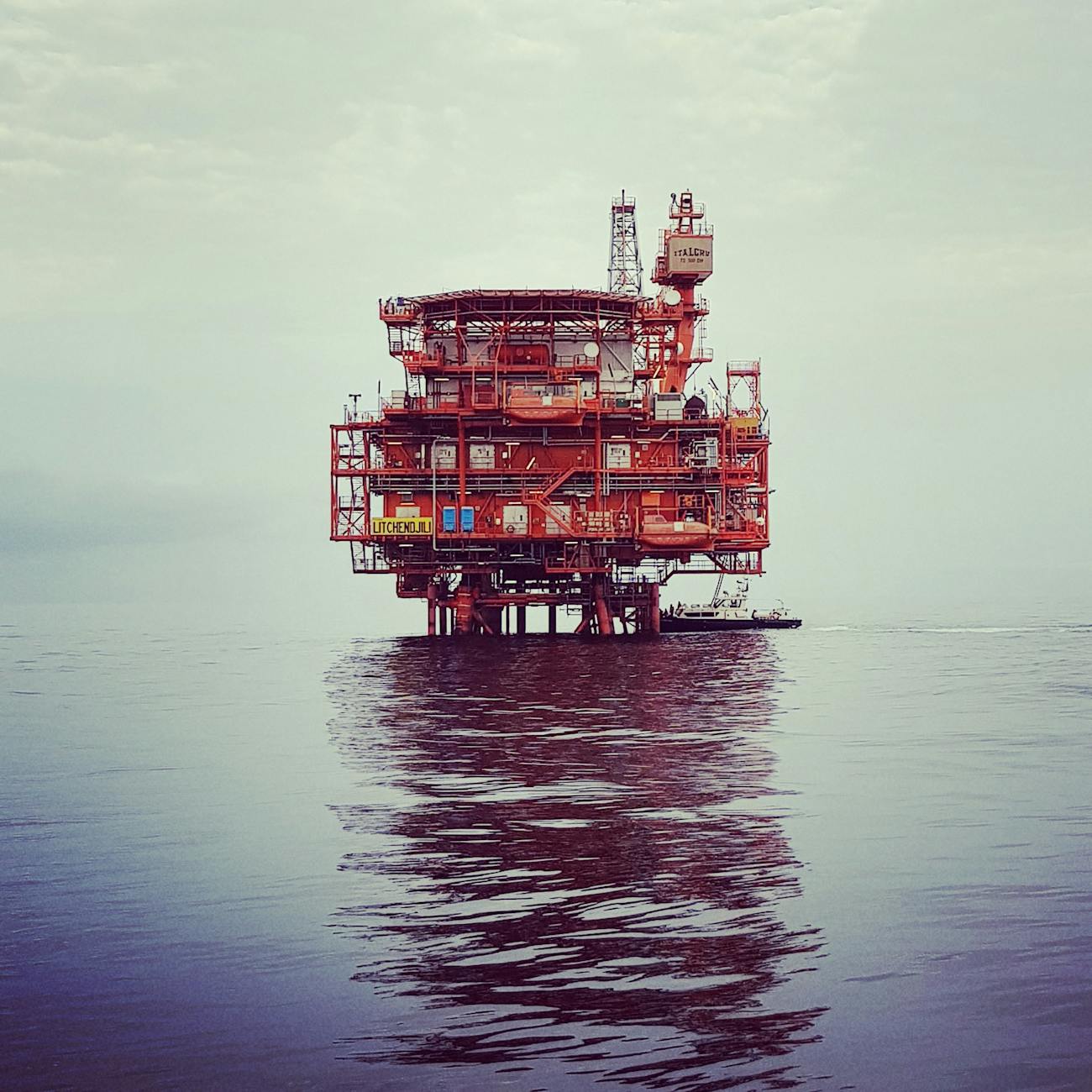
The field of subsea robotics involves the use of robotic systems to explore, inspect, and operate in underwater environments, which can be divided into several depth zones, each with its unique characteristics and challenges. The subsea environment is a complex and hostile environment for humans, with high pressures, low temperatures, and corrosive conditions, making it an ideal application area for robotics.
Subsea robotics has numerous applications in offshore oil and gas, renewable energy, marine construction, and environmental monitoring, among others. In offshore oil and gas, subsea robots are used for inspection, maintenance, and repair of subsea infrastructure, such as pipelines and platforms. In renewable energy, subsea robots are used to install and maintain offshore wind turbines and tidal energy systems.
The design of subsea robots is influenced by several factors, including the mission requirements, the environment in which they will operate, and the technologies available. Subsea robots can be categorized into several types, including remotely operated vehicles (ROVs), autonomous underwater vehicles (AUVs), and hybrid systems that combine elements of both. ROVs are tethered to a surface vessel and are controlled by a human operator, while AUVs are untethered and operate independently, using sensor data and algorithms to navigate and complete their missions.
The propulsion systems used in subsea robots can be electric or hydraulic, and are designed to provide the necessary thrust and maneuverability for the robot to complete its mission. The power systems used in subsea robots can be batteries or fuel cells, and are designed to provide the necessary energy for the robot to operate for extended periods. The communication systems used in subsea robots can be acoustic or optical, and are designed to provide the necessary bandwidth and reliability for the robot to communicate with the surface vessel or other robots.
The sensors used in subsea robots can be sonar, lidar, or camera systems, and are designed to provide the necessary data for the robot to navigate and complete its mission. The software used in subsea robots can be proprietary or open-source, and is designed to provide the necessary control and autonomy for the robot to operate effectively.
One of the key challenges in subsea robotics is the communication between the robot and the surface vessel or other robots. The acoustic communication systems used in subsea robots have limited bandwidth and are susceptible to interference, making it difficult to transmit large amounts of data in real-time. The optical communication systems used in subsea robots have higher bandwidth but are limited by the distance and water conditions.
Another key challenge in subsea robotics is the power consumption of the robot. The batteries used in subsea robots have limited energy density and are heavy, making it difficult to design robots that can operate for extended periods. The fuel cells used in subsea robots have higher energy density but are complex and require maintenance.
The artificial intelligence (AI) and machine learning (ML) algorithms used in subsea robots are designed to provide the necessary autonomy and decision-making capabilities for the robot to operate effectively. The AI and ML algorithms can be used for object detection, tracking, and classification, as well as for navigation and control.
The computer vision systems used in subsea robots are designed to provide the necessary image and video processing capabilities for the robot to navigate and complete its mission. The computer vision systems can be used for object detection, tracking, and classification, as well as for scene understanding and mapping.
The dynamic positioning systems used in subsea robots are designed to provide the necessary positioning and heading control capabilities for the robot to operate effectively. The dynamic positioning systems can be used for station-keeping and tracking, as well as for maneuvering and navigation.
The manipulator systems used in subsea robots are designed to provide the necessary grasping and manipulation capabilities for the robot to complete its mission. The manipulator systems can be used for object handling and assembly, as well as for maintenance and repair.
The subsea environment is a complex and dynamic environment, with currents and turbulence that can affect the operation of the robot. The water conditions, such as visibility and temperature, can also affect the operation of the robot. The seabed topography and geology can also affect the operation of the robot, with obstacles and hazards that must be avoided.
The testing and validation of subsea robots is a critical step in the development process, with simulations and experiments used to evaluate the performance of the robot. The testing and validation process can be used to evaluate the autonomy and decision-making capabilities of the robot, as well as its navigation and control capabilities.
The certification and regulation of subsea robots is a critical step in the development process, with standards and guidelines used to ensure the safe and effective operation of the robot. The certification and regulation process can be used to evaluate the design and testing of the robot, as well as its operation and maintenance.
The future of subsea robotics is exciting and rapidly evolving, with new technologies and innovations being developed to improve the autonomy and decision-making capabilities of subsea robots. The use of artificial intelligence and machine learning algorithms, as well as computer vision and sensor systems, will continue to play a critical role in the development of subsea robots.
The applications of subsea robots will continue to expand, with new markets and industries emerging, such as offshore wind and tidal energy. The use of subsea robots in these markets will require the development of new technologies and innovations, such as advanced propulsion and manipulation systems.
The challenges facing the subsea robotics industry will continue to evolve, with new technologies and innovations being developed to address the complexity and uncertainty of the subsea environment. The use of artificial intelligence and machine learning algorithms, as well as computer vision and sensor systems, will continue to play a critical role in addressing these challenges.
The education and training of subsea robotics professionals will continue to be critical, with new courses and programs being developed to address the complexity and uncertainty of the subsea environment. The use of simulations and experiments will continue to play a critical role in the education and training process, with hands-on experience and practical training being essential for subsea robotics professionals.
The research and development of subsea robots will continue to be critical, with new technologies and innovations being developed to improve the autonomy and decision-making capabilities of subsea robots. The use of artificial intelligence and machine learning algorithms, as well as computer vision and sensor systems, will continue to play a critical role in the research and development process.
The collaboration and partnership between industry, academia, and government will continue to be critical, with new partnerships and collaborations being developed to address the complexity and uncertainty of the subsea environment. The use of joint research and development projects, as well as knowledge sharing and technology transfer, will continue to play a critical role in the collaboration and partnership process.
The standardization and regulation of subsea robots will continue to be critical, with new standards and guidelines being developed to ensure the safe and effective operation of subsea robots. The use of industry-wide standards and best practices will continue to play a critical role in the standardization and regulation process, with certification and validation being essential for subsea robots.
The environmental impact of subsea robots will continue to be a critical consideration, with new technologies and innovations being developed to minimize the environmental footprint of subsea robots. The use of eco-friendly materials and sustainable practices will continue to play a critical role in the environmental impact consideration, with minimal disturbance and no harm being essential for subsea robots.
The economic benefits of subsea robots will continue to be significant, with new markets and industries emerging, such as offshore wind and tidal energy. The use of subsea robots in these markets will require the development of new technologies and innovations, such as advanced propulsion and manipulation systems, and will create new job opportunities and economic growth.
The safety and reliability of subsea robots will continue to be critical, with new technologies and innovations being developed to ensure the safe and effective operation of subsea robots. The use of redundant systems and fail-safe designs will continue to play a critical role in the safety and reliability consideration, with minimal risk and no harm being essential for subsea robots.
The maintainability and repairability of subsea robots will continue to be critical, with new technologies and innovations being developed to minimize the downtime and maintenance costs of subsea robots. The use of modular designs and standardized components will continue to play a critical role in the maintainability and repairability consideration, with easy access and simple maintenance being essential for subsea robots.
The upgradeability and flexibility of subsea robots will continue to be critical, with new technologies and innovations being developed to ensure the subsea robots can be easily upgraded and modified to meet the changing needs of the market and industry. The use of open architecture and modular designs will continue to play a critical role in the upgradeability and flexibility consideration, with easy integration and simple modification being essential for subsea robots.
The interoperability and compatibility of subsea robots will continue to be critical, with new technologies and innovations being developed to ensure the subsea robots can be easily integrated and interfaced with other systems and equipment. The use of industry-wide standards and open protocols will continue to play a critical role in the interoperability and compatibility consideration, with seamless integration and simple interface being essential for subsea robots.
The cybersecurity and data protection of subsea robots will continue to be critical, with new technologies and innovations being developed to ensure the security and integrity of the subsea robots and their data. The use of encryption and firewalls will continue to play a critical role in the cybersecurity and data protection consideration, with secure communication and protected data being essential for subsea robots.
The human-machine interface and user experience of subsea robots will continue to be critical, with new technologies and innovations being developed to ensure the intuitive and user-friendly operation of subsea robots. The use of graphical user interfaces and voice commands will continue to play a critical role in the human-machine interface and user experience consideration, with easy operation and simple control being essential for subsea robots.
The training and support of subsea robotics professionals will continue to be critical, with new courses and programs being developed to address the complexity and uncertainty of the subsea environment. The use of simulations and experiments will continue to play a critical role in the training and support process, with hands-on experience and practical training being essential for subsea robotics professionals.
The community and networking of subsea robotics professionals will continue to be critical, with new events and conferences being developed to facilitate the exchange and sharing of knowledge and experiences. The use of social media and online forums will continue to play a critical role in the community and networking process, with global connectivity and real-time communication being essential for subsea robotics professionals.
The future directions of subsea robotics will continue to be shaped by the advances and innovations in technologies such as artificial intelligence, machine learning, and computer vision. The use of autonomous systems and swarm robotics will continue to play a critical role in the future directions of subsea robotics, with increased autonomy and improved decision-making being essential for subsea robots.
The impact of subsea robotics on the environment and society will continue to be significant, with new applications and industries emerging, such as offshore wind and tidal energy.
Key takeaways
- The field of subsea robotics involves the use of robotic systems to explore, inspect, and operate in underwater environments, which can be divided into several depth zones, each with its unique characteristics and challenges.
- Subsea robotics has numerous applications in offshore oil and gas, renewable energy, marine construction, and environmental monitoring, among others.
- Subsea robots can be categorized into several types, including remotely operated vehicles (ROVs), autonomous underwater vehicles (AUVs), and hybrid systems that combine elements of both.
- The propulsion systems used in subsea robots can be electric or hydraulic, and are designed to provide the necessary thrust and maneuverability for the robot to complete its mission.
- The sensors used in subsea robots can be sonar, lidar, or camera systems, and are designed to provide the necessary data for the robot to navigate and complete its mission.
- The acoustic communication systems used in subsea robots have limited bandwidth and are susceptible to interference, making it difficult to transmit large amounts of data in real-time.
- The batteries used in subsea robots have limited energy density and are heavy, making it difficult to design robots that can operate for extended periods.