
Introduction To Health And Safety Management
Hazard is any source of potential damage, injury or ill‑health to a person or group of people. In the workplace, hazards may be physical, chemical, biological, ergonomic or psychosocial. For example, a wet floor is a physical hazard that ca…
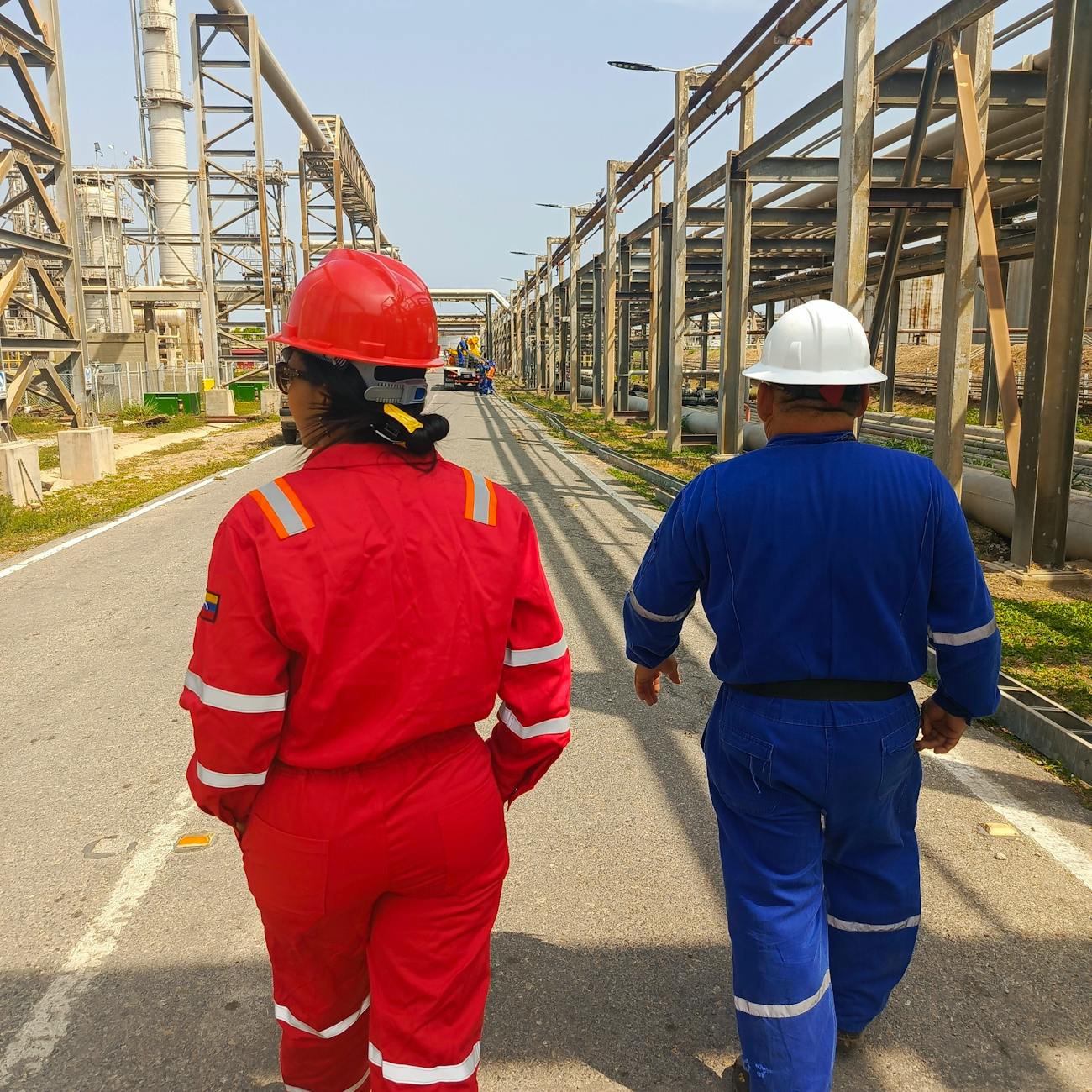
Hazard is any source of potential damage, injury or ill‑health to a person or group of people. In the workplace, hazards may be physical, chemical, biological, ergonomic or psychosocial. For example, a wet floor is a physical hazard that can cause slips, while exposure to asbestos represents a chemical hazard that may lead to long‑term disease. Identifying hazards is the first step in any health and safety management system because without knowledge of what could go wrong, it is impossible to control it.
Risk is the combination of the likelihood that a hazard will cause harm and the severity of the outcome. A high‑risk situation involves both a strong probability of occurrence and serious consequences. Risk is expressed qualitatively (low, medium, high) or quantitatively (e.g., a 1 in 10,000 chance of injury). Understanding risk allows managers to prioritise actions; a low‑risk hazard may be monitored, while a high‑risk one requires immediate control.
Risk assessment is the systematic process of examining what could cause harm, evaluating the likelihood and severity, and deciding on appropriate controls. A typical risk assessment includes: (1) identifying the hazard; (2) determining who might be harmed and how; (3) evaluating existing controls; (4) estimating the level of risk; and (5) recommending additional measures. The activity is documented, reviewed regularly, and updated whenever there is a change in the workplace, such as new equipment or altered processes.
Control measures are actions taken to eliminate or reduce the risk associated with a hazard. Controls can be engineering solutions (e.g., machine guarding), administrative changes (e.g., safe‑working procedures), or the provision of personal protective equipment (PPE). The effectiveness of a control measure depends on correct selection, implementation, maintenance and employee training. For instance, installing a ventilation system to remove dust is more reliable than simply asking workers to wear respirators, because the former eliminates the hazard at the source.
Hierarchy of control is a framework that ranks control options from most to least effective. The order is: elimination, substitution, engineering controls, administrative controls, and finally PPE. The hierarchy encourages organisations to seek the most robust solutions first. An example: if a noisy machine can be replaced with a quieter model (substitution), this is preferable to providing earplugs (PPE) because it removes the hazard rather than merely protecting the worker.
Personal protective equipment, commonly abbreviated as PPE, includes items such as gloves, safety glasses, hearing protectors, hard hats and safety footwear. PPE is considered the last line of defence and should only be used when hazards cannot be adequately controlled by higher‑order measures. Proper selection, fitting, maintenance and training are essential; a poorly fitted respirator, for example, can give a false sense of security and increase exposure.
Occupational health refers to the promotion and maintenance of physical and mental well‑being of workers. It encompasses activities such as health surveillance, fitness‑for‑work assessments, and the management of work‑related illnesses. Occupational health professionals may monitor exposure to hazardous substances, conduct hearing tests for employees in noisy environments, and develop wellness programmes that address stress and fatigue.
Ergonomics is the scientific study of how people interact with their work environment, equipment and tasks. The aim is to design jobs that fit the worker’s capabilities and limitations, thereby reducing the risk of musculoskeletal disorders (MSDs). Practical ergonomic interventions include adjustable workstations, tools with anti‑vibration handles, and job rotation schedules that vary repetitive tasks.
Incident is any unplanned event that results in or could have resulted in injury, ill‑health, damage to property or the environment. Incidents are classified as accidents when they cause actual harm, and as near‑misses or “close calls” when they do not. Recording all incidents, regardless of outcome, provides valuable data for trend analysis and preventative action.
Near miss, sometimes called a close call, occurs when an event could have caused injury or damage but did not, often due to chance. Near‑miss reporting is crucial because it highlights hidden hazards that have not yet resulted in harm. Encouraging staff to report near misses without fear of blame helps build a proactive safety culture.
Accident is an incident that leads to injury, illness, property damage or environmental impact. Accidents are investigated to determine root causes, which may include unsafe conditions, inadequate training, or procedural failures. The findings guide corrective actions to prevent recurrence.
Investigation is the systematic examination of an accident or near miss to identify underlying causes. A thorough investigation follows a structured methodology such as the “5 Whys” or fishbone diagram, and involves collecting evidence, interviewing witnesses, and reviewing documentation. The goal is not to assign blame but to uncover systemic weaknesses and implement lasting improvements.
Root cause analysis (RCA) is a technique used during investigations to trace an incident back to fundamental organisational or technical failures. By repeatedly asking “why” a particular condition existed, investigators can move beyond superficial explanations. For example, if a worker slips on a wet floor, the immediate cause is the wet surface; the root cause might be inadequate floor‑maintenance procedures or insufficient signage.
Corrective action refers to the steps taken to eliminate the identified root causes of an incident. Corrective actions may involve revising procedures, providing additional training, repairing equipment or reinforcing supervision. They differ from preventive actions, which are proactive measures taken before an incident occurs.
Preventive action is any measure implemented to avoid the occurrence of a potential incident. Preventive actions are often derived from trend analysis of incident data, hazard inspections, or risk assessments. Examples include routine equipment inspections, safety drills, and the introduction of new engineering controls.
Safety culture describes the shared values, attitudes, competencies and behaviours that determine an organisation’s commitment to health and safety. A strong safety culture is characterised by visible leadership, open communication, employee involvement and continuous learning. Conversely, a weak safety culture may exhibit complacency, lack of accountability and resistance to change.
Safety leadership is the practice of influencing others to achieve health‑ and safety‑related objectives. Effective leaders model safe behaviours, allocate resources for safety initiatives, and empower employees to participate in risk management. Leadership can be demonstrated at all levels, from senior executives setting strategic policy to frontline supervisors enforcing safe work practices.
Consultation is the process of engaging employees and their representatives in decisions that affect health and safety. Legal frameworks often require employers to consult on matters such as risk assessments, policy development and changes to work arrangements. Genuine consultation improves the quality of decisions and promotes ownership of safety initiatives.
Communication in health and safety involves the timely and clear exchange of information about hazards, controls, incidents and policies. Effective communication tools include toolbox talks, safety bulletins, signage, digital alerts and training sessions. The message must be understandable to all audiences, including non‑English speakers, and reinforced through repetition.
Training equips workers with the knowledge and skills required to perform their duties safely. Training programmes should be based on identified needs, delivered by competent instructors, and evaluated for effectiveness. Types of training include induction, task‑specific instruction, refresher courses and specialised programmes such as confined‑space entry.
Induction is the initial orientation provided to new employees, covering organisational policies, emergency procedures, hazard awareness and the use of PPE. A well‑structured induction reduces the likelihood of early‑stage incidents and helps integrate newcomers into the safety culture.
Competence combines knowledge, skills and attitudes required to perform a job safely and effectively. Competence is demonstrated through training, experience, assessment and ongoing performance monitoring. Employers have a duty to ensure that workers are competent before assigning them to tasks that involve risk.
Supervision is the act of overseeing work activities to ensure compliance with safety procedures and standards. Effective supervision includes monitoring, coaching, providing feedback and intervening when unsafe behaviour is observed. Supervisors must be knowledgeable about hazards and empowered to enforce controls.
Standard operating procedure, abbreviated as SOP, is a documented set of step‑by‑step instructions that describe how to carry out routine operations safely. SOPs standardise practices, reduce variability and serve as a reference for training and audits. They should be reviewed regularly to incorporate lessons learned and changes in technology.
Audit is a systematic, independent examination of an organisation’s health‑ and safety‑management system to determine whether it conforms to planned arrangements and regulatory requirements. Audits can be internal or external, and they typically assess policy implementation, record‑keeping, training effectiveness and compliance with legislation.
Inspection is a visual examination of the workplace, equipment and processes to identify hazards and verify that controls are in place. Inspections are usually carried out on a scheduled basis, but they can also be triggered by incidents or changes in operations. Findings are recorded, communicated and followed up with corrective actions.
Legislation refers to the body of laws, regulations and statutory instruments that govern health and safety in a particular jurisdiction. Key pieces of legislation often include an occupational health and safety act, specific regulations for hazardous substances, fire safety codes and employment standards. Compliance with legislation is a minimum legal requirement; best practice often exceeds statutory obligations.
Regulation is a detailed rule issued under the authority of primary legislation. Regulations specify technical requirements, such as exposure limits for chemicals, mandatory training frequencies, or inspection intervals. Failure to comply with regulations can result in enforcement actions, fines or prosecution.
Compliance means adhering to legal and organisational requirements. In health and safety, compliance involves meeting the standards set out in legislation, following internal policies and maintaining records that demonstrate conformance. Compliance monitoring may include self‑assessment checklists, external inspections and performance metrics.
Enforcement is the action taken by regulatory authorities to ensure that organisations meet their legal obligations. Enforcement mechanisms range from informal advice and improvement notices to formal prosecutions and penalties. A proactive compliance strategy reduces the risk of enforcement actions and associated reputational damage.
Permit‑to‑work system is a formal written procedure used to control hazardous work activities, such as hot‑work, confined‑space entry or electrical isolation. The system ensures that all hazards are identified, risk controls are applied, and authorised personnel sign‑off before work begins. Permits are typically issued by a designated supervisor and must be displayed at the worksite.
Lockout/Tagout (LOTO) is a safety procedure used to ensure that machines are de‑energised and cannot be started accidentally while maintenance or repair work is performed. The process involves physically locking the energy‑isolating device and attaching a tag that identifies the person responsible. Proper LOTO prevents serious injuries caused by unexpected energisation.
Confined space is an area that is not designed for continuous occupancy, has limited means of entry or exit, and may contain hazardous atmospheres. Examples include tanks, pits, sewers and silos. Working in confined spaces requires specific training, atmospheric testing, rescue planning and a permit‑to‑work arrangement.
Atmospheric monitoring involves measuring parameters such as oxygen level, combustible gases, toxic vapours and temperature in a confined space or other hazardous environment. Continuous or spot monitoring helps determine whether conditions are safe for entry and whether ventilation or respiratory protection is required.
Emergency response is the coordinated action taken to protect life, property and the environment when an incident occurs. An emergency response plan outlines roles, communication channels, evacuation routes, assembly points and procedures for fire, spill, medical emergency or natural disaster. Regular drills and reviews keep the plan effective.
Fire safety encompasses measures to prevent fire, detect it early and suppress it quickly. Key components include fire risk assessments, fire‑extinguishing equipment, alarms, evacuation drills and clear escape routes. Fire safety also involves training employees on the use of extinguishers and understanding fire classifications.
Spill control refers to the procedures for containing, containing, cleaning and disposing of hazardous substances that have been released unintentionally. Effective spill control requires readily available spill kits, trained personnel, containment booms and proper waste handling procedures. Prompt response minimises environmental impact and health risks.
Medical surveillance is a systematic program of health monitoring for employees exposed to specific hazards, such as noise, chemicals or radiation. Surveillance may include periodic hearing tests, lung function tests, blood sampling or skin examinations. Early detection of occupational disease enables timely intervention and supports regulatory compliance.
Exposure limit is a legally defined maximum concentration of a hazardous substance to which workers may be exposed over a specified time period, typically an 8‑hour workday. Common terms include Time‑Weighted Average (TWA), Short‑Term Exposure Limit (STEL) and Ceiling Limit. Employers must monitor exposure levels and implement controls to stay within these limits.
Control banding is a risk‑management approach that groups chemicals or processes into bands based on hazard severity and exposure potential, then prescribes generic control measures for each band. Control banding is useful when detailed exposure data are unavailable, providing a pragmatic way to protect workers.
Safety data sheet, abbreviated as SDS, is a document that provides detailed information about a hazardous chemical, including its properties, hazards, handling precautions, personal protective equipment, first‑aid measures and disposal requirements. SDSs must be readily accessible to all personnel who may encounter the substance.
Material safety data sheet (MSDS) is the former term for the safety data sheet. Although some jurisdictions still use the term MSDS, the modern standard is SDS, which follows a globally harmonised format. Understanding the information in the SDS is essential for safe handling and emergency response.
Hazard communication is the practice of informing workers about the hazards of chemicals they use, typically through labeling, SDSs, training and signage. Effective hazard communication ensures that employees can recognise risks and take appropriate protective actions.
Labeling provides immediate visual identification of a product’s hazards, ingredients and safe‑handling instructions. Labels must comply with regulatory standards, using standard symbols, signal words (such as “Danger” or “Warning”) and precautionary statements. Proper labeling reduces the chance of accidental misuse.
Signage includes safety signs, symbols and notices placed throughout the workplace to warn of hazards, indicate mandatory actions or provide directional information. Signs must be clear, visible, durable and positioned at appropriate heights. Consistent use of signage reinforces safety messages.
Behaviour‑based safety (BBS) is a proactive approach that focuses on observing and influencing employee behaviours to reduce unsafe actions. BBS programmes involve regular observations, feedback, reinforcement of safe practices and analysis of behavioural trends. The aim is to create a culture where safe behaviour becomes the norm.
Safety observation is a structured activity where a trained observer watches work tasks, records any unsafe acts or conditions, and provides immediate feedback. Observations are often recorded on a checklist and used to identify patterns that can be addressed through training or engineering controls.
Continuous improvement is a core principle of health and safety management, embodied in models such as Plan‑Do‑Check‑Act (PDCA). The concept encourages organisations to regularly review performance, learn from incidents, and implement enhancements to policies, procedures and controls.
Plan‑Do‑Check‑Act is a cyclical management method that promotes systematic improvement. “Plan” involves establishing objectives and processes; “Do” is the implementation; “Check” evaluates performance against the plan; and “Act” applies corrective actions to close gaps. Repeating the cycle drives progressive risk reduction.
Key performance indicator, abbreviated as KPI, is a measurable value used to assess the effectiveness of health‑ and safety‑related activities. Common safety KPIs include the number of lost‑time injuries, incident rates, audit findings closed, and training completion percentages. KPIs help management track progress and allocate resources.
Lost‑time injury (LTI) is an injury that results in an employee being unable to perform their regular duties for at least one full workday after the incident. LTIs are a critical metric because they reflect the severity of incidents and the impact on productivity.
Recordable injury is an injury that must be reported to occupational health and safety authorities or recorded in an organisation’s injury log, based on criteria such as medical treatment, days away from work or restricted duties. Accurate recordkeeping supports compliance and trend analysis.
Incident reporting is the formal process of documenting all workplace incidents, including accidents, near misses, property damage and environmental releases. Effective reporting captures details such as date, time, location, persons involved, description, immediate causes and corrective actions. Timely reporting enables rapid response and learning.
Root‑cause corrective action (RCCA) combines root‑cause analysis with the implementation of corrective measures. By addressing the underlying factors rather than symptoms, RCCA aims to prevent recurrence and improve overall system resilience.
Safety management system (SMS) is an integrated set of policies, procedures, practices and resources designed to manage health and safety risks. An SMS typically includes elements such as leadership commitment, hazard identification, risk assessment, control implementation, training, performance monitoring and continual improvement.
ISO 45001 is an international standard that specifies requirements for an occupational health and safety management system. ISO 45001 provides a framework for organisations to improve safety performance, comply with legal obligations and enhance stakeholder confidence. Certification demonstrates a commitment to systematic risk management.
Policy is a formal statement of an organisation’s intent, principles and expectations regarding health and safety. A safety policy sets the tone for the entire management system, articulates responsibilities, and outlines objectives. It should be communicated to all employees and reviewed periodically.
Procedure is a detailed, step‑by‑step description of how to carry out a specific task in accordance with the policy. Procedures provide the practical guidance needed to implement controls, conduct inspections, manage emergencies and perform other safety‑related activities.
Responsibility defines who is accountable for performing a particular safety function. Responsibilities may be assigned to individuals, teams, departments or external contractors. Clear allocation prevents gaps in coverage and ensures that tasks such as risk assessments, equipment maintenance and training are completed.
Authority is the power granted to an individual or role to make decisions, allocate resources, enforce compliance and direct actions related to health and safety. Authority must be matched with responsibility, and both should be documented in job descriptions or organisational charts.
Contractor management involves the selection, monitoring and evaluation of external parties who perform work on behalf of the organisation. Effective contractor management includes pre‑qualification based on safety performance, provision of site‑specific induction, supervision and post‑job reviews.
Supplier assessment is the process of evaluating the health‑ and safety standards of vendors who provide goods or services. Suppliers may be required to demonstrate compliance with relevant legislation, provide SDSs for chemicals, or show evidence of their own safety management systems.
Auditor competence is the requirement that individuals conducting audits possess the necessary knowledge, skills and experience to assess health and safety management systems objectively. Auditors must be independent of the area being audited to avoid conflicts of interest.
Documentation control ensures that all safety‑related documents, such as policies, procedures, risk assessments and training records, are kept up to date, accessible and protected from unauthorised alteration. Version control, review dates and approval signatures are essential components.
Record‑keeping involves maintaining accurate, complete and retrievable logs of safety activities, including incident reports, inspection findings, training attendance, medical surveillance results and audit reports. Good record‑keeping supports compliance, trend analysis and legal defence.
Legal register is a compiled list of all applicable health‑ and safety‑related statutes, regulations, codes of practice and standards that affect the organisation. The register is regularly reviewed to capture new or amended legal requirements, ensuring that the SMS remains compliant.
Risk register is a central database that records identified risks, their assessed levels, control measures, owners and review dates. The register provides a structured way to monitor risk status, track mitigation actions and communicate risk information to management.
Operational control refers to the day‑to‑day management of safety procedures, equipment maintenance, work permits and supervision. Operational control ensures that the strategic safety policies are translated into safe practices on the shop floor.
Strategic planning is the process of setting long‑term health and safety objectives, aligning them with business goals, and allocating resources to achieve them. Strategic planning may involve setting targets for injury reduction, implementing new technology or expanding safety culture initiatives.
Stakeholder engagement involves communicating with and involving individuals or groups who have an interest in the organisation’s safety performance. Stakeholders may include employees, unions, regulators, customers, community members and shareholders. Engagement builds trust and can uncover valuable perspectives on risk.
Psychosocial hazard is a source of psychological or social stress, such as excessive workload, bullying, harassment or lack of support. Psychosocial hazards can lead to mental health issues, reduced productivity and increased absenteeism. Managing these hazards requires policies on workplace behaviour, employee assistance programmes and supportive management practices.
Work‑related stress is a condition arising from an imbalance between job demands and the worker’s capacity to cope. Indicators of stress include fatigue, irritability, decreased concentration and physical symptoms. Employers can mitigate stress by adjusting workloads, providing flexible schedules and promoting a healthy work‑life balance.
Bullying and harassment are unwanted behaviours that create a hostile work environment. They can be verbal, physical or non‑verbal, and may be directed at an individual or a group. Clear anti‑bullying policies, reporting mechanisms and training are essential to prevent and address these issues.
Fatigue management involves strategies to reduce the risk of accidents caused by worker tiredness. Approaches include scheduling adequate rest periods, limiting overtime, monitoring shift patterns and educating staff on the signs of fatigue.
Health surveillance program is a systematic set of checks designed to detect early signs of work‑related ill‑health. Programs may include regular vision tests for workers exposed to bright lights, skin examinations for those handling chemicals, and hearing tests for employees in noisy environments.
Occupational disease is a medical condition caused by exposure to risk factors arising from work activities. Examples include asbestosis, silicosis, occupational dermatitis and carpal tunnel syndrome. Early identification through surveillance and exposure control can prevent progression.
Incident command system (ICS) is a standardized management structure used during emergencies to coordinate resources, personnel and information. ICS establishes clear roles such as Incident Commander, Operations Section Chief and Safety Officer, facilitating efficient response and communication.
Safety officer is a designated individual responsible for overseeing the implementation of safety policies, conducting inspections, advising on risk controls and ensuring compliance. The safety officer may also act as the Safety Officer within an incident command system.
Emergency evacuation is the planned movement of personnel from a danger zone to a safe location. Evacuation plans specify routes, assembly points, responsibilities for accounting for staff, and procedures for assisting individuals with disabilities.
First‑aid provision includes the availability of trained first‑aiders, appropriate medical supplies, and clear procedures for responding to injuries or sudden illness. The effectiveness of first‑aid provision is measured by response time, appropriate treatment and follow‑up care.
Rescue plan is a detailed set of actions designed to retrieve individuals from hazardous environments, such as confined spaces, heights or water. Rescue plans must be rehearsed regularly and include the necessary equipment, trained personnel and communication protocols.
Personal hygiene in the workplace refers to practices that reduce the transfer of contaminants from the work environment to the worker’s home or the public. Facilities such as washing stations, changing rooms and proper disposal containers support good hygiene.
Decontamination is the process of removing or neutralising hazardous substances from personnel, equipment or surfaces. Effective decontamination prevents the spread of contaminants and protects both workers and the environment.
Environmental impact assesses how workplace activities affect natural resources, ecosystems and community health. Environmental considerations include waste generation, emissions, water usage and noise pollution. Managing environmental impact aligns with broader sustainability goals.
Sustainable practice involves adopting methods that meet current safety and operational needs without compromising the ability of future generations to meet theirs. Examples include using recyclable packaging, implementing energy‑efficient lighting and reducing hazardous waste.
Waste management is the systematic handling of waste from generation to disposal, including segregation, storage, treatment and removal. Proper waste management prevents exposure to hazardous substances, reduces environmental contamination and ensures regulatory compliance.
Noise control involves strategies to reduce occupational exposure to harmful sound levels. Measures include engineering controls such as acoustic enclosures, administrative controls like rotating staff to limit exposure time, and the provision of hearing protectors.
Heat stress occurs when the body cannot dissipate heat fast enough, leading to conditions such as heat exhaustion or heat stroke. Preventative actions include providing shade, water, rest breaks, acclimatisation programmes and monitoring ambient temperature.
Cold stress results from prolonged exposure to low temperatures, potentially causing frostbite or hypothermia. Controls involve insulated clothing, heated break areas, limiting exposure duration and providing training on recognising symptoms.
Ergonomic assessment is a systematic evaluation of workstations, tools and tasks to identify risk factors for musculoskeletal disorders. Assessments may use checklists, posture analysis and worker feedback to recommend adjustments.
Manual handling refers to the lifting, moving, pushing, pulling or carrying of loads by hand. Safe manual‑handling practices include assessing load weight, using mechanical aids, maintaining a neutral spine and following a proper lifting technique.
Mechanical aid is any equipment that assists workers in moving loads, such as trolleys, hoists, conveyors or lift tables. Using mechanical aids reduces the likelihood of back injuries and improves efficiency.
Workplace inspection checklist is a tool that guides inspectors through a systematic review of potential hazards, ensuring consistency and completeness. Checklists may be generic or tailored to specific areas, such as laboratories, warehouses or construction sites.
Incident trend analysis examines patterns in incident data over time to identify recurring issues, high‑risk activities or emerging hazards. Trend analysis helps prioritise preventive actions and allocate resources effectively.
Safety incentive program offers rewards or recognition to employees who demonstrate safe behaviour, report hazards, or achieve injury‑free milestones. Incentives should be designed carefully to avoid unintended consequences, such as under‑reporting of incidents.
Behavioral reinforcement is the practice of positively acknowledging safe actions to encourage their repetition. Reinforcement can be verbal praise, certificates, or small rewards, and it strengthens the association between safety and positive outcomes.
Safety culture audit evaluates the underlying attitudes, beliefs and values that influence safety performance. Audits may involve surveys, focus groups, observation of behaviours and review of leadership commitment to gauge cultural strengths and weaknesses.
Safety climate is the measurable aspect of safety culture that reflects employees’ perception of the organisation’s safety priorities at a given point in time. Climate surveys provide actionable data for improvement initiatives.
Leadership commitment is demonstrated through visible actions such as allocating budget for safety, participating in safety walks, setting measurable targets and holding managers accountable for safety outcomes.
Employee involvement encourages workers to take an active role in identifying hazards, developing controls, and shaping safety policies. Mechanisms for involvement include safety committees, suggestion schemes and joint risk‑assessment teams.
Safety committee is a group of employee and management representatives that meets regularly to discuss safety issues, review incident reports, and recommend improvements. Committees serve as a bridge for communication and collaborative problem‑solving.
Joint health and safety committee (JHSC) is a legally mandated body in many jurisdictions, composed of employer and employee members, tasked with monitoring workplace health and safety, reviewing policies and facilitating consultation.
Consultation process should be transparent, timely and documented. Effective consultation involves informing workers of proposed changes, seeking their input, considering their feedback, and communicating the final decision along with the rationale.
Risk communication is the exchange of information about hazards, risk levels, and protective measures between experts and non‑experts. Clear risk communication builds understanding, trust and compliance.
Safety training matrix is a visual tool that maps training requirements to job roles, indicating the type of training, frequency, and competency level needed. The matrix assists planners in ensuring all staff receive appropriate instruction.
Competency assessment evaluates whether an employee possesses the required knowledge, skills and attitudes to perform a task safely. Assessments can be written tests, practical demonstrations, or on‑the‑job observations.
Training delivery methods include classroom instruction, e‑learning modules, on‑the‑job coaching, simulations and virtual reality. Selecting the appropriate method enhances retention and applicability.
Training evaluation measures the effectiveness of a programme through pre‑ and post‑test scores, feedback surveys, observation of behaviour change, and monitoring of incident rates. Evaluation informs continuous improvement of training content.
Safety performance review is a periodic meeting where management examines safety metrics, audit findings, incident trends and progress toward objectives. Reviews identify gaps, celebrate successes, and set new targets.
Management review is a formal evaluation of the entire health and safety management system by senior leadership. The review assesses system suitability, effectiveness, compliance status and resource adequacy, leading to strategic decisions.
Documented information is a term used in modern standards to describe any recorded data required to demonstrate conformity, such as policies, procedures, risk assessments, audit reports and corrective‑action records.
Change management is the structured approach to transitioning individuals, teams and organisations from a current state to a desired future state. In safety, change management ensures that modifications to processes, equipment or layout do not introduce new hazards.
Risk register review is a scheduled activity, typically quarterly or annually, where each listed risk is examined for changes in likelihood, severity, control effectiveness, or ownership. Updated risks are re‑ranked and actions are adjusted accordingly.
Audit finding is a non‑conformity or observation identified during an audit that indicates a deviation from the established safety management system or regulatory requirement. Findings are categorised by severity and assigned corrective actions.
Corrective‑action plan outlines the steps, responsibilities, deadlines and resources needed to address audit findings. The plan is monitored for progress, and completion is verified through follow‑up audits.
Preventive‑action plan addresses potential issues before they occur, based on analysis of trends, near‑miss data or emerging hazards. Preventive actions are proactive and aim to strengthen the system’s resilience.
Safety hierarchy extends the traditional hierarchy of control by incorporating organisational elements such as leadership, culture, and employee involvement. The hierarchy recognises that technical controls alone are insufficient without supportive organisational factors.
Safety performance indicator (SPI) is a metric that provides insight into how well safety objectives are being achieved. SPIs may be leading (e.g., number of safety suggestions submitted) or lagging (e.g., lost‑time injury rate).
Leading indicator predicts future safety performance by measuring proactive activities, such as training hours, safety observations, or compliance with inspections. Leading indicators help identify areas needing attention before incidents occur.
Lagging indicator reflects outcomes that have already happened, such as injury counts, claim costs or regulatory fines. While lagging indicators are important for reporting, they do not provide the same predictive value as leading indicators.
Safety data analytics involves applying statistical techniques to safety data sets to uncover hidden patterns, correlations and trends. Advanced analytics may use regression analysis, heat maps or machine‑learning algorithms to guide decision‑making.
Benchmarking compares an organisation’s safety performance against industry standards, best practices or peer organisations. Benchmarking identifies gaps and opportunities for improvement, and can motivate higher performance through healthy competition.
Regulatory compliance audit focuses specifically on verifying that the organisation meets all applicable legal requirements. The audit checklist includes review of permits, licences, training records, incident reporting and environmental controls.
Internal audit is conducted by staff within the organisation to assess the effectiveness of the health and safety management system. Internal auditors provide objective feedback, identify improvement opportunities and prepare the organisation for external inspections.
External audit is performed by an independent third party, such as a certification body or regulatory agency. External audits provide an impartial assessment of compliance and system performance, often resulting in certification or formal enforcement actions.
Certification is the formal recognition that an organisation’s health and safety management system conforms to a specific standard, such as ISO 45001. Certification is granted after a successful audit and is valid for a defined period, subject to surveillance audits.
Surveillance audit is a periodic audit conducted to verify that an organisation continues to meet the requirements of a certification standard. Surveillance audits are less comprehensive than initial certification audits but ensure ongoing compliance.
Accreditation is the formal recognition by an authoritative body that a certification or inspection body is competent to perform its duties. Accreditation provides confidence in the credibility of audit results.
Legal liability arises when an organisation fails to meet its statutory duties, resulting in injury, illness or environmental damage. Liability can lead to civil claims, fines, penalties and reputational harm.
Insurance coverage provides financial protection against losses resulting from workplace incidents. Types of coverage include workers’ compensation, public liability, employer’s liability and environmental liability. Insurance does not replace the need for robust risk management.
Workers’ compensation is a statutory insurance program that provides wage replacement and medical benefits to employees who suffer work‑related injuries or illnesses. Employers typically contribute to the fund, and the system is administered by a government agency.
Insurance claim is a formal request for payment under an insurance policy following a covered incident. Accurate documentation of the incident, medical reports and cost estimates are essential for successful claim processing.
Rehabilitation program supports injured workers in returning to their pre‑injury duties or suitable alternative work. Programs may include physiotherapy, occupational therapy, vocational training and workplace accommodations.
Return‑to‑work plan outlines the steps for reintegrating an employee after injury, including modified duties, gradual increase in workload, and monitoring of health status. Effective return‑to‑work plans reduce absenteeism and promote recovery.
Occupational health nurse provides health services in the workplace, including first aid, health surveillance, vaccination programmes, and advice on ergonomics and wellness. The nurse acts as a liaison between employees, management and external health providers.
Health surveillance program monitors workers for early signs of occupational disease, using periodic medical examinations, questionnaires and exposure assessments. Surveillance data guide preventive actions and inform risk assessments.
Exposure monitoring measures the concentration of hazardous agents in the workplace air or on surfaces. Monitoring methods include personal sampling pumps, area monitors, and real‑time detectors. Results determine whether controls are effective and if additional measures are needed.
Air‑borne contaminant includes dust, fumes, vapours, gases and biological agents that can be inhaled. Controlling airborne contaminants typically involves ventilation, enclosure, substitution and respiratory protection.
Ventilation system supplies fresh air, removes contaminated air, and controls temperature and humidity. Types of ventilation include general dilution, local exhaust, and pressurisation systems. Proper design and maintenance are critical for effectiveness.
Local exhaust ventilation (LEV) captures contaminants at the source before they disperse into the workplace. LEV components include hoods, ducts, fans, filters and air cleaners. Regular testing ensures capture efficiency meets design specifications.
General ventilation dilutes contaminants by supplying fresh air and exhausting stale air. It is suitable for low‑level hazards where local controls are not feasible. Design considerations include airflow rates, distribution, and temperature control.
Personal protective equipment selection follows a step‑wise process: (1) identify the hazard; (2) assess the level of risk; (3) evaluate available controls; (4) select appropriate PPE based on protection level, comfort, durability and compatibility; (5) provide training on use and maintenance.
Fit testing determines whether a respirator forms a proper seal on the wearer’s face. Two methods are commonly used: qualitative (subjective) and
Key takeaways
- Identifying hazards is the first step in any health and safety management system because without knowledge of what could go wrong, it is impossible to control it.
- Understanding risk allows managers to prioritise actions; a low‑risk hazard may be monitored, while a high‑risk one requires immediate control.
- A typical risk assessment includes: (1) identifying the hazard; (2) determining who might be harmed and how; (3) evaluating existing controls; (4) estimating the level of risk; and (5) recommending additional measures.
- For instance, installing a ventilation system to remove dust is more reliable than simply asking workers to wear respirators, because the former eliminates the hazard at the source.
- An example: if a noisy machine can be replaced with a quieter model (substitution), this is preferable to providing earplugs (PPE) because it removes the hazard rather than merely protecting the worker.
- Personal protective equipment, commonly abbreviated as PPE, includes items such as gloves, safety glasses, hearing protectors, hard hats and safety footwear.
- Occupational health professionals may monitor exposure to hazardous substances, conduct hearing tests for employees in noisy environments, and develop wellness programmes that address stress and fatigue.