
Sustainable Landscape Design Principles
Sustainable Landscape Design is a multidisciplinary field that integrates ecological, social, and economic principles to create outdoor spaces that function efficiently, support biodiversity, and provide long‑term benefits to communities. I…
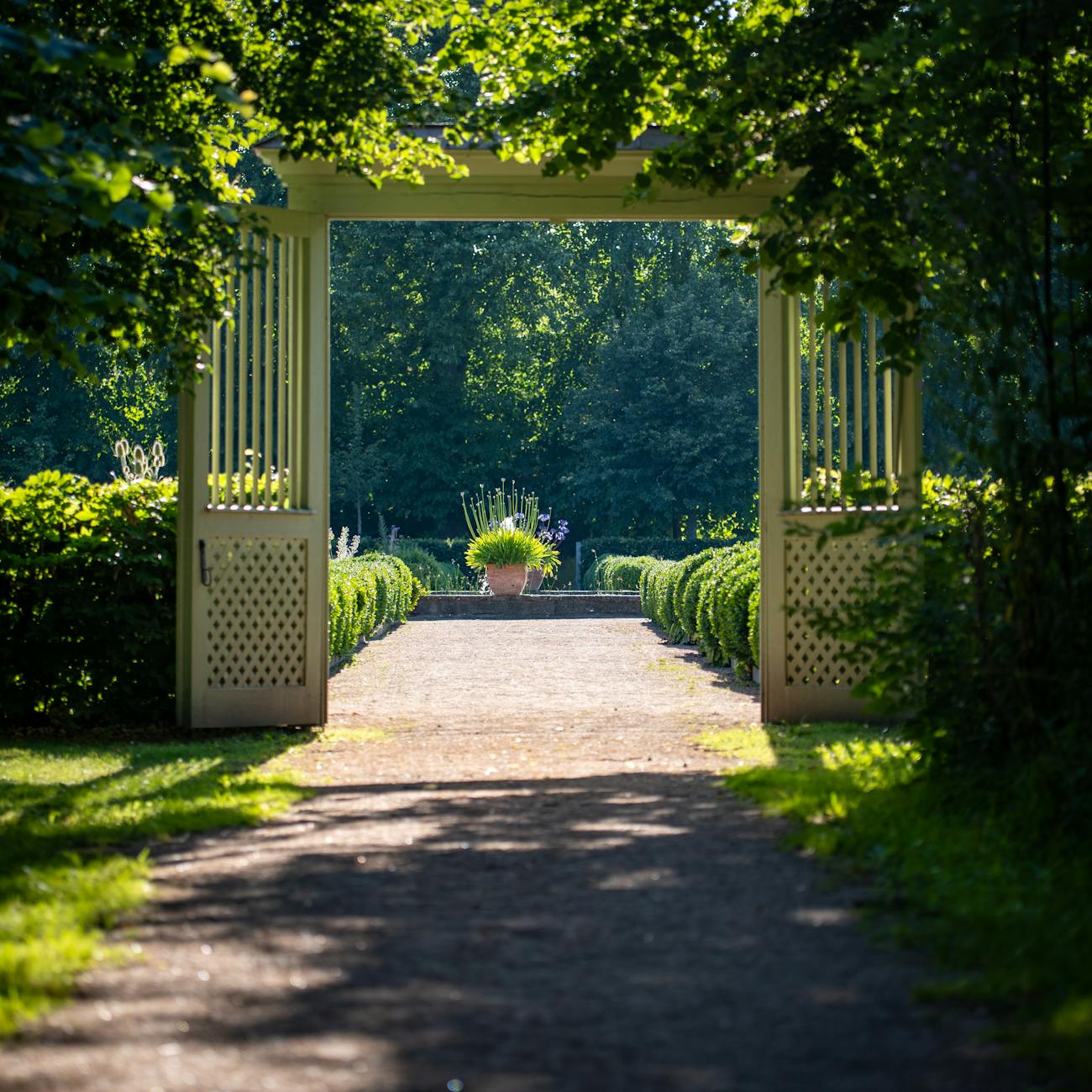
Sustainable Landscape Design is a multidisciplinary field that integrates ecological, social, and economic principles to create outdoor spaces that function efficiently, support biodiversity, and provide long‑term benefits to communities. In the context of an Advanced Certificate in Landscape Engineering and Design, students must master a core set of terms and concepts that form the language of sustainable practice. The following explanation provides detailed definitions, examples, practical applications, and common challenges associated with each key term. The content is organized to allow easy reference and to support deeper learning through real‑world scenarios.
Ecological Design refers to the intentional planning of landscapes that mimic natural processes and promote ecosystem health. This approach emphasizes the use of native species, the preservation of existing habitats, and the minimization of resource inputs such as water, fertilizers, and energy. For example, a site‑specific planting plan that replaces an invasive grass with a mix of native prairie species reduces the need for irrigation and chemical control while providing habitat for pollinators. One major challenge in ecological design is balancing aesthetic expectations with the functional requirements of the ecosystem, especially when clients desire formal, highly manicured spaces that may conflict with naturalistic planting schemes.
Perennial Planting involves selecting plants that live for multiple years, returning each growing season without the need for re‑planting. Perennials typically develop deeper root systems than annuals, improving soil structure, increasing water infiltration, and reducing the frequency of soil disturbance. A practical application is the creation of a perennial meadow adjacent to a stormwater retention basin; the meadow captures runoff, filters pollutants, and provides seasonal visual interest. Challenges include selecting species that can tolerate local climate extremes and ensuring that the planting design accommodates succession dynamics, where aggressive species may dominate over time if not managed.
Stormwater Management encompasses techniques that control the quantity and quality of runoff from a site. Key methods include bioswales, rain gardens, permeable pavements, and detention basins. For instance, a bioswale lined with a mixture of grasses and sedges can slow water flow, promote infiltration, and remove sediments before the water reaches a municipal storm drain. Implementing stormwater management often encounters regulatory hurdles, such as meeting local runoff coefficients, and may require coordination with civil engineers to integrate hydraulic calculations into the landscape design.
Low‑Impact Development (LID) is a design philosophy that seeks to manage stormwater close to its source, preserving natural hydrologic functions. LID strategies include green roofs, rain barrels, and constructed wetlands. A green roof, for example, provides insulation, reduces peak runoff, and creates habitat for insects and birds. The main challenge with LID is ensuring that the selected technologies are appropriate for the site’s structural capacity and climate; a green roof on an old building may require significant retrofitting, and rain barrels may be insufficient in regions with high precipitation intensity.
Water‑Sensitive Urban Design (WSUD) combines landscape architecture with water engineering to create urban environments that are resilient to flooding while enhancing water quality. WSUD projects often integrate swales, vegetated gutters, and detention ponds into streetscapes. A city block redesign that replaces conventional sidewalks with permeable pavers and incorporates a vegetated curb can reduce surface runoff by up to 40 percent. The complexity of WSUD lies in aligning design intent with municipal stormwater regulations and in securing interdisciplinary collaboration among planners, engineers, and landscape architects.
Native Plant Species are those that have evolved in a particular region without human intervention. These plants are adapted to local soils, climate, and wildlife, making them ideal for sustainable landscapes. Using native species reduces the need for supplemental watering, fertilization, and pest control. For example, planting eastern redbud and black-eyed susan in a Mid‑Atlantic garden supports native pollinators and requires minimal maintenance. A frequent challenge is the limited availability of native plants in commercial nurseries, which may necessitate custom propagation or the development of plant‑sourcing partnerships with local botanical gardens.
Invasive Species Management involves identifying, controlling, and preventing the spread of non‑native species that outcompete native flora and fauna. Management techniques range from mechanical removal and targeted herbicide application to biological control agents. In a restoration project, early detection of an aggressive invader such as Japanese knotweed can prevent costly eradication efforts later. The principal obstacle is balancing rapid control measures with ecological sensitivity; aggressive herbicide use may harm non‑target species and disrupt soil microbial communities.
Soil Health is a holistic concept that includes physical structure, chemical fertility, and biological activity. Healthy soils exhibit good aggregation, adequate organic matter, balanced pH, and a diverse microbial population. Practices that improve soil health include compost amendment, mulching, and reduced tillage. A practical illustration is the use of a compost‑rich mulch layer beneath a planting bed, which suppresses weeds, conserves moisture, and gradually enriches the underlying soil. Challenges include diagnosing soil deficiencies accurately and developing site‑specific amendment plans that avoid nutrient leaching or over‑fertilization.
Compost and Organic Amendments are derived from the decomposition of plant residues, animal manures, and other organic waste. They enhance soil structure, increase water‑holding capacity, and provide slow‑release nutrients. Applying a 2‑inch layer of well‑composted material to a newly graded site can reduce the need for synthetic fertilizers by up to 30 percent over the first three years. One difficulty is ensuring the compost is free of pathogens, weed seeds, and heavy metals, which requires careful sourcing and testing.
Mulching involves covering the soil surface with organic or inorganic materials to conserve moisture, moderate temperature, and suppress weeds. Organic mulches, such as shredded bark or straw, decompose over time, adding organic matter to the soil. Inorganic options, like gravel or landscape fabric, provide longer‑lasting weed control but do not improve soil fertility. A common challenge is selecting mulch depth that balances moisture retention with adequate airflow; overly thick organic mulch can create anaerobic conditions that harm root growth.
Green Infrastructure describes a network of natural and semi‑natural features that deliver ecosystem services, such as air purification, temperature regulation, and flood mitigation. Examples include urban forests, vegetated rooftops, and riparian buffers. Incorporating a series of street trees along a downtown corridor can lower ambient temperatures by up to 5 °C during heat waves, reducing energy demand for cooling. The main difficulty is securing funding and long‑term maintenance commitments for green infrastructure projects, which often extend beyond the traditional design‑build contract period.
Biophilic Design integrates natural elements into built environments to enhance human well‑being and foster a connection to nature. This can involve the strategic placement of water features, the use of natural materials, and the creation of view corridors toward green spaces. A corporate campus that includes a central garden with a water cascade and ample seating encourages employee relaxation and can improve productivity metrics. The challenge lies in quantifying the psychological benefits of biophilic elements and justifying them within a cost‑benefit analysis framework.
Ecological Succession is the natural process by which plant communities change over time, moving from pioneer species to a stable climax community. Understanding succession helps designers anticipate how a planted area will evolve and plan for long‑term maintenance. For instance, a restoration site seeded with fast‑growing grasses will initially stabilize the soil, allowing later introduction of woody perennials that will become dominant as the site matures. A common obstacle is managing undesired successional pathways, such as the encroachment of woody shrubs into meadow areas, which may require periodic mowing or selective removal.
Habitat Connectivity refers to the linkage of fragmented natural areas to enable wildlife movement and genetic exchange. Landscape designers can create corridors using hedgerows, riparian strips, or stepping‑stone habitats. A practical example is the planting of a continuous native shrub line along a highway median, providing a safe passage for small mammals and birds. The primary challenge is acquiring land rights or easements necessary to establish these corridors, especially in densely built environments.
Ecological Footprint is a metric that quantifies the amount of land and resources required to support a given activity or development. In landscape design, reducing the ecological footprint involves minimizing material waste, using locally sourced products, and designing for energy efficiency. For example, selecting locally quarried stone for a patio reduces transportation emissions compared with importing exotic granite. A difficulty is translating abstract footprint calculations into concrete design decisions that clients can understand and value.
Energy Efficiency in landscape projects focuses on reducing the energy consumption associated with irrigation, lighting, and building operations. Strategies include installing drip irrigation systems with soil moisture sensors, using LED lighting with motion detectors, and orienting outdoor spaces to maximize natural daylight. A residential garden that employs a solar‑powered pump for a water feature can achieve a 70 percent reduction in grid electricity use. The challenge often lies in the upfront capital cost of high‑efficiency technologies and the need to demonstrate long‑term return on investment.
Renewable Materials are derived from resources that can be replenished on a human timescale, such as bamboo, reclaimed timber, and recycled plastic lumber. Using renewable materials reduces reliance on finite resources and often lowers embodied carbon. A park pavilion constructed from reclaimed cedar beams not only showcases sustainable sourcing but also adds historical character. The main obstacle is ensuring that renewable materials meet performance standards for durability, especially in harsh climates where moisture and UV exposure can accelerate degradation.
Life‑Cycle Assessment (LCA) is a systematic analysis of the environmental impacts associated with a product or system from extraction through disposal. Landscape designers use LCA to compare alternatives, such as the carbon footprint of a concrete pathway versus a permeable paver system. Conducting an LCA requires gathering data on material production, transportation, installation, maintenance, and end‑of‑life options. The difficulty is the complexity of data collection and the need for specialized software tools, which may be beyond the scope of a typical design studio without institutional support.
Carbon Sequestration is the process by which carbon dioxide is captured from the atmosphere and stored in vegetation, soils, or geological formations. Planting trees and establishing deep‑rooted perennials can increase a site’s carbon sink capacity. A community park that incorporates a mixed‑age forest stand can sequester several tons of CO₂ over a decade, contributing to climate mitigation goals. Challenges include accurately measuring sequestration rates and accounting for carbon emissions associated with site preparation, such as machinery fuel use.
Resilience describes the ability of a landscape to absorb disturbances—such as drought, flooding, or pest outbreaks—and still retain its essential functions. Designing for resilience involves selecting drought‑tolerant species, creating redundant water pathways, and incorporating flexible hardscape elements that can be reconfigured after extreme events. An example is a park that uses a series of low‑lying swales that can temporarily store floodwater, then dry out to support recreational activities once the event passes. The main challenge is predicting the frequency and intensity of future disturbances in a changing climate, which adds uncertainty to design decisions.
Adaptive Management is an iterative process of monitoring, evaluating, and adjusting management actions based on observed outcomes. In landscape design, adaptive management may involve periodic soil testing, vegetation health assessments, and water usage tracking to refine maintenance practices. For a newly installed rain garden, designers might monitor infiltration rates over the first two years and adjust substrate composition if performance falls below target thresholds. The difficulty lies in allocating resources for long‑term monitoring and ensuring that stakeholders are committed to an ongoing feedback loop rather than a one‑time installation.
Green Roof systems consist of a vegetated layer installed on top of a building envelope, providing insulation, stormwater retention, and habitat. Green roofs can be extensive (lightweight, low‑maintenance) or intensive (deeper substrate, diverse plantings). A municipal library with an extensive green roof can reduce peak runoff by 60 percent and lower heating costs by up to 15 percent. Implementation challenges include structural load limitations, waterproofing integrity, and the need for specialized maintenance crews familiar with roof ecology.
Living Wall (or vertical garden) integrates plantings onto building façades, offering aesthetic appeal, air purification, and microclimate regulation. Systems typically use modular panels with built‑in irrigation and growth media. A corporate office that installs a living wall in its lobby can achieve a measurable reduction in indoor VOC concentrations while creating a striking visual feature. Common obstacles include ensuring adequate water supply, preventing water damage to the building envelope, and managing plant health in a high‑light, high‑temperature environment.
Rainwater Harvesting captures precipitation from rooftops and stores it for later use, reducing reliance on municipal water supplies. Collected rainwater can be used for irrigation, toilet flushing, or even potable purposes after proper treatment. A residential development that incorporates underground cisterns sized to capture a 2‑inch storm event can meet up to 70 percent of its irrigation demand. Challenges include designing storage capacity that aligns with local rainfall patterns, complying with health regulations, and integrating control systems that prevent over‑filling or contamination.
Permeable Pavement allows water to infiltrate through its surface, reducing runoff and recharging groundwater. Types include porous concrete, interlocking pavers with void spaces, and resin‑bound surfaces. A university campus pathway constructed with permeable pavers can achieve infiltration rates of 0.5 Inches per hour, significantly lowering the volume of water entering storm drains. The main difficulty is ensuring long‑term durability under traffic loads and preventing clogging of the underlying void spaces, which may require periodic vacuum cleaning.
Bioretention systems combine engineered soils, vegetation, and drainage media to treat runoff through physical, chemical, and biological processes. A bioretention cell placed at the end of a parking lot can remove up to 80 percent of suspended solids and a substantial portion of nutrients before discharge. Designing effective bioretention requires careful selection of soil mix, plant species, and outlet controls to prevent short‑circuiting and to maintain hydraulic performance. Common challenges include space constraints in dense urban settings and the need for regular maintenance to remove accumulated sediments.
Ecotone is a transitional zone between two distinct ecosystems, often characterized by increased biodiversity and unique microclimates. In landscape design, ecotones can be intentionally created to enhance habitat value, such as a meadow‑forest edge that supports both grassland birds and forest understory species. Managing ecotones involves monitoring for invasive species that may exploit the edge environment and adjusting mowing regimes to protect sensitive flora. The difficulty lies in balancing the ecological benefits of a diverse ecotone with the aesthetic preferences of clients who may favor clearly defined boundaries.
Habitat Restoration aims to return a degraded site to a condition that supports native species and ecosystem functions. Restoration projects may involve soil remediation, re‑planting native vegetation, and re‑establishing hydrologic regimes. An example is the conversion of a former industrial brownfield into a wetland that provides breeding grounds for amphibians and waterfowl. Restoration challenges include dealing with contaminated soils, securing sufficient funding, and achieving measurable ecological outcomes within a reasonable timeframe.
Urban Forest refers to the collection of trees within a city, providing ecosystem services such as air purification, carbon sequestration, and temperature moderation. Tree selection for an urban forest must consider species tolerance to pollution, limited rooting space, and mechanical stress from wind. A city block planted with a mix of hardy species like ginkgo and London plane can improve air quality indices by reducing particulate matter concentrations. The principal challenge is long‑term stewardship, as urban trees often suffer from inadequate watering, soil compaction, and vandalism.
Heat Island Mitigation strategies aim to reduce the temperature differentials between urban cores and surrounding rural areas. Techniques include increasing vegetated surfaces, installing reflective roofing materials, and enhancing airflow through street layout modifications. A downtown plaza resurfaced with light‑colored pavers and shaded by a canopy of trees can lower surface temperatures by several degrees, decreasing the demand for air‑conditioning. Implementing heat island mitigation often requires coordination with municipal planning departments and may be limited by existing building footprints.
Water Quality Trading is a market‑based approach that allows entities with higher water pollution control costs to purchase credits from those that can achieve reductions more cheaply. Landscape designers can contribute by creating high‑performance stormwater controls that generate credits for nearby industrial facilities. An example is a large commercial development that installs a series of underground detention chambers, earning credits that are sold to a neighboring manufacturing plant. The complexity of water quality trading lies in navigating regulatory frameworks, credit verification processes, and ensuring that the generated improvements are truly additional.
Ecological Indicator Species are organisms whose presence, abundance, or health reflects the condition of an ecosystem. Monitoring indicator species, such as amphibians in wetland restorations or monarch butterflies in pollinator gardens, provides valuable feedback on design performance. For instance, a rise in dragonfly populations within a constructed pond suggests that water quality and habitat structure are suitable for higher trophic levels. The difficulty is selecting appropriate indicators that are sensitive enough to detect changes yet robust enough to avoid false signals caused by short‑term fluctuations.
Integrated Pest Management (IPM) combines cultural, mechanical, biological, and chemical controls to manage pests while minimizing environmental impact. Landscape IPM may include selecting pest‑resistant plant varieties, encouraging beneficial insects, and applying targeted horticultural oils only when thresholds are exceeded. A municipal park that adopts IPM can reduce pesticide applications by up to 50 percent, preserving pollinator health. Challenges include educating maintenance staff on threshold concepts and ensuring that monitoring protocols are consistently applied.
Soil Compaction reduces pore space, limiting water infiltration, root penetration, and microbial activity. Compaction often results from heavy machinery traffic or repeated foot traffic on unprotected soils. Remediation techniques include deep ripping, subsoiling, and the addition of organic matter to improve structure. A construction site that implements a staged traffic plan with designated low‑impact routes can avoid excessive compaction, preserving the soil’s functional capacity. The main challenge is balancing the need for site access during construction with the desire to protect soil health.
Phytoremediation uses plants to remediate contaminated soils, water, or air by accumulating, degrading, or stabilizing pollutants. Species such as willow and poplar are effective for removing heavy metals, while certain grasses can degrade petroleum hydrocarbons. A post‑industrial site may be planted with a phytoremediation buffer to gradually reduce lead concentrations to safe levels. Limitations include the time required for contaminant removal, the need for proper disposal of contaminated plant biomass, and the suitability of selected species to local climate conditions.
Ecological Buffer zones protect sensitive habitats from adjacent land‑use impacts, such as agricultural runoff or urban development. Buffers often consist of dense vegetation that intercepts sediments, nutrients, and pesticides before they reach waterways. A riparian buffer of native trees and shrubs along a stream can reduce nitrogen loading by up to 70 percent. Designing effective buffers requires adequate width, appropriate plant selection, and ongoing maintenance to prevent encroachment by invasive species. The primary challenge is securing sufficient land area, especially where property owners may be reluctant to set aside productive land.
Functional Zoning in landscape design allocates areas for specific uses—recreation, habitat, stormwater, and aesthetic display—while ensuring that each function supports the others. A mixed‑use park may incorporate a central lawn for events, peripheral meadow for wildlife, and a series of swales for runoff management. Functional zoning helps optimize land use efficiency and reduces conflicts between activities. The difficulty is often reconciling competing stakeholder priorities, such as the desire for large open lawns versus the need for extensive habitat corridors.
Design for Disassembly encourages the creation of landscape elements that can be removed, recycled, or repurposed at the end of their service life. This principle applies to modular paving systems, detachable planting containers, and temporary structures. A temporary exhibition pavilion built from modular timber frames can be dismantled and the components reused for future projects, minimizing waste. Implementing design for disassembly may increase initial design complexity and require detailed documentation of component connections and material specifications.
Ecological Footprint Calculator is a tool that quantifies the land area required to sustain a design’s resource demands, taking into account energy, water, and material inputs. Landscape designers can use the calculator to compare the sustainability of alternative design scenarios, such as a water‑intensive ornamental garden versus a xeriscape. While valuable for decision‑making, the calculator’s accuracy depends on the quality of input data and may oversimplify complex ecological interactions.
Carbon Neutrality aims to balance carbon emissions with carbon removal or offsetting, resulting in a net zero carbon footprint. Achieving carbon neutrality in landscape projects may involve using renewable energy for irrigation pumps, selecting low‑carbon materials, and planting carbon‑sequestering vegetation. A corporate campus that commissions a carbon audit and implements a combination of solar panels, efficient irrigation, and tree planting can achieve carbon neutrality within a decade. Challenges include accurately accounting for indirect emissions, such as those associated with manufacturing of imported materials, and securing reliable carbon offset credits.
Ecological Valuation assigns economic or social value to ecosystem services provided by a landscape, such as pollination, flood protection, or recreation. Valuation techniques include market pricing, cost‑avoidance, and willingness‑to‑pay surveys. For example, estimating the avoided flood damage due to a constructed wetland can justify investment by demonstrating a return on investment that exceeds traditional landscaping budgets. The difficulty lies in the inherent uncertainty of assigning monetary values to non‑market services and communicating those values to stakeholders unfamiliar with ecosystem service concepts.
Biomimicry draws inspiration from natural forms, processes, and ecosystems to develop innovative design solutions. In landscape architecture, biomimicry may involve shaping stormwater channels to replicate the branching patterns of river networks, thereby enhancing flow efficiency. A park that uses a “leaf‑vein” layout for its irrigation system can reduce water distribution losses by mimicking the efficient transport pathways found in plant vasculature. Translating biological principles into built forms requires interdisciplinary collaboration and a deep understanding of the underlying natural mechanisms.
Greywater Recycling treats and reuses wastewater from sinks, showers, and washing machines for non‑potable purposes such as irrigation. Installing a greywater system can reduce municipal water demand by up to 30 percent in a residential development. Design considerations include filtration, storage capacity, and ensuring that the reclaimed water does not introduce pathogens to the landscape. The main challenges are regulatory compliance, public perception of using “wastewater,” and the need for regular system maintenance to prevent clogging and odor issues.
Solar Powered Irrigation utilizes photovoltaic panels to generate electricity for irrigation pumps, reducing reliance on grid power. A solar‑driven drip system can operate autonomously, delivering water directly to plant roots while monitoring soil moisture levels. In a remote community garden, solar irrigation can provide reliable water delivery without extending electrical lines. Implementation challenges include sizing the solar array to meet peak water demand, managing battery storage for cloudy days, and protecting panels from vandalism or extreme weather.
Thermal Mass in landscape design refers to materials that absorb, store, and release heat, moderating temperature fluctuations. Using high‑thermal‑mass paving, such as stone or concrete, in combination with shading can reduce nighttime heat loss and daytime heat gain. A courtyard that incorporates a stone patio surrounded by deciduous trees benefits from the stones’ heat storage during the day and release during cooler evenings, creating a comfortable microclimate. Design must consider the potential for overheating in hot climates, requiring integration of shading or reflective surfaces.
Water-Efficient Planting Design groups plants according to similar water needs, creating “hydrozones” that allow irrigation to be tailored precisely. A xeric zone with drought‑tolerant succulents can be irrigated infrequently, while a moist zone with ferns may receive more frequent watering. This approach reduces water waste and simplifies maintenance. The primary difficulty is accurately assessing plant water requirements and communicating the concept to clients who may expect uniform watering across the entire landscape.
Ecological Resilience Planning incorporates scenario analysis to anticipate future climate conditions and design landscapes that can adapt accordingly. Planners may model increased precipitation intensity, prolonged drought periods, and sea‑level rise to inform decisions about planting palettes, grading, and infrastructure placement. A coastal park that elevates its shoreline and plants salt‑tolerant marsh grasses exemplifies resilience planning. The challenge is integrating uncertain climate projections into concrete design specifications without over‑designing, which can increase costs unnecessarily.
Landscape Performance Metrics are quantitative indicators used to evaluate the success of a design in meeting sustainability goals. Metrics may include infiltration rate, evapotranspiration, biodiversity indices, and energy savings. Collecting data through sensors, soil probes, and biodiversity surveys provides feedback that can guide adaptive management. For a new green roof, performance metrics might show a 45 percent reduction in roof temperature and a 30 percent increase in stormwater retention compared with a conventional roof. The difficulty lies in establishing baseline conditions, selecting appropriate metrics, and ensuring that data collection is consistent over time.
Smart Irrigation Controllers integrate weather data, soil moisture sensors, and plant water‑use models to optimize watering schedules. These controllers can automatically adjust irrigation timing and duration to prevent over‑watering during rain events. A municipal park that installs smart controllers can achieve water savings of up to 25 percent while maintaining healthy turf. Challenges include the initial cost of sensor networks, the need for reliable data transmission, and training staff to interpret system alerts and adjust settings when necessary.
Ecological Network Analysis evaluates the connectivity and flow of ecological processes across a landscape. Using GIS tools, designers can map corridors, stepping stones, and barriers to identify gaps in habitat connectivity. A regional planning effort that employs network analysis may reveal that a series of small green spaces form a fragmented mosaic, prompting the creation of additional linkages. The technical complexity of GIS modeling and the need for high‑resolution spatial data can be barriers for practitioners without specialized training.
Design Charrette is an intensive, collaborative planning session that brings together designers, stakeholders, and experts to generate ideas and solutions. In sustainable landscape projects, charrettes can be used to identify community priorities, explore low‑impact development options, and achieve consensus on design goals. A successful charrette often results in a set of design concepts that reflect both ecological best practices and local cultural values. Organizing a charrette requires careful facilitation, clear objectives, and sufficient time for participants to engage meaningfully, which can be challenging within tight project timelines.
Ecological Monitoring involves systematic observation and data collection to assess the health of ecosystems over time. Monitoring protocols may track plant species composition, water quality parameters, soil organic matter, and wildlife usage. A restored prairie that includes annual vegetation surveys can detect shifts toward invasive species early, allowing timely management interventions. Constraints include securing funding for long‑term monitoring, training staff in standardized methods, and ensuring that data are stored and analyzed in a way that informs management decisions.
Green Infrastructure Maintenance Plans outline routine and preventative tasks required to sustain the performance of green infrastructure elements. Maintenance activities may include sediment removal from bioretention cells, pruning of vegetated swales, and inspection of permeable pavement joints. A comprehensive maintenance plan ensures that designed stormwater controls continue to meet regulatory standards and function as intended. The main challenge is integrating these tasks into existing municipal maintenance schedules and budgeting for the often‑underestimated labor costs associated with green infrastructure upkeep.
Ecological Restoration Succession Planning provides a roadmap for how a restored site will evolve over years or decades, outlining expected changes in vegetation structure, wildlife use, and ecosystem services. By anticipating successional stages, designers can plan phased planting, invasive species control, and adaptive management actions. For a degraded wetland, succession planning may involve initial planting of fast‑growing emergent species, followed by the introduction of woody shrubs to provide long‑term habitat complexity. The difficulty lies in balancing the desire for rapid ecological gains with the need for long‑term stability and resilience.
Design for Climate Adaptation focuses on creating landscapes that can withstand and respond to climate change impacts such as increased heat, altered precipitation patterns, and sea‑level rise. Strategies may include elevating structures above projected flood levels, selecting climate‑resilient plant species, and incorporating flexible water management systems. A coastal promenade designed with modular decking that can be raised or lowered in response to tidal changes exemplifies climate‑adapted design. The challenge is forecasting future climate scenarios with sufficient confidence to justify design decisions and to secure stakeholder buy‑in for potentially higher upfront costs.
Landscape Carbon Accounting quantifies the greenhouse gas emissions associated with a landscape project, including embodied carbon in materials, operational energy use, and carbon sequestration from vegetation. Tools such as embodied carbon calculators enable designers to compare options like reclaimed timber versus new concrete. A comprehensive carbon audit can reveal that material choices contribute more to the project’s carbon footprint than the irrigation system itself, guiding more impactful mitigation strategies. Difficulties include data availability for material carbon factors, the need for consistent accounting boundaries, and the integration of carbon accounting into the standard design workflow.
Ecological Footprint Reduction Strategies encompass a range of tactics aimed at minimizing the environmental impact of a landscape. These may involve reducing material waste through prefabrication, selecting locally sourced stones to cut transportation emissions, and designing with modular components that can be reused. For a new campus, employing a modular paving system that can be reconfigured for future expansions reduces the need for additional material extraction. The main obstacle is often the perception that such strategies increase complexity or cost, requiring clear communication of long‑term benefits.
Regenerative Design goes beyond sustainability by actively improving the health of ecosystems and communities. Regenerative landscapes restore soil fertility, increase biodiversity, and enhance social well‑being. A regenerative urban park might integrate community gardens, rainwater harvesting, and pollinator habitats, creating a space that not only minimizes negative impacts but also adds net positive value to the environment. Implementing regenerative design often demands a shift in mindset from “do less harm” to “create net benefits,” which can be difficult to convey to clients accustomed to conventional performance metrics.
Water Balance Modeling predicts the inflow and outflow of water within a landscape system, accounting for precipitation, evapotranspiration, runoff, and infiltration. Software tools can simulate how design changes affect water availability and storage. A developer using water balance modeling can demonstrate that a proposed development will not exceed local water supply limits, thereby facilitating permitting. The challenge is acquiring accurate climate data, calibrating models for site‑specific conditions, and interpreting results in a way that informs design decisions without overwhelming stakeholders with technical detail.
Ecological Services are the benefits that natural ecosystems provide to humans, such as air purification, climate regulation, and recreation. In landscape design, recognizing and enhancing these services can lead to healthier, more resilient communities. For example, a park designed with a series of interconnected wetland cells can improve water quality, provide flood attenuation, and create recreational opportunities for kayaking. Quantifying ecological services can be complex, requiring interdisciplinary expertise and often relying on indirect valuation methods.
Ecological Site Assessment evaluates the existing conditions of a site, including soil characteristics, hydrology, vegetation, and wildlife presence. This assessment informs design decisions by identifying constraints, opportunities, and areas that require remediation. Conducting a thorough site assessment before design begins can prevent costly changes later in the construction phase. The primary difficulty is ensuring that the assessment is comprehensive enough to capture subtle ecological interactions while remaining within project budgets and timelines.
Design for Biodiversity intentionally incorporates a variety of habitats, plant species, and structural features to support a wide range of organisms. This may involve creating layered vegetation, installing bird nesting boxes, and preserving dead wood for invertebrates. A municipal park that includes meadow patches, shrub thickets, and a small pond can support insects, amphibians, birds, and mammals simultaneously. The challenge is often reconciling the need for diverse habitats with maintenance constraints, as some biodiversity‑enhancing features may require more frequent monitoring or specialized care.
Ecological Footprint Reduction in construction phases can be achieved by employing waste reduction practices such as recycling demolition debris, using prefabricated components, and selecting low‑impact construction methods. For example, using modular concrete panels that can be disassembled and reused reduces the amount of new concrete required and limits construction waste. The primary barrier is the need for coordination among contractors, suppliers, and designers to ensure that waste reduction measures are integrated from the outset.
Renewable Energy Integration in landscape projects includes the use of solar panels, wind turbines, and geothermal systems to power lighting, irrigation, and water features. A park that installs solar canopies over parking areas can generate enough electricity to offset the lighting loads for the entire site. Challenges include site suitability for renewable technology installation, such as adequate sun exposure for solar panels, and managing the visual impact of energy infrastructure on the landscape aesthetic.
Climate‑Responsive Planting selects plant species based on projected future climate conditions rather than historical averages. This forward‑looking approach helps ensure that plantings remain viable as temperatures rise and precipitation patterns shift. Choosing drought‑tolerant species that are expected to thrive under warmer conditions reduces future replacement costs and water use. The difficulty is obtaining reliable climate projections at a scale appropriate for planting decisions and communicating the rationale for selecting less familiar species to clients.
Ecological Impact Assessment (EIA) evaluates the potential environmental effects of a proposed development before it proceeds. An EIA for a new residential subdivision might examine impacts on local wetlands, wildlife corridors, and water quality, proposing mitigation measures such as off‑site habitat creation. Conducting a thorough EIA can prevent legal challenges and protect ecosystem services. However, EIAs can be time‑consuming, require multidisciplinary expertise, and may encounter stakeholder resistance if mitigation measures are perceived as restrictive.
Landscape Performance Standards establish benchmarks for sustainability outcomes, such as minimum infiltration rates, maximum water use, or required percentages of native planting. Standards provide designers with clear targets and help regulators assess compliance. For instance, a city may mandate that new developments achieve at least 30 percent permeable surface area. The challenge is ensuring that standards are realistic, adaptable to diverse site conditions, and supported by adequate enforcement mechanisms.
Ecological Landscaping blends horticultural practice with ecological principles, emphasizing plant diversity, habitat creation, and minimal chemical inputs. This approach often uses layered planting designs that mimic natural ecosystems, providing food and shelter for a range of wildlife. An example is a residential garden that incorporates a mix of grasses, flowering perennials, and shrubs to support pollinators throughout the season. The main obstacle is educating clients about the benefits of ecological landscaping, especially when they are accustomed to traditional manicured lawns.
Stormwater Retention Pond is a designed basin that temporarily stores runoff, allowing sediments to settle and water to infiltrate or be released slowly. Retention ponds can be integrated into park designs as aesthetic water features, providing recreational opportunities while serving a functional purpose. Designing a pond that balances ecological function with public safety requires careful consideration of depth, shoreline grading, and wildlife access. Maintenance challenges include managing algal blooms, sediment accumulation, and ensuring that the pond does not become a mosquito breeding site.
Constructed Wetland replicates natural wetland functions to treat stormwater, greywater, or wastewater through plant uptake, microbial processes, and sedimentation. A constructed wetland can achieve high removal efficiencies for nutrients, heavy metals, and pathogens, making it a valuable component of sustainable water management. The design must consider hydraulic loading rates, substrate composition, and plant selection to ensure effective treatment. Common challenges include space constraints, potential for odor generation, and the need for regular maintenance to prevent clogging.
Ecological Design Charrette focuses specifically on integrating ecological considerations into the collaborative design process. Participants may include ecologists, planners, community members, and engineers, each bringing expertise that shapes a holistic solution. The charrette format encourages rapid ideation, consensus building, and the identification of innovative low‑impact strategies. A difficulty is ensuring that all voices are heard and that the outcomes of the charrette are translated into actionable design documents.
Landscape Ecology studies the patterns and processes that shape the distribution of plants, animals, and ecosystems across geographic space. Understanding landscape ecology helps designers create spaces that support ecological flows, such as pollinator movement and seed dispersal. Applying landscape ecology principles can lead to the placement of green corridors that connect fragmented habitats, enhancing biodiversity at the landscape scale. The challenge is translating complex ecological theory into practical design guidelines that are understandable to non‑specialist stakeholders.
Ecological Resilience Metrics assess a system’s capacity to recover from disturbances. Metrics may include species richness, functional diversity, and the proportion of native vegetation. Monitoring these metrics over time provides insight into whether a landscape is becoming more or less resilient.
Key takeaways
- In the context of an Advanced Certificate in Landscape Engineering and Design, students must master a core set of terms and concepts that form the language of sustainable practice.
- For example, a site‑specific planting plan that replaces an invasive grass with a mix of native prairie species reduces the need for irrigation and chemical control while providing habitat for pollinators.
- Challenges include selecting species that can tolerate local climate extremes and ensuring that the planting design accommodates succession dynamics, where aggressive species may dominate over time if not managed.
- Implementing stormwater management often encounters regulatory hurdles, such as meeting local runoff coefficients, and may require coordination with civil engineers to integrate hydraulic calculations into the landscape design.
- Low‑Impact Development (LID) is a design philosophy that seeks to manage stormwater close to its source, preserving natural hydrologic functions.
- The complexity of WSUD lies in aligning design intent with municipal stormwater regulations and in securing interdisciplinary collaboration among planners, engineers, and landscape architects.
- A frequent challenge is the limited availability of native plants in commercial nurseries, which may necessitate custom propagation or the development of plant‑sourcing partnerships with local botanical gardens.