
Future Trends and Innovation in Sustainable Shipping
Decarbonisation refers to the systematic reduction of carbon dioxide (CO₂) emissions from maritime activities. In the context of shipping, it involves a combination of regulatory compliance, technological innovation, operational optimisatio…
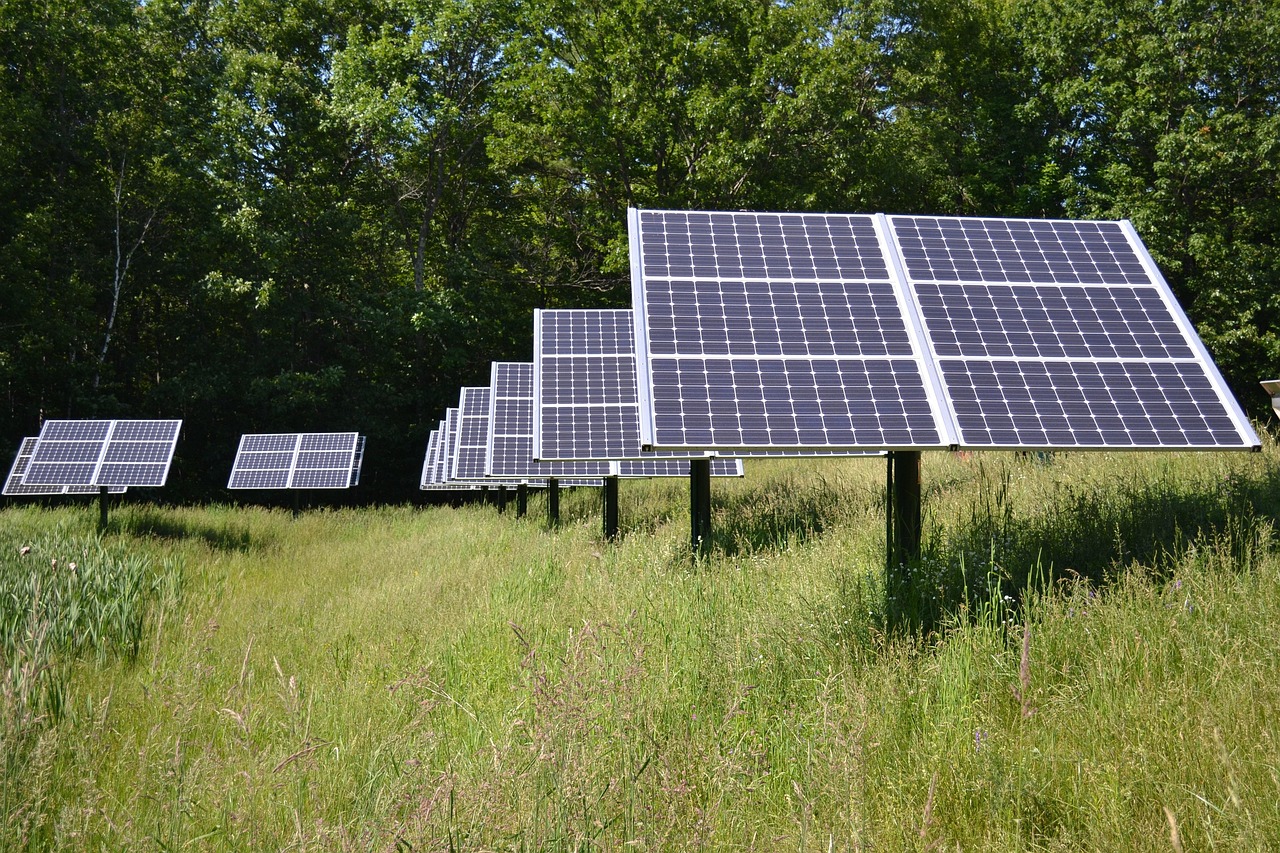
Decarbonisation refers to the systematic reduction of carbon dioxide (CO₂) emissions from maritime activities. In the context of shipping, it involves a combination of regulatory compliance, technological innovation, operational optimisation, and strategic investment to achieve lower carbon footprints. For example, a container line might adopt a fleet‑wide speed‑reduction policy, known as “slow steaming,” which can cut fuel consumption by up to 30 percent, directly translating into lower CO₂ output. The primary challenge is balancing cost savings with service level expectations; slower vessels may reduce revenue per voyage, requiring careful network planning and customer communication.
Carbon intensity is a metric that quantifies the amount of CO₂ emitted per unit of transport work, typically expressed as grams of CO₂ per tonne‑kilometre (gCO₂/t‑km) or per tonne‑day (gCO₂/t‑day). Shipping companies use carbon intensity to benchmark performance against industry standards and to report progress under the International Maritime Organization (IMO) data collection system. A practical application is the calculation of a vessel’s operational carbon intensity, which informs decisions on route selection, cargo loading, and fuel choice. Challenges include data accuracy, especially when ships operate in regions with limited emissions monitoring infrastructure, and the need for consistent methodologies across different vessel types.
Energy Efficiency Existing Ship Index (EEXI) is an IMO‑mandated technical standard that assesses a ship’s design‑phase energy efficiency relative to a reference vessel. The index is calculated using parameters such as deadweight, propulsion power, and fuel type. Vessels that exceed the permissible EEXI value must implement retrofits—such as hull modifications, propeller upgrades, or waste‑heat recovery systems—to achieve compliance. A case study of a bulk carrier illustrates that installing a ducted propeller and applying a low‑friction hull coating reduced the EEXI by 15 percent, enabling the ship to meet the 2025 deadline. The principal obstacle is the capital expense of retrofits, which can be prohibitive for older vessels with limited remaining service life.
Carbon Intensity Indicator (CII) is a performance‑based measure introduced by the IMO to monitor a ship’s operational carbon intensity on an annual basis. The CII is expressed as a rating from A (best) to E (worst) and is derived from the ship’s actual CO₂ emissions, distance travelled, and cargo carried. Operators must submit annual CII reports and develop an improvement plan if the rating falls below the required threshold. For instance, a tanker that receives a C rating might implement voyage optimisation software that reduces dead‑weight losses and avoids unnecessary detours, thereby improving its rating to a B in the subsequent year. The main difficulty lies in the dynamic nature of the metric; seasonal variations in fuel prices and weather conditions can cause fluctuations that complicate long‑term planning.
Alternative fuels encompass a broad spectrum of energy carriers that can replace conventional heavy fuel oil (HFO) or marine diesel oil (MDO). Key candidates include liquefied natural gas (LNG), methanol, ammonia, hydrogen, and bio‑derived fuels such as bio‑LNG or bio‑methanol. Each alternative presents unique technical, economic, and regulatory considerations. For example, LNG offers lower sulphur oxides (SOx) and nitrogen oxides (NOx) emissions, but its methane slip—a form of unburned methane that contributes to greenhouse warming—remains a concern. Ammonia, when combusted, emits no CO₂, yet its toxicity and the need for robust safety systems pose significant barriers to widespread adoption. Hydrogen provides a clean combustion pathway but requires cryogenic storage or high‑pressure tanks, which increase vessel design complexity. Practical applications include the deployment of dual‑fuel engines that can switch between MDO and LNG, allowing operators to take advantage of fuel price differentials while gradually transitioning to lower‑carbon options. The overarching challenge is the lack of a global bunkering infrastructure for many of these fuels, leading to high logistical costs and limited route flexibility.
Zero‑emission vessels (ZEVs) are ships designed to operate without emitting CO₂ during propulsion. The most common concept involves the use of electric propulsion powered by batteries or fuel cells, often combined with renewable energy sources such as solar or wind. A notable example is a short‑sea ferry equipped with lithium‑ion batteries that can complete a round‑trip crossing entirely on electric power, eliminating the need for on‑board combustion engines. For longer routes, hybrid configurations that pair fuel cells with renewable‑generated hydrogen are being explored. The primary challenges for ZEVs include energy density limitations of current battery technologies, which restrict range and payload capacity, and the high upfront capital costs associated with advanced power‑train components. Additionally, regulatory frameworks for safety and classification of new energy systems are still evolving, creating uncertainty for shipbuilders and owners.
Digital twins refer to virtual replicas of physical ships that integrate real‑time data streams to simulate performance under varying conditions. By modelling hull‑form hydrodynamics, propulsion efficiency, and environmental factors, digital twins enable predictive maintenance, fuel‑optimisation, and emissions forecasting. An operational example involves a container vessel whose digital twin predicts the onset of propeller fouling; the system alerts the crew to schedule a cleaning at the next port, thereby avoiding a 5‑percent increase in fuel consumption. The technology also supports scenario analysis for alternative fuel adoption, allowing operators to assess the impact of switching to LNG or ammonia on overall carbon intensity before committing to fleet‑wide retrofits. Challenges include the need for high‑fidelity data acquisition, cybersecurity risks associated with continuous data exchange, and the integration of disparate software platforms across ship‑to‑shore communication networks.
Artificial intelligence (AI) optimisation encompasses machine‑learning algorithms that process large datasets to identify patterns and recommend operational decisions that reduce emissions. AI can be applied to route planning, weather routing, cargo stowage, and engine performance tuning. For instance, an AI‑driven voyage planning tool may analyse real‑time weather forecasts, ocean currents, and fuel price indices to propose a route that reduces fuel burn by up to 7 percent while maintaining delivery deadlines. In the engine domain, AI can monitor combustion parameters and automatically adjust fuel injection timing to maximise efficiency. Practical application also extends to port operations, where AI can coordinate berthing schedules to minimise idle time and associated emissions. The main obstacles are data quality, the need for domain‑specific training datasets, and resistance from crew accustomed to traditional decision‑making processes.
Blockchain for supply‑chain transparency offers a distributed ledger system that records every transaction and movement of cargo throughout the maritime logistics network. By providing immutable records, blockchain can verify the origin of green fuels, certify compliance with emissions standards, and enable real‑time carbon accounting. A practical scenario involves a shipping consortium that uses blockchain to track the consumption of bio‑LNG at each bunkering point; auditors can instantly verify that the fuel meets sustainability criteria, thereby supporting carbon‑credit claims. Challenges include the interoperability of different blockchain platforms, the energy consumption of certain consensus mechanisms, and the need for industry‑wide standardisation to avoid data silos.
Life‑cycle assessment (LCA) is a methodological framework that evaluates the environmental impacts of a product—from raw material extraction through manufacturing, operation, and end‑of‑life disposal. In shipping, LCA is used to compare the total greenhouse‑gas emissions of different fuel pathways, such as conventional HFO versus bio‑methanol. An LCA might reveal that while bio‑methanol reduces tail‑pipe CO₂ by 30 percent, upstream emissions from feedstock cultivation offset 15 percent of those gains, resulting in a net reduction of only 15 percent. This nuanced insight helps policymakers and industry leaders prioritise interventions that deliver genuine climate benefits. The difficulty lies in gathering reliable data across the entire supply chain, especially for emerging fuels where production processes are still being refined.
Circular economy principles aim to minimise waste and maximise resource efficiency by keeping materials in use for as long as possible. In the maritime sector, circularity can be pursued through ship‑component recycling, modular design, and the use of recyclable materials such as high‑strength steel alloys that can be re‑melted and repurposed. A case study of a decommissioned cruise ship demonstrated that 90 percent of its structural steel was reclaimed and re‑entered the market as raw material for new vessels, reducing the need for virgin ore extraction. Additionally, waste heat recovery systems capture exhaust heat from engines to generate steam for onboard processes, reducing the demand for auxiliary boilers and associated fuel use. Barriers include the lack of standardised dismantling procedures, regulatory constraints on hazardous material handling, and market fluctuations that affect the economic viability of recycling operations.
Hybrid propulsion systems combine conventional internal combustion engines with electric motors or alternative‑fuel engines, allowing ships to switch between power sources based on operational requirements. A typical hybrid configuration might pair a diesel engine with a battery pack that provides peak‑power support during manoeuvring or in port, thereby reducing fuel consumption and emissions during high‑load periods. The hybrid approach also facilitates the gradual integration of low‑carbon fuels, as the electric component can be powered by renewable electricity generated onshore. Practical implementation includes retrofitting a medium‑range container ship with a 2 MW battery system, resulting in a 10 percent reduction in fuel use per voyage. The primary challenges are the added weight and space requirements of batteries, the need for sophisticated energy‑management software, and the lifecycle environmental impact of battery production and disposal.
Wind‑assist technologies revive the centuries‑old practice of harnessing wind power, now enhanced by modern materials and control systems. Options include rigid sails, kite‑driven systems, and rotors such as the Flettner rotor—a spinning vertical cylinder that generates thrust through the Magnus effect. A commercial demonstration of a Flettner rotor installed on a container ship achieved a 5‑percent fuel savings over a six‑month trial, primarily due to favourable wind conditions along the route. Kite‑assist concepts, where a tethered kite captures high‑altitude winds, promise even greater fuel reductions but require advanced control algorithms to maintain stability. The challenges involve integration with existing ship designs, the variability of wind resources, and the need for crew training to operate and maintain these systems safely.
Carbon capture and storage (CCS) technology captures CO₂ emissions from ship exhaust gases and stores them for later sequestration, either on‑board in specialised tanks or via conversion to stable compounds. While still in the experimental stage for marine applications, pilot projects have explored the use of amine‑based sorbents that trap CO₂ during combustion, subsequently releasing and compressing the gas for transport to on‑shore storage facilities. A demonstration vessel achieved a capture efficiency of 70 percent during a two‑week trial, albeit at a significant energy penalty that reduced overall propulsion efficiency. Key obstacles include the high energy demand of capture processes, the limited storage capacity on ships, and the lack of a global regulatory framework for marine‑borne CO₂ transport and disposal.
Regulatory frameworks and market mechanisms shape the economic incentives for decarbonisation. The IMO’s initial and subsequent carbon‑pricing proposals, the European Union Emissions Trading System (EU ETS) expansion to include maritime emissions, and national carbon taxes create financial pressures that encourage investment in low‑carbon technologies. For example, a shipowner operating in EU waters may face a carbon price of €100 per tonne of CO₂, prompting a shift to LNG bunkering to avoid the penalty. Market‑based mechanisms such as green‑fuel certificates allow producers to sell verified emissions reductions, providing additional revenue streams for operators that adopt sustainable fuels. However, the complexity of overlapping jurisdictions, the volatility of carbon prices, and the difficulty of verifying emissions reductions across international waters remain significant challenges.
Renewable energy integration on board includes solar photovoltaic panels, vertical‑axis wind turbines, and waste‑heat recovery that convert otherwise lost heat into usable electricity. While the contribution of solar panels to overall ship power is modest—typically a few percent—they can supply auxiliary loads such as lighting and navigation equipment, reducing the demand on diesel generators. In a pilot project on a research vessel, solar panels generated up to 8 kW of power, enough to run the onboard laboratory’s refrigeration system for a full day without fuel consumption. The main limitations are the limited deck space, the need for corrosion‑resistant materials, and the variable nature of solar irradiance at sea.
Smart ports and shore‑side electrification complement ship‑based innovations by providing infrastructure that reduces emissions while vessels are docked. Shore power, also known as cold ironing, allows ships to plug into the local electricity grid, turning off auxiliary diesel generators. A major European port installed high‑capacity shore‑power connections capable of delivering up to 10 MW per berth, enabling large cruise ships to eliminate up to 15 percent of their total voyage emissions. Smart‑port platforms integrate data from vessel traffic systems, weather forecasts, and berth allocation to optimise scheduling, reducing idle time and associated emissions. Barriers include the high capital cost of shore‑power installations, the need for standardised connectors across different ship classes, and the availability of low‑carbon electricity on the grid.
Hydrogen production pathways determine the overall carbon intensity of hydrogen used as a marine fuel. “Green” hydrogen is produced via electrolysis powered by renewable electricity, resulting in near‑zero upstream emissions. In contrast, “blue” hydrogen is generated from natural‑gas reforming with carbon capture, which still carries a carbon footprint due to methane leakage and imperfect capture rates. A shipping line considering hydrogen as a primary fuel must evaluate the lifecycle emissions of each pathway to ensure compliance with IMO’s carbon‑intensity targets. Practical challenges include the current scarcity of large‑scale electrolyser facilities near major ports, the need for cryogenic storage solutions on board, and the safety protocols required for handling a highly flammable gas.
Ammonia as a marine fuel is gaining attention because it contains no carbon and can be combusted in modified internal‑combustion engines or used in fuel‑cell systems. Ammonia’s high energy density per unit volume (compared with hydrogen) makes it attractive for long‑haul vessels. A demonstration project on a 30,000‑tonne bulk carrier equipped a dual‑fuel engine capable of running on both diesel and ammonia, achieving a 20 percent reduction in CO₂ emissions during sea trials. However, ammonia’s toxicity and corrosiveness demand robust containment and ventilation systems, and the development of reliable low‑NOx combustion technologies is still ongoing. The lack of global bunkering infrastructure for ammonia, as well as regulatory gaps concerning safety standards, remain significant impediments to commercial adoption.
Methanol fuel options include conventional methanol derived from natural gas and “green” methanol produced from renewable electricity and captured CO₂. Methanol can be used in existing diesel engines with minor modifications, offering a relatively low‑cost pathway to reduce emissions. A ferry operating on a short‑sea route switched to methanol fuel, reporting a 15 percent decrease in SOx and NOx emissions and a 10 percent reduction in CO₂ compared with traditional diesel. The main concerns are the lower energy density of methanol, which requires larger fuel tanks, and the potential for methanol vapour to create fire hazards if not properly managed. Additionally, the production of green methanol is still limited, leading to higher market prices and supply constraints.
Bio‑derived fuels encompass a range of renewable liquids such as biodiesel, bio‑LNG, and bio‑methanol, produced from feedstocks like algae, waste vegetable oil, and agricultural residues. These fuels can be blended with conventional marine fuels to achieve incremental emission reductions without extensive engine modifications. For example, a 5 percent blend of biodiesel with marine diesel oil (MDO) can lower CO₂ emissions by approximately 3 percent, while also reducing particulate matter. The sustainability of bio‑fuels depends heavily on feedstock sourcing; using food‑grade crops may lead to indirect land‑use change, negating climate benefits. Hence, certification schemes such as the Roundtable on Sustainable Biomaterials (RSB) are critical to verify that bio‑fuels meet stringent environmental criteria. Challenges include the variability of fuel quality, storage stability, and the competition with other sectors for limited biomass resources.
Energy‑efficient hull designs aim to minimise resistance through water, thereby reducing the power required for propulsion. Innovations include bulbous bows optimised for specific speed regimes, hull form modifications that reduce wave‑making resistance, and the application of advanced coatings that lower friction. Computational fluid‑dynamics (CFD) simulations enable designers to test numerous hull variations before physical model testing, accelerating the development of more efficient shapes. A practical example is the redesign of a container ship’s hull to incorporate a slender hull‑form with a reduced beam, resulting in a 4 percent fuel savings per voyage. The trade‑off often lies in cargo‑capacity reductions or the need for extensive retrofitting, which may not be economically viable for all operators.
Propulsion system innovations include the use of podded propulsion units, contra‑rotating propellers, and variable‑pitch propellers that can adapt to changing operating conditions. Podded units, such as those produced by ABB’s Azipod, integrate the electric motor within the propeller housing, eliminating the need for a long shaft line and enabling more efficient thrust generation. Contra‑rotating propellers can improve propulsion efficiency by up to 10 percent compared with a single propeller, though they add mechanical complexity. Variable‑pitch propellers allow for fine‑tuned thrust control, reducing fuel consumption during manoeuvring. Implementing these technologies requires careful integration with the ship’s power‑distribution architecture and may necessitate crew training on new control interfaces. The capital cost and maintenance requirements are significant considerations that influence adoption rates.
Waste‑heat recovery (WHR) systems capture thermal energy from engine exhaust gases and convert it into useful work, typically by producing steam for auxiliary processes or by generating additional electricity through a turbine. On a large‑scale container ship, a WHR system can recover up to 10 percent of the engine’s waste heat, translating into measurable fuel savings. A practical deployment involved installing a heat‑exchanger network that supplied steam to the ship’s desalination plant, reducing the need for dedicated boiler fuel. Challenges include the space required for heat‑exchanger installations, the need for high‑temperature exhaust gases to achieve efficient recovery, and the integration of WHR output with existing onboard systems without compromising safety.
Advanced materials such as high‑strength steel alloys, aluminium‑lithium composites, and carbon‑fiber‑reinforced polymers (CFRP) offer weight reductions that directly improve fuel efficiency. By lowering the vessel’s deadweight, less propulsive power is required to maintain speed, yielding lower emissions. A research‑grade container ship built with an aluminium superstructure achieved a 12 percent reduction in fuel consumption relative to a conventional steel design. The adoption of advanced materials, however, faces hurdles in terms of cost, corrosion resistance in the marine environment, and the need for specialised fabrication techniques. Additionally, regulatory approval processes for new material classes can be lengthy, delaying market entry.
Autonomous shipping leverages sensors, AI, and high‑bandwidth communications to operate vessels with minimal human intervention. Autonomous vessels can optimise routes continuously, adjust speed in response to real‑time weather data, and execute precise manoeuvring, all of which contribute to lower fuel use and emissions. A pilot project with an autonomous cargo ship demonstrated a 6 percent reduction in fuel consumption compared with a conventionally crewed sister vessel on the same route. The technology also promises safety benefits by reducing human error. Nevertheless, regulatory acceptance, cybersecurity risks, and the need for robust fail‑safe mechanisms are substantial barriers that must be addressed before widespread deployment.
Energy‑as‑a‑service (EaaS) models allow ship owners to outsource the procurement and management of fuel and energy technologies to specialised providers. Under an EaaS contract, a third‑party firm may install a hybrid propulsion system on a vessel and charge the owner a usage‑based fee, aligning incentives for fuel efficiency. This approach reduces the financial risk for ship owners, who can avoid large upfront capital expenditures. A case study of a tanker operator that entered an EaaS agreement for a fuel‑cell‑powered auxiliary system reported a 3 percent reduction in overall fuel consumption and a predictable cost structure over the contract term. The challenges revolve around contract design, data transparency, and ensuring that the service provider’s performance metrics are accurately measured and verified.
Carbon offsetting involves compensating for emissions that cannot be eliminated by funding projects that reduce CO₂ elsewhere, such as reforestation or renewable‑energy installations. Shipping companies may purchase carbon credits to achieve carbon‑neutral status for specific voyages or the entire fleet. While offsets can provide a short‑term pathway to meet regulatory targets, reliance on them without substantive emission reductions may undermine long‑term decarbonisation goals. Moreover, the integrity of offset projects varies, with concerns about additionality, permanence, and verification. Effective use of offsets therefore requires rigorous due‑diligence, transparent reporting, and alignment with broader sustainability strategies.
Decarbonisation roadmaps are strategic plans that outline the sequence of actions a shipping company will take to achieve specific emission‑reduction targets over a defined timeframe. A comprehensive roadmap typically includes baseline emissions assessment, identification of technology options, investment planning, stakeholder engagement, and performance monitoring. For instance, a global liner operator published a 2030 roadmap that combined fleet renewal with a 30 percent fuel‑efficiency improvement target, supported by a mix of LNG retrofits, hull‑form optimisation, and AI‑driven voyage planning. Successful implementation depends on clear governance structures, realistic timelines, and the flexibility to adapt to evolving regulatory and market conditions. Common challenges include securing financing for large‑scale projects, managing the risk of technology lock‑in, and aligning the roadmap with the expectations of customers, investors, and regulators.
Stakeholder collaboration platforms facilitate joint initiatives among ship owners, ports, fuel suppliers, classification societies, and research institutions. Collaborative pilots, such as the “Zero‑Carbon Shipping Alliance,” enable participants to share data, pool resources, and co‑develop standards for emerging technologies like ammonia bunkering. These platforms accelerate learning curves, reduce duplication of effort, and create economies of scale that lower the cost of innovation. However, coordinating across diverse organisational cultures, reconciling differing commercial interests, and establishing shared governance models can be complex. Effective collaboration requires clear value propositions for each participant, robust intellectual‑property arrangements, and transparent decision‑making processes.
Policy incentives and subsidies play a crucial role in reducing the financial barrier to adopting low‑carbon technologies. Government programmes may offer tax credits, grants, or preferential financing for ships that meet specific emissions standards or that incorporate renewable‑energy systems. An example is a national subsidy scheme that provides a 20 percent rebate on the capital cost of installing wind‑assist devices on commercial vessels, encouraging wider deployment. While incentives can accelerate market uptake, they must be carefully designed to avoid market distortion, ensure fairness, and prevent dependence on temporary support mechanisms. The risk of policy volatility—such as sudden changes in subsidy eligibility criteria—adds uncertainty for investors and may deter long‑term commitments.
Environmental, social, and governance (ESG) reporting has become a mandatory component of corporate disclosure for many shipping companies. ESG metrics encompass not only carbon emissions but also water‑use efficiency, waste management practices, crew welfare, and board oversight of sustainability initiatives. Robust ESG reporting can attract ESG‑focused investors, improve access to green financing, and enhance corporate reputation. For example, a shipping firm that integrated a comprehensive ESG framework reported a 15 percent reduction in financing costs after achieving a high ESG rating from an independent rating agency. The main challenges involve data collection across a dispersed fleet, ensuring comparability of metrics, and aligning reporting with multiple international standards such as the Global Reporting Initiative (GRI) and the Sustainable Accounting Standards Board (SASB).
Future research directions identify gaps that need to be addressed to accelerate the transition to sustainable shipping. Key areas include the development of high‑energy‑density storage solutions for electric propulsion, scalable production methods for green hydrogen and ammonia, and advanced predictive‑maintenance algorithms that integrate machine‑learning insights with real‑time sensor data. Another research priority is the assessment of cumulative environmental impacts of alternative fuels, using comprehensive life‑cycle analyses that incorporate supply‑chain emissions, land‑use changes, and end‑of‑life disposal. Collaborative research programmes between academia, industry, and government agencies are essential to pool expertise and share risk. Overcoming challenges such as funding constraints, technology readiness levels, and regulatory harmonisation will be critical to translating research outcomes into commercial solutions.
Economic modelling of decarbonisation pathways provides decision‑makers with quantitative assessments of cost‑benefit scenarios for different technology mixes. Models typically incorporate capital expenditures, operating costs, fuel price trajectories, carbon‑pricing mechanisms, and regulatory compliance timelines. A scenario analysis might compare a fleet‑wide conversion to LNG against a mixed approach of selective retrofits combined with AI‑optimised routing, revealing that the latter achieves comparable emission reductions at a lower total cost under certain fuel‑price assumptions. Accurate modelling requires reliable input data and sensitivity analyses to account for uncertainties such as future policy changes or technological breakthroughs. The primary difficulty lies in balancing model complexity with usability, ensuring that outputs are actionable for senior management.
Standardisation and classification play a pivotal role in ensuring that new technologies meet safety and performance criteria. Classification societies develop rules for the design, construction, and operation of vessels equipped with novel propulsion systems, alternative fuels, and advanced materials. For instance, the development of a unified set of standards for ammonia bunkering—covering storage tank design, leak detection, and emergency response—facilitates broader industry adoption by providing clear compliance pathways. Standardisation also supports insurers and financiers in evaluating risk, thereby unlocking capital for innovative projects. The challenge is that the rapid pace of technological change can outstrip the speed at which standards are updated, leading to periods of regulatory uncertainty.
International collaboration is essential because shipping operates across jurisdictions and emissions are a global concern. Initiatives such as the International Chamber of Shipping (ICS) working groups, the Clean Shipping Initiative, and the Global Maritime Forum bring together stakeholders to harmonise regulations, share best practices, and coordinate research funding. Collaborative efforts have resulted in the adoption of the IMO’s initial carbon‑intensity reduction targets, the development of the Global Fuel Quality Initiative, and the establishment of a common methodology for measuring ship‑borne emissions. Nevertheless, divergent national interests, varying levels of technological readiness, and competing policy priorities can impede consensus. Sustained diplomatic engagement and transparent communication are needed to align global objectives with regional capabilities.
Digital platforms for emissions tracking enable real‑time monitoring of a vessel’s carbon output, supporting compliance with reporting obligations and facilitating internal carbon‑management strategies. Cloud‑based dashboards aggregate data from engine sensors, fuel flow meters, and GPS systems to calculate instantaneous carbon intensity. Operators can set performance thresholds and receive alerts when emissions exceed predefined limits, prompting corrective actions such as speed adjustment or route alteration. A practical implementation involved a liner service that integrated emissions data into its commercial booking system, allowing customers to view the carbon footprint of each shipment and select greener options. Data security, interoperability with existing shipboard systems, and the standardisation of data formats are key challenges that must be addressed to achieve widespread adoption.
Hybrid renewable‑energy systems combine multiple clean energy sources to enhance reliability and reduce dependence on any single technology. For example, a vessel might integrate solar panels, a wind‑assist rotor, and a battery bank, allowing the ship to draw power from the most advantageous source at any moment. This redundancy improves overall energy efficiency and provides resilience against variable weather conditions. In a pilot study, a research vessel equipped with a hybrid system achieved a 12 percent reduction in diesel fuel consumption over a six‑month operational period. The complexity of managing multiple energy flows, ensuring seamless control integration, and maintaining system reliability under harsh marine conditions are significant engineering challenges.
Emerging regulatory trends indicate a shift toward performance‑based standards that focus on actual emissions rather than prescriptive technology solutions. The IMO’s upcoming amendments to the Energy Efficiency Design Index (EEDI) for new ships, the introduction of a mandatory carbon‑pricing mechanism, and the development of sector‑specific carbon budgets all signal a tightening regulatory environment. Shipping operators must therefore adopt flexible strategies that can adapt to evolving requirements, such as modular vessel designs that allow for future retrofits. Anticipating these trends through scenario planning and proactive investment can provide a competitive advantage. However, the uncertainty surrounding the timing and exact specifications of future regulations adds strategic risk.
Supply‑chain resilience for alternative fuels is critical to ensure that ships can reliably access low‑carbon fuels without compromising operational schedules. The development of dedicated bunkering hubs, fuel‑quality certification schemes, and logistics networks that connect renewable‑fuel production sites to major ports are essential components of this resilience. A recent case involved the establishment of a regional ammonia bunkering facility that served multiple carriers, reducing the need for each vessel to arrange separate fuel deliveries and thereby improving turnaround times. Potential disruptions, such as geopolitical tensions affecting the availability of feedstock for green methanol, or infrastructure bottlenecks at key hub ports, represent risks that must be mitigated through diversified supply routes and contractual safeguards.
Socio‑economic implications of maritime decarbonisation extend beyond environmental outcomes. The transition may affect employment patterns, with new skill requirements for operating advanced propulsion systems, maintaining digital infrastructure, and handling alternative fuels. Training programmes and certification pathways need to be developed in partnership with maritime academies and industry associations. Moreover, the shift toward low‑carbon shipping can influence freight rates, potentially impacting global trade flows and commodity prices. Policymakers must consider these broader effects when designing incentives or imposing carbon constraints, ensuring that the transition supports inclusive growth and does not disproportionately burden developing economies. Addressing these socio‑economic dimensions requires interdisciplinary research and stakeholder engagement across the maritime ecosystem.
Case studies of successful implementation provide valuable lessons for practitioners. One notable example is the retrofitting of a 120‑year‑old passenger ship with a hybrid diesel‑electric propulsion system, coupled with a waste‑heat recovery unit. Over a five‑year period, the vessel achieved a cumulative 18 percent reduction in fuel consumption, translating into significant cost savings and an enhanced environmental reputation that attracted eco‑conscious passengers. Critical success factors included early stakeholder buy‑in, thorough feasibility analysis, and a phased implementation plan that minimised disruption to service. Conversely, a project that attempted to convert a bulk carrier to pure ammonia propulsion was halted due to insufficient bunkering infrastructure and unresolved safety certification, highlighting the importance of aligning technology readiness with supporting ecosystem development.
Future outlook envisions a maritime sector where digital intelligence, renewable energy, and innovative fuel pathways converge to deliver near‑zero emissions. Integration of AI‑driven route optimisation with real‑time emissions data, combined with the gradual deployment of electric and fuel‑cell propulsion, will enable ships to operate more efficiently and transparently. The expansion of global green‑fuel production capacity, supported by coordinated policy frameworks and investment incentives, will create the necessary supply chain for large‑scale adoption of ammonia and hydrogen. As regulatory pressures intensify and market demand for sustainable logistics grows, shipping companies that proactively embrace these innovations will secure a competitive advantage, while contributing to the broader climate‑change mitigation agenda. The path forward will require collaborative effort, sustained financing, and adaptive governance to overcome technical, economic, and regulatory challenges.
Key takeaways
- For example, a container line might adopt a fleet‑wide speed‑reduction policy, known as “slow steaming,” which can cut fuel consumption by up to 30 percent, directly translating into lower CO₂ output.
- Carbon intensity is a metric that quantifies the amount of CO₂ emitted per unit of transport work, typically expressed as grams of CO₂ per tonne‑kilometre (gCO₂/t‑km) or per tonne‑day (gCO₂/t‑day).
- A case study of a bulk carrier illustrates that installing a ducted propeller and applying a low‑friction hull coating reduced the EEXI by 15 percent, enabling the ship to meet the 2025 deadline.
- For instance, a tanker that receives a C rating might implement voyage optimisation software that reduces dead‑weight losses and avoids unnecessary detours, thereby improving its rating to a B in the subsequent year.
- Practical applications include the deployment of dual‑fuel engines that can switch between MDO and LNG, allowing operators to take advantage of fuel price differentials while gradually transitioning to lower‑carbon options.
- The primary challenges for ZEVs include energy density limitations of current battery technologies, which restrict range and payload capacity, and the high upfront capital costs associated with advanced power‑train components.
- An operational example involves a container vessel whose digital twin predicts the onset of propeller fouling; the system alerts the crew to schedule a cleaning at the next port, thereby avoiding a 5‑percent increase in fuel consumption.