
Dynamic Stretching Protocols for Performance
Dynamic Stretching is a movement‑based flexibility method that incorporates controlled, sport‑specific motions to increase muscle temperature, enhance joint range, and prime the neuromuscular system for high‑intensity activity. Unlike stati…
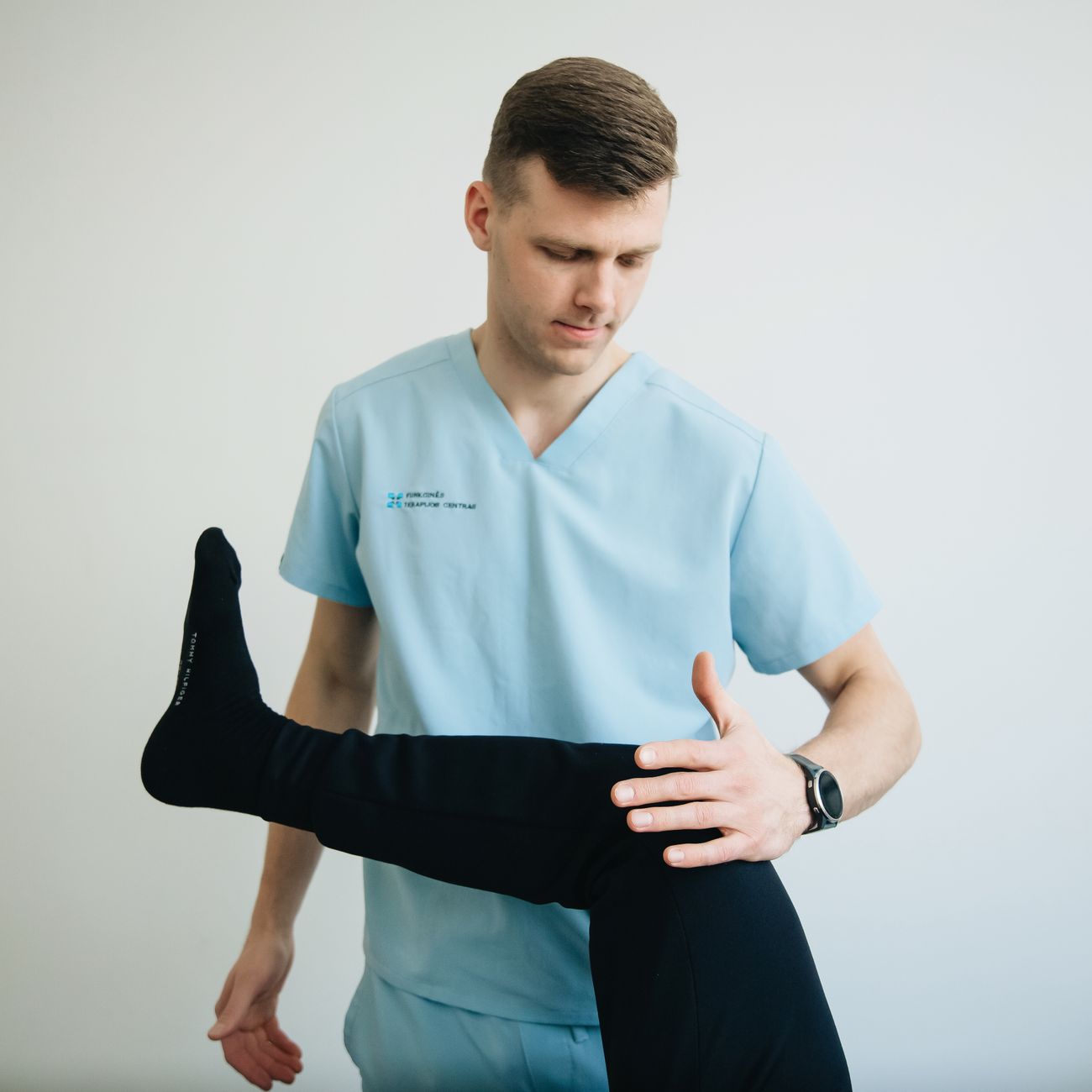
Dynamic Stretching is a movement‑based flexibility method that incorporates controlled, sport‑specific motions to increase muscle temperature, enhance joint range, and prime the neuromuscular system for high‑intensity activity. Unlike static stretching, which holds a position for an extended period, dynamic stretching involves continuous motion, allowing the athlete to maintain an elevated heart rate while simultaneously preparing the musculoskeletal structures for the demands of competition. In the context of a Certificate in Sports Massage for Elite Athletes, understanding dynamic stretching terminology is essential because the massage practitioner must be able to assess, modify, and integrate these protocols into pre‑event preparations and post‑event recovery strategies.
Active Range of Motion (AROM) refers to the distance a joint can travel through its full spectrum of movement when the athlete initiates the motion without assistance. AROM is a critical metric for evaluating the effectiveness of a dynamic stretching routine because it reflects the functional capacity of the muscles, tendons, and joint capsules under active control. Practitioners often use AROM measurements to identify asymmetries between limbs, which may predispose an athlete to injury if left unaddressed. For example, an elite sprinter with reduced hip flexor AROM on the left side may experience compromised stride length, leading to compensatory patterns that increase stress on the lumbar spine.
Passive Range of Motion (PROM) involves the movement of a joint through its full range with external assistance, typically provided by a therapist or a mechanical device. While PROM is not a primary component of dynamic stretching, knowledge of PROM values is valuable for establishing baseline flexibility and for designing individualized dynamic protocols that respect each athlete’s anatomical limits. In practice, a sports massage therapist might employ gentle PROM techniques during a warm‑up to identify restrictive zones before transitioning to dynamic movements.
Proprioception is the body’s innate ability to sense the position, movement, and force of its own parts. Dynamic stretching enhances proprioceptive feedback by repeatedly stimulating muscle spindles and Golgi tendon organs, which are sensory receptors that detect changes in muscle length and tension. Improved proprioception contributes to better motor control, reduced latency in muscular activation, and heightened coordination—attributes that are especially valuable in sports requiring rapid direction changes, such as basketball or soccer. A sports massage therapist can facilitate proprioceptive gains by incorporating rhythmic, sport‑specific dynamic drills that challenge balance and spatial awareness.
Neuromuscular Facilitation describes the process by which neural pathways are strengthened through repeated activation patterns. Dynamic stretching serves as a form of functional neuromuscular facilitation because it repeatedly engages the same muscle groups in patterns that mirror sport‑specific actions. This repetition enhances the efficiency of motor unit recruitment, allowing the athlete to generate force more quickly and with greater precision. In elite athletes, the cumulative effect of neuromuscular facilitation can translate into measurable performance improvements, such as faster sprint times or higher jump heights.
Stretch‑Shortening Cycle (SSC) is a biomechanical phenomenon in which a pre‑active stretch of a muscle tendon unit is immediately followed by a concentric contraction. The SSC is the foundation of many explosive movements, including jumping, sprinting, and throwing. Dynamic stretching protocols that incorporate SSC‑oriented drills—such as walking lunges followed by a quick jump—prime the elastic components of the musculotendinous system, thereby increasing the storage and release of elastic energy. A thorough grasp of SSC terminology enables the massage practitioner to select dynamic drills that specifically target the athlete’s power output.
Muscle Spindle is a sensory organ embedded within skeletal muscle fibers that detects changes in muscle length and the rate of that change. When a muscle is rapidly stretched, the spindle sends afferent signals to the spinal cord, triggering a reflexive contraction known as the stretch reflex. Dynamic stretching exploits this reflex by providing controlled, short‑duration stretches that stimulate the spindle without causing excessive tension. The resulting reflexive activation helps to increase muscle tone and readiness for subsequent high‑intensity efforts.
Golgi Tendon Organ (GTO) is a proprioceptive receptor located at the junction of muscle fibers and tendons. The GTO monitors tension within the tendon and, when excessive force is detected, initiates an inhibitory response to protect the muscle from damage. Dynamic stretching can modulate GTO activity by gradually increasing load and tension, allowing the athlete’s nervous system to adapt to higher force thresholds without triggering protective inhibition. Understanding GTO function assists the therapist in designing progressive dynamic protocols that safely advance load while minimizing the risk of over‑stretching.
Reciprocal Inhibition is a neural mechanism whereby activation of one muscle (the agonist) leads to the inhibition of its opposing muscle (the antagonist). This process facilitates smooth, coordinated movements and is essential for efficient dynamic stretching. For instance, when an athlete performs a dynamic hip extension, the quadriceps act as the agonist while the hamstrings undergo reciprocal inhibition, allowing greater range without excessive resistance. Sports massage practitioners can enhance reciprocal inhibition by applying targeted soft‑tissue techniques that reduce antagonist tension before initiating dynamic drills.
Fascial Continuum describes the interconnected network of connective tissue that envelops muscles, bones, nerves, and organs. The fascial system transmits forces throughout the body, influencing movement patterns and flexibility. Dynamic stretching impacts the fascial continuum by applying rhythmic, multi‑planar forces that encourage pliability and reduce adhesions. Therapists who comprehend fascial terminology can integrate myofascial release techniques with dynamic protocols to achieve synergistic improvements in mobility and performance.
Myofascial Release (MFR) is a manual therapy technique that applies sustained pressure to fascial restrictions, encouraging the tissue to elongate and regain its natural glide. While MFR is typically a static intervention, it can be combined with dynamic stretching to amplify the benefits of both approaches. For example, after a brief MFR session targeting the iliotibial band, an athlete may perform dynamic lateral leg swings that reinforce the newly restored fascial glide, leading to enhanced lateral stability in sports such as tennis or volleyball.
Trigger Point refers to a hyperirritable spot within a taut band of skeletal muscle that can refer pain locally or to distant regions. Trigger points often develop from repetitive strain, inadequate recovery, or improper movement mechanics. Dynamic stretching can help resolve trigger points by increasing blood flow, reducing muscular tension, and promoting neuromuscular re‑education. However, therapists must assess the presence of active trigger points before prescribing dynamic drills, as certain movements may exacerbate pain if the point is highly sensitized.
Viscoelasticity describes the combined viscous and elastic properties of soft tissue. Muscles and tendons exhibit viscoelastic behavior, meaning they deform under load (viscous) and recover their original shape when the load is removed (elastic). Dynamic stretching influences viscoelasticity by applying cyclic loading that encourages tissue remodeling, ultimately improving elasticity while maintaining adequate viscosity for shock absorption. A nuanced understanding of viscoelastic principles helps the practitioner select appropriate tempo and amplitude for dynamic movements.
Amplitude in the context of dynamic stretching denotes the extent of movement achieved during each repetition. Larger amplitudes generally produce greater stretch intensity, while smaller amplitudes emphasize control and neuromuscular activation. Elite athletes often progress from low‑amplitude drills to higher‑amplitude variations as their warm‑up advances, ensuring a graded increase in muscular tension. Therapists should monitor amplitude to prevent excessive strain, especially in athletes with a history of hamstring injuries.
Tempo refers to the speed at which a dynamic stretch is performed. A faster tempo can increase heart rate and metabolic activation, whereas a slower tempo allows for greater focus on movement quality and joint alignment. The optimal tempo varies by sport; sprinters may benefit from rapid, explosive movements, while gymnasts may require slower, controlled motions to fine‑tune proprioception. Understanding tempo terminology enables the therapist to tailor the dynamic protocol to the specific physiological demands of the athlete’s discipline.
Repetition (Rep) is the number of times a specific dynamic movement is performed within a set. Repetitions contribute to cumulative loading, which can enhance neuromuscular facilitation and tissue temperature. In a typical pre‑competition routine, a practitioner might prescribe three to five repetitions of a given drill, followed by a brief rest before progressing to the next movement. Monitoring rep count ensures that the athlete receives sufficient stimulus without incurring fatigue.
Set consists of a group of repetitions performed consecutively before a rest interval. Sets are used to structure the dynamic warm‑up, allowing for systematic progression of intensity and complexity. For example, an elite soccer player may complete two sets of dynamic leg swings, followed by a set of high‑knee runs, each set increasing in range or speed. Knowledge of set organization assists the therapist in designing balanced protocols that accommodate the athlete’s conditioning level.
Rest Interval is the brief pause between sets, typically ranging from 10 to 30 seconds for dynamic stretching. Rest intervals permit partial recovery of the cardiovascular and neuromuscular systems while maintaining an elevated core temperature. The length of the rest interval can be adjusted based on the athlete’s fatigue level, the intensity of the preceding set, and the upcoming sport‑specific demands. Proper rest management prevents premature fatigue and preserves the quality of subsequent movements.
Sport‑Specificity is the principle that training, including warm‑up protocols, should reflect the movement patterns, speed, and force vectors encountered in the athlete’s competition. Dynamic stretching protocols that incorporate sport‑specific drills—such as arm circles for swimmers or bounding for basketball players—enhance the transfer of flexibility gains to actual performance. Therapists must be versed in the biomechanical demands of each sport to select dynamic exercises that align with competition requirements.
Biomechanical Alignment concerns the optimal positioning of joints and segments during movement. Correct alignment minimizes undue stress on connective tissues and maximizes the efficiency of force transmission. When teaching dynamic stretches, the practitioner must cue the athlete to maintain neutral spine, proper knee tracking, and appropriate foot placement. Misalignment during dynamic movements can lead to compensatory patterns, increasing injury risk.
Joint Capsular Tension describes the stretch placed on the fibrous capsule surrounding a joint during movement. Excessive capsular tension can limit range of motion and predispose the joint to instability. Dynamic stretching mitigates capsular tension by gradually loading the joint through controlled arcs, promoting capsular elasticity. Therapists should assess capsular health, especially in athletes with a history of shoulder or ankle instability, to determine appropriate progression.
Muscle Tone is the baseline level of tension within a muscle at rest. Dynamic stretching influences muscle tone by activating motor units and enhancing blood flow, resulting in a state of readiness without excessive rigidity. Adequate muscle tone contributes to joint stability, while overly low tone may impair force generation. The practitioner can gauge tone through palpation and adjust dynamic intensity accordingly.
Metabolic Heat Production occurs as muscles contract and generate ATP, raising the temperature of the surrounding tissues. Dynamic stretching elevates metabolic heat, which in turn increases tissue extensibility and reduces viscosity. The rise in temperature also accelerates nerve conduction velocity, improving reaction time. Therapists can monitor skin temperature or use subjective feedback to gauge the effectiveness of metabolic heating.
Cardiovascular Activation refers to the increase in heart rate and blood flow that accompanies dynamic movement. A well‑designed dynamic protocol should elevate heart rate to 50‑70 % of the athlete’s maximum, ensuring adequate oxygen delivery to working muscles. Cardiovascular activation is essential for preparing the athlete’s circulatory system for the demands of high‑intensity competition.
Hormonal Response encompasses the release of catecholamines, cortisol, and growth hormone triggered by the stress of dynamic activity. These hormonal shifts can enhance alertness, mobilize energy substrates, and support tissue repair. Understanding the hormonal implications of dynamic stretching helps the therapist balance warm‑up intensity with the athlete’s overall training load, avoiding excessive cortisol spikes that may impair recovery.
Warm‑Up Phase is the initial segment of a training or competition session during which dynamic stretching is typically employed. The warm‑up phase aims to transition the athlete from a resting state to one of heightened physiological readiness. It is divided into sub‑phases: A general aerobic component, a dynamic mobility component, and a sport‑specific activation component. Mastery of warm‑up terminology enables the therapist to structure each sub‑phase effectively.
Cool‑Down Phase follows the main activity and may include low‑intensity dynamic movements to aid in the gradual reduction of heart rate and to promote venous return. Although static stretching has traditionally been associated with cool‑down, emerging evidence suggests that low‑intensity dynamic movements can assist in metabolic waste clearance and maintain joint lubrication. Therapists should be able to explain the rationale for incorporating dynamic elements into the cool‑down.
Pre‑Activation denotes the deliberate priming of specific muscle groups before the primary activity. Dynamic drills that target the gluteus maximus, hamstrings, or core musculature serve as pre‑activation exercises, ensuring these muscles are engaged and ready to absorb load. Pre‑activation is especially important in sports with high eccentric demands, such as downhill skiing or rugby tackling.
Eccentric Loading involves lengthening a muscle under tension, a key component of many dynamic stretches. Controlled eccentric loading enhances muscle stiffness and improves the ability to absorb forces during rapid deceleration. For example, a dynamic heel‑to‑toe walk places eccentric stress on the gastrocnemius, preparing the calf for explosive push‑off in sprinting.
Concentric Contraction is the shortening of a muscle as it generates force. Dynamic stretching often couples eccentric and concentric phases within a single movement, such as a forward lunge that ends with a quick upward drive. Understanding the interplay between eccentric and concentric actions enables the therapist to design drills that reinforce both strength and flexibility.
Motor Unit Recruitment describes the activation of motor neurons and their associated muscle fibers. Dynamic stretching facilitates progressive motor unit recruitment, beginning with low‑threshold units and advancing to higher‑threshold fibers as intensity increases. This orderly recruitment pattern enhances coordination and reduces the likelihood of sudden, uncontrolled contractions.
Functional Movement Screen (FMS) is a diagnostic tool used to assess fundamental movement patterns and identify deficits that may affect dynamic stretching outcomes. While the FMS itself is not a stretching protocol, its findings inform the selection and modification of dynamic drills. For instance, an athlete scoring low on the deep squat test may benefit from hip‑centric dynamic stretches before performing lower‑body power exercises.
Range of Motion (ROM) is the total angular distance a joint can move between its extremes. Dynamic stretching aims to increase functional ROM without compromising joint stability. Practitioners differentiate between total ROM, active ROM, and passive ROM, each providing distinct information about tissue health and neuromuscular control.
Joint Stability refers to the capacity of a joint to maintain its structural integrity under load. Dynamic stretching should enhance stability by reinforcing the surrounding musculature and improving proprioceptive feedback. Over‑stretching, however, can diminish stability, especially in joints reliant on soft‑tissue tension, such as the shoulder girdle in overhead athletes.
Cross‑Training Effect describes the transfer of flexibility and neuromuscular adaptations from one sport to another. Dynamic stretching protocols that incorporate multi‑planar movements can produce cross‑training benefits, improving overall athleticism. For example, a basketball player who practices dynamic thoracic rotations may experience enhanced swing mechanics in baseball.
Load Progression is the systematic increase of intensity, volume, or complexity within a dynamic stretching program. Gradual load progression respects tissue adaptation timelines and reduces injury risk. Therapists monitor load progression by adjusting variables such as amplitude, tempo, and resistance (e.G., Adding a light band).
Resistance Band is an elastic tool commonly used to augment dynamic stretches by providing external force. Bands can increase tension on targeted muscles, intensifying the stretch while also engaging stabilizing muscles. Proper band selection is essential; a band that is too thick may cause excessive strain, while one that is too thin may not provide sufficient stimulus.
Isometric Hold involves maintaining a joint position without movement. Although primarily associated with static stretching, brief isometric holds can be integrated into dynamic protocols to reinforce neuromuscular control. For instance, holding a deep lunge for two seconds before stepping forward adds an isometric component that enhances joint stability.
Reciprocal Stretch occurs when one muscle group is stretched while its antagonist contracts. Dynamic stretching often incorporates reciprocal stretches implicitly; as the quadriceps contract during a forward lunge, the hip flexors are simultaneously lengthened. Recognizing reciprocal stretch relationships assists therapists in balancing muscle length and strength.
Pelvic Tilt is the orientation of the pelvis in the sagittal plane. An anterior pelvic tilt can increase lumbar lordosis and place additional stress on the lower back, while a posterior tilt may limit hip extension. Dynamic hip flexor and gluteal drills can correct pelvic tilt abnormalities, promoting optimal spinal alignment during sport‑specific actions.
Scapular Retraction involves drawing the shoulder blades toward the spine. Dynamic upper‑body movements that emphasize scapular retraction improve thoracic posture and shoulder stability, critical for athletes in throwing or swimming disciplines. Therapists may cue scapular retraction during dynamic arm circles to reinforce proper mechanics.
Thoracic Rotation is the rotational movement of the thoracic spine around its vertical axis. Adequate thoracic rotation is vital for generating torque in sports such as golf, tennis, and baseball. Dynamic stretching exercises such as standing T‑spine rotations can increase thoracic mobility while simultaneously engaging core stabilizers.
Core Stabilization denotes the ability of the abdominal and lumbar musculature to maintain trunk integrity during dynamic movements. Core stabilization drills incorporated into dynamic warm‑ups, such as walking planks or dynamic dead‑bugs, enhance intra‑abdominal pressure and protect the spine from shear forces.
Hip External Rotation is the outward turning of the femur relative to the pelvis. Limited external rotation can impair squat depth and affect sprint mechanics. Dynamic drills like lateral lunges or monster walks promote hip external rotation while activating gluteal and hip external rotator muscles.
Vertical Jump performance is often used as a benchmark for power development. Dynamic stretching protocols that include plyometric elements—such as depth jumps or countermovement jumps—can improve the stretch‑shortening cycle efficiency, leading to higher vertical leap measurements.
Running Mechanics encompass stride length, cadence, foot strike pattern, and hip alignment. Dynamic dynamic stretches that mimic running motions, such as high‑knees, butt kicks, and A‑skips, reinforce proper mechanics while preparing the lower extremities for high‑speed locomotion.
Flexibility Ratio is the relationship between muscle length and strength within a specific muscle group. An optimal flexibility ratio ensures that a muscle is sufficiently pliable without sacrificing force production. Dynamic stretching aims to preserve or improve this ratio by enhancing length while maintaining strength.
Micro‑trauma refers to tiny, localized damage to muscle fibers that occurs during intense dynamic activity. While some micro‑trauma is a normal stimulus for adaptation, excessive micro‑trauma can lead to soreness and impaired performance. Therapists should monitor athlete feedback and adjust dynamic intensity to balance stimulus and recovery.
Delayed Onset Muscle Soreness (DOMS) typically peaks 24‑48 hours after unaccustomed eccentric activity. Properly sequenced dynamic stretching can attenuate DOMS by increasing blood flow and facilitating metabolic waste removal. However, overly aggressive dynamic drills may exacerbate DOMS, especially in athletes returning from injury.
Pre‑Existing Condition denotes any injury, pathology, or functional limitation that an athlete possesses before commencing a dynamic protocol. Identifying pre‑existing conditions through thorough assessment enables the therapist to modify or exclude certain dynamic movements that could aggravate the issue.
Contraindication is a specific circumstance in which a particular dynamic stretch should not be performed due to risk of injury. Common contraindications include acute inflammation, severe joint laxity, or recent surgical repair. Therapists must be vigilant in recognizing contraindications to safeguard athlete health.
Progressive Overload is the principle of gradually increasing stress on the musculoskeletal system to stimulate adaptation. In dynamic stretching, progressive overload can be achieved by extending range, adding resistance, or increasing tempo over successive sessions.
Periodization refers to the systematic planning of training variables across macro, meso, and micro cycles. Dynamic stretching protocols should be periodized to align with competition phases, ensuring that flexibility work complements strength, power, and endurance training.
Recovery Modality includes techniques such as massage, compression, and active recovery that facilitate post‑exercise restoration. After a dynamic warm‑up and competition, a sports massage therapist may employ gentle static stretching or low‑intensity dynamic movements as part of the recovery modality.
Neuromuscular Fatigue is the decline in the ability of the nervous system to activate muscles effectively. Dynamic stretching can mitigate early‑stage neuromuscular fatigue by maintaining optimal activation patterns, but excessive volume may contribute to fatigue if not properly managed.
Hydration Status influences tissue elasticity and the efficacy of dynamic stretching. Dehydrated muscles are more prone to stiffness, reducing the range achieved during dynamic movements. Therapists should advise athletes to maintain adequate fluid intake before and after dynamic protocols.
Temperature Gradient describes the difference in temperature between the core and peripheral tissues. Dynamic stretching helps reduce this gradient by increasing peripheral temperature, promoting uniform tissue pliability. A smaller temperature gradient correlates with improved joint mobility.
Joint Lubrication is facilitated by the production of synovial fluid, which reduces friction within the joint capsule. Dynamic movements stimulate synovial secretion, enhancing joint lubrication and contributing to smoother motion during competition.
Motor Learning involves the acquisition and refinement of movement patterns through practice. Dynamic stretching drills that replicate sport‑specific actions serve as motor learning exercises, reinforcing neural pathways that underlie skilled performance.
Feedback Loop in the context of dynamic stretching, refers to the continuous exchange of sensory information between muscle receptors and the central nervous system. Positive feedback loops reinforce correct movement patterns, while negative feedback loops help the athlete adjust technique to avoid injury.
Biomechanical Efficiency is the ratio of work output to energy input during movement. Dynamic stretching can improve efficiency by optimizing muscle length‑tension relationships, allowing the athlete to generate force with less metabolic cost.
Load Distribution describes how force is spread across muscles, tendons, and joints during dynamic actions. Proper load distribution prevents over‑loading of any single structure, reducing injury risk. Dynamic stretching that emphasizes balanced activation contributes to favorable load distribution.
Movement Variability is the natural fluctuation in movement patterns that occurs during repeated actions. Introducing variability within dynamic protocols—such as alternating directions or planes—enhances adaptability and prepares the athlete for unpredictable in‑game scenarios.
Functional Anatomy is the study of how anatomical structures operate during real‑world activities. A solid grasp of functional anatomy enables the therapist to select dynamic stretches that target the exact muscles and joints engaged in a given sport.
Neural Plasticity refers to the brain’s ability to reorganize itself in response to training stimuli. Repeated dynamic stretching can induce neural plasticity, leading to more efficient motor patterns and improved coordination.
Stress‑Strain Curve illustrates the relationship between applied force (stress) and resulting deformation (strain) of tissue. Dynamic stretching aims to operate within the elastic portion of the curve, where tissue returns to its original length after loading, avoiding the plastic region that leads to permanent lengthening.
Elastic Modulus quantifies tissue stiffness. A higher elastic modulus indicates a stiffer muscle‑tendon unit. Dynamic stretching can temporarily reduce elastic modulus, improving compliance and allowing greater joint excursion.
Viscous Damping represents the resistance of tissue to rapid deformation. By performing dynamic movements at controlled speeds, practitioners can modulate viscous damping, ensuring that tissues do not experience abrupt, damaging forces.
Motor Cortex activity increases during dynamic stretching as the brain coordinates complex, multi‑joint movements. Functional neuroimaging studies have shown that dynamic warm‑up drills activate motor cortex regions responsible for planning and execution, reinforcing neural pathways relevant to sport performance.
Spinal Reflexes such as the stretch reflex are integral to dynamic stretching. By carefully controlling stretch velocity, therapists can harness these reflexes to increase muscle tone without inducing excessive contraction that could limit range.
Training Load Monitoring involves tracking the cumulative stress placed on an athlete through metrics such as session RPE, heart rate variability, and perceived fatigue. Dynamic stretching contributes to the overall training load and should be accounted for when evaluating an athlete’s readiness.
Recovery Window is the time period after competition or intense training during which the body undergoes repair and adaptation. Incorporating gentle dynamic movements within the recovery window can aid circulation and prevent stiffness, facilitating a smoother transition back to training.
Soft‑Tissue Mobilization is a manual technique that includes massage, myofascial release, and trigger point therapy. When combined with dynamic stretching, soft‑tissue mobilization can enhance tissue pliability, allowing dynamic movements to be performed with greater ease and less discomfort.
Functional Range Conditioning (FRC) is a modality that blends controlled joint loading with active mobility exercises. Though distinct from traditional dynamic stretching, FRC principles overlap, particularly the emphasis on joint capsular tension and neuromuscular control. Therapists familiar with FRC can integrate its concepts into dynamic protocols for elite athletes.
Pre‑habilitation refers to preventive conditioning aimed at reducing injury risk. Dynamic stretching forms a core component of pre‑habilitation programs by addressing movement deficits, enhancing proprioception, and maintaining optimal flexibility.
Acute Phase designates the immediate period following an injury, during which tissue inflammation is present. Dynamic stretching is generally contraindicated during the acute phase; instead, gentle passive movements and massage are preferred until inflammation subsides.
Chronic Phase denotes the stage of ongoing rehabilitation where tissue remodeling and strength rebuilding occur. In the chronic phase, dynamic stretching can be re‑introduced gradually to restore functional mobility and prepare the athlete for a return to sport.
Isokinetic Training involves movement at a constant speed, often using specialized equipment. While isokinetic drills are not typical dynamic stretches, the principle of maintaining consistent velocity can be applied to bodyweight dynamic movements to ensure uniform loading.
Neuromuscular Control is the ability to regulate muscle activation patterns in response to external demands. Dynamic stretching enhances neuromuscular control by repeatedly challenging the athlete’s sensorimotor system, leading to more precise and coordinated movement execution.
Functional Power combines speed, strength, and technique to produce forceful movements relevant to sport. Dynamic stretching contributes to functional power by optimizing muscle length‑tension relationships and priming the stretch‑shortening cycle.
Load Symmetry assesses whether forces are evenly distributed between left and right limbs. Dynamic stretching protocols that include bilateral movements help maintain load symmetry, reducing the likelihood of unilateral overuse injuries.
Movement Synchronization involves the timing of joint actions within a complex movement. Dynamic warm‑ups that emphasize coordinated arm‑leg patterns improve synchronization, which is crucial for activities such as rowing or hurdling.
Joint Kinematics describe the motion of joints in terms of angles, velocities, and accelerations. By analyzing joint kinematics during dynamic stretches, therapists can identify abnormal patterns and provide corrective cues.
Muscle Activation Timing pertains to the sequence in which muscles fire during a movement. Dynamic stretching can refine activation timing, ensuring that prime movers engage before stabilizers, thereby enhancing performance efficiency.
Dynamic Neuromuscular Stabilization (DNS) is a therapeutic approach that focuses on activating deep stabilizing muscles through functional movements. Incorporating DNS principles into dynamic stretching can elevate core stability and improve overall movement quality.
Functional Strength is the capacity to generate force in a manner that directly translates to sport tasks. Dynamic stretching supports functional strength development by maintaining muscle extensibility while preserving contractile capacity.
Joint Loading Patterns illustrate how forces are transmitted through joints during activity. Dynamic drills that mimic sport‑specific loading patterns reinforce appropriate tissue adaptations, enhancing resilience under competitive stresses.
Biomechanical Load Tolerance is the ability of musculoskeletal structures to withstand forces without injury. Progressive dynamic stretching builds load tolerance by exposing tissues to controlled, incremental stresses.
Training Adaptation encompasses physiological changes such as increased muscle fiber recruitment, improved connective tissue elasticity, and enhanced neural efficiency. Dynamic stretching is a catalyst for such adaptations when applied consistently and systematically.
Performance Metrics include measurable outcomes such as sprint time, jump height, and agility test scores. Tracking performance metrics before and after a structured dynamic stretching program provides objective evidence of its efficacy.
Injury Surveillance involves systematic documentation of injuries, their mechanisms, and associated risk factors. Incorporating dynamic stretching data into injury surveillance helps identify patterns that may inform preventive strategies.
Rehabilitation Protocol outlines the staged progression from injury to full return‑to‑play. Dynamic stretching is typically introduced in the later stages of a rehabilitation protocol to restore functional mobility and prepare the athlete for sport‑specific demands.
Functional Assessment evaluates the athlete’s ability to perform movement tasks that replicate competition scenarios. Dynamic stretching exercises are often embedded within functional assessments to gauge readiness and identify residual deficits.
Training Load Management balances stress and recovery to optimize performance while minimizing injury risk. Dynamic stretching contributes to the overall training load and must be accounted for when planning periodized programs.
Psychomotor Learning combines cognitive understanding with motor execution. By teaching athletes the purpose and technique of each dynamic stretch, therapists facilitate psychomotor learning, leading to better adherence and technique fidelity.
Motor Skill Acquisition is the process of developing new movement patterns. Dynamic stretching can serve as a platform for motor skill acquisition by repeatedly exposing the athlete to sport‑relevant movement patterns in a low‑risk environment.
Exercise Prescription involves selecting appropriate exercises, setting parameters, and providing progression guidelines. Dynamic stretching prescription requires careful consideration of intensity, volume, and specificity to match the athlete’s goals and physiological status.
Pre‑Exercise Nutrition influences energy availability and muscle performance. Adequate carbohydrate intake before a dynamic warm‑up supports glycogen stores, allowing the athlete to perform high‑intensity dynamic movements without premature fatigue.
Post‑Exercise Nutrition aids in recovery by replenishing glycogen and providing protein for muscle repair. After a dynamic protocol followed by competition, a balanced post‑exercise meal enhances recovery and prepares the athlete for subsequent training sessions.
Sleep Hygiene affects hormonal balance, tissue repair, and cognitive function. Consistent, restorative sleep supports the adaptations induced by dynamic stretching, ensuring that neuromuscular gains are consolidated.
Psychological Readiness reflects the athlete’s mental preparedness for competition. Dynamic stretching routines that incorporate rhythmic breathing and focused attention can improve psychological readiness, reducing pre‑competition anxiety.
Breathing Technique during dynamic movements influences intra‑abdominal pressure and core stability. Coordinated inhalation during extension phases and exhalation during flexion phases promote optimal spinal alignment and enhance performance.
Motor Imagery is a mental rehearsal technique that can be paired with dynamic stretching. Visualizing the movement while performing a dynamic drill reinforces neural pathways, amplifying the benefits of the physical practice.
Neurovascular Coupling describes the relationship between neural activity and blood flow. Dynamic stretching increases neurovascular coupling by stimulating both neural activation and vascular perfusion, facilitating nutrient delivery to active tissues.
Blood Lactate Clearance is accelerated by active movement post‑competition. Low‑intensity dynamic stretches aid in lactate clearance by maintaining circulation without imposing additional metabolic stress.
Thermal Imaging can be used to assess skin temperature changes after a dynamic warm‑up. Increased surface temperature indicates effective metabolic heat production, validating the efficacy of the protocol.
Heart Rate Variability (HRV) reflects autonomic balance and recovery status. Monitoring HRV before and after dynamic stretching sessions provides insight into the athlete’s stress‑recovery continuum.
Perceived Exertion (RPE) is a subjective measure of effort. Athletes can rate the difficulty of dynamic stretches using the RPE scale, allowing the therapist to adjust intensity to maintain an optimal challenge level.
Load Quantification involves measuring external forces applied during dynamic movements, often using wearable sensors. Accurate load quantification helps in fine‑tuning dynamic protocols to match the athlete’s strength profile.
Movement Screening identifies dysfunctional patterns that may limit dynamic stretch effectiveness. Tools such as the overhead squat assessment reveal compensations that can be addressed through targeted dynamic drills.
Joint Kinetic Chain refers to the interlinked sequence of joints that work together during movement. Dynamic stretching that respects the kinetic chain—such as coordinated hip‑knee‑ankle drills—optimizes energy transfer and reduces joint stress.
Functional Mobility is the ability to move freely and efficiently within the required ranges for sport. Dynamic stretching is a primary method for developing functional mobility, as it integrates flexibility with active control.
Dynamic Flexibility denotes the capacity to move a joint through its range at speed without loss of form. Unlike static flexibility, dynamic flexibility is directly applicable to sport performance, making it a critical focus area for elite athletes.
Motor Unit Synchronization improves the force output of a muscle by aligning the firing of multiple units. Dynamic stretching that progressively loads the muscle can enhance synchronization, contributing to greater power generation.
Neurological Fatigue arises from reduced central drive or motor unit firing efficiency. Incorporating dynamic warm‑ups that stimulate the nervous system can counteract early neurological fatigue, preserving performance capacity.
Biomechanical Stress is the force per unit area experienced by tissues during movement. Dynamic stretching that systematically increases stress within safe limits promotes adaptive remodeling without overstressing structures.
Dynamic Load Monitoring utilizes real‑time feedback devices to track forces during movement. Implementing dynamic load monitoring during warm‑up allows therapists to adjust intensity on the fly, ensuring optimal stimulus.
Rehabilitation Feedback includes patient-reported outcomes and objective measures that guide program adjustments. Dynamic stretching performance can serve as a feedback metric, indicating progress in range, control, and pain reduction.
Functional Restoration aims to return the athlete to pre‑injury performance levels. Dynamic stretching is integral to functional restoration by re‑establishing movement patterns that were compromised during injury.
Adaptation Timeline outlines the expected duration for physiological changes to occur. Dynamic stretching typically yields acute improvements in temperature and neuromuscular activation within minutes, while chronic adaptations such as increased ROM may develop over several weeks.
Training Frequency refers to how often dynamic stretching sessions are performed. For elite athletes, daily dynamic warm‑ups are common, while additional focused flexibility sessions may be scheduled 2‑3 times per week.
Training Volume combines the number of sets, repetitions, and duration of dynamic drills. Managing training volume is essential to prevent overuse injuries and to align with periodized performance goals.
Recovery Strategies encompass methods such as foam rolling, contrast baths, and massage. Dynamic stretching can be integrated into recovery strategies to maintain mobility and promote circulatory benefits.
Performance Optimization is the ultimate aim of incorporating dynamic stretching into an athlete’s regimen. By systematically addressing flexibility, neuromuscular activation, and proprioception, dynamic protocols contribute to maximal performance output.
Evidence‑Based Practice requires that dynamic stretching protocols be grounded in scientific research. Current literature supports the use of sport‑specific dynamic warm‑ups for improved sprint speed, jump height, and agility, reinforcing the relevance of these terms for practitioners.
Clinical Reasoning involves the decision‑making process that integrates assessment findings, athlete goals, and scientific evidence. Mastery of dynamic stretching terminology equips the sports massage therapist with the language needed for precise clinical reasoning.
Interdisciplinary Collaboration is essential when designing comprehensive performance programs. Sports massage therapists, strength coaches, physiotherapists, and nutritionists must communicate using shared terminology, such as “dynamic stretch amplitude” or “load progression,” to ensure cohesive program delivery.
Key takeaways
- Dynamic Stretching is a movement‑based flexibility method that incorporates controlled, sport‑specific motions to increase muscle temperature, enhance joint range, and prime the neuromuscular system for high‑intensity activity.
- AROM is a critical metric for evaluating the effectiveness of a dynamic stretching routine because it reflects the functional capacity of the muscles, tendons, and joint capsules under active control.
- While PROM is not a primary component of dynamic stretching, knowledge of PROM values is valuable for establishing baseline flexibility and for designing individualized dynamic protocols that respect each athlete’s anatomical limits.
- Dynamic stretching enhances proprioceptive feedback by repeatedly stimulating muscle spindles and Golgi tendon organs, which are sensory receptors that detect changes in muscle length and tension.
- In elite athletes, the cumulative effect of neuromuscular facilitation can translate into measurable performance improvements, such as faster sprint times or higher jump heights.
- Dynamic stretching protocols that incorporate SSC‑oriented drills—such as walking lunges followed by a quick jump—prime the elastic components of the musculotendinous system, thereby increasing the storage and release of elastic energy.
- When a muscle is rapidly stretched, the spindle sends afferent signals to the spinal cord, triggering a reflexive contraction known as the stretch reflex.