
Therapeutic Modalities and Recovery Tools
Therapeutic modalities and recovery tools are essential components of the Certificate in Sports Massage for Elite Athletes course, as they provide a comprehensive approach to injury prevention, treatment, and rehabilitation. One of the key …
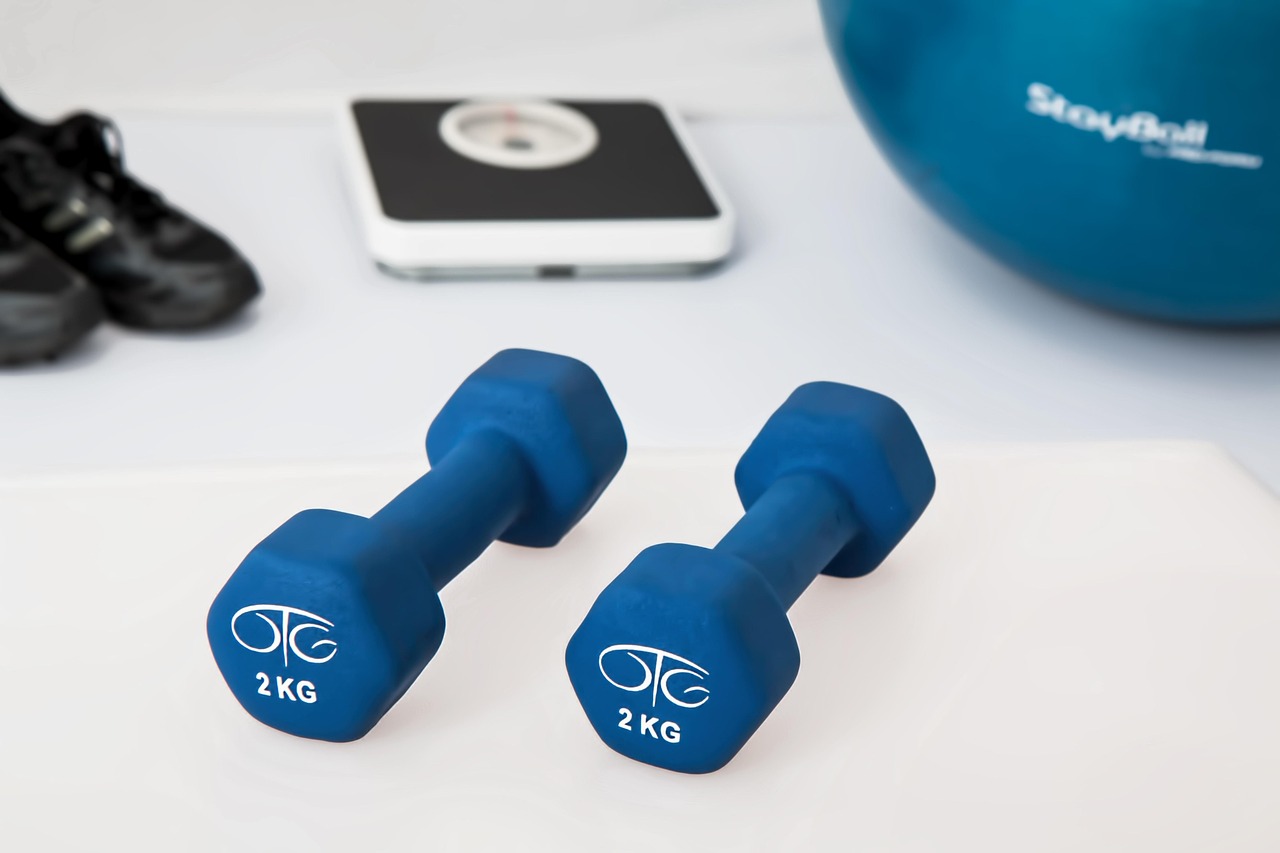
Therapeutic modalities and recovery tools are essential components of the Certificate in Sports Massage for Elite Athletes course, as they provide a comprehensive approach to injury prevention, treatment, and rehabilitation. One of the key terms in this context is physiotherapy, which refers to the use of physical methods, such as exercise, heat, and cold, to promote healing and rehabilitation. Physiotherapy is often used in conjunction with massage therapy to enhance the recovery process and improve overall athletic performance.
Another important term is cryotherapy, which involves the use of cold temperatures to reduce inflammation and promote healing. Cryotherapy can be applied in various forms, including ice packs, cold compresses, and even whole-body cryotherapy chambers. This modality is particularly useful for treating acute injuries, such as muscle strains and ligament sprains, as it helps to reduce pain and inflammation.
In contrast, thermotherapy involves the use of heat to promote healing and relaxation. This can include modalities such as heat packs, warm compresses, and hydrotherapy pools. Thermotherapy is often used to treat chronic injuries, such as tendinitis and bursitis, as it helps to increase blood flow and reduce muscle tension.
Electrotherapy is another key term in the context of therapeutic modalities, referring to the use of electrical currents to stimulate muscle contractions and promote healing. This can include modalities such as electrical muscle stimulation (EMS) and transcutaneous electrical nerve stimulation (TENS). Electrotherapy is often used to treat injuries such as muscle imbalances and nerve damage, as it helps to restore normal muscle function and reduce pain.
In addition to these modalities, recovery tools such as foam rollers and self-myofascial release techniques are also essential for promoting recovery and rehabilitation. These tools help to reduce muscle tension and improve circulation, making them an ideal complement to other therapeutic modalities. For example, a foam roller can be used to release tension in the IT band and quadriceps muscles, while self-myofascial release techniques can be used to release tension in the hip flexors and lower back muscles.
The use of compression garments is another important recovery tool, as it helps to improve circulation and reduce muscle oscillation. Compression garments, such as compression socks and tights, can be worn during exercise to improve performance and reduce the risk of injury. They can also be worn after exercise to aid in the recovery process, as they help to reduce muscle soreness and improve circulation.
Contrast water therapy is another recovery tool that involves the use of alternating hot and cold water temperatures to promote recovery and rehabilitation. This can include modalities such as hot tubs and cold plunges, which help to reduce inflammation and promote healing. Contrast water therapy is often used to treat injuries such as muscle strains and ligament sprains, as it helps to reduce pain and inflammation.
The use of normatec compression boots is another important recovery tool, as it helps to improve circulation and reduce muscle soreness. Normatec compression boots use compressed air to provide a gentle, pulsing pressure that helps to improve circulation and reduce muscle tension. This makes them an ideal tool for athletes who require rapid recovery and rehabilitation.
In terms of practical applications, therapeutic modalities and recovery tools can be used in a variety of ways to promote injury prevention, treatment, and rehabilitation. For example, a massage therapist may use massage techniques such as effleurage and petrissage to promote relaxation and reduce muscle tension. They may also use modalities such as heat and cold to reduce inflammation and promote healing.
A physiotherapist may use exercise programs such as strengthening and flexibility exercises to promote rehabilitation and improve athletic performance. They may also use modalities such as electrotherapy and hydrotherapy to promote healing and reduce pain.
The use of recovery tools such as foam rollers and compression garments can also be used to promote recovery and rehabilitation. For example, an athlete may use a foam roller to release tension in the IT band and quadriceps muscles after a long run or intense workout. They may also wear compression garments such as compression socks and tights to improve circulation and reduce muscle soreness.
One of the challenges of using therapeutic modalities and recovery tools is determining the most effective treatment plan for a particular injury or condition. This requires a thorough understanding of the underlying anatomy and physiology, as well as the various modalities and tools available. For example, a massage therapist may need to determine whether to use heat or cold to treat a particular injury, or whether to use electrotherapy or hydrotherapy to promote healing.
Another challenge is ensuring that the treatment plan is tailored to the individual athlete's needs and goals. This requires a thorough understanding of the athlete's training program, as well as their nutritional and lifestyle habits. For example, a physiotherapist may need to develop a rehabilitation program that takes into account the athlete's training schedule and competition goals.
The use of technology such as wearable devices and mobile apps can also be used to promote recovery and rehabilitation. For example, an athlete may use a wearable device such as a heart rate monitor to track their physiological responses to exercise, or a mobile app to track their nutrition and sleep patterns. This can help to identify potential areas for improvement and provide valuable insights into the recovery process.
In terms of examples, a professional soccer player may use a combination of massage therapy, physiotherapy, and recovery tools such as foam rollers and compression garments to promote recovery and rehabilitation. They may also use technology such as wearable devices and mobile apps to track their physiological responses to exercise and monitor their nutrition and sleep patterns.
A distance runner may use a combination of massage therapy, physiotherapy, and recovery tools such as normatec compression boots and contrast water therapy to promote recovery and rehabilitation. They may also use technology such as GPS watches and mobile apps to track their training program and monitor their physiological responses to exercise.
The use of therapeutic modalities and recovery tools can also be used to promote injury prevention and treatment. For example, a massage therapist may use massage techniques such as effleurage and petrissage to promote relaxation and reduce muscle tension, which can help to prevent injuries such as muscle strains and ligament sprains.
A physiotherapist may use exercise programs such as strengthening and flexibility exercises to promote rehabilitation and improve athletic performance, which can help to prevent injuries such as tendinitis and bursitis. They may also use modalities such as electrotherapy and hydrotherapy to promote healing and reduce pain, which can help to treat injuries such as muscle imbalances and nerve damage.
In terms of challenges, one of the main challenges of using therapeutic modalities and recovery tools is determining the most effective treatment plan for a particular injury or condition. Another challenge is ensuring that the treatment plan is tailored to the individual athlete's needs and goals, which requires a thorough understanding of the athlete's training program, as well as their nutritional and lifestyle habits.
The use of technology such as wearable devices and mobile apps can also be used to promote recovery and rehabilitation, but it requires a thorough understanding of the technology and how to use it effectively. For example, an athlete may use a wearable device such as a heart rate monitor to track their physiological responses to exercise, but they need to understand how to interpret the data and use it to inform their training program.
Overall, the use of therapeutic modalities and recovery tools is an essential component of the Certificate in Sports Massage for Elite Athletes course, as it provides a comprehensive approach to injury prevention, treatment, and rehabilitation. By understanding the various modalities and tools available, athletes and practitioners can develop effective treatment plans that promote recovery and rehabilitation, and improve overall athletic performance.
Key takeaways
- Therapeutic modalities and recovery tools are essential components of the Certificate in Sports Massage for Elite Athletes course, as they provide a comprehensive approach to injury prevention, treatment, and rehabilitation.
- This modality is particularly useful for treating acute injuries, such as muscle strains and ligament sprains, as it helps to reduce pain and inflammation.
- Thermotherapy is often used to treat chronic injuries, such as tendinitis and bursitis, as it helps to increase blood flow and reduce muscle tension.
- Electrotherapy is another key term in the context of therapeutic modalities, referring to the use of electrical currents to stimulate muscle contractions and promote healing.
- In addition to these modalities, recovery tools such as foam rollers and self-myofascial release techniques are also essential for promoting recovery and rehabilitation.
- Compression garments, such as compression socks and tights, can be worn during exercise to improve performance and reduce the risk of injury.
- Contrast water therapy is another recovery tool that involves the use of alternating hot and cold water temperatures to promote recovery and rehabilitation.