
Specialty Stitch Applications
Blind stitch – a seam that is invisible from the outer side of a garment. This stitch is typically used on hems, where the thread is caught only a few millimeters inside the fabric edge. The needle is set to a short length and the presser f…
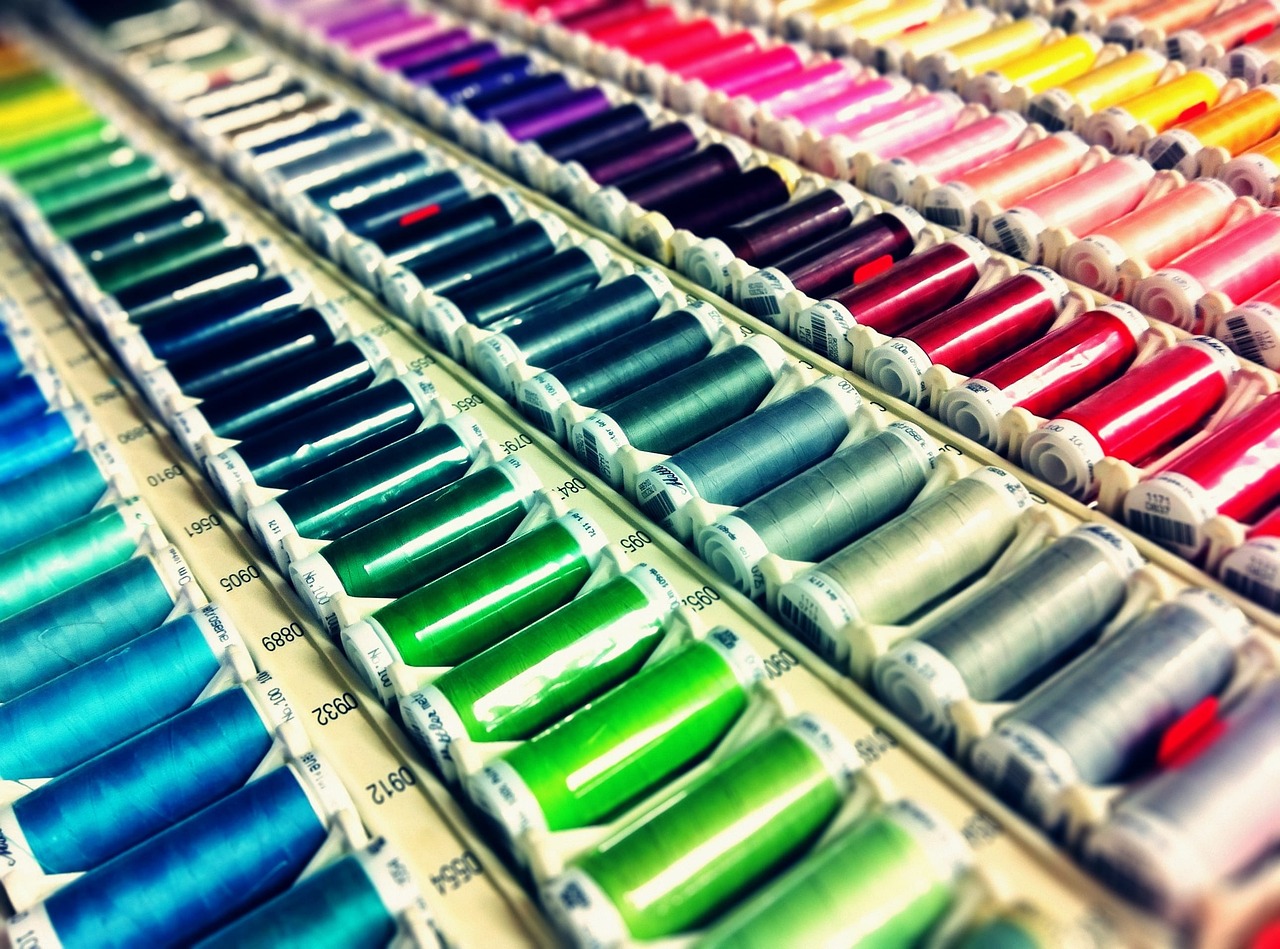
Blind stitch – a seam that is invisible from the outer side of a garment. This stitch is typically used on hems, where the thread is caught only a few millimeters inside the fabric edge. The needle is set to a short length and the presser foot is adjusted to a low height, allowing the stitch to lie flat against the surface. In practice, a blind stitch is essential for tailoring formal wear such as evening gowns, where a seamless appearance is required. A common challenge is maintaining an even stitch length; if the stitch becomes too long, the seam may show, defeating the purpose of the blind finish.
Topstitch – a visible line of stitching placed on the outside of a garment for both decorative and structural purposes. Topstitching reinforces seams, adds visual interest, and can define shape. For example, a tailored blazer often features topstitching along the lapel and pocket edges to create crisp lines. When applying topstitch, the thread weight should complement the fabric weight; a heavy cotton thread on a delicate silk will create an imbalanced look. The primary challenge is achieving consistent spacing; irregular spacing can make the garment appear poorly finished.
Chain stitch – a looped stitch that resembles a chain, commonly produced by a lockstitch machine with a chain stitch setting. This stitch is stretchable, making it ideal for knits and activewear. In a sports jacket, a chain stitch can be used on side seams to allow for movement without breaking. The key difficulty is controlling tension; too much tension can cause the chain to snap, while too little can result in loose loops that catch on other layers.
Coverstitch – a specialized stitch that simultaneously creates a row of parallel stitches on the front of the fabric and a looper stitch on the back. The coverstitch is the standard finish for knitwear hems, cuffs, and necklines because it provides elasticity while maintaining a clean appearance. A practical application is the finishing of a t‑shirt hem, where the coverstitch hides raw edges and prevents fraying. The main challenge lies in needle selection; using a regular sewing needle instead of a coverstitch needle can cause needle breakage and uneven looper formation.
Flatlock stitch – a seam that lies flat on the surface of the fabric, created by overlapping two rows of stitches that interlock. This stitch is widely used in sportswear, especially in areas that require both strength and comfort, such as the side seams of leggings. Flatlock seams are also appreciated for their decorative effect, as the raised seam line adds visual texture. The difficulty with flatlock stitching is synchronizing the two needle sets; misalignment can produce a bulging seam that restricts movement.
Bar tack – a dense, reinforced stitch applied in a short length to strengthen high‑stress points such as pocket openings, belt loops, or buttonholes. Bar tacks are often executed with a heavy-duty needle and a short stitch length. In a pair of jeans, a bar tack at the pocket corners prevents tearing under the weight of items placed inside. The primary obstacle is ensuring the bar tack does not create a hard ridge that interferes with the garment’s drape; careful tension adjustment is required.
Roll stitch – a narrow, tightly woven stitch that rolls the fabric edge, commonly used on delicate silk or chiffon to prevent fraying while maintaining a smooth finish. Roll stitching is ideal for finishing the raw edge of a veil or a sheer overlay. The technique requires a fine needle and a lightweight thread; otherwise, the fabric may pucker. A frequent challenge is maintaining a consistent roll; uneven tension can cause the edge to curl or gather unintentionally.
Double‑needle stitching – the simultaneous use of two needles to create parallel rows of stitches, often employed for topstitching on heavy fabrics. This method adds durability and a decorative double line, as seen on denim jackets where double‑needle stitching reinforces shoulder seams. The difficulty is aligning the needles so the stitches remain parallel and evenly spaced; misalignment leads to a skewed appearance.
Hand‑felled seam – a seam finished entirely by hand, where the seam allowance is folded and sewn down to create a smooth, flat surface. Hand‑felled seams are a hallmark of high‑end tailoring, particularly on suit jackets and coats. The technique provides a clean interior finish and reduces bulk. The challenge lies in the time‑consuming nature of hand stitching and the skill required to keep the seam flat without puckering.
Pintuck – a narrow, stitched fold that creates a raised line on the fabric surface, used for decorative texture. Pintucks are commonly applied to blouses and dresses to add subtle detailing. When creating pintucks, a fine needle and a straight stitch are used to stitch the fabric, then the stitch is pulled to form a crisp fold. The difficulty is achieving uniform depth; inconsistent pulling can result in uneven folds that detract from the overall aesthetic.
Gather – a method of drawing fabric together by stitching a series of parallel rows of loose stitches, then pulling the thread to create fullness. Gathering is essential for creating ruffles, pleated skirts, and the fullness of a bustier. The key to a smooth gather is using a thread that matches the fabric weight and ensuring the gathers are evenly spaced before tightening. Over‑gathering can cause the fabric to bunch and distort the garment’s silhouette.
Pleat – a fold of fabric that is pressed and secured, creating a permanent or temporary structure. Pleats can be knife, box, accordion, or sunburst types, each offering a distinct visual effect. In a tailored skirt, knife pleats provide a crisp, linear look, while box pleats add volume and depth. The main challenge is maintaining consistent pleat width; irregular pleats result in an uneven hemline and can affect the garment’s balance.
Stitch length – the distance between successive stitches, measured in millimeters. Adjusting stitch length influences the strength, flexibility, and appearance of a seam. A short stitch length (2–3 mm) is used for heavy fabrics or when a strong seam is required, such as in denim. A longer stitch length (4–5 mm) is appropriate for lightweight fabrics to avoid perforating the material. The difficulty is selecting the correct length for each fabric type; an incorrect setting can cause seam rupture or fabric damage.
Tension – the amount of pull applied to the thread as it passes through the machine’s tension discs. Proper tension ensures balanced stitches on both the top and bottom of the fabric. In a coverstitch, tension must be calibrated separately for the upper needles and the looper to avoid loops that are too tight or too loose. Common challenges include tension fluctuations caused by thread changes or needle replacement, which can produce uneven stitches.
Feed dogs – the metal teeth that advance fabric under the needle. Specialized feed dog settings, such as a walking foot or a rolled hem foot, are essential for handling slippery or thick fabrics. For example, a walking foot is indispensable when sewing stretch denim, as it prevents the fabric layers from shifting. The primary issue is ensuring the feed dogs are correctly engaged; disengaged feed dogs can cause fabric bunching and uneven seams.
Needle type – the classification of sewing needles based on point shape, size, and purpose. Common types include universal, ballpoint, sharp, denim, and specialty needles such as twin‑needle or stretch needles. Selecting the appropriate needle prevents fabric damage; a sharp needle on a knit fabric will create runs, while a ballpoint needle on woven cotton may not penetrate the fibers adequately. The challenge is matching needle size to thread weight and fabric thickness; an oversized needle can create holes, while an undersized needle may break.
Thread composition – the material from which thread is made, influencing strength, sheen, and durability. Thread may be cotton, polyester, rayon, silk, or a blend. For specialty stitches, a polyester‑cotton blend provides both strength and elasticity, making it suitable for activewear seams. Silk thread offers a lustrous finish for decorative topstitching on formal gowns. The difficulty lies in selecting a thread that complements the fabric’s care requirements; a high‑heat‑sensitive thread on a fabric that requires dry cleaning can cause damage during laundering.
Seam allowance – the distance between the edge of the fabric and the stitching line. Standard seam allowances range from 1 cm for lightweight garments to 2 cm for heavy or tailored pieces. In alterations, adjusting seam allowances is critical for achieving proper fit. For example, taking in a waistline may require reducing the seam allowance by 0.5 cm to preserve the garment’s proportions. The primary challenge is maintaining consistency across all seams; uneven seam allowances can lead to mismatched edges and a distorted silhouette.
Interfacing – a supportive fabric layer applied to reinforce areas such as collars, cuffs, and button plackets. Interfacing can be fusible or sew‑in, and its weight is selected based on the garment’s construction. For a structured blazer lapel, a medium‑weight fusible interfacing provides crispness while keeping the garment lightweight. The challenge is applying interfacing without creating bubbles or wrinkles, which can affect the final appearance of the stitch.
Bias – the diagonal direction of a woven fabric, typically at a 45‑degree angle to the grain. Cutting on the bias allows the fabric to stretch and drape more fluidly. Specialty stitches such as bias binding benefit from this property, as they can curve around seams without puckering. When binding a curved neckline, cutting the binding on the bias prevents the seam from pulling and creates a smooth finish. The difficulty is accurately identifying the bias line; miscut bias strips can lead to uneven stretch and distortion.
Binding – a strip of fabric used to finish raw edges, often applied to seams, cuffs, and necklines. Binding can be single‑fold or double‑fold, and may be sewn by hand or machine. In a bomber jacket, a double‑fold bias binding is sewn around the hem to create a clean edge that also adds visual interest. The main challenge is maintaining tension while turning the binding, especially on curved edges where the binding may stretch or wrinkle.
Stitch gauge – the measurement of stitches per inch (SPI) produced by a machine. Adjusting the stitch gauge changes the density of stitches, affecting both the appearance and strength of a seam. A high SPI (e.g., 8‑10) creates a fine, decorative stitch, while a low SPI (e.g., 4‑5) yields a strong, functional seam. For decorative embroidery, a higher gauge is preferred; for denim stitching, a lower gauge provides durability. The challenge is selecting the appropriate gauge for the fabric and thread combination; an incompatible gauge can cause thread breakage or seam weakness.
Seam finish – the method used to prevent raw edges from fraying and to reinforce the seam. Common finishes include overlock, flatlock, zigzag, and hand‑stitched hems. In a couture dress, a hidden overlock finish may be used on the interior seams to maintain a smooth exterior surface. The difficulty lies in choosing a finish that complements the fabric’s drape; a bulky overlock on a lightweight chiffon can add unwanted stiffness.
Buttonhole – a reinforced opening that allows a button to pass through. Specialty buttonhole stitches, such as a keyhole buttonhole, provide a decorative and functional solution for delicate fabrics. In a silk blouse, a keyhole buttonhole adds an elegant touch while protecting the fabric from tearing. The primary challenge is creating a consistent, clean edge; uneven buttonhole stitching can result in frayed edges and compromised functionality.
Eyelet – a small hole reinforced with stitching, often used for decorative purposes or ventilation. Eyelet stitching is executed with a specialized foot that creates a perfectly round opening surrounded by a neat stitch. In a summer dress, eyelets add a breezy aesthetic while preventing the fabric from fraying. The challenge is maintaining uniform size; inconsistent eyelet diameters can disrupt the garment’s visual rhythm.
Appliqué – a technique where a fabric piece is sewn onto a base fabric to create a design. Appliqué can be executed with a straight stitch, satin stitch, or decorative stitch depending on the desired texture. A designer may appliqué a floral motif onto a denim jacket to add artistic flair. The difficulty is aligning the appliqué piece precisely and securing it without creating puckers, especially on stretchy or textured fabrics.
Quilting – the process of stitching together three layers—top fabric, batting, and backing—to create a padded effect. Quilting stitches can be functional (to hold layers together) or decorative (to add pattern). In a padded blazer, quilting provides structure while adding visual depth. The main challenge is ensuring even distribution of batting; uneven batting can cause lumps that distort the garment’s silhouette.
Embroidery – the art of decorating fabric with needle and thread, using a variety of stitches such as satin, split‑fill, and chain. In high‑fashion garments, embroidered motifs may be applied to the back of a dress or along the hemline. The challenge for specialty stitch applications is integrating embroidery with other seam finishes without compromising fabric integrity or causing bulk.
Stitch density – the concentration of stitches within a given area, influencing the strength and flexibility of a seam. High stitch density is employed in areas that undergo stress, such as the side seams of activewear leggings. Low stitch density is suitable for decorative seams where flexibility is not a priority. The difficulty is balancing density with fabric weight; excessive density on a lightweight fabric can cause tearing.
Machine needle – the component that penetrates fabric and carries thread through to form a stitch. Specialty machines may use twin‑needle or zigzag needles for specific stitch types. For a double‑needle topstitch on denim, a twin‑needle set ensures parallel rows. The challenge is monitoring needle wear; a dull needle can cause skipped stitches and fabric damage.
Presser foot – the attachment that holds fabric in place while stitching. Different presser feet are designed for specific applications: a walking foot for multiple layers, a rolled hem foot for bias binding, and a zipper foot for installing zippers. Selecting the correct foot is vital for achieving a clean finish. The primary challenge is adjusting foot pressure; too much pressure can stretch delicate fabrics, while too little can cause slipping.
Stitching direction – the orientation of stitches relative to the grain of the fabric. Stitching parallel to the grain provides stability, while stitching on the bias offers stretch. In a wrap dress, stitching on the bias for the side seam allows the garment to move with the body. The difficulty is maintaining consistent direction throughout a complex garment, as inadvertent changes can cause distortion.
Seam slippage – the movement of fabric layers relative to each other under tension, often occurring in low‑tension seams. Seam slippage is a common issue in knits and woven fabrics with low friction. Using a backstitch or reinforcing with a bar tack can mitigate slippage. The challenge is identifying potential slippage points early in the construction process to apply preventative measures.
Seam allowance reduction – the process of trimming excess seam allowance to improve fit or reduce bulk. In a fitted jacket, reducing seam allowance after fitting allows the garment to sit closer to the body without excess fabric. The challenge is ensuring that reduction does not compromise seam strength; reinforcing the seam after trimming is often necessary.
Seam grading – the technique of gradually reducing seam allowance width from the interior to the exterior to minimize bulk. Grading is especially useful in layered garments, such as coats with linings. By trimming the innermost seam allowance to a smaller width, the seam sits flatter. The difficulty lies in precise trimming; uneven grading can create uneven seams that affect comfort.
Stitch reinforcement – the addition of extra stitches or stitches with a higher thread count to strengthen a seam. Reinforcement is used at high‑stress points like shoulder seams, crotch seams, and pocket openings. For a leather jacket, a reinforced double‑needle stitch at the shoulder adds durability. The challenge is integrating reinforcement without creating a visual imbalance; careful placement ensures the reinforcement remains discreet.
Thread tension adjustment – the fine‑tuning of the thread path to achieve balanced stitches. On a serger, tension must be set for the two upper threads and the looper. Incorrect tension can cause loops to form on the underside or cause the stitch to pucker on the top side. The primary challenge is achieving consistent tension across different fabric types; each fabric may require a unique tension setting.
Stitch length adjustment – the modification of the machine’s stitch length setting to accommodate fabric thickness and seam requirements. For a heavy wool coat, a longer stitch length reduces needle penetration, preventing fabric damage. For delicate silk, a short stitch length provides precise control. The difficulty is remembering to reset the stitch length when switching fabrics; failure to do so can result in inappropriate stitch formation.
Stitch type selector – the dial or digital interface on a sewing machine that chooses between straight stitch, zigzag, blind stitch, and specialty stitches. Understanding each stitch’s purpose allows the designer to select the optimal stitch for a given application. For example, a zigzag stitch provides flexibility for a curved seam on a jersey dress. The challenge is mastering the selector’s functions and remembering the correct settings for each stitch type.
Machine maintenance – the routine cleaning, oiling, and part replacement required to keep a sewing machine operating efficiently. Regular maintenance prevents thread breakage, stitch irregularities, and needle damage. In a professional studio, a weekly maintenance schedule ensures machines are ready for high‑volume production. The difficulty is maintaining consistent maintenance routines amidst a busy production schedule.
Serger – a specialized machine that trims fabric edges while simultaneously stitching an overlock seam. Serger stitches are ideal for finishing knit fabrics because they provide elasticity and a clean edge. In a sports bra, serger seams allow the garment to stretch without unraveling. The challenge is mastering serger tension settings, as improper tension can cause loops to form or seam edges to fray.
Coverstitch machine – an industrial machine that creates a coverstitch, combining a row of straight stitches on the top with a looper stitch underneath. This machine is essential for finishing the hems of knit garments. For a pair of sweatpants, the coverstitch provides a professional finish that resists curling. The difficulty lies in threading the machine correctly; incorrect threading can lead to uneven looper formation.
Flatlock machine – a machine designed to produce flatlock seams, which lie flat and are aesthetically pleasing. Flatlock seams are common in athletic wear where comfort and style intersect. In a tracksuit, flatlock seams reduce chafing and add a decorative line. The challenge is ensuring the two needle bars remain synchronized; any deviation creates an uneven seam.
Embroidery machine – a computerized device that automates decorative stitching patterns. Embroidery machines can replicate intricate designs on fabrics ranging from cotton to silk. In a couture gown, a floral embroidery pattern may be programmed to appear on the back. The difficulty is digitizing designs accurately and selecting appropriate thread colors to match the fabric’s hue.
Stitch programming – the process of inputting design data into an embroidery machine to produce a specific pattern. This involves converting artwork into a stitch file using software. For a designer, mastering stitch programming allows custom motifs to be added to a collection without manual hand‑embroidery. The challenge is optimizing stitch paths to reduce thread jumps and minimize fabric distortion.
Thread tension discs – the components that regulate the amount of tension applied to thread as it passes through the machine. Proper tension ensures balanced stitches on both sides of the fabric. In a coverstitch, tension discs must be calibrated for both the upper needles and the looper. The difficulty is adjusting tension for different thread types; a polyester thread may require different tension than a cotton thread.
Needle plate – the metal surface that holds the fabric in place and contains the needle opening. Specialty needle plates, such as a rolled hem plate or a walking foot plate, facilitate specific stitch applications. When creating a rolled hem on a silk scarf, a rolled hem plate prevents the fabric from slipping. The challenge is ensuring the plate is clean and free of burrs; debris can cause fabric snags and uneven stitches.
Stitch density control – the ability to modify the number of stitches per unit length, influencing the seam’s strength and visual effect. High density is used for decorative stitching, while low density suits functional seams. In a leather bag, a dense stitch pattern adds a luxurious appearance. The difficulty is balancing density with fabric flexibility; overly dense stitching on a stiff material can cause cracking.
Seam reinforcement bar – a strip of interfacing or canvas sewn into a seam to increase durability. Reinforcement bars are commonly inserted into the shoulder seams of jackets to prevent strain. In a trench coat, a reinforcement bar adds structure while preserving the garment’s drape. The challenge is stitching the bar without adding excessive bulk, which can affect the garment’s silhouette.
Stitching machine foot pressure – the adjustment that controls how firmly the presser foot holds the fabric. Proper foot pressure ensures consistent feed and prevents fabric shifting. For a delicate chiffon overlay, a light foot pressure prevents puckering. The difficulty is calibrating pressure for each fabric type; too much pressure can cause distortion, while too little can lead to slipping.
Seam allowance grading tool – a device used to trim multiple layers of seam allowance to different widths in a single pass. Grading tools streamline the process of reducing bulk in layered garments. In a lined coat, the tool quickly grades the inner seam allowance, improving comfort. The challenge is ensuring the tool’s blades are sharp and aligned; dull blades can cause uneven cuts.
Stitch length indicator – a visual or digital display that shows the current stitch length setting. This feature helps the operator verify the correct length before stitching. In a fast‑paced production environment, a clear indicator reduces errors. The difficulty is that some machines lack an obvious indicator, requiring the operator to rely on memory or trial runs.
Stitching speed control – the ability to adjust the machine’s operating speed. Slower speeds are advantageous for intricate stitches or when working with delicate fabrics. For a hand‑sewn appliqué, a reduced speed allows precise placement of each stitch. The challenge is maintaining consistent speed throughout a project; fluctuating speeds can lead to uneven tension and stitch quality.
Stitch pattern library – a collection of pre‑programmed stitch designs available on a machine. Designers can select from decorative stitches such as scallops, waves, or geometric motifs. In a party dress, a scalloped stitch adds a feminine edge. The difficulty is choosing patterns that complement the garment’s style without overwhelming the design.
Thread breakage – the interruption of thread flow due to tension, needle damage, or improper threading. Breakage can halt production and cause wasted material. In a high‑volume sewing line, frequent thread breakage indicates a need for maintenance or adjustment. The challenge is diagnosing the cause quickly; checking tension, needle condition, and thread quality helps resolve the issue.
Seam puckering – the gathering or wrinkling of fabric at the seam line, often caused by improper tension or stitch length. Puckering is especially noticeable on smooth fabrics like silk. To avoid puckering, the operator may adjust tension, use a longer stitch length, or apply a stabilizer. The difficulty lies in diagnosing the exact cause, as multiple variables may contribute.
Fabric distortion – the alteration of a fabric’s shape due to uneven stitching, tension, or feed. Distortion can affect the garment’s fit and aesthetic. When stitching a bias‑cut skirt, uneven tension can cause the fabric to curl. The solution involves using a walking foot, adjusting tension, and ensuring consistent stitch length. The challenge is preventing distortion in complex designs with multiple layers.
Stitch registration – the alignment of stitches relative to pattern lines or seam edges. Accurate registration ensures that decorative stitches line up with design elements. In a embroidered logo, precise registration places the motif exactly where intended. The difficulty is maintaining registration when transitioning between different stitch types or when moving the fabric under the needle.
Stitch backstitch – a reinforcing stitch made by sewing backward over the initial stitches. Backstitching secures the start and end of a seam, preventing unraveling. In a tailored coat, a backstitch at the shoulder seam adds strength. The challenge is ensuring the backstitch does not create a visible bulge; careful tension control keeps the seam smooth.
Stitch slip stitch – a decorative looped stitch that creates a textured surface, often used in quilting. Slip stitches can be employed to join layers without creating a visible seam. In a quilted jacket, slip stitching holds the batting in place while adding a subtle pattern. The difficulty is maintaining even spacing; irregular slips can lead to uneven texture.
Stitch overcast – a looped stitch that encircles the edge of fabric, preventing fraying. Overcast stitches are commonly used on raw edges of woven fabrics. In a denim skirt, an overcast stitch finishes the hem neatly. The challenge is achieving a tight, uniform overcast without pulling the fabric.
Stitch double‑needle – the simultaneous use of two needles to create parallel rows of stitching. Double‑needle stitching adds durability and visual interest. In a shirt collar, double‑needle topstitching reinforces the edge while providing a clean line. The difficulty is aligning the needles; misalignment leads to uneven spacing and an unprofessional appearance.
Stitch zigzag – a stitch that moves side to side, creating a flexible seam. Zigzag stitches are useful for finishing edges that require stretch, such as the hem of a jersey dress. The challenge is setting the appropriate width; too wide a zigzag can create loops that snag.
Stitch straight – the most basic stitch, running directly forward. Straight stitches are used for seams, topstitching, and basic construction. In a simple cotton blouse, straight stitching forms the primary seams. The difficulty is ensuring consistent stitch length and tension to avoid weak seams.
Stitch decorative – any stitch chosen primarily for its visual effect rather than structural function. Decorative stitches include satin stitch, stem stitch, and decorative zigzag. In a wedding dress, decorative stitching along the bodice adds elegance. The challenge is balancing decorative impact with functional considerations; overly dense decorative stitching can add unwanted bulk.
Stitch satin – a tight, smooth stitch that covers the fabric surface, often used for lettering or intricate designs. Satin stitching provides a glossy finish and is ideal for monograms on shirts. The difficulty lies in controlling tension; uneven tension can cause the satin stitch to pucker or become loose.
Stitch split‑fill – a variation of the satin stitch where the needle splits the thread, creating a textured, raised effect. Split‑fill stitches add dimension to embroidery designs. In a decorative patch on a jacket, split‑fill stitching gives a three‑dimensional look. The challenge is maintaining consistent thread tension to avoid irregularities.
Stitch chain – a looped stitch resembling a chain, used for decorative edging or reinforcing seams. Chain stitching can be executed by a dedicated chain stitch machine or by manual hand stitching. In a leather belt, a chain stitch edge adds durability. The difficulty is controlling loop size; large loops may snag or look unrefined.
Stitch blanket – a dense, tightly spaced stitch used to secure multiple layers of fabric together, often in quilting. Blanket stitching provides strong hold while allowing flexibility. In a padded coat, blanket stitching secures the batting without creating hard spots. The challenge is managing thread consumption; blanket stitching uses more thread than a standard seam.
Stitch reinforcement bar – a strip of material inserted into a seam to increase strength. Reinforcement bars are often used in high‑stress areas like shoulder seams of coats. The difficulty is ensuring the bar is positioned correctly and sewn securely without adding excessive bulk.
Stitch pleating – the method of folding fabric in a regular pattern and securing it with stitches to create permanent pleats. Pleating can be executed with a pleating machine or by hand using specialized pleating stitches. In a skirt, pleating adds volume and shape. The challenge is achieving uniform pleat depth; inconsistent pleats affect the garment’s line.
Stitch gathering – the process of drawing fabric together using a series of stitches that, when tightened, create fullness. Gathering is used for ruffles, sleeve cuffs, and decorative elements. In a blouse, a gathered neckline adds softness. The difficulty is preventing the gathers from becoming too tight and distorting the fabric’s drape.
Stitch shirring – a series of parallel rows of stitches that create elasticized gathering, often used in casual wear. Shirring adds stretch to a garment, allowing it to conform to the body. In a summer top, shirring across the bust provides a flattering fit. The challenge is maintaining even spacing and tension to avoid uneven puckering.
Stitch appliqué – a technique where a piece of fabric is sewn onto a base fabric to create a decorative motif. Appliqué can be attached using a straight stitch, satin stitch, or decorative stitch. In a denim jacket, a floral appliqué adds visual interest. The difficulty is ensuring the appliqué lies flat and does not cause bulk, especially on curved areas.
Stitch quilting – the process of stitching through multiple layers to create a padded effect. Quilting stitches can be functional (to hold batting) or decorative (to form patterns). In a quilted jacket, quilting adds warmth and style. The challenge is aligning the quilting pattern with the garment’s design lines to avoid distortion.
Stitch embroidery – the art of decorating fabric with needle and thread using a variety of stitches. Embroidery can be machine‑executed or hand‑stitched. In a couture gown, embroidered motifs may be placed on the bodice for added luxury. The difficulty is integrating embroidery with other seam finishes without causing bulk or compromising the fabric’s drape.
Stitch overlock – a seam that simultaneously trims the fabric edge and encloses it with a series of interlocking stitches. Overlock seams are ideal for finishing woven and knit fabrics. In a sports shirt, an overlock seam provides a clean, stretchy finish. The challenge is adjusting tension to prevent loops or puckering.
Stitch flatlock – a seam that lies flat on the fabric surface, created by overlapping two rows of stitches that interlock. Flatlock seams are used in activewear for comfort and aesthetics. In leggings, a flatlock seam reduces friction against the skin. The difficulty is ensuring the two needle sets remain synchronized; any misalignment creates an uneven seam.
Stitch bar tack – a short, dense stitch used to reinforce high‑stress points. Bar tacks are commonly applied to pocket corners, belt loops, and buttonholes. In a pair of jeans, bar tacks at the pocket corners prevent tearing. The challenge is applying the bar tack without creating a hard ridge that interferes with the garment’s flow.
Stitch roll – a narrow, rolled edge stitch that folds the raw edge of fabric and secures it. Roll stitching is used on lightweight fabrics to prevent fraying while maintaining a smooth finish. In a chiffon scarf, roll stitching provides an invisible edge. The difficulty is maintaining even tension; uneven roll may cause the edge to curl.
Stitch bias binding – a strip cut on the bias and used to finish raw edges, especially on curved seams. Bias binding conforms to the shape of the garment without puckering. In a fitted dress, bias binding around the neckline creates a sleek, flexible finish. The challenge is cutting the binding accurately on the bias; miscut strips can stretch unevenly.
Stitch seam finish – the method applied to a seam’s raw edges to prevent fraying and add reinforcement. Common finishes include overlock, flatlock, zigzag, and hand‑stitched hems. Selecting the appropriate seam finish depends on fabric type, garment function, and aesthetic. The difficulty lies in balancing durability with visual appeal; an overly bulky finish can affect drape.
Stitch tension balance – the equilibrium achieved when the upper and lower thread tensions are correctly set, resulting in even stitches on both sides of the fabric. Proper tension balance prevents loops, puckering, and thread breakage. In a coverstitch, tension balance is critical for a smooth looper stitch on the underside. The challenge is adjusting tension for different thread types and fabric weights; each combination may require a unique setting.
Stitch thread selection – the process of choosing a thread that matches the fabric’s weight, stretch, and care requirements. For heavy denim, a polyester‑cotton blend provides strength; for delicate silk, a fine silk thread adds sheen. The difficulty is ensuring the thread’s twist and ply are compatible with the fabric; mismatched thread can cause seam failure or unsightly appearance.
Stitch seam allowance – the distance between the edge of the fabric and the stitching line, typically ranging from 0.5 cm to 2 cm. Proper seam allowance ensures enough fabric for reinforcement while minimizing bulk. In a fitted dress, a narrow seam allowance helps maintain a sleek silhouette. The challenge is maintaining consistent seam allowance throughout a garment; variations can lead to uneven seams and fit issues.
Stitch seam grading – the technique of trimming and reducing seam allowances in layers to minimize bulk. Grading creates a smoother finish, especially in lined garments. In a coat with a lining, grading the inner seam allowance reduces thickness. The difficulty is executing precise cuts; uneven grading can cause the seam to protrude.
Stitch seam reinforcement – the addition of extra stitches, bar tacks, or interfacing to strengthen a seam. Reinforcement is essential at stress points like shoulder seams, crotch seams, and pocket openings. In a work jacket, reinforced seams increase durability. The challenge is integrating reinforcement without adding excessive bulk that interferes with the garment’s silhouette.
Stitch seam slippage – the movement of fabric layers relative to each other under tension, often caused by insufficient stitch density or improper tension. Slippage can lead to seam distortion and eventual failure. A backstitch or bar tack can mitigate slippage in high‑stress areas. The difficulty is identifying potential slippage zones early in the construction process.
Stitch seam puckering – the gathering of fabric at the seam line, typically caused by tension imbalance or inappropriate stitch length. Puckering is most noticeable on smooth fabrics like satin. Adjusting tension, using a longer stitch length, or applying a stabilizer can reduce puckering. The challenge is diagnosing the exact cause, as multiple factors may contribute.
Stitch seam distortion – the alteration of a fabric’s shape due to uneven stitching, tension, or feed. Distortion can affect fit and aesthetic. In a bias‑cut dress, uneven tension can cause the fabric to curl. Solutions include using a walking foot, adjusting tension, and ensuring consistent stitch length. The difficulty is preventing distortion in complex designs with multiple layers.
St
Key takeaways
- A common challenge is maintaining an even stitch length; if the stitch becomes too long, the seam may show, defeating the purpose of the blind finish.
- When applying topstitch, the thread weight should complement the fabric weight; a heavy cotton thread on a delicate silk will create an imbalanced look.
- The key difficulty is controlling tension; too much tension can cause the chain to snap, while too little can result in loose loops that catch on other layers.
- The main challenge lies in needle selection; using a regular sewing needle instead of a coverstitch needle can cause needle breakage and uneven looper formation.
- The difficulty with flatlock stitching is synchronizing the two needle sets; misalignment can produce a bulging seam that restricts movement.
- Bar tack – a dense, reinforced stitch applied in a short length to strengthen high‑stress points such as pocket openings, belt loops, or buttonholes.
- Roll stitch – a narrow, tightly woven stitch that rolls the fabric edge, commonly used on delicate silk or chiffon to prevent fraying while maintaining a smooth finish.