
Building a Professional Portfolio in Early Storytelling
Building a professional portfolio in early storytelling is an essential step in the course Professional Certificate in Interactive Storytelling for Toddlers. A portfolio is a collection of documents, images, and artifacts that demonstrate a…
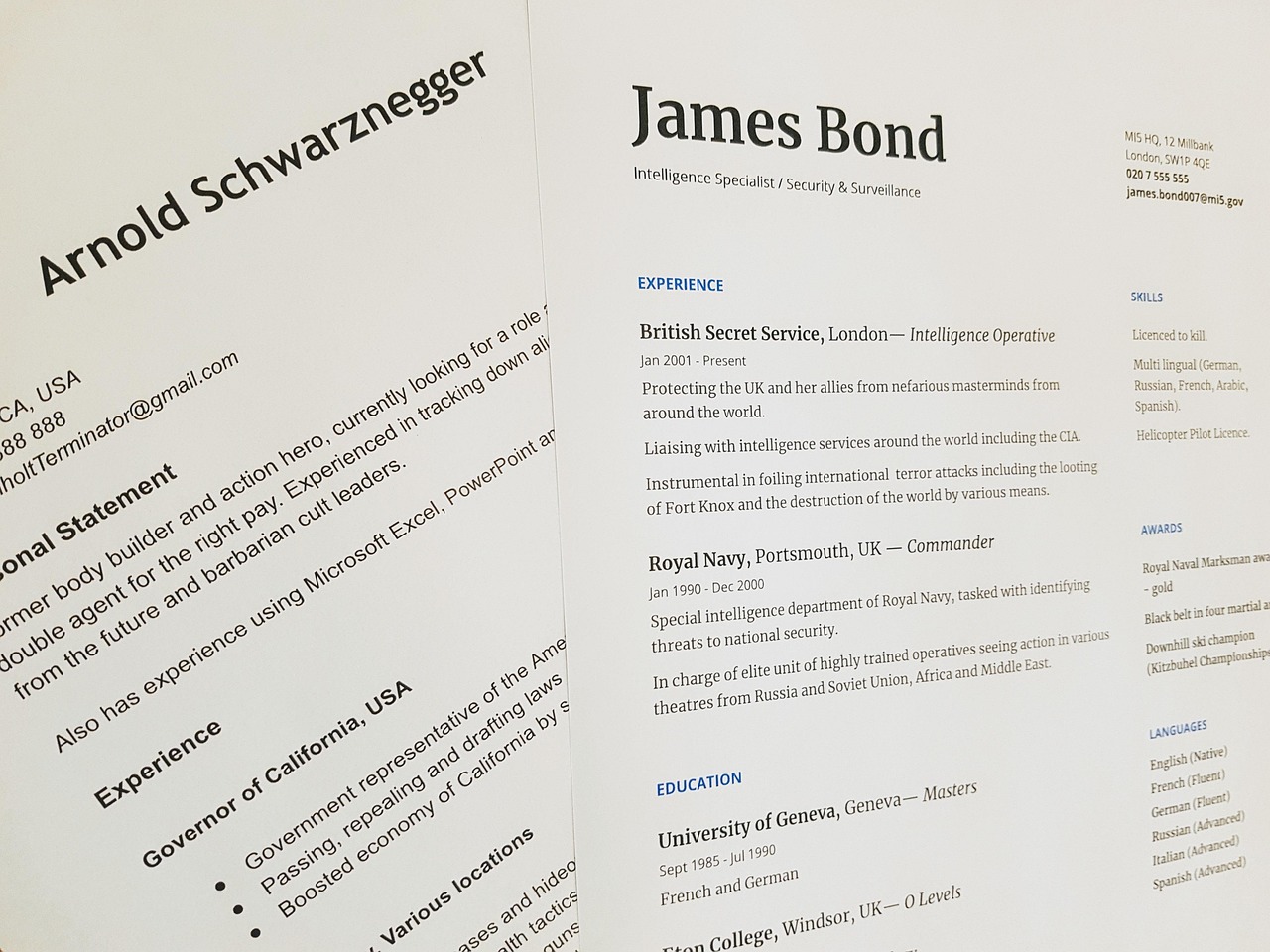
Building a professional portfolio in early storytelling is an essential step in the course Professional Certificate in Interactive Storytelling for Toddlers. A portfolio is a collection of documents, images, and artifacts that demonstrate a person's skills, knowledge, and experience in a particular field. In this case, the portfolio will showcase the individual's ability to create engaging and interactive stories for toddlers. The process of building a portfolio begins with understanding the key terms and vocabulary associated with early storytelling.
One of the fundamental concepts in early storytelling is developmental appropriateness. This refers to the idea that stories and activities should be tailored to the cognitive, social, and emotional abilities of the target age group. For toddlers, this means using simple language, colorful images, and interactive elements that promote learning and exploration. A professional portfolio should demonstrate an understanding of child development theories and how they inform the creation of engaging stories.
Another crucial aspect of early storytelling is interactivity. Toddlers learn best through hands-on experiences, and stories should be designed to encourage participation and engagement. This can be achieved through the use of call-and-response techniques, where the storyteller invites the child to respond to questions or prompts. Other interactive elements, such as flap books, touch-and-feel textures, and pop-up illustrations, can also be used to create an immersive experience.
The portfolio should also demonstrate an understanding of story structure and how to create a narrative that is both engaging and easy to follow. This includes the use of introduction, build-up, climax, and resolution to create a sense of tension and resolution. The storyteller should also be able to use transitions and connectors to link ideas and create a cohesive narrative.
In addition to these technical skills, a professional portfolio should also demonstrate an understanding of the emotional and social aspects of storytelling. This includes the ability to create characters and scenarios that are relatable and inclusive, and that promote empathy and self-awareness in young children. The portfolio should also showcase the ability to use storytelling as a tool for socialization and community-building, such as through the use of group activities and role-playing exercises.
The process of building a portfolio involves several key steps. The first step is to identify the target audience and the goals of the portfolio. In this case, the target audience is toddlers, and the goal is to demonstrate expertise in interactive storytelling. The next step is to gather examples of work, such as stories, images, and artifacts, that demonstrate the individual's skills and knowledge. This can include samples of writing, illustrations, and design elements, as well as evaluations and feedback from peers and mentors.
The portfolio should also include a reflection component, where the individual reflects on their own learning and growth as a storyteller. This can include self-assessments, goal-setting, and action plans for future development. The reflection component should demonstrate an understanding of the importance of ongoing learning and professional development in the field of early storytelling.
In terms of practical applications, the portfolio can be used to demonstrate expertise to potential employers or clients. It can also be used as a tool for self-reflection and evaluation, helping the individual to identify areas for improvement and develop a plan for future growth. The portfolio can also be used to connect with other professionals in the field, such as through networking events and conferences.
One of the challenges of building a portfolio is staying organized and focused. The individual should create a system for gathering and storing examples of work, as well as a plan for regularly updating and refining the portfolio. The portfolio should also be easy to navigate and visually appealing, with clear headings and labels that make it easy to find specific examples and information.
Another challenge is balancing the need to showcase a range of skills and experiences with the need to keep the portfolio concise and focused. The individual should aim to include a variety of examples that demonstrate their range and versatility as a storyteller, while also avoiding repetition and irrelevance. The portfolio should also be tailored to the specific needs and goals of the target audience, such as potential employers or clients.
In terms of digital portfolios, there are many tools and platforms available that can be used to create and share a portfolio. These can include websites, blogs, and social media platforms, as well as specialized portfolio-building software. The individual should choose a platform that is easy to use and customize, and that allows for flexibility and creativity in the design and layout of the portfolio.
The use of multimedia elements, such as images, videos, and audio recordings, can also be an effective way to enhance the portfolio and make it more engaging and interactive. The individual should consider using hyperlinks and embedded media to create a rich and immersive experience for the viewer. The portfolio should also be accessible and usable on a range of devices and platforms, including desktop computers, laptops, and mobile devices.
In addition to the technical aspects of building a portfolio, the individual should also consider the ethical and legal implications of sharing their work and personal information online. The portfolio should include a statement of copyright and ownership, as well as a policy for privacy and confidentiality. The individual should also be aware of the terms and conditions of any platforms or tools they use to create and share their portfolio.
The process of building a portfolio is an ongoing and iterative one, and the individual should be prepared to revise and update their portfolio regularly. The portfolio should be seen as a living document that reflects the individual's growth and development as a storyteller, and that demonstrates their commitment to ongoing learning and professional development. By following these guidelines and best practices, individuals can create a professional portfolio that showcases their skills and experiences as a storyteller, and that helps them to achieve their career goals in the field of early storytelling.
The use of storytelling techniques, such as character development and plot structure, can also be an effective way to make the portfolio more engaging and memorable. The individual should consider using anecdotes and examples to illustrate their points and make the portfolio more relatable and accessible. The portfolio should also include a clear and concise summary of the individual's experience and qualifications, as well as a statement of their career goals and aspirations.
In terms of assessment and evaluation, the portfolio should demonstrate an understanding of the key concepts and principles of early storytelling, such as child development theories and story structure. The portfolio should also demonstrate an ability to apply these concepts in practical ways, such as through the creation of engaging and interactive stories. The individual should be prepared to defend their portfolio and explain their design and content decisions to peers and mentors.
The use of reflection and self-assessment is also an important aspect of building a portfolio. The individual should regularly reflect on their own learning and growth, and identify areas for improvement and development. The portfolio should include a reflection component, where the individual reflects on their own strengths and weaknesses, and sets goals for future development. The individual should also be prepared to receive feedback and criticism from peers and mentors, and to use this feedback to improve and refine their portfolio.
In conclusion, building a professional portfolio in early storytelling requires a deep understanding of the key concepts and principles of the field, as well as the ability to demonstrate expertise and experience in a clear and concise manner. The portfolio should be seen as a living document that reflects the individual's growth and development as a storyteller, and that demonstrates their commitment to ongoing learning and professional development. By following these guidelines and best practices, individuals can create a professional portfolio that showcases their skills and experiences as a storyteller, and that helps them to achieve their career goals in the field of early storytelling.
However, it is essential to remember that the portfolio is not just a collection of documents and artifacts, but a story that tells the individual's journey as a storyteller. The portfolio should be engaging and interactive, with a clear and concise narrative that showcases the individual's skills and experiences. The portfolio should also be easy to navigate and visually appealing, with clear headings and labels that make it easy to find specific examples and information.
The individual should also be prepared to present their portfolio to peers and mentors, and to defend their design and content decisions. The portfolio should be seen as a tool for communication and connection, rather than just a collection of documents and artifacts. The individual should be prepared to receive feedback and criticism, and to use this feedback to improve and refine their portfolio.
In terms of future development, the individual should be prepared to continue learning and growing as a storyteller, and to update and refine their portfolio regularly. The portfolio should be seen as a living document that reflects the individual's growth and development as a storyteller, and that demonstrates their commitment to ongoing learning and professional development. By following these guidelines and best practices, individuals can create a professional portfolio that showcases their skills and experiences as a storyteller, and that helps them to achieve their career goals in the field of early storytelling.
The use of technology and digital tools can also be an effective way to enhance the portfolio and make it more engaging and interactive. The individual should consider using websites, blogs, and social media platforms to create and share their portfolio, as well as multimedia elements such as images, videos, and audio recordings. The portfolio should be accessible and usable on a range of devices and platforms, including desktop computers, laptops, and mobile devices.
In addition to the technical aspects of building a portfolio, the individual should also consider the ethical and legal implications of sharing their work and personal information online. The portfolio should include a statement of copyright and ownership, as well as a policy for privacy and confidentiality. The individual should also be aware of the terms and conditions of any platforms or tools they use to create and share their portfolio.
The process of building a portfolio is an ongoing and iterative one, and the individual should be prepared to revise and update their portfolio regularly. The portfolio should be seen as a living document that reflects the individual's growth and development as a storyteller, and that demonstrates their commitment to ongoing learning and professional development. By following these guidelines and best practices, individuals can create a professional portfolio that showcases their skills and experiences as a storyteller, and that helps them to achieve their career goals in the field of early storytelling.
The use of storytelling techniques, such as character development and plot structure, can also be an effective way to make the portfolio more engaging and memorable. The individual should consider using anecdotes and examples to illustrate their points and make the portfolio more relatable and accessible. The portfolio should also include a clear and concise summary of the individual's experience and qualifications, as well as a statement of their career goals and aspirations.
In terms of assessment and evaluation, the portfolio should demonstrate an understanding of the key concepts and principles of early storytelling, such as child development theories and story structure. The portfolio should also demonstrate an ability to apply these concepts in practical ways, such as through the creation of engaging and interactive stories. The individual should be prepared to defend their portfolio and explain their design and content decisions to peers and mentors.
The use of reflection and self-assessment is also an important aspect of building a portfolio. The individual should regularly reflect on their own learning and growth, and identify areas for improvement and development. The portfolio should include a reflection component, where the individual reflects on their own strengths and weaknesses, and sets goals for future development. The individual should also be prepared to receive feedback and criticism from peers and mentors, and to use this feedback to improve and refine their portfolio.
In terms of future development, the individual should be prepared to continue learning and growing as a storyteller, and to update and refine their portfolio regularly. The portfolio should be seen as a living document that reflects the individual's growth and development as a storyteller, and that demonstrates their commitment to ongoing learning and professional development. By following these guidelines and best practices, individuals can create a professional portfolio that showcases their skills and experiences as a storyteller, and that helps them to achieve their career goals in the field of early storytelling.
The use of storytelling techniques, such as character development and plot structure, can also be an effective way to make the portfolio more engaging and memorable. The individual should consider using anecdotes and examples to illustrate their points and make the portfolio more relatable and accessible. The portfolio should also include a clear and concise summary of the individual's experience and qualifications, as well as a statement of their career goals and aspirations.
In terms of assessment and evaluation, the portfolio should demonstrate an understanding of the key concepts and principles of early storytelling, such as child development theories and story structure. The portfolio should also demonstrate an ability to apply these concepts in practical ways, such as through the creation of engaging and interactive stories. The individual should be prepared to defend their portfolio and explain their design and content decisions to peers and mentors.
The use of reflection and self-assessment is also an important aspect of building a portfolio. The individual should regularly reflect on their own learning and growth, and identify areas for improvement and development. The portfolio should include a reflection component, where the individual reflects on their own strengths and weaknesses, and sets goals for future development. The individual should also be prepared to receive feedback and criticism from peers and mentors, and to use this feedback to improve and refine their portfolio.
In terms of future development, the individual should be prepared to continue learning and growing as a storyteller, and to update and refine their portfolio regularly. The portfolio should be seen as a living document that reflects the individual's growth and development as a storyteller, and that demonstrates their commitment to ongoing learning and professional development. By following these guidelines and best practices, individuals can create a professional portfolio that showcases their skills and experiences as a storyteller, and that helps them to achieve their career goals in the field of early storytelling.
The use of technology and digital tools can also be an effective way to enhance the portfolio and make it more engaging and interactive. The individual should consider using websites, blogs, and social media platforms to create and share their portfolio, as well as multimedia elements such as images, videos, and audio recordings. The portfolio should be accessible and usable on a range of devices and platforms, including desktop computers, laptops, and mobile devices.
In addition to the technical aspects of building a portfolio, the individual should also consider the ethical and legal implications of sharing their work and personal information online. The portfolio should include a statement of copyright and ownership, as well as a policy for privacy and confidentiality. The individual should also be aware of the terms and conditions of any platforms or tools they use to create and share their portfolio.
The process of building a portfolio is an ongoing and iterative one, and the individual should be prepared to revise and update their portfolio regularly. The portfolio should be seen as a living document that reflects the individual's growth and development as a storyteller, and that demonstrates their commitment to ongoing learning and professional development. By following these guidelines and best practices, individuals can create a professional portfolio that showcases their skills and experiences as a storyteller, and that helps them to achieve their career goals in the field of early storytelling.
The use of storytelling techniques, such as character development and plot structure, can also be an effective way to make the portfolio more engaging and memorable. The individual should consider using anecdotes and examples to illustrate their points and make the portfolio more relatable and accessible. The portfolio should also include a clear and concise summary of the individual's experience and qualifications, as well as a statement of their career goals and aspirations.
In terms of assessment and evaluation, the portfolio should demonstrate an understanding of the key concepts and principles of early storytelling, such as child development theories and story structure. The portfolio should also demonstrate an ability to apply these concepts in practical ways, such as through the creation of engaging and interactive stories. The individual should be prepared to defend their portfolio and explain their design and content decisions to peers and mentors.
The use of reflection and self-assessment is also an important aspect of building a portfolio. The individual should regularly reflect on their own learning and growth, and identify areas for improvement and development. The portfolio should include a reflection component, where the individual reflects on their own strengths and weaknesses, and sets goals for future development. The individual should also be prepared to receive feedback and criticism from peers and mentors, and to use this feedback to improve and refine their portfolio.
In terms of future development, the individual should be prepared to continue learning and growing as a storyteller, and to update and refine their portfolio regularly. The portfolio should be seen as a living document that reflects the individual's growth and development as a storyteller, and that demonstrates their commitment to ongoing learning and professional development. By following these guidelines and best practices, individuals can create a professional portfolio that showcases their skills and experiences as a storyteller, and that helps them to achieve their career goals in the field of early storytelling.
The use of storytelling techniques, such as character development and plot structure, can also be an effective way to make the portfolio more engaging and memorable. The individual should consider using anecdotes and examples to illustrate their points and make the portfolio more relatable and accessible. The portfolio should also include a clear and concise summary of the individual's experience and qualifications, as well as a statement of their career goals and aspirations.
In terms of assessment and evaluation, the portfolio should demonstrate an understanding of the key concepts and principles of early storytelling, such as child development theories and story structure. The portfolio should also demonstrate an ability to apply these concepts in practical ways, such as through the creation of engaging and interactive stories. The individual should be prepared to defend their portfolio and explain their design and content decisions to peers and mentors.
The use of reflection and self-assessment is also an important aspect of building a portfolio. The individual should regularly reflect on their own learning and growth, and identify areas for improvement and development. The portfolio should include a reflection component, where the individual reflects on their own strengths and weaknesses, and sets goals for future development. The individual should also be prepared to receive feedback and criticism from peers and mentors, and to use this feedback to improve and refine their portfolio.
In terms of future development, the individual should be prepared to continue learning and growing as a storyteller, and to update and refine their portfolio regularly. The portfolio should be seen as a living document that reflects the individual's growth and development as a storyteller, and that demonstrates their commitment to ongoing learning and professional development. By following these guidelines and best practices, individuals can create a professional portfolio that showcases their skills and experiences as a storyteller, and that helps them to achieve their career goals in the field of early storytelling.
The use of technology and digital tools can also be an effective way to enhance the portfolio and make it more engaging and interactive. The individual should consider using websites, blogs, and social media platforms to create and share their portfolio, as well as multimedia elements such as images, videos, and audio recordings. The portfolio should be accessible and usable on a range of devices and platforms, including desktop computers, laptops, and mobile devices.
In addition to the technical aspects of building a portfolio, the individual should also consider the ethical and legal implications of sharing their work and personal information online. The portfolio should include a statement of copyright and ownership, as well as a policy for privacy and confidentiality. The individual should also be aware of the terms and conditions of any platforms or tools they use to create and share their portfolio.
The process of building a portfolio is an ongoing and iterative one, and the individual should be prepared to revise and update their portfolio regularly. The portfolio should be seen as a living document that reflects the individual's growth and development as a storyteller, and that demonstrates their commitment to ongoing learning and professional development. By following these guidelines and best practices, individuals can create a professional portfolio that showcases their skills and experiences as a storyteller, and that helps them to achieve their career goals in the field of early storytelling.
The use of storytelling techniques, such as character development and plot structure, can also be an effective way to make the portfolio more engaging and memorable. The individual should consider using anecdotes and examples to illustrate their points and make the portfolio more relatable and accessible. The portfolio should also include a clear and concise summary of the individual's experience and qualifications, as well as a statement of their career goals and aspirations.
In terms of assessment and evaluation, the portfolio should demonstrate an understanding of the key concepts and principles of early storytelling, such as child development theories and story structure. The portfolio should also demonstrate an ability to apply these concepts in practical ways, such as through the creation of engaging and interactive stories. The individual should be prepared to defend their portfolio and explain their design and content decisions to peers and mentors.
The use of reflection and self-assessment
Key takeaways
- Building a professional portfolio in early storytelling is an essential step in the course Professional Certificate in Interactive Storytelling for Toddlers.
- A professional portfolio should demonstrate an understanding of child development theories and how they inform the creation of engaging stories.
- Other interactive elements, such as flap books, touch-and-feel textures, and pop-up illustrations, can also be used to create an immersive experience.
- The portfolio should also demonstrate an understanding of story structure and how to create a narrative that is both engaging and easy to follow.
- The portfolio should also showcase the ability to use storytelling as a tool for socialization and community-building, such as through the use of group activities and role-playing exercises.
- This can include samples of writing, illustrations, and design elements, as well as evaluations and feedback from peers and mentors.
- The reflection component should demonstrate an understanding of the importance of ongoing learning and professional development in the field of early storytelling.