
Leadership and Team Dynamics in Defense Projects
Strategic Leadership in defense projects refers to the ability of senior managers to define long‑term objectives that align national security priorities with the capabilities being developed. A strategic leader must assess geopolitical tren…
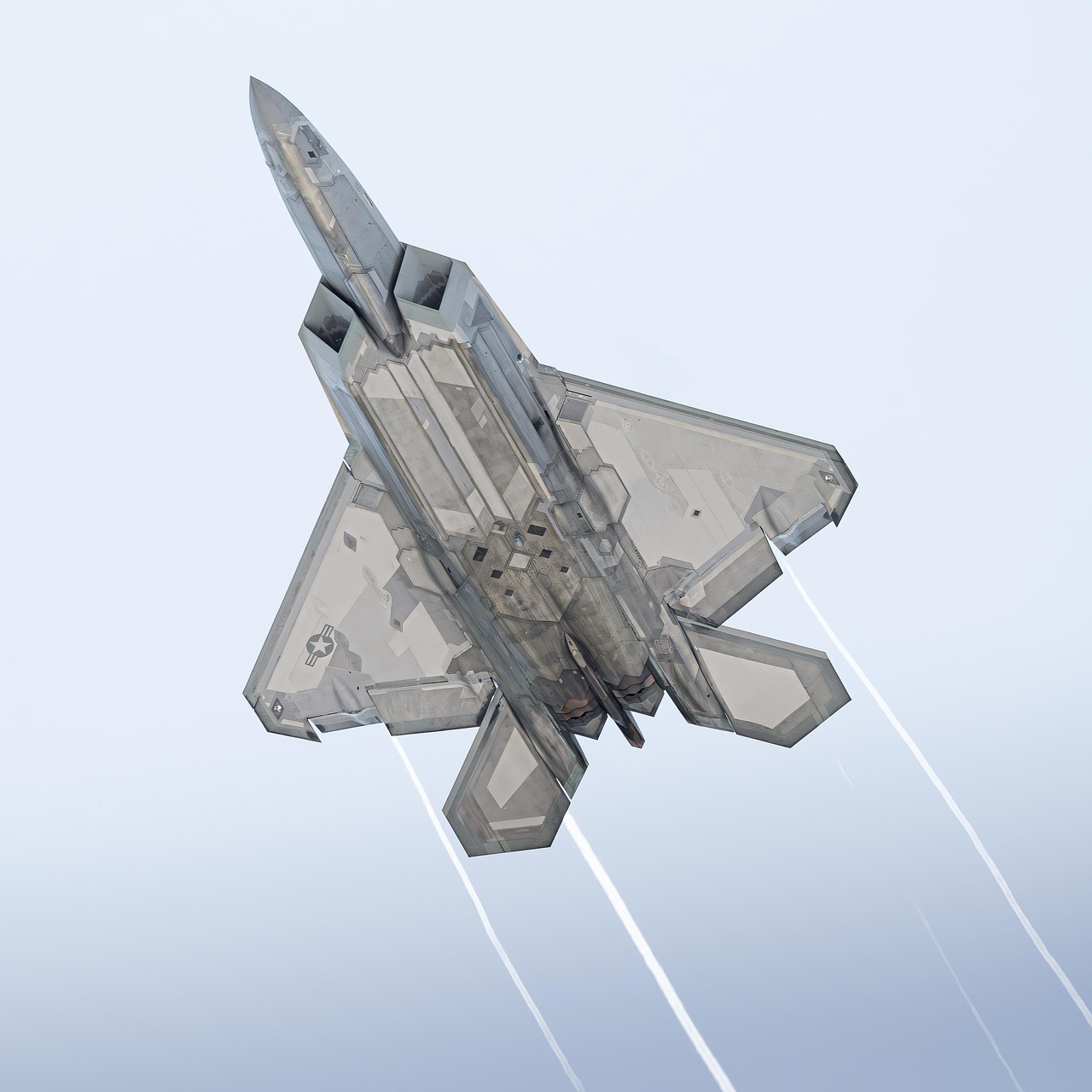
Strategic Leadership in defense projects refers to the ability of senior managers to define long‑term objectives that align national security priorities with the capabilities being developed. A strategic leader must assess geopolitical trends, budgetary constraints, and technological advances to shape the scope of a program such as a next‑generation air‑dominance platform. For example, when the Department of Defense initiates a program to replace legacy fighter aircraft, the strategic leader conducts a threat analysis, evaluates allied procurement plans, and determines the required performance envelope—range, stealth, and network‑centric warfare capabilities. The resulting vision guides the acquisition strategy, informs the research and development roadmap, and sets performance milestones that cascade down to project managers and engineering teams.
Operational Leadership bridges the gap between strategic intent and tactical execution. It involves translating high‑level goals into operational plans, allocating resources, and coordinating multiple functional areas. In a missile‑defense project, the operational leader develops the system architecture, defines integration points between radar, interceptor, and command‑and‑control subsystems, and synchronizes testing schedules with live‑fire exercises. Practical application of operational leadership includes conducting risk workshops, establishing clear lines of authority, and ensuring that all stakeholders—contractors, logistics personnel, and test ranges—understand the timeline and deliverables. A common challenge is managing competing priorities, such as balancing the need for rapid prototyping against stringent safety certifications. Effective operational leaders employ iterative planning cycles, allowing adjustments as new data emerge from test flights or simulation runs.
Tactical Leadership focuses on the day‑to‑day management of teams that perform specific tasks within a defense project. Tactical leaders are responsible for supervising engineers who design a propulsion system, technicians who assemble hardware, and analysts who model performance. Their role requires a deep understanding of technical details and the ability to make quick decisions when unexpected issues arise. For instance, during the assembly of a new radar antenna, a tactical leader may need to resolve a misalignment problem that could delay integration testing. By empowering subject‑matter experts, encouraging rapid problem‑solving, and maintaining a clear communication channel with higher‑level managers, tactical leaders keep the project moving forward while preserving quality standards.
Command Authority is the legally and institutionally granted power to direct personnel and resources in pursuit of mission objectives. In defense projects, command authority often resides with a program executive officer (PEO) who has fiscal responsibility and decision‑making rights over the entire acquisition lifecycle. Command authority is distinct from functional authority, which may be delegated to technical leads for specific domains such as software development or logistics support. A practical illustration is the PEO for ground combat systems, who can reallocate budget from a lower‑priority component to accelerate the development of a critical armor upgrade. Challenges arise when command authority conflicts with joint or interagency coordination requirements, necessitating clear memoranda of understanding and transparent reporting mechanisms.
Span of Control denotes the number of subordinates that a leader can effectively manage. In large defense projects, an optimal span of control ensures that managers are neither overwhelmed nor underutilized. For example, a program manager overseeing a multi‑disciplinary team might have a span of control of six to eight direct reports, each leading a sub‑team such as propulsion, avionics, or test and evaluation. Maintaining an appropriate span of control promotes efficient communication, reduces bottlenecks, and enables timely decision‑making. When the span becomes too wide, leaders may experience information overload, leading to delayed responses to critical risk events. Conversely, an excessively narrow span can create unnecessary layers of management, increasing overhead costs and slowing the flow of information.
Chain of Command is the hierarchical structure through which orders flow from senior leadership to operational units. In a defense acquisition context, the chain of command connects the Secretary of Defense, the Under Secretary for Acquisition, the PEO, and finally the project managers and engineers. Understanding the chain of command is essential for accountability, as each level is responsible for approving decisions, authorizing expenditures, and ensuring compliance with regulations such as the Federal Acquisition Regulation (FAR). A practical challenge emerges when rapid changes are required—such as a technology insertion that must be approved by multiple layers. Leaders must navigate the chain efficiently, using briefing packages that concisely present cost, schedule, and performance impacts to expedite approvals.
Decision‑Making processes in defense projects are often formalized through governance boards, risk assessment matrices, and milestone reviews. Decision‑making must balance technical feasibility, cost constraints, and schedule pressures. For instance, at a critical design review (CDR), the decision‑making body evaluates whether the design meets all performance specifications and whether it is ready to proceed to prototype fabrication. The decision may be to proceed, to require redesign, or to terminate the effort. Effective decision‑making relies on high‑quality data, thorough risk analyses, and the inclusion of diverse perspectives—engineers, logisticians, end‑users, and financial analysts. A common obstacle is the “analysis paralysis” phenomenon, where excessive data collection delays action. Leaders mitigate this by establishing clear decision criteria, time‑boxed analysis periods, and predefined escalation paths.
Risk Management is the systematic identification, assessment, and mitigation of threats that could impact a defense project’s objectives. Risks can be technical (e.G., Unproven material properties), programmatic (e.G., Schedule slip), or external (e.G., Changes in policy). A risk register captures each risk, its probability, impact, and mitigation plan. In a cyber‑defense acquisition, risk management may involve assessing the likelihood of supply‑chain vulnerabilities in hardware components and developing mitigation strategies such as secure firmware verification. Practical application includes regular risk workshops, where team members discuss emerging threats, update risk owners, and re‑prioritize mitigation actions. One challenge is maintaining risk visibility across a distributed team; leaders address this by using integrated project management tools that provide real‑time dashboards of risk status.
Situational Awareness is the comprehensive understanding of the operational environment, including current status, projected trends, and potential disruptions. In defense projects, situational awareness enables leaders to anticipate changes in threat landscapes, technology readiness, and stakeholder expectations. For example, when developing a new unmanned aerial system (UAS), the project team must monitor airspace regulations, emerging counter‑UAS technologies, and partner nation procurement plans. Maintaining situational awareness requires continuous intelligence gathering, open communication channels with external agencies, and frequent briefings that synthesize information into actionable insights. A frequent challenge is information overload, which can be mitigated by assigning dedicated analysts to filter and prioritize data relevant to project objectives.
Mission Command is a doctrine that emphasizes decentralized execution, empowerment of subordinate leaders, and clear intent from senior commanders. In the acquisition of a joint artillery system, mission command allows field units to adapt the system to local terrain, logistics constraints, and enemy tactics while still adhering to the overarching goal of delivering accurate, rapid fire support. The principle of mission command encourages leaders to provide concise intent statements, define acceptable risk thresholds, and trust subordinates to make decisions within those parameters. Practical implementation includes issuing “commander's intent” documents that outline the desired end state, key constraints, and success criteria. Challenges arise when cultural norms favor micromanagement; overcoming this requires training, mentorship, and demonstrable success stories where empowerment led to improved outcomes.
Empowerment in defense project teams refers to granting individuals the authority, resources, and confidence to make decisions that affect their work. Empowered engineers can approve design changes that improve performance without waiting for multiple layers of approval, provided they stay within defined risk parameters. A practical example is a software team that is authorized to adopt a new encryption algorithm after a brief security assessment, accelerating the integration of a secure communications module. Empowerment fosters ownership, accelerates innovation, and reduces bottlenecks. However, it can also create inconsistencies if not coupled with clear guidelines and accountability structures. Leaders must balance empowerment with oversight by establishing robust configuration management processes and periodic audits.
Delegation is the act of assigning responsibility and authority for specific tasks to subordinates while retaining ultimate accountability. Effective delegation in defense projects ensures that senior leaders focus on strategic issues while technical experts handle detailed execution. For instance, a program manager may delegate the responsibility for system integration testing to a lead test engineer, providing them with the necessary budget and decision‑making authority to schedule test flights, coordinate with range operators, and address anomalies. Delegation must be accompanied by clear expectations, performance metrics, and regular reporting. A common pitfall is “delegation without empowerment,” where subordinates receive tasks but lack the authority to act, leading to delays and frustration. Leaders address this by aligning delegated authority with the level of responsibility.
Authority is the formal right to command resources, issue directives, and enforce compliance. In the defense acquisition environment, authority is codified in statutes, regulations, and contractual clauses. For example, a contract officer has the authority to modify the scope of work, approve budget changes, and enforce performance penalties. Authority must be exercised responsibly, respecting legal constraints and ethical standards. Practical challenges involve overlapping authorities among joint services or interagency partners, which can cause confusion over who has final say on a technical requirement. Resolving such conflicts requires establishing clear governance structures, documenting authority lines, and conducting joint decision‑making sessions to align perspectives.
Responsibility denotes the duty to perform assigned tasks and achieve defined outcomes. In a defense project, responsibility is allocated through role descriptions, work breakdown structures, and performance agreements. A lead logistics officer, for instance, is responsible for ensuring that spare parts are available throughout the development lifecycle, coordinating with suppliers, and managing inventory levels. Responsibility is distinct from authority; a team member may be responsible for a deliverable but lack the authority to procure needed resources, highlighting the importance of aligning the two. Leaders reinforce responsibility by setting measurable objectives, providing necessary support, and recognizing achievements when milestones are met.
Accountability is the obligation to answer for one’s actions, decisions, and results. In a defense acquisition context, accountability is enforced through reporting mechanisms, audits, and performance evaluations. A project manager is accountable for meeting cost, schedule, and performance targets; failure to do so triggers corrective actions such as re‑baselining, leadership changes, or even contract termination. Practical application of accountability includes establishing key performance indicators (KPIs), conducting regular status reviews, and documenting lessons learned. A challenge is ensuring that accountability does not become punitive to the point of discouraging risk‑taking; leaders must balance accountability with a culture that encourages innovative solutions, even if they involve calculated risks.
Leadership Styles shape how leaders influence, motivate, and guide their teams. In defense projects, common styles include transformational, transactional, servant, and situational leadership. Transformational leaders inspire a shared vision, encourage intellectual stimulation, and foster personal development—critical when guiding teams through disruptive technologies such as hypersonic weapons. Transactional leaders focus on clear expectations, rewards, and penalties, which can be effective in highly regulated environments where compliance is paramount. Servant leadership places the needs of the team first, promoting empowerment and collaboration; this style is valuable in joint multinational projects where cultural sensitivity and consensus building are essential. Situational leadership adapts the leader’s approach based on the competence and commitment of team members, allowing flexibility as project phases shift from concept development to production. Leaders may blend styles to suit the context, but they must be aware of the impact each style has on morale, innovation, and risk tolerance.
Team Cohesion is the degree to which members are united around common goals, share mutual trust, and cooperate effectively. High cohesion enhances communication, reduces conflict, and improves overall performance. In a defense project developing a new electronic warfare suite, cohesion is fostered through joint design reviews, cross‑functional workshops, and shared success metrics. Practical techniques to build cohesion include team‑building exercises, collaborative problem‑solving sessions, and recognition of collective achievements. A common challenge is integrating personnel from different services or civilian contractors, each with distinct cultures and working habits. Leaders address this by establishing a common purpose, standardizing processes, and encouraging informal interactions that break down barriers.
Trust is the belief that teammates will act reliably, share information honestly, and support each other’s success. Trust is foundational for rapid decision‑making and for sharing sensitive information in defense projects where security considerations are paramount. For example, a systems engineer must trust that the test team will accurately report anomalies without fear of retribution, allowing timely corrective actions. Building trust requires consistency, transparency, and competence; leaders demonstrate trustworthiness by following through on commitments, openly communicating rationale for decisions, and acknowledging their own limitations. A breach of trust—such as withholding critical data—can erode teamwork, increase risk, and delay project milestones. Restoring trust involves corrective actions, open dialogue, and sustained demonstration of reliable behavior.
Communication encompasses the exchange of information, ideas, and feedback among team members, stakeholders, and external partners. Effective communication in defense projects must be clear, concise, and secure, often requiring classified channels, encrypted messaging, and formal briefings. A practical communication plan includes regular status updates, after‑action reviews, and stakeholder briefings that align expectations and address concerns. Leaders must tailor communication style to the audience—technical details for engineers, high‑level summaries for senior officials, and operational implications for end‑users. Common communication challenges include jargon overload, information silos, and misinterpretation of intent. Mitigation strategies involve establishing common terminology glossaries, using visual aids such as system diagrams, and conducting cross‑disciplinary workshops to ensure shared understanding.
Conflict Resolution is the process of identifying, addressing, and mitigating disagreements that arise within a team. In defense projects, conflicts may stem from competing priorities, resource constraints, or differing technical opinions. A structured conflict resolution approach includes early identification of the issue, active listening, clarification of underlying interests, and collaborative problem‑solving. For example, when a propulsion contractor and a weapons integration team disagree on vibration limits, the project manager facilitates a joint technical review, gathers data, and negotiates a compromise that satisfies performance requirements while maintaining safety margins. Effective conflict resolution preserves team morale, prevents escalation, and keeps the project on schedule. Challenges arise when power dynamics inhibit open dialogue; leaders must create a safe environment where dissenting views are welcomed and addressed constructively.
Interdisciplinary Teams bring together experts from diverse domains—such as aerospace engineering, cybersecurity, logistics, and human factors—to address complex defense problems. The synergy of interdisciplinary collaboration enables innovative solutions that might not emerge within a single discipline. A practical example is the development of a next‑generation combat vehicle, where mechanical engineers design the chassis, software engineers develop autonomous navigation, and ergonomics specialists ensure crew survivability. Leaders of interdisciplinary teams must facilitate knowledge sharing, respect each discipline’s contribution, and manage differing schedules and deliverable formats. A frequent challenge is the “silo mentality,” where each discipline prioritizes its own objectives. Overcoming this requires integrated work breakdown structures, joint milestones, and shared performance metrics that align all contributors toward the common mission.
Joint Operations involve coordinated actions among multiple services—Army, Navy, Air Force, and Marines—to achieve a unified objective. In a defense acquisition context, joint operations influence requirements definition, testing, and fielding. For instance, a joint air‑to‑ground missile system must satisfy the launch platform requirements of the Air Force while meeting the mobility constraints of the Army. Joint operations demand interoperable interfaces, common standards, and synchronized procurement processes. Leaders must navigate interservice politics, reconcile divergent acquisition timelines, and ensure that testing regimes reflect joint usage scenarios. A practical tool is the Joint Capabilities Integration and Development System (JCIDS), which captures joint warfighter needs and informs acquisition decisions. Challenges include reconciling budgetary allocations across services and maintaining consistent technical baselines throughout the lifecycle.
Interagency Coordination extends collaboration beyond the Department of Defense to include agencies such as the Department of Energy, Homeland Security, and intelligence community. Defense projects that involve nuclear propulsion, cyber‑defense, or space operations often require interagency input. For example, a missile‑defense system that integrates radar data from the National Reconnaissance Office must align data sharing protocols, classification levels, and operational responsibilities. Leaders facilitate interagency coordination through memoranda of understanding, joint working groups, and shared governance boards. Practical challenges include differing acquisition regulations, varying risk appetites, and competing mission priorities. Effective coordination relies on clear articulation of mutual benefits, alignment of timelines, and establishment of joint decision‑making processes that respect each agency’s authority.
Organizational Culture encompasses the shared values, norms, and behaviors that shape how work is performed within a defense organization. A culture that values innovation, disciplined risk management, and ethical conduct supports successful project outcomes. In contrast, a culture resistant to change can hinder the adoption of emerging technologies such as artificial intelligence in command and control systems. Leaders influence culture by modeling desired behaviors, recognizing achievements, and reinforcing policies that promote accountability and learning. A practical approach is to embed cultural assessments into project reviews, gathering feedback on morale, communication openness, and alignment with organizational values. Challenges arise when legacy practices clash with new initiatives; addressing this requires change‑management strategies, training, and sustained leadership commitment.
Diversity and Inclusion refer to the intentional integration of varied perspectives, backgrounds, and experiences within project teams. In defense projects, diverse teams bring broader problem‑solving capabilities, enhance creativity, and improve decision‑making quality. For example, a design team that includes engineers from multiple nationalities may better anticipate foreign market requirements for an exportable defense system. Inclusion ensures that all team members feel valued and can contribute fully, which boosts engagement and reduces turnover. Practical steps include establishing inclusive recruitment practices, providing bias‑training for hiring managers, and creating mentorship programs that support underrepresented groups. Challenges include overcoming unconscious bias, ensuring equitable access to development opportunities, and maintaining operational security while fostering an open environment. Leaders must balance inclusion with the need to protect classified information, employing need‑to‑know principles alongside inclusive practices.
Morale is the collective confidence, enthusiasm, and satisfaction of team members. High morale correlates with increased productivity, reduced absenteeism, and stronger commitment to mission success. In defense projects, morale can be influenced by factors such as workload intensity, recognition of achievements, and clarity of purpose. A practical method to monitor morale is through pulse surveys, focus groups, and informal check‑ins conducted by team leads. Leaders can boost morale by celebrating milestones—such as successful prototype flight tests—providing professional development opportunities, and ensuring a healthy work‑life balance despite demanding schedules. Common challenges include fatigue during intensive test phases and uncertainty during budget cuts; proactive communication, transparent decision‑making, and support resources (e.G., Counseling services) help mitigate morale degradation.
Resilience denotes the capacity of individuals and teams to recover from setbacks, adapt to change, and continue performing under pressure. Defense projects often encounter technical failures, schedule delays, or shifting strategic priorities that test resilience. Building resilience involves fostering a growth mindset, encouraging learning from failures, and providing resources for stress management. For instance, after a failed test of a new propulsion module, a resilient team conducts a thorough after‑action review, extracts lessons, and quickly implements design improvements, rather than assigning blame. Leaders reinforce resilience by modeling calm under stress, offering constructive feedback, and maintaining a supportive environment that allows team members to discuss challenges openly. A notable challenge is balancing resilience with accountability—ensuring that learning from failures does not translate into complacency. Clear expectations, documented corrective actions, and continuous performance monitoring sustain both resilience and responsibility.
Team Dynamics encompass the patterns of interaction, roles, and relationships that develop within a group over time. In defense projects, understanding team dynamics is essential for optimizing performance, preventing conflict, and ensuring that expertise is leveraged effectively. Dynamics evolve through stages—forming, storming, norming, performing, and adjourning—each requiring different leadership approaches. During the forming stage, leaders focus on establishing clear objectives, clarifying roles, and building trust. In the storming phase, conflicts may surface as individuals assert their expertise; leaders must mediate, clarify expectations, and reinforce shared goals. By the norming stage, processes become standardized, and the team operates cohesively. Practical application includes conducting regular team health checks, facilitating retrospectives after major milestones, and adjusting leadership style to match the team’s maturity level. Challenges arise when team composition changes, such as new contractors joining mid‑project; leaders must reintegrate members, reestablish norms, and maintain momentum.
Roles and Responsibilities Matrix (often called a RACI chart) is a tool that delineates who is Responsible, Accountable, Consulted, and Informed for each task. In defense acquisition, a RACI matrix clarifies expectations, prevents duplication of effort, and reduces ambiguity. For example, in the development of a secure communications system, the systems engineer may be Responsible for the hardware design, the program manager Accountable for overall delivery, the cybersecurity specialist Consulted on encryption standards, and the contracting officer Informed of cost implications. Practical usage involves updating the matrix as the project evolves, ensuring that new tasks are assigned and that changes in staffing are reflected. A common pitfall is over‑populating the “Consulted” column, which can lead to decision fatigue; leaders must streamline consultation to those whose input is truly essential.
Performance Metrics are quantitative or qualitative indicators used to assess progress toward objectives. In defense projects, common metrics include cost variance, schedule performance index, reliability growth, and technology readiness level (TRL). For a new radar system, performance metrics might track detection range, false‑alarm rate, and integration timeline with the command‑and‑control network. Leaders use metrics to identify trends, allocate resources, and communicate status to stakeholders. Practical challenges involve selecting metrics that are meaningful, measurable, and aligned with strategic goals; overly numerous or irrelevant metrics can dilute focus. Leaders should prioritize a balanced set of leading and lagging indicators, review them regularly, and adjust targets as the project matures.
Technology Readiness Level (TRL) is a scale that assesses the maturity of a particular technology, ranging from basic principles observed (TRL 1) to proven operational capability (TRL 9). Understanding TRL helps leaders gauge risk, schedule, and investment needed to transition a technology from laboratory to fielded system. For instance, a novel directed‑energy weapon may be at TRL 4 (component validation in a laboratory environment) when first considered for inclusion in a future combat vehicle program. The program manager must decide whether to invest in further development to reach TRL 6 (system/subsystem model or prototype demonstration in a relevant environment) before committing to production. Challenges include accurately assessing TRL, especially when technologies are emerging or classified; leaders mitigate this by involving independent assessors and maintaining rigorous documentation of test results.
Earned Value Management (EVM) is a performance measurement technique that integrates scope, schedule, and cost data to assess project health. EVM calculates metrics such as Cost Performance Index (CPI) and Schedule Performance Index (SPI), providing early warning of deviations. In a defense project, the EVM system tracks the value of work performed against the planned budget and timeline, enabling the program manager to forecast cost overruns or schedule slips. Practical application includes monthly EVM reporting to senior leadership, variance analysis, and corrective action planning. A common challenge is data integrity—accurate EVM requires reliable work breakdown structures, consistent cost accounting, and timely reporting. Leaders must enforce disciplined data collection processes and provide training for staff on EVM principles.
Configuration Management is the systematic control of product baselines, ensuring that changes are tracked, evaluated, and approved. In defense acquisition, configuration management protects the integrity of design documents, software code, and hardware components throughout the lifecycle. A configuration manager maintains a configuration baseline that defines the approved system architecture, interfaces, and performance specifications. Practical steps include establishing a configuration control board (CCB), documenting change requests, and performing impact analyses before approving modifications. Challenges arise when multiple contractors propose concurrent changes; robust configuration management processes prevent version conflicts, ensure traceability, and support certification activities. Leaders must allocate sufficient resources to configuration management, as neglect can lead to costly rework and schedule delays.
Integrated Product Team (IPT) is a cross‑functional group that brings together all stakeholders required to develop, produce, and sustain a defense system. IPTs are central to modern acquisition practices, fostering collaboration, reducing silos, and accelerating decision‑making. An IPT for a new naval combat system might include representatives from engineering, logistics, contracting, finance, and the end‑user (the fleet). The IPT is empowered to make trade‑offs, resolve conflicts, and deliver integrated solutions. Practical benefits include faster requirement clarification, improved risk visibility, and enhanced ownership across the supply chain. A challenge is ensuring that all IPT members have a clear understanding of their role and the authority to act; leaders must define IPT charter, decision‑making authority, and performance expectations at project inception.
Stakeholder Management involves identifying, analyzing, and engaging individuals or groups who have an interest in the project’s outcomes. Defense projects have a wide array of stakeholders: Senior military leadership, congressional oversight committees, industry partners, end‑users, and the public. Effective stakeholder management requires mapping influence and interest, developing tailored communication strategies, and addressing concerns proactively. For example, when a new weapons system faces budget scrutiny from Congress, the program office prepares a concise briefing that highlights cost savings, operational benefits, and alignment with national security objectives. Practical tools include stakeholder registers, engagement plans, and regular status briefings. Challenges include balancing competing stakeholder expectations, managing classified information, and maintaining transparency without compromising security. Leaders must prioritize stakeholder concerns, negotiate trade‑offs, and ensure that decisions reflect the broader strategic context.
Ethical Leadership is the practice of guiding teams according to moral principles, legal standards, and professional codes. In defense projects, ethical leadership is crucial because decisions can have profound implications for national security, human life, and public trust. Leaders must ensure compliance with procurement regulations, avoid conflicts of interest, and uphold the principle of lawful use of force. A practical scenario is a program manager who discovers that a contractor is using substandard components to meet cost targets; ethical leadership requires immediate corrective action, reporting to oversight bodies, and ensuring that the system’s integrity is not compromised. Challenges include pressure to meet aggressive schedules or cost goals, which may tempt shortcuts; ethical leaders reinforce a culture where integrity is non‑negotiable and provide channels for reporting concerns without fear of retaliation.
Decision‑Making Under Uncertainty is a critical competency in defense projects where technical, operational, and political variables may be unknown or rapidly changing. Leaders employ methods such as scenario planning, Monte Carlo simulations, and decision trees to evaluate alternatives and anticipate outcomes. For instance, when selecting a propulsion technology for a hypersonic vehicle, the team may model performance under varying temperature ranges, material degradation rates, and mission profiles to assess risk. Practical application includes establishing decision gates that require specific evidence before proceeding, thus controlling the flow of information and reducing the chance of premature commitments. A common difficulty is the “unknown unknowns” factor; leaders mitigate this by maintaining contingency reserves, fostering adaptable designs, and encouraging a culture of continuous learning.
Adaptive Leadership emphasizes flexibility, learning, and responsiveness to changing environments. In defense acquisition, adaptive leaders recognize that traditional linear processes may not suffice for complex, rapidly evolving technologies. They promote iterative development, rapid prototyping, and feedback loops that allow the project to pivot when new information emerges. A practical example is the adoption of an agile software development approach for a battlefield command system, where incremental releases are tested with end‑users, feedback is incorporated, and the system evolves toward operational capability. Challenges include reconciling agile practices with strict acquisition regulations; adaptive leaders work with regulatory bodies to obtain waivers, document deviations, and demonstrate that flexibility does not compromise accountability or security.
Leadership Development is the systematic cultivation of skills, knowledge, and attitudes required for effective command and management. In the defense sector, leadership development programs may include formal courses, mentorship, rotational assignments, and on‑the‑job experiences. For project managers, development pathways often involve exposure to joint operations, acquisition policy, and strategic planning. Practical application includes assigning emerging leaders to lead sub‑projects, providing feedback, and evaluating performance against competency frameworks. A challenge is ensuring that development opportunities are available across the organization, not just for senior officers; equitable access promotes a pipeline of capable leaders who can sustain future defense initiatives.
Mentoring and Coaching are interpersonal techniques that support the growth of individuals through guidance, feedback, and knowledge transfer. In defense projects, senior engineers may mentor junior analysts, sharing lessons learned from previous acquisition cycles, while coaches help team members refine specific skills such as risk analysis or stakeholder communication. Effective mentoring builds institutional memory, accelerates competency development, and fosters a supportive culture. Practical steps include establishing formal mentoring agreements, setting clear objectives, and measuring progress through periodic reviews. Challenges include time constraints and the need to balance mentoring duties with operational responsibilities; leaders mitigate this by integrating mentoring into performance expectations and recognizing it as a valued contribution.
Change Management addresses the human and procedural aspects of transitioning from a current state to a desired future state. Defense projects often involve significant change, such as adopting new technologies, restructuring organizations, or implementing new processes. Change management frameworks provide a structured approach: Assessing readiness, communicating vision, training personnel, and reinforcing new behaviors. For example, when a legacy logistics system is replaced by an automated supply‑chain platform, change managers develop a rollout plan that includes user training, pilot testing, and feedback loops to refine the system before full deployment. Practical challenges include resistance to change, especially when personnel fear loss of expertise or job security. Leaders address resistance by involving stakeholders early, demonstrating benefits, and providing support during the transition.
Strategic Alignment ensures that project objectives are consistent with the broader mission, vision, and strategic goals of the defense organization. Alignment is achieved through clear articulation of how the project contributes to national security priorities, force readiness, and capability gaps. In a project to field a new cyber‑defense platform, strategic alignment is demonstrated by linking the system’s capabilities to the Department of Defense’s cyber strategy, highlighting how it enhances deterrence, protects critical infrastructure, and supports joint operations. Practical tools include strategic roadmaps, capability‑based assessments, and regular reviews that verify alignment. Misalignment can result in wasted resources, duplicated effort, and loss of stakeholder support. Leaders must continuously assess alignment, adjust scope as needed, and communicate the strategic relevance to maintain commitment.
Resource Allocation involves distributing limited assets—budget, personnel, facilities, and time—among competing project demands. Effective allocation requires a clear understanding of priorities, risk exposure, and return on investment. In a multi‑program environment, a program executive officer may allocate additional funding to a high‑risk, high‑reward missile program while reducing resources for a lower‑priority sensor upgrade. Practical techniques include cost‑benefit analysis, portfolio optimization, and scenario planning to evaluate the impact of different allocation decisions. A common challenge is dealing with unexpected cost growth; leaders must re‑prioritize, seek supplemental funding, or adjust program scope to stay within overall budget constraints. Transparent decision‑making and documentation support accountability and stakeholder confidence.
Performance Incentives are mechanisms that reward individuals or teams for achieving or exceeding defined objectives. In defense acquisition, incentives may be tied to cost savings, schedule adherence, or technical performance milestones. For example, a contractor may receive a bonus for delivering a prototype ahead of schedule while meeting all reliability criteria. Incentives can motivate teams, encourage innovation, and align contractor behavior with government goals. However, poorly designed incentives can lead to undesirable outcomes, such as cost‑cutting that compromises quality. Leaders must design incentive structures that balance short‑term achievements with long‑term sustainability, incorporate quality metrics, and ensure compliance with acquisition regulations.
Knowledge Management is the systematic capture, organization, and dissemination of information and expertise within an organization. Defense projects generate extensive technical data, lessons learned, and best practices that must be retained for future programs. Knowledge management tools—such as centralized repositories, lessons‑learned databases, and collaborative platforms—enable teams to access relevant information quickly, avoid repeat mistakes, and build upon prior successes. For instance, after a successful test of a new propulsion module, engineers document test procedures, failure modes, and corrective actions, making this knowledge available to other projects considering similar technology. Practical challenges include ensuring that classified information is appropriately protected while still being accessible to authorized users, and encouraging personnel to contribute to knowledge bases. Leaders foster a knowledge‑sharing culture by recognizing contributions, integrating knowledge capture into project processes, and providing training on effective documentation.
Legal and Regulatory Compliance requires adherence to statutes, regulations, and policies governing defense acquisition. Key frameworks include the Federal Acquisition Regulation (FAR), Defense Federal Acquisition Regulation Supplement (DFARS), and various export control laws. Compliance ensures that procurement actions are lawful, transparent, and fair. For example, when awarding a contract for a secure communications system, the contracting officer must verify that the vendor is listed on the Government‑wide Acquisition Contracts (GWAC) and that the technology does not violate International Traffic in Arms Regulations (ITAR). Practical steps include conducting compliance reviews, maintaining audit trails, and providing training on relevant regulations. Challenges arise from the complexity of overlapping regulations and the need to balance compliance with rapid acquisition timelines. Leaders mitigate risk by engaging legal counsel early, establishing compliance checkpoints, and fostering a culture of ethical procurement.
Security Clearance Management involves granting and monitoring access to classified information based on personnel’s need‑to‑know and clearance level. Defense projects often require team members to hold appropriate clearances to work on sensitive components, such as cryptographic algorithms or weapons design. Effective clearance management ensures that only authorized individuals access classified material, protecting national security while allowing the project to progress. Practical processes include conducting background investigations, maintaining clearance records, and implementing need‑to‑know reviews before assigning tasks. Challenges include clearance delays that can impede staffing, and the need to protect information while collaborating with industry partners. Leaders address these issues by planning clearance timelines early, using compartmentalized information sharing, and providing clear guidance on handling classified data.
Supply Chain Management encompasses the planning, execution, and control of activities involved in sourcing, production, and delivery of components and services. In defense projects, supply chain resilience is critical, as disruptions can affect schedule and capability delivery. Leaders must assess supplier risk, develop mitigation strategies, and maintain visibility into inventory levels. For example, a shortage of a specific alloy needed for a missile casing may trigger a supply‑chain risk assessment, leading to the identification of alternate sources, dual‑sourcing arrangements, and stockpiling strategies. Practical tools include supplier performance metrics, contract clauses for early warning of disruptions, and collaborative planning with key vendors. Challenges include managing foreign‑origin components subject to export controls, and ensuring that suppliers meet stringent quality and security standards. Leaders must balance cost efficiency with risk mitigation to sustain a robust supply chain.
Program Integration refers to the coordination of multiple projects, subsystems, and stakeholder activities into a cohesive whole. In defense acquisition, integration ensures that individual components work together to achieve the desired system capability. For a joint air‑to‑ground missile system, program integration involves aligning the seeker, propulsion, launch platform, and command‑and‑control subsystems. Integration activities include interface control documents (ICDs), joint testing, and system‑level verification. Practical challenges include managing interface changes, resolving incompatibilities, and synchronizing development timelines across contractors. Leaders facilitate integration by establishing clear governance structures, maintaining rigorous configuration control, and conducting regular integration reviews that track progress against the Integrated Master Plan (IMP). Successful integration results in a functional, interoperable system that meets performance requirements.
Human Performance Optimization focuses on enhancing the capabilities, well‑being, and effectiveness of personnel involved in defense projects. This includes considerations such as workload management, ergonomic design of workspaces, and training for high‑stress environments. For example, engineers working on a high‑tempo prototype development may experience fatigue; implementing shift rotations, providing rest areas, and offering stress‑management resources can improve performance and reduce errors. Leaders must monitor workload indicators, solicit feedback, and adjust staffing or schedules to prevent burnout. Practical tools include workload analysis software, health and safety assessments, and performance dashboards that track key human‑centric metrics. Challenges include balancing mission urgency with personnel sustainability; leaders must prioritize both to maintain long‑term project success.
Cross‑Cultural Competence is the ability to effectively interact with individuals from different cultural backgrounds, including international partners, allied forces, and diverse domestic teams. Defense projects often involve multinational collaborations, where differing communication styles, decision‑making processes, and organizational norms can impact project outcomes.
Key takeaways
- Strategic Leadership in defense projects refers to the ability of senior managers to define long‑term objectives that align national security priorities with the capabilities being developed.
- In a missile‑defense project, the operational leader develops the system architecture, defines integration points between radar, interceptor, and command‑and‑control subsystems, and synchronizes testing schedules with live‑fire exercises.
- By empowering subject‑matter experts, encouraging rapid problem‑solving, and maintaining a clear communication channel with higher‑level managers, tactical leaders keep the project moving forward while preserving quality standards.
- In defense projects, command authority often resides with a program executive officer (PEO) who has fiscal responsibility and decision‑making rights over the entire acquisition lifecycle.
- For example, a program manager overseeing a multi‑disciplinary team might have a span of control of six to eight direct reports, each leading a sub‑team such as propulsion, avionics, or test and evaluation.
- Understanding the chain of command is essential for accountability, as each level is responsible for approving decisions, authorizing expenditures, and ensuring compliance with regulations such as the Federal Acquisition Regulation (FAR).
- For instance, at a critical design review (CDR), the decision‑making body evaluates whether the design meets all performance specifications and whether it is ready to proceed to prototype fabrication.