
Emergency Response And Rescue Protocols
Emergency response and rescue protocols are critical components of the Global Certificate Course in Safe Use of Powered Air-Purifying Respirators. Understanding key terms and vocabulary is essential for effective emergency response and resc…
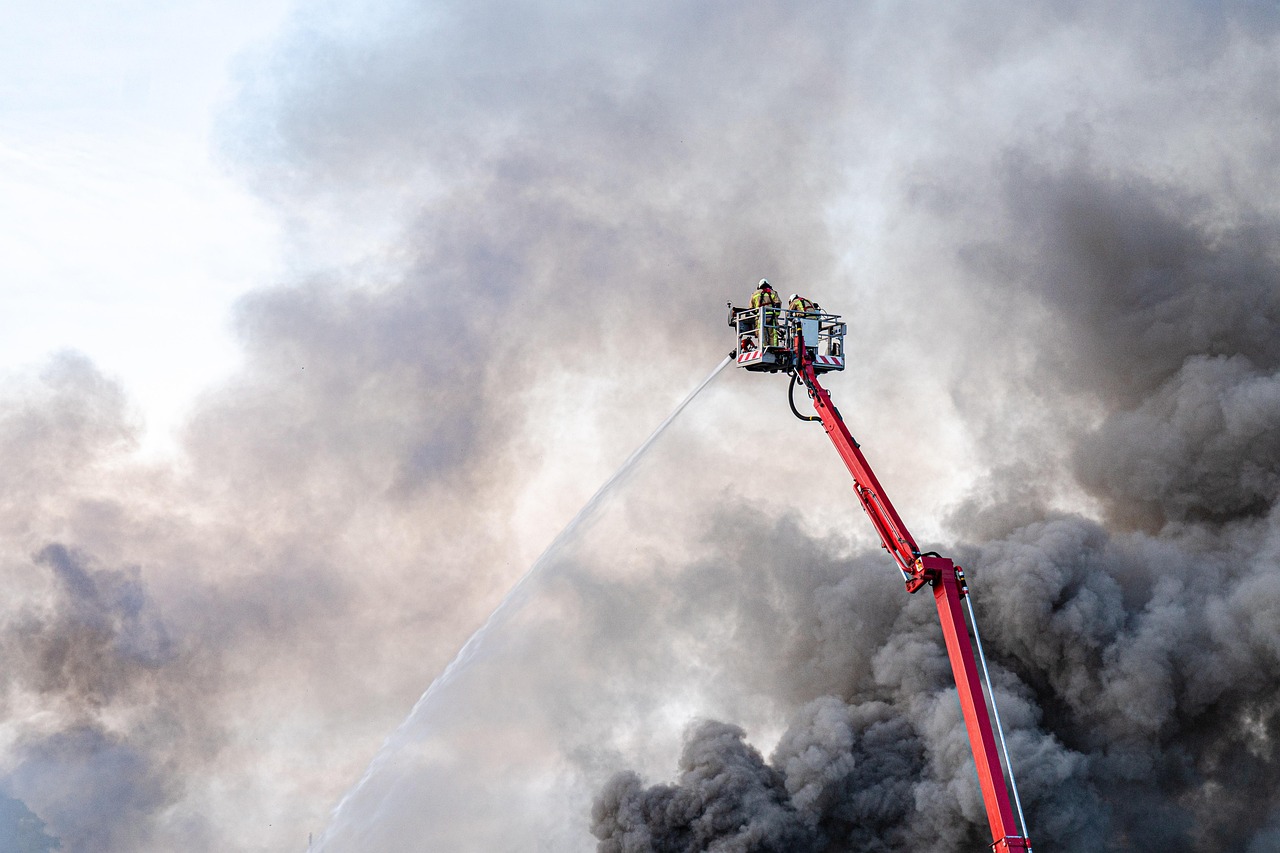
Emergency response and rescue protocols are critical components of the Global Certificate Course in Safe Use of Powered Air-Purifying Respirators. Understanding key terms and vocabulary is essential for effective emergency response and rescue operations. One of the primary hazards in emergency response situations is the presence of hazardous materials, which can be harmful to responders and victims.
In emergency response situations, communication is crucial for coordinating efforts and ensuring a successful outcome. Responders must be able to communicate effectively with each other and with victims to assess the situation, provide assistance, and evacuate those in need. The use of standard terminology and protocols helps to ensure that all responders are on the same page and can respond quickly and effectively.
Another critical aspect of emergency response is personal protective equipment (PPE), which includes items such as respirators, gloves, and eye protection. PPE is designed to protect responders from hazards such as chemicals, biological agents, and other harmful substances. Powered Air-Purifying Respirators (PAPRs) are a type of PPE that provides respiratory protection by filtering out airborne contaminants.
In emergency response situations, responders may encounter confined spaces, which are areas that are enclosed or partially enclosed and can be hazardous due to limited access and ventilation. Responders must be trained to enter confined spaces safely and to use specialized equipment such as ventilation systems to maintain a safe atmosphere.
Emergency response protocols also involve incident command systems, which provide a framework for managing emergency response operations. Incident command systems involve a hierarchical structure, with clear lines of authority and communication. This helps to ensure that emergency response operations are coordinated and effective.
Responders must also be trained to use emergency equipment such as fire extinguishers, first aid kits, and rescue ropes. The use of standard equipment and protocols helps to ensure that responders can respond quickly and effectively in emergency situations.
In addition to equipment and protocols, emergency response also involves teamwork and communication among responders. Responders must be able to work together effectively to assess the situation, provide assistance, and evacuate those in need. This requires training and practice in emergency response procedures, as well as a strong understanding of emergency response principles and protocols.
One of the key challenges in emergency response is the presence of unknown or unpredictable hazards, which can make it difficult for responders to assess the situation and respond effectively. Responders must be trained to adapt to changing situations and to use their judgment and experience to make decisions in emergency response situations.
Emergency response protocols also involve decontamination procedures, which are designed to remove hazardous substances from responders and equipment. Decontamination is critical in emergency response situations, as it helps to prevent the spread of hazards and to protect responders and victims.
Responders must also be trained to use medical equipment and to provide first aid in emergency situations. This includes training in CPR and defibrillation, as well as the use of medical equipment such as oxygen tanks and stretchers.
In emergency response situations, responders may also encounter psychological trauma, which can affect both responders and victims. Responders must be trained to recognize the signs of psychological trauma and to provide support and assistance to those in need.
Emergency response protocols also involve investigation and reporting procedures, which are designed to identify the causes of emergency incidents and to prevent future incidents. Responders must be trained to conduct investigations and to prepare reports on emergency incidents.
In addition to emergency response protocols, responders must also be trained in fire safety and prevention procedures. This includes training in fire extinguisher use, evacuation procedures, and fire prevention techniques.
Responders must also be trained to use rescue equipment such as ropes and pulleys, which are designed to help responders access and rescue victims in emergency situations. The use of standard equipment and protocols helps to ensure that responders can respond quickly and effectively in emergency situations.
Emergency response protocols also involve communication with emergency services such as 911 and ambulance services. Responders must be trained to communicate effectively with emergency services and to provide critical information such as the location of the emergency and the number of victims.
In emergency response situations, responders may also encounter environmental hazards such as chemical spills and biological agents. Responders must be trained to recognize the signs of environmental hazards and to use personal protective equipment to protect themselves from hazards.
Responders must also be trained to use equipment such as generators and pumps, which are designed to provide power and water in emergency situations.
In addition to equipment and protocols, emergency response also involves planning and preparation for emergency situations. Responders must be trained to develop emergency response plans and to conduct drills and exercises to test their response to emergency situations.
Emergency response protocols also involve coordination with other agencies and organizations, which are designed to provide support and assistance in emergency situations. Responders must be trained to communicate effectively with other agencies and to coordinate their response to emergency situations.
Responders must also be trained to use technology such as computers and software, which are designed to help responders manage and coordinate emergency response operations. The use of standard technology and protocols helps to ensure that responders can respond quickly and effectively in emergency situations.
In emergency response situations, responders may also encounter language barriers, which can make it difficult to communicate with victims and other responders. Responders must be trained to use interpreters and translation equipment to overcome language barriers and to provide effective communication in emergency situations.
Emergency response protocols also involve documentation and record-keeping, which are designed to provide a record of emergency response operations and to help identify areas for improvement. Responders must be trained to maintain accurate and complete records of emergency response operations, including incident reports and emergency response plans.
Responders must also be trained to use hazardous materials handling equipment, which is designed to help responders handle and dispose of hazardous materials safely. The use of standard equipment and protocols helps to ensure that responders can handle hazardous materials safely and effectively.
In addition to equipment and protocols, emergency response also involves training and exercise programs, which are designed to help responders develop and maintain their skills and knowledge in emergency response. Responders must be trained to participate in regular training and exercise programs, including simulations and drills, to test their response to emergency situations.
Emergency response protocols also involve evaluation and review procedures, which are designed to help identify areas for improvement in emergency response operations. Responders must be trained to conduct evaluations and reviews of emergency response operations, including incident reports and emergency response plans, to identify areas for improvement and to develop strategies for improvement.
Responders must also be trained to use emergency vehicles, which are designed to provide transportation and support in emergency situations. The use of standard vehicles and protocols helps to ensure that responders can respond quickly and effectively in emergency situations.
In emergency response situations, responders may also encounter structural hazards such as collapses and fires. Responders must be trained to recognize the signs of structural hazards and to use personal protective equipment to protect themselves from hazards.
Emergency response protocols also involve logistics and supply chain management, which are designed to provide support and assistance in emergency situations. Responders must be trained to manage logistics and supply chains, including procurement and distribution of equipment and supplies, to ensure that emergency response operations are effective and efficient.
Responders must also be trained to use geographic information systems (GIS), which are designed to provide mapping and location information in emergency situations. The use of standard GIS technology and protocols helps to ensure that responders can respond quickly and effectively in emergency situations.
In addition to equipment and protocols, emergency response also involves community outreach and education programs, which are designed to help prepare and educate the public for emergency situations. Responders must be trained to participate in community outreach and education programs, including public awareness campaigns and emergency preparedness training, to help prepare and educate the public for emergency situations.
Emergency response protocols also involve partnerships and collaboration with other agencies and organizations, which are designed to provide support and assistance in emergency situations.
Responders must also be trained to use social media, which are designed to provide information and updates in emergency situations. The use of standard social media technology and protocols helps to ensure that responders can respond quickly and effectively in emergency situations.
In emergency response situations, responders may also encounter cultural barriers, which can make it difficult to communicate with victims and other responders. Responders must be trained to use interpreters and translation equipment to overcome cultural barriers and to provide effective communication in emergency situations.
Emergency response protocols also involve incident command systems, which provide a framework for managing emergency response operations. Responders must be trained to use incident command systems, including incident command structures and communication protocols, to ensure that emergency response operations are coordinated and effective.
Responders must also be trained to use emergency operations centers, which are designed to provide coordination and support in emergency situations. The use of standard emergency operations centers and protocols helps to ensure that responders can respond quickly and effectively in emergency situations.
In addition to equipment and protocols, emergency response also involves research and development programs, which are designed to help improve and enhance emergency response operations. Responders must be trained to participate in research and development programs, including studies and experiments, to help improve and enhance emergency response operations.
Responders must also be trained to use emergency management software, which is designed to help manage and coordinate emergency response operations. The use of standard emergency management software and protocols helps to ensure that responders can respond quickly and effectively in emergency situations.
In emergency response situations, responders may also encounter environmental hazards such as natural disasters and hazardous materials.
Responders must also be trained to use emergency response plans, which are designed to provide a framework for managing emergency response operations. The use of standard emergency response plans and protocols helps to ensure that responders can respond quickly and effectively in emergency situations.
Emergency response protocols also involve debriefing and review procedures, which are designed to help identify areas for improvement in emergency response operations. Responders must be trained to conduct debriefings and reviews of emergency response operations, including incident reports and emergency response plans, to identify areas for improvement and to develop strategies for improvement.
Responders must also be trained to use emergency response equipment, which is designed to provide support and assistance in emergency situations. The use of standard emergency response equipment and protocols helps to ensure that responders can respond quickly and effectively in emergency situations.
Key takeaways
- One of the primary hazards in emergency response situations is the presence of hazardous materials, which can be harmful to responders and victims.
- Responders must be able to communicate effectively with each other and with victims to assess the situation, provide assistance, and evacuate those in need.
- Another critical aspect of emergency response is personal protective equipment (PPE), which includes items such as respirators, gloves, and eye protection.
- In emergency response situations, responders may encounter confined spaces, which are areas that are enclosed or partially enclosed and can be hazardous due to limited access and ventilation.
- Emergency response protocols also involve incident command systems, which provide a framework for managing emergency response operations.
- The use of standard equipment and protocols helps to ensure that responders can respond quickly and effectively in emergency situations.
- This requires training and practice in emergency response procedures, as well as a strong understanding of emergency response principles and protocols.