
Waste Management and Hazardous Materials Handling
Waste management and hazardous materials handling are critical components of sustainability and environmental management in defense. The proper handling and disposal of waste and hazardous materials are essential to prevent environmental po…
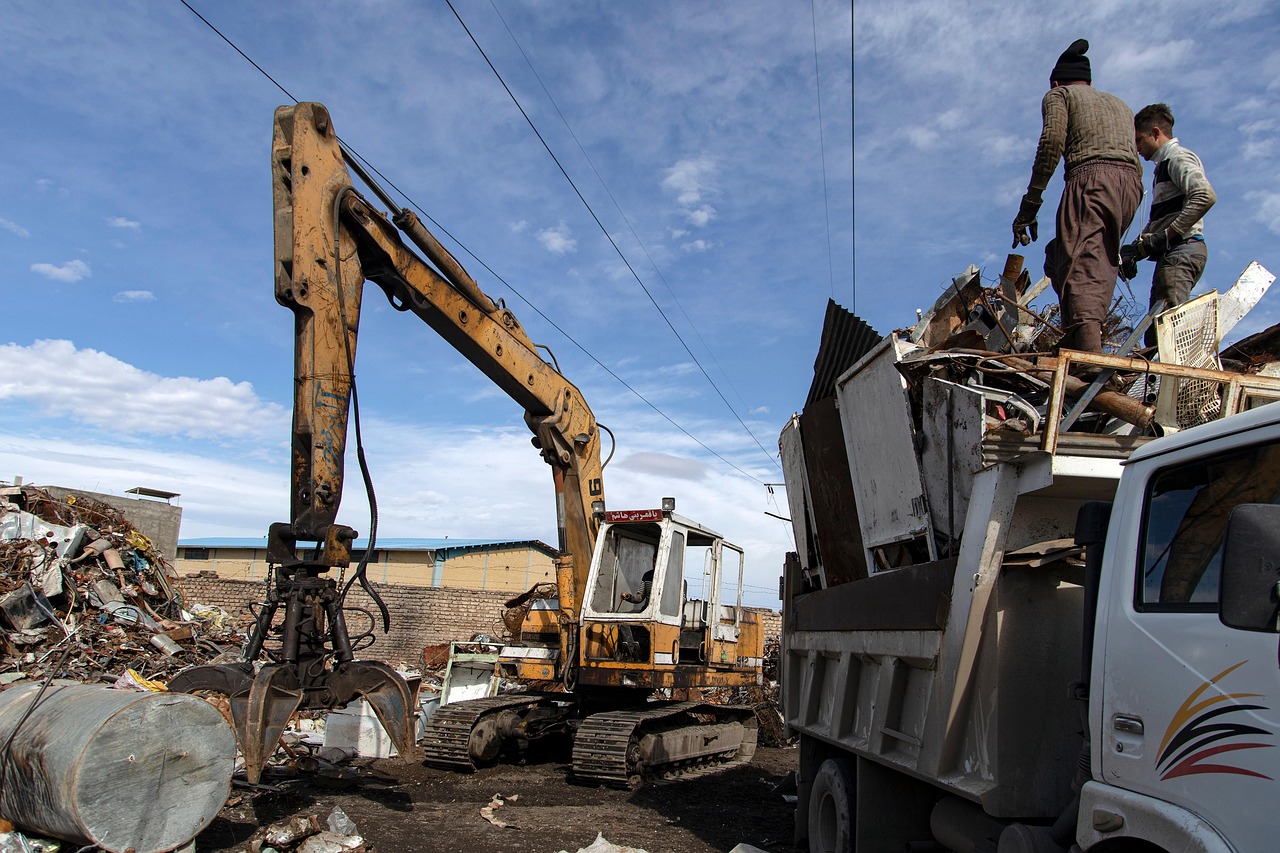
Waste management and hazardous materials handling are critical components of sustainability and environmental management in defense. The proper handling and disposal of waste and hazardous materials are essential to prevent environmental pollution, protect human health, and conserve natural resources. In the defense sector, waste management and hazardous materials handling involve a range of activities, including the identification, classification, storage, transportation, and disposal of waste and hazardous materials.
The first step in waste management and hazardous materials handling is waste identification. This involves identifying the types and quantities of waste generated by defense activities, such as military operations, training exercises, and equipment maintenance. Waste identification is critical to determining the appropriate handling and disposal procedures for each type of waste. For example, hazardous waste, such as chemicals and fuels, require special handling and disposal procedures to prevent environmental pollution and protect human health.
Once waste has been identified, it must be classified according to its type and characteristics. Waste classification involves categorizing waste into different types, such as hazardous, non-hazardous, and recyclable. This classification is critical to determining the appropriate handling and disposal procedures for each type of waste. For example, hazardous waste, such as batteries and electronic components, require special handling and disposal procedures to prevent environmental pollution and protect human health.
The storage of waste and hazardous materials is also a critical component of waste management and hazardous materials handling. Waste and hazardous materials must be stored in a secure and controlled environment to prevent environmental pollution and protect human health. This involves using containers and labeling systems to identify the types and quantities of waste and hazardous materials being stored. For example, hazardous waste, such as chemicals and fuels, must be stored in specially designed containers to prevent leaks and spills.
The transportation of waste and hazardous materials is also a critical component of waste management and hazardous materials handling. Waste and hazardous materials must be transported in a safe and controlled environment to prevent environmental pollution and protect human health. This involves using vehicles and equipment that are specifically designed for the transportation of waste and hazardous materials. For example, hazardous waste, such as chemicals and fuels, must be transported in specially designed vehicles to prevent leaks and spills.
The disposal of waste and hazardous materials is the final step in waste management and hazardous materials handling. Waste and hazardous materials must be disposed of in a responsible and environmentally friendly manner to prevent environmental pollution and protect human health. This involves using methods and technologies that are specifically designed for the disposal of waste and hazardous materials. For example, hazardous waste, such as chemicals and fuels, must be disposed of through incineration or landfill disposal to prevent environmental pollution and protect human health.
In addition to these steps, waste management and hazardous materials handling in defense also involve a range of other activities, including training and education programs for personnel, emergency response planning and preparedness, and compliance with environmental regulations and standards. These activities are critical to ensuring that waste management and hazardous materials handling are conducted in a safe and environmentally friendly manner.
The challenges of waste management and hazardous materials handling in defense are numerous and complex. One of the main challenges is the lack of resources and funding for waste management and hazardous materials handling activities. This can make it difficult to implement effective waste management and hazardous materials handling programs, particularly in remote or conflict areas. Another challenge is the limited awareness and understanding of waste management and hazardous materials handling principles and practices among defense personnel. This can lead to inadequate handling and disposal of waste and hazardous materials, resulting in environmental pollution and human health risks.
To address these challenges, defense organizations must develop and implement effective waste management and hazardous materials handling programs. This involves providing training and education programs for personnel, investing in equipment and technologies for waste management and hazardous materials handling, and ensuring compliance with environmental regulations and standards. Defense organizations must also collaborate with other stakeholders, such as government agencies, non-governmental organizations, and local communities, to share knowledge and best practices in waste management and hazardous materials handling.
In terms of practical applications, waste management and hazardous materials handling in defense involve a range of activities, such as hazardous waste identification and classification, waste storage and transportation, and hazardous materials handling and disposal. These activities require specialized equipment and technologies, such as personal protective equipment, hazardous materials spill response equipment, and waste management software. They also require trained and experienced personnel, such as hazardous materials handlers and waste management specialists.
The benefits of effective waste management and hazardous materials handling in defense are numerous and significant. They include reduced environmental pollution, improved human health and safety, and increased compliance with environmental regulations and standards. Effective waste management and hazardous materials handling can also reduce costs and improve efficiency in defense operations, by minimizing the risks and liabilities associated with waste and hazardous materials. Additionally, effective waste management and hazardous materials handling can enhance reputation and credibility of defense organizations, by demonstrating their commitment to environmental sustainability and social responsibility.
In terms of case studies, there are many examples of effective waste management and hazardous materials handling in defense. For example, the US military has implemented a range of waste management and hazardous materials handling programs, including the Hazardous Waste Management Program and the Environmental Restoration Program. These programs have reduced hazardous waste generation, improved waste management practices, and increased compliance with environmental regulations and standards.
Another example is the NATO Environmental Protection Program, which provides guidance and support to NATO member countries on waste management and hazardous materials handling. The program has helped to reduce hazardous waste generation, improve waste management practices, and increase compliance with environmental regulations and standards.
In terms of future directions, waste management and hazardous materials handling in defense are likely to evolve and change in response to emerging challenges and opportunities. For example, the use of new technologies, such as biotechnology and nanotechnology, may offer new solutions for waste management and hazardous materials handling. Additionally, the increased focus on sustainability and environmental protection may lead to new regulations and standards for waste management and hazardous materials handling.
Overall, waste management and hazardous materials handling are critical components of sustainability and environmental management in defense. The proper handling and disposal of waste and hazardous materials are essential to prevent environmental pollution, protect human health, and conserve natural resources. Defense organizations must develop and implement effective waste management and hazardous materials handling programs, and collaborate with other stakeholders to share knowledge and best practices in waste management and hazardous materials handling. By doing so, they can reduce environmental pollution, improve human health and safety, and increase compliance with environmental regulations and standards.
Key takeaways
- In the defense sector, waste management and hazardous materials handling involve a range of activities, including the identification, classification, storage, transportation, and disposal of waste and hazardous materials.
- For example, hazardous waste, such as chemicals and fuels, require special handling and disposal procedures to prevent environmental pollution and protect human health.
- For example, hazardous waste, such as batteries and electronic components, require special handling and disposal procedures to prevent environmental pollution and protect human health.
- Waste and hazardous materials must be stored in a secure and controlled environment to prevent environmental pollution and protect human health.
- Waste and hazardous materials must be transported in a safe and controlled environment to prevent environmental pollution and protect human health.
- For example, hazardous waste, such as chemicals and fuels, must be disposed of through incineration or landfill disposal to prevent environmental pollution and protect human health.
- These activities are critical to ensuring that waste management and hazardous materials handling are conducted in a safe and environmentally friendly manner.