
Assessment and Feedback in Online Environments
Assessment and feedback are crucial components of the online learning process, as they enable teachers to evaluate student progress, identify areas of improvement, and provide guidance and support to help students achieve their learning obj…
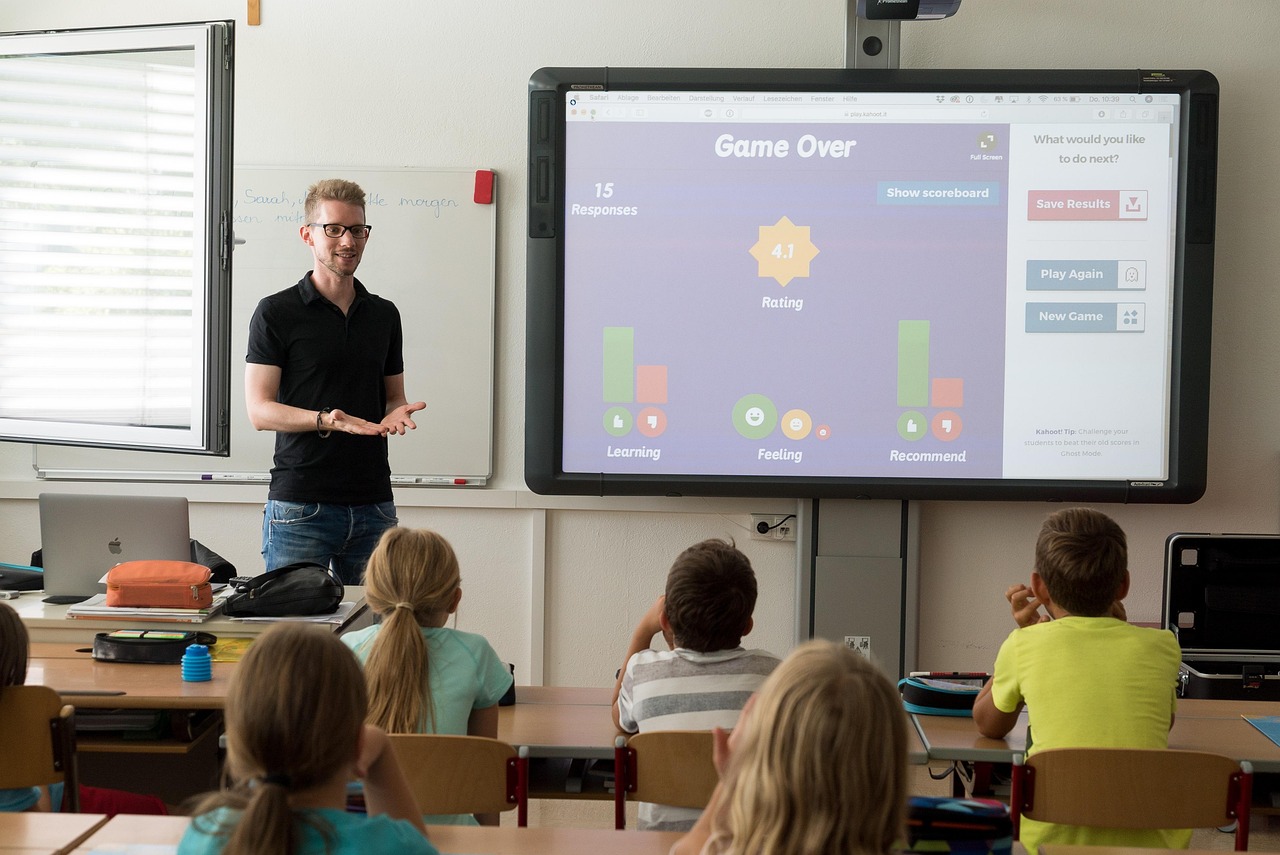
Assessment and feedback are crucial components of the online learning process, as they enable teachers to evaluate student progress, identify areas of improvement, and provide guidance and support to help students achieve their learning objectives. In the context of teaching English online, assessment and feedback take on a unique set of challenges and opportunities, as teachers must adapt their methods to accommodate the online environment and the diverse needs of their students. One key concept in online assessment is the use of authentic materials, which are real-life examples of language in use, such as news articles, videos, or social media posts, to assess students' ability to apply their language skills in practical contexts.
Another important concept is formative assessment, which involves ongoing evaluation and feedback throughout the learning process, rather than just at the end of a course or module. This approach helps teachers to identify areas where students need extra support, and to adjust their instruction accordingly. In online environments, formative assessment can be facilitated through the use of online quizzes, discussion forums, and other interactive tools that allow teachers to monitor student progress and provide feedback in real-time.
The use of rubrics is also an essential aspect of online assessment, as they provide a clear and transparent framework for evaluating student performance. A rubric is a detailed set of criteria that outlines the expectations for a particular assignment or task, and it helps teachers to assess student work in a fair and consistent manner. In online environments, rubrics can be shared with students in advance, so they know what is expected of them, and they can use the rubric to self-assess their own work and identify areas for improvement.
In addition to these concepts, teachers should also be aware of the importance of validity and reliability in online assessment. Validity refers to the extent to which an assessment measures what it is supposed to measure, while reliability refers to the consistency of the assessment results. In online environments, validity and reliability can be affected by a range of factors, including the quality of the assessment tools, the level of student engagement, and the presence of technical issues.
To ensure the validity and reliability of online assessments, teachers can use a variety of strategies, such as piloting assessments with a small group of students, using multiple assessment methods, and collecting feedback from students and peers. They can also use online tools, such as quiz software and learning management systems, to streamline the assessment process and reduce the risk of technical issues.
Another key aspect of online assessment is the use of technology-enhanced assessment tools, such as online quizzes, games, and simulations. These tools can provide a more engaging and interactive experience for students, and they can help to increase student motivation and participation. However, they also require careful planning and implementation, as teachers need to ensure that the tools are accessible and usable for all students, and that they align with the learning objectives and outcomes.
In terms of feedback, teachers should aim to provide timely and constructive comments that help students to improve their performance. This can involve using a range of feedback strategies, such as audio and video recordings, written comments, and peer review. Teachers can also use online tools, such as discussion forums and live chat, to provide feedback in real-time, and to facilitate ongoing dialogue and discussion with students.
The use of self-assessment and peer assessment is also an important aspect of online feedback, as it helps students to develop a sense of ownership and responsibility for their learning. Self-assessment involves students evaluating their own performance, while peer assessment involves students evaluating the work of their peers. Both of these approaches can help to increase student engagement and motivation, and they can provide a more comprehensive and nuanced picture of student learning.
However, providing feedback in online environments can be challenging, as teachers may not have the same level of face-to-face interaction with students. To overcome this challenge, teachers can use a range of strategies, such as using video conferencing tools to provide live feedback, creating video recordings that provide feedback on specific assignments or tasks, and using online discussion forums to facilitate ongoing dialogue and discussion with students.
In addition to these strategies, teachers should also be aware of the importance of cultural and linguistic sensitivity in online feedback. This involves being aware of the potential for cultural and linguistic differences to impact on student performance and feedback, and taking steps to mitigate these differences. For example, teachers can use simple and clear language in their feedback, avoid using idioms or colloquialisms that may be unfamiliar to non-native speakers, and provide feedback that is sensitive to the cultural and linguistic backgrounds of their students.
The use of analytics and data is also an important aspect of online assessment and feedback, as it enables teachers to track student progress and identify areas where students need extra support. Analytics and data can be used to inform instruction, to evaluate the effectiveness of online courses and programs, and to identify areas for improvement. However, teachers should also be aware of the potential risks and challenges associated with the use of analytics and data, such as issues related to student privacy and the potential for bias in the data.
To ensure the effective use of analytics and data, teachers should be aware of the importance of validity and reliability in the data collection process. This involves using high-quality data collection tools, ensuring that the data is accurate and complete, and using the data to inform instruction and improve student outcomes. Teachers should also be aware of the potential for bias in the data, and take steps to mitigate this bias, such as using multiple data sources and triangulating the data with other forms of evidence.
In terms of practical applications, teachers can use a range of online tools and platforms to facilitate assessment and feedback, such as learning management systems, online quiz software, and video conferencing tools. These tools can help to streamline the assessment process, increase student engagement and participation, and provide more timely and constructive feedback. However, teachers should also be aware of the potential challenges and limitations of these tools, such as technical issues, accessibility problems, and the need for ongoing training and support.
One of the challenges of online assessment and feedback is ensuring that students are authentically engaged in the learning process, and that they are not simply going through the motions. To address this challenge, teachers can use a range of strategies, such as providing choices and options for students, encouraging collaboration and communication among students, and using real-world examples and case studies to illustrate key concepts and principles.
Another challenge is ensuring that online assessments are accessible and usable for all students, regardless of their abilities or disabilities. To address this challenge, teachers can use a range of strategies, such as providing alternative formats for assessments, using assistive technologies to support students with disabilities, and ensuring that online courses and programs are inclusive and equitable for all students.
In terms of future directions, online assessment and feedback are likely to continue to evolve and change, as new technologies and tools become available. One potential direction is the use of artificial and machine learning to facilitate online assessment and feedback, such as using AI-powered tools to grade assignments and provide feedback. Another potential direction is the use of virtual and augmented reality to create more immersive and interactive learning experiences, such as using virtual reality to simulate real-world scenarios and provide feedback on student performance.
However, these new technologies and tools also raise important questions and challenges, such as issues related to validity and reliability, equity and access, and student privacy. To address these challenges, teachers and educators will need to work together to develop new guidelines and standards for online assessment and feedback, and to ensure that these guidelines and standards are fair, inclusive, and effective for all students.
Overall, online assessment and feedback are critical components of the online learning process, and they require careful planning, implementation, and evaluation. By using a range of strategies and approaches, such as formative assessment, rubrics, and technology-enhanced assessment tools, teachers can provide high-quality feedback and support to students, and help them to achieve their learning objectives. However, online assessment and feedback also raise important challenges and questions, such as issues related to validity and reliability, equity and access, and student privacy, and these challenges and questions will need to be addressed through ongoing research, development, and innovation.
The use of gamification and game-based learning is another approach that can be used to facilitate online assessment and feedback, as it can provide a more engaging and interactive experience for students. Gamification involves using game design elements and mechanics to enhance the learning process, such as rewards, badges, and leaderboards, while game-based learning involves using games as a primary medium for instruction and assessment.
Both of these approaches can help to increase student motivation and participation, and they can provide a more comprehensive and nuanced picture of student learning. However, they also require careful planning and implementation, as teachers need to ensure that the games and game-like activities are aligned with the learning objectives and outcomes, and that they are accessible and usable for all students.
In addition to these approaches, teachers can also use social media and online communities to facilitate online assessment and feedback, such as using social media platforms to provide feedback and support to students, and using online communities to facilitate peer review and discussion. These approaches can help to increase student engagement and participation, and they can provide a more comprehensive and nuanced picture of student learning.
However, they also raise important questions and challenges, such as issues related to validity and reliability, equity and access, and student privacy. To address these challenges, teachers and educators will need to work together to develop new guidelines and standards for online assessment and feedback, and to ensure that these guidelines and standards are fair, inclusive, and effective for all students.
The use of mobile devices and mobile learning is another approach that can be used to facilitate online assessment and feedback, as it can provide a more flexible and convenient experience for students. Mobile devices, such as smartphones and tablets, can be used to access online courses and programs, and to complete assignments and assessments on the go.
Mobile learning involves using mobile devices as a primary medium for instruction and assessment, and it can provide a more personalized and adaptive experience for students. However, it also requires careful planning and implementation, as teachers need to ensure that the mobile devices and mobile learning activities are aligned with the learning objectives and outcomes, and that they are accessible and usable for all students.
In terms of challenges, online assessment and feedback can be affected by a range of factors, such as technical issues, student engagement, and teacher training. Technical issues, such as connectivity problems or software glitches, can disrupt the assessment process and impact on student performance.
Student engagement, such as lack of motivation or participation, can also impact on the effectiveness of online assessment and feedback, as students may not be fully invested in the learning process. Teacher training, such as lack of experience or expertise in online teaching, can also impact on the quality of online assessment and feedback, as teachers may not have the necessary skills or knowledge to design and implement effective online assessments.
To address these challenges, teachers and educators will need to work together to develop new strategies and approaches for online assessment and feedback, such as providing technical support to students, using engaging and interactive online activities, and providing professional development opportunities for teachers.
The use of learning analytics and data mining is another approach that can be used to facilitate online assessment and feedback, as it can provide a more comprehensive and nuanced picture of student learning. Learning analytics involves using data and analytics to track student progress and identify areas where students need extra support, while data mining involves using statistical and mathematical techniques to extract insights and patterns from large datasets.
Both of these approaches can help to inform instruction, evaluate the effectiveness of online courses and programs, and identify areas for improvement. However, they also raise important questions and challenges, such as issues related to validity and reliability, equity and access, and student privacy. To address these challenges, teachers and educators will need to work together to develop new guidelines and standards for online assessment and feedback, and to ensure that these guidelines and standards are fair, inclusive, and effective for all students.
In terms of best practices, teachers can use a range of strategies and approaches to facilitate online assessment and feedback, such as providing clear and concise instructions, using rubrics and criteria to evaluate student performance, and providing timely and constructive feedback. These strategies can help to increase student engagement and participation, and they can provide a more comprehensive and nuanced picture of student learning.
However, they also require careful planning and implementation, as teachers need to ensure that the online assessments and feedback are aligned with the learning objectives and outcomes, and that they are accessible and usable for all students. To address these challenges, teachers and educators will need to work together to develop new guidelines and standards for online assessment and feedback, and to ensure that these guidelines and standards are fair, inclusive, and effective for all students.
The use of online proctoring and remote proctoring is another approach that can be used to facilitate online assessment and feedback, as it can provide a more secure and reliable experience for students. Online proctoring involves using technology to monitor and supervise students during online assessments, while remote proctoring involves using technology to monitor and supervise students from a distance.
Both of these approaches can help to prevent cheating and ensure the integrity of online assessments, but they also raise important questions and challenges, such as issues related to validity and reliability, equity and access, and student privacy. To address these challenges, teachers and educators will need to work together to develop new guidelines and standards for online assessment and feedback, and to ensure that these guidelines and standards are fair, inclusive, and effective for all students.
In terms of future research, there are many areas that need to be explored and investigated, such as the impact of online assessment and feedback on student learning outcomes, the effectiveness of different online assessment and feedback strategies, and the role of technology in facilitating online assessment and feedback. There is also a need to investigate the challenges and limitations of online assessment and feedback, such as issues related to validity and reliability, equity and access, and student privacy.
To address these challenges, teachers and educators will need to work together to develop new guidelines and standards for online assessment and feedback, and to ensure that these guidelines and standards are fair, inclusive, and effective for all students. They will also need to continue to innovate and experiment with new technologies and approaches, such as artificial and machine learning, virtual and augmented reality, and mobile devices and mobile learning.
Overall, online assessment and feedback are critical components of the online learning process, and they require careful planning, implementation, and evaluation. By using a range of strategies and approaches, such as formative assessment, rubrics, and technology-enhanced assessment tools, teachers can provide high-quality feedback and support to students, and help them to achieve their learning objectives. However, online assessment and feedback also raise important challenges and questions, such as issues related to validity and reliability, equity and access, and student privacy, and these challenges and questions will need to be addressed through ongoing research, development, and innovation.
The use of online resources and online tools is another approach that can be used to facilitate online assessment and feedback, as it can provide a more flexible and convenient experience for students. Online resources, such as online textbooks and online libraries, can provide students with access to a wide range of learning materials and resources, while online tools, such as online quiz software and online discussion forums, can facilitate online assessment and feedback.
Both of these approaches can help to increase student engagement and participation, and they can provide a more comprehensive and nuanced picture of student learning. However, they also require careful planning and implementation, as teachers need to ensure that the online resources and tools are aligned with the learning objectives and outcomes, and that they are accessible and usable for all students.
In terms of practical applications, teachers can use a range of online tools and platforms to facilitate online assessment and feedback, such as learning management systems, online quiz software, and video conferencing tools. These tools can help to streamline the assessment process, increase student engagement and participation, and provide more timely and constructive feedback. However, they also require careful planning and implementation, as teachers need to ensure that the tools are aligned with the learning objectives and outcomes, and that they are accessible and usable for all students.
The use of collaborative learning and cooperative learning is another approach that can be used to facilitate online assessment and feedback, as it can provide a more engaging and interactive experience for students. Collaborative learning involves students working together to achieve a common goal, while cooperative learning involves students working together to complete a task or project.
Both of these approaches can help to increase student motivation and participation, and they can provide a more comprehensive and nuanced picture of student learning. However, they also require careful planning and implementation, as teachers need to ensure that the collaborative and cooperative learning activities are aligned with the learning objectives and outcomes, and that they are accessible and usable for all students.
In terms of challenges, online assessment and feedback can be affected by a range of factors, such as technical issues, student engagement, and teacher training. Technical issues, such as connectivity problems or software glitches, can disrupt the assessment process and impact on student performance.
Student engagement, such as lack of motivation or participation, can also impact on the effectiveness of online assessment and feedback, as students may not be fully invested in the learning process. Teacher training, such as lack of experience or expertise in online teaching, can also impact on the quality of online assessment and feedback, as teachers may not have the necessary skills or knowledge to design and implement effective online assessments.
To address these challenges, teachers and educators will need to work together to develop new strategies and approaches for online assessment and feedback, such as providing technical support to students, using engaging and interactive online activities, and providing professional development opportunities for teachers.
The use of game-based learning and simulation-based learning is another approach that can be used to facilitate online assessment and feedback, as it can provide a more engaging and interactive experience for students. Game-based learning involves using games as a primary medium for instruction and assessment, while simulation-based learning involves using simulations to model real-world scenarios and provide feedback on student performance.
Both of these approaches can help to increase student motivation and participation, and they can provide a more comprehensive and nuanced picture of student learning. However, they also require careful planning and implementation, as teachers need to ensure that the games and simulations are aligned with the learning objectives and outcomes, and that they are accessible and usable for all students.
In terms of future directions, online assessment and feedback are likely to continue to evolve and change, as new technologies and tools become available. One potential direction is the use of artificial and machine learning to facilitate online assessment and feedback, such as using AI-powered tools to grade assignments and provide feedback.
Another potential direction is the use of virtual and augmented reality to create more immersive and interactive learning experiences, such as using virtual reality to simulate real-world scenarios and provide feedback on student performance. However, these new technologies and tools also raise important questions and challenges, such as issues related to validity and reliability, equity and access, and student privacy.
To address these challenges, teachers and educators will need to work together to develop new guidelines and standards for online assessment and feedback, and to ensure that these guidelines and standards are fair, inclusive, and effective for all students. They will also need to continue to innovate and experiment with new technologies and approaches, such as mobile devices and mobile learning, online proctoring and remote proctoring, and learning analytics and data mining.
Overall, online assessment and feedback are critical components of the online learning process, and they require careful planning, implementation, and evaluation. By using a range of strategies and approaches, such as formative assessment, rubrics, and technology-enhanced assessment tools, teachers can provide high-quality feedback and support to students, and help them to achieve their learning objectives. However, online assessment and feedback also raise important challenges and questions, such as issues related to validity and reliability, equity and access, and student privacy, and these challenges and questions will need to be addressed through ongoing research, development, and innovation.
Key takeaways
- In the context of teaching English online, assessment and feedback take on a unique set of challenges and opportunities, as teachers must adapt their methods to accommodate the online environment and the diverse needs of their students.
- In online environments, formative assessment can be facilitated through the use of online quizzes, discussion forums, and other interactive tools that allow teachers to monitor student progress and provide feedback in real-time.
- In online environments, rubrics can be shared with students in advance, so they know what is expected of them, and they can use the rubric to self-assess their own work and identify areas for improvement.
- In online environments, validity and reliability can be affected by a range of factors, including the quality of the assessment tools, the level of student engagement, and the presence of technical issues.
- They can also use online tools, such as quiz software and learning management systems, to streamline the assessment process and reduce the risk of technical issues.
- However, they also require careful planning and implementation, as teachers need to ensure that the tools are accessible and usable for all students, and that they align with the learning objectives and outcomes.
- Teachers can also use online tools, such as discussion forums and live chat, to provide feedback in real-time, and to facilitate ongoing dialogue and discussion with students.