
Medical Imaging Technologies
Medical imaging technologies are an essential part of modern healthcare, allowing medical professionals to visualize the internal structures of the body and diagnose a wide range of conditions. In the context of the Certificate in AI‑Enable…
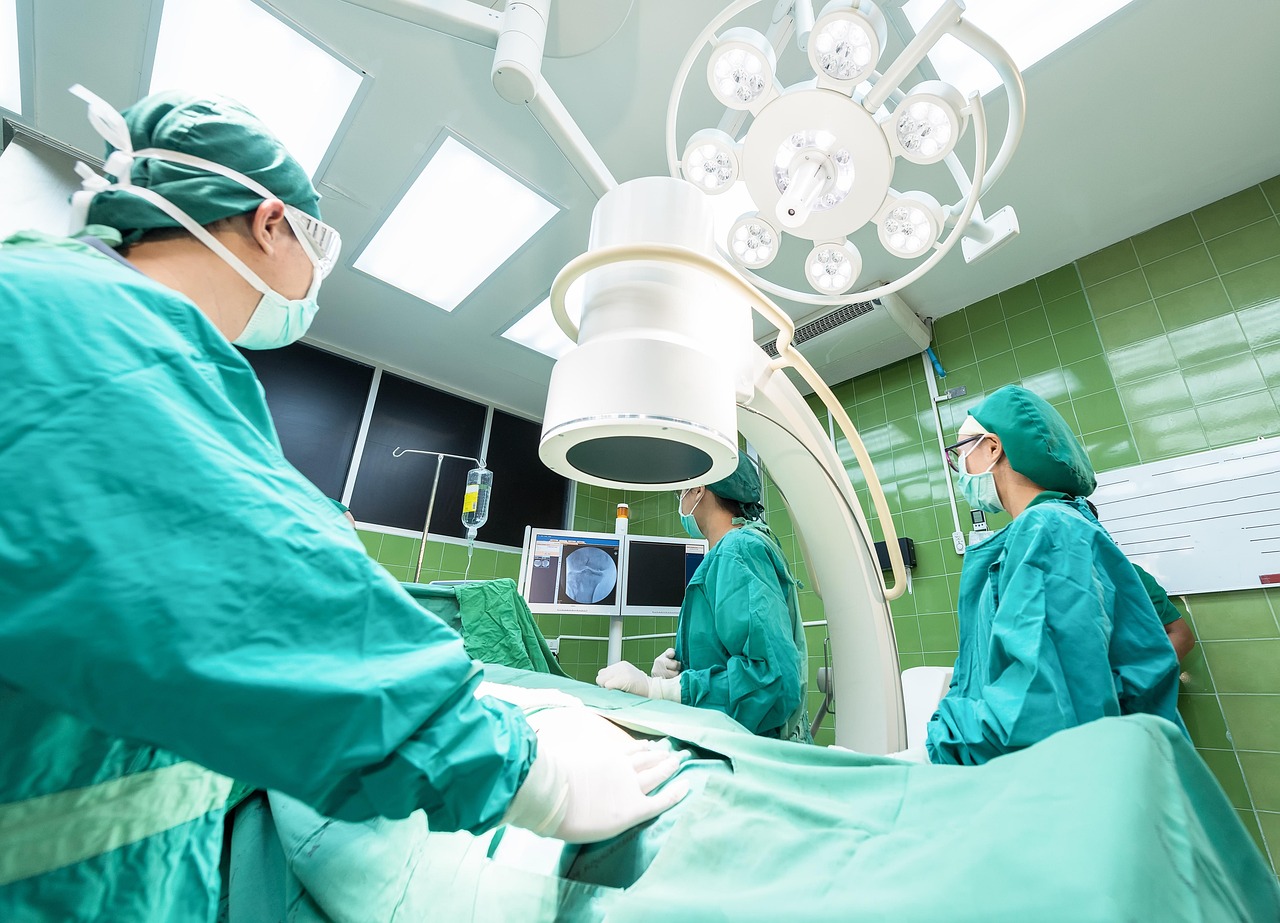
Medical imaging technologies are an essential part of modern healthcare, allowing medical professionals to visualize the internal structures of the body and diagnose a wide range of conditions. In the context of the Certificate in AI‑Enabled Medical Equipment Maintenance, it is crucial to understand the key terms and vocabulary associated with medical imaging technologies. One of the fundamental concepts in medical imaging is the use of ionizing radiation to produce images of the body. This type of radiation has enough energy to remove tightly bound electrons from atoms, resulting in the formation of ions. Examples of medical imaging modalities that use ionizing radiation include X-ray computed tomography (CT) scans and positron emission tomography (PET) scans.
In addition to ionizing radiation, medical imaging technologies also utilize non-ionizing radiation to produce images of the body. This type of radiation has less energy than ionizing radiation and does not have enough energy to remove tightly bound electrons from atoms. Examples of medical imaging modalities that use non-ionizing radiation include magnetic resonance imaging (MRI) and ultrasound. MRI uses a strong magnetic field and radio waves to produce detailed images of the body, while ultrasound uses high-frequency sound waves to produce images of internal structures.
Another important concept in medical imaging is the use of contrast agents to enhance the visibility of certain structures or tissues in the body. Contrast agents are substances that are introduced into the body to alter the way that ionizing radiation or non-ionizing radiation interacts with the body. For example, in X-ray CT scans, a contrast agent such as iodine or barium may be used to enhance the visibility of blood vessels or other structures. In MRI, a contrast agent such as gadolinium may be used to enhance the visibility of certain tissues or structures.
Medical imaging technologies are used to diagnose a wide range of conditions, including cancer, cardiovascular disease, and neurological disorders. For example, X-ray CT scans may be used to diagnose lung cancer or cardiovascular disease, while MRI may be used to diagnose neurological disorders such as multiple sclerosis or Alzheimer's disease. Ultrasound may be used to diagnose conditions such as gallstones or kidney stones, while PET scans may be used to diagnose cancer or neurological disorders.
In addition to diagnosis, medical imaging technologies are also used to guide minimally invasive procedures such as biopsies or tumor treatments. For example, MRI may be used to guide a biopsy of a tumor, while ultrasound may be used to guide a tumor treatment such as radiofrequency ablation. X-ray CT scans may be used to guide a biopsy of a lung tumor, while PET scans may be used to guide a tumor treatment such as chemotherapy.
The maintenance of medical imaging equipment is critical to ensuring that it functions properly and produces high-quality images. This requires a strong understanding of the underlying technology and the ability to troubleshoot and repair problems. In the context of AI‑enabled medical equipment maintenance, it is essential to understand how artificial intelligence and machine learning can be used to improve the maintenance of medical imaging equipment. For example, machine learning algorithms can be used to analyze data from medical imaging equipment and predict when maintenance is required. Artificial intelligence can be used to develop expert systems that can diagnose problems with medical imaging equipment and provide guidance on how to repair them.
One of the challenges of maintaining medical imaging equipment is the need to ensure that it is properly calibrated and validated. This requires a strong understanding of the underlying technology and the ability to follow established protocols and procedures. For example, MRI machines require regular calibration to ensure that the magnetic field is properly aligned and that the radio waves are properly tuned. X-ray CT scans require regular validation to ensure that the X-ray tube is properly functioning and that the detector array is properly calibrated.
In addition to calibration and validation, the maintenance of medical imaging equipment also requires a strong understanding of quality control and quality assurance. This includes the development of quality control protocols and the implementation of quality assurance procedures to ensure that medical imaging equipment is functioning properly and producing high-quality images. For example, a quality control protocol may include regular checks of the magnetic field in an MRI machine or the X-ray tube in a X-ray CT scanner.
The use of artificial intelligence and machine learning in medical imaging equipment maintenance also raises important considerations related to cybersecurity and data protection. For example, machine learning algorithms may require access to large amounts of patient data in order to function properly, which raises concerns about data protection and patient privacy. Additionally, the use of artificial intelligence and machine learning in medical imaging equipment maintenance may also create new cybersecurity risks, such as the potential for hacking or malware attacks.
In order to address these challenges, it is essential to develop a strong understanding of the underlying technology and the potential cybersecurity risks and data protection considerations. This includes the development of cybersecurity protocols and the implementation of data protection procedures to ensure that medical imaging equipment is secure and that patient data is protected. For example, a cybersecurity protocol may include regular software updates and security patches to prevent hacking or malware attacks.
The maintenance of medical imaging equipment also requires a strong understanding of regulatory requirements and industry standards. For example, medical imaging equipment must comply with regulatory requirements such as those set by the Food and Drug Administration (FDA) in the United States. Additionally, medical imaging equipment must also comply with industry standards such as those set by the International Electrotechnical Commission (IEC) or the American College of Radiology (ACR).
In order to ensure compliance with regulatory requirements and industry standards, it is essential to develop a strong understanding of the underlying technology and the potential regulatory risks and compliance considerations. This includes the development of compliance protocols and the implementation of regulatory procedures to ensure that medical imaging equipment is compliant with regulatory requirements and industry standards. For example, a compliance protocol may include regular audits and inspections to ensure that medical imaging equipment is compliant with regulatory requirements and industry standards.
The use of artificial intelligence and machine learning in medical imaging equipment maintenance also raises important considerations related to training and education. For example, machine learning algorithms may require specialized training data in order to function properly, which raises concerns about the need for training and education programs for medical imaging professionals. Additionally, the use of artificial intelligence and machine learning in medical imaging equipment maintenance may also create new education and training needs, such as the need for online courses or workshops to teach medical imaging professionals about the use of artificial intelligence and machine learning in medical imaging equipment maintenance.
In order to address these challenges, it is essential to develop a strong understanding of the underlying technology and the potential training and education needs. This includes the development of training programs and the implementation of education initiatives to ensure that medical imaging professionals have the skills and knowledge they need to maintain and repair medical imaging equipment. For example, a training program may include online courses or workshops to teach medical imaging professionals about the use of artificial intelligence and machine learning in medical imaging equipment maintenance.
The maintenance of medical imaging equipment is a complex and challenging task that requires a strong understanding of the underlying technology and the potential technical considerations and practical applications. This includes the development of technical protocols and the implementation of practical procedures to ensure that medical imaging equipment is functioning properly and producing high-quality images. For example, a technical protocol may include regular checks and tests to ensure that the magnetic field in an MRI machine is properly aligned and that the radio waves are properly tuned.
In addition to technical considerations, the maintenance of medical imaging equipment also requires a strong understanding of clinical considerations and patient care. For example, medical imaging equipment must be designed and maintained to ensure that it is safe and effective for use in clinical settings and that it produces high-quality images that can be used to diagnose and treat medical conditions. This includes the development of clinical protocols and the implementation of patient care procedures to ensure that medical imaging equipment is used safely and effectively in clinical settings.
The use of artificial intelligence and machine learning in medical imaging equipment maintenance also raises important considerations related to research and development. For example, machine learning algorithms may require access to large amounts of research data in order to function properly, which raises concerns about the need for research and development programs to support the development of new medical imaging technologies. Additionally, the use of artificial intelligence and machine learning in medical imaging equipment maintenance may also create new research and development opportunities, such as the development of new medical imaging modalities or the improvement of existing medical imaging technologies.
In order to address these challenges, it is essential to develop a strong understanding of the underlying technology and the potential research and development needs. This includes the development of research programs and the implementation of development initiatives to ensure that medical imaging professionals have the skills and knowledge they need to develop and maintain new medical imaging technologies. For example, a research program may include grants or funding opportunities to support the development of new medical imaging modalities or the improvement of existing medical imaging technologies.
The maintenance of medical imaging equipment is a critical task that requires a strong understanding of the underlying technology and the potential challenges and opportunities related to artificial intelligence and machine learning. This includes the development of strategies and the implementation of solutions to ensure that medical imaging equipment is functioning properly and producing high-quality images. For example, a strategy may include the development of new technologies or the improvement of existing medical imaging technologies to address the challenges and opportunities related to artificial intelligence and machine learning.
In addition to strategies, the maintenance of medical imaging equipment also requires a strong understanding of best practices and industry standards. For example, medical imaging equipment must be designed and maintained to ensure that it is safe and effective for use in clinical settings and that it produces high-quality images that can be used to diagnose and treat medical conditions. This includes the development of best practices and the implementation of industry standards to ensure that medical imaging equipment is used safely and effectively in clinical settings.
The use of artificial intelligence and machine learning in medical imaging equipment maintenance also raises important considerations related to ethics and professionalism. For example, machine learning algorithms may require access to large amounts of patient data in order to function properly, which raises concerns about the need for ethics and professionalism in the development and use of artificial intelligence and machine learning in medical imaging equipment maintenance. Additionally, the use of artificial intelligence and machine learning in medical imaging equipment maintenance may also create new ethics and professionalism considerations, such as the need for transparency and accountability in the development and use of artificial intelligence and machine learning in medical imaging equipment maintenance.
In order to address these challenges, it is essential to develop a strong understanding of the underlying technology and the potential ethics and professionalism considerations. This includes the development of ethics guidelines and the implementation of professionalism initiatives to ensure that medical imaging professionals have the skills and knowledge they need to develop and use artificial intelligence and machine learning in medical imaging equipment maintenance. For example, an ethics guideline may include principles or standards for the development and use of artificial intelligence and machine learning in medical imaging equipment maintenance, such as the need for transparency and accountability in the development and use of artificial intelligence and machine learning in medical imaging equipment maintenance.
Key takeaways
- Medical imaging technologies are an essential part of modern healthcare, allowing medical professionals to visualize the internal structures of the body and diagnose a wide range of conditions.
- MRI uses a strong magnetic field and radio waves to produce detailed images of the body, while ultrasound uses high-frequency sound waves to produce images of internal structures.
- Contrast agents are substances that are introduced into the body to alter the way that ionizing radiation or non-ionizing radiation interacts with the body.
- For example, X-ray CT scans may be used to diagnose lung cancer or cardiovascular disease, while MRI may be used to diagnose neurological disorders such as multiple sclerosis or Alzheimer's disease.
- For example, MRI may be used to guide a biopsy of a tumor, while ultrasound may be used to guide a tumor treatment such as radiofrequency ablation.
- In the context of AI‑enabled medical equipment maintenance, it is essential to understand how artificial intelligence and machine learning can be used to improve the maintenance of medical imaging equipment.
- For example, MRI machines require regular calibration to ensure that the magnetic field is properly aligned and that the radio waves are properly tuned.