
Environmental Impact Assessment and Energy Projects
Environmental Impact Assessment (EIA) is a systematic process used to predict the environmental consequences of proposed projects before decisions are made. It integrates scientific analysis, stakeholder input, and regulatory requirements t…
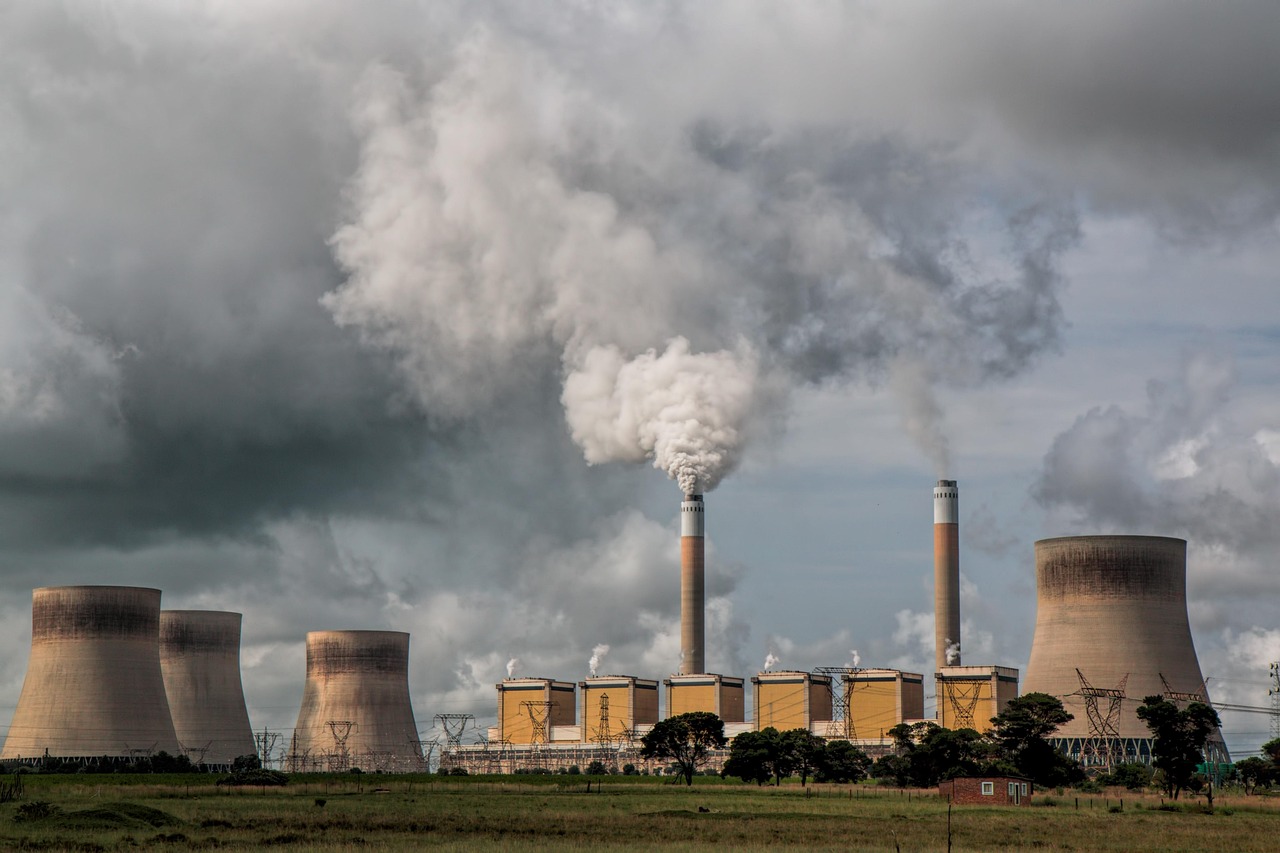
Environmental Impact Assessment (EIA) is a systematic process used to predict the environmental consequences of proposed projects before decisions are made. It integrates scientific analysis, stakeholder input, and regulatory requirements to identify potential impacts, propose mitigation measures, and inform decision‑makers. In the context of energy projects, an EIA examines how the construction, operation, and de‑commissioning of facilities such as power plants, wind farms, or transmission lines may affect air quality, water resources, biodiversity, and local communities. The process typically begins with a screening stage, where authorities determine whether a full EIA is required based on the project’s size, location, and sensitivity of the surrounding environment.
The next phase, scoping, identifies the key environmental issues that need detailed analysis. Scoping involves consulting with regulators, non‑governmental organizations, and affected populations to ensure that the assessment focuses on the most relevant topics, such as greenhouse gas emissions for a coal‑fired plant or habitat disruption for a hydroelectric dam. Proper scoping reduces the risk of overlooking significant impacts and helps allocate resources efficiently.
During the baseline data collection stage, practitioners gather information on existing environmental conditions. This may include measuring ambient air pollutant concentrations, mapping wetlands, assessing soil contamination, and documenting cultural heritage sites. Accurate baseline data are essential because they provide the reference point against which future changes are measured. For example, a wind‑energy developer might install anemometers to record wind speed and direction over a year, establishing the natural wind regime before turbine installation.
Impact prediction involves analyzing how the project’s activities will alter the baseline conditions. Various analytical tools are employed, such as dispersion models for air pollutants, hydrological models for water flow changes, and ecological risk assessments for wildlife. The choice of model depends on the nature of the impact; a solar‑farm project may focus on land‑use change and habitat fragmentation, whereas a natural‑gas pipeline may require detailed leak‑detection modeling. Predictive analysis often includes both deterministic and probabilistic approaches to capture uncertainties.
Mitigation measures are strategies designed to avoid, reduce, or compensate for adverse environmental effects. Mitigation can be hierarchical: first, avoid impacts by altering project design; second, minimize unavoidable impacts through engineering controls; third, offset remaining impacts by providing compensatory actions such as habitat restoration. For a hydroelectric scheme, mitigation might involve installing fish ladders to preserve migratory routes, while a geothermal plant could use closed‑loop systems to limit groundwater contamination. Effective mitigation requires clear, measurable targets and a schedule for implementation.
The Environmental Management Plan (EMP) translates mitigation measures into actionable steps. An EMP outlines responsibilities, timelines, monitoring protocols, and contingency plans. It serves as a living document that guides project managers throughout the lifecycle of the energy facility. For instance, a solar‑photovoltaic project may include an EMP that specifies regular vegetation management to prevent shading of panels, as well as procedures for handling hazardous waste generated during panel de‑commissioning.
Public participation is a cornerstone of the EIA process. It ensures that the voices of local communities, indigenous peoples, and other stakeholders are heard and considered. Participation can take many forms, including public hearings, focus groups, and written comment periods. In many jurisdictions, the law mandates that a summary of the EIA findings be made publicly available, and that project proponents respond to concerns raised during consultation. Genuine engagement can reduce conflict, improve project design, and enhance social license to operate.
Strategic Environmental Assessment (SEA) differs from project‑level EIA by focusing on policies, plans, and programmes rather than individual projects. SEA is particularly relevant for large‑scale energy strategies, such as national renewable‑energy roadmaps or regional transmission‑grid expansions. By assessing cumulative impacts early, SEA helps avoid piecemeal decision‑making that could lead to unintended environmental degradation. For example, a country planning multiple offshore wind farms might conduct an SEA to evaluate combined effects on marine ecosystems and fisheries.
The concept of cumulative impact refers to the incremental effect of multiple projects or activities over time. In energy sectors, cumulative impacts can arise from a series of power plants, transmission lines, and associated infrastructure that collectively stress air quality, water availability, or biodiversity. Assessing cumulative impacts requires a broader spatial and temporal perspective, often using GIS (Geographic Information Systems) to map overlapping influence zones. Failure to consider cumulative effects can lead to underestimation of overall environmental burden.
Significant impact is a legal threshold used to determine whether an EIA must be undertaken. Different jurisdictions define significance based on criteria such as magnitude, duration, reversibility, and the sensitivity of the affected environment. For example, a small biomass plant in an already industrialized area may be deemed to have a non‑significant impact, whereas the same plant situated near a protected wetland could trigger a full EIA due to potential harm to endangered species.
The term baseline monitoring refers to ongoing data collection that tracks environmental conditions before, during, and after project implementation. Continuous monitoring helps verify whether mitigation measures are effective and whether unforeseen impacts emerge. In an offshore wind project, baseline monitoring might involve acoustic surveys to establish marine mammal presence before turbine installation, followed by periodic checks to detect changes in noise levels.
Environmental compliance is the adherence to applicable laws, regulations, and standards throughout a project’s lifecycle. Compliance is often verified through permits, inspections, and reporting obligations. Energy projects typically require multiple permits, such as air emission licenses, water use consents, and wildlife protection approvals. Non‑compliance can result in fines, legal challenges, or project shutdowns, emphasizing the importance of robust compliance management systems.
The concept of polluter‑pay principle (PPP) underlies many environmental regulations. PPP holds that those who cause environmental damage should bear the costs of remediation and mitigation. In the energy sector, this principle may manifest as a requirement for developers to fund habitat restoration if their project leads to habitat loss, or to finance the cleanup of contaminated soils resulting from fuel spills. Incorporating PPP into project finance models ensures that environmental costs are internalized.
Environmental risk assessment (ERA) evaluates the probability and severity of adverse environmental outcomes associated with a project. While similar to impact prediction, ERA emphasizes uncertainty analysis and risk management. An ERA for a liquefied natural gas (LNG) terminal might assess the likelihood of a catastrophic release, the potential for marine oil spills, and the effectiveness of emergency response plans. The results inform risk‑mitigation strategies and insurance considerations.
Life‑cycle analysis (LCA) is a methodological framework that quantifies the environmental impacts of a product or service from cradle to grave. In energy projects, LCA can compare the carbon footprint of different generation technologies, taking into account resource extraction, construction, operation, and de‑commissioning phases. For example, an LCA of a nuclear power plant would include uranium mining, fuel enrichment, waste management, and site remediation, providing a comprehensive view of its environmental performance.
Renewable Energy Certificates (RECs) are market‑based instruments that represent the environmental attributes of renewable electricity generation. RECs enable organizations to claim the use of renewable energy without physically consuming the electricity produced. While not an EIA term per se, RECs intersect with environmental policy by incentivizing low‑carbon projects and shaping investment decisions. Understanding RECs is essential for energy lawyers advising clients on compliance with renewable‑energy mandates.
Carbon accounting is the process of measuring, reporting, and verifying greenhouse‑gas emissions associated with an activity or organization. Accurate carbon accounting is crucial for compliance with national emissions trading schemes and international agreements such as the Paris Agreement. Energy projects often develop a baseline emissions scenario to determine the additional emissions attributable to the project, which then informs mitigation commitments and potential carbon‑offset purchases.
Environmental Impact Statement (EIS) is a detailed document that presents the findings of an EIA. The EIS includes descriptions of the proposed project, baseline conditions, predicted impacts, mitigation measures, and monitoring plans. It also contains a summary of public comments and the proponent’s responses. The EIS is the primary instrument reviewed by regulators and the public during the decision‑making process. A well‑crafted EIS can expedite approvals by demonstrating thorough analysis and stakeholder engagement.
The term mitigation hierarchy refers to the ordered approach of avoiding, minimizing, restoring, and offsetting impacts. This hierarchy is embedded in many international guidelines, such as the International Finance Corporation’s Performance Standards. For a coal‑fired power plant, the hierarchy might first seek to avoid siting near protected forests, then implement advanced scrubbers to minimize air pollutants, restore any disturbed vegetation, and finally purchase biodiversity offsets for any remaining habitat loss.
Environmental safeguards are legal and technical measures that protect the environment from adverse effects of development. Safeguards are often stipulated in financing agreements, such as those of multilateral development banks, requiring compliance with specific environmental and social standards. In practice, a safeguard could mandate that a solar‑farm includes a biodiversity management plan, adheres to a no‑net‑loss policy for species, and conducts regular environmental audits.
Stakeholder analysis is a systematic process to identify and assess the interests, influence, and concerns of individuals or groups affected by a project. Effective stakeholder analysis helps project teams prioritize engagement activities and tailor communication strategies. In an offshore wind project, stakeholders may include fishing communities, coastal tourism operators, environmental NGOs, and maritime authorities. Understanding each group’s priorities enables the design of targeted mitigation measures, such as adjusting turbine placement to reduce conflict with fishing grounds.
Environmental baseline study provides the scientific foundation for impact assessment. This study compiles data on air, water, soil, flora, fauna, and socio‑economic conditions within the project area. The depth and scope of the baseline study depend on project complexity and regulatory requirements. For a geothermal plant, the baseline may involve geochemical analysis of groundwater to detect any pre‑existing contamination, which informs the design of closed‑loop heat exchangers to prevent further pollution.
Ecological footprint quantifies the amount of biologically productive land and water required to sustain a project’s resource consumption and waste generation. While often used at the national level, the ecological footprint can be applied to individual energy projects to illustrate their resource intensity. A coal‑mining operation with a high ecological footprint may face stronger scrutiny and demand more stringent mitigation measures compared to a low‑footprint solar installation.
Environmental performance indicator (EPI) is a metric used to track the effectiveness of environmental management actions. EPIs may include emission intensity (e.g., tonnes of CO₂ per megawatt‑hour), water withdrawal rates, or the number of wildlife incidents reported. By monitoring EPIs, project operators can demonstrate continuous improvement and compliance with regulatory thresholds. For a natural‑gas power plant, a key EPI might be the reduction of methane leakage rates over time.
Precautionary principle is a policy approach that advocates taking protective action in the face of uncertainty, especially when potential harms are severe or irreversible. In energy development, the precautionary principle may justify stricter impact assessments for projects located near fragile ecosystems, even if scientific evidence of harm is not yet conclusive. Applying this principle often leads to more rigorous monitoring and adaptive management practices.
Environmental audit is a systematic, independent examination of an organization’s environmental performance and compliance with legal obligations. Audits can be internal or external and are typically conducted at regular intervals. An audit of a wind‑farm operator may assess whether turbine noise levels remain within permitted limits, whether wildlife monitoring protocols are being followed, and whether waste disposal practices comply with regulations.
Environmental licensing is the formal authorization granted by a regulatory agency permitting a project to proceed, subject to conditions that protect the environment. Licensing processes vary by jurisdiction but commonly include the submission of an EIS, public consultation, and a review of mitigation measures. License conditions may impose limits on emissions, require specific monitoring, and stipulate penalties for non‑compliance. For a large hydroelectric scheme, licensing might also involve water‑use permits and fish‑passage requirements.
Environmental impact mitigation bond is a financial instrument that ensures funds are available for remediation or mitigation activities if the project developer fails to fulfill its obligations. The bond is typically released after successful completion of monitoring and verification of mitigation outcomes. In the context of a solar‑farm de‑commissioning, the bond would cover site restoration costs, including soil remediation and vegetation re‑planting.
Geographic Information System (GIS) is a technology that captures, stores, analyzes, and visualizes spatial data. GIS is indispensable for mapping impact zones, identifying sensitive habitats, and planning mitigation measures. For a transmission‑line project, GIS can overlay land‑use maps, cultural heritage sites, and wildlife corridors to determine the optimal route that minimizes environmental intrusion.
Noise impact assessment evaluates the potential acoustic effects of a project on human and wildlife receptors. In energy projects, noise sources may include turbine blades, generators, cooling towers, or drilling equipment. The assessment typically involves modeling sound propagation, establishing acceptable noise levels based on standards, and proposing mitigation such as acoustic enclosures, buffer zones, or operational curfews. An offshore wind farm might need to assess underwater noise impacts on marine mammals.
Air quality modelling predicts changes in pollutant concentrations resulting from emissions associated with a project. Models consider meteorological data, topography, source characteristics, and chemical transformation processes. For a coal‑fired power plant, modelling may estimate concentrations of sulfur dioxide, nitrogen oxides, and particulate matter at nearby receptors, informing the need for flue‑gas desulfurization or electrostatic precipitators.
Water resource assessment determines the availability, quality, and sustainability of water for a project’s operations. Energy projects often require large water volumes for cooling, hydro‑generation, or fracking. The assessment examines surface water flows, groundwater aquifers, and potential impacts on downstream users. In a thermal power plant, the assessment may lead to the adoption of dry‑cooling technology to reduce water withdrawal.
Habitat suitability index (HSI) is a quantitative tool that evaluates how well a particular area meets the ecological requirements of a species. HSI is used in impact assessments to predict potential loss or fragmentation of habitats. For a wind‑farm sited near a bird migration corridor, the HSI can help determine the likely effect on avian populations and guide turbine placement to minimize risk.
Species at risk refers to flora or fauna listed under national or international conservation legislation as threatened, endangered, or vulnerable. Projects affecting habitats of such species must undergo additional scrutiny, often requiring the development of species‑specific management plans. In the case of a hydroelectric dam, if a listed fish species uses the river for spawning, the project may need to incorporate fish ladders and continuous monitoring.
Environmental liability constitutes the legal responsibility for damages caused to the environment. Liability can arise from contractual clauses, statutory provisions, or common‑law tort claims. Energy developers must assess potential liability exposure, which can affect project financing and insurance costs. For instance, a pipeline spill that contaminates a protected wetland may trigger liability for cleanup, restoration, and compensation to affected parties.
Regulatory impact analysis (RIA) examines the economic, social, and environmental consequences of proposed regulations. While distinct from EIA, RIA is relevant when new environmental standards affect energy projects, such as tightening emission limits for power plants. RIA helps policymakers balance environmental protection with economic feasibility, informing adjustments to legislation or timelines for compliance.
Strategic environmental assessment (SEA) is applied to high‑level policies, plans, and programmes, offering a broader perspective than project‑specific EIA. SEA can shape the development of national energy strategies, ensuring that renewable‑energy targets are pursued in a manner consistent with biodiversity conservation, climate‑change mitigation, and sustainable development goals. By integrating environmental considerations early, SEA reduces the need for costly retrofits later in the project pipeline.
Environmental justice addresses the equitable distribution of environmental benefits and burdens across different social groups. Energy projects can raise environmental‑justice concerns when they disproportionately affect marginalized communities through pollution, health impacts, or loss of cultural resources. Incorporating environmental‑justice analysis into the EIA process helps identify and remedy inequities, fostering more inclusive and socially responsible project outcomes.
Carbon offset is a reduction in emissions elsewhere that compensates for emissions generated by a project. Offsets are often used by energy developers to achieve net‑zero targets or comply with cap‑and‑trade schemes. However, the effectiveness of offsets depends on additionality, permanence, and verification. A wind‑farm developer might purchase offsets from a reforestation project, but must ensure that the offset project delivers real, measurable climate benefits.
Renewable portfolio standard (RPS) is a policy mechanism that requires electricity suppliers to source a certain percentage of their power from renewable sources. RPS objectives influence the market demand for renewable‑energy projects, affecting investment decisions and the need for thorough environmental assessments. Developers seeking to meet RPS targets must demonstrate compliance with environmental regulations, as failure to do so could jeopardize the eligibility of their renewable‑energy credits.
Energy policy encompasses the set of laws, regulations, and incentives that shape the production, distribution, and consumption of energy. Environmental considerations are integral to energy policy, especially as governments aim to transition to low‑carbon economies while safeguarding natural resources. Understanding the interplay between energy policy and environmental law is essential for professionals advising on project approvals, permitting, and compliance.
International Environmental Law provides a framework of treaties, conventions, and customary rules that govern transboundary environmental issues. Key instruments relevant to energy projects include the United Nations Framework Convention on Climate Change (UNFCCC), the Convention on Biological Diversity (CBD), and the Basel Convention on hazardous waste. Energy developers operating in multiple jurisdictions must navigate these international obligations alongside domestic regulations.
Nationally Determined Contribution (NDC) is a country’s pledge under the Paris Agreement outlining its intended climate‑action measures, including emissions reductions and renewable‑energy targets. NDCs drive national policy, influencing the regulatory environment for energy projects. Projects that align with a country’s NDC may benefit from incentives such as tax credits, feed‑in tariffs, or streamlined permitting processes, but must also meet stringent environmental standards.
Environmental permitting is the process through which a project obtains the necessary legal authorizations to proceed. Permitting often involves multiple agencies and may require separate permits for air emissions, water use, waste disposal, and land disturbance. The permitting timeline can be a critical path item; delays in securing permits can increase costs and risk. Effective coordination with regulators and early submission of comprehensive documentation are key strategies for expediting permitting.
Transboundary environmental impact assessment (TEIA) is required when a project’s potential effects cross national borders. Energy projects such as cross‑border pipelines, offshore wind farms, or large hydroelectric dams can have downstream or upwind impacts on neighboring states. TEIA procedures typically involve bilateral or multilateral consultations, joint studies, and the sharing of monitoring data. Failure to conduct a TEIA can lead to diplomatic disputes and legal challenges under international law.
Environmental stewardship refers to the responsible management and protection of natural resources by individuals, corporations, or governments. In the energy sector, stewardship may manifest as voluntary commitments to exceed regulatory requirements, invest in biodiversity conservation, or adopt circular‑economy principles. Demonstrating strong stewardship can enhance a company’s reputation, attract ESG‑focused investors, and facilitate smoother regulatory approvals.
Ecological restoration involves the deliberate process of assisting the recovery of ecosystems that have been degraded, damaged, or destroyed. Restoration is often a mitigation measure required after an energy project’s construction phase. Techniques may include re‑vegetation, invasive‑species removal, soil amendment, and the re‑introduction of native fauna. Successful restoration requires long‑term monitoring to ensure that ecological functions are re‑established.
Adaptive management is a structured, iterative approach to decision‑making in the face of uncertainty. It emphasizes learning from monitoring results and adjusting management actions accordingly. In the context of an EIA, adaptive management may be incorporated into the EMP to allow for modifications of mitigation measures if monitoring indicates that impacts are greater than anticipated. This flexibility helps ensure that environmental protection remains effective over the project’s lifespan.
Environmental social governance (ESG) criteria are used by investors to evaluate a company’s performance on environmental, social, and governance issues. Energy projects are increasingly assessed through ESG lenses, influencing access to capital and financing terms. High ESG scores can reduce borrowing costs, attract sustainability‑focused investors, and improve stakeholder relations. Conversely, poor ESG performance may result in divestment or heightened regulatory scrutiny.
Risk management plan outlines how a project will identify, assess, and control risks, including environmental, health, safety, and financial hazards. The plan typically includes a risk matrix, mitigation strategies, contingency procedures, and responsibilities. For a geothermal project, the risk management plan might address the potential for induced seismicity, groundwater contamination, and equipment failure, detailing monitoring protocols and emergency response actions.
Environmental liability insurance provides coverage for costs associated with environmental damage caused by a project. Policies may cover cleanup expenses, third‑party claims, and legal defense costs. Securing appropriate liability insurance is a risk‑mitigation step for developers, ensuring that financial resources are available to address unforeseen environmental incidents. Insurers often require evidence of robust environmental management systems as a condition of coverage.
Carbon capture and storage (CCS) technology captures carbon dioxide emissions from power plants or industrial processes and stores them underground in geological formations. While CCS can reduce greenhouse‑gas emissions, its implementation raises environmental concerns such as the integrity of storage sites, potential leakage, and impacts on groundwater. An EIA for a CCS project must evaluate these issues, propose monitoring schemes, and develop contingency plans for accidental releases.
Renewable energy certificate (REC) is a tradable instrument that represents proof that one megawatt‑hour of electricity was generated from a renewable source. RECs enable utilities and corporations to meet renewable‑energy obligations without directly owning renewable assets. Understanding the legal framework governing RECs, including registration, tracking, and retirement, is essential for energy lawyers advising clients on compliance with renewable‑energy mandates.
Energy efficiency measures aim to reduce the amount of energy required to provide a given service. Energy‑efficiency projects often have lower environmental impacts than new generation capacity, as they can defer the need for additional infrastructure. An EIA for an energy‑efficiency retrofit may still be required if the project involves significant construction activities, such as upgrading a building’s HVAC system, which could affect indoor air quality or waste generation.
Strategic environmental assessment (SEA) differs from traditional EIA by focusing on the environmental implications of policies, plans, or programmes rather than individual projects. SEA is applied to large‑scale initiatives such as national energy‑transition roadmaps, ensuring that environmental considerations are integrated into the decision‑making process from the earliest stages. By identifying cumulative impacts and trade‑offs, SEA helps policymakers design more sustainable energy strategies.
Stakeholder engagement is the process of involving individuals, groups, and institutions that may be affected by or have an interest in a project. Effective engagement builds trust, uncovers local knowledge, and can lead to better project outcomes. Techniques include public meetings, focus groups, surveys, and digital platforms. For a solar‑farm, engaging with local farmers early can reveal concerns about land use and provide opportunities for co‑ownership or benefit‑sharing arrangements.
Environmental baseline survey collects data on current environmental conditions to serve as a reference point for impact assessment. Surveys may cover air quality, water quality, soil characteristics, biodiversity, cultural heritage, and socio‑economic factors. High‑quality baseline data enable accurate impact predictions and help detect changes during the monitoring phase. In a hydroelectric project, baseline surveys would document river flow regimes, fish populations, and downstream water users.
Mitigation hierarchy is a structured approach that prioritizes avoidance of impacts, followed by minimization, restoration, and compensation. This hierarchy is widely recognized in international guidelines and helps ensure that mitigation efforts are effective and proportionate. For example, a wind‑farm developer may first avoid siting turbines in known bird nesting areas, then minimize collision risk with turbine design, restore any disturbed vegetation, and finally offset any remaining impacts through habitat creation elsewhere.
Environmental monitoring involves the systematic collection of data to track the performance of mitigation measures and detect unforeseen impacts. Monitoring programs are typically defined in the EMP and include parameters such as emissions, water quality, noise levels, and biodiversity indicators. Data are analyzed regularly, and results are reported to regulators and stakeholders. In an offshore wind project, monitoring may include seabed sediment sampling and marine‑mammal acoustic surveys.
Environmental compliance audit is an independent review that assesses whether a project adheres to applicable environmental laws, permits, and standards. Audits can be scheduled or triggered by incidents. Findings are used to improve management systems and demonstrate accountability. For a natural‑gas power plant, a compliance audit might verify that emissions monitoring equipment is calibrated, that waste disposal records are complete, and that staff have received required training.
Impact mitigation plan outlines specific actions to reduce adverse environmental effects identified in the EIA. The plan includes detailed descriptions of measures, responsible parties, timelines, and performance indicators. Effective mitigation plans are realistic, measurable, and enforceable. In a biomass plant, an impact mitigation plan could address ash disposal by implementing secure landfills, monitoring leachate, and establishing a reclamation schedule.
Environmental performance standards are quantitative criteria that define acceptable levels of environmental impact, such as emission limits, water‑withdrawal caps, or biodiversity thresholds. Standards may be set by legislation, regulatory agencies, or industry bodies. Compliance with these standards is often a condition of permitting. For a solar‑farm, performance standards might limit soil compaction to protect agricultural productivity in surrounding fields.
Legal due diligence in the context of energy projects involves reviewing all legal documents, permits, contracts, and regulatory compliance records to identify potential risks. Due diligence helps investors understand environmental liabilities, pending litigation, and the status of required approvals. A thorough legal due diligence process can uncover gaps in permitting, unresolved environmental claims, or the need for additional mitigation measures.
Environmental impact mitigation bond provides financial assurance that funds will be available to implement mitigation measures if the project developer fails to do so. The bond is released after successful verification of mitigation outcomes. This mechanism protects the environment and ensures that remediation costs are not left unpaid. In a wind‑farm development, the bond might cover the cost of additional turbine shutdowns if monitoring shows higher-than‑expected bird mortality.
Ecological risk assessment evaluates the probability and severity of adverse effects on ecosystems resulting from exposure to hazardous substances or activities. In energy projects, ecological risk assessments may examine the impact of oil spills, chemical releases, or habitat alteration on species and ecosystem services. The assessment uses exposure scenarios, toxicity data, and ecological endpoints to inform risk‑management decisions.
Water footprint quantifies the total volume of freshwater used directly or indirectly by a project throughout its lifecycle. Understanding the water footprint helps identify potential conflicts with other water users and informs the selection of water‑saving technologies. A coal‑fired power plant with a high water footprint may consider switching to dry‑cooling or implementing water‑recycling systems to reduce withdrawal.
Environmental impact mitigation hierarchy emphasizes that the most effective mitigation is to avoid impacts altogether, followed by minimizing, restoring, and finally compensating for any residual effects. This hierarchy guides project designers to incorporate environmental considerations early in the planning stage, reducing the need for costly retrofits later. For a transmission‑line, avoiding ecologically sensitive corridors can significantly lower the overall environmental burden.
Lifecycle greenhouse‑gas emissions assess the total carbon emissions associated with a project from construction through operation and de‑commissioning. Lifecycle analysis helps compare the climate impact of different energy technologies. For example, a lifecycle assessment may reveal that on‑shore wind has lower total emissions than natural gas, even when accounting for manufacturing and transport of turbine components.
Carbon neutrality is achieved when a project’s net greenhouse‑gas emissions are zero, typically through a combination of emissions reductions and offset purchases. Achieving carbon neutrality may require implementing renewable‑energy generation, improving efficiency, and investing in carbon‑offset projects that meet rigorous standards. Energy developers often market carbon‑neutral projects to attract environmentally conscious investors.
Strategic environmental assessment (SEA) provides a framework for evaluating the environmental implications of policy decisions, ensuring that sustainability considerations are integrated into the early stages of planning. SEA is especially valuable for large‑scale energy initiatives such as national grid modernization or regional renewable‑energy targets, where cumulative impacts can be significant.
Environmental impact mitigation hierarchy is a widely accepted principle that prioritizes avoidance, then minimization, then restoration, and finally compensation. By following this hierarchy, developers can design projects that have the least possible environmental footprint. This approach is embedded in many international guidelines, including those of the World Bank and the International Finance Corporation.
Stakeholder mapping is a tool used to identify and prioritize the interests, influence, and potential impact of various groups affected by a project. Mapping helps project teams allocate resources for engagement, anticipate conflicts, and tailor communication strategies. In a geothermal development, stakeholder mapping might reveal the importance of local landowners, indigenous communities, and environmental NGOs, guiding the design of benefit‑sharing agreements.
Environmental baseline monitoring establishes the pre‑project state of environmental parameters, providing a reference point for detecting changes over time. Continuous baseline monitoring can reveal trends and help differentiate project‑induced effects from natural variability. For a wind‑farm, baseline monitoring of bird migration patterns before turbine installation informs later impact assessments.
Transboundary impact assessment is required when a project’s effects cross national borders, necessitating coordination among multiple jurisdictions. This assessment evaluates how emissions, water withdrawals, or habitat alterations may affect neighboring countries. International cooperation and data sharing are essential components of a successful transboundary assessment. Failure to conduct a proper assessment can lead to diplomatic disputes and legal challenges.
Environmental impact mitigation bond serves as a financial guarantee that funds will be available to implement mitigation measures if the project developer does not fulfill its obligations. The bond is typically released after successful verification of mitigation outcomes. In the context of a solar‑farm, the bond might cover the cost of additional vegetation management if monitoring indicates that invasive species are spreading.
Environmental performance indicator (EPI) provides a measurable metric to track the effectiveness of mitigation and compliance actions. EPIs enable project managers to assess progress, identify gaps, and make data‑driven decisions. Common EPIs include emission intensity, water‑use efficiency, and biodiversity index scores. Regular reporting of EPIs enhances transparency and accountability.
Regulatory compliance is the process of adhering to all applicable laws, standards, and permit conditions throughout a project’s lifecycle. Non‑compliance can result in fines, legal action, or project delays. Effective compliance management involves maintaining accurate records, conducting internal audits, and staying updated on regulatory changes. For an offshore wind project, compliance includes meeting maritime safety standards, environmental permits, and navigation regulations.
Environmental stewardship reflects a commitment to protect and enhance natural resources beyond mere regulatory compliance. Companies may adopt voluntary standards, invest in conservation projects, or implement circular‑economy practices. Demonstrating strong environmental stewardship can improve corporate reputation, attract ESG‑focused investors, and facilitate smoother regulatory approvals.
Ecological restoration involves the deliberate rehabilitation of degraded ecosystems to restore their structure, function, and biodiversity. Restoration is often required as a mitigation measure for energy projects that cause habitat loss. Successful restoration requires careful planning, long‑term monitoring, and community involvement. For a hydroelectric dam, restoration may include re‑vegetating riparian zones and re‑establishing fish spawning habitats.
Adaptive management is an iterative approach that incorporates learning from monitoring results to adjust management actions over time. This flexibility is essential for dealing with uncertainties and ensuring that mitigation measures remain effective. In an EIA context, adaptive management may involve revising monitoring protocols or implementing additional mitigation if initial measures prove insufficient.
Environmental social governance (ESG) criteria are increasingly used by investors to evaluate a company’s sustainability performance. High ESG scores can lower financing costs, improve access to capital, and enhance market reputation. Energy projects that demonstrate robust environmental management, social responsibility, and good governance are more likely to attract investment from ESG‑focused funds.
Risk management plan identifies potential hazards, assesses their likelihood and impact, and outlines strategies to mitigate them. For energy projects, the plan typically covers environmental, health, safety, and financial risks. Effective risk management reduces the probability of accidents, regulatory breaches, and financial losses. It also supports stakeholder confidence and project resilience.
Environmental liability insurance provides coverage for costs associated with environmental damage, such as cleanup, third‑party claims, and legal defense. Securing appropriate insurance protects developers from financial exposure and demonstrates a proactive approach to risk management. Insurers often require evidence of strong environmental management systems as a condition for coverage.
Carbon capture and storage (CCS) technology captures carbon dioxide emissions from power plants or industrial processes and stores them underground in geological formations. While CCS can reduce greenhouse‑gas emissions, its implementation raises environmental concerns such as the integrity of storage sites, potential leakage, and impacts on groundwater. An EIA for a CCS project must evaluate these issues, propose monitoring schemes, and develop contingency plans for accidental releases.
Renewable energy certificate (REC) is a tradable instrument that represents proof that one megawatt‑hour of electricity was generated from a renewable source. RECs enable utilities and corporations to meet renewable‑energy obligations without directly owning renewable assets. Understanding the legal framework governing RECs, including registration, tracking, and retirement, is essential for energy lawyers advising clients on compliance with renewable‑energy mandates.
Energy efficiency measures aim to reduce the amount of energy required to provide a given service. Energy‑efficiency projects often have lower environmental impacts than new generation capacity, as they can defer the need for additional infrastructure. An EIA for an energy‑efficiency retrofit may still be required if the project involves significant construction activities, such as upgrading a building’s HVAC system, which could affect indoor air quality or waste generation.
Strategic environmental assessment (SEA) differs from traditional EIA by focusing on the environmental implications of policies, plans, or programmes rather than individual projects. SEA is applied to large‑scale initiatives such as national energy‑transition roadmaps, ensuring that environmental considerations are integrated into the decision‑making process from the earliest stages. By identifying cumulative impacts and trade‑offs, SEA helps policymakers design more sustainable energy strategies.
Stakeholder engagement is the process of involving individuals, groups, and institutions that may be affected by or have an interest in a project. Effective engagement builds trust, uncovers local knowledge, and can lead to better project outcomes. Techniques include public meetings, focus groups, surveys, and digital platforms. For a solar‑farm, engaging with local farmers early can reveal concerns about land use and provide opportunities for co‑ownership or benefit‑sharing arrangements.
Environmental baseline survey collects data on current environmental conditions to serve as a reference point for impact assessment. Surveys may cover air quality, water quality, soil characteristics, biodiversity, cultural heritage, and socio‑economic factors. High‑quality baseline data enable accurate impact predictions and help detect changes during the monitoring phase. In a hydroelectric project, baseline surveys would document river flow regimes, fish populations, and downstream water users.
Mitigation hierarchy is a structured approach that prioritizes avoidance of impacts, followed by minimization, restoration, and compensation. This hierarchy is widely recognized in international guidelines and helps ensure that mitigation efforts are effective and proportionate. For example, a wind‑farm developer may first avoid siting turbines in known bird nesting areas, then minimize collision risk with turbine design, restore any disturbed vegetation, and finally offset any remaining impacts through habitat creation elsewhere.
Environmental monitoring involves the systematic collection of data to track the performance of mitigation measures and detect unforeseen impacts. Monitoring programs are typically defined in the EMP and include parameters such as emissions, water quality, noise levels, and biodiversity indicators. Data are analyzed regularly, and results are reported to regulators and stakeholders. In an offshore wind project, monitoring may include seabed sediment sampling and marine‑mammal acoustic surveys.
Environmental compliance audit
Key takeaways
- The process typically begins with a screening stage, where authorities determine whether a full EIA is required based on the project’s size, location, and sensitivity of the surrounding environment.
- Proper scoping reduces the risk of overlooking significant impacts and helps allocate resources efficiently.
- For example, a wind‑energy developer might install anemometers to record wind speed and direction over a year, establishing the natural wind regime before turbine installation.
- The choice of model depends on the nature of the impact; a solar‑farm project may focus on land‑use change and habitat fragmentation, whereas a natural‑gas pipeline may require detailed leak‑detection modeling.
- For a hydroelectric scheme, mitigation might involve installing fish ladders to preserve migratory routes, while a geothermal plant could use closed‑loop systems to limit groundwater contamination.
- For instance, a solar‑photovoltaic project may include an EMP that specifies regular vegetation management to prevent shading of panels, as well as procedures for handling hazardous waste generated during panel de‑commissioning.
- In many jurisdictions, the law mandates that a summary of the EIA findings be made publicly available, and that project proponents respond to concerns raised during consultation.