
Interdisciplinary Collaboration in Palliative Settings
Interdisciplinary collaboration in palliative settings refers to the coordinated effort of professionals from different health disciplines working together to provide comprehensive care to patients with life‑limiting illnesses. In the conte…
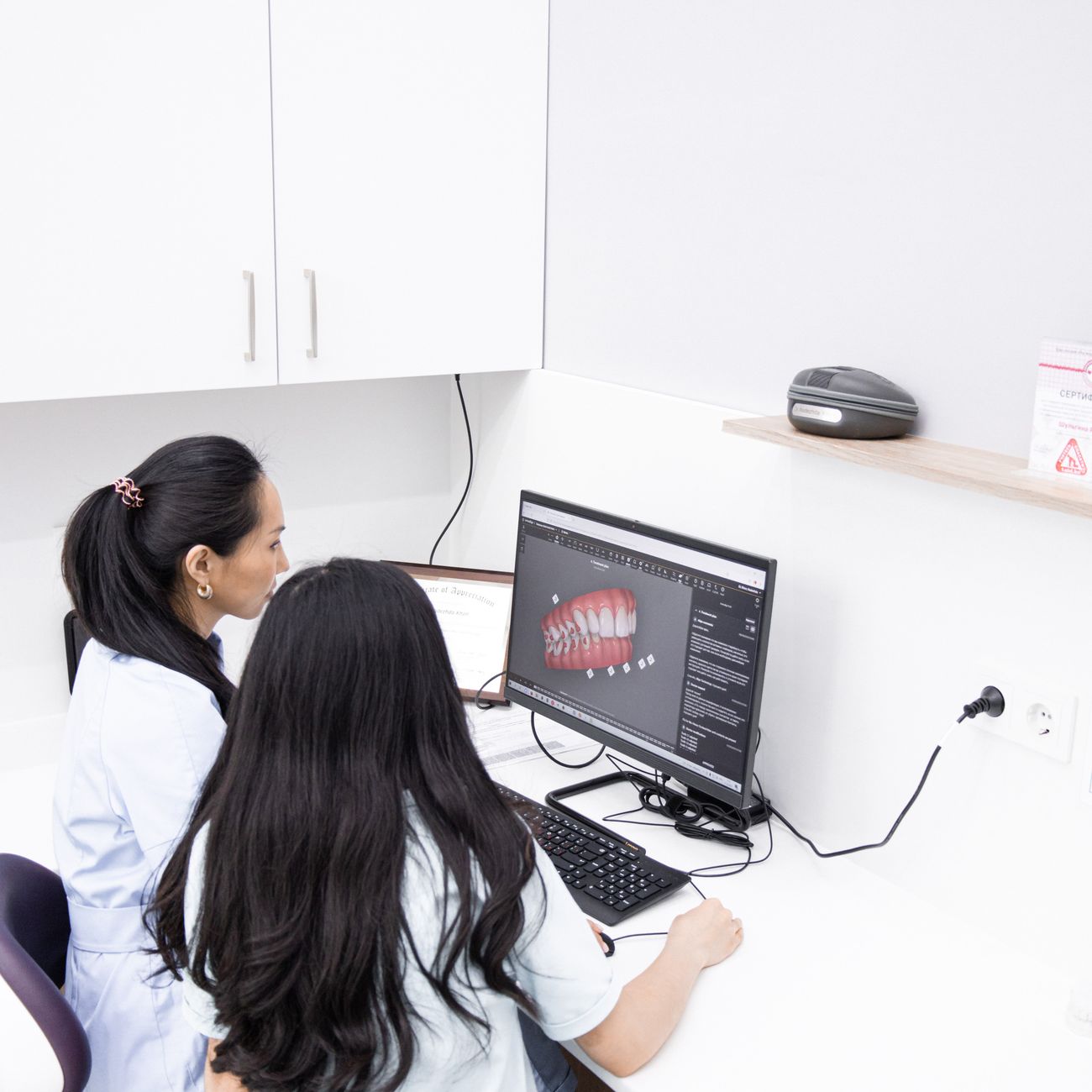
Interdisciplinary collaboration in palliative settings refers to the coordinated effort of professionals from different health disciplines working together to provide comprehensive care to patients with life‑limiting illnesses. In the context of palliative oral health, this collaboration becomes essential because oral complications can significantly affect comfort, nutrition, and overall quality of life. Understanding the specific terminology that underpins this collaborative practice enables students to communicate effectively, clarify roles, and navigate the complexities of care delivery.
Key Term: Interdisciplinary Team (IDT) An IDT is a group of health‑care providers—such as physicians, dentists, nurses, speech‑language pathologists, dietitians, social workers, and chaplains—who collectively assess, plan, implement, and evaluate patient care. Each member contributes expertise that informs a holistic approach. For example, a dentist may identify xerostomia caused by opioid use, while a pharmacist adjusts medication to reduce anticholinergic burden, and a dietitian recommends moisture‑rich foods to maintain nutrition. The IDT meets regularly, often through case conferences, to share observations and adapt the care plan.
Key Term: Palliative Care Palliative care is a specialized medical approach aimed at relieving suffering and improving quality of life for patients with serious illnesses, regardless of prognosis. It addresses physical, emotional, social, and spiritual dimensions. In oral health, palliative care includes managing pain, infection, and functional impairment that arise from disease progression or treatment side effects. The philosophy of palliative care emphasizes patient‑centered goals, which guide the interdisciplinary team’s decisions about interventions such as invasive dental procedures versus conservative management.
Key Term: Oral Health Assessment An oral health assessment is a systematic evaluation of the mouth, teeth, gums, tongue, and related structures. It includes inspection, palpation, and documentation of lesions, oral hygiene status, salivary flow, and functional abilities such as swallowing and speech. In palliative settings, the assessment must be concise yet thorough, recognizing that patients may have limited stamina. Tools such as the Oral Assessment Guide (OAG) provide standardized criteria for rating dryness, lesions, and mucosal integrity, facilitating communication across disciplines.
Key Term: Symptom Management Symptom management involves the identification and treatment of distressing signs such as pain, mouth sores, dysphagia, and taste alterations. Effective management requires an understanding of pharmacologic options (e.g., topical anesthetics, antifungal agents) and non‑pharmacologic strategies (e.g., gentle oral rinses, dietary modifications). Collaboration is crucial because a medication prescribed for systemic pain may exacerbate oral dryness, prompting a dentist to recommend saliva substitutes or a pharmacist to suggest dose reduction.
Key Term: Care Coordination Care coordination is the deliberate organization of patient services and information among team members to ensure continuity and avoid duplication. In palliative oral health, the coordinator—often a nurse or case manager—tracks appointments, communicates test results, and aligns the oral health plan with overall palliative goals. For instance, when a patient is discharged from hospital, the coordinator arranges a home‑based dental visit, informs the primary physician of oral findings, and updates the hospice team’s documentation.
Key Term: Communication Effective communication is the exchange of accurate, timely, and relevant information among team members, patients, and families. It includes verbal briefings, written notes, and electronic health records. The use of standardized language, such as “pain score 8/10” or “dry mouth affecting intake,” reduces misunderstandings. In palliative oral health, communication also involves sensitive discussions about the impact of oral disease on dignity and comfort, requiring empathy and cultural awareness.
Key Term: Case Conference A case conference is a scheduled meeting where the IDT reviews a patient’s status, shares observations, and revises the care plan. It provides a forum for each discipline to voice concerns and propose interventions. For example, during a conference, a speech‑language pathologist may highlight swallowing difficulties, prompting the dentist to adjust prosthetic devices to reduce aspiration risk. Minutes from the conference are documented and circulated to maintain transparency.
Key Term: Shared Decision‑Making Shared decision‑making (SDM) is a collaborative process that integrates clinical evidence with patient values and preferences. In palliative oral health, SDM might involve discussing the benefits and burdens of a dental extraction versus palliative management of a decayed tooth. The team presents options, clarifies likely outcomes, and supports the patient and family in choosing the path that aligns with their goals, such as preserving comfort over extending oral function.
Key Term: Holistic Care Holistic care acknowledges the interconnection of physical, emotional, social, and spiritual health. In practice, a holistic oral health approach might address pain control, nutritional intake, emotional distress related to facial appearance, and spiritual concerns about mouth‑related rituals. By integrating these dimensions, the IDT can develop interventions that respect the whole person, not just the oral pathology.
Key Term: Quality of Life (QoL) Quality of life refers to a patient’s perceived wellbeing across multiple domains, including physical comfort, ability to enjoy meals, communication, and social interaction. Oral health directly influences QoL; for instance, uncontrolled oral pain can lead to reduced appetite, weight loss, and social withdrawal. Measuring QoL using validated tools (e.g., the Oral Health Impact Profile) helps the team track the effectiveness of interventions and adjust priorities.
Key Term: Ethical Considerations Ethical considerations encompass principles such as autonomy, beneficence, non‑maleficence, and justice. In palliative oral health, ethical dilemmas may arise when deciding whether to pursue aggressive dental treatment that could cause discomfort versus a conservative approach that may leave a painful lesion untreated. The team must balance respecting patient autonomy with ensuring that interventions do not cause undue harm.
Key Term: Cultural Competence Cultural competence is the ability to understand, respect, and respond to the cultural beliefs and practices of patients and families. Oral health practices vary widely; some cultures place great importance on oral hygiene rituals, while others may view dental care as invasive. A culturally competent team asks open‑ended questions, uses interpreters when needed, and adapts care plans to align with cultural values, thereby improving adherence and satisfaction.
Key Term: Advance Care Planning (ACP) ACP involves discussing and documenting a patient’s preferences for future medical care, including oral health interventions. In palliative settings, ACP may specify whether the patient wishes to receive invasive dental procedures, sedation for severe oral pain, or purely comfort‑focused measures. The IDT incorporates ACP directives into the care plan, ensuring that all members respect the patient’s wishes.
Key Term: Pain Management Pain management includes the use of systemic analgesics, topical agents, and non‑pharmacologic techniques to alleviate oral discomfort. For example, a patient with mandibular osteoradionecrosis may benefit from a combination of opioid analgesics, low‑level laser therapy, and gentle brushing with a soft brush. The dentist monitors for side effects such as mucosal irritation, while the pharmacist adjusts dosing to minimize opioid‑induced constipation, which can exacerbate oral discomfort.
Key Term: Xerostomia (Dry Mouth) Xerostomia is a common side effect of many palliative medications, including anticholinergics and opioids. It can lead to difficulty swallowing, increased caries risk, and mucosal soreness. Management strategies include saliva substitutes, sugar‑free chewing gum, pilocarpine, and environmental modifications such as humidifiers. The interdisciplinary team coordinates these interventions, ensuring that the chosen agents do not interfere with other medications.
Key Term: Mucositis Mucositis describes inflammation and ulceration of the oral mucosa, often resulting from chemotherapy or radiation therapy. It causes severe pain, interferes with nutrition, and increases infection risk. Prevention includes meticulous oral hygiene, use of protective mouth rinses, and cryotherapy during chemotherapy infusion. Treatment may involve topical analgesics, antimicrobial rinses, and nutritional support. The IDT monitors the patient’s oral status closely, adjusting systemic therapy as needed.
Key Term: Nutrition Nutrition is a critical component of palliative care, and oral health directly influences nutritional intake. Dental pain, xerostomia, and mucositis can limit the ability to eat, leading to weight loss and decreased resilience. Dietitians collaborate with dentists to recommend texture‑modified diets, high‑calorie supplements, and hydration strategies that accommodate oral limitations while maintaining nutritional adequacy.
Key Term: Psychosocial Support Psychosocial support addresses emotional, mental, and social needs. Oral health problems can affect self‑esteem, especially when facial appearance changes due to lesions or prosthetic devices. Social workers and psychologists work with the dental team to provide counseling, coping strategies, and support groups. For instance, a patient embarrassed by a visible ulcer may benefit from therapy that normalizes the experience and reinforces coping skills.
Key Term: Interprofessional Education (IPE) IPE is the process by which members of different health professions learn with, from, and about each other to improve collaboration. In palliative oral health, IPE activities might include joint workshops on pain assessment, simulation scenarios involving a patient with oral cancer, and shared reflective sessions on communication challenges. By fostering mutual understanding, IPE reduces siloed thinking and enhances team effectiveness.
Key Term: Role Clarification Role clarification involves explicitly defining each team member’s responsibilities, boundaries, and contributions. Misunderstandings can arise when, for example, a nurse assumes the dentist will manage a medication‑induced dry mouth, while the dentist expects the pharmacist to prescribe saliva stimulants. Clarifying roles through written protocols or team charters prevents duplication of effort and ensures accountability.
Key Term: Referral Pathways Referral pathways are the established routes through which patients are directed to appropriate services. In palliative oral health, a clear pathway might specify that any patient presenting with oral pain be assessed by a dentist within 24 hours, with subsequent referral to a pain specialist if the pain is refractory. Well‑defined pathways expedite care and reduce delays that could worsen symptoms.
Key Term: Documentation Documentation is the written record of assessments, interventions, and outcomes. Accurate documentation enables continuity of care, legal protection, and quality improvement. In an interdisciplinary context, the dental note must be legible to non‑dental professionals, using plain language and avoiding jargon. Similarly, the nurse’s chart should reference oral findings that may affect skin integrity or infection risk.
Key Term: Outcome Measures Outcome measures are quantifiable indicators used to evaluate the effectiveness of interventions. For palliative oral health, outcomes might include pain scores, frequency of oral infections, nutritional status (e.g., weight change), and patient‑reported QoL. Collecting these data allows the team to assess whether collaborative strategies are achieving desired results and to identify areas for improvement.
Key Term: Barriers to Collaboration Barriers are obstacles that impede effective teamwork. Common barriers in palliative oral health include differing professional cultures, time constraints, limited access to dental services in hospice settings, and lack of shared electronic health records. Recognizing these barriers enables the team to develop mitigation strategies, such as scheduling joint visits, establishing tele‑dental consultations, and creating cross‑disciplinary training modules.
Key Term: Facilitators of Collaboration Facilitators are factors that promote successful teamwork. Facilitators include strong leadership, clear communication protocols, mutual respect, and shared goals centered on patient comfort. Institutional support, such as policies that integrate dental services into palliative care pathways, also acts as a facilitator. When facilitators are present, the team can more readily overcome challenges and deliver coordinated care.
Key Term: Tele‑health Tele‑health involves the delivery of health services via electronic communication technologies. In palliative oral health, tele‑health can provide remote oral examinations, triage of urgent issues, and education for caregivers on oral hygiene practices. The interdisciplinary team can convene virtual case conferences, allowing specialists from different locations to contribute expertise without the need for travel.
Key Term: Caregiver Education Caregiver education equips family members or paid aides with knowledge and skills to support oral health at home. Topics include gentle brushing techniques, use of moisture‑retentive products, recognizing early signs of infection, and when to seek professional help. Educated caregivers become extensions of the IDT, reinforcing interventions and reducing the likelihood of complications.
Key Term: Clinical Guidelines Clinical guidelines are evidence‑based recommendations that standardize care. For palliative oral health, guidelines may address the management of mucositis, protocols for analgesic use in oral pain, and best practices for maintaining oral hygiene in patients with limited mobility. The IDT references these guidelines to ensure consistency and to justify decisions during interdisciplinary discussions.
Key Term: Risk Assessment Risk assessment involves identifying factors that increase the likelihood of adverse outcomes. In the palliative oral context, risk factors include immunosuppression, poor oral hygiene, xerostomia, and limited ability to access water. By evaluating risk, the team can prioritize interventions such as prophylactic antifungal therapy for high‑risk patients or more frequent oral examinations for those with a history of recurrent infections.
Key Term: Evidence‑Based Practice (EBP) EBP integrates the best available research with clinical expertise and patient preferences. When selecting an intervention—such as the use of low‑level laser therapy for mucositis—the team examines current literature, considers the patient’s comfort level, and aligns the choice with overall palliative goals. EBP ensures that collaborative decisions are grounded in scientific rigor.
Key Term: Professional Boundaries Professional boundaries define the limits of each discipline’s scope of practice. Respecting boundaries prevents role overlap that could lead to conflict or legal issues. For example, a dentist should not prescribe systemic analgesics unless qualified, while a nurse should not perform invasive dental procedures without appropriate training. Clear boundaries support safe, collaborative care.
Key Term: Continuity of Care Continuity of care refers to the seamless provision of health services over time and across settings. In palliative oral health, continuity is achieved when the same dental provider follows the patient from acute hospitalization through home hospice, ensuring that oral health interventions are consistent with evolving goals. Continuity fosters trust, improves adherence, and reduces the risk of fragmented care.
Key Term: Patient‑Centered Care Patient‑centered care places the individual’s values, needs, and preferences at the forefront of all decisions. It requires active listening, shared decision‑making, and tailoring interventions to the patient’s unique circumstances. In oral health, this might mean respecting a patient’s desire to avoid all dental procedures, focusing instead on comfort measures such as analgesic mouth rinses.
Key Term: Multidisciplinary vs. Interdisciplinary While both terms describe teamwork, multidisciplinary care often involves professionals working in parallel, each delivering their own services without integration. Interdisciplinary care, by contrast, emphasizes integration of knowledge and joint planning. The shift from multidisciplinary to interdisciplinary is essential for palliative oral health because oral issues intersect with systemic symptoms, nutrition, and psychosocial wellbeing.
Key Term: Clinical Pathway A clinical pathway is a detailed plan that outlines the steps for managing a specific condition. For oral mucositis, a pathway might include daily oral assessment, initiation of protective rinses, escalation to systemic analgesics if pain exceeds a threshold, and referral to a wound‑care specialist for severe lesions. Pathways standardize care and facilitate communication among team members.
Key Term: Patient‑Reported Outcome Measures (PROMs) PROMs capture the patient’s perspective on symptoms, functional status, and quality of life. Instruments such as the Edmonton Symptom Assessment System can be adapted to include oral health items, allowing the team to track changes directly reported by the patient. PROMs are valuable for evaluating the impact of collaborative interventions and for guiding adjustments.
Key Term: Interdisciplinary Rounds Interdisciplinary rounds are structured bedside or virtual meetings where the IDT reviews each patient’s status. During rounds, the dentist may demonstrate a simple oral care technique to nursing staff, who then incorporate it into daily care routines. Rounds promote real‑time problem solving and reinforce the shared responsibility for oral health.
Key Term: Scope of Practice Scope of practice delineates the procedures and interventions a professional is legally authorized to perform. Understanding each discipline’s scope prevents encroachment and ensures that patients receive care from appropriately qualified providers. For instance, a speech‑language pathologist can provide swallowing therapy but cannot extract a tooth; that task remains within the dentist’s scope.
Key Term: Interdisciplinary Communication Tools Tools such as SBAR (Situation, Background, Assessment, Recommendation) facilitate concise, structured communication. Using SBAR, a nurse might report: “Situation—patient reports increasing oral pain; Background—recent chemotherapy; Assessment—ulceration on lateral tongue; Recommendation—request dental evaluation.” This format reduces ambiguity and accelerates response.
Key Term: Shared Documentation Platforms Shared documentation platforms, often part of electronic health record systems, allow multiple disciplines to view and update patient information. When a dentist records a new oral lesion, the palliative physician can instantly see the entry, assess whether systemic treatment is needed, and adjust the overall care plan. Real‑time access to shared records minimizes delays and improves coordination.
Key Term: Clinical Decision‑Support Systems (CDSS) CDSS provide computerized assistance in making clinical decisions, offering alerts for drug‑interaction risks, reminders for scheduled oral assessments, or evidence‑based recommendations for managing mucositis. Integration of CDSS into the interdisciplinary workflow supports consistent, safe practice and helps team members stay informed about best practices.
Key Term: Professional Development Professional development includes ongoing learning activities that enhance skills and knowledge. For interdisciplinary collaboration, training may focus on communication techniques, cultural sensitivity, or emerging oral health technologies. Participation in conferences, webinars, and journal clubs keeps team members current and reinforces a culture of continuous improvement.
Key Term: Conflict Resolution Conflict resolution strategies are essential when disagreements arise, such as differing opinions on the aggressiveness of dental treatment. Techniques include active listening, focusing on patient goals, and employing mediation by a neutral team member. Effective conflict resolution maintains team cohesion and ensures that patient care remains the priority.
Key Term: Resource Allocation Resource allocation involves the distribution of limited assets, such as time, equipment, and staffing. In palliative oral health, decisions may need to be made about allocating a dental chair for a home‑bound patient versus a hospital inpatient. Transparent criteria based on patient need, potential benefit, and overall palliative goals guide equitable allocation.
Key Term: Legal and Regulatory Considerations Legal and regulatory frameworks govern what services can be provided, documentation requirements, and consent processes. For example, certain jurisdictions require a dentist’s signature on medication orders for oral analgesics. Understanding these regulations prevents non‑compliance and protects both patients and providers.
Key Term: Informed Consent Informed consent is the process of obtaining voluntary agreement from a patient after providing clear information about the nature, benefits, risks, and alternatives of a proposed intervention. In the palliative context, consent discussions must be compassionate, address the patient’s values, and consider capacity, which may fluctuate due to disease progression or medication effects.
Key Term: Capacity Assessment Capacity assessment determines whether a patient can understand information, appreciate the situation, reason about treatment options, and communicate a choice. When capacity is impaired, the team may involve a surrogate decision‑maker, ensuring that oral health decisions align with previously expressed wishes or advance directives.
Key Term: Interdisciplinary Research Interdisciplinary research investigates questions that span multiple fields, such as the impact of oral pain control on overall palliative outcomes. Engaging in research allows the team to generate evidence specific to palliative oral health, fostering innovation and informing future guidelines.
Key Term: Quality Improvement (QI) QI initiatives aim to systematically improve processes and outcomes. In palliative oral health, a QI project might track the time from identification of oral pain to dental intervention, seeking to reduce delays. The team uses Plan‑Do‑Study‑Act cycles to test changes, evaluate results, and embed successful strategies into routine practice.
Key Term: Patient Safety Patient safety encompasses practices that prevent harm. In the interdisciplinary setting, safety risks include medication errors (e.g., prescribing a non‑steroidal anti‑inflammatory that exacerbates renal dysfunction) and procedural complications (e.g., dental extractions causing uncontrolled bleeding). Implementing safety checklists and cross‑checking medication lists mitigates these risks.
Key Term: Interdisciplinary Ethics Committee An interdisciplinary ethics committee provides guidance on complex moral dilemmas. For example, when a patient requests cessation of all oral interventions despite severe pain, the committee can explore ethical principles, evaluate the patient’s capacity, and advise on balancing autonomy with beneficence.
Key Term: Documentation of Goals of Care Documenting goals of care captures the patient’s overarching preferences, such as “prioritize comfort over curative procedures.” This documentation informs every team member’s decisions, ensuring that oral health interventions are congruent with the patient’s stated priorities.
Key Term: Training Simulations Training simulations use realistic scenarios to practice interdisciplinary communication and clinical skills. A simulation might involve a mannequin with a simulated oral ulcer, requiring participants to assess, discuss treatment options, and coordinate care. Debriefing after the simulation reinforces learning and highlights areas for improvement.
Key Term: Health Literacy Health literacy is the ability of patients and caregivers to obtain, process, and understand health information. Low health literacy can impede adherence to oral hygiene instructions. The team must use plain language, visual aids, and teach‑back techniques to ensure understanding.
Key Term: Interdisciplinary Care Plan An interdisciplinary care plan is a written document that outlines the goals, interventions, responsibilities, and timelines for each team member. It serves as a roadmap, aligning activities such as medication adjustments, oral rinses, nutrition counseling, and psychosocial support. Regular review of the plan ensures that it remains relevant as the patient’s condition evolves.
Key Term: Feedback Loops Feedback loops are mechanisms by which team members provide information about the outcomes of interventions. For instance, after a patient uses a saliva substitute, the nurse reports the patient’s perceived relief to the dentist, who may adjust the formulation. Continuous feedback promotes iterative refinement of care.
Key Term: Interdisciplinary Team Leadership Team leadership involves guiding the group toward shared objectives, facilitating communication, and resolving conflicts. Effective leaders are often senior clinicians who model collaborative behavior, encourage participation, and ensure that each discipline’s voice is heard. Leadership can rotate based on expertise required for a particular case.
Key Term: Role of the Hospice Nurse The hospice nurse frequently serves as the primary liaison between the patient’s home environment and the broader IDT. Responsibilities include monitoring oral health status during routine visits, educating caregivers, and flagging concerns that require dental input. The nurse’s observations are vital for early detection of problems that may otherwise go unnoticed.
Key Term: Role of the Dental Hygienist Dental hygienists provide preventive care, plaque removal, and patient education. In palliative settings, they may adapt techniques to accommodate limited patient endurance, using gentle suction devices and short appointments. Their expertise in maintaining oral hygiene can reduce infection risk and enhance comfort.
Key Term: Role of the Pharmacist Pharmacists assess medication regimens for side effects that impact oral health, such as xerostomia or mucosal irritation. They recommend alternatives, dose adjustments, and supportive agents. Pharmacists also counsel patients on proper use of oral medications, ensuring adherence and minimizing adverse effects.
Key Term: Role of the Social Worker Social workers address psychosocial stressors, financial barriers, and access to services. They help arrange transportation for dental appointments, connect families with community resources for oral hygiene supplies, and facilitate advance care planning discussions that include oral health considerations.
Key Term: Role of the Chaplain Chaplaincy provides spiritual support, which can be particularly relevant when oral conditions affect a patient’s ability to partake in religious rituals that involve speaking or eating. Chaplains collaborate with the team to accommodate spiritual needs while respecting medical recommendations.
Key Term: Integration of Oral Health into Palliative Care Policies Policy integration ensures that oral health is recognized as a core component of palliative care standards. Policies may mandate routine oral examinations, inclusion of dental professionals on hospice committees, and allocation of funding for oral health supplies. Institutional policies reinforce the importance of interdisciplinary collaboration.
Key Term: Sustainability of Collaborative Practices Sustainability refers to the ability to maintain effective interdisciplinary collaboration over time. Strategies include establishing permanent interdisciplinary roles, embedding oral health metrics into quality dashboards, and fostering a culture of mutual respect. Sustainable practices prevent the erosion of collaboration due to staff turnover or resource constraints.
Key Term: Cultural Sensitivity in Oral Care Cultural sensitivity involves recognizing and respecting cultural beliefs about oral hygiene, diet, and pain expression. Some patients may prefer traditional herbal rinses, while others may view dental visits as taboo. The team must negotiate culturally appropriate solutions that do not compromise care quality.
Key Term: Patient Empowerment Patient empowerment encourages individuals to take an active role in managing their oral health. Empowerment techniques include goal‑setting, self‑monitoring tools, and providing access to educational materials. When patients feel empowered, they are more likely to adhere to oral care regimens and communicate concerns early.
Key Term: Interdisciplinary Audit An audit systematically reviews practice against established standards. In palliative oral health, an audit might examine the proportion of patients receiving oral assessments within 48 hours of admission, the frequency of documented pain scores, and adherence to guidelines for mucositis management. Findings guide targeted improvements.
Key Term: Knowledge Translation Knowledge translation bridges the gap between research findings and clinical practice. It involves summarizing evidence, creating actionable recommendations, and disseminating them through workshops, newsletters, and online modules. Effective translation ensures that interdisciplinary teams apply the latest evidence to improve patient outcomes.
Key Term: Systematic Review A systematic review aggregates and critically appraises research on a specific topic, such as the effectiveness of low‑level laser therapy for oral pain in palliative patients. The interdisciplinary team can use systematic reviews to inform protocol development and justify resource allocation.
Key Term: Implementation Science Implementation science studies methods to promote the uptake of evidence‑based interventions into routine practice. It examines barriers, facilitators, and context‑specific factors. Applying implementation science to palliative oral health may involve testing different models of dental service delivery within hospice programs.
Key Term: Patient Advocacy Patient advocacy involves representing the patient’s interests, ensuring that their preferences are heard, and that they receive appropriate care. In interdisciplinary meetings, advocates may be the patient themselves, a family member, or a designated team member who champions oral health concerns.
Key Term: Interdisciplinary Ethics Training Ethics training that includes scenarios specific to oral health—such as decisions about whether to place a denture in a patient with limited life expectancy—helps team members develop a shared moral framework. Role‑playing and discussion of case studies enhance ethical reasoning.
Key Term: Clinical Documentation Standards Standards specify the content, format, and timeliness of records. For oral health, documentation should include lesion description, pain assessment, interventions performed, patient response, and follow‑up plan. Consistent standards facilitate information exchange and legal compliance.
Key Term: Interdisciplinary Research Grants Funding opportunities that require collaboration across disciplines can stimulate innovative projects. Grants may focus on developing new oral care protocols for hospice patients, evaluating tele‑dental platforms, or measuring the impact of oral health on overall palliative outcomes.
Key Term: Patient Satisfaction Surveys Surveys capture the patient’s perception of care quality. Including items related to oral health—such as “My mouth discomfort was addressed promptly”—provides feedback on the effectiveness of interdisciplinary collaboration. Survey results can drive quality improvement initiatives.
Key Term: Health‑Care Disparities Disparities refer to differences in health outcomes linked to socioeconomic status, race, geography, or other factors. Oral health disparities are pronounced in underserved palliative populations, where access to dental services may be limited. Interdisciplinary teams must identify and address these inequities through outreach and advocacy.
Key Term: Integrated Care Model An integrated care model aligns services across settings, ensuring that oral health is seamlessly incorporated into the overall palliative plan. Features include shared electronic records, joint care pathways, and coordinated discharge planning that includes oral health follow‑up.
Key Term: Clinical Reasoning Clinical reasoning is the cognitive process of gathering information, generating hypotheses, and making decisions. In interdisciplinary contexts, clinicians must consider the perspectives of other disciplines, integrating dental findings with systemic disease processes to form a comprehensive understanding.
Key Term: Prognostic Awareness Prognostic awareness involves understanding the likely disease trajectory. When the team recognizes limited prognosis, they may prioritize comfort‑focused oral interventions over restorative procedures, aligning treatment intensity with realistic goals.
Key Term: Resilience of the Team Team resilience describes the capacity to adapt to stress, workload fluctuations, and emotional strain. Strategies to build resilience include regular debriefings, peer support groups, and access to mental‑health resources for staff coping with the emotional demands of palliative care.
Key Term: Interdisciplinary Learning Communities Learning communities bring together professionals to discuss cases, share best practices, and develop shared competencies. Regular meetings foster a culture of continuous learning and reinforce collaborative norms.
Key Term: Clinical Governance Clinical governance provides a framework for accountability, risk management, and quality assurance. In palliative oral health, governance structures may include oversight committees that monitor compliance with oral health protocols and evaluate outcomes.
Key Term: Integrated Documentation Systems Integrated systems allow real‑time entry of oral health data into the patient’s overall health record. This eliminates duplication, ensures that all team members have access to up‑to‑date information, and supports coordinated decision‑making.
Key Term: Patient‑Family Conferences These conferences bring together the patient, family, and interdisciplinary team to discuss goals, expectations, and care plans. Oral health topics are introduced alongside other symptom management issues, ensuring that families understand the importance of maintaining oral comfort.
Key Term: Cross‑Disciplinary Mentorship Mentorship across disciplines encourages knowledge exchange. A senior dentist may mentor a nurse on recognizing early signs of oral infection, while a seasoned social worker may guide a dental hygienist in navigating family dynamics. Such mentorship deepens mutual respect and enhances collaborative competence.
Key Term: Tele‑Dental Consultations Tele‑dental services provide remote assessment and guidance. A hospice nurse can connect the patient with a dentist via video, allowing visual inspection of lesions and immediate recommendations. This reduces travel burdens and expands access to specialist expertise.
Key Term: Clinical Pathway Adaptation Adapting pathways to local resources ensures feasibility. In a rural hospice with limited dental presence, the pathway may emphasize training caregivers in basic oral hygiene and establishing referral triggers for when a dental professional must be consulted.
Key Term: Structured Handover Structured handover protocols, such as the “SBAR” format, standardize the transfer of information during shift changes or patient transitions. Including oral health status in handovers prevents loss of critical information.
Key Term: Pain Assessment Tools Tools like the Numeric Rating Scale or the Wong‑Baker Faces Scale enable consistent measurement of oral pain. Regular use of these tools across disciplines ensures that pain is recognized, documented, and addressed promptly.
Key Term: Oral Hygiene Protocols Standardized protocols outline the steps for maintaining oral cleanliness, including frequency of brushing, type of brush, use of fluoride, and mouth rinse selection. Protocols are tailored to patient ability, ensuring that caregivers can perform care safely.
Key Term: Multimodal Analgesia Multimodal analgesia combines different classes of pain medication and non‑pharmacologic methods to achieve better control with fewer side effects. For oral pain, this may involve systemic opioids, topical lidocaine, and gentle massage of the jaw muscles.
Key Term: Interdisciplinary Outcome Reporting Outcome reporting aggregates data from multiple disciplines into a unified dashboard. Metrics such as “percentage of patients with uncontrolled oral pain” or “average time to dental referral” provide insight into team performance and highlight areas for improvement.
Key Term: Patient Narrative Patient narratives capture personal experiences, preferences, and values. Listening to a patient’s story about how oral discomfort interferes with cherished activities, such as sharing meals with family, informs the team’s priorities and guides compassionate care planning.
Key Term: Ethical Dilemmas in Resource‑Limited Settings When resources are scarce, decisions about allocating dental equipment or specialist time become ethically charged. The team must balance fairness, need, and potential benefit, often using ethical frameworks to reach consensus.
Key Term: Interdisciplinary Competency Framework A competency framework defines the knowledge, skills, and attitudes required for effective collaboration. Core competencies may include communication, role awareness, conflict resolution, and cultural humility. Training programs align curricula with this framework.
Key Term: Continuous Professional Development (CPD) CPD activities keep professionals current with evolving standards. In palliative oral health, CPD may involve workshops on managing mucositis, webinars on communication strategies, and certification courses in palliative dentistry.
Key Term: Patient‑Focused Documentation Documentation that centers on the patient’s perspective—such as noting “patient reports difficulty chewing soft foods” rather than merely “lesion observed”—enhances relevance and guides interventions that address real‑world challenges.
Key Term: Interdisciplinary Debriefing After complex cases or critical incidents, the team conducts debriefings to reflect on what went well, what could be improved, and how to support each other emotionally. Debriefing strengthens teamwork and promotes learning.
Key Term: Multidisciplinary Research Networks Research networks connect investigators across institutions, fostering collaborative studies on topics like oral health outcomes in hospice populations. Shared data repositories enable large‑scale analyses that inform practice.
Key Term: Clinical Decision‑Making Algorithms Algorithms provide step‑by‑step guidance for managing specific conditions. An algorithm for oral candidiasis might begin with assessment of symptoms, proceed to risk factor evaluation, and culminate in treatment selection based on severity and patient tolerance.
Key Term: Patient Safety Culture A safety culture encourages reporting of errors, open discussion of near‑misses, and proactive risk mitigation. In interdisciplinary settings, fostering a safety culture means that any team member can voice concerns about oral health practices without fear of reprisal.
Key Term: Knowledge Sharing Platforms Platforms such as intranet sites, discussion boards, or shared folders allow team members to exchange resources, protocols, and case studies. Easy access to up‑to‑date information supports consistent practice across the team.
Key Term: Interdisciplinary Care Pathway Review Periodic review of care pathways ensures they remain aligned with current evidence and patient needs. The review process involves all disciplines, allowing each to suggest modifications based on clinical experience.
Key Term: Integration of Oral Health in Hospice Accreditation Accrediting bodies may require evidence of oral health integration as part of hospice certification. Meeting these standards demonstrates commitment to comprehensive palliative care and can drive institutional investment in dental services.
Key Term: Patient‑Centered Outcome Research (PCOR) PCOR focuses on outcomes that matter to patients, such as relief from mouth pain or ability to enjoy favorite foods. Designing studies that measure these outcomes provides data that directly inform interdisciplinary practice.
Key Term: Interdisciplinary Case Study Case studies illustrate real‑world application of collaborative principles. A detailed case might follow a
Key takeaways
- Interdisciplinary collaboration in palliative settings refers to the coordinated effort of professionals from different health disciplines working together to provide comprehensive care to patients with life‑limiting illnesses.
- For example, a dentist may identify xerostomia caused by opioid use, while a pharmacist adjusts medication to reduce anticholinergic burden, and a dietitian recommends moisture‑rich foods to maintain nutrition.
- The philosophy of palliative care emphasizes patient‑centered goals, which guide the interdisciplinary team’s decisions about interventions such as invasive dental procedures versus conservative management.
- Tools such as the Oral Assessment Guide (OAG) provide standardized criteria for rating dryness, lesions, and mucosal integrity, facilitating communication across disciplines.
- Collaboration is crucial because a medication prescribed for systemic pain may exacerbate oral dryness, prompting a dentist to recommend saliva substitutes or a pharmacist to suggest dose reduction.
- For instance, when a patient is discharged from hospital, the coordinator arranges a home‑based dental visit, informs the primary physician of oral findings, and updates the hospice team’s documentation.
- In palliative oral health, communication also involves sensitive discussions about the impact of oral disease on dignity and comfort, requiring empathy and cultural awareness.