
Advanced Materials and Metallurgy
Advanced Materials and Metallurgy form the technical backbone of modern augmented‑reality (AR) weapon design . In this specialist programme, a deep understanding of terminology is essential for translating material science concepts into fun…
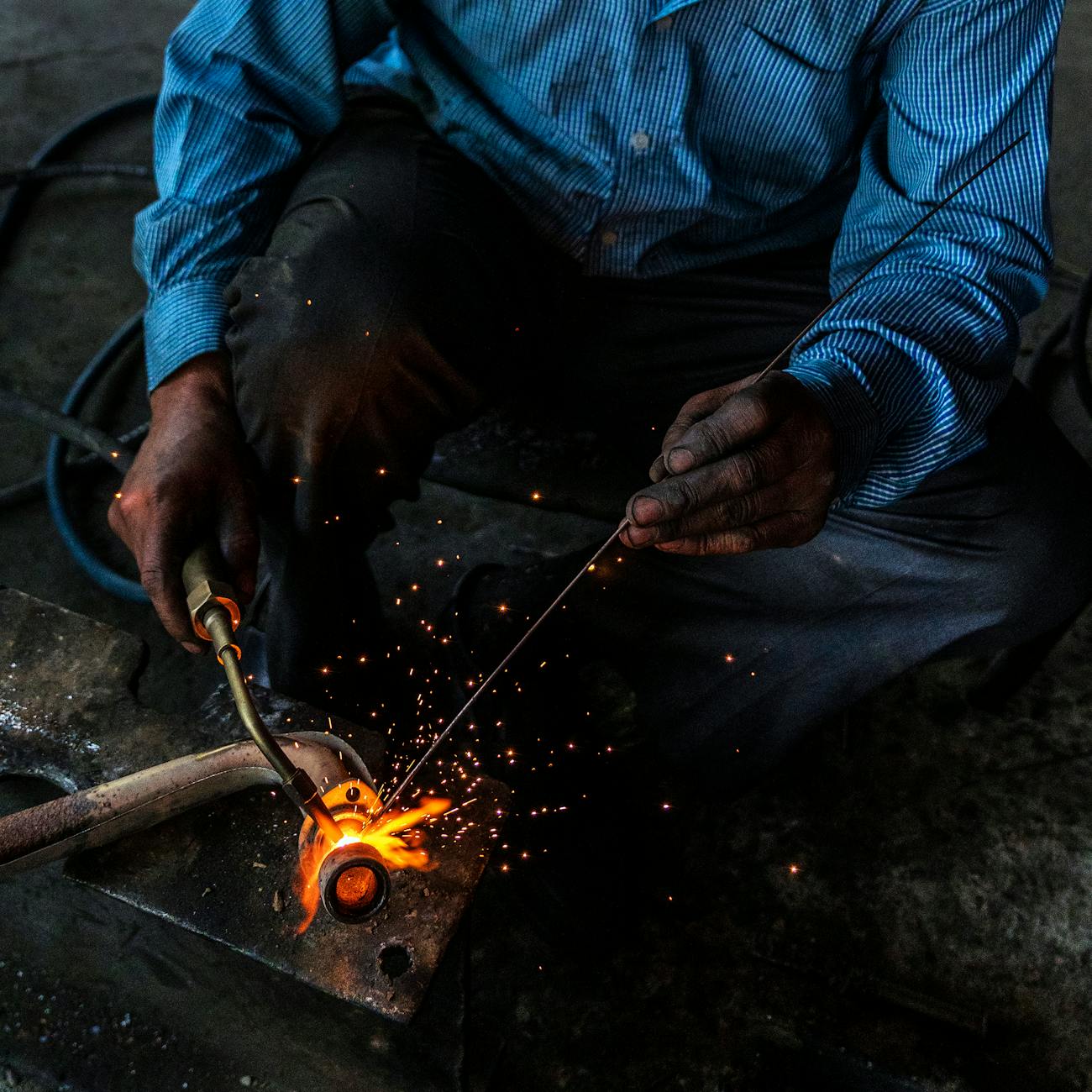
Advanced Materials and Metallurgy form the technical backbone of modern augmented‑reality (AR) weapon design. In this specialist programme, a deep understanding of terminology is essential for translating material science concepts into functional weapon components that meet stringent performance, durability, and safety criteria. The following exposition details the principal terms and vocabulary that a Certified Specialist must master. Each entry includes a definition, practical examples, typical applications in AR weapon systems, and the challenges associated with its implementation.
Alloy – A metallic material composed of two or more elements, at least one of which is a metal. Alloys are engineered to achieve properties that surpass those of their constituent elements. For AR weapons, common alloys include aluminum‑copper, titanium‑aluminum‑vanadium, and nickel‑based superalloys. The selection of an alloy influences weight, strength, thermal conductivity, and corrosion resistance, all of which directly affect weapon ergonomics and reliability.
Composition – The specific percentage by mass of each element present in an alloy. Precise control of composition is achieved through processes such as vacuum induction melting (VIM) or electron beam melting (EBM). For example, a Ti‑6Al‑4V alloy contains approximately 90 % titanium, 6 % aluminum, and 4 % vanadium. Small variations in composition can cause significant changes in phase stability and mechanical behavior, making rigorous quality control mandatory.
Phase – A region of homogeneous chemical composition and crystal structure within a material. In metallurgy, the most relevant phases are austenite, ferrite, martensite, and carbide. Understanding phase distribution is crucial for predicting how a weapon component will respond to heat, stress, and deformation.
Austenite – A face‑centered cubic (FCC) phase of iron‑based alloys that is stable at high temperatures. Austenite can dissolve significant amounts of carbon and alloying elements, providing a basis for many heat‑treatment processes. In AR weapons, austenitic stainless steels (e.g., 304L) are used for housings that require excellent corrosion resistance and non‑magnetic properties.
Ferrite – A body‑centered cubic (BCC) phase of iron, stable at lower temperatures. Ferritic steels are magnetic and generally have lower strength than austenitic counterparts but excel in ductility and weldability. Ferritic stainless steels may be employed for internal structural brackets where magnetic signatures must be minimized.
Martensite – A supersaturated, body‑centered tetragonal (BCT) phase formed by rapid quenching of austenite. Martensite is exceptionally hard and brittle unless tempered. In AR weapon barrels, martensitic steels such as 4340 are heat‑treated to achieve a balance between hardness (to resist wear) and toughness (to avoid catastrophic failure under high‑pressure gas loading).
Carbide – Hard, ceramic compounds of carbon with a metal, commonly tungsten carbide (WC) or titanium carbide (TiC). Carbides are precipitated within a metallic matrix to enhance wear resistance. For AR weapons, carbide‑reinforced composites are used in cutting edges of modular attachments, providing extreme hardness while maintaining a relatively low overall weight.
Precipitation Hardening – A heat‑treatment sequence that forms finely dispersed second‑phase particles (precipitates) within a metal matrix, increasing strength and hardness. The classic example is the age‑hardening of aluminum‑copper alloys (e.g., 2024) where CuAl₂ precipitates impede dislocation motion. In AR weapon design, precipitation‑hardened alloys enable lightweight yet robust components, such as recoil springs and precision guide rails.
Solution Treatment – A high‑temperature process that dissolves alloying elements into a single‑phase solid solution, followed by rapid quenching to retain a homogeneous structure. This step precedes precipitation hardening and eliminates undesirable coarse phases. For example, 17‑4 PH stainless steel undergoes solution treatment at ~1050 °C before aging to develop high strength and corrosion resistance.
Aging – The controlled reheating of a solution‑treated alloy to a lower temperature, allowing precipitates to form. Aging can be performed naturally at room temperature (natural aging) or artificially at elevated temperatures (artificial aging). In AR weapons, artificial aging of high‑strength aluminum alloys is preferred to achieve predictable mechanical properties within tight tolerances.
Heat‑Treatment – A broad term encompassing all thermal processes used to modify the microstructure and, consequently, the properties of a material. Typical cycles include annealing, normalizing, quenching, and tempering. Each step tailors attributes such as hardness, ductility, residual stress, and grain size. For AR weapon components, heat‑treatment is critical for ensuring repeatable performance across production batches.
Annealing – A heat‑treatment consisting of heating to a specified temperature, holding to allow recrystallization, and then cooling slowly. Annealing reduces hardness, improves ductility, and relieves internal stresses. In the context of AR weapon manufacturing, annealing is applied to forged steel frames to prevent warping during machining and assembly.
Normalizing – Heating an alloy to a temperature above its austenitizing range, followed by air cooling. Normalizing refines the grain structure and produces a more uniform distribution of phases than annealing. Normalized steels used in AR weapon receivers exhibit improved toughness and dimensional stability, which is essential for maintaining optical alignment in high‑precision systems.
Quenching – Rapid cooling of a material from a high temperature, typically achieved by immersion in oil, water, or polymer solutions. Quenching creates metastable phases such as martensite, increasing hardness. However, the process also induces high residual stresses that must be mitigated through subsequent tempering. In AR weapon barrels, quenching is the first step in a two‑stage heat‑treatment to achieve a hardened bore surface.
Tempering – A reheating of quenched material to a moderate temperature, followed by controlled cooling, to reduce brittleness while retaining a portion of the hardness. Tempering temperatures are selected based on the desired balance between strength and toughness. For instance, tempering a 4340 steel barrel at 600 °F yields a tensile strength of ~200 ksi with sufficient impact resistance for repeated firing cycles.
Residual Stress – Stresses that remain in a material after manufacturing processes such as welding, machining, or heat‑treatment. Residual stresses can cause distortion, cracking, or premature failure. In AR weapons, residual stress analysis is performed using techniques like X‑ray diffraction or ultrasonic interferometry to ensure that critical components meet strict dimensional tolerances.
Welding – A joining process that fuses two or more metal pieces by melting the base material and adding filler material, if required. Common welding methods for weapon fabrication include gas metal arc welding (GMAW), laser welding, and friction stir welding (FSW). Each method introduces distinct thermal cycles that affect microstructure and mechanical properties. For high‑strength titanium frames, laser welding offers a low‑heat‑input solution that minimizes distortion.
Friction Stir Welding (FSW) – A solid‑state welding technique where a rotating tool plastically deforms and consolidates material along a joint line. FSW produces low‑defect, high‑strength welds with minimal heat‑affected zones, making it ideal for aluminum alloy components in AR weapon platforms where weight savings are paramount.
Laser Additive Manufacturing (LAM) – A subset of additive manufacturing where a high‑power laser melts and fuses metal powder layer‑by‑layer to create complex geometries. LAM enables the production of lattice structures, conformal cooling channels, and integrated sensor housings that would be impossible with conventional machining. Materials such as Inconel 718 and Ti‑6Al‑4V are commonly processed via LAM for high‑temperature AR weapon components.
Selective Laser Melting (SLM) – An additive manufacturing technique similar to LAM, but with finer powder feedstock and higher resolution, allowing for intricate internal features. SLM‑produced parts often require post‑processing steps such as stress relief annealing and hot isostatic pressing (HIP) to eliminate porosity and improve fatigue life.
Hot Isostatic Pressing (HIP) – A post‑processing method where a component is subjected to high temperature and isostatic gas pressure, typically argon, to close internal voids and improve density. HIP is essential for SLM‑fabricated superalloy turbine blades used in AR weapon propulsion modules, where any internal defect could cause catastrophic failure under high‑speed rotation.
Thermal Conductivity – The ability of a material to conduct heat. Materials with high thermal conductivity, such as copper and aluminum, are used for heat‑sink plates and cooling fins in AR weapon electronics. Conversely, low‑thermal‑conductivity ceramics and polymers provide thermal insulation for sensitive optics and sensors.
Coefficient of Thermal Expansion (CTE) – The fractional change in length per degree temperature change. Matching CTE values between bonded materials prevents delamination and stress buildup. For instance, a silicon optic mount may be bonded to a carbon‑fiber composite using an adhesive with a CTE that bridges the gap between the two substrates, ensuring stability across the operating temperature range of –30 °C to +80 °C.
Young’s Modulus – A measure of material stiffness, defined as the ratio of stress to strain in the elastic region. High‑modulus materials, such as carbon‑fiber reinforced polymer (CFRP), provide rigidity while remaining lightweight, making them optimal for weapon frames that must resist flex under recoil forces.
Yield Strength – The stress at which a material begins to deform plastically. Yield strength determines the load‑bearing capacity of structural components. In AR weapons, a yield strength of at least 150 ksi for the receiver material is often required to maintain alignment of sighting systems during rapid fire.
Ultimate Tensile Strength (UTS) – The maximum stress a material can withstand while being stretched before rupture. UTS is a critical parameter for components subjected to tensile loads, such as tension springs in trigger mechanisms. Materials selected must exhibit a UTS well above the maximum expected operational stress, typically with a safety factor of 1.5 to 2.
Impact Toughness – The ability of a material to absorb energy during rapid loading, measured by Charpy or Izod impact tests. High impact toughness is essential for parts that may experience sudden shock, such as the bolt carrier in a gas‑operated AR weapon. Steels tempered to a bainitic microstructure often provide the necessary combination of hardness and toughness.
Fatigue Strength – The stress level below which a material can endure an essentially infinite number of load cycles without failure. Fatigue is a dominant failure mode for cyclically loaded components, like recoil springs and barrel chambers. Design guidelines typically require a fatigue limit of at least 50 % of the material’s UTS for components with life‑cycle expectations of 10 000 shots.
Corrosion Resistance – The capacity of a material to withstand degradation caused by chemical or electrochemical reactions with its environment. In AR weapons operating in marine or desert climates, stainless steels (e.g., 17‑4 PH) and corrosion‑resistant aluminum alloys (e.g., 7075‑T6) are favored. Surface treatments such as anodizing, passivation, and plasma nitriding further enhance durability.
Surface Hardening – Processes that increase the hardness of a material’s outer layer while retaining a tougher interior. Techniques include case carburizing, nitriding, and laser surface melting. Surface‑hardened barrels resist wear from high‑velocity projectiles, whereas the ductile core absorbs shock and reduces the risk of cracking.
Case Carburizing – A diffusion‑based hardening method where carbon atoms are introduced into the surface of low‑carbon steel at elevated temperatures, forming a hardened case after quenching. The resulting case depth can be tailored to 0.5–2 mm, providing wear resistance for weapon breech faces.
Nitriding – A thermochemical process that diffuses nitrogen into the surface of steels and titanium alloys, forming hard nitrides (e.g., Fe₄N, TiN). Nitriding yields a hard, wear‑resistant surface with minimal distortion, ideal for high‑temperature components such as gas pistons.
Laser Surface Melting (LSM) – A localized laser‑based technique that remelts a thin surface layer, resulting in a refined microstructure and increased hardness. LSM can be applied to barrel interiors to produce a smooth, low‑friction bore, reducing fouling and improving projectile velocity consistency.
Microstructure – The arrangement of grains, phases, and defects within a material, observable under an optical microscope or electron microscope. Microstructural analysis guides the optimization of processing parameters to achieve desired mechanical behavior. For AR weapons, grain size control is vital; fine grains improve toughness, while coarse grains may be acceptable for non‑critical components to reduce machining time.
Grain Size – The average diameter of crystalline grains in a polycrystalline material. Grain size is commonly expressed using the ASTM grain size number, where a higher number indicates finer grains. In the Hall‑Petch relationship, smaller grain size increases yield strength, a principle exploited in high‑strength weapon components.
Dislocation – A line defect in a crystal lattice that enables plastic deformation. The movement of dislocations under applied stress is the primary mechanism of metal deformation. Materials with high dislocation density, such as work‑hardened steels, exhibit increased strength but reduced ductility.
Work Hardening – Strengthening of a metal through plastic deformation, which increases dislocation density. Cold working processes such as rolling, drawing, or forging induce work hardening. In AR weapon production, cold‑rolled sheet steel may be used for thin, high‑strength housings, with subsequent annealing to relieve excessive hardening if necessary.
Phase Diagram – A graphical representation of the stable phases of a material system as a function of temperature, composition, and sometimes pressure. Phase diagrams guide alloy design and heat‑treatment schedules. The Fe‑C phase diagram, for instance, delineates the eutectoid point at 0.77 % carbon, informing the selection of carbon content for steels.
Solid Solution Strengthening – The increase in strength caused by the substitution of solute atoms into a host lattice, which distorts the crystal and impedes dislocation motion. Adding elements such as chromium or molybdenum to steel provides solid‑solution strengthening, enhancing both strength and corrosion resistance.
Precipitation Strengthening – Also known as age hardening; it involves the formation of fine particles that block dislocation movement. This technique is widely used in aluminum, nickel, and titanium alloys. In AR weapons, precipitation‑strengthened titanium alloys enable lightweight structural members that still meet high‑strength requirements.
Heat‑Resistant Alloy – An alloy designed to retain mechanical properties at elevated temperatures, typically containing elements such as nickel, cobalt, and refractory metals (e.g., tungsten, molybdenum). In AR weapons, heat‑resistant alloys are employed for barrel liners and gas system components that experience temperatures exceeding 600 °C during rapid fire.
Superalloy – A high‑performance alloy, usually nickel‑based, that maintains strength, creep resistance, and oxidation resistance at temperatures above 650 °C. Superalloys such as Inconel 718 are fabricated via additive manufacturing for complex cooling passages in high‑energy AR weapon modules.
Creep – Time‑dependent plastic deformation under constant stress at high temperature. Creep resistance is a key design consideration for components subject to sustained loads during prolonged firing sequences. Materials with low creep rates, such as nickel‑based superalloys, are selected for barrel liners that must retain dimensional stability after thousands of shots.
Oxidation Resistance – The ability of a material to form a protective oxide layer that prevents further degradation at high temperatures. Oxidation‑resistant coatings, such as aluminide or chromide layers, are applied to superalloy surfaces in AR weapons to prolong service life under high‑heat conditions.
Coating – A surface layer applied to improve properties such as wear resistance, corrosion protection, or optical characteristics. Common coating technologies in AR weaponry include physical vapor deposition (PVD), chemical vapor deposition (CVD), plasma spraying, and diamond‑like carbon (DLC) deposition.
Physical Vapor Deposition (PVD) – A vacuum‑based process where material is vaporized and condensed onto a substrate, forming a thin, dense coating. PVD coatings such as TiN or CrN provide hard, low‑friction surfaces for moving parts like bolt carriers and trigger pins.
Chemical Vapor Deposition (CVD) – A process where gaseous precursors react on a heated substrate to form a solid coating. CVD is used to deposit wear‑resistant carbides and nitrides on high‑stress components. For example, a CVD‑grown TiC coating on a barrel extension improves heat dissipation and reduces wear.
Diamond‑Like Carbon (DLC) – An amorphous carbon coating that exhibits high hardness, low friction, and excellent chemical inertness. DLC is applied to internal surfaces of gas pistons and bolt carriers to minimize wear and reduce the need for lubrication, which is advantageous in harsh field conditions.
Thermal Spray – A family of processes where molten or semi‑molten particles are propelled onto a substrate to form a coating. Thermal spray coatings such as WC‑Co are employed on barrel sleeves to provide a wear‑resistant surface while maintaining a relatively low weight compared to solid carbide components.
Adhesion – The bond strength between a coating and its substrate. Adequate adhesion is essential to prevent delamination under cyclic loading. Surface preparation techniques such as grit blasting, chemical etching, and plasma cleaning enhance adhesion before coating deposition.
Residual Stress Management – Techniques used to control or mitigate residual stresses, including post‑heat‑treatment tempering, shot peening, and controlled cooling. Shot peening, for example, introduces compressive stresses on the surface of a barrel to improve fatigue life and resistance to crack initiation.
Shot Peening – A mechanical surface treatment where small spherical media are bombarded onto a component’s surface, creating a layer of compressive residual stress. This process enhances fatigue strength and can be applied to critical AR weapon components such as bolt heads and barrel chambers.
Mechanical Property – Quantitative measures of a material’s response to applied forces, including strength, hardness, ductility, and toughness. In AR weapon design, mechanical properties are specified for each component to ensure that the assembled system meets performance criteria under diverse operating conditions.
Hardness – A material’s resistance to localized plastic deformation, typically measured by Rockwell, Vickers, or Brinell scales. Hardness correlates with wear resistance; however, excessive hardness can lead to brittleness. For AR weapons, a balance is struck where surface hardness of 60–70 HRc on barrel interiors provides wear resistance without compromising structural integrity.
Ductility – The ability of a material to undergo extensive plastic deformation before fracture, often expressed as percent elongation or reduction of area in a tensile test. High ductility is required for components that must absorb impact energy, such as the receiver housing, which may experience accidental drops.
Toughness – The capacity of a material to absorb energy and plastically deform without fracturing, commonly measured by impact tests. Toughness is a function of both strength and ductility. In AR weapons, the interplay between high strength (to resist deformation) and sufficient toughness (to avoid catastrophic failure) is a central design challenge.
Elastic Modulus – Synonymous with Young’s modulus; indicates stiffness. A high elastic modulus reduces deflection under load, which is critical for maintaining sight alignment and optical accuracy in AR weapon systems.
Stress‑Strain Curve – A graphical representation of a material’s response to applied stress, showing elastic, yield, strain‑hardening, and failure regions. Engineers use this curve to predict how a component will behave under loading scenarios typical of rapid‑fire sequences.
Fracture Toughness – A measure of a material’s resistance to crack propagation, expressed in terms of the critical stress intensity factor (K_IC). High fracture toughness is essential for components that may develop micro‑cracks during service, such as gas pistons subjected to high cyclic pressures.
Metastable Phase – A phase that is not at the lowest possible energy state but remains stable under certain conditions. Martensite is a classic metastable phase; it can be transformed to more stable structures through tempering. Understanding metastable phases enables designers to exploit transient properties like high hardness before stabilizing the material for service.
Phase Transformation – The change of one phase to another due to variations in temperature, composition, or stress. Controlled phase transformations are central to heat‑treatment processes. For AR weapons, the austenite‑to‑martensite transformation during quenching determines the final hardness of the barrel.
Thermal Fatigue – Damage caused by repeated temperature cycling, leading to crack initiation and propagation. AR weapons that experience rapid heating and cooling during sustained fire are susceptible to thermal fatigue; selecting alloys with high thermal fatigue resistance mitigates this risk.
Thermal Shock – Sudden temperature change that induces high thermal gradients, potentially causing cracking. Materials with low thermal conductivity and matched CTE are chosen for components that may be exposed to thermal shock, such as optical lenses mounted on metal housings.
Composite Material – A material made from two or more distinct phases (matrix and reinforcement) that together provide superior properties. Common composites in AR weapons include carbon‑fiber reinforced polymer (CFRP) for frames and glass‑fiber reinforced polymer (GFRP) for protective covers.
Fiber Reinforcement – The inclusion of high‑strength fibers (carbon, glass, aramid) within a polymer matrix to improve mechanical performance. Fiber orientation dictates anisotropic properties; aligning fibers along the primary load path maximizes stiffness and strength.
Matrix – The continuous phase in a composite that binds the reinforcement fibers and transfers loads. Thermoset resins such as epoxy are frequently used for AR weapon components due to their excellent mechanical properties and resistance to environmental degradation.
Hybrid Composite – A composite that incorporates more than one type of reinforcement, such as carbon and glass fibers, to achieve a tailored balance of stiffness, impact resistance, and cost. Hybrid composites are used for weapon stocks that must be both lightweight and capable of absorbing recoil energy.
Laminate – A stack of composite layers (plies) bonded together, each with a specific fiber orientation. Laminate design allows engineers to tailor stiffness and strength in multiple directions, essential for optimizing the performance of AR weapon chassis under complex loading.
Delamination – The separation of layers within a laminate, often caused by impact or manufacturing defects. Delamination reduces load‑bearing capacity and can lead to catastrophic failure. Non‑destructive testing methods such as ultrasonic C‑scan are employed to detect delamination in critical components.
Thermal Expansion Mismatch – The differential expansion between two bonded materials when subjected to temperature changes. Mismatch can cause stresses that lead to cracking or debonding. In AR weapons, designers mitigate this issue by selecting compatible material pairs or incorporating compliant interlayers.
Electroplating – A process where a metal layer is deposited onto a substrate using an electric current. Electroplated nickel or chrome layers are applied to weapon components to improve corrosion resistance and reduce friction.
Galvanic Corrosion – Electrochemical corrosion that occurs when two dissimilar metals are electrically coupled in a conductive environment. To prevent galvanic corrosion, AR weapon designers isolate dissimilar metals using insulating coatings or sacrificial anodes.
Passivation – A chemical treatment that forms a thin, protective oxide layer on the surface of a metal, enhancing corrosion resistance. Stainless steel receivers are often passivated in nitric acid to remove free iron and improve resistance to chloride‑induced corrosion.
Oxide Scale – A layer of oxide that forms on a metal surface at elevated temperatures. In high‑temperature AR weapon components, protective oxide scales such as Al₂O₃ are intentionally grown to act as a barrier against further oxidation.
Heat‑Resistant Ceramic – Non‑metallic, inorganic materials that retain strength at high temperatures, such as silicon nitride (Si₃N₄) or alumina (Al₂O₃). Ceramics are employed for thermal barrier coatings and insulating components within AR weapon heat exchangers.
Thermal Barrier Coating (TBC) – A ceramic coating, typically yttria‑stabilized zirconia, applied to metal surfaces to reduce heat transfer. TBCs protect superalloy turbine blades and high‑temperature barrel liners from thermal degradation, extending service life.
Polymers – Organic macromolecules that can be engineered for a wide range of mechanical and chemical properties. High‑performance polymers such as PEEK (polyether ether ketone) and polyimide are used for insulation, sensor housings, and lightweight structural elements in AR weapons.
Thermoplastic – A polymer that softens when heated and hardens upon cooling, allowing for reshaping. Thermoplastics such as polycarbonate and nylon are used for ergonomic grips and protective covers due to their impact resistance and ease of molding.
Thermoset – A polymer that cures irreversibly, forming a cross‑linked network with superior heat resistance. Epoxy resins are the standard thermoset matrix for composite laminates in AR weapon frames, providing high strength and dimensional stability.
Viscosity – A measure of a fluid’s resistance to flow. In AR weapon manufacturing, viscosity is a critical parameter for processes such as resin infusion and coating application. Low‑viscosity resins enable thorough fiber wetting, while high‑viscosity coatings may provide better build‑up control for wear‑resistant layers.
Rheology – The study of flow and deformation behavior of materials, encompassing viscosity and elasticity. Rheological control is essential for additive manufacturing of metals, where powder flow characteristics affect layer uniformity and final part density.
Powder Metallurgy (PM) – A manufacturing technique where metal powders are compacted and sintered to form near‑net‑shape components. PM enables the production of complex shapes, such as integrated gas‑system housings, with minimal material waste.
Sintering – The heat treatment that fuses powder particles through diffusion, consolidating them into a solid mass. Controlled sintering parameters (temperature, time, atmosphere) determine final density, porosity, and mechanical properties. For AR weapons, sintered stainless steel components may achieve 95 % theoretical density, providing sufficient strength while reducing machining requirements.
Porosity – The presence of voids within a material, expressed as a percentage of total volume. In structural components, porosity reduces strength and fatigue life; therefore, processes such as hot isostatic pressing are employed to minimize porosity in critical parts.
Mechanical Alloying – A solid‑state powder processing technique where repeated welding, fracturing, and re‑welding of powders produce fine‑grained or supersaturated alloys. Mechanical alloying is used to create high‑energy powders for additive manufacturing of advanced alloys, such as Ti‑Al‑V superalloys for AR weapon thrust chambers.
Grain Boundary – The interface between two grains of differing crystallographic orientation. Grain boundaries act as barriers to dislocation motion, influencing strength and creep behavior. Grain‑boundary engineering, such as employing special boundary types (e.g., Σ3 twins), can improve corrosion resistance and fatigue performance.
Twin Boundary – A specific type of grain boundary where the lattice on one side is a mirror image of the other. Twin boundaries can enhance strength and ductility simultaneously, a phenomenon exploited in twinning‑induced plasticity (TWIP) steels. TWIP steels are candidates for lightweight AR weapon frames that require high energy absorption.
Precipitate – A second‑phase particle that forms within the matrix during aging or solid‑state reactions. Precipitates such as γ′ (Ni₃Al) in superalloys impede dislocation motion, providing high temperature strength. In AR weapons, carefully controlled precipitation in nickel‑based alloys ensures barrel components retain strength after prolonged firing.
Solidification – The process by which a liquid metal transforms into a solid upon cooling. Solidification rate influences microstructure; rapid cooling yields fine dendritic structures, while slower cooling promotes coarse grains. In casting of AR weapon components, controlled solidification minimizes segregation and reduces the need for extensive heat‑treatment.
Segregation – The uneven distribution of alloying elements during solidification, leading to compositional variations. Segregation can cause localized soft spots or corrosion‑prone areas. Techniques such as directional solidification and homogenization annealing are used to reduce segregation in critical AR weapon parts.
Homogenization – A high‑temperature annealing step that reduces chemical segregation by promoting diffusion. Homogenization is essential for alloys that have been cast or rapidly solidified, ensuring uniform properties throughout the component.
Thermal Conductivity Anisotropy – The directional dependence of thermal conductivity in a material, often observed in composites where fibers conduct heat more efficiently along their length. Designers must account for anisotropy when integrating heat‑sink structures into AR weapon designs to avoid thermal hotspots.
Stress‑Corrosion Cracking (SCC) – The growth of cracks under the combined influence of tensile stress and a corrosive environment. SCC is a significant concern for high‑strength stainless steels used in AR weapon receivers exposed to humid or saline conditions. Mitigation strategies include material selection, surface passivation, and stress‑relief annealing.
Hydrogen Embrittlement – The loss of ductility and load‑bearing capacity caused by the diffusion of hydrogen atoms into a metal lattice. High‑strength steels are susceptible; therefore, processes such as baking or using low‑hydrogen welding consumables are employed to prevent embrittlement in AR weapon components.
Laser Cutting – A manufacturing method that uses a focused laser beam to cut sheet metal or polymer with high precision. Laser cutting produces clean edges with minimal heat‑affected zones, making it suitable for fabricating intricate patterns on weapon parts such as heat‑exchanger fins.
Water Jet Cutting – A cutting technique that employs a high‑pressure stream of water, often mixed with abrasive particles, to slice materials. Water jet cutting avoids thermal distortion and can process a wide range of materials, including composites and hardened steels, making it valuable for prototyping AR weapon components.
Electro‑Discharge Machining (EDM) – A non‑contact machining process where material is removed by a series of rapid electrical discharges between an electrode and the workpiece. EDM is used to create complex cavities and fine features in hardened steel parts, such as gas‑system channels that cannot be machined conventionally.
Machining Allowance – The extra material left on a workpiece to accommodate subsequent machining operations. Proper allowance ensures that final dimensions and surface finish can be achieved without over‑machining, which is crucial for maintaining tight tolerances in AR weapon assemblies.
Surface Finish – The texture of a material’s surface, quantified by parameters such as Ra (average roughness). Surface finish influences friction, wear, and optical performance. A barrel bore typically requires a mirror‑like finish (Ra < 0.2 µm) to reduce fouling and ensure consistent projectile velocity.
Dimensional Tolerance – The permissible deviation from nominal dimensions, expressed in millimeters or micrometers. AR weapon components often have tight tolerances (± 0.01 mm) to guarantee proper fit and function, especially where optical alignment is critical.
Geometric Tolerance – Controls the shape and orientation of features, such as perpendicularity, parallelism, and concentricity. Proper geometric tolerance ensures that moving parts maintain alignment under load, preventing binding or excessive wear.
Finite Element Analysis (FEA) – A computational method that divides a structure into discrete elements to predict stress, strain, and temperature distribution under load. FEA is routinely used in AR weapon design to evaluate the impact of material selection on barrel life, recoil dynamics, and heat dissipation.
Computational Fluid Dynamics (CFD) – The numerical simulation of fluid flow, heat transfer, and related phenomena. CFD assists in optimizing gas‑system geometry, cooling channel layout, and muzzle blast mitigation in AR weapons, ensuring efficient energy transfer and thermal management.
Design for Manufacturability (DFM) – An engineering approach that simplifies part geometry, selects appropriate materials, and incorporates manufacturing constraints early in the design process. DFM reduces production cost and improves consistency for AR weapon components, such as integrating snap‑fit features to eliminate secondary fasteners.
Design for Assembly (DFA) – A methodology that minimizes the number of parts and simplifies assembly steps, enhancing reliability and reducing build time. In AR weapons, DFA leads to modular designs where major sub‑assemblies can be pre‑tested before final integration.
Non‑Destructive Testing (NDT) – Inspection techniques that evaluate material integrity without causing damage. Common NDT methods include ultrasonic testing, radiography, and magnetic particle inspection. NDT is vital for detecting internal defects in critical AR weapon components such as barrel cores and high‑pressure gas chambers.
Ultrasonic Testing – An NDT technique that uses high‑frequency sound waves to detect internal flaws. Ultrasonic testing can locate voids, cracks, and inclusions in metal parts, providing assurance that the barrel and receiver meet stringent safety standards.
Radiographic Inspection – An NDT method that employs X‑rays or gamma rays to produce images of a component’s internal structure. Radiography reveals porosity, inclusions, and weld defects in AR weapon parts, especially those fabricated by additive manufacturing where internal geometry is complex.
Magnetic Particle Inspection (MPI) – An NDT technique that uses magnetic fields and iron particles to expose surface and near‑surface cracks in ferromagnetic materials. MPI is applied to detect fatigue cracks in steel bolt carriers before they propagate to catastrophic failure.
Quality Assurance (QA) – A systematic process that ensures products meet defined specifications and performance standards. QA for AR weapons includes material certification, process validation, and traceability of each component from raw material to final assembly.
Material Certification – Documentation that verifies a material’s composition, mechanical properties, and compliance with standards such as ASTM or ISO. Certified material certificates accompany each batch of alloy used in AR weapon production, ensuring traceability and accountability.
Process Validation – The confirmation that manufacturing processes consistently produce parts meeting predetermined specifications. Process validation includes statistical process control (SPC) of heat‑treatment cycles, welding parameters, and additive manufacturing build conditions.
Traceability – The ability to track the history, location, and use of a material or component throughout its lifecycle. In AR weapons, traceability enables rapid identification of defective batches and facilitates recall if necessary.
Standard Specification – Documents that define material grades, mechanical property requirements, and testing methods. Common specifications for AR weapon materials include ASTM AISI for steels, AMS for aerospace alloys, and MIL‑STD for military‑grade components.
Environmental Testing – Simulated exposure to extreme conditions such as temperature extremes, humidity, salt spray, and
Key takeaways
- In this specialist programme, a deep understanding of terminology is essential for translating material science concepts into functional weapon components that meet stringent performance, durability, and safety criteria.
- The selection of an alloy influences weight, strength, thermal conductivity, and corrosion resistance, all of which directly affect weapon ergonomics and reliability.
- Small variations in composition can cause significant changes in phase stability and mechanical behavior, making rigorous quality control mandatory.
- Understanding phase distribution is crucial for predicting how a weapon component will respond to heat, stress, and deformation.
- Austenite can dissolve significant amounts of carbon and alloying elements, providing a basis for many heat‑treatment processes.
- Ferritic steels are magnetic and generally have lower strength than austenitic counterparts but excel in ductility and weldability.
- In AR weapon barrels, martensitic steels such as 4340 are heat‑treated to achieve a balance between hardness (to resist wear) and toughness (to avoid catastrophic failure under high‑pressure gas loading).