
Port and Terminal Operations
Port Authority is the statutory body that governs the overall administration of a harbour, including the allocation of berths, the collection of port dues, enforcement of safety and environmental regulations, and the coordination of ancilla…
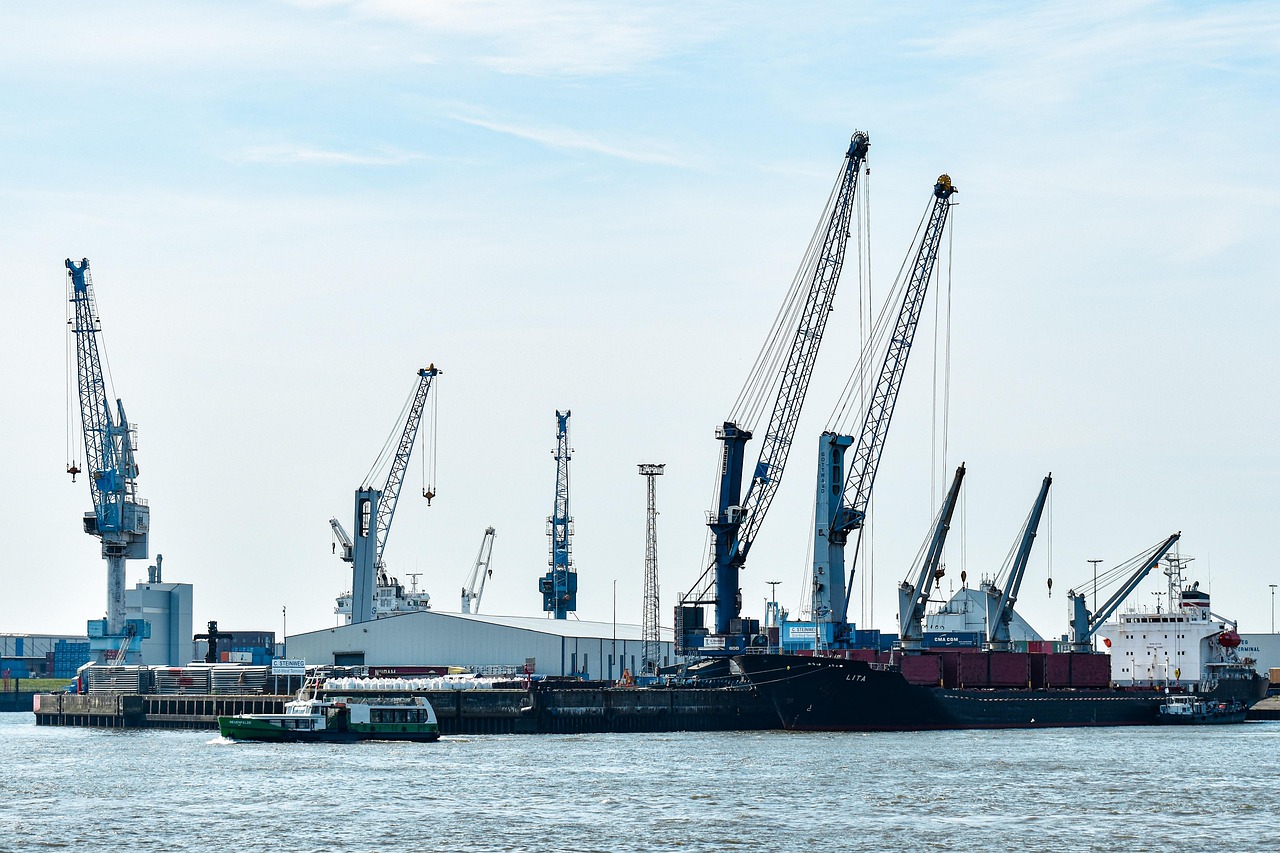
Port Authority is the statutory body that governs the overall administration of a harbour, including the allocation of berths, the collection of port dues, enforcement of safety and environmental regulations, and the coordination of ancillary services such as pilotage and towage. In the United Kingdom, many ports operate under a trust model where the authority is owned by a consortium of local councils and private investors, and it must balance commercial profitability with public policy objectives. For a ship charterer, understanding the fee structure imposed by the authority – for example, a port dues schedule that charges per tonne of cargo – is essential for accurate cost forecasting. A common challenge is the variability of regulatory requirements; a vessel entering the Port of Felixstowe may be subject to different emissions monitoring obligations than one entering the Port of Southampton, requiring charterers to adapt documentation and compliance procedures accordingly.
Terminal Operator refers to the commercial entity that manages the day‑to‑day activities within a specific terminal, such as container, bulk, or RoRo facilities. The operator is responsible for the provision of equipment, labour, and technology needed to load, unload, and store cargo. In many UK ports, terminal operators are private firms that lease space from the port authority and compete on service quality and efficiency. For instance, a charterer contracting a vessel to discharge a load of electronics at the London Gateway terminal must coordinate with the operator to secure the appropriate container yard space, arrange for the necessary crane slots, and confirm the availability of customs inspection personnel. Challenges often arise from the operator’s internal capacity constraints; during peak season, the terminal may impose strict slot allocation windows, and failure to adhere can result in costly demurrage.
Berth is the designated location along a quay where a vessel moors to conduct cargo operations. Each berth is characterized by its length, water depth (or draft), and the type of cargo it can handle. A deep‑water berth capable of accommodating a Fully Laden Ultra‑Large Container Ship (ULCS) may have a draft of 15 metres, while a shallow berth for regional feeder vessels may only permit a draft of 8 metres. Charterers must verify that the vessel’s draft at the time of arrival, after accounting for ballast water and cargo weight, does not exceed the berth’s depth, especially during low tide conditions. A practical example is the allocation of a berth for a bulk carrier carrying iron ore at the Port of Liverpool; the master must calculate the vessel’s deadweight and ensure sufficient under‑keel clearance to avoid groundings. Operational challenges include tide‑dependent scheduling and the need for real‑time communication with the pilot to adjust the vessel’s trim as water levels change.
Wharf and Quay are terms often used interchangeably, but they can denote distinct structural elements. A quay typically refers to a solid, reinforced concrete platform built parallel to the shoreline, providing a stable surface for container handling equipment such as gantry cranes. A wharf may be a broader term encompassing piers, jetties, and other protruding structures that extend into the water to facilitate loading of various cargo types. Understanding the difference is important when negotiating terminal services; a carrier may request a “wharf side” berth for a RoRo vessel that requires a ramp extending onto a roll‑on/roll‑off berth, whereas a container ship will seek a “quay side” berth equipped with a ship‑to‑shore crane. The challenge lies in coordinating the appropriate infrastructure with the cargo type, as mismatches can lead to delays and increased handling costs.
Draft is the vertical distance from the waterline to the deepest point of the hull, typically measured at the keel. It determines the minimum water depth required for safe navigation and berthing. Draft varies with cargo load, ballast water, and fuel consumption; a vessel that departs a port fully laden may have a draft of 14 metres, but after discharging cargo and taking on ballast, the draft may reduce to 10 metres. In the context of UK ports, tidal ranges can be significant, with the River Thames experiencing a spring tide range of up to 7 metres. Ship masters must calculate the under‑keel clearance by subtracting the vessel’s draft from the tidal water level at the anticipated time of arrival. Failure to maintain adequate clearance can result in grounding, damage to the hull, and potential environmental incidents.
Length Overall (LOA) defines the maximum length of a vessel measured from the foremost point of the bow to the aftermost point of the stern, including any overhanging structures such as bow sprits or stern thrusters. LOA is critical for berth allocation because it determines the amount of linear quay space a vessel will occupy. A terminal may have a maximum LOA limit of 350 metres for a particular berth; vessels exceeding this limit must be directed to an alternative berth or may be denied entry altogether. For charterers, accurately reporting LOA in the vessel’s pre‑arrival notice is essential to avoid berth reassignment and the associated operational disruptions. A practical challenge emerges when a vessel’s LOA is close to the berth’s limit; minor variations in the vessel’s positioning, caused by wind or current, can lead to insufficient clearance for adjacent vessels, potentially causing a cascade of scheduling delays.
Stowage Plan is a detailed diagram that outlines the arrangement of cargo containers within a vessel’s holds and on deck, taking into account weight distribution, hazardous material segregation, and destination sequencing. The plan is prepared by the vessel’s chief officer in collaboration with the charterer’s cargo planner and is submitted to the terminal operator prior to loading. An accurate stowage plan enables the terminal to allocate the appropriate crane moves, minimize re‑handling, and ensure compliance with the International Maritime Dangerous Goods (IMDG) Code. For example, a container carrying flammable liquids must be positioned away from heat sources and away from passenger cabins, as stipulated by the IMDG Code. A common operational challenge is the last‑minute change of cargo weight or destination, which forces the re‑creation of the stowage plan, potentially causing delays in the loading process and increasing the risk of imbalanced weight distribution that could affect the vessel’s stability.
Container Yard (CY) is the designated area within a terminal where containers are stored temporarily before being loaded onto a vessel or after being discharged. The yard is organized into blocks, rows, and tiers, and its capacity is managed through a yard management system (YMS). Efficient yard operations rely on accurate tracking of container status, location, and condition. For a charterer, the timing of container pick‑up from the CY is crucial; if a truck arrives before the container is released, it may incur waiting time, leading to increased inland transportation costs. An illustrative challenge is yard congestion during peak periods, where limited space forces the terminal to prioritize high‑value or time‑sensitive cargo, potentially delaying the release of less urgent shipments.
Gate refers to the entry point of a terminal where trucks and other land‑based transport vehicles present documentation, undergo security checks, and receive clearance to move containers in or out of the yard. The gate process often involves the verification of a delivery order or gate appointment, the scanning of container seals, and the recording of the container’s movement in the terminal’s system. In the UK, many terminals employ a “appointment‑only” system to manage gate traffic, requiring carriers to book a specific time slot in advance. Failure to adhere to the appointed slot can result in queuing, additional waiting fees, and possible demurrage if the vessel’s discharge schedule is impacted. A practical issue is the coordination between multiple parties – shipping lines, freight forwarders, and inland carriers – to ensure that the gate appointment aligns with the vessel’s estimated time of arrival (ETA).
Terminal Operating System (TOS) is the software platform that integrates all aspects of terminal management, including vessel planning, yard operations, equipment dispatch, and invoicing. The TOS enables real‑time visibility of container locations, equipment status, and labor allocation, facilitating efficient decision‑making. For charterers, interfacing with the TOS can provide valuable information such as expected crane moves, estimated discharge rates, and any operational constraints that may affect the vessel’s turnaround time. For example, the TOS may indicate that a particular quay crane is undergoing maintenance, prompting the charterer to adjust the loading sequence or request additional labor to maintain the discharge schedule. A challenge associated with TOS integration is the need for standardized data exchange protocols; inconsistent data formats can lead to miscommunication and errors in cargo handling instructions.
Yard Management System (YMS) is a subset of the TOS that focuses specifically on the organization of containers within the yard, tracking their movement, and optimizing storage space. The YMS uses algorithms to allocate containers to blocks based on criteria such as cargo type, destination, and dwell time. An effective YMS can reduce the number of crane moves required to retrieve a container, thereby decreasing vessel turnaround time and labor costs. For instance, a YMS may prioritize the stacking of outbound containers near the gate to expedite their release, while keeping inbound containers in deeper blocks until they are needed for loading. The main operational challenge is the handling of unexpected disruptions, such as equipment breakdowns or labor shortages, which can cause the YMS to generate sub‑optimal storage plans, leading to increased re‑handling and extended dwell times.
Ship‑to‑Shore Crane (STS) is a massive gantry crane used primarily in container terminals to lift containers on and off vessels. STS cranes are equipped with spreader bars that can be adjusted to accommodate different container sizes, including 20‑foot, 40‑foot, and high‑cube units. The efficiency of an STS crane is measured in moves per hour (MPH), and modern cranes can achieve rates of 30–40 MPH under optimal conditions. For a charterer, the availability and productivity of STS cranes directly influence the vessel’s discharge rate. A scenario where a terminal has an insufficient number of operational STS cranes during a high‑traffic period may lead to slower cargo handling, extending the vessel’s port stay and increasing demurrage charges. Additionally, the crane’s ability to handle refrigerated containers (reefers) and hazardous cargo requires specialized attachments and trained operators, adding another layer of complexity to terminal operations.
Mobile Crane is a versatile lifting device that can be positioned anywhere on the quay or within the yard, often employed for handling oversized or heavy cargo that cannot be accommodated by standard STS cranes. Mobile cranes are essential for break‑bulk operations, project cargo, and the loading of large machinery. In the context of UK ports, a mobile crane may be required to unload a turbine generator from a heavy‑lift vessel at the Port of Immingham. The charterer must coordinate with the terminal operator to schedule the crane’s mobilization, ensuring that the required lifting capacity and radius are available. Challenges include the limited mobility of the crane due to site constraints, the need for a clear area free of other equipment, and compliance with safety regulations governing lifting operations near other vessels or infrastructure.
Vessel Traffic Service (VTS) is a shore‑based system that monitors and manages the movement of ships within a port’s navigational area, providing traffic information, navigational assistance, and safety advisories. VTS operators use radar, AIS (Automatic Identification System), and radio communications to track vessel positions and issue instructions to avoid collisions and ensure orderly traffic flow. In congested UK ports such as the River Mersey, VTS plays a crucial role in coordinating the arrival and departure of multiple vessels simultaneously. For charterers, compliance with VTS directives is mandatory; failure to follow a VTS instruction can result in fines, detention, or even denial of entry. A practical challenge is the dynamic nature of VTS instructions; a vessel may be instructed to hold at a designated anchorage while a berth becomes available, requiring the master to manage fuel consumption and crew fatigue during the waiting period.
Pilotage is the compulsory service of a qualified maritime pilot who boards a vessel to navigate it through restricted or congested waters, such as harbours, rivers, and straits. Pilots possess detailed knowledge of local tidal patterns, channel depths, and navigational hazards. In the United Kingdom, pilotage is regulated by the Pilotage Act 1987, and the cost is levied on the vessel as a port fee. For a charterer, the timing of pilotage must be coordinated with the vessel’s ETA to avoid unnecessary waiting. A typical scenario involves a pilot arriving on a pilot boat to board the vessel at the designated pilot station, after which the pilot takes control of the helm and directs the vessel to its berth. Operational challenges include pilot availability during peak periods, adverse weather conditions that may delay pilot boarding, and the need for pilots to be familiar with the specific vessel’s handling characteristics, especially for non‑standard ships such as LNG carriers or offshore support vessels.
Towage refers to the assistance provided by tugboats to maneuver a vessel during berthing, un‑berthing, and navigating confined waterways. Tugs supply additional thrust and directional control, enabling the vessel to counteract wind, current, and limited maneuverability. The number and type of tugs required depend on the vessel’s size, draft, and the environmental conditions at the time of arrival. In some UK ports, a “tug‑assist” service is mandatory for vessels exceeding a certain tonnage or draft. For charterers, towage fees are part of the port cost structure and must be accounted for in the voyage cost estimate. A practical challenge is the coordination of tug availability; if tugs are delayed, the vessel may be forced to remain at anchor, incurring anchorage fees and potentially affecting the vessel’s schedule.
Mooring is the process of securing a vessel to a berth using ropes, cables, or chains attached to bollards or mooring buoys. Proper mooring ensures the vessel remains stationary during cargo operations, preventing movement that could damage the vessel, the quay, or the cargo. Mooring arrangements vary based on vessel size, weather conditions, and the type of cargo being handled. For example, a container ship may use a combination of bow and stern mooring lines with a specified tension to accommodate tidal changes. In the context of a RoRo vessel, mooring must also consider the ramp’s alignment with the quay to facilitate the safe roll‑on/roll‑off of vehicles. Challenges include the need for experienced deck officers to calculate appropriate line lengths and tensions, especially in strong wind or current conditions, and the risk of line failure leading to vessel drift.
Demurrage is a financial charge imposed on the charterer when the vessel remains at the port beyond the agreed upon lay‑time for loading or unloading. Lay‑time is typically expressed in days or hours, and any excess time is billed at a pre‑negotiated rate per day. Demurrage serves as an incentive for efficient cargo operations and compensates the shipowner for the opportunity cost of the vessel being unavailable for other voyages. For instance, a charter contract may stipulate a lay‑time of 72 hours for loading a bulk carrier; if the vessel takes 80 hours, the charterer incurs demurrage for the additional 8 hours. Practical challenges include accurately tracking the start and end of lay‑time, especially when operations are interrupted by weather or equipment breakdowns, and negotiating extensions with the terminal operator to avoid excessive penalties.
Detention is a charge similar to demurrage but applied when the vessel is delayed outside of the port, often due to the need to complete cargo operations that could not be finished within the agreed lay‑time. Detention may also arise when the vessel is held for inspections, customs clearance, or crew changes. Unlike demurrage, which is levied for time spent within the port, detention covers the period the vessel is idle at sea awaiting resolution. For charterers, detention costs can be substantial, especially if the vessel must remain at anchor for an extended period awaiting cargo readiness. Managing detention requires proactive communication with all stakeholders to minimize delays and ensure that any required documentation, such as a cargo manifest or customs clearance, is prepared in advance.
Cargo Manifest is a detailed listing of all cargo on board a vessel, including quantities, descriptions, weights, and destination ports. The manifest is required by customs authorities, port officials, and the ship’s master for verification and safety purposes. In the United Kingdom, the cargo manifest must be submitted electronically through the Port Community System (PCS) prior to the vessel’s arrival, allowing for risk assessment and pre‑clearance. For charterers, the accuracy of the manifest is critical; discrepancies between the manifest and the actual cargo can lead to customs penalties, delays in cargo release, or even seizure of goods. An example challenge is the handling of mixed cargoes, where the manifest must differentiate between hazardous and non‑hazardous items, each subject to distinct regulatory requirements.
Bill of Lading (B/L) is a legal document issued by the carrier that serves as a receipt for the cargo, evidence of the contract of carriage, and a document of title. The B/L contains essential information such as the shipper’s name, consignee, description of goods, quantity, loading port, and discharge port. In chartering, the Bill of Lading is often required by the charterer’s bank as part of the financing arrangement, and any errors or amendments to the B/L can affect the release of payment. For example, a discrepancy in the number of containers listed on the B/L versus the actual load may trigger a bank’s investigation, delaying the settlement of the transaction. Challenges include ensuring that the B/L reflects any changes made during loading, such as cargo substitution, and complying with the International Maritime Organization’s (IMO) amendments to the B/L format, such as the implementation of electronic Bills of Lading (e‑B/L).
Hazardous Cargo encompasses any goods that pose a risk to health, safety, or the environment, as defined by the IMDG Code. Hazardous cargo includes chemicals, flammable liquids, gases, and radioactive materials. Handling such cargo requires specialized equipment, trained personnel, and strict adherence to segregation rules within the terminal. For a charterer, the presence of hazardous cargo on board may necessitate additional documentation, such as a dangerous goods declaration, and may affect the selection of a terminal that is certified to handle such cargo. An example is the discharge of a shipment of industrial solvents at the Port of Southampton, where the terminal must provide a dedicated area with fire suppression systems and ensure that the unloading crew wears appropriate personal protective equipment (PPE). Operational challenges include the risk of contamination, the need for emergency response plans, and the potential for increased inspection times, all of which can extend the vessel’s port stay.
Breakbulk Cargo refers to goods that are not containerized and are handled individually, such as machinery, steel coils, or bagged commodities. Breakbulk cargo requires the use of cranes, slings, and sometimes bespoke handling equipment to load and unload. Terminals that specialize in breakbulk operations often have open storage yards and heavy‑lift capabilities. For charterers, the planning of breakbulk cargo involves detailed stowage instructions, weight distribution calculations, and coordination with stevedores to ensure safe handling. A practical scenario might involve a heavy‑lift crane unloading a 200‑tonne turbine component from a vessel at the Port of Grangemouth; the crane operator must verify the load’s centre of gravity and the vessel’s stability before proceeding. Challenges include longer loading times, higher labor costs, and the increased risk of cargo damage due to the need for multiple handling steps.
Bulk Cargo is cargo that is transported in large quantities without packaging, typically in the form of dry bulk (e.G., Grains, coal, iron ore) or liquid bulk (e.G., Crude oil, chemicals). Bulk cargo handling requires specialized infrastructure such as grain elevators, conveyor belts, or pipelines. In UK ports, dry bulk terminals are equipped with ship loaders and unloaders that can achieve discharge rates of several thousand tonnes per hour. For a charterer, the choice of a bulk terminal influences the vessel’s loading speed and the overall turnaround time. For instance, a vessel carrying 80,000 tonnes of coal may require a berth with a high‑capacity ship loader to meet the discharge schedule. A key challenge is the management of dust and environmental emissions, which are subject to strict regulatory limits; failure to control particulate matter can lead to fines and operational shutdowns.
Roll‑on/Roll‑off (RoRo) describes vessels and terminals designed for the transport of wheeled cargo such as cars, trucks, and trailers that are driven on and off the ship via ramps. RoRo terminals feature adjustable ramps, parking decks, and vehicle inspection areas. For charterers shipping automotive parts, the selection of a RoRo terminal ensures rapid loading and unloading, often measured in units per hour. An example is the discharge of 1,200 cars at the Port of Felixstowe’s RoRo berth, where the vessels use a stern ramp aligned with the quay to allow vehicles to drive directly onto the shore. Challenges include the need for precise coordination of vehicle sequencing to match the destination’s distribution plan and the management of security checks to prevent theft or damage during the brief port stay.
Container Freight Station (CFS) is an inland facility where cargo is consolidated into containers for export or de‑consolidated from containers for import. CFS operations include stuffing, sealing, and documentation of containers before they are dispatched to the port. For charterers, the CFS plays a vital role in the supply chain, especially when cargo originates from multiple shippers and must be combined into a single container load (FCL). A practical challenge is the synchronization of CFS loading schedules with vessel ETAs; any delay at the CFS can cascade into missed berth slots and increased demurrage. Additionally, CFSs must comply with customs regulations, requiring accurate manifest data and verification of cargo contents.
Inland Container Depot (ICD) is similar to a CFS but is located further inland, often serving as a hub for container storage, customs clearance, and intermodal transfer. ICDs enable shippers to move containers by rail or road to the port, reducing congestion at the coastal terminals. For a charterer, utilizing an ICD can provide flexibility in cargo timing, allowing containers to be staged near the port well in advance of vessel arrival. However, the additional handling steps introduce risks of damage and require robust tracking systems to maintain visibility of container status throughout the journey.
Stevedore is the individual or company responsible for the physical loading and unloading of cargo on a vessel. Stevedores operate the cranes, forklifts, and other equipment needed to move cargo between the ship and the terminal. In the UK, stevedores may be employed directly by the terminal operator or contracted through labor agencies. For charterers, the competence and efficiency of stevedores directly affect the vessel’s discharge rate and overall turnaround time. A common challenge is labor disputes or strikes, which can halt cargo operations and lead to significant delays. Effective communication of loading plans and safety procedures to stevedores is essential to minimize the risk of accidents and cargo damage.
Labor Union represents the collective interests of terminal workers, including stevedores, crane operators, and yard personnel. Unions negotiate wages, working conditions, and shift patterns, and they may have the authority to call strikes. In the United Kingdom, major port unions such as Unite the Union play a pivotal role in maintaining industrial harmony. For charterers, awareness of union schedules and potential industrial action is crucial for risk mitigation. For example, a planned strike at the Port of Liverpool may require the charterer to arrange alternative berthing or adjust the vessel’s arrival time to avoid periods of reduced labor availability. Managing these risks often involves contingency planning and the inclusion of force‑majeure clauses in charter agreements.
Port Congestion occurs when the demand for berth space, yard capacity, or gate appointments exceeds the terminal’s ability to process vessels and cargo efficiently. Congestion can be caused by a surge in import volumes, limited crane availability, adverse weather, or labor disruptions. For charterers, congestion translates into longer waiting times at anchor, increased fuel consumption, and higher demurrage costs. An illustrative case is the “container backlog” experienced at the Port of London in 2023, where a combination of high import demand and limited crane productivity resulted in vessels waiting an average of 24 hours for a berth. To mitigate congestion, charterers may negotiate priority berthing, use slot reservation systems, or consider alternative ports with lower traffic density.
Turnaround Time (TAT) is the total duration a vessel spends in port, from arrival to departure, encompassing all activities such as pilotage, mooring, cargo operations, inspections, and paperwork. Reducing TAT is a primary objective for both ship owners and charterers, as it maximizes vessel utilization and minimizes non‑revenue‑earning periods. In practice, TAT is measured in hours, and industry benchmarks often target a TAT of 48–72 hours for container vessels, depending on size and cargo complexity. Factors influencing TAT include berth availability, crane productivity, yard efficiency, and the coordination of inland logistics. A challenge is aligning the schedules of multiple stakeholders; any delay in gate clearance, customs inspection, or equipment availability can extend TAT, leading to increased operating costs.
Port Call denotes a single instance of a vessel’s arrival at a port for the purpose of loading, discharging, or both. Each port call requires the submission of a pre‑arrival notice, often containing the vessel’s ETA, cargo manifest, and required services such as pilotage and towage. For charterers, the number of port calls in a voyage directly impacts the total voyage cost, as each call incurs fixed fees and potential variable costs related to cargo handling. Efficient planning of port calls, such as combining cargo operations at nearby ports or using transshipment hubs, can reduce overall expenses and improve schedule reliability. A practical difficulty is the need to comply with differing regulatory regimes at each port, which may require distinct documentation, inspections, or quarantine measures.
Port State Control (PSC) is an inspection regime carried out by the maritime authorities of a port state to verify that foreign vessels comply with international conventions concerning safety, pollution prevention, and crew welfare. PSC inspections may be triggered randomly or based on risk criteria, such as the vessel’s age, flag, or inspection history. For charterers, a PSC detention can cause unplanned delays, additional costs, and potential cargo damage if the vessel must remain in port for remedial work. An example is a PSC inspection at the Port of Hull that uncovered deficiencies in the vessel’s fire suppression system, leading to a three‑day detention while repairs were completed. To mitigate PSC risks, charterers often ensure that vessels maintain up‑to‑date certificates and undergo regular internal audits to address potential non‑conformities.
Customs Clearance is the process by which cargo is authorized for entry or exit by the national customs authority, involving the submission of documentation, payment of duties, and compliance with import/export regulations. In the United Kingdom, customs clearance is facilitated through the Customs Handling of Import and Export Freight (CHIEF) system, now transitioning to the new Customs Declaration Service (CDS). For charterers, timely customs clearance is vital to avoid cargo hold‑ups; any discrepancy in the cargo manifest or missing documentation can result in cargo being held in the terminal’s bonded area. Practical challenges include navigating the complexities of tariff classification, especially for mixed or ambiguous goods, and coordinating with freight forwarders to ensure that the required paperwork is submitted before the vessel’s ETA.
Inspection encompasses a range of checks performed by authorities, terminal operators, or independent surveyors to verify cargo condition, vessel compliance, and safety standards. Inspections may be routine, such as a pre‑loading check of container seals, or targeted, such as a hazardous cargo inspection required by the IMDG Code. For charterers, the timing and outcome of inspections can affect loading plans; a failed inspection may necessitate cargo re‑packaging or the replacement of damaged containers, leading to delays. An illustrative case is the inspection of a shipment of perishable goods, where temperature monitoring devices must be validated before the cargo can be released. Managing inspection requirements often involves proactive communication with the relevant authorities and ensuring that all documentation is accurate and complete.
ISPS Code (International Ship and Port Facility Security) is a set of measures designed to enhance the security of ships and port facilities against threats such as terrorism and piracy. The code mandates the development of a Ship Security Plan (SSP) and a Port Facility Security Plan (PFSP), as well as the designation of security officers and the implementation of access control procedures. In UK ports, compliance with the ISPS Code is monitored by the Maritime and Coastguard Agency (MCA). For charterers, non‑compliance can result in vessel denial of entry, fines, or additional security inspections. Practical challenges include maintaining the validity of the ship’s International Ship Security Certificate (ISSC) and ensuring that all crew members have received the required security training.
Security Clearance is the authorization granted to a vessel or cargo to access secure areas of a terminal after verification of identity, documentation, and compliance with security protocols. Security clearance may involve the scanning of container seals, verification of the vessel’s ISPS compliance, and the checking of crew passports. For charterers, delays in obtaining security clearance can affect the vessel’s ETA and increase the risk of demurrage. An example is the requirement for a pre‑arrival security notice to be submitted 48 hours before the vessel’s arrival at a high‑security terminal, such as the Port of Dover. Failure to provide the notice on time can result in the vessel being held at anchor pending security verification.
Ship‑to‑Shore Communication refers to the exchange of data between the vessel’s onboard systems and terminal equipment, often using standardized protocols such as the International Maritime Organization’s (IMO) Electronic Data Interchange (EDI). This communication enables the sharing of stowage plans, cargo manifests, and equipment availability in real time, enhancing coordination and reducing errors. For charterers, leveraging ship‑to‑shore communication can improve visibility of cargo operations, allowing for dynamic adjustments to loading sequences based on real‑time terminal conditions. A practical challenge is ensuring compatibility between the vessel’s navigation and cargo management software and the terminal’s TOS, as mismatches can lead to data loss or misinterpretation, potentially causing cargo misplacement or delays.
Container Handling Equipment includes a range of machines used to move containers within the terminal, such as Rubber‑Tired Gantry (RTG) cranes, Rail‑Mounted Gantry (RMG) cranes, straddle carriers, and reach stackers. Each type of equipment has specific capabilities; for example, RTG cranes are highly mobile and can operate across multiple rows, while RMG cranes are fixed to rails and can achieve higher lifting speeds. The selection of equipment influences the terminal’s productivity and the vessel’s discharge rate. For charterers, understanding the equipment mix at a terminal can help in estimating handling times; a terminal equipped with high‑capacity RMG cranes may achieve faster turnarounds for large container ships. Challenges include equipment downtime due to maintenance, which can reduce the available crane pool and increase vessel waiting times.
Reefer is a term used for refrigerated containers that require temperature control throughout the transport chain. Reefers are equipped with built‑in refrigeration units powered by the vessel’s electricity supply when on board and by shore power when on the terminal. Proper handling of reefers involves monitoring temperature logs, ensuring the availability of power connections at the gate, and coordinating with customs for any food‑safety inspections. For charterers transporting perishable goods, the reliability of reefers is critical; a failure in the refrigeration system can lead to cargo spoilage and significant financial loss. A practical challenge is the limited number of power points at some terminals, requiring careful scheduling of reefers to avoid overloading the electrical infrastructure.
Empty Container Repositioning refers to the movement of empty containers from locations of surplus to areas of shortage, a logistical operation essential for maintaining the balance of container availability across trade lanes. Empty containers incur costs for handling, storage, and repositioning, and they occupy valuable yard space. For charterers, planning empty container returns can affect the vessel’s cargo capacity and affect the overall cost structure. An example is the need to return 50 empty 40‑foot containers from the Port of Southampton after unloading a shipment destined for the United Kingdom; the charterer must arrange for an inland carrier to transport the empties back to a depot in Europe. Challenges include fluctuating market demand for containers, which can lead to high repositioning rates and the need for strategic agreements with container leasing companies.
Slot is a pre‑allocated space on a vessel for a specific container, identified by its size, weight, and destination. Slot planning is a collaborative process between the shipping line, the terminal operator, and the charterer, ensuring that containers are loaded in a sequence that facilitates efficient unloading at subsequent ports. For charterers, accurate slot allocation helps to minimize dwell time in the yard and reduces the number of crane moves required. A practical example is the allocation of a “bottom‑deck slot” for a heavy container carrying machinery, which must be positioned low in the vessel to maintain stability. Challenges arise when slot changes are required after the vessel has departed the loading port, necessitating adjustments to the stowage plan and potentially affecting the vessel’s trim.
Gate Appointment is a scheduled time window during which a truck or rail unit is allowed to access the terminal gate for loading or unloading. Gate appointments are used to manage traffic flow, reduce congestion, and improve predictability of cargo movements. In many UK terminals, appointments must be booked through an online portal, and the system may enforce penalties for missed or late arrivals. For charterers, coordinating gate appointments with inland logistics providers is essential to align with the vessel’s discharge schedule and avoid demurrage. A typical challenge is the synchronization of multiple appointments for a single vessel’s cargo, where a delay in one appointment can create a bottleneck that impacts subsequent moves.
Bunker refers to the fuel oil supplied to a vessel for propulsion and auxiliary power. Bunkering operations can be conducted at the port or at offshore locations, and they involve the transfer of fuel from storage tanks to the vessel’s fuel tanks. The type of bunker – such as Marine Diesel Oil (MDO), Marine Gas Oil (MGO), or low‑sulphur fuel – is determined by the vessel’s engine specifications and regulatory requirements, such as the IMO 2020 sulphur cap. For charterers, bunker costs constitute a significant portion of voyage expenses, and the timing of bunkering can affect the vessel’s schedule. A common challenge is the availability of compliant low‑sulphur fuel at certain ports, which may require the vessel to procure fuel at a higher cost or to arrange for a bunker barge to supply the required fuel offshore.
Key takeaways
- In the United Kingdom, many ports operate under a trust model where the authority is owned by a consortium of local councils and private investors, and it must balance commercial profitability with public policy objectives.
- Challenges often arise from the operator’s internal capacity constraints; during peak season, the terminal may impose strict slot allocation windows, and failure to adhere can result in costly demurrage.
- A practical example is the allocation of a berth for a bulk carrier carrying iron ore at the Port of Liverpool; the master must calculate the vessel’s deadweight and ensure sufficient under‑keel clearance to avoid groundings.
- A quay typically refers to a solid, reinforced concrete platform built parallel to the shoreline, providing a stable surface for container handling equipment such as gantry cranes.
- Draft varies with cargo load, ballast water, and fuel consumption; a vessel that departs a port fully laden may have a draft of 14 metres, but after discharging cargo and taking on ballast, the draft may reduce to 10 metres.
- Length Overall (LOA) defines the maximum length of a vessel measured from the foremost point of the bow to the aftermost point of the stern, including any overhanging structures such as bow sprits or stern thrusters.
- Stowage Plan is a detailed diagram that outlines the arrangement of cargo containers within a vessel’s holds and on deck, taking into account weight distribution, hazardous material segregation, and destination sequencing.