
AI‑Driven Drug Discovery for Animal Health
Artificial Intelligence (AI) refers to the broad set of computational techniques that enable machines to mimic aspects of human cognition such as learning, reasoning, and problem‑solving. In the context of drug discovery for animal health, …
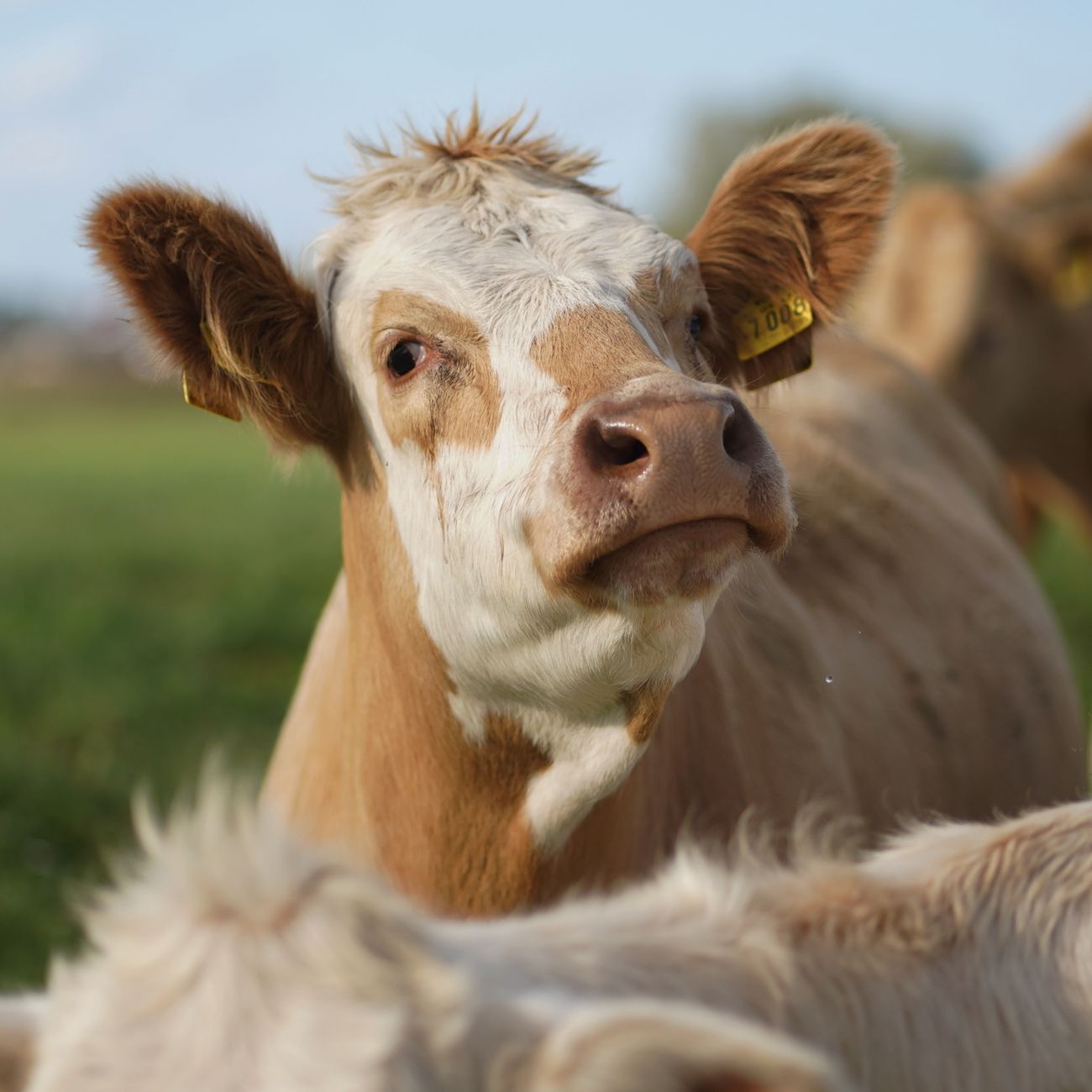
Artificial Intelligence (AI) refers to the broad set of computational techniques that enable machines to mimic aspects of human cognition such as learning, reasoning, and problem‑solving. In the context of drug discovery for animal health, AI systems are employed to accelerate the identification of therapeutic candidates, predict safety profiles, and design dosing regimens that are tailored to specific species. The integration of AI with traditional veterinary pharmacology creates a synergistic workflow where large volumes of biological, chemical, and clinical data can be processed rapidly, uncovering patterns that would be invisible to manual analysis.
Machine Learning (ML) is a subset of AI that focuses on algorithms that improve automatically through experience. Supervised learning, a common ML approach, uses labeled datasets—such as compounds with known efficacy against a bovine respiratory pathogen—to train models that can predict the activity of new, unlabeled molecules. Unsupervised learning, by contrast, discovers hidden structures in data without pre‑assigned labels; clustering algorithms can group veterinary drug candidates based on similarity of their molecular fingerprints, revealing novel chemical families that may share therapeutic potential.
Deep Learning (DL) extends ML by employing layered neural networks capable of learning hierarchical representations. Convolutional neural networks (CNNs) excel at extracting spatial features from image data; in veterinary drug discovery they can analyze histopathology slides to identify disease signatures that guide target selection. Recurrent neural networks (RNNs) and transformer architectures process sequential data such as protein amino‑acid chains, enabling the prediction of binding affinities between a candidate drug and a target enzyme in swine.
Neural Network terminology includes layers, neurons, weights, and biases. A layer aggregates inputs from the previous layer, applies a weighted sum, adds a bias term, and passes the result through an activation function. Activation functions such as ReLU (rectified linear unit) introduce non‑linearity, allowing the network to model complex relationships between chemical structure and biological activity. Training adjusts the weights and biases to minimize a loss function, typically through stochastic gradient descent or its variants.
Supervised Learning tasks in veterinary drug discovery often involve classification—determining whether a compound is active or inactive against a specific pathogen in poultry—or regression—predicting the quantitative pharmacokinetic parameter (e.g., clearance) for a drug in goats. The quality of supervised models hinges on the availability of high‑quality labeled data, which can be limited for less‑studied species. Transfer learning, where a model pretrained on human pharmacology data is fine‑tuned with a smaller animal dataset, can mitigate data scarcity.
Unsupervised Learning techniques such as principal component analysis (PCA) and t‑distributed stochastic neighbor embedding (t‑SNE) are valuable for visualizing high‑dimensional chemical space. By projecting thousands of candidate molecules onto a two‑dimensional map, researchers can identify clusters of structurally similar compounds that may share pharmacological properties. This visual insight assists in selecting diverse leads for further experimental validation in horses or camels.
Reinforcement Learning (RL) differs from other ML paradigms by emphasizing decision‑making through trial and error. In drug design, an RL agent can iteratively modify a molecular scaffold—adding or removing functional groups—to maximize a reward function that incorporates predicted efficacy, synthetic feasibility, and safety constraints for a specific livestock species. The agent learns optimal modifications by exploring the chemical space and receiving feedback from predictive models.
Quantitative Structure‑Activity Relationship (QSAR) models predict the biological activity of a compound based on its chemical structure. QSAR remains a cornerstone in veterinary drug discovery because it provides a rapid, cost‑effective means to screen large libraries for potential antiparasitic agents in sheep. Modern QSAR pipelines often combine traditional descriptor calculations (e.g., molecular weight, logP) with machine‑learning algorithms such as random forests or gradient‑boosted trees, delivering higher predictive accuracy than classical linear regression.
Quantitative Structure‑Property Relationship (QSPR) extends QSAR by focusing on physicochemical properties such as solubility, stability, and permeability—attributes that directly influence a drug’s formulation for different animal species. For instance, a QSPR model may predict the aqueous solubility of a candidate antibiotic in water‑soluble form for administration to pigs via drinking water, guiding formulation scientists in choosing appropriate excipients.
Pharmacokinetics (PK) describes how a drug is absorbed, distributed, metabolized, and excreted (ADME) in an organism. AI‑driven PK modeling employs neural networks to predict species‑specific parameters such as volume of distribution and half‑life, based on molecular descriptors and known PK data from related compounds. Accurate PK predictions enable the design of dosing schedules that maintain therapeutic concentrations while minimizing residues in meat or milk.
Pharmacodynamics (PD) captures the relationship between drug concentration at the site of action and the resulting pharmacological effect. Machine‑learning classifiers can link in‑vitro potency data (e.g., IC50 values against a bovine parasite enzyme) with in‑vivo efficacy outcomes, allowing researchers to forecast the therapeutic index of a candidate before costly field trials. Integrating PK and PD models yields a comprehensive PK/PD simulation that predicts the time‑course of drug effect in target species.
ADMET stands for Absorption, Distribution, Metabolism, Excretion, and Toxicity. AI tools predict each component using distinct models: convolutional networks for membrane permeability, graph neural networks for metabolic pathways, and ensemble classifiers for hepatotoxicity. In animal health, ADMET predictions must account for interspecies differences; for example, the metabolic enzyme CYP450 isoform distribution varies between cattle and chickens, influencing the likelihood of toxic metabolites.
Virtual Screening (VS) is the computational evaluation of large chemical libraries to identify compounds that are likely to bind a target of interest. Docking algorithms generate possible binding poses, while AI scoring functions assess the quality of each pose. In a VS campaign for a novel antiviral targeting foot‑and‑mouth disease virus, a deep‑learning scoring model can rank millions of compounds, reducing the experimental workload to a few hundred top candidates for in‑vitro testing.
Molecular Docking predicts the orientation of a ligand within the active site of a protein. Traditional scoring functions (e.g., GlideScore) estimate binding affinity based on physics‑based terms. Recent advances incorporate neural networks trained on crystallographic ligand‑protein complexes, producing more accurate predictions of binding free energy. Docking pipelines for veterinary pathogens often integrate species‑specific protein sequences, ensuring that the target model reflects the actual pathogen strain found in the field.
Generative Models create new data samples that resemble a training set. In drug discovery, generative adversarial networks (GANs) and variational autoencoders (VAEs) can generate novel chemical structures with desired properties. For example, a VAE trained on antiparasitic agents can output molecules that satisfy constraints on logP, molecular weight, and low toxicity for equine use. The generated structures are then filtered through predictive models for efficacy against the target parasite.
Graph Neural Networks (GNNs) treat molecules as graphs, where atoms are nodes and bonds are edges. GNNs propagate information across the graph, enabling the model to capture intricate topological relationships that influence activity. In the context of veterinary drug discovery, GNNs have been used to predict the resistance‑breaking potential of new anthelmintics for goats by learning from known resistance patterns in related nematodes.
SMILES (Simplified Molecular Input Line Entry System) encodes a chemical structure as a text string, facilitating its use as input for sequence‑based deep‑learning models. Transformer architectures, originally designed for natural‑language processing, can be repurposed to translate SMILES strings into predicted activity scores for a feline viral target. The resulting models can process millions of SMILES entries in parallel, enabling high‑throughput screening for drug candidates.
InChI (International Chemical Identifier) provides a standardized textual representation of a molecule, supporting interoperability between databases. When aggregating data from multiple veterinary pharmacology repositories, matching compounds by InChI ensures that duplicate entries are merged correctly, preserving the integrity of training datasets for AI models.
Molecular Fingerprint is a binary vector that encodes the presence or absence of predefined substructures. Common fingerprints such as Morgan (circular) or MACCS keys are inputs for similarity‑based searches, enabling rapid identification of analogs to a known effective drug for cattle. Fingerprint similarity thresholds (e.g., Tanimoto coefficient > 0.85) guide the selection of candidate molecules for further evaluation.
Target Identification involves determining the biological macromolecule (protein, enzyme, receptor) that a drug should modulate to achieve therapeutic benefit. AI‑assisted target discovery leverages transcriptomic and proteomic datasets from diseased versus healthy animal tissues. By applying unsupervised clustering and differential expression analysis, researchers can highlight pathways that are dysregulated in swine influenza, suggesting novel antiviral targets.
Target Validation confirms that modulating a proposed target yields the desired pharmacological outcome. In silico validation uses AI‑driven simulations of protein‑ligand interactions, while in vitro validation may involve CRISPR‑mediated knock‑out of the target gene in a cell line derived from the animal species of interest. Successful validation strengthens confidence in advancing a lead compound through the development pipeline.
Drug Repurposing (also known as repositioning) explores new therapeutic uses for existing drugs. AI can accelerate repurposing by cross‑referencing veterinary drug usage data with human disease annotations. For example, a machine‑learning model identified a deworming agent approved for sheep that also inhibited a key enzyme in a canine cancer model, prompting preclinical trials in dogs.
Lead Optimization refines a hit compound to improve potency, selectivity, and pharmacokinetic properties while reducing toxicity. AI models guide this process by predicting the impact of specific chemical modifications on multiple objectives simultaneously. Multi‑objective optimization algorithms, such as Pareto front analysis, generate a set of trade‑off solutions, allowing medicinal chemists to choose modifications that best balance efficacy and safety for a specific animal species.
Pharmacogenomics studies how genetic variation influences drug response. In livestock, breed‑specific genetic markers can affect metabolism rates, leading to variability in drug clearance. AI pipelines integrate genomic data with PK models to predict individualized dosing regimens, reducing the risk of under‑ or overdosing in dairy cows of different genetic backgrounds.
Data Curation is the process of cleaning, standardizing, and annotating raw data before it is fed into AI models. For veterinary drug discovery, data curation includes harmonizing dosage units (e.g., mg/kg versus mg/L), resolving inconsistent species nomenclature, and removing duplicate assay results. High‑quality curated datasets are essential for building reliable predictive models; poorly curated data can introduce bias and reduce model generalizability.
Training Set comprises the data used to teach an AI model the underlying patterns. In veterinary contexts, the training set may consist of experimentally measured antimicrobial activity against a panel of pathogens isolated from poultry, together with corresponding molecular descriptors. Careful partitioning of the dataset into training, validation, and test subsets prevents overfitting and enables unbiased assessment of model performance.
Validation Set (or development set) is used to tune hyperparameters such as learning rate, number of hidden layers, or regularization strength. For a deep‑learning model predicting the oral bioavailability of a drug in horses, the validation set provides feedback on how changes to the network architecture affect predictive accuracy, guiding the selection of the final model configuration.
Test Set contains data that the model has never seen during training or validation. Performance metrics computed on the test set—such as accuracy, ROC‑AUC, mean absolute error—reflect the model’s ability to generalize to new, unseen compounds. Reporting test‑set results is mandatory for regulatory submissions, demonstrating that the AI‑based predictions are robust for veterinary drug development.
Cross‑Validation is a technique for estimating model performance by repeatedly splitting the data into training and validation folds. K‑fold cross‑validation (commonly k = 5 or 10) helps mitigate the impact of random data splits, providing a more reliable estimate of how a model will perform on external data. In the veterinary domain, where datasets are often limited, cross‑validation is crucial for ensuring that a QSAR model for a bovine parasite is not over‑optimistic.
Feature Engineering involves creating informative input variables from raw data. For chemical compounds, features may include physicochemical descriptors (e.g., polar surface area), topological indices, or counts of specific functional groups. In animal health, additional features such as species‑specific enzyme expression levels or disease prevalence rates can be appended to improve model relevance.
Embedding is a dense vector representation learned by a neural network that captures semantic relationships. In cheminformatics, molecule embeddings derived from graph neural networks encode structural information in a continuous space, enabling similarity searches that go beyond traditional fingerprints. Embeddings can also be combined with embeddings of protein sequences to predict drug–target interactions across multiple animal species.
Transfer Learning leverages knowledge from a source domain (often human drug discovery) to improve performance in a target domain (veterinary drug discovery). A model pretrained on millions of human bioactivity assays can be fine‑tuned using a smaller set of canine-specific data, accelerating the development of accurate predictors for dog infections while reducing the need for extensive experimental data collection.
Domain Adaptation addresses the shift in data distribution between source and target domains. For instance, chemical assay conditions in a laboratory that studies poultry pathogens may differ from those used for swine pathogens, leading to systematic biases. Domain‑adaptation techniques such as adversarial training align feature distributions, allowing a model trained on one species to be applied to another with minimal loss of accuracy.
Explainability (or interpretability) refers to the ability to understand how an AI model arrives at a particular prediction. Techniques such as SHAP (SHapley Additive exPlanations) assign contribution scores to individual features, highlighting which molecular descriptors drive a predicted high efficacy for a rabbit antiviral. Explainable AI builds trust with regulatory authorities and end‑users, who require transparent justification for dosing recommendations.
Model Drift occurs when the statistical properties of incoming data change over time, degrading predictive performance. In veterinary practice, seasonal variations in pathogen prevalence or the introduction of new breeds can cause drift. Continuous monitoring of model predictions against real‑world outcomes, followed by periodic retraining, mitigates drift and maintains model relevance.
Regulatory Compliance in animal health drug development is governed by agencies such as the U.S. Food and Drug Administration (FDA) Center for Veterinary Medicine, the European Medicines Agency (EMA), and national bodies. AI models used for safety assessment must meet documentation standards, including traceability of data sources, validation procedures, and performance metrics. Auditable AI pipelines that log each step—from data ingestion to final prediction—facilitate regulatory review.
Ethical Considerations include data privacy for farm owners, responsible use of AI to avoid over‑reliance on automated decisions, and ensuring equitable access to advanced drug discovery tools across different regions. Bias mitigation strategies, such as balanced sampling of breeds and species, prevent models from favoring well‑studied animals at the expense of less‑represented ones.
Dataset Imbalance arises when certain classes (e.g., active compounds) are under‑represented relative to others (e.g., inactive compounds). In veterinary antimicrobial screening, the number of compounds with proven efficacy against a specific pig pathogen may be far smaller than the total chemical space. Techniques such as SMOTE (Synthetic Minority Over‑sampling Technique) generate synthetic examples of the minority class, improving classifier performance.
Ensemble Methods combine multiple predictive models to achieve higher accuracy and robustness. Random forests, gradient‑boosted trees, and stacking ensembles have been applied to predict the toxicity of veterinary drugs, aggregating the strengths of each individual learner. Ensembles also provide confidence intervals for predictions, informing risk assessment during lead selection.
Active Learning iteratively selects the most informative data points for labeling, reducing the experimental burden. In a scenario where only a limited number of compounds can be tested against a new avian influenza strain, an active‑learning loop proposes the next set of compounds that would most reduce uncertainty in the model’s predictions, optimizing resource allocation.
High‑Throughput Screening (HTS) generates large volumes of experimental data by testing thousands of compounds against a biological target in parallel. AI can analyze HTS readouts to identify false positives, normalize plate‑to‑plate variability, and prioritize hits for secondary assays. Integration of HTS data with AI‑driven QSAR models creates a feedback loop that refines predictions in real time.
In Silico Toxicology predicts adverse effects using computational methods. For veterinary drugs, specific concerns include residue accumulation in edible tissues, reproductive toxicity in breeding animals, and environmental impact from excreted metabolites. Machine‑learning classifiers trained on historic toxicity data can flag high‑risk candidates early, preventing costly downstream failures.
Pharmacovigilance monitors the safety of drugs after market approval. AI tools mine veterinary electronic health records, adverse event reports, and farm management systems to detect signals of unexpected side effects. Natural‑language processing extracts relevant information from free‑text notes, while anomaly‑detection algorithms highlight unusual patterns that warrant investigation.
Dosage Optimization aims to determine the optimal amount and frequency of drug administration to achieve therapeutic effect while minimizing adverse outcomes. AI‑based PK/PD models can simulate different dosing regimens across diverse animal populations, accounting for factors such as body weight, age, and health status. The resulting recommendations support evidence‑based dosing guidelines for veterinarians.
Species‑Specific Metabolism reflects the fact that metabolic pathways differ among animals. For instance, the rumen microbiome in cattle can transform certain compounds into metabolites not seen in monogastric species. AI models that incorporate species‑specific enzyme expression data can predict which metabolic routes are likely to dominate, informing structural modifications to improve metabolic stability.
Formulation Design tailors the physical form of a drug (e.g., oral paste, injectable solution) to the target species and route of administration. Predictive models assess solubility, stability, and palatability, recommending excipient combinations that meet the unique constraints of a horse’s gastrointestinal tract or a swine’s feed delivery system.
Resistance Management addresses the emergence of drug‑resistant pathogens. AI can model evolutionary dynamics, forecasting how selective pressure from a particular antimicrobial will drive resistance in a bacterial population over time. Decision‑support tools can then suggest rotation strategies or combination therapies to prolong drug efficacy in livestock.
Omics Integration combines genomics, transcriptomics, proteomics, and metabolomics data to provide a holistic view of disease mechanisms. AI platforms fuse multi‑omics layers to identify biomarkers that correlate with drug response in different animal breeds. For example, integrating metabolomic profiles from infected chickens with transcriptomic data from the host immune response can reveal novel therapeutic targets.
Network Pharmacology examines the interaction of drugs with multiple targets within biological networks. Graph‑based AI algorithms map drug–target–disease relationships, uncovering polypharmacological effects that may be beneficial for complex veterinary diseases such as bovine respiratory disease complex, which involves viral, bacterial, and inflammatory components.
Clinical Trial Design benefits from AI by optimizing enrollment criteria, randomization schemes, and endpoint selection. Predictive models can estimate the probability of success for a given trial design based on historical data, reducing the number of animals needed and accelerating the path to market for new veterinary therapeutics.
Data Privacy is a growing concern as farms increasingly digitize health records. Secure data‑sharing frameworks, such as federated learning, enable AI models to be trained on decentralized data without moving raw records off‑site. This approach preserves confidentiality while still leveraging the collective knowledge of multiple farms to improve predictive accuracy.
Federated Learning distributes model training across multiple data owners, aggregating only model updates rather than raw data. In the context of AI‑driven drug discovery, federated learning allows pharmaceutical companies to collaborate with veterinary clinics and farms, pooling insights without exposing proprietary or sensitive information.
Cloud Computing provides scalable resources for training large deep‑learning models. Elastic compute clusters can handle the massive datasets generated by high‑throughput screening and multi‑omics studies, reducing time‑to‑insight for veterinary drug candidates. Cloud‑based platforms also facilitate collaboration across geographically dispersed research teams.
Edge Computing brings AI inference closer to the point of use, such as on‑farm devices that assess disease risk in real time. Lightweight models deployed on handheld scanners can analyze lesion images in cattle, instantly suggesting appropriate therapeutic interventions based on the latest AI‑derived drug efficacy data.
Model Deployment involves integrating trained AI models into existing drug discovery workflows. Containerization technologies (e.g., Docker) encapsulate the model and its dependencies, ensuring reproducibility across environments. Continuous integration pipelines automate testing and validation, streamlining the transition from research prototype to production system.
Performance Metrics quantify how well a model predicts outcomes. Classification tasks often use accuracy, precision, recall, and the area under the ROC curve (AUC). Regression tasks employ root‑mean‑square error (RMSE) or mean absolute error (MAE). In veterinary drug discovery, additional metrics such as enrichment factor (EF) assess how effectively a virtual screening model prioritizes true actives among top‑ranked compounds.
Enrichment Factor measures the proportion of true active compounds recovered in the early fraction of a ranked list compared to random selection. An EF of 10 at 1 % indicates that the model is ten times more efficient than random screening, a critical indicator of success for high‑throughput virtual screening campaigns targeting zoonotic diseases.
Applicability Domain defines the chemical space within which a model’s predictions are considered reliable. By analyzing the similarity of a new compound to the training set, the model can flag predictions that fall outside its domain, prompting caution or additional experimental verification. This concept is essential for ensuring that AI‑driven recommendations are trustworthy for novel veterinary drug candidates.
Model Interpretability Tools such as LIME (Local Interpretable Model‑agnostic Explanations) generate simplified surrogate models that explain individual predictions. For a horse analgesic candidate, LIME may reveal that the presence of a specific aromatic ring contributes positively to the predicted low toxicity score, guiding chemists toward favorable modifications.
Safety Margin quantifies the difference between the therapeutic dose and the dose that causes adverse effects. AI models can predict safety margins by integrating toxicity predictions with efficacy estimates, enabling the selection of compounds with a wide therapeutic window for sensitive species like dairy goats.
Regimen Adherence addresses compliance with prescribed dosing schedules. AI‑enabled smart dosing devices can track administration events, sending reminders to farm workers and logging data for later analysis. The collected adherence data feed back into PK/PD models, refining future dosing recommendations.
Economic Modeling evaluates the cost‑benefit of developing a new veterinary drug. AI can simulate market scenarios, incorporating factors such as disease prevalence, treatment adoption rates, and regulatory timelines. By quantifying expected return on investment, stakeholders can prioritize projects that deliver the greatest impact on animal health and farm profitability.
Knowledge Graphs organize information about drugs, targets, diseases, and species in a network structure. AI reasoning engines traverse these graphs to infer relationships, such as identifying a repurposing opportunity for a swine vaccine component that also shows activity against a related porcine respiratory syndrome virus.
Data Augmentation expands limited datasets by creating synthetic variations. For image‑based pathology data, rotations, flips, and color jitter can increase the effective size of the training set, improving the robustness of CNN models that classify disease severity in bovine lung tissue.
Synthetic Data Generation uses generative models to produce realistic but artificial datasets. In cases where real animal trial data are scarce due to ethical constraints, simulated PK profiles generated by AI can be used to pre‑train models, later fine‑tuned with a small set of actual measurements.
Bias Mitigation addresses systematic errors that can arise from unbalanced training data. For instance, if most historical efficacy data come from large‑scale commercial farms, models may underperform on smallholder operations. Techniques such as re‑weighting samples or incorporating fairness constraints help ensure equitable performance across diverse farming contexts.
Continual Learning enables models to incorporate new data without forgetting previously learned knowledge. In veterinary drug discovery, as new resistance patterns emerge, a continual‑learning system updates its predictions, preserving earlier insights while adapting to the latest trends.
Scalability refers to the ability of an AI system to handle increasing data volumes and computational demands. Distributed training across multiple GPUs or TPUs accelerates deep‑learning workflows, making it feasible to process the billions of molecular combinations that constitute the chemical space relevant to animal health.
Interoperability ensures that AI tools can exchange data with existing laboratory information management systems (LIMS), electronic health records, and regulatory databases. Standardized data formats such as JSON‑LD for knowledge graphs and FAIR (Findable, Accessible, Interoperable, Reusable) principles facilitate seamless integration.
Future Directions include the convergence of AI with emerging technologies such as CRISPR gene editing for disease‑resistant livestock, the use of quantum computing to explore complex protein‑ligand interactions, and the development of personalized veterinary medicine guided by AI‑driven genomic profiling. As these innovations mature, they will further transform the landscape of drug discovery for animal health, delivering safer, more effective therapies tailored to the unique physiology of each species.
Key takeaways
- In the context of drug discovery for animal health, AI systems are employed to accelerate the identification of therapeutic candidates, predict safety profiles, and design dosing regimens that are tailored to specific species.
- Supervised learning, a common ML approach, uses labeled datasets—such as compounds with known efficacy against a bovine respiratory pathogen—to train models that can predict the activity of new, unlabeled molecules.
- Recurrent neural networks (RNNs) and transformer architectures process sequential data such as protein amino‑acid chains, enabling the prediction of binding affinities between a candidate drug and a target enzyme in swine.
- Activation functions such as ReLU (rectified linear unit) introduce non‑linearity, allowing the network to model complex relationships between chemical structure and biological activity.
- Transfer learning, where a model pretrained on human pharmacology data is fine‑tuned with a smaller animal dataset, can mitigate data scarcity.
- Unsupervised Learning techniques such as principal component analysis (PCA) and t‑distributed stochastic neighbor embedding (t‑SNE) are valuable for visualizing high‑dimensional chemical space.
- Reinforcement Learning (RL) differs from other ML paradigms by emphasizing decision‑making through trial and error.