
Automation and High‑Throughput Screening
Automation in cell culture refers to the use of programmable machines to perform repetitive tasks that would otherwise be carried out manually. In the context of high‑throughput screening (HTS), automation is the backbone that enables the p…
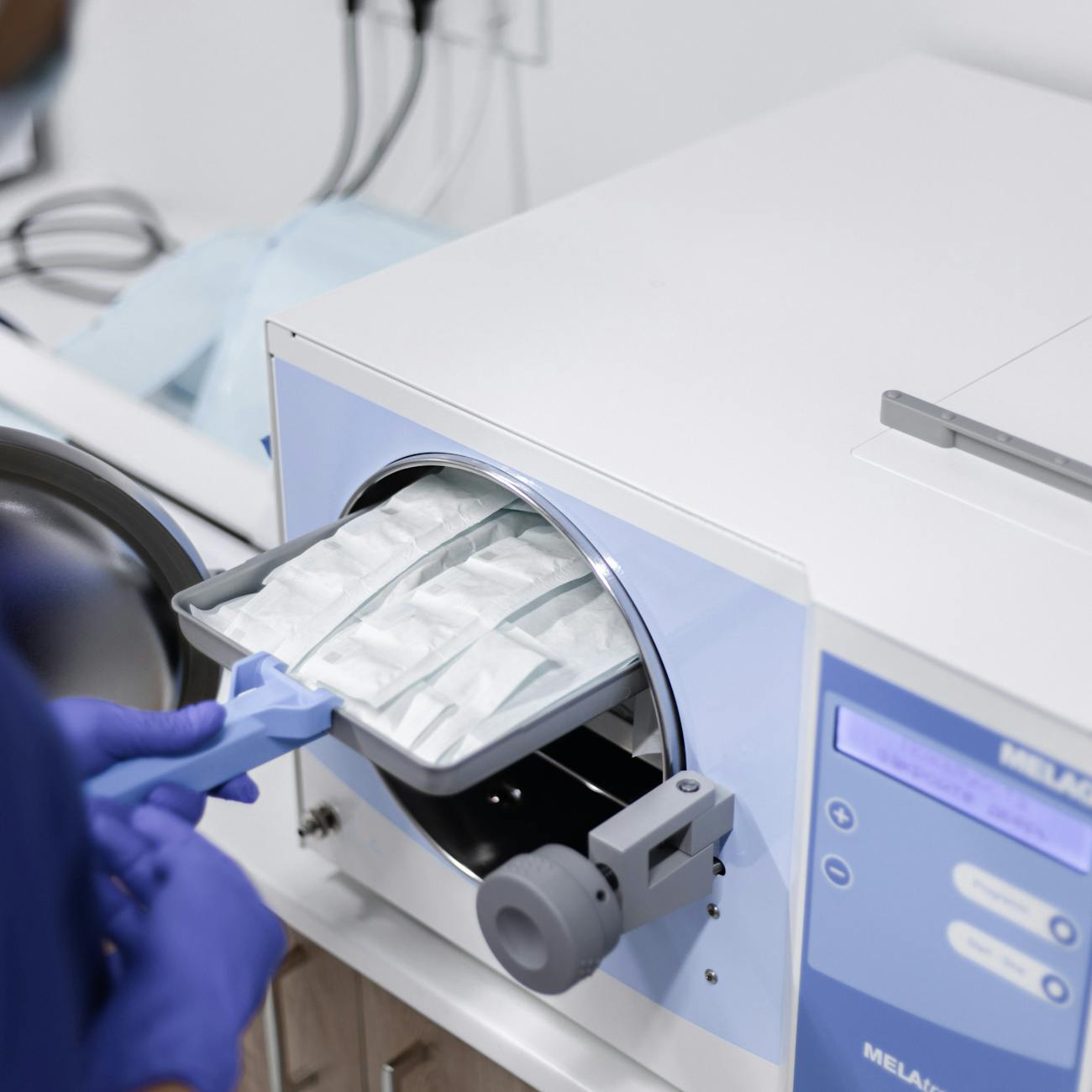
Automation in cell culture refers to the use of programmable machines to perform repetitive tasks that would otherwise be carried out manually. In the context of high‑throughput screening (HTS), automation is the backbone that enables the processing of hundreds to thousands of samples per day with consistent quality and minimal human error. Understanding the terminology that underpins automation and HTS is essential for any specialist working in cell culture optimization, because each term represents a specific component, process, or metric that influences experimental design, data quality, and overall productivity.
Below is a comprehensive list of key terms and vocabulary frequently encountered in automation and HTS. For each term, a concise definition is provided, followed by an example of its application in cell culture, practical considerations, and common challenges that may arise. The content is organized thematically to aid learning and quick reference.
---
Liquid handling robot – A programmable device designed to dispense, aspirate, mix, and transfer liquids with high precision. Example: A 384‑well plate format liquid handling robot can seed 10,000 cells per well across an entire plate in under five minutes. Practical application: Enables uniform seeding density, which is critical for downstream assays such as viability or reporter gene expression. Challenges: Calibration drift over time can lead to volume inaccuracies; regular maintenance and verification with gravimetric or colorimetric methods are required.
Plate reader – An instrument that measures optical signals (e.g., absorbance, fluorescence, luminescence) from multi‑well plates. Example: A fluorescence plate reader can quantify GFP expression in a 1536‑well plate after a drug treatment. Practical application: Provides rapid data acquisition for dose‑response curves in drug discovery pipelines. Challenges: Crosstalk between wells, especially in high‑density formats, may compromise signal fidelity; careful selection of filters and plate types mitigates this risk.
Microplate – A flat plate with multiple wells used as the basic unit for HTS. Common formats include 96, 384, and 1536 wells. Example: A 384‑well microplate allows four times the data density of a 96‑well plate while maintaining a similar footprint. Practical application: Increases experimental throughput without expanding laboratory space. Challenges: Smaller well volumes increase evaporation rates; using humidified incubators or plate seals can reduce this effect.
Assay miniaturization – The process of reducing assay volumes and well sizes to increase throughput and reduce reagent consumption. Example: Shrinking a 100 µL ELISA to a 10 µL format in a 1536‑well plate. Practical application: Lowers costs per data point, enabling larger compound libraries to be screened. Challenges: Maintaining assay sensitivity and signal‑to‑noise ratio in reduced volumes often requires optimization of detection reagents and incubation times.
Throughput – The number of samples or assays that can be processed in a given time frame. Often expressed as plates per hour or compounds per day. Example: A fully integrated HTS platform may achieve 10,000 compounds screened per day. Practical application: Determines project timelines and resource allocation. Challenges: Throughput is limited by bottlenecks such as plate handling, incubation time, or data analysis capacity.
Workflow – The sequence of steps required to complete an experiment, from cell seeding to data analysis. In HTS, a workflow is typically automated from end‑to‑end. Example: A workflow might include cell plating, compound addition, incubation, readout, and data export. Practical application: Mapping workflows highlights redundant steps that can be eliminated or combined for efficiency. Challenges: Integration of disparate instruments often requires custom scripting or middleware to ensure seamless data flow.
Scheduling software – Computer programs that coordinate the timing of instrument operations, ensuring optimal use of resources. Example: Software that queues plate loading on a liquid handler while a plate reader processes previously loaded plates. Practical application: Maximizes instrument utilization and reduces idle time. Challenges: Conflicts may arise when multiple users request the same instrument; priority rules and reservation systems must be clearly defined.
Barcode system – A method of uniquely identifying plates, reagents, and samples using machine‑readable codes. Example: Each microplate receives a 2‑D barcode that encodes the plate ID, date, and experiment type. Practical application: Enables traceability of samples throughout the HTS pipeline, reducing errors in plate handling. Challenges: Barcode readability can be compromised by smudges or damaged labels; regular verification and use of high‑contrast labels are recommended.
Plate stacker – An automated device that stores and retrieves multiple plates, allowing continuous operation without manual plate exchange. Example: A 100‑plate stacker can hold plates awaiting incubation, thereby freeing the robot to process the next batch. Practical application: Supports uninterrupted runs, essential for long incubations or time‑sensitive assays. Challenges: Mechanical failures in the stacker can halt the entire workflow; preventive maintenance schedules are essential.
Incubator – A controlled environment chamber that maintains temperature, humidity, and CO₂ levels for cell culture. In HTS, incubators are often integrated with robotic arms for plate movement. Example: An automated incubator with a robotic arm can retrieve plates for reading and return them after measurement. Practical application: Ensures consistent cell growth conditions across all plates. Challenges: Temperature gradients within large incubators can affect cell behavior; regular calibration and mapping of temperature uniformity are advisable.
Environmental monitoring – Continuous measurement of temperature, humidity, CO₂, and sometimes oxygen levels within the incubator or laboratory. Example: Sensors that log temperature every minute and trigger alerts if deviations exceed ±0.2 °C. Practical application: Early detection of environmental drift prevents loss of cell cultures. Challenges: Sensor drift and sensor placement can cause inaccurate readings; periodic validation against calibrated standards is needed.
Culture medium preparation – The process of mixing basal media, supplements, antibiotics, and growth factors. Automation of this step reduces variability. Example: A liquid handling robot can prepare 10 L of complete medium in a sterile environment, dispensing precise amounts of each component. Practical application: Ensures each batch of medium has identical composition, critical for reproducibility. Challenges: Some supplements are light‑sensitive or temperature‑labile; robots must be equipped with temperature control and shielding.
Cell line authentication – Verification that a cell line matches its reference DNA profile, typically by short tandem repeat (STR) analysis. Example: Before a large HTS campaign, a lab confirms that the HeLa cells used are authentic and free of contamination. Practical application: Prevents data misinterpretation caused by misidentified or cross‑contaminated cell lines. Challenges: Authentication adds an extra step and cost; integrating sample tracking with authentication results can streamline the process.
Contamination detection – Methods used to identify microbial (bacterial, fungal, mycoplasma) contamination in cell cultures. Example: Real‑time PCR assays run on a subset of plates to detect mycoplasma. Practical application: Early detection allows removal of contaminated plates before assay readout, preserving data integrity. Challenges: Sampling for contamination must be representative; automation can be used to collect aliquots without compromising the remaining culture.
Plate sealing – The application of a breathable or airtight cover to a microplate to prevent evaporation and contamination. Example: A foil seal applied by a robot after cell seeding to reduce edge effects. Practical application: Maintains consistent volumes across wells, especially during long incubations. Challenges: Seals must be compatible with downstream detection methods; some seals interfere with fluorescence measurements.
Edge effect – The phenomenon where wells at the periphery of a plate exhibit different cell growth or assay signals due to temperature gradients or evaporation. Example: Higher cell density observed in outer wells of a 96‑well plate left uncovered. Practical application: Recognizing edge effects allows for plate layout designs that place controls in interior wells. Challenges: Edge effects can be mitigated by humidified incubators, plate sealing, or using plates with built‑in thermal barriers.
Control wells – Wells containing known positive or negative conditions used to validate assay performance. Example: A well containing a known cytotoxic drug serves as a positive control for a viability assay. Practical application: Controls enable calculation of assay quality metrics such as Z′‑factor. Challenges: Placement of controls must be balanced to avoid bias; randomization algorithms can assist in optimal distribution.
Z′‑factor – A statistical parameter that quantifies assay quality based on signal separation between positive and negative controls. Formula: Z′ = 1 – (3σₚ + 3σₙ) / |μₚ – μₙ|, where σ and μ denote standard deviation and mean of positive (p) and negative (n) controls. Interpretation: A Z′‑factor >0.5 indicates an excellent assay; values between 0.5 and 0 indicate a marginal assay. Practical application: Z′‑factor is routinely calculated after each plate to decide whether data are acceptable. Challenges: High variability in controls reduces Z′‑factor; improving pipetting precision and reducing edge effects can raise the metric.
Signal‑to‑noise ratio (SNR) – The ratio of the mean signal from a sample to the standard deviation of the background noise. Example: In a luminescence assay, an SNR of 10 is often considered sufficient for reliable detection. Practical application: SNR guides the selection of detection settings and assay optimization. Challenges: Low SNR may result from weak reporters or high background; increasing detector gain or optimizing assay buffers can improve SNR.
Multiplexing – Simultaneous measurement of multiple analytes or readouts in a single well. Example: A multiplexed assay that quantifies both ATP levels and caspase activity in the same plate. Practical application: Reduces reagent consumption and increases data richness per sample. Challenges: Cross‑reactivity between detection reagents and overlapping spectral properties require careful assay design.
Robotic arm – The mechanical component of an automation system that moves plates, tips, or reagents between stations. Example: A 6‑axis robotic arm picks up a microplate from a stacker, places it on a liquid handler, then transfers it to a plate reader. Practical application: Enables fully hands‑free operation and reduces manual handling errors. Challenges: Collision detection algorithms must be robust; mis‑alignment can cause plate damage.
Tip loading station – A device that supplies disposable pipette tips to a liquid handling robot. Example: An automated tip loading station can attach a new 96‑tip rack every 30 minutes during a long run. Practical application: Guarantees sterility and prevents cross‑contamination between samples. Challenges: Tip blockage or mis‑placement can halt the robot; sensors to detect tip presence improve reliability.
Tip waste management – The system for collecting and disposing of used pipette tips, often via a sealed waste container. Example: A waste module that compacts tips to reduce volume before disposal. Practical application: Maintains a clean work area and complies with biosafety regulations. Challenges: Overfilling of waste containers can cause spills; automated alerts help prevent this.
Sample tracking – The process of monitoring the location and status of each plate or well throughout the HTS pipeline. Example: A LIMS (Laboratory Information Management System) records that Plate A123 was plated at 09:00, incubated for 24 h, and read at 10:00 the next day. Practical application: Enables traceability and facilitates troubleshooting when anomalies arise. Challenges: Integration between instrument software and LIMS must be seamless; API mismatches can cause data gaps.
LIMS – Laboratory Information Management System; a software platform that stores, organizes, and retrieves experimental data. Example: A LIMS can generate a report summarizing assay performance across 500 plates. Practical application: Centralizes data, supports regulatory compliance, and automates data export for downstream analysis. Challenges: Customization is often required to accommodate specific HTS workflows; user training is essential.
Data acquisition – The collection of raw measurement signals from instruments such as plate readers or imaging systems. Example: A plate reader outputs luminescence counts for each well in a CSV file. Practical application: Immediate acquisition reduces the risk of data loss and speeds up analysis pipelines. Challenges: Large data sets (e.g., from 1536‑well plates) can strain storage systems; efficient data compression and archiving strategies are needed.
Data normalization – Adjusting raw data to account for systematic variations, such as plate‑to‑plate differences or edge effects. Example: Normalizing each well’s signal to the median of its plate to correct for batch effects. Practical application: Facilitates comparison across plates and experiments. Challenges: Selection of an appropriate normalization method depends on assay type; inappropriate methods can obscure true biological signals.
Hit identification – The process of selecting compounds or conditions that produce a desired effect, based on predefined criteria. Example: Compounds that reduce cell viability by >50 % relative to control are flagged as hits. Practical application: Guides downstream validation and secondary screening. Challenges: False positives may arise from assay interference; orthogonal assays are often employed to confirm hits.
Secondary screening – Follow‑up assays performed on primary hits to confirm activity and assess specificity. Example: A hit from a primary luminescence assay is retested in a flow‑cytometry‑based apoptosis assay. Practical application: Reduces the likelihood of advancing false leads. Challenges: Requires additional reagents and time; automation can be extended to secondary screens to maintain throughput.
Compound library – A collection of chemical or biological entities stored in a format suitable for HTS, typically in 96‑ or 384‑well plates. Example: A 10,000‑compound library of FDA‑approved drugs. Practical application: Provides a diverse set of molecules for phenotypic screening. Challenges: Library integrity depends on proper storage (e.g., low temperature, inert atmosphere) and accurate tracking; degradation can lead to misleading results.
Plate format conversion – Changing the density of plates (e.g., from 96‑well to 384‑well) to increase throughput without expanding inventory. Example: Reformatting a library from 96‑well to 384‑well using a pin tool. Practical application: Allows existing libraries to be used in higher density screens. Challenges: Transfer precision is critical; mis‑alignment can lead to cross‑contamination between wells.
Pin tool – A device with an array of pins used to transfer small volumes (nanoliters) of compound solutions from source plates to assay plates. Example: A 384‑pin tool transfers 50 nL of each compound onto a target plate. Practical application: Enables rapid, low‑volume library replication. Challenges: Pin wear and clogging can affect transfer accuracy; regular cleaning and tip replacement are necessary.
Acoustic dispensing – A non‑contact liquid transfer technique that uses focused sound waves to eject precise droplets of liquid. Example: An acoustic dispenser delivers 2.5 nL of a compound directly into each well of a 1536‑well plate. Practical application: Eliminates tip‑related contamination and allows ultra‑low volume transfers. Challenges: Requires compounds to be in a compatible solvent; high‑viscosity solutions may not dispense reliably.
Microfluidics – The manipulation of fluids at sub‑millimeter scales, often using channels etched into chips. Example: A microfluidic device can culture cells in nanoliter chambers while delivering drugs in a gradient. Practical application: Reduces reagent consumption and enables dynamic dosing. Challenges: Integration with standard plate formats can be difficult; specialized adapters are often needed.
Cell seeding density – The number of cells placed per unit area or per well at the start of an experiment. Example: Seeding 5 × 10³ cells per well in a 96‑well plate to achieve 70 % confluence after 24 h. Practical application: Determines the growth phase at which assays are read; optimal density ensures reproducible results. Challenges: Inaccurate seeding leads to variable confluence, affecting assay readout; automated counting or imaging can help standardize density.
Confluence – The percentage of the well surface covered by cells. Example: 80 % confluence is often targeted for transfection protocols. Practical application: Provides a visual cue for timing of experimental interventions. Challenges: Confluence is influenced by seeding density, growth rate, and media changes; real‑time monitoring systems can track confluence automatically.
Incubation time – The duration that cells are allowed to grow or respond to a treatment before measurement. Example: A 48‑hour incubation after drug addition before performing a viability assay. Practical application: Determines the kinetic window for detecting phenotypic changes. Challenges: Over‑incubation can lead to nutrient depletion or over‑growth, confounding results; scheduling software can enforce precise timing.
Time‑course assay – An experiment where measurements are taken at multiple time points to observe dynamic responses. Example: Measuring luminescence every 2 hours after compound addition to capture kinetic effects. Practical application: Provides insight into the onset and duration of drug action. Challenges: Requires coordination of plate handling to avoid disrupting cells; robotic platforms can schedule repeated reads without manual intervention.
Plate layout design – The arrangement of samples, controls, and replicates within a microplate. Example: Randomizing compound positions to minimize systematic bias. Practical application: Reduces edge effects and plate‑specific artifacts. Challenges: Complex layouts may require custom software to generate and decode; errors in layout files can propagate throughout the workflow.
Randomization – The process of assigning samples to wells in a non‑predictable order to avoid systematic bias. Example: Using a random number generator to place library compounds across a plate. Practical application: Improves statistical robustness of screening results. Challenges: Randomization must be reproducible for downstream analysis; storing the seed value ensures traceability.
Replication – Performing the same experimental condition in multiple wells to assess variability. Example: Triplicate wells for each compound concentration. Practical application: Enables calculation of standard deviation and confidence intervals. Challenges: Limited plate space may constrain the number of replicates; balancing throughput with statistical power is a key decision.
Positive control – A sample known to produce a robust, measurable response, used to verify assay performance. Example: A known kinase inhibitor that reduces phosphorylation signals in a signaling assay. Practical application: Confirms that reagents and instruments are functioning correctly. Challenges: Positive controls must be stable over the screening period; degradation can lead to false‑negative interpretations.
Negative control – A sample expected to produce no response, establishing baseline signal. Example: DMSO‑only wells in a compound screen. Practical application: Defines the background level for data normalization. Challenges: Even small variations in vehicle concentration can influence cell behavior; strict consistency is required.
Assay window – The range between the signal of the positive control and the negative control. Example: An assay window of 2000 counts in a luminescence readout. Practical application: Larger assay windows provide greater discrimination between hits and non‑hits. Challenges: Narrow windows may result from suboptimal detector settings; adjusting gain or assay reagents can expand the window.
Signal drift – Gradual change in instrument response over time, often due to temperature fluctuations or detector aging. Example: A plate reader shows a 5 % increase in background signal after 8 hours of continuous operation. Practical application: Monitoring drift allows for correction during data processing. Challenges: Uncorrected drift can skew dose‑response curves; periodic calibration and inclusion of reference wells mitigate this issue.
Plate reader calibration – The routine verification and adjustment of detector performance using standard reference solutions. Example: Using a fluorescein standard to set the gain of a fluorescence reader. Practical application: Ensures accurate and comparable measurements across runs. Challenges: Calibration standards must be fresh and stored correctly; degradation leads to inaccurate settings.
Instrument validation – The systematic assessment that a device meets predefined performance criteria for a specific application. Example: Validating a liquid handler’s dispensing accuracy to ±2 % for volumes between 1 µL and 100 µL. Practical application: Required for regulatory compliance in pharmaceutical environments. Challenges: Validation documentation is extensive; maintaining records for multiple instruments can be cumbersome.
Standard operating procedure (SOP) – A written document that details the exact steps to perform a task, ensuring consistency across operators. Example: An SOP for preparing a 10 mM stock solution of a test compound. Practical application: Reduces variability caused by human factors. Challenges: SOPs must be regularly reviewed and updated to reflect changes in equipment or protocols.
Quality control (QC) sample – A sample included in each run to monitor assay performance and detect deviations. Example: A QC sample containing a known concentration of a fluorescent dye. Practical application: Allows immediate identification of out‑of‑specification runs. Challenges: QC samples must be stable and representative of the assay matrix; degradation can mask true problems.
Batch effect – Systematic non‑biological differences that arise when processing samples in separate groups or runs. Example: Slightly higher signals observed in plates processed on Monday versus Tuesday. Practical application: Recognizing batch effects enables statistical correction during data analysis. Challenges: Batch effects can be introduced by reagent lot changes, instrument maintenance, or operator shifts; robust experimental design includes randomization across batches.
Statistical power – The probability that a test will detect a true effect when it exists, influenced by sample size, effect size, and variability. Practical application: Determines the number of replicates needed to reliably identify hits. Challenges: Increasing replicates improves power but reduces throughput; power calculations help balance these competing demands.
False positive – A result that incorrectly indicates a biological effect when none exists. Example: A compound that fluoresces intrinsically, leading to apparent activity in a fluorescence assay. Practical application: Recognizing sources of false positives guides the selection of orthogonal assays. Challenges: High false‑positive rates inflate downstream validation workload; assay interference screens can filter out problematic compounds early.
False negative – A result that fails to detect a true effect. Example: A low‑affinity inhibitor that does not reach the detection threshold in a single‑point screen. Practical application: Adjusting assay sensitivity or employing multiple concentrations can reduce false negatives. Challenges: Over‑stringent cut‑offs may eliminate genuine hits; flexible criteria based on Z′‑factor and signal‑to‑noise are recommended.
Hit threshold – The predefined criterion (e.g., % inhibition, Z‑score) used to classify a compound as a hit. Example: Setting a hit threshold at 3 σ below the mean of the negative controls. Practical application: Standardizes decision‑making across screens. Challenges: Threshold selection balances sensitivity and specificity; adaptive thresholds based on plate‑by‑plate analysis can improve performance.
Data mining – The process of extracting patterns, correlations, and insights from large HTS data sets. Example: Using clustering algorithms to group compounds with similar activity profiles. Practical application: Identifies structure‑activity relationships and potential off‑target effects. Challenges: Large data volumes require scalable computing resources; data quality must be high to avoid spurious conclusions.
Machine learning – Computational techniques that enable models to learn from data and make predictions or classifications. Example: Training a random forest model to predict cytotoxicity based on chemical descriptors. Practical application: Accelerates hit prioritization and can suggest novel chemical entities. Challenges: Requires curated training data; model over‑fitting can mislead predictions if not properly validated.
Image‑based screening – An HTS approach that captures high‑content images of cells to assess phenotypic changes. Example: Using automated microscopy to quantify nuclear morphology after compound treatment. Practical application: Provides rich, multiparametric data beyond simple readouts. Challenges: Image acquisition and analysis are computationally intensive; robust segmentation algorithms are essential.
High‑content analysis (HCA) – The quantitative extraction of multiple cellular features from images, often used interchangeably with image‑based screening. Example: Measuring cell area, texture, and mitochondrial intensity in a single assay. Practical application: Enables discovery of subtle phenotypic changes that may be missed by bulk assays. Challenges: Data storage and processing demands are high; standardization of feature extraction pipelines improves reproducibility.
Automated incubator – An instrument that combines temperature control with robotic handling for plate transfer. Example: A system that moves plates to and from a humidified incubator without human intervention. Practical application: Reduces contamination risk and frees personnel for other tasks. Challenges: Mechanical failures can cause plate jams; preventive maintenance schedules are critical.
Robotic scheduling – The algorithmic planning of robot tasks to optimize throughput while respecting constraints such as incubation times and instrument availability. Example: A scheduler that prioritizes plates requiring immediate reading over those in a long incubation. Practical application: Maximizes instrument utilization and minimizes idle time. Challenges: Complex scheduling may require custom scripts; real‑time adjustments are needed when unexpected delays occur.
Workflow automation software – Platforms that orchestrate the entire HTS process, integrating liquid handling, plate handling, data acquisition, and analysis. Example: A graphical user interface where the user drags and drops modules to build a custom workflow. Practical application: Simplifies protocol development and reduces programming expertise requirements. Challenges: Compatibility with diverse instrument vendors can be limited; middleware may be needed to bridge gaps.
Middleware – Software that connects distinct hardware and software components, enabling communication and data exchange. Example: A driver that translates commands from the liquid handler into a format understood by the plate reader. Practical application: Facilitates integration of heterogeneous equipment. Challenges: Middleware updates can introduce incompatibilities; thorough testing after each software change is advisable.
Application programming interface (API) – A set of functions and protocols that allow software components to interact programmatically. Example: Using an API to retrieve raw fluorescence data directly into a Python analysis script. Practical application: Enables custom data pipelines and automation of repetitive tasks. Challenges: API documentation may be incomplete; developers need to handle error conditions gracefully.
Standard curve – A series of known concentrations used to convert raw instrument signals into absolute values (e.g., concentration, activity). Example: A series of ATP standards to translate luminescence counts into nanomoles of ATP. Practical application: Provides quantitative readouts essential for dose‑response analysis. Challenges: Curve fitting must account for non‑linear behavior; selecting the appropriate model (linear, logistic, etc.) is critical.
Plate reader dynamic range – The span between the lowest and highest detectable signal levels for a given detector. Example: A fluorometer with a dynamic range of 0.01 to 10,000 relative fluorescence units. Practical application: Determines whether assay signals fall within the measurable window without saturation or loss of sensitivity. Challenges: Signals outside the dynamic range require assay re‑optimization (e.g., dilution or detector gain adjustment).
Signal saturation – When the detector reaches its maximum measurable value, resulting in loss of proportionality between signal and analyte concentration. Example: A fluorescence signal that plateaus at the detector’s upper limit, obscuring differences between high‑concentration samples. Practical application: Identifying saturation points helps set appropriate assay concentrations. Challenges: Over‑concentrated samples can be diluted automatically, but this adds complexity to workflow design.
Multiplexed plate reader – An instrument capable of measuring multiple signal types (e.g., absorbance, fluorescence, luminescence) from the same well. Example: Simultaneous detection of NADH absorbance and ATP luminescence in a metabolic assay. Practical application: Saves time and reduces plate consumption by consolidating assays. Challenges: Crosstalk between detection channels must be minimized; careful selection of filters and emission spectra is essential.
Robotic tip washing – The process of cleaning reusable pipette tips between transfers to prevent cross‑contamination. Example: An automated wash station that flushes tips with deionized water followed by ethanol. Practical application: Enables reuse of tips in protocols where disposable tips are cost‑prohibitive. Challenges: Incomplete washing can leave residues; validation of washing efficiency is required.
Disposable tip – A single‑use pipette tip designed to be discarded after each transfer, minimizing contamination risk. Example: 96‑tip disposable strips used in a liquid handling robot for cell seeding. Practical application: Ensures sterility in cell culture applications. Challenges: Environmental concerns due to plastic waste; recycling programs and tip reduction strategies are increasingly important.
Tip spacing – The distance between adjacent tips on a multi‑channel head, typically matching the well spacing of standard plates (e.g., 9 mm for 96‑well). Example: A 384‑channel head with 4.5 mm tip spacing for 384‑well plates. Practical application: Correct tip spacing prevents tip collision with well walls. Challenges: Mismatched spacing can cause mis‑alignment, leading to missed wells or tip damage.
Dead volume – The residual liquid that remains in a container or pipette after dispensing, which cannot be recovered. Example: A 5 mL reservoir that leaves 0.2 mL of liquid after the last dispense. Practical application: Minimizing dead volume reduces waste, especially with expensive reagents. Challenges: Small dead volumes may be unavoidable; careful planning of reagent usage can mitigate loss.
Reagent reservoir – A container that holds liquids to be dispensed by the liquid handling robot. Example: A 50 mL stainless‑steel reservoir for cell culture media. Practical application: Allows bulk preparation of reagents, reducing the frequency of refilling. Challenges: Reservoirs must be compatible with the robot’s liquid‑sensing system; some materials may cause static charge buildup affecting dispensing accuracy.
Viscosity compensation – Adjustments made by the robot to account for the resistance of viscous liquids, ensuring accurate dispensing. Example: Increasing aspiration speed when handling a 10 % DMSO solution. Practical application: Enables reliable handling of high‑viscosity compounds such as polymer solutions. Challenges: Incorrect compensation can lead to air bubbles or incomplete aspiration; calibration with reference fluids is recommended.
Air bubble detection – Sensors or software algorithms that identify the presence of bubbles in liquid handling steps. Example: An optical sensor that flags a bubble in a tip before dispensing. Practical application: Prevents delivery of incorrect volumes and protects assay integrity. Challenges: Small bubbles may evade detection; routine tip priming reduces bubble formation.
Priming – The process of filling a pipette tip with liquid before dispensing to eliminate air pockets. Example: A robot performs a priming step by aspirating a small volume of media before the main dispense. Practical application: Improves volume accuracy and reduces bubble formation. Challenges: Excessive priming can waste reagents; optimal priming volumes are determined experimentally.
Plate washing – The removal of unbound substances from wells, typically using a buffer or detergent, before detection. Example: Washing ELISA plates three times with PBS‑Tween before adding substrate. Practical application: Reduces background signal and improves assay specificity. Challenges: Over‑washing can detach bound analyte; timing and buffer composition must be optimized.
Plate centrifugation – Spinning plates to collect liquids at the bottom of wells, often used after washing steps. Example: Centrifuging a 96‑well plate at 2000 g for 1 minute to settle cells before imaging. Practical application: Ensures uniform distribution of cells or reagents. Challenges: Plate balance and rotor compatibility are critical; imbalance can damage equipment.
Plate sealing – The application of a cover to prevent evaporation and contamination, as described earlier. Additional note: Some seals are designed to be breathable, allowing gas exchange while limiting liquid loss.
Humidity control – Maintaining a stable moisture level within incubators or workstations to reduce evaporation. Example: A humidified enclosure that maintains 95 % relative humidity during long incubations. Practical application: Minimizes edge effects and variability in cell density. Challenges: Condensation on plate lids can interfere with optical measurements; anti‑condensation strategies may be needed.
Temperature uniformity – The consistency of temperature across the entire incubator or plate reader platform. Example: Mapping temperature across a 384‑well plate shows a ±0.3 °C variation. Practical application: Uniform temperature ensures consistent cell growth and assay kinetics. Challenges: Hot spots can arise near heating elements; regular calibration and use of temperature‑compensated plates help.
CO₂ regulation – Controlling the concentration of carbon dioxide, typically at 5 % for mammalian cell culture. Example: A CO₂ incubator that maintains 5 % ±0.1 % CO₂. Practical application: Stabilizes pH of bicarbonate‑based media. Challenges: CO₂ leaks can cause pH drift; sensor alarms should be configured.
pH monitoring – Measuring the acidity or alkalinity of culture media, often indirectly via CO₂ levels. Example: Using a pH‑sensitive dye to monitor media pH in real time. Practical application: Early detection of media degradation or metabolic shifts. Challenges: pH probes require frequent calibration; contamination can affect readings.
Automation safety interlock – A hardware or software mechanism that prevents the robot from operating under unsafe conditions. Example: A door sensor that stops the robot if the enclosure is opened. Practical application: Protects personnel and equipment from accidental injury. Challenges: Interlocks must be regularly tested to ensure reliability.
Error handling – The set of procedures a system follows when a fault occurs, such as a failed tip pickup or sensor error. Example: The robot pauses, logs the error, and prompts the operator to replace a faulty tip. Practical application: Enables rapid recovery and minimizes downtime. Challenges: Complex error hierarchies can confuse operators; clear documentation and training are essential.
Redundancy – Inclusion of backup components or pathways to maintain operation if a primary element fails. Example: Dual power supplies for a liquid handling robot. Practical application: Increases system reliability, especially for long unattended runs. Challenges: Redundant systems add cost and require additional maintenance.
Throughput scaling – Strategies employed to increase the number of samples processed, such as moving from 96‑well to 384‑well plates or adding parallel robots. Example: Deploying two liquid handlers to run simultaneously, doubling daily output. Practical application: Supports larger screening campaigns without proportionally increasing staff. Challenges: Scaling introduces coordination complexities; robust scheduling and communication protocols are required.
Parallel processing – Running multiple identical workflows at the
Key takeaways
- In the context of high‑throughput screening (HTS), automation is the backbone that enables the processing of hundreds to thousands of samples per day with consistent quality and minimal human error.
- For each term, a concise definition is provided, followed by an example of its application in cell culture, practical considerations, and common challenges that may arise.
- Challenges: Calibration drift over time can lead to volume inaccuracies; regular maintenance and verification with gravimetric or colorimetric methods are required.
- Challenges: Crosstalk between wells, especially in high‑density formats, may compromise signal fidelity; careful selection of filters and plate types mitigates this risk.
- Challenges: Smaller well volumes increase evaporation rates; using humidified incubators or plate seals can reduce this effect.
- Challenges: Maintaining assay sensitivity and signal‑to‑noise ratio in reduced volumes often requires optimization of detection reagents and incubation times.
- Challenges: Throughput is limited by bottlenecks such as plate handling, incubation time, or data analysis capacity.