
Parent‑Child Movement Foundations
Parent‑Child Synchrony refers to the rhythmic alignment of movement and breathing between an adult and a child. When a caregiver gently sways while holding a baby, the infant often mirrors the tempo, creating a shared pulse that promotes ca…
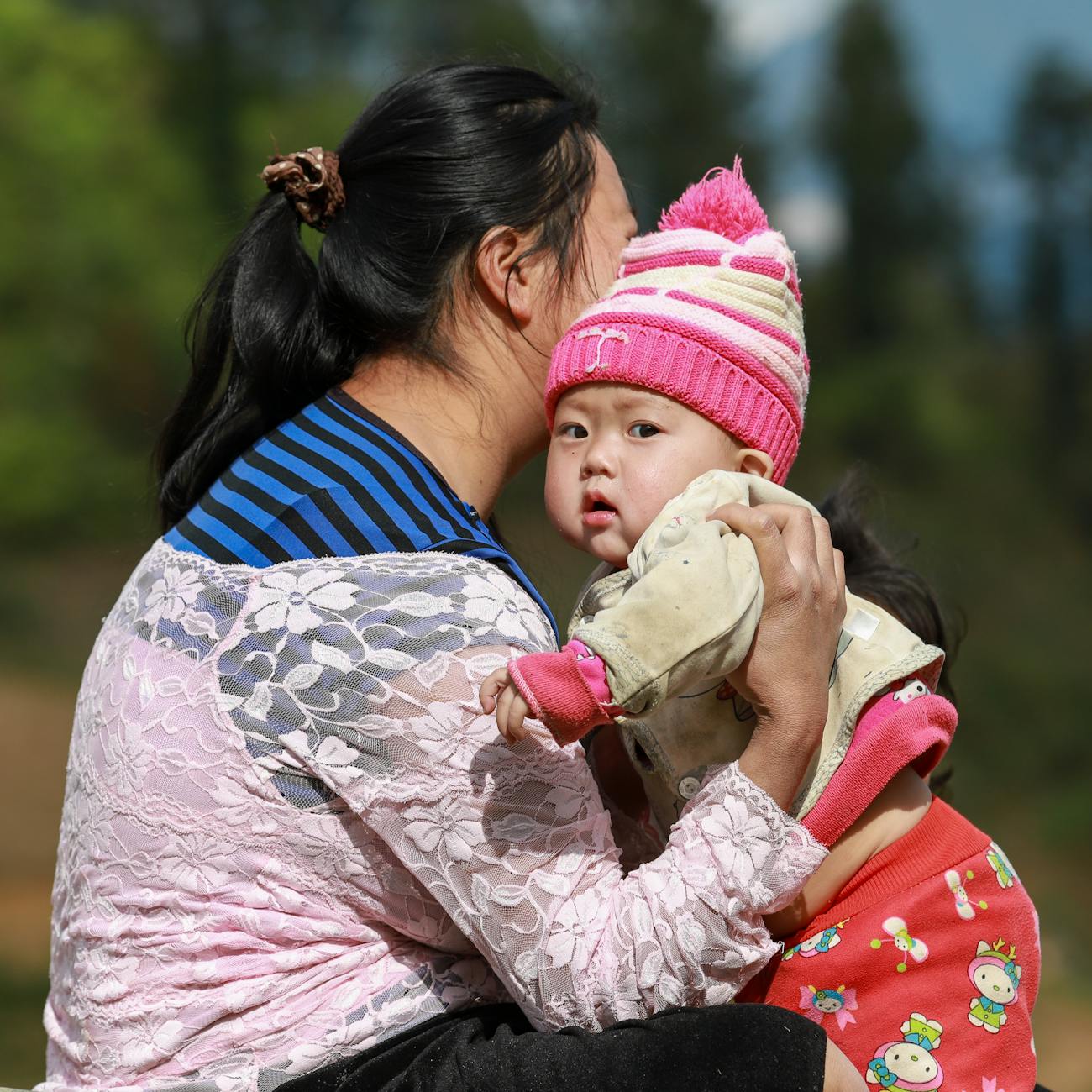
Parent‑Child Synchrony refers to the rhythmic alignment of movement and breathing between an adult and a child. When a caregiver gently sways while holding a baby, the infant often mirrors the tempo, creating a shared pulse that promotes calm and bonding. In practice, synchrony can be cultivated through simple activities such as rocking side‑to‑side while counting aloud. A challenge may arise if the caregiver’s heart rate spikes due to stress; in this case, slowing the movement and focusing on steady breathing helps restore the shared rhythm.
Embodied Communication is the use of body language, facial expression, and touch to convey meaning without words. A parent might lift a toddler’s arms and tilt forward to signal a “spin” movement. The child interprets this visual cue combined with the physical sensation of being lifted, integrating the two to understand the intended action. Practical application includes using exaggerated gestures when introducing new steps, allowing the child to feel the motion as a part of the instruction. A common difficulty is over‑talking; reducing verbal clutter sharpens the non‑verbal signal.
Core Stability describes the strength and control of the muscles surrounding the trunk, which support balance and movement. In a baby dance class, caregivers are encouraged to engage their abdominal muscles while gently guiding a child through a forward roll. This engagement helps maintain a stable base, preventing wobble that could startle the young participant. For beginners, the challenge is recognizing subtle engagement; cueing the caregiver to “draw the belly button toward the spine” can heighten awareness.
Weight Shifting is the deliberate transfer of body weight from one support point to another. When a parent leans slightly to the right while holding a child, the child feels the shift and learns to adjust their own balance. An example activity involves a “step‑and‑reach” where the caregiver steps to the side and reaches forward, inviting the child to mirror the shift. Challenges include children who are hesitant to release the safety of a firm base; gentle encouragement and progressive reduction of support can ease this transition.
Mirroring involves copying another’s movements in real time, fostering empathy and connection. In a parent‑child setting, the adult may perform a gentle arm circle while the child watches; the child then attempts to replicate the motion. This reciprocal process reinforces neural pathways linked to imitation. Practical use includes “mirror games” where the caregiver and child take turns leading. A difficulty arises when the child’s motor skills are still emerging; simplifying the movement to a single joint rotation can make mirroring achievable.
Tempo denotes the speed at which a movement occurs. A slow tempo, such as a languid sway, can soothe a newborn, whereas a faster tempo, like a playful hop, can energize an older toddler. In class, instructors often begin with a moderate tempo to establish a baseline, then experiment with variations. For example, a caregiver might clap a steady beat while guiding the child’s feet, then gradually quicken the rhythm to develop agility. The main challenge is maintaining consistency; using a metronome or rhythmic music can help keep the tempo steady.
Space Awareness is the understanding of one’s position relative to the surrounding environment. Children learn to gauge distance by reaching for objects or moving around obstacles. A parent can enhance space awareness by setting up a low‑height obstacle course with soft cushions, encouraging the child to navigate safely. The caregiver’s role is to model clear pathways, demonstrating how to move around the cushions without collision. Typical challenges include limited spatial perception in very young children; using bright visual markers can heighten their awareness of boundaries.
Proprioception refers to the internal sense of body position and movement, generated by receptors in muscles and joints. When a caregiver lifts a child’s leg and gently bends the knee, the child feels the stretch and learns the relationship between effort and joint angle. Practical applications include “air‑plane” lifts where the parent raises the child’s arms while the child feels the tension in the shoulder girdle. Some children may be overly sensitive to proprioceptive input; offering a calm, slow approach and providing reassurance can mitigate discomfort.
Kinesthetic Listening is the ability to attune to the quality of movement, such as smoothness, tension, or flow. In a dance class, the instructor encourages parents to “listen” with their bodies to the child’s movement, noticing where the child’s limbs feel heavy or light. An example activity is a “slow‑motion walk” where the caregiver and child move deliberately, feeling each step’s impact. The challenge lies in the caregiver’s own habit of focusing on external sounds; reminding them to shift attention inward supports kinesthetic listening.
Boundary Play involves exploring the invisible limits of personal space, encouraging children to respect both their own and others’ boundaries. A parent might use a hula hoop on the floor as a visual cue for the child to stay within a safe zone while dancing. When the child steps outside, the caregiver gently guides them back, reinforcing the concept of personal boundaries. A difficulty can occur when a child becomes overly fixated on staying inside the boundary; allowing brief moments of exploration outside the zone can balance safety with curiosity.
Joint Mobility describes the range of motion available at a specific joint. In early childhood, promoting healthy joint mobility can prevent stiffness later in life. A caregiver can perform gentle ankle circles while holding a baby, allowing the infant’s foot to move through its full range. For toddlers, “knee‑to‑chest” lifts encourage hip flexion and extension. The primary challenge is avoiding over‑stretching; staying within the child’s comfort zone and observing signs of resistance helps maintain safe mobility.
Safeguarding encompasses the practices that protect children from physical harm during movement activities. This includes ensuring the dance space is free of sharp objects, using non‑slip mats, and monitoring the child’s fatigue levels. In practice, a caregiver checks that the child’s shoes are securely fastened before a balance exercise. A common challenge is balancing safety with the child’s desire for exploration; clear communication about limits and offering alternative safe options can satisfy both needs.
Cueing is the method of giving brief, clear signals to guide movement. Effective cueing uses simple language and consistent gestures. For instance, a parent might say “up” while raising an arm, prompting the child to lift theirs. Cueing should be timed to the child’s readiness; premature cues can cause confusion. In application, the caregiver watches for the child’s eye contact before delivering the cue, ensuring the child is receptive. The challenge often lies in the caregiver’s tendency to over‑explain; limiting cues to one word or gesture improves clarity.
Affordance refers to the possibilities for action that an environment offers. A low‑lying bench affords a child the chance to sit and swing their legs. Recognizing affordances helps caregivers select appropriate props that invite movement. In a class setting, a soft foam block can afford a “step‑up” activity, encouraging the child to practice lifting one foot. The challenge is that not all affordances are obvious; caregivers may need to experiment with different objects to discover which invite the desired movement.
Dynamic Balance is the ability to maintain stability while the body is in motion. A parent can develop dynamic balance in a child by guiding a side‑step walk while holding the child’s hand, encouraging the child to shift weight smoothly. Practical drills include “heel‑to‑toe” walks across a soft mat. Children often struggle with coordinating arm swing and foot placement; breaking the movement into smaller segments and reinforcing each step can build confidence.
Static Balance involves maintaining posture without movement, such as standing still. In a baby dance class, a caregiver may ask a toddler to stand on one foot while holding a plush toy for motivation. The child’s ability to hold this pose improves proprioceptive feedback. A typical challenge is the child’s fear of falling; providing a supportive hand nearby and praising attempts reduces anxiety.
Rhythmic Pattern is a repeated sequence of beats that provides a predictable structure for movement. Simple clapping patterns, such as “clap‑pause‑clap‑clap,” can be used to teach children timing. A parent can demonstrate the pattern while gently guiding the child’s hands to match. The child internalizes the pattern, making it easier to anticipate the next beat. Difficulties arise when children become distracted; using a clear, steady tempo and minimizing background noise aids focus.
Spatial Orientation is the child’s sense of direction and position relative to the room. Activities like “turn‑to‑the‑music” help children practice rotating their bodies while maintaining awareness of the surrounding space. A caregiver can stand at a corner and call out “face the window,” prompting the child to locate and turn toward the indicated direction. The challenge is that young children may not yet differentiate left from right; using visual landmarks like a colored wall can simplify orientation.
Motor Planning involves the brain’s ability to organize and sequence movements before execution. When a parent asks a child to “step forward, then lift the knee,” the child must plan the two actions in order. Practicing this sequence repeatedly strengthens neural pathways. An example exercise is a “step‑and‑raise” routine performed to a slow beat. Children with delayed motor planning may need additional repetition and visual cues to succeed.
Coordination is the harmonious functioning of muscles to produce smooth movement. In a parent‑child setting, coordination can be fostered by pairing hand and foot actions, such as tapping the right hand while marching the left foot. The caregiver can model the coordination first, then invite the child to imitate. A frequent challenge is the child’s tendency to isolate limbs; integrating a rhythmic chant can help synchronize the actions.
Flexibility refers to the capacity of muscles and tendons to stretch without injury. Gentle stretching before a dance session, such as reaching for the toes while seated, prepares the child’s body for movement. Parents can turn stretching into a game, like “reach for the sky” when raising arms overhead. Over‑stretching can cause discomfort; maintaining a mild tension and monitoring the child’s response ensures safety.
Resistance in movement training is the deliberate application of force that the child must overcome, building strength. A caregiver may provide light resistance by holding a child’s wrist while the child attempts to lift the arm. This resistance encourages muscle activation in the shoulder. For toddlers, using a small elastic band to pull gently on the ankle can develop leg strength. The challenge is gauging appropriate resistance; it should be enough to be felt but not so strong as to cause strain.
Playfulness is the attitude of joy and curiosity that motivates engagement in movement. A parent who laughs and exaggerates gestures invites the child to join in a light‑hearted manner. Turning a simple stretch into a “pretend giraffe” pose adds a narrative element that captivates the child’s imagination. A barrier to playfulness can be the caregiver’s own seriousness; consciously adopting a whimsical tone helps overcome this obstacle.
Attention Span denotes the length of time a child can focus on a task. In a baby dance class, activities are often kept under five minutes to match young attention spans. A caregiver can segment a longer routine into short, varied segments, each with a distinct cue. For example, a “clap‑spin” segment followed by a “hop‑pause” segment maintains novelty. The challenge is when a child becomes overly fixated on a single movement; gently redirecting to the next segment preserves flow.
Sensory Integration is the process by which the brain combines information from various senses to produce coordinated movement. Parents can support this by providing multi‑sensory experiences, such as moving to music while feeling a textured mat under the feet. An example activity is “soft‑ball roll” where a child rolls a plush ball across a smooth surface, hearing the soft thud and feeling the ball’s weight. Some children may be hypersensitive to certain textures; offering alternative materials can accommodate their needs.
Emotional Regulation involves managing feelings that arise during movement, such as frustration when a step is challenging. Caregivers can model calm breathing while assisting a child through a difficult move, demonstrating how to stay composed. A practical technique is the “bubble breath,” where the child imagines blowing a bubble to release tension. A common difficulty is when a child becomes upset after a fall; immediate reassurance and a brief pause help restore emotional equilibrium.
Confidence Building is the process of fostering a child’s belief in their ability to succeed. Positive reinforcement, such as praising a child’s effort (“Great job lifting your leg!”), Strengthens self‑esteem. In a parent‑child class, the caregiver can highlight incremental progress, like moving from a wobble to a steady step. Challenges include children who are shy or fear judgment; creating a supportive, non‑competitive environment encourages them to take risks.
Scaffolding is the instructional technique of providing temporary support that is gradually removed as the child gains competence. For instance, a parent may hold a toddler’s waist while they practice a turn, then release the hold once the child demonstrates balance. This stepwise reduction of assistance helps the child internalize the skill. The difficulty lies in timing the removal; observing the child’s readiness cues, such as steady foot placement, guides the caregiver in easing support.
Feedback Loop describes the continuous exchange of information between caregiver and child during movement. Verbal feedback (“You did a great spin!”) Combined with tactile feedback (a gentle pat on the back) reinforces learning. An effective loop includes the child’s response, such as smiling or attempting the movement again, which informs the caregiver’s next cue. Disruptions can occur if the caregiver dominates the interaction; allowing the child moments of autonomous exploration maintains a healthy loop.
Motor Milestones are age‑specific benchmarks for physical development, such as crawling, standing, or hopping. Understanding these milestones helps caregivers tailor activities to the child’s developmental stage. For example, a six‑month‑old may benefit from “bicycle legs” while lying on their back, whereas a two‑year‑old can practice “side‑step hops.” A challenge is misaligning activities with the child’s actual abilities; regular observation and adjustment keep the exercises appropriate.
Postural Alignment refers to the correct arrangement of the body’s segments to promote efficient movement. When a caregiver lifts a child, maintaining a neutral spine and engaged core prevents strain on both participants. Demonstrating a “tall spine” posture while holding a baby encourages the child to develop similar alignment when they sit independently. Children may develop habitual slouching; gentle reminders and visual cues, such as “imagine a string pulling the crown of the head upward,” can correct posture.
Movement Vocabulary is the set of terms that describe specific actions, such as “pivot,” “sway,” or “glide.” Introducing these words early helps children verbalize their experiences and follow instructions. A caregiver can say, “Let’s do a gentle sway,” while moving the child’s hips side to side. Repetition of the term alongside the action reinforces understanding. A difficulty is that children may not yet grasp abstract terminology; pairing the word with a concrete demonstration bridges this gap.
Tempo Modulation involves changing the speed of movement within a single activity. A parent may start a dance sequence slowly, then accelerate to a faster beat, encouraging the child to adapt. This variation enhances flexibility in motor response. An example is a “slow‑fast‑slow” arm wave, where the child experiences three distinct tempos. Some children may become disoriented by rapid changes; providing a clear verbal cue (“now faster”) before the shift aids transition.
Spatial Sequencing is the organization of movements in a logical order across space. A simple example is “step forward, turn right, step back.” Caregivers can lay out a path with soft markers, guiding the child through each step in sequence. This reinforces both directional sense and memory. Children with limited sequencing skills may need each element demonstrated individually before attempting the full series.
Body Awareness is the conscious perception of one’s own body parts and their positions. Activities like “touch‑your‑nose” while standing on one foot help children develop this sense. A caregiver can gently place a hand on the child’s shoulder and ask, “Where is my hand?” Encouraging the child to locate the contact point. Challenges include children who are overly focused on external stimuli; integrating internal focus cues, such as “feel the stretch in your leg,” redirects attention inward.
Movement Quality assesses how a movement is performed, emphasizing smoothness, control, and expression. A parent can observe whether a child’s hop is fluid or jerky, offering gentle adjustments to improve quality. An exercise to enhance quality is “slow‑motion walking,” where the child exaggerates each step, feeling the weight shift. Children may prioritize speed over quality; reminding them that “smooth is better than fast” helps reshape priorities.
Energy Flow is the concept of maintaining a continuous, balanced distribution of effort throughout the body. When a caregiver guides a child through a flowing sequence, they emphasize the transition from one movement to the next without abrupt stops. Practically, a “wave” exercise where arms rise and fall in a fluid motion illustrates this principle. A challenge is that children sometimes “freeze” after a movement; encouraging a gentle release and continuation promotes uninterrupted flow.
Safety Margin denotes the extra space or time allotted to prevent accidents during movement. In a class, this may mean leaving a foot‑wide buffer around a child’s activity zone. Caregivers can explain, “We keep a little space so we don’t bump into each other,” reinforcing the idea of personal space. Over‑crowding can reduce the safety margin, increasing risk; arranging participants in a spacious layout mitigates this issue.
Motor Learning is the process by which repeated practice leads to lasting changes in movement ability. Parents facilitate motor learning by providing consistent opportunities for practice, such as daily short dance sessions. An example is a “daily spin” routine performed each morning, reinforcing the skill through repetition. A barrier is variability in daily schedules; establishing a routine and using brief, focused practice sessions helps maintain continuity.
Adaptability describes the ability to modify movement in response to changing conditions. A caregiver may ask a child to “step over a low obstacle” and then “step around it,” requiring the child to adjust foot placement. Practicing adaptability prepares children for real‑world scenarios where surfaces and obstacles differ. Some children resist change; using a playful narrative (“the bridge is now a river”) encourages flexible thinking.
Repetition involves performing the same movement multiple times to solidify neural pathways. In a baby dance class, a caregiver might repeat a “clap‑pause” pattern for several cycles, allowing the child to internalize the rhythm. Repetition should be balanced with variety to avoid boredom; interspersing a new movement after a set of repeats keeps engagement high. Over‑repetition can lead to fatigue; monitoring the child’s energy level and adjusting the number of cycles prevents burnout.
Progression is the systematic increase in difficulty or complexity of a movement as competence grows. Starting with a basic “step forward,” a caregiver can progress to a “step forward with a high knee lift.” This staged approach builds confidence and skill. A challenge is gauging the appropriate point to increase difficulty; observing signs of mastery, such as consistent execution, guides the caregiver’s decision.
Variation introduces alternative forms of a movement to broaden skill sets. For instance, after mastering a “side‑step,” a child can explore a “side‑step with arm swing.” Variation prevents monotony and encourages creativity. Some children may cling to a familiar variation; gently encouraging exploration of new options expands their repertoire.
Interpersonal Synchrony refers to the shared timing and movement between two individuals, often enhancing emotional connection. A parent and child performing a “hand‑to‑hand” clap simultaneously experience this synchrony, which can reduce stress and increase bonding. Practically, caregivers can incorporate synchronized clapping into warm‑up routines. The challenge is that differing skill levels may cause timing mismatches; adjusting tempo to a comfortable middle ground aligns both participants.
Movement Exploration is the open‑ended investigation of how the body can move, without prescribed steps. Allowing a child to freely sway, roll, or stretch encourages creativity and self‑discovery. A caregiver can set the stage by providing safe props, such as soft ribbons, and saying, “Explore how the ribbon moves with your body.” A difficulty is ensuring safety while allowing freedom; supervising gently while stepping back to let the child lead balances exploration with protection.
Physical Literacy encompasses the competence, confidence, and desire to move competently in a variety of contexts. The foundation of physical literacy is built through consistent exposure to diverse movement experiences. Caregivers contribute by offering a range of activities—balancing, jumping, twisting—so children develop a well‑rounded skill set. Barriers include limited access to varied equipment; improvising with everyday objects (e.G., Pillows as stepping stones) maintains variety.
Motor Control is the ability to regulate movement precisely, adjusting force, speed, and direction. Parents can enhance motor control by guiding a child through a “slow‑down” exercise, where the child moves a toy across a mat while the caregiver gently resists, encouraging the child to modulate force. Children with immature motor control may overshoot targets; providing clear visual markers helps calibrate their movements.
Body Mapping involves mentally visualizing the body’s parts and their relationships. A caregiver can ask a child to “point to your left knee” while standing on one foot, reinforcing spatial body knowledge. This exercise supports later complex movements requiring coordinated limb use. Some children may find body mapping abstract; using a mirror so they can see themselves while following the instruction bridges the gap.
Movement Intent is the purposeful aim behind an action, such as “reach for the star” versus a random arm lift. Clarifying intent helps children understand why a movement is performed, increasing motivation. A parent can say, “Let’s reach high to touch the sky,” before guiding the child’s arms upward. When intent is unclear, children may disengage; explicitly stating the goal re‑engages focus.
Movement Flow describes the seamless transition between successive actions, creating a sense of continuity. A caregiver can model flow by linking a “step‑turn‑clap” without pausing, inviting the child to follow. Practicing flow improves coordination and reduces choppiness. Children may interrupt flow with hesitation; encouraging a “keep moving” mindset and providing gentle prompts maintains momentum.
Temporal Awareness is the perception of timing and duration. Activities such as “hold the pose for three breaths” develop this awareness. Caregivers can use a soft timer or count aloud to help children sense the passage of time. Some children struggle with abstract timing; coupling temporal cues with physical sensations (e.G., Feeling the beat in the chest) grounds the concept.
Spatial Reasoning involves understanding how objects relate in space. A simple game where a child must “place the ball inside the circle” strengthens this faculty. Caregivers can vary the task by moving the circle, prompting the child to adjust placement accordingly. Children with weaker spatial reasoning may need the target area highlighted with bright colors; repeated practice consolidates the skill.
Kinesthetic Memory stores information about movement patterns for future recall. Repeating a “skip‑hop” sequence helps embed the pattern in memory, enabling the child to reproduce it later without visual cues. Caregivers can reinforce kinesthetic memory by periodically revisiting familiar sequences. Forgetting can occur if practice is too infrequent; integrating short review segments into each session supports retention.
Embodying Rhythm means feeling the beat internally rather than merely hearing it. A caregiver can guide a child to “feel the pulse in your belly” while gently tapping a drum. This internalization promotes deeper connection to music and movement. Children who rely solely on auditory cues may benefit from combining gentle vibration (e.G., A soft thump on a pillow) with the auditory beat to enhance embodiment.
Gesture Language is a system of non‑verbal signals that convey meaning. In a baby dance class, a raised hand can signal “stop,” while a sweeping arm motion indicates “turn around.” Consistency in gesture language helps children quickly interpret instructions. A challenge is ensuring that gestures are not ambiguous; pairing each gesture with a brief verbal cue during early learning clarifies intent.
Movement Integration combines multiple motor skills into a single coordinated action. An example is “jump‑clap‑spin,” where the child jumps, claps mid‑air, and lands while turning. Caregivers break the integrated movement into components, practicing each before combining them. Children may become overwhelmed by the complexity; incremental integration—adding one element at a time—eases the learning curve.
Dynamic Stretching involves moving parts of the body through a full range of motion, preparing muscles for activity. A caregiver can lead a child in “leg swings” while holding the child’s hand for balance. This dynamic stretch warms up the hip flexors before a hopping exercise. Over‑stretching can cause strain; maintaining a comfortable range and stopping if the child shows signs of discomfort preserves safety.
Static Stretching is holding a stretch without movement, typically after activity. After a dance session, a caregiver can help a child sit and gently reach for their toes, holding the stretch for a short period. This promotes flexibility and aids recovery. Children may resist holding a stretch; turning it into a game—“how long can you keep the stretch while humming a song?”—Makes the activity enjoyable.
Progressive Loading gradually increases the demand placed on muscles and joints. In a parent‑child context, this could mean adding a light weighted scarf to the child’s arms during a “arm raise” exercise, enhancing strength over time. Caregivers must monitor the child’s response, ensuring the load remains light and appropriate. Excessive loading can lead to fatigue; incremental adjustments maintain a safe progression.
Motor Coordination is the ability to synchronize multiple muscle groups for smooth execution. Practicing “cross‑over steps,” where a child steps across the body with the opposite foot, improves coordination. Caregivers can demonstrate the movement first, then assist the child by guiding the foot placement. Children with coordination challenges may benefit from visual markers on the floor indicating where each foot should land.
Balance Beam is a narrow surface used to develop balance and focus. In a home setting, a rolled towel can serve as a low‑height beam. A caregiver can walk alongside the child, offering a hand for safety while encouraging independent steps. The challenge is fear of falling; starting with very short sections and praising each successful step builds confidence.
Weight Bearing describes activities where the body supports its own weight, such as standing or squatting. Encouraging a toddler to “stand tall” while holding onto a sturdy table promotes weight‑bearing practice. Caregivers should ensure the surface is stable and free of hazards. Some children may be reluctant to bear weight; offering a favorite toy as a motivator can increase willingness.
Non‑Linear Movement involves changing direction or speed unpredictably, enhancing adaptability. A caregiver can play “follow the leader” with sudden direction changes, prompting the child to adjust quickly. This type of movement mirrors real‑world situations where paths are not always straight. Children may become confused by rapid changes; providing a clear verbal cue (“now left!”) Before each shift clarifies expectations.
Movement Sequencing is the ordered arrangement of actions to achieve a goal. A simple sequence might be “step forward, lift arm, clap.” Caregivers can teach sequencing by using a visual chart with pictures representing each step. Children with difficulty remembering order benefit from rhythmic chanting of the steps (“step‑lift‑clap”). Consistent rehearsal solidifies the sequence.
Body Weight Distribution concerns how weight is allocated across the feet and legs during movement. A caregiver can demonstrate shifting weight from the heel to the ball of the foot while walking, helping the child feel the change. Understanding weight distribution improves balance and reduces the likelihood of stumbling. Children who lean too far forward may be gently reminded to “keep your weight centered.”
Movement Economy refers to performing actions with minimal effort while maintaining effectiveness. In a dance activity, a child learns to glide across the floor using smooth, efficient motions rather than jerky steps. Caregivers can model economical movement by moving slowly and deliberately, highlighting the reduced strain. Some children may over‑exert, leading to fatigue; encouraging a “soft‑foot” approach conserves energy.
Dynamic Equilibrium is the maintenance of stability while the body is in motion, such as during a gentle spin. Caregivers can assist a child in a slow spin by holding the shoulders and allowing the child to control the rotation speed. This practice reinforces the child’s internal sense of balance. Challenges include children who become dizzy; limiting spin duration and providing a stable anchor point prevents discomfort.
Movement Creativity encourages the child to generate original movement ideas. A caregiver might ask, “What does a floating cloud feel like in your body?” Prompting the child to explore soft, airy motions. Providing open‑ended prompts and avoiding prescriptive instructions nurtures creativity. Some children may feel constrained by expectations; reinforcing that “any movement is welcome” alleviates pressure.
Sensory Modulation involves adjusting sensory input to achieve a comfortable level of stimulation. In a dance class, a child who is overwhelmed by loud music may benefit from softer background sounds or a quieter corner. Caregivers can observe signs of sensory overload—such as covering ears—and adapt the environment accordingly. Balancing stimulation is key; too little input may reduce engagement, while too much can cause distress.
Motor Skill Transfer describes the application of a learned movement to a new context. A child who has mastered “jumping forward” can apply that skill to “jumping over a low obstacle.” Caregivers facilitate transfer by presenting similar challenges in varied settings. Some children may not automatically generalize skills; explicit discussion of how the two tasks are related supports transfer.
Body Alignment is the correct arrangement of body parts relative to each other, promoting efficient movement. A caregiver can guide a child to align the shoulders over the hips while standing, reinforcing a neutral spine. Proper alignment reduces strain and enhances movement quality. Children who habitually slouch may need frequent reminders and visual cues (e.G., A wall to check alignment).
Movement Confidence is the belief in one’s ability to move successfully. Positive reinforcement, such as “You did that turn so smoothly,” builds this confidence. Caregivers should celebrate small victories, creating a supportive atmosphere. Children who doubt their abilities may hesitate to try new movements; offering a “safe try” phrase (“Let’s give it a gentle try”) lowers barriers.
Movement Rhythm combines timing, tempo, and beat into a cohesive pattern. A caregiver can tap a steady beat on a drum while guiding a child through a “step‑clap” routine, aligning movement with rhythm. Rhythm aids memory and coordination. Some children may have difficulty syncing with external beats; using internal cues (e.G., Feeling the vibration in the chest) assists synchronization.
Movement Exploration Zones are designated areas where children can freely experiment with movement. A soft mat corner can serve as an exploration zone, encouraging rolling, crawling, and spontaneous dance. Caregivers define the zone boundaries verbally and visually, ensuring safety. Children may wander outside the zone; gentle redirection maintains the intended exploratory space.
Motor Planning Strategies are techniques that help children organize movements before execution. One strategy is “visualize first,” where the child imagines the movement, then attempts it. Caregivers can model this by saying, “I see you stepping forward, then I do it.” This mental rehearsal supports smoother execution. Children who skip visualization may experience uncoordinated attempts; reinforcing the “think‑then‑do” approach improves outcomes.
Movement Feedback provides information about the quality of an action. Feedback can be intrinsic (the child feels the movement) or extrinsic (the caregiver offers comment). A caregiver might say, “Your arm is smooth, like a wave,” reinforcing the desired quality. Over‑loading feedback with too many details can confuse the child; focusing on one aspect at a time maintains clarity.
Movement Warm‑Up prepares the body for activity by gradually increasing heart rate and circulation. A caregiver can lead a “wiggle‑wiggle” warm‑up, encouraging the child to shake arms and legs gently. Warm‑ups reduce injury risk and improve performance. Skipping warm‑ups may lead to stiffness; establishing a brief, fun routine sets a positive tone.
Movement Cool‑Down helps the body transition from activity to rest, promoting recovery. A caregiver can guide a child through “slow‑breathing” stretches, lowering the heart rate gradually. Including a cool‑down signals the end of a session, providing closure. Children who abruptly stop may feel unsettled; a calm cool‑down eases the shift.
Movement Goal Setting involves defining specific objectives for a session, such as “complete three hops.” Caregivers can involve the child in setting the goal, increasing ownership. A clear, achievable goal motivates effort. Overly ambitious goals may discourage; adjusting expectations based on observation ensures success.
Motor Pattern Recognition is the ability to identify recurring movement sequences. Caregivers can highlight patterns, such as “every time we hear the drum, we step,” reinforcing recognition. This skill supports anticipation and smoother execution. Children who struggle with pattern recognition benefit from explicit labeling of the pattern (“drum‑step”).
Movement Safety Protocols are guidelines that protect participants during activity. Protocols include checking equipment, maintaining clear pathways, and monitoring fatigue. Caregivers should review these protocols before each session, modeling compliance. Neglecting safety can lead to injuries; consistent adherence builds a culture of care.
Movement Assessment evaluates a child’s current abilities to inform instruction. Simple assessments, like observing a child’s ability to stand on one foot for a few seconds, provide valuable data. Caregivers record observations discreetly, using them to tailor activities. Over‑assessment can feel intrusive; keeping evaluations brief and informal preserves a playful atmosphere.
Movement Adaptation modifies an activity to suit individual needs. If a child cannot perform a full jump, a caregiver may offer a “mini‑hop” instead. Adaptations maintain inclusion while respecting capabilities. Children may resist adaptation, perceiving it as a “lesser” version; framing adaptations as “different ways to explore” normalizes variation.
Movement Intention emphasizes the purpose behind each action, fostering mindfulness. A caregiver can ask, “What do you want to feel with this stretch?” Encouraging the child to articulate intent. This reflection deepens engagement. Children unfamiliar with introspection may need prompts; gentle questioning guides them toward self‑awareness.
Movement Flow State describes a deep immersion where the child loses self‑consciousness and moves effortlessly. Caregivers can facilitate flow by providing clear structure, appropriate challenge, and immediate feedback. When a child reaches flow, they often display focused attention and joy. Disruptions such as external noise can break flow; minimizing distractions preserves this optimal state.
Movement Narrative integrates storytelling with physical activity. A caregiver might tell a tale of “a brave rabbit hopping over streams,” prompting the child to mimic hopping. Narrative context adds meaning, boosting motivation. Children who prefer concrete instructions may need the story to be brief and directly linked to the movement.
Movement Sequencing Games turn practice into play. A game like “Simon Says” incorporates movement commands that must be followed in order. This reinforces sequencing while maintaining excitement. Over‑complex commands can overwhelm; limiting to two‑step sequences initially builds competence.
Movement Observation Skills develop a child’s ability to watch and learn from others. Caregivers can arrange a demo, then ask the child to describe what they saw. This enhances attention to detail. Children may miss subtle cues; highlighting key aspects (“notice how the arms stay relaxed”) directs focus.
Movement Rhythm Games engage children in beat‑based activities. A “beat‑catch” game where the child claps on the downbeat of a drum fosters rhythmic precision. Incorporating instruments adds auditory feedback. Some children may have difficulty maintaining the beat; slowing the tempo and counting aloud supports them.
Movement Spatial Games explore direction and distance. A “treasure hunt” where the child moves to hidden objects teaches spatial reasoning.
Key takeaways
- A challenge may arise if the caregiver’s heart rate spikes due to stress; in this case, slowing the movement and focusing on steady breathing helps restore the shared rhythm.
- Practical application includes using exaggerated gestures when introducing new steps, allowing the child to feel the motion as a part of the instruction.
- For beginners, the challenge is recognizing subtle engagement; cueing the caregiver to “draw the belly button toward the spine” can heighten awareness.
- Challenges include children who are hesitant to release the safety of a firm base; gentle encouragement and progressive reduction of support can ease this transition.
- A difficulty arises when the child’s motor skills are still emerging; simplifying the movement to a single joint rotation can make mirroring achievable.
- For example, a caregiver might clap a steady beat while guiding the child’s feet, then gradually quicken the rhythm to develop agility.
- Typical challenges include limited spatial perception in very young children; using bright visual markers can heighten their awareness of boundaries.