
Oral Health and Nutrition in the Elderly
Oral health and nutrition are intimately linked in older adults, and a clear grasp of the terminology used by clinicians, dietitians, and researchers is essential for effective practice. The following glossary presents the most frequently e…
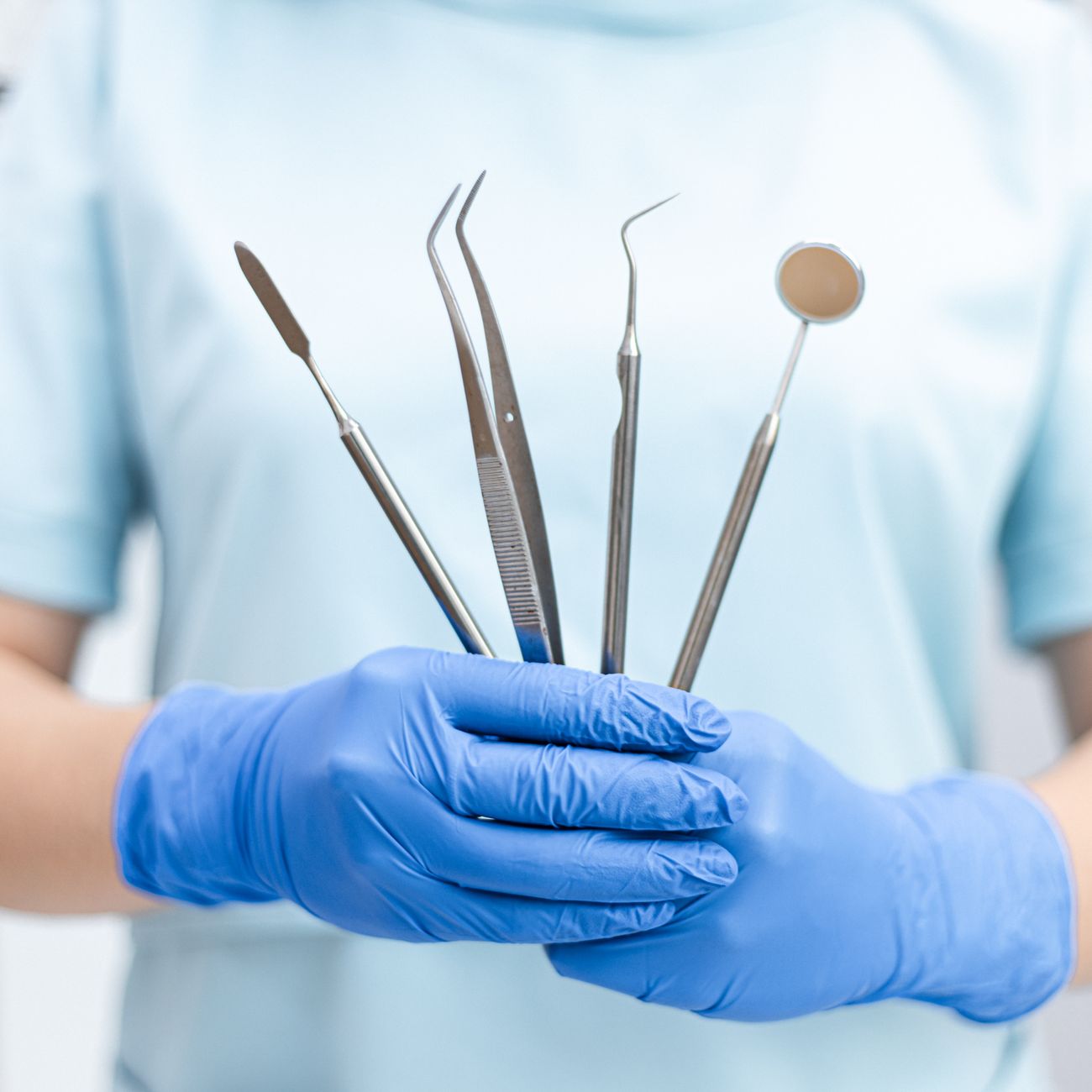
Oral health and nutrition are intimately linked in older adults, and a clear grasp of the terminology used by clinicians, dietitians, and researchers is essential for effective practice. The following glossary presents the most frequently encountered terms in the context of geriatric nutrition in the United Kingdom, together with definitions, examples, practical applications, and common challenges. Each entry is written to be learner‑friendly, using plain language while maintaining the scientific precision required for professional work.
1. Oral Frailty – A multidimensional concept describing the decline in oral function that accompanies overall frailty. It includes reduced chewing efficiency, diminished tongue strength, and decreased saliva production. Example: An 82‑year‑old woman who can no longer chew a piece of steak because of weak jaw muscles is displaying oral frailty. Practical application: Screening for oral frailty can be incorporated into routine frailty assessments such as the electronic frailty index. Early identification allows for targeted interventions like progressive oral muscle training. Challenge: Oral frailty is often under‑recognised because it may be attributed to “normal ageing” rather than a modifiable condition.
2. Dysphagia – Difficulty or discomfort in swallowing, which may affect solids, liquids, or both. Dysphagia can be classified as oropharyngeal or esophageal based on the anatomical location of the problem. Example: An 78‑year‑old man who coughs and chokes when drinking water likely has oropharyngeal dysphagia. Practical application: Use the volume-viscosity swallow test to assess risk of aspiration before prescribing texture‑modified diets. Challenge: Dysphagia may be silent; patients do not always report symptoms, increasing the risk of aspiration pneumonia.
3. Xerostomia – The subjective feeling of dry mouth, often resulting from reduced salivary flow (hyposalivation). It can be caused by medication, systemic disease, or radiation therapy. Example: A resident on multiple antihypertensive drugs reports difficulty swallowing dry crackers. Practical application: Encourage frequent sips of water, sugar‑free lozenges, and the use of saliva substitutes. Challenge: Many medications that cause xerostomia are essential for chronic disease management; balancing benefits and side effects requires careful medication review.
4. Hyposalivation – Objective reduction in salivary output, usually measured in millilitres per minute. It contributes to caries, mucosal irritation, and impaired bolus formation. Example: A salivary flow rate of less than 0.1 ml/min is indicative of hyposalivation. Practical application: Stimulate saliva with gustatory or masticatory stimuli, such as sugar‑free chewing gum. Challenge: Hyposalivation is irreversible in some cases, such as after radiotherapy, necessitating long‑term management strategies.
5. Dental Caries – Decay of tooth structure caused by bacterial metabolism of fermentable carbohydrates, producing acids that demineralise enamel. Example: Root caries are common in the elderly due to gum recession exposing dentine. Practical application: Advise a diet low in sugary snacks and promote fluoride toothpaste use. Challenge: Cognitive impairment may limit the ability to maintain oral hygiene, increasing caries risk.
6. Periodontitis – A chronic inflammatory disease affecting the supporting structures of the teeth, leading to pocket formation, bone loss, and tooth loss. Example: An 85‑year‑old with bleeding gums and mobile teeth likely has advanced periodontitis. Practical application: Provide regular professional cleaning and encourage proper brushing technique. Challenge: Systemic conditions such as diabetes can exacerbate periodontitis, creating a bidirectional relationship with nutrition.
7. Edentulism – Complete loss of natural teeth in one or both arches. It can be partial (partial edentulism) or total (complete edentulism). Example: A patient who wears full dentures after extraction of all teeth is edentulous. Practical application: Assess denture fit and provide guidance on denture hygiene to prevent stomatitis. Challenge: Poorly fitting dentures may lead to reduced food intake, especially of fibre‑rich foods.
8. Denture Stomatitis – Inflammation of the oral mucosa beneath a denture, often associated with Candida overgrowth. Example: A patient reports redness and soreness under her lower denture after meals. Practical application: Advise removal of dentures at night, cleaning with antifungal solutions, and regular dental review. Challenge: Elderly patients may forget to remove dentures, especially those with cognitive decline.
9. Malocclusion – Misalignment of the teeth and jaws that interferes with efficient chewing. Example: An overbite that prevents the proper grinding of food is a form of malocclusion. Practical application: Orthodontic or prosthetic correction may improve masticatory performance, though such interventions are less common in older adults. Challenge: Cost and patient tolerance often limit corrective treatment in this age group.
10. Masticatory Efficiency – The ability to break down food into a swallowable bolus, measured by particle size after chewing a standard test food. Example: Low masticatory efficiency is indicated when a patient produces large food particles after chewing a piece of raw carrot for 30 seconds. Practical application: Recommend softer textures or food preparation techniques (e.g., steaming) to compensate for reduced efficiency. Challenge: Over‑reliance on soft diets can lead to nutrient deficiencies, particularly in fibre and micronutrients.
11. Swallowing Reflex – The involuntary series of muscular actions that protect the airway during swallowing. It is triggered by sensory receptors in the oropharynx. Example: An absent swallowing reflex increases aspiration risk. Practical application: Use thickened liquids to slow the flow and give the reflex time to activate. Challenge: Thickened liquids are often poorly accepted, leading to reduced fluid intake and dehydration.
12. Aspiration – The entry of food, liquid, or saliva into the airway below the vocal cords. It can lead to aspiration pneumonia, a major cause of morbidity in older adults. Example: A patient who repeatedly coughs after meals may be aspirating small amounts of food. Practical application: Conduct a bedside cough test and consider a videofluoroscopic swallow study if aspiration is suspected. Challenge: Subclinical aspiration may go unnoticed until severe infection develops.
13. Nutrient‑Dense Food – Foods that provide a high amount of essential nutrients relative to their energy content. Example: Cooked leafy greens are nutrient‑dense, providing vitamins A, C, K, and folate with few calories. Practical application: Encourage inclusion of nutrient‑dense foods in texture‑modified diets to prevent malnutrition. Challenge: Texture modifications may alter the perceived taste and visual appeal, reducing acceptance.
14. Energy‑Dense Food – Foods that supply a high number of calories per gram, often through fats and sugars. Example: Full‑fat dairy products and desserts are energy‑dense. Practical application: Use energy‑dense foods to meet caloric needs when oral intake is limited, while monitoring for excess weight gain. Challenge: Energy‑dense foods may lack essential micronutrients, necessitating supplementation.
15. Sarcopenia – Age‑related loss of skeletal muscle mass and function, which can be exacerbated by inadequate protein intake and reduced oral intake. Example: An elderly individual with reduced grip strength and muscle wasting is likely experiencing sarcopenia. Practical application: Prescribe high‑protein oral nutrition supplements (ONS) and encourage resistance exercises. Challenge: Dysphagia may limit the amount of protein that can be safely consumed.
16. Protein‑Energy Malnutrition (PEM) – A state of undernutrition characterised by insufficient protein and energy intake, leading to weight loss, muscle wasting, and impaired immunity. Example: A patient with a BMI of 18 kg/m² and low serum albumin is at risk of PEM. Practical application: Conduct a comprehensive nutritional assessment using tools such as the MUST (Malnutrition Universal Screening Tool). Challenge: Oral health problems like pain and xerostomia often go unrecognised as contributors to PEM.
17. Modified Texture Diet (MTD) – Diets that have been altered in texture (e.g., pureed, minced, soft) to accommodate swallowing difficulties while aiming to maintain nutritional adequacy. Example: A pureed fruit puree served with a thickened liquid is an MTD. Practical application: Follow the British Dietetic Association’s Texture Modified Diets: A Practical Guide for standardised terminology. Challenge: Inconsistent implementation across care settings can lead to confusion and errors.
18. Thickened Liquids – Liquids that have been increased in viscosity using commercial thickeners to reduce the speed of flow and minimise aspiration risk. Viscosity levels are commonly described as “nectar,” “honey,” and “pudding.” Example: A honey‑thickened orange juice is used for a patient with moderate dysphagia. Practical application: Train staff to measure and prepare thickened liquids accurately, using calibrated syringes or dispensing devices. Challenge: Patient adherence is low; many find thickened liquids unpalatable and may reduce fluid intake.
19. Oral Hygiene – Practices that maintain the health of the mouth, teeth, and gums, including brushing, flossing, denture cleaning, and tongue cleaning. Example: Twice‑daily brushing with fluoride toothpaste is a basic oral hygiene routine. Practical application: Incorporate oral hygiene into daily care plans, especially for residents with limited self‑care ability. Challenge: Staffing constraints and lack of training can result in inadequate oral care provision.
20. Fluoride – A mineral that strengthens enamel and reduces the risk of dental caries. It is commonly delivered via toothpaste, mouth rinses, or professional applications. Example: 1450 ppm fluoride toothpaste is standard for adults. Practical application: Recommend fluoride‑containing products for patients with high caries risk, and arrange for professional fluoride varnish applications when appropriate. Challenge: Over‑use may lead to fluorosis, though this is rare in the elderly; the main concern is ensuring safe use in patients with swallowing difficulties.
21. Saliva Substitute – Products that mimic the lubricating properties of natural saliva, often containing carboxymethylcellulose or glycerin. Example: A commercially available saliva substitute spray can be used before meals to ease chewing. Practical application: Provide a short trial period to assess tolerance and effectiveness. Challenge: Some patients may find the taste or texture unpleasant, leading to non‑use.
22. Oral Microbiome – The community of microorganisms residing in the oral cavity, which influences both oral and systemic health. Dysbiosis can increase the risk of infection and inflammation. Example: An overgrowth of *Candida* species can cause denture stomatitis. Practical application: Maintain balanced oral flora through regular cleaning, use of antimicrobial mouthwashes, and management of underlying conditions. Challenge: Antibiotic use can disrupt the microbiome, potentially leading to opportunistic infections.
23. Nutrient Supplementation – The provision of additional vitamins, minerals, or macronutrients via oral preparations to correct deficiencies. Example: A vitamin D supplement of 800 IU per day may be prescribed to an older adult with limited sun exposure. Practical application: Assess baseline nutrient status using blood tests before initiating supplementation. Challenge: Interactions with medications (e.g., warfarin and vitamin K) must be carefully monitored.
24. Oral Health Assessment (OHA) – A systematic evaluation of the mouth, including inspection of teeth, gums, mucosa, saliva, and denture status. Standardised tools such as the Oral Health Assessment Tool (OHAT) are used in the UK. Example: An OHAT score of 3 indicates mild oral health problems requiring intervention. Practical application: Conduct OHAT at admission and repeat at regular intervals. Challenge: Time constraints and lack of training may lead to incomplete assessments.
25. Dental Prosthesis – Artificial devices that replace missing teeth, including complete dentures, partial dentures, and implant‑supported prostheses. Example: A patient with a maxillary complete denture and a mandibular partial denture has mixed prosthetic rehabilitation. Practical application: Ensure proper fit, regular relining, and patient education on cleaning. Challenge: Cost and access to dental services can limit prosthetic options for some older adults.
26. Implant‑Supported Overdenture – A denture that is anchored to dental implants, providing greater stability and improved masticatory function compared with conventional dentures. Example: Two‑implant overdentures in the lower arch can significantly enhance chewing efficiency. Practical application: Consider for patients with poor denture retention who are medically fit for minor surgery. Challenge: Surgical risk, cost, and maintenance requirements may restrict use.
27. Oral Pain – Discomfort arising from dental disease, mucosal lesions, or prosthetic irritation, which can reduce food intake and affect nutritional status. Example: Toothache from a cracked molar can cause a patient to avoid solid foods. Practical application: Prompt referral to dental services for pain management and restorative treatment. Challenge: Pain may be under‑reported, especially in individuals with cognitive impairment.
28. Nutrient Bioavailability – The proportion of a nutrient that is absorbed and utilised by the body. Factors such as oral processing, cooking methods, and presence of inhibitors affect bioavailability. Example: Iron from meat is more bioavailable than iron from plant sources, but chewing enhances absorption of both. Practical application: Encourage adequate chewing and combine iron‑rich foods with vitamin C sources to improve uptake. Challenge: Poor oral function can reduce the breakdown of food, lowering bioavailability.
29. Oral Health‑Related Quality of Life (OHRQoL) – A measure of how oral conditions affect daily activities, social interactions, and overall wellbeing. Tools such as the Oral Health Impact Profile (OHIP‑14) are used to quantify OHRQoL. Example: A high OHIP‑14 score may indicate significant impact of oral disease on a patient’s life. Practical application: Use OHRQoL scores to guide prioritisation of dental interventions. Challenge: Subjective nature of the measure may be influenced by cultural and personal factors.
30. Nutritional Screening – The process of quickly identifying individuals at risk of malnutrition using validated tools. In the UK, the MUST is widely employed. Example: A MUST score of 2 denotes high risk of malnutrition and prompts a full dietetic assessment. Practical application: Integrate screening into admission protocols for hospitals and care homes. Challenge: Oral health issues may be missed if the screening tool does not explicitly address them.
31. Dietary Texture Modification (DTM) – The alteration of food consistency to meet specific swallowing requirements, distinct from diet flavouring or portion size changes. Example: Soft, moist foods such as scrambled eggs are part of a DTM for patients with mild dysphagia. Practical application: Follow the British Dietetic Association’s texture categories (e.g., “soft & bite‑size” versus “pureed”). Challenge: Staff may lack training in preparing foods that meet both texture and nutritional standards.
32. Nutrient Density Index (NDI) – A numerical representation of the nutrient quality of a food, calculated by dividing the sum of essential nutrients by the energy content. Example: A high NDI score indicates a food provides many nutrients per calorie, such as fortified cereals. Practical application: Use NDI to select appropriate foods for inclusion in texture‑modified menus. Challenge: Complex calculations may not be feasible in routine practice; simplified tools are needed.
33. Oral Antimicrobial Rinse – A mouthwash containing agents such as chlorhexidine or cetylpyridinium chloride, used to reduce bacterial load. Example: A 0.12 % chlorhexidine rinse prescribed for a patient with periodontitis. Practical application: Instruct patients to swish for 30 seconds and avoid eating or drinking for 30 minutes afterwards. Challenge: Long‑term use can cause staining of teeth and altered taste perception.
34. Nutrient‑Specific Oral Supplement (NSOS) – Targeted oral supplements designed to address particular deficiencies, such as calcium‑vitamin D sachets for bone health. Example: A calcium‑rich chewable tablet for a patient with osteoporosis. Practical application: Choose formulations that are easy to swallow and pleasant in taste to improve adherence. Challenge: Tablet size may be problematic for patients with dysphagia.
35. Nutritional Intervention Pathway (NIP) – A stepwise protocol that guides clinicians from screening to assessment, planning, implementation, and evaluation of nutrition support. Example: A NIP that includes an oral health check before initiating ONS. Practical application: Embed the pathway within electronic health records to ensure consistent follow‑up. Challenge: Interdisciplinary communication gaps can disrupt the pathway’s flow.
36. Oral Care Protocol (OCP) – A detailed set of procedures for maintaining oral hygiene in institutional settings, often including timing, equipment, and staff responsibilities. Example: An OCP that mandates brushing twice daily with a soft‑bristled brush and fluoride toothpaste. Practical application: Provide staff training sessions and competency checklists. Challenge: High staff turnover can lead to inconsistent adherence.
37. Nutrient Timing – The strategic scheduling of nutrient intake to optimise absorption and functional outcomes, such as providing protein‑rich meals after physical therapy sessions. Example: Offering a protein shake within 30 minutes of an exercise class to support muscle synthesis. Practical application: Coordinate with physiotherapy teams to align nutrition delivery with activity schedules. Challenge: Rigid mealtime structures in care homes may limit flexibility.
38. Food Fortification – The addition of vitamins, minerals, or other nutrients to foods to improve nutritional quality without altering taste or texture significantly. Example: Adding iron to breakfast cereals. Practical application: Choose fortified products when natural sources are difficult to incorporate into a texture‑modified diet. Challenge: Excess fortification can lead to nutrient imbalances, especially in patients receiving multiple supplements.
39. Oral Health Literacy – The degree to which individuals understand and can act on oral health information. Low literacy is linked to poorer oral hygiene and delayed treatment seeking. Example: A resident who cannot read medication labels may misuse mouthwash. Practical application: Use simple visual aids and verbal instructions to convey oral care messages. Challenge: Diverse linguistic backgrounds in the UK population require multilingual resources.
40. Nutrient‑Dense Soft Food (NDSF) – Soft‑texture foods that are rich in essential nutrients, designed for older adults with limited chewing ability. Example: A blended vegetable soup enriched with whey protein. Practical application: Develop recipe banks that balance texture, flavor, and nutrient content. Challenge: Maintaining variety to prevent menu fatigue.
41. Oral Health Risk Assessment (OHRA) – A proactive evaluation that identifies factors predisposing individuals to oral disease, such as smoking, poor diet, and medication use. Example: An OHRA that flags a patient on multiple anticholinergic drugs as high risk for xerostomia. Practical application: Incorporate OHRA findings into care plans and medication reviews. Challenge: Time constraints may limit comprehensive risk assessment.
42. Nutrient‑Specific Diet (NSD) – A diet tailored to meet particular nutritional needs, such as a high‑protein, low‑sodium plan for patients with chronic kidney disease. Example: A renal‑friendly NSD that limits potassium while providing adequate protein through soft foods. Practical application: Collaborate with dietitians to design NSDs that also respect texture requirements. Challenge: Balancing disease‑specific restrictions with oral health considerations can be complex.
43. Oral Health Promotion (OHP) – Activities aimed at encouraging preventive behaviours, such as regular dental visits and proper brushing technique. Example: An OHP campaign that distributes toothbrushes and fluoride toothpaste to care home residents. Practical application: Schedule periodic oral health workshops for staff and residents. Challenge: Funding constraints may limit the scope of promotion activities.
44. Nutritional Status – The overall condition of an individual’s nutrient intake and utilisation, often assessed by anthropometry, biochemical markers, and dietary intake analysis. Example: Low serum albumin and unintentional weight loss indicate poor nutritional status. Practical application: Monitor changes over time to detect early signs of decline. Challenge: Acute illness can confound biochemical indicators, requiring careful interpretation.
45. Oral Health Service (OHS) – The provision of dental and oral care services, including preventive, restorative, and prosthetic care, delivered by dental professionals. Example: A community OHS that offers mobile dental clinics to care homes. Practical application: Establish referral pathways between hospitals, GP practices, and OHS to ensure timely access. Challenge: Workforce shortages and geographic disparities affect service availability.
46. Nutrient‑Focused Care Plan (NFCP) – A documented plan that outlines specific nutrient goals, supplementation strategies, and monitoring parameters for an individual. Example: An NFCP that targets 1.2 g protein per kilogram body weight per day for a sarcopenic patient. Practical application: Review the NFCP weekly in multidisciplinary meetings. Challenge: Ensuring adherence to the plan when oral intake fluctuates due to dental pain.
47. Oral Health Screening (OHScr) – A brief, initial check for oral problems, often performed by non‑dental staff using simple tools. Example: Using a visual inspection checklist to identify broken dentures. Practical application: Train care assistants to perform OHScr during routine observations. Challenge: Limited clinical knowledge may lead to missed subtle signs.
48. Nutrient‑Enhanced Meal (NEM) – A meal that has been fortified or supplemented to increase its nutritional value without altering its core composition. Example: Adding a sachet of protein powder to a pureed vegetable dish. Practical application: Document the additional nutrients provided to avoid exceeding recommended intakes. Challenge: Taste alterations may affect acceptability.
49. Oral Health Policy (OHPol) – Official guidelines and regulations that govern the delivery of oral health services within a health system. In the UK, the NHS Long‑Term Plan includes provisions for oral health integration. Example: OHPol that mandates oral health assessments for all patients over 65 upon hospital admission. Practical application: Align local practice protocols with national policy to secure funding and compliance. Challenge: Translating policy into practice requires coordinated effort across multiple agencies.
50. Nutritional Risk Index (NRI) – A calculation that combines serum albumin levels and weight loss to estimate the risk of malnutrition. Example: An NRI below 97.5 % signals moderate to severe nutritional risk. Practical application: Use NRI alongside MUST for a comprehensive risk profile. Challenge: Albumin is an acute‑phase reactant and may be low for reasons unrelated to nutrition.
51. Oral Health Education (OHE) – Structured teaching sessions that provide knowledge and skills related to maintaining oral health. Example: A workshop for caregivers on how to clean dentures correctly. Practical application: Incorporate OHE into staff induction programmes. Challenge: Retention of information may decline without reinforcement.
52. Nutrient‑Specific Oral Gel (NSOG) – A gel formulation that delivers targeted nutrients, such as calcium or vitamin B12, directly to the oral cavity. Example: A calcium‑enriched gel applied to the palate to aid remineralisation. Practical application: Apply NSOG after meals to maximise contact time with oral tissues. Challenge: Gel viscosity must be compatible with the patient’s swallowing ability.
53. Oral Health Care Plan (OHCP) – An individualized plan that outlines required oral health interventions, frequency of care, and responsible personnel. Example: An OHCP that schedules denture relining every six months for a resident. Practical application: Review the OHCP at each multidisciplinary team meeting. Challenge: Documentation burden may deter staff from updating the plan regularly.
54. Nutrient‑Dependent Swallowing (NDS) – The concept that adequate nutrition, particularly protein, supports the strength and coordination of the swallowing musculature. Example: A protein‑deficient diet can exacerbate dysphagia. Practical application: Ensure protein intake meets the recommended 1.2–1.5 g/kg body weight for those with swallowing difficulties. Challenge: Balancing protein needs with texture restrictions and fluid restrictions in heart failure.
55. Oral Health Quality Indicator (OHQI) – A measurable benchmark used to evaluate the effectiveness of oral health services, such as the proportion of residents receiving regular dental examinations. Example: An OHQI target of 80 % dental review within six months of admission. Practical application: Track OHQI data to drive quality improvement initiatives. Challenge: Data collection may be hindered by inconsistent record‑keeping.
56. Nutrient‑Specific Oral Spray (NSOSpr) – A spray delivery system for nutrients, often used for patients with severe dysphagia who cannot tolerate tablets or liquids. Example: A vitamin D spray administered directly onto the oral mucosa. Practical application: Verify dosage accuracy and document administration in the medication chart. Challenge: Spray devices may be costly and require staff training.
57. Oral Health Documentation (OHD) – The systematic recording of oral assessments, interventions, and outcomes in the patient’s health record. Example: Noting the presence of plaque index scores in the electronic chart. Practical application: Use standardized templates to ensure completeness. Challenge: In busy clinical settings, oral documentation may be deprioritised.
58. Nutrient‑Focused Monitoring (NFM) – Ongoing surveillance of specific nutrient parameters, such as serum vitamin B12 levels, to guide supplementation. Example: Monthly checks of serum zinc in patients receiving zinc‑enriched oral gels. Practical application: Set alert thresholds in the laboratory information system. Challenge: Frequent testing may be burdensome for patients and staff.
59. Oral Health Interdisciplinary Team (OHIT) – A collaborative group that includes dentists, dietitians, speech‑language therapists, nurses, and caregivers, working together to address oral‑nutrition issues. Example: An OHIT meeting to discuss a resident with worsening dysphagia and recent tooth loss. Practical application: Schedule regular OHIT meetings to review complex cases. Challenge: Coordinating schedules across professions can be difficult.
60. Nutrient‑Rich Soft Diet (NRSD) – A diet that provides high levels of essential nutrients while maintaining a soft texture, suitable for individuals with compromised chewing ability. Example: Soft‑cooked lentils mixed with mashed sweet potato and a drizzle of olive oil. Practical application: Use NRSD as a baseline menu for patients with moderate oral frailty. Challenge: Ensuring variety to prevent monotony.
61. Oral Health Risk Factor (OHRF) – Any condition or behaviour that increases the likelihood of oral disease, such as smoking, poor diet, or polypharmacy. Example: A patient taking three xerostomia‑inducing medications is at high OHRF. Practical application: Conduct medication reviews to deprescribe or substitute agents where possible. Challenge: Some risk factors are unavoidable, requiring mitigation strategies instead.
62. Nutrient‑Specific Dietary Counseling (NSDC) – Individualised advice focused on meeting particular nutrient goals, often delivered by a dietitian. Example: Counseling a patient on increasing calcium intake through fortified dairy alternatives. Practical application: Provide written handouts summarising key points. Challenge: Cognitive impairment may limit the effectiveness of counseling.
63. Oral Health Surveillance (OHSurv) – Systematic collection and analysis of oral health data across a population to identify trends and inform policy. Example: A regional audit of denture use and associated malnutrition rates. Practical application: Use OHSurv findings to allocate resources for preventive programmes. Challenge: Data quality depends on consistent reporting from multiple sites.
64. Nutrient‑Specific Oral Tablet (NSOT) – A tablet formulated to deliver a single nutrient, such as a vitamin C tablet, designed for easy swallowing. Example: A chewable vitamin C tablet for a patient with mild dysphagia. Practical application: Choose tablets with a smooth coating to reduce choking risk. Challenge: Tablet size may still be problematic for severe dysphagia.
65. Oral Health Intervention (OHI) – Any action taken to improve oral health, ranging from simple brushing assistance to complex prosthetic rehabilitation. Example: Providing a denture relining as an OHI to improve mastication. Practical application: Prioritise interventions that have the greatest impact on nutritional intake. Challenge: Limited funding may restrict the scope of interventions.
66. Nutrient‑Specific Oral Paste (NSOP) – A semi‑solid preparation that delivers nutrients directly to the oral cavity, often used for patients with severe dysphagia. Example: A zinc‑enriched paste applied to the tongue to support wound healing. Practical application: Apply NSOP after each meal to maximise contact time. Challenge: Acceptance may be low due to taste or texture.
67. Oral Health Training (OHT) – Structured education for health‑care staff on oral assessment, hygiene techniques, and recognising oral disease. Example: A one‑day workshop for nursing assistants on denture care. Practical application: Incorporate competency assessments to ensure skill acquisition. Challenge: High staff turnover necessitates repeated training cycles.
68. Nutrient‑Specific Oral Capsule (NSOC) – A capsule containing a concentrated nutrient, such as an omega‑3 fatty acid capsule, intended for oral ingestion. Example: An omega‑3 capsule prescribed to reduce inflammation in a patient with periodontal disease. Practical application: Verify that the capsule can be swallowed safely; consider opening and mixing with soft food if necessary. Challenge: Capsule size may be prohibitive for those with dysphagia.
69. Oral Health Audit (OHAudit) – A systematic review of oral health practices to identify gaps and drive improvement. Example: Auditing the frequency of denture cleaning across a care home. Practical application: Use audit results to develop action plans and set measurable targets. Challenge: Audits require dedicated time and expertise.
70. Nutrient‑Specific Oral Gelatin (NSOGel) – Gelatin‑based products enriched with nutrients, offering a smooth texture suitable for patients with limited chewing ability. Example: A gelatin dessert fortified with vitamin B12. Practical application: Serve as a dessert to increase nutrient intake without adding extra volume. Challenge: Gelatin may not be suitable for vegetarians or those with cultural dietary restrictions.
71. Oral Health Compliance (OHComp) – The degree to which patients and caregivers follow prescribed oral care regimens. Example: A resident who brushes twice daily as instructed demonstrates high OHComp. Practical application: Use reminder charts and positive reinforcement to improve compliance. Challenge: Cognitive decline and lack of motivation can reduce compliance.
72. Nutrient‑Specific Oral Emulsion (NSOE) – A liquid preparation containing finely dispersed nutrients, often used for patients who cannot tolerate solid foods. Example: An omega‑3 fish‑oil emulsion administered via a spoon. Practical application: Ensure the emulsion’s viscosity is appropriate for the patient’s swallowing capacity. Challenge: Emulsions may separate over time, requiring shaking before use.
73. Oral Health Outcome Measures (OHOM) – Quantitative indicators used to evaluate the impact of oral health interventions, such as reduction in plaque scores or improvement in masticatory performance. Example: A 20 % reduction in plaque index after a six‑month OHI program. Practical application: Record OHOMs in the patient’s chart to track progress. Challenge: Selecting appropriate, validated measures can be complex.
74. Nutrient‑Focused Food Fortification (NFFF) – The deliberate addition of specific nutrients to foods to address identified deficiencies, tailored to the needs of older adults. Example: Adding calcium to a pureed vegetable puree to support bone health. Practical application: Work with food service providers to incorporate NFFF into regular menus. Challenge: Over‑fortification may lead to excessive intake of certain nutrients.
75. Oral Health Service Integration (OHSI) – The coordination of dental services with other health‑care sectors to provide seamless care. Example: Linking the hospital discharge team with community dental services for follow‑up. Practical application: Develop shared referral pathways and electronic communication channels. Challenge: Differing IT systems and data protection policies can impede integration.
76. Nutrient‑Specific Oral Powder (NSOPow) – A powdered nutrient supplement that can be mixed with soft foods or liquids, facilitating administration to patients with swallowing difficulties. Example: A vitamin D powder added to a spoonful of yoghurt. Practical application: Verify that the powder dissolves completely to avoid gritty texture. Challenge: Some powders may have strong flavours that affect palatability.
77. Oral Health Advocacy (OHA) – Efforts to promote oral health as a priority within health‑policy agendas, ensuring resources and attention are allocated appropriately. Example: Campaigning for inclusion of dental assessments in the NHS frailty pathway. Practical application: Engage professional bodies and patient organisations to amplify the message. Challenge: Competing health priorities may limit advocacy impact.
78. Nutrient‑Specific Oral Suspension (NSOSus) – A liquid formulation containing nutrients that are suspended rather than fully dissolved, often used when a higher concentration is required. Example: A zinc suspension administered via syringe to a patient with severe oral ulceration. Practical application: Shake well before each dose to ensure even distribution. Challenge: Suspensions may settle quickly, requiring frequent agitation.
79. Oral Health Risk Mitigation (OHRM) – Strategies designed to reduce identified oral health risks, such as modifying medication regimens or improving oral hygiene practices. Example: Switching from a high‑anticholinergic drug to an alternative to reduce xerostomia. Practical application: Document risk mitigation steps in the care plan. Challenge: Alternative medications may have their own side‑effects.
80. Nutrient‑Specific Oral Chew (NSOChe) – A chewable formulation that delivers a particular nutrient, useful for patients who can tolerate chewing but have difficulty swallowing liquids. Example: A calcium chew designed for patients with mild dysphagia. Practical application: Ensure the chew is soft enough to avoid choking hazards. Challenge: Chewable forms may not be appropriate for severe dysphagia.
81. Oral Health Communication (OHComm) – The exchange of information regarding oral health between clinicians, patients, and caregivers, encompassing documentation, verbal instructions, and educational materials. Example: A nurse explaining to a family member how to clean a resident’s dentures. Practical application: Use clear, concise language and confirm understanding with teach‑back methods. Challenge: Language barriers and health‑literacy gaps can impede effective communication.
82. Nutrient‑Specific Oral Gelatinous (NSOGelat) – A gelatin‑based matrix enriched with nutrients, offering a smooth, swallow‑friendly consistency. Example: A gelatinous dessert fortified with iron for a patient with iron‑deficiency anaemia. Practical application: Serve chilled to improve texture and patient acceptance. Challenge: Gelatin may not be suitable for patients with religious dietary restrictions.
83. Oral Health Screening Tool (OHST) – A validated instrument used to quickly identify oral health problems, such as the Oral Health Assessment Tool (OHAT). Example: An OHST score of 2 indicates the need for a dental referral. Practical application: Integrate the tool into routine nursing assessments. Challenge: Staff may require training to use the tool reliably.
84. Nutrient‑
Key takeaways
- The following glossary presents the most frequently encountered terms in the context of geriatric nutrition in the United Kingdom, together with definitions, examples, practical applications, and common challenges.
- Practical application: Screening for oral frailty can be incorporated into routine frailty assessments such as the electronic frailty index.
- Practical application: Use the volume-viscosity swallow test to assess risk of aspiration before prescribing texture‑modified diets.
- Challenge: Many medications that cause xerostomia are essential for chronic disease management; balancing benefits and side effects requires careful medication review.
- Challenge: Hyposalivation is irreversible in some cases, such as after radiotherapy, necessitating long‑term management strategies.
- Dental Caries – Decay of tooth structure caused by bacterial metabolism of fermentable carbohydrates, producing acids that demineralise enamel.
- Periodontitis – A chronic inflammatory disease affecting the supporting structures of the teeth, leading to pocket formation, bone loss, and tooth loss.