
Emerging Trends and Future Directions in Wind Energy Law
Grid parity refers to the point at which the cost of electricity generated from wind equals or is lower than the price of electricity from conventional fossil‑fuel sources. In jurisdictions where grid parity has been achieved, developers ca…
Grid parity refers to the point at which the cost of electricity generated from wind equals or is lower than the price of electricity from conventional fossil‑fuel sources. In jurisdictions where grid parity has been achieved, developers can market wind power without relying on subsidies, making the financing of projects more straightforward. For example, in Texas the levelized cost of electricity from on‑shore wind fell below the average market price in 2021, prompting utilities to sign long‑term contracts at market rates. The challenge for regulators is to ensure that market mechanisms continue to reflect the true value of wind, including ancillary services, while avoiding price distortions that could undermine future investments.
Capacity factor is a performance metric that measures the actual output of a wind turbine over a period of time as a proportion of its maximum possible output. A turbine with a 40 % capacity factor in a region with strong, consistent winds is considered highly productive, whereas the same turbine in a low‑wind area may only achieve 20 % capacity factor. Understanding capacity factor is essential for drafting power purchase agreements (PPAs) because it influences revenue projections and risk allocation. Practically, developers use historical wind resource data to forecast capacity factor, but uncertainties in climate patterns can pose challenges for accurate long‑term forecasting.
Power purchase agreement (PPA) is a contractual instrument in which a buyer—typically a utility, corporation, or government agency—commits to purchase electricity from a wind project at a predetermined price for a set period, often 10 to 20 years. PPAs provide revenue certainty that enables developers to secure financing. In emerging markets, PPAs are increasingly structured with “price escalation” clauses to account for inflation and currency risk. A challenge arises when the regulatory environment changes, such as the introduction of a new renewable portfolio standard, which may affect the buyer’s ability to meet contractual obligations without renegotiation.
Feed‑in tariff (FiT) is a policy tool that guarantees a fixed price per kilowatt‑hour for wind electricity fed into the grid, usually for a defined period. FiTs have been instrumental in jump‑starting wind markets in Europe and Asia by providing predictable cash flows. For example, Germany’s early‑stage FiT of €0.12/KWh spurred rapid deployment of on‑shore wind. However, critics argue that FiTs can lead to over‑compensation if set too high, creating fiscal burdens for governments. Modern reforms often replace static FiTs with competitive auctions, shifting the focus to market‑based pricing while retaining the certainty of long‑term contracts.
Renewable portfolio standard (RPS) is a statutory requirement that obligates electricity suppliers to source a specific percentage of their power from renewable resources, including wind. In the United States, many states have RPS targets ranging from 10 % to 30 % by 2030. The RPS creates a demand pull for wind energy, encouraging project development and facilitating the issuance of renewable energy certificates (RECs). A practical challenge is ensuring that RPS compliance mechanisms are transparent and that REC markets are not subject to double counting, which could undermine the integrity of the standard.
Net metering allows small‑scale wind generators—such as those owned by farms or community cooperatives—to feed excess electricity into the grid and receive credit against their consumption. While net metering promotes distributed wind, utilities often raise concerns about cost shifting, arguing that the credits do not fully cover the grid services provided. Regulators must balance the encouragement of distributed generation with the equitable allocation of network costs, sometimes by introducing “net‑export tariffs” that reflect the true value of the electricity exported.
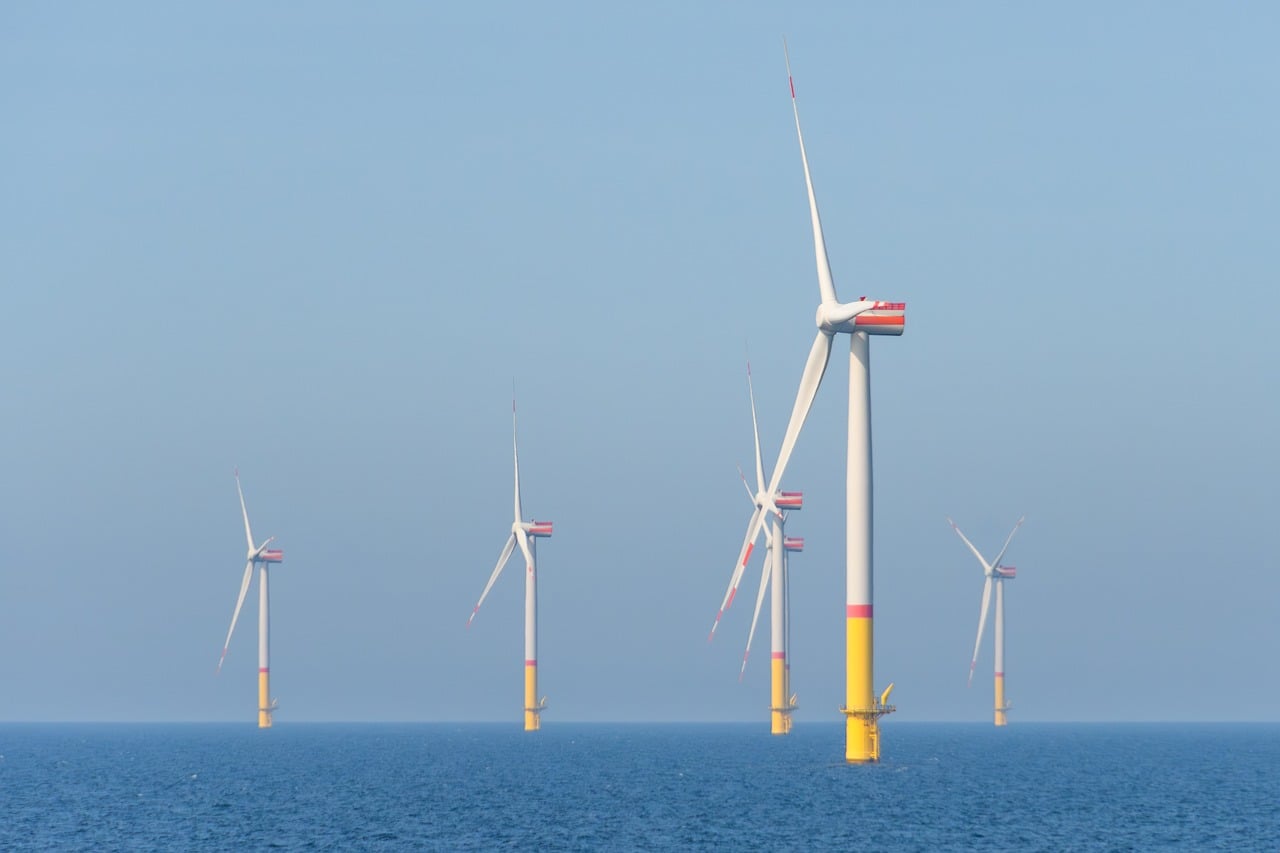
Offshore wind refers to wind turbines installed in marine environments, typically on the continental shelf within 30 km of shore. Offshore projects benefit from higher wind speeds and lower turbulence, resulting in higher capacity factors—often above 50 %. The United Kingdom’s Hornsea One, with a capacity of 1.2 GW, exemplifies the scale and economic viability of offshore wind. Legal challenges for offshore wind include complex maritime jurisdiction issues, coordination with fisheries, and the need for specialized environmental impact assessments that address marine ecosystems.
Floating turbine technology enables wind turbines to be anchored in deep water where traditional fixed‑bottom foundations are not feasible. The turbines are mounted on buoyant platforms that are moored to the seabed with tension‑leg or catenary systems. Projects such as the Hywind Scotland pilot have demonstrated the technical feasibility of floating wind, with a capacity factor comparable to fixed offshore installations. Emerging regulatory frameworks must address new licensing regimes for floating structures, including considerations for navigation safety and seabed disturbance.
Repowering is the process of replacing aging wind turbines with newer, higher‑capacity models on the same site. Repowering can significantly increase energy output while extending the operational life of a wind farm. For instance, a 50‑MW on‑shore farm repowered with 3‑MW turbines may double its capacity. Legal considerations involve revisiting land use permits, environmental approvals, and community agreements, as the increased turbine size may affect visual impact and noise levels. Developers must negotiate amendments to existing contracts and ensure compliance with updated environmental standards.
Decommissioning outlines the obligations of wind project owners to dismantle turbines and restore the site at the end of the operational life. Decommissioning clauses are now standard in project financing documents, requiring the establishment of a decommissioning fund. The challenge lies in accurately estimating future costs, especially for offshore projects where removal is technically complex and costly. Some jurisdictions are introducing “mandatory decommissioning bonds” to protect the public from abandoned infrastructure.
Environmental impact assessment (EIA) is a systematic process that evaluates the potential environmental effects of a wind project before construction. The EIA must consider avian and bat mortality, habitat disturbance, noise, and visual impacts. In the United States, the National Environmental Policy Act (NEPA) requires federal agencies to prepare an EIA for projects requiring federal permits. Practical application involves conducting baseline studies, modeling turbine‑bird interactions, and proposing mitigation measures such as turbine curtailment during migration periods. A frequent challenge is reconciling conflicting stakeholder priorities, especially when conservation groups oppose projects that have strong community support.
Marine spatial planning (MSP) is a policy framework that allocates marine space among competing uses—such as shipping, fishing, and renewable energy—to minimize conflicts. Effective MSP can streamline offshore wind permitting by identifying zones with low ecological sensitivity and minimal commercial activity. For example, the Dutch government’s “energy islands” concept integrates MSP to locate floating wind hubs near existing offshore infrastructure. Legal challenges include coordinating multiple agencies and ensuring that MSP processes are transparent and inclusive of all maritime stakeholders.
Stakeholder engagement is a procedural requirement that ensures affected parties—local communities, indigenous groups, NGOs, and industry—are consulted throughout the wind project lifecycle. Engagement can take the form of public hearings, workshops, and written comments. A well‑structured engagement plan can mitigate opposition, secure community benefit agreements, and enhance project legitimacy. However, the process can be time‑consuming, and regulators must balance thorough consultation with project timelines to avoid undue delays.
Just transition refers to policies that aim to protect workers and communities from the socioeconomic impacts of shifting from fossil‑fuel‑based economies to renewable energy, including wind. Mechanisms such as retraining programs, transition funds, and local hiring mandates are increasingly incorporated into wind project approvals. For instance, the German “Energiewende” includes a Just Transition Fund that supports coal‑dependent regions. Legal practitioners must navigate the interplay between environmental objectives and social equity considerations, ensuring that contracts incorporate clauses for community investment and workforce development.
Carbon accounting is the methodology used to quantify greenhouse‑gas emissions avoided by wind projects, often expressed in metric tonnes of CO₂ equivalent. Accurate carbon accounting is essential for claims related to corporate sustainability targets and for accessing carbon markets. The Greenhouse Gas Protocol provides standards for measuring avoided emissions. A practical application is the issuance of “verified emission reductions” that can be sold as carbon credits. Challenges arise from differing methodologies, baseline assumptions, and the need for third‑party verification to prevent double counting.
Green bonds are debt instruments issued to finance projects with environmental benefits, including wind farms. Investors in green bonds expect that proceeds are allocated to eligible projects, and issuers must report on environmental performance. The International Capital Market Association’s Green Bond Principles provide a framework for transparency. For wind developers, green bonds can lower the cost of capital, but they require robust monitoring and reporting systems to satisfy investors’ ESG (environmental, social, governance) criteria.
Investment tax credit (ITC) and production tax credit (PTC) are fiscal incentives that reduce the tax burden for wind project developers. The ITC provides a percentage reduction of the upfront capital cost, while the PTC offers a per‑kilowatt‑hour payment for electricity generated during the first ten years of operation. In the United States, the PTC has historically been the main driver for wind development, though recent policy shifts have increased the prominence of the ITC. Legal counsel must ensure compliance with eligibility criteria, such as minimum capacity thresholds and construction timelines, to secure these credits.
Risk allocation is a fundamental principle in wind project contracts that determines which party bears specific risks, such as construction delays, force‑majeure events, or regulatory changes. Typical risk allocation mechanisms include performance guarantees, liquidated damages clauses, and indemnity provisions. A well‑drafted risk allocation schedule can improve financing terms by providing lenders with clarity on who will bear cost overruns. However, overly aggressive risk shifting can lead to disputes, especially when unforeseen events—such as extreme weather linked to climate change—materialize.
Force majeure clauses enumerate events beyond the control of the parties that may excuse performance, such as natural disasters, war, or pandemic conditions. Recent experiences with COVID‑19 have prompted a reevaluation of force‑majeure language, with many contracts now specifying “pandemic” as an explicit trigger. The challenge for regulators is to ensure that force‑majeure provisions are not abused to avoid legitimate obligations, while still providing genuine protection against catastrophic events that could jeopardize project viability.
Indemnity provisions require one party to compensate the other for losses arising from specified liabilities, such as third‑party claims related to turbine failure or environmental damage. In wind energy contracts, indemnities are often paired with insurance requirements, ensuring that the indemnifying party holds sufficient coverage. Practically, developers must negotiate indemnity caps and carve‑out exceptions to avoid unlimited exposure. Legal disputes frequently arise over the scope of indemnified activities, especially when the cause of loss is ambiguous.
Insurance for wind projects typically includes construction‑all‑risk (CAR) policies, turbine‑all‑risk (TAR) policies, and business‑interruption coverage. Insurance is a prerequisite for most project finance packages, as lenders rely on it to mitigate the risk of loss. Emerging trends include the use of parametric insurance, where payouts are triggered by predefined events—such as wind speeds exceeding a certain threshold—rather than actual loss assessment. The challenge lies in aligning insurance terms with contractual risk allocation to avoid gaps that could expose the project to uninsurable losses.
Supply chain risk encompasses disruptions to the procurement of turbine components, foundations, and electrical equipment. The COVID‑19 pandemic highlighted the vulnerability of global supply chains, prompting developers to diversify sources and incorporate “supply‑chain resilience” clauses into contracts. Practical mitigation strategies include dual‑sourcing critical components, establishing inventory buffers, and negotiating “force‑majeure” carve‑outs for supply disruptions. Regulators may also require transparency reporting on supply‑chain practices to ensure compliance with sustainability standards.
Local content requirements are policy measures that obligate a portion of project inputs—such as labor, materials, or services—to be sourced domestically. Countries aiming to develop domestic wind manufacturing capabilities often embed local content provisions in licensing conditions. For example, Brazil’s wind auction framework includes a 30 % local content target for turbine components. While such requirements can stimulate local economies, they may increase project costs if domestic suppliers lack the economies of scale of established global manufacturers. Legal counsel must balance compliance with cost‑effectiveness, often negotiating waivers or phased implementation schedules.
Community benefit agreements (CBAs) are negotiated contracts between wind developers and local communities that outline specific benefits—such as revenue sharing, job training, or infrastructure upgrades—in exchange for community support. CBAs can be instrumental in securing site access and expediting permitting. A practical example is a CBA that allocates a percentage of tax revenues to a community trust fund for schools and health services. Challenges include ensuring that benefits are delivered transparently and that the agreement remains enforceable over the multi‑decade lifespan of a wind project.
Smart contracts are self‑executing agreements coded on blockchain platforms that automatically enforce contractual terms when predefined conditions are met. In wind energy, smart contracts can automate PPA settlements, trigger payments based on real‑time generation data, and manage renewable energy certificate (REC) transfers. For instance, a smart contract could release a payment to the turbine owner when the metered output exceeds a threshold, reducing the need for manual invoicing. Legal challenges revolve around jurisdiction, enforceability, and the need for standardized data feeds (oracles) that are reliable and tamper‑proof.
Blockchain technology provides a decentralized ledger that can record transactions related to wind project financing, REC tracking, and carbon credit issuance. By creating an immutable record, blockchain can reduce fraud and improve transparency in renewable energy markets. Practical applications include platforms that tokenize wind assets, allowing fractional ownership and broader investor participation. However, regulatory frameworks for digital assets are still evolving, and issues such as data privacy, cybersecurity, and cross‑border legal recognition must be addressed.
Digital twin is a virtual replica of a wind turbine or entire wind farm that integrates real‑time sensor data to simulate performance, predict maintenance needs, and optimize operations. Digital twins enable operators to conduct “what‑if” analyses, such as assessing the impact of a blade pitch adjustment on power output. From a legal perspective, the data generated by digital twins may be subject to data‑ownership provisions in service contracts, and regulators may require that performance data be shared with grid operators for reliability planning. Challenges include ensuring data accuracy, managing cybersecurity risks, and defining liability when predictive models fail.
AI‑driven forecasting leverages machine learning algorithms to improve the accuracy of wind power generation forecasts, which are critical for grid integration and market participation. Accurate forecasts reduce the need for balancing services and can lower market penalties for deviations. For example, an AI model that incorporates satellite imagery and weather model outputs can predict hourly generation with a mean absolute error of less than 5 %. Legal implications involve the validation of forecasting models, the allocation of forecasting risk in PPAs, and potential disputes if forecast errors lead to financial losses.
Regulatory sandbox is a controlled environment that allows innovators to test new technologies—such as floating turbine designs or novel financing mechanisms—under relaxed regulatory conditions while maintaining consumer protection standards. Sandboxes can accelerate the deployment of cutting‑edge wind solutions by providing temporary exemptions from certain licensing requirements. A practical case is the UK’s Energy Innovation Hub, which granted temporary waivers for experimental offshore wind prototypes. The challenge lies in defining the scope and duration of sandbox activities, ensuring that results are adequately monitored, and transitioning successful pilots into full regulatory compliance.
Policy harmonization addresses the need for consistent wind energy regulations across jurisdictions, especially in regions with interconnected grids such as the European Union. Divergent permitting timelines, grid connection standards, and subsidy regimes can create market fragmentation. Harmonization efforts, like the EU’s “Renewable Energy Directive,” aim to align national policies, facilitating cross‑border investment and grid integration. Legal practitioners must navigate both supranational directives and domestic statutes, often reconciling conflicting provisions through careful contract drafting and stakeholder coordination.
Energy storage integration involves coupling wind farms with battery systems, pumped hydro, or emerging technologies like hydrogen electrolysis to smooth intermittency and provide ancillary services. Storage can enable wind projects to offer firm capacity, enhancing their competitiveness in capacity markets. For example, a 200‑MW wind farm paired with a 100‑MWh battery can deliver dispatchable power during peak demand. Regulatory challenges include defining the status of storage—whether as generation, transmission, or a separate asset—and establishing market rules that appropriately value storage services.
Grid integration encompasses the technical and regulatory processes required to connect wind turbines to the transmission or distribution network while maintaining reliability and power quality. Grid codes specify requirements for voltage control, frequency response, and fault ride‑through capabilities. Compliance is demonstrated through grid connection studies, which model the impact of the wind farm on system stability. Practical issues arise when existing grid infrastructure is insufficient, necessitating upgrades that may be cost‑shared between the developer and the utility. Legal frameworks must clearly allocate responsibility for such upgrades and define cost‑recovery mechanisms.
Hybrid projects combine wind with other renewable sources—such as solar photovoltaics—or with conventional generation to create diversified energy portfolios. Hybridization can improve overall capacity factor and reduce reliance on storage. For instance, a combined wind‑solar farm can balance generation peaks, with solar output complementing wind during periods of low wind speed. Contractually, hybrid projects often require multi‑technology PPAs, and regulators must adapt permitting processes to accommodate the combined footprint and environmental considerations of the different technologies.
Climate resilience refers to the ability of wind infrastructure to withstand the impacts of climate change, including more frequent extreme weather events, sea‑level rise, and shifting wind patterns. Design standards are evolving to incorporate higher wind speed thresholds, corrosion‑resistant materials for offshore turbines, and adaptive foundation engineering. Legal implications include the need to update building codes, enforce rigorous site‑specific risk assessments, and incorporate resilience clauses into financing documents. A challenge is quantifying the additional costs of climate‑proofing and ensuring that they do not render projects financially unviable.
Just transition mechanisms are increasingly embedded in wind project approval processes to address social equity concerns. These mechanisms may involve the creation of transition funds, mandated local hiring percentages, and the provision of training programs for workers displaced from fossil‑fuel sectors. For example, a wind project in a former coal‑mining region may be required to allocate a portion of its revenue to a community development bank that finances local small‑business initiatives. Legal counsel must ensure that such obligations are enforceable, measurable, and aligned with broader policy objectives.
Marine renewable energy extends beyond wind to include technologies such as tidal and wave power, which may be co‑located with offshore wind farms. Co‑location can optimize the use of marine infrastructure, such as subsea cables and export platforms. However, regulatory regimes for marine renewable energy are still nascent, and permitting processes may involve multiple agencies with overlapping jurisdictions. Practically, developers need to conduct joint environmental assessments that evaluate cumulative impacts on marine habitats, navigation, and fisheries.
Carbon capture and utilization (CCU) is an emerging concept that explores the integration of wind power with carbon‑capture facilities to produce low‑carbon fuels or chemicals. While still early in development, CCU projects could create new revenue streams for wind operators by providing renewable electricity for electrolysis‑based CO₂ conversion processes. Legal frameworks must address the allocation of emissions credits, the classification of CCU outputs under existing energy regulations, and the establishment of liability for captured carbon storage.
Digital platform regulation pertains to the oversight of online marketplaces that facilitate wind project financing, PPA trading, and REC transactions. These platforms often operate across borders, raising issues of jurisdiction, consumer protection, and data privacy. Regulators are beginning to draft guidelines that require transparency on fees, verification standards for renewable attributes, and anti‑money‑laundering controls. For participants, compliance with digital platform regulations may involve additional reporting obligations and the adoption of standardized data exchange protocols.
Renewable energy certificate (REC) trading systems enable the commercial exchange of environmental attributes associated with wind generation. In many jurisdictions, RECs are used to demonstrate compliance with RPS mandates. The legal architecture of REC markets includes registration, tracking, and retirement mechanisms that prevent double counting. Practical challenges include ensuring the integrity of the registry, establishing clear ownership rights, and aligning national REC standards with emerging international frameworks such as the International Renewable Energy Certificate Standard (I‑REC).
Climate‑linked financing involves loan terms that adjust interest rates or repayment schedules based on the wind project's performance relative to climate objectives. For example, a loan may feature a reduced interest rate if the project achieves a higher than expected capacity factor, thereby incentivizing operational efficiency. Climate‑linked financing can also incorporate “green covenant” clauses that require the borrower to meet specific sustainability metrics. Legal drafting must address measurement methodologies, verification processes, and remedies for non‑performance to avoid disputes.
Data sovereignty is the principle that data generated by wind turbines—such as operational metrics, performance analytics, and predictive maintenance information—must be stored and processed in accordance with the host country’s laws. This concept has gained prominence as wind operators increasingly rely on cloud‑based analytics platforms. Jurisdictions may require that data related to critical infrastructure remain within national borders, influencing contract terms with service providers and shaping the architecture of digital twins. Compliance can increase costs and limit the choice of technology partners, requiring careful negotiation.
Carbon offset markets provide a mechanism for entities to purchase verified emission reductions generated by wind projects to meet voluntary or compliance‑based climate goals. Wind projects can register their avoided emissions with offset registries, creating tradable credits. Legal considerations include ensuring that offset credits are additional, permanent, and verifiable, as well as navigating the evolving regulatory landscape that distinguishes between compliance markets (e.G., EU ETS) and voluntary markets. A challenge is the risk of “double counting,” where the same emission reduction is claimed by multiple parties.
Energy community concepts empower groups of consumers, prosumers, and local authorities to collectively own, manage, and benefit from renewable energy assets, including wind farms. Legal frameworks for energy communities often provide preferential access to grid connection, simplified permitting, and tax incentives. For example, the European Union’s “Clean Energy Package” introduces provisions that support energy communities to enhance citizen participation. Practical challenges involve coordinating governance structures, ensuring equitable profit distribution, and aligning community objectives with commercial viability.
Cross‑border transmission is critical for integrating wind energy from regions with abundant resources into demand centers across national boundaries. International transmission projects require bilateral agreements that address cost sharing, regulatory harmonization, and dispute resolution mechanisms. The development of high‑voltage direct current (HVDC) links, such as those connecting the North Sea wind farms to continental Europe, exemplifies the technical and legal complexities involved. Legal practitioners must negotiate intergovernmental treaties, secure financing, and align the project with both parties’ energy policies.
Dynamic pricing mechanisms allow electricity prices to fluctuate in real time based on supply and demand conditions. Wind generators that can respond to dynamic pricing signals—by adjusting output or offering ancillary services—can capture higher revenues. However, participation in dynamic markets requires advanced forecasting and control capabilities, as well as compliance with market rules that may impose penalties for deviations. Contracts must clearly define the rights and obligations related to price volatility, and risk‑mitigation tools such as hedging instruments may be employed.
Renewable integration studies are technical analyses that assess the impact of adding wind capacity to an existing grid, focusing on reliability, stability, and the need for system upgrades. These studies are often a prerequisite for obtaining grid connection approval and are used by regulators to determine whether additional transmission infrastructure is required. They may also evaluate the benefits of complementary technologies, such as demand‑side response or storage, in mitigating integration challenges. Accurate studies are essential for informing investment decisions and avoiding costly post‑connection remedial actions.
Energy justice is an emerging legal and policy framework that emphasizes equitable distribution of both the benefits and burdens of energy projects. In wind energy, this translates to ensuring that marginalized communities are not disproportionately affected by environmental impacts while also receiving fair access to economic opportunities. Legal tools include environmental justice screening maps, community benefit agreements, and inclusive permitting processes that incorporate indigenous rights. Practitioners must balance the need for rapid deployment of renewable capacity with the obligation to respect social equity considerations.
Supply‑chain due diligence requires developers to assess and mitigate risks associated with the procurement of wind turbine components, including human rights violations, conflict minerals, and environmental degradation. International standards such as the OECD Due Diligence Guidance provide a framework for evaluating supplier practices. Incorporating due‑diligence clauses into procurement contracts can compel suppliers to adhere to ethical standards, but enforcement may be challenging across multiple jurisdictions. Failure to conduct adequate due‑diligence can result in reputational damage and legal liability for project sponsors.
Regulatory impact assessment (RIA) is a systematic process that evaluates the potential effects of proposed regulatory changes on the wind sector, including economic, social, and environmental dimensions. RIAs are increasingly required before enacting new permitting rules, subsidy reforms, or grid code updates. They help policymakers anticipate unintended consequences, such as increased project costs or reduced investment attractiveness. For stakeholders, participating in the RIA process provides an opportunity to submit comments, data, and case studies that can shape the final regulatory outcome.
Technology neutral procurement is a policy approach that allows public entities to source renewable energy without specifying the technology—wind, solar, or others—thereby promoting competition and cost efficiency. This approach can accelerate the adoption of wind by enabling utilities to select the most economical mix of resources. However, technology‑neutral contracts must be carefully drafted to ensure that performance metrics, such as capacity factor guarantees, are comparable across different generation types. Legal challenges include aligning the procurement process with existing subsidies that may be technology‑specific.
Carbon pricing mechanisms—including carbon taxes and cap‑and‑trade systems—affect the economic competitiveness of wind projects by internalizing the cost of greenhouse‑gas emissions. In jurisdictions with a carbon price, wind becomes more attractive relative to fossil fuels, potentially leading to higher auction clearing prices for wind capacity. Legal practitioners must monitor carbon market regulations to advise clients on the impact of price fluctuations on revenue models and to structure contracts that incorporate carbon price risk mitigation strategies.
Renewable energy zones are designated geographic areas identified by governments as having high potential for wind development, often accompanied by streamlined permitting procedures and infrastructure planning. The creation of renewable energy zones can reduce project timelines by consolidating environmental assessments, land acquisition processes, and grid connection planning. For developers, locating a project within a renewable energy zone can provide certainty and access to pre‑approved transmission routes. Legal considerations include ensuring that the designation process complies with land‑use laws and respects the rights of indigenous peoples and local communities.
Energy storage as a service (ESaaS) is a business model in which a third‑party provider installs, operates, and maintains battery systems on behalf of wind project owners, offering storage capacity on a subscription basis. ESaaS can enhance the firming capability of wind farms without requiring the owner to invest in capital‑intensive storage assets. Contracts must delineate performance standards, revenue sharing arrangements, and liability for storage failures. Regulatory frameworks are evolving to accommodate ESaaS, particularly regarding the classification of storage assets and the applicability of ancillary service markets.
Hybrid financing structures combine multiple sources of capital—equity, debt, grants, and green bonds—to fund wind projects, often leveraging public‑private partnerships. For example, a project may secure senior debt from a bank, mezzanine financing from a private equity fund, and a grant from a climate‑focused development agency. Hybrid structures can reduce the overall cost of capital and align financing with environmental objectives. However, they introduce complexity in the allocation of cash flows, covenant hierarchies, and compliance monitoring, requiring sophisticated legal documentation.
Smart grid interoperability refers to the ability of wind turbines and associated control systems to communicate seamlessly with grid operators, demand‑response platforms, and energy‑management systems. Standardized communication protocols—such as IEC 61850—facilitate real‑time data exchange, enabling advanced functionalities like frequency regulation and voltage support. Legal agreements must specify technical standards, data sharing obligations, and cybersecurity responsibilities. As smart grids evolve, regulators may mandate interoperability requirements that impact the design and operation of new wind installations.
Renewable energy certificates (RECs) and guarantees of origin (GOs) are instruments that certify the environmental attributes of wind-generated electricity. While RECs are commonly used in North America, GOs are prevalent in Europe. Both serve as proof that a certain amount of renewable energy has been produced, allowing purchasers to claim sustainability benefits. Legal challenges include ensuring that certificates are not double‑counted and that they conform to national tracking systems. Effective management of RECs/GOs can provide an additional revenue stream for wind developers.
Decarbonization pathways are strategic plans that outline how a jurisdiction will achieve net‑zero emissions, often incorporating wind energy as a core component. These pathways influence policy instruments such as renewable targets, subsidy structures, and grid modernization initiatives. Legal professionals must interpret decarbonization policies to advise clients on compliance timelines, eligibility for incentives, and exposure to regulatory risk. The dynamic nature of these pathways means that contractual provisions—particularly those related to force‑majeure and amendment rights—must be flexible enough to accommodate policy shifts.
Energy market redesign is underway in many regions to accommodate high levels of variable renewable generation, including wind. Reforms may introduce capacity remuneration mechanisms, ancillary service markets, and flexibility products that reward wind operators for providing grid services. Legal implications include the need to negotiate new market participation agreements, adapt existing PPAs to incorporate ancillary service compensation, and ensure that tariff structures reflect the value of flexibility. Stakeholders must stay abreast of regulatory changes to capture emerging revenue opportunities.
Carbon border adjustment mechanisms, which impose fees on imports based on their carbon intensity, can affect the competitiveness of wind equipment manufactured abroad. If a wind turbine’s supply chain is deemed carbon‑intensive, importers may face additional costs when entering markets with a carbon border tax. Legal counsel must assess the carbon footprints of supply chains, advise on potential mitigation strategies—such as sourcing low‑carbon components—and consider the impact on overall project economics.
Resilience clauses in wind project contracts address the need to adapt to climate‑induced changes, such as sea‑level rise for offshore installations. These clauses may require developers to undertake periodic reassessments of structural integrity and to implement adaptive measures if risk thresholds are exceeded. Incorporating resilience clauses can protect investors from future liability but may increase upfront costs. Effective drafting balances the allocation of adaptation responsibilities between owners, EPC contractors, and insurers.
Renewable energy tax equity is a financing technique that leverages tax credits by partnering with investors who have sufficient tax liability to benefit from the credits, often called “tax equity investors.” In the United States, tax equity investors typically receive a majority ownership stake in return for the tax benefits, while the developer retains an operating interest. The structuring of tax equity deals requires careful compliance with IRS regulations, including the “base‑case” test and the “qualified energy property” definition. Legal practitioners must navigate complex partnership arrangements, manage tax‑benefit allocation, and ensure that the transaction satisfies both tax and financing requirements.
Supply‑chain traceability tools, such as blockchain‑based registries, enable wind developers to document the provenance of turbine components, from raw material extraction to final assembly. Traceability enhances transparency, supports compliance with environmental standards, and can be used to demonstrate adherence to responsible sourcing commitments. However, implementing traceability systems entails significant data collection efforts, coordination with multiple suppliers, and the need for standardized reporting formats. Legal agreements may include audit rights and penalties for non‑compliance with traceability obligations.
Carbon‑negative projects explore the integration of wind power with technologies that actively remove CO₂ from the atmosphere, such as direct air capture (DAC). By supplying low‑cost renewable electricity to DAC facilities, wind farms can become net carbon reducers. Legal frameworks for carbon‑negative projects must address the classification of the resulting carbon removal credits, ensure that they meet verification standards, and define the ownership of captured carbon. Emerging regulatory guidance on carbon removal markets will shape the contractual architecture of these pioneering initiatives.
Energy justice litigation has become a tool for communities to challenge wind projects that they perceive as environmentally or socially harmful. Cases may allege violations of procedural rights, such as inadequate consultation, or substantive rights, like the protection of cultural heritage sites. Legal practitioners must anticipate potential litigation risks by conducting thorough impact assessments, documenting stakeholder engagement, and incorporating dispute‑resolution mechanisms—such as mediation clauses—into project agreements.
Renewable energy procurement mandates obligate public entities—such as schools, hospitals, and municipalities—to source a portion of their electricity from renewable sources, often specifying wind as a preferred technology due to its scalability. These mandates create a stable demand for wind power and can be fulfilled through PPAs, virtual net metering, or community‑owned wind projects. Contractual arrangements must align with procurement regulations, including competitive bidding requirements and reporting obligations.
Cross‑sectoral collaboration involves partnerships between wind developers, agricultural producers, and other land users to optimize land utilization. For instance, agrivoltaics combines wind turbines with livestock grazing, allowing farms to benefit from both energy production and enhanced land productivity. Legal agreements governing such collaborations must delineate rights to land use, revenue sharing, and responsibilities for maintenance and safety. Regulatory considerations include zoning approvals and compliance with agricultural standards.
Wind‑hydrogen integration leverages surplus wind generation to produce green hydrogen via electrolysis, creating a low‑carbon fuel for transport, industry, and energy storage. The integration of wind and hydrogen projects can be structured through joint ventures, offtake agreements, or bundled financing packages. Legal challenges include aligning the regulatory regimes for electricity and hydrogen, securing permits for hydrogen storage facilities, and navigating emerging standards for hydrogen quality and safety.
Data analytics governance addresses the policies and procedures governing the collection, analysis, and sharing of operational data from wind farms. Good governance ensures data integrity, protects confidential information, and complies with privacy regulations. Contracts with service providers may include data‑ownership clauses, confidentiality obligations, and audit rights. As data becomes a valuable asset for performance optimization and market participation, robust governance frameworks are essential to mitigate legal and commercial risks.
Renewable energy forecasting markets are emerging platforms where entities can buy and sell forecasts of wind generation, similar to weather derivatives. By trading forecasts, wind operators can hedge against forecast uncertainty and stabilize revenue streams. Legal structures for forecasting markets involve the creation of standard contracts, dispute‑resolution mechanisms for forecast errors, and regulatory oversight to prevent market manipulation. Participants must understand the underlying statistical models and the legal implications of forecast‑based settlements.
Strategic environmental assessment (SEA) is a higher‑level evaluation that considers the cumulative environmental effects of multiple wind projects within a regional development plan. SEAs guide policymakers in allocating resources, identifying optimal zones for wind development, and mitigating large‑scale impacts on ecosystems. Legal practitioners may be called upon to prepare SEA reports, advise on compliance with national legislation, and address challenges related to inter‑project coordination and stakeholder engagement.
Renewable energy clustering involves concentrating multiple wind farms in a geographic area to share infrastructure such as transmission lines, substations, and maintenance facilities.
Key takeaways
- The challenge for regulators is to ensure that market mechanisms continue to reflect the true value of wind, including ancillary services, while avoiding price distortions that could undermine future investments.
- A turbine with a 40 % capacity factor in a region with strong, consistent winds is considered highly productive, whereas the same turbine in a low‑wind area may only achieve 20 % capacity factor.
- A challenge arises when the regulatory environment changes, such as the introduction of a new renewable portfolio standard, which may affect the buyer’s ability to meet contractual obligations without renegotiation.
- Modern reforms often replace static FiTs with competitive auctions, shifting the focus to market‑based pricing while retaining the certainty of long‑term contracts.
- Renewable portfolio standard (RPS) is a statutory requirement that obligates electricity suppliers to source a specific percentage of their power from renewable resources, including wind.
- Regulators must balance the encouragement of distributed generation with the equitable allocation of network costs, sometimes by introducing “net‑export tariffs” that reflect the true value of the electricity exported.
- Legal challenges for offshore wind include complex maritime jurisdiction issues, coordination with fisheries, and the need for specialized environmental impact assessments that address marine ecosystems.