
Renewable Energy Technologies in Hospitality
Renewable energy technologies are becoming increasingly important in the hospitality industry, as hotels and resorts seek to reduce their environmental impact and improve their sustainability. One key term in this context is solar energy, w…
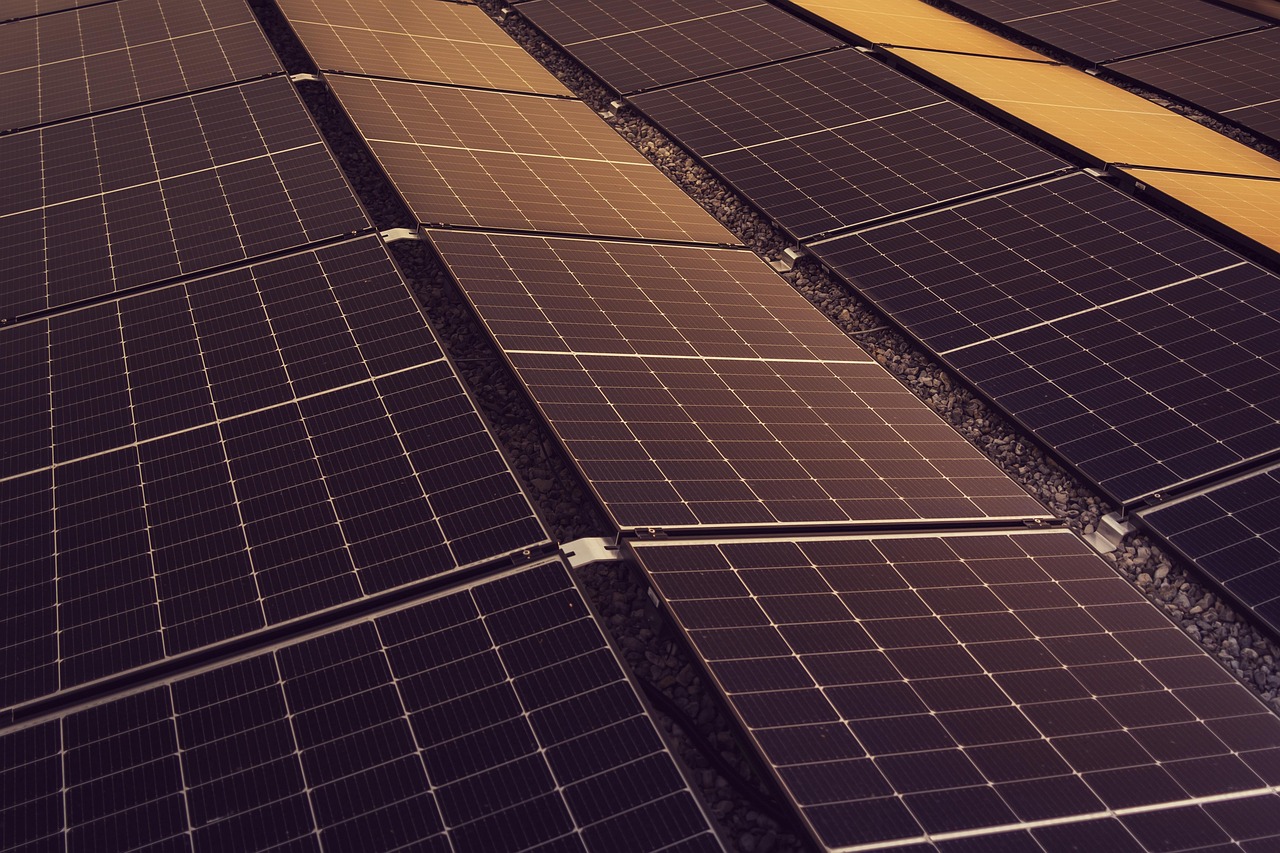
Renewable energy technologies are becoming increasingly important in the hospitality industry, as hotels and resorts seek to reduce their environmental impact and improve their sustainability. One key term in this context is solar energy, which involves the use of photovoltaic panels to generate electricity from sunlight. This technology is particularly well-suited to hotels and resorts in sunny locations, where it can be used to power everything from lighting and air conditioning to swimming pools and spas. For example, a hotel in a tropical location might install photovoltaic panels on its roof to generate electricity and reduce its reliance on fossil fuels.
Another important term in the context of renewable energy technologies is biomass, which refers to organic matter that can be burned to produce energy. This can include everything from wood chips and agricultural waste to food waste and sewage sludge. In the hospitality industry, biomass energy can be used to power boilers and heat water, reducing the need for fossil fuels and lowering greenhouse gas emissions. For instance, a hotel might install a biomass boiler to heat its water and provide space heating, using wood chips or other organic matter as fuel.
Wind energy is another key term in the context of renewable energy technologies, and involves the use of wind turbines to generate electricity from wind energy. This technology is particularly well-suited to hotels and resorts in windy locations, where it can be used to power everything from lighting and air conditioning to swimming pools and spas. For example, a hotel on a windy coast might install a wind turbine to generate electricity and reduce its reliance on fossil fuels. The turbine would be designed to capture the kinetic energy in the wind and convert it into electrical energy, which could then be used to power the hotel's facilities.
Geothermal energy is also an important term in the context of renewable energy technologies, and involves the use of heat from the earth to generate energy. This can be done using a geothermal heat pump, which circulates a fluid through underground pipes to absorb heat from the earth. The heat is then used to warm water or air, which can be used for space heating or to power a heat exchanger. For instance, a hotel in a location with significant geothermal activity might install a geothermal heat pump to provide space heating and hot water, reducing its reliance on fossil fuels and lowering its greenhouse gas emissions.
Hydro energy is another key term in the context of renewable energy technologies, and involves the use of energy from moving water to generate electricity. This can be done using a hydroelectric turbine, which captures the kinetic energy in moving water and converts it into electrical energy. For example, a hotel located near a river or stream might install a hydroelectric turbine to generate electricity and reduce its reliance on fossil fuels. The turbine would be designed to capture the energy in the moving water and convert it into electrical energy, which could then be used to power the hotel's facilities.
In addition to these renewable energy technologies, hotels and resorts can also use a variety of energy-efficient technologies to reduce their energy consumption and lower their greenhouse gas emissions. One key term in this context is LED lighting, which uses light-emitting diodes to produce light and can be up to 90% more energy-efficient than traditional incandescent bulbs. For example, a hotel might replace its traditional lighting with LED lighting to reduce its energy consumption and lower its energy costs.
Another important term in the context of energy-efficient technologies is energy management systems, which use advanced software and sensors to monitor and control energy usage in real-time. These systems can be used to identify areas of inefficiency and optimize energy usage, reducing waste and lowering greenhouse gas emissions. For instance, a hotel might install an energy management system to monitor its energy usage and identify opportunities for energy savings, such as turning off lights and appliances when not in use.
Building insulation is also an important term in the context of energy-efficient technologies, and refers to the use of materials such as fiberglass or cellulose to reduce heat transfer and prevent energy loss. This can be particularly effective in hotels and resorts, where buildings are often large and complex, with many opportunities for energy loss. For example, a hotel might install insulation in its walls and ceilings to reduce heat transfer and prevent energy loss, keeping its buildings warm in the winter and cool in the summer.
Green roofs are another key term in the context of energy-efficient technologies, and involve the use of plants and soil to provide insulation and reduce energy consumption. These roofs can be particularly effective in urban areas, where they can help to reduce the urban heat island effect and improve air quality. For instance, a hotel in an urban area might install a green roof to provide insulation and reduce its energy consumption, while also creating a peaceful oasis for guests to enjoy.
In terms of practical applications, hotels and resorts can use a variety of renewable energy technologies and energy-efficient strategies to reduce their environmental impact and improve their sustainability. For example, a hotel might install solar panels on its roof to generate electricity, while also using energy-efficient lighting and appliances to reduce its energy consumption. The hotel might also implement a recycling program to reduce its waste, and use sustainable materials in its construction and renovation projects.
However, there are also challenges associated with the adoption of renewable energy technologies and energy-efficient strategies in the hospitality industry. One key challenge is the high cost of many of these technologies, which can make them difficult for hotels and resorts to adopt, particularly in developing countries or in locations with limited financial resources. For example, a hotel in a developing country might struggle to afford the cost of installing solar panels or a biomass boiler, even if these technologies could help to reduce its energy consumption and lower its greenhouse gas emissions.
Another challenge is the lack of awareness and education about renewable energy technologies and energy-efficient strategies, which can make it difficult for hotels and resorts to make informed decisions about their energy usage and sustainability. For instance, a hotel might not be aware of the benefits of using LED lighting or energy-efficient appliances, or might not know how to implement a recycling program or use sustainable materials in its construction and renovation projects.
Policy and regulation can also be a challenge, as hotels and resorts must navigate a complex web of laws and regulations related to energy usage and sustainability. For example, a hotel might be subject to regulations requiring it to reduce its energy consumption or greenhouse gas emissions, but might not have the resources or expertise to comply with these regulations. The hotel might also face barriers to the adoption of renewable energy technologies, such as permits or licenses required to install solar panels or a biomass boiler.
Despite these challenges, there are many examples of hotels and resorts that have successfully adopted renewable energy technologies and energy-efficient strategies to reduce their environmental impact and improve their sustainability. For instance, a hotel might use biomass energy to power its boilers and heat its water, while also using energy-efficient lighting and appliances to reduce its energy consumption.
The benefits of adopting renewable energy technologies and energy-efficient strategies are numerous, and can include cost savings, reduced greenhouse gas emissions, and improved guest satisfaction. For example, a hotel that installs solar panels on its roof might be able to reduce its energy consumption and lower its energy costs, while also providing a unique and sustainable experience for its guests. The hotel might also be able to use its adoption of renewable energy technologies and energy-efficient strategies as a marketing tool, attracting guests who are interested in sustainability and reducing their environmental impact.
In terms of implementation, hotels and resorts can take a variety of steps to adopt renewable energy technologies and energy-efficient strategies. One key step is to conduct an energy audit, which involves assessing the hotel's energy usage and identifying opportunities for energy savings. The hotel might also develop an energy management plan, which outlines its energy usage and provides strategies for reducing energy consumption and greenhouse gas emissions.
The hotel might also invest in renewable energy technologies, such as solar panels or a biomass boiler, and implement energy-efficient strategies, such as using LED lighting and energy-efficient appliances. The hotel might also train its staff on the importance of energy efficiency and sustainability, and provide education and awareness programs for its guests.
Overall, the adoption of renewable energy technologies and energy-efficient strategies is critical for hotels and resorts that want to reduce their environmental impact and improve their sustainability. By understanding the key terms and concepts related to renewable energy technologies, and by taking practical steps to adopt these technologies and strategies, hotels and resorts can reduce their energy consumption, lower their greenhouse gas emissions, and improve their sustainability. This can have numerous benefits, including cost savings, improved guest satisfaction, and a competitive advantage in the hospitality industry.
Hotels and resorts can also use certification programs, such as LEED or EarthCheck, to demonstrate their commitment to sustainability and energy efficiency. These programs provide a framework for hotels and resorts to assess their energy usage and environmental impact, and to develop strategies for reducing their energy consumption and greenhouse gas emissions. For example, a hotel might pursue LEED certification, which involves meeting certain standards for energy efficiency, water conservation, and waste reduction.
The hotel might also use benchmarking tools, such as the Hotel Water Measurement Initiative, to assess its water usage and identify opportunities for water savings. The hotel might also collaborate with other hotels and resorts, as well as with stakeholders and partners, to share best practices and develop new strategies for reducing energy consumption and greenhouse gas emissions.
In addition to these strategies, hotels and resorts can also use technology to reduce their energy consumption and improve their sustainability. For example, a hotel might use smart buildings technology to optimize its energy usage and reduce waste, or might use data analytics to assess its energy consumption and identify opportunities for energy savings.
The hotel might also use renewable energy credits to offset its energy consumption and reduce its greenhouse gas emissions. For instance, a hotel might purchase renewable energy credits from a wind farm or a solar array, which would allow it to offset its energy consumption and reduce its environmental impact.
Overall, the adoption of renewable energy technologies and energy-efficient strategies is a critical step for hotels and resorts that want to reduce their environmental impact and improve their sustainability.
Hotels and resorts can also use green financing options, such as green bonds or green loans, to finance their adoption of renewable energy technologies and energy-efficient strategies. These financing options can provide hotels and resorts with the capital they need to invest in renewable energy technologies and energy-efficient strategies, while also providing a return on investment through energy savings and reduced greenhouse gas emissions.
The hotel might also use carbon offsetting to offset its greenhouse gas emissions and reduce its environmental impact. For example, a hotel might calculate its carbon footprint and then purchase carbon credits to offset its emissions. The hotel might also use sustainable materials in its construction and renovation projects, such as reclaimed wood or recycled materials.
In terms of staff training, hotels and resorts can provide their staff with the education and training they need to understand the importance of energy efficiency and sustainability. This can include workshops and seminars on energy-efficient practices, as well as on-the-job training and mentoring programs. The hotel might also use incentives and rewards to encourage its staff to adopt energy-efficient practices and reduce their energy consumption.
The hotel might also use guest education programs to raise awareness about the importance of energy efficiency and sustainability. For example, a hotel might provide its guests with information about its energy-efficient practices and sustainable initiatives, such as recycling programs or energy-efficient lighting. The hotel might also use signage and displays to promote its sustainable initiatives and encourage its guests to participate in energy-efficient practices.
Hotels and resorts can also use stakeholder engagement to involve their stakeholders in their sustainability initiatives and energy-efficient practices. This can include community outreach programs, supplier engagement initiatives, and partner collaboration programs. The hotel might also use reporting and transparency to provide its stakeholders with information about its sustainability initiatives and energy-efficient practices.
The hotel might also use innovation and creativity to develop new strategies for reducing energy consumption and greenhouse gas emissions. For example, a hotel might use new technologies such as energy-efficient appliances or renewable energy systems to reduce its energy consumption. The hotel might also use design and architecture to create buildings that are energy-efficient and sustainable, such as green buildings or sustainable design.
In terms of challenges, hotels and resorts may face a variety of obstacles when trying to adopt renewable energy technologies and energy-efficient strategies. These can include cost barriers, technical challenges, and regulatory hurdles. The hotel might also face cultural barriers or social challenges when trying to adopt new technologies or practices.
However, by understanding the key terms and concepts related to renewable energy technologies, and by taking practical steps to adopt these technologies and strategies, hotels and resorts can overcome these challenges and achieve their sustainability goals.
Hotels and resorts can also use benchmarking and best practices to compare their energy-efficient practices and sustainability initiatives with those of other hotels and resorts. This can help them to identify areas for improvement and develop new strategies for reducing energy consumption and greenhouse gas emissions. The hotel might also use awards and recognition programs to recognize its sustainability achievements and energy-efficient practices.
The hotel might also use research and development to stay up-to-date with the latest technologies and strategies for reducing energy consumption and greenhouse gas emissions. This can include partnerships with universities or research institutes, as well as collaboration with other hotels and resorts. The hotel might also use conferences and workshops to learn about new technologies and strategies, and to share its own experiences and best practices.
One key step is to conduct an energy audit, which involves assessing the hotel's energy usage and identifying opportunities for energy savings. The hotel might also develop an energy management plan, which outlines its energy usage and provides strategies for reducing energy consumption and greenhouse gas emissions.
The hotel might also invest in renewable energy technologies, such as solar panels or a biomass boiler, and implement energy-efficient strategies, such as using LED lighting or energy-efficient appliances.
Key takeaways
- Renewable energy technologies are becoming increasingly important in the hospitality industry, as hotels and resorts seek to reduce their environmental impact and improve their sustainability.
- In the hospitality industry, biomass energy can be used to power boilers and heat water, reducing the need for fossil fuels and lowering greenhouse gas emissions.
- This technology is particularly well-suited to hotels and resorts in windy locations, where it can be used to power everything from lighting and air conditioning to swimming pools and spas.
- For instance, a hotel in a location with significant geothermal activity might install a geothermal heat pump to provide space heating and hot water, reducing its reliance on fossil fuels and lowering its greenhouse gas emissions.
- The turbine would be designed to capture the energy in the moving water and convert it into electrical energy, which could then be used to power the hotel's facilities.
- In addition to these renewable energy technologies, hotels and resorts can also use a variety of energy-efficient technologies to reduce their energy consumption and lower their greenhouse gas emissions.
- For instance, a hotel might install an energy management system to monitor its energy usage and identify opportunities for energy savings, such as turning off lights and appliances when not in use.