
International Law and Institutions
Sovereignty is the foundational principle of the modern international system. It denotes the supreme authority of a state to govern its territory and population without external interference. In practice, sovereignty is both a right and a r…
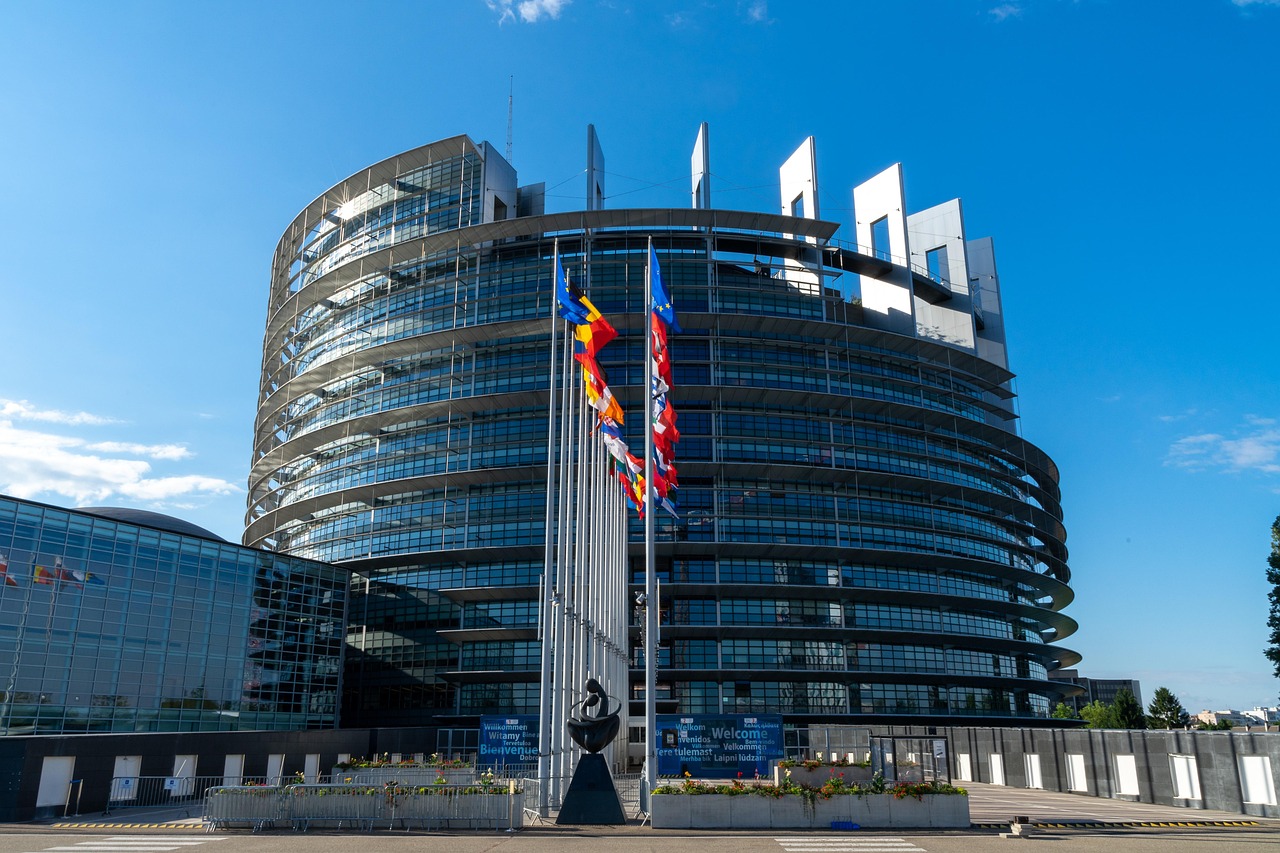
Sovereignty is the foundational principle of the modern international system. It denotes the supreme authority of a state to govern its territory and population without external interference. In practice, sovereignty is both a right and a responsibility; states enjoy independence while being expected to respect the rights of other states. For example, a country may enact environmental regulations within its borders, but it must also consider cross‑border impacts that could affect neighboring states. The tension between absolute sovereignty and the need for collective action becomes evident in issues such as climate change, where unilateral policies may be insufficient to address a problem that transcends national boundaries. Challenges arise when powerful states attempt to impose their will on weaker states, raising questions about the legitimacy of interventions and the balance between respect for sovereignty and the protection of universal values.
Jurisdiction refers to the legal authority of a court or a state to apply its law to a particular person, conduct, or subject matter. International law distinguishes between territorial jurisdiction, which is based on the location of an act, and extraterritorial jurisdiction, which extends a state’s reach beyond its borders under certain conditions. A common example is the prosecution of piracy on the high seas: any state may exercise jurisdiction because piracy is a universal crime. In contrast, the assertion of jurisdiction over cyber‑attacks often involves complex debates about the location of servers, the nationality of perpetrators, and the applicability of domestic statutes. The principle of comity—mutual respect between jurisdictions—helps mitigate conflicts, yet disputes over jurisdiction remain a frequent source of diplomatic tension.
Customary International Law consists of practices that are accepted as legally binding, even though they are not codified in treaties. Two elements are required: a general and consistent practice (state practice) and a belief that such practice is obligatory (opinio juris). The prohibition of genocide, for instance, is regarded as a customary rule because virtually all states refrain from it and consider it a legal duty. Customary law provides flexibility, allowing the international community to adapt to new realities without waiting for formal treaty negotiations. However, identifying the precise content of customary norms can be difficult, especially when state practice is uneven or when powerful states exert influence over the formation of norms.
Treaty Law governs agreements that are voluntarily entered into by states or international organizations. The Vienna Convention on the Law of Treaties (VCLT) outlines the processes of negotiation, ratification, interpretation, and termination. A key principle is pacta sunt servanda, meaning that treaties must be performed in good faith. This principle underlies the stability of the international system; without it, agreements would be unreliable. Practical application can be seen in trade agreements such as the World Trade Organization (WTO) accords, where parties are obliged to honor market‑access commitments. Challenges arise when a treaty’s obligations conflict with domestic law, prompting debates over the hierarchy of norms and the appropriate mechanisms for reconciliation.
Jus Cogens (peremptory norms) are fundamental principles from which no derogation is permitted. They reflect the core values of the international community, such as the prohibition of slavery, torture, and genocide. Even if a state has not formally consented to a treaty containing a jus cogens rule, it remains bound by that rule. The status of a norm as jus cogens is determined by widespread and consistent acceptance by the international community. In practice, the identification of jus cogens norms can be contentious; for example, some scholars argue that the right to self‑determination has risen to the level of a peremptory norm, while others view it as a lower‑ranking principle. The rigidity of jus cogens creates both a safeguard against egregious violations and a source of legal debate when states invoke exceptions.
Opinio Juris is the psychological element that distinguishes customary law from mere habit. It requires that states act because they believe they are legally obligated, not merely out of convenience or policy. The distinction can be illustrated by the evolution of the law of the sea: the shift from the “freedom of the high seas” doctrine to the exclusive economic zone (EEZ) concept involved a gradual accumulation of state practice accompanied by a growing sense of legal duty. Demonstrating opinio juris often requires analyzing official statements, diplomatic correspondence, and voting patterns in international forums. The difficulty of proving this element can impede the development of new customary norms.
State Responsibility addresses the consequences when a state breaches its international obligations. The International Law Commission’s Articles on State Responsibility outline the conditions for attribution, the existence of an internationally wrongful act, and the remedies available, including restitution, compensation, and satisfaction. A notable case is the United States’ responsibility for the wrongful detention of individuals at Guantánamo Bay, where international courts have examined the breach of human‑rights obligations. Remedies can be challenging to enforce because they depend on the willingness of the offending state to comply, and mechanisms for enforcement are often limited to diplomatic pressure or reciprocal measures.
Diplomatic Immunity protects diplomats from the jurisdiction of host‑state courts, ensuring that they can perform their functions without fear of harassment or retaliation. The Vienna Convention on Diplomatic Relations codifies the scope of immunity, covering both personal and official acts. For instance, a diplomat may not be subject to criminal prosecution for actions taken in the course of official duties, but they can be expelled if they engage in activities deemed harmful to the host state. The balance between immunity and accountability becomes problematic when diplomats are accused of serious crimes, such as espionage or human‑rights violations, prompting calls for limited waivers of immunity in extreme cases.
Non‑State Actors include entities such as multinational corporations, non‑governmental organizations (NGOs), armed groups, and individuals that influence international affairs despite lacking sovereign status. Their role has expanded in areas like humanitarian assistance, environmental advocacy, and transnational crime. For example, NGOs like Amnesty International monitor human‑rights compliance and can bring attention to violations, thereby shaping state behavior. Multinational corporations, on the other hand, may be subject to corporate‑social‑responsibility standards and can be held liable under emerging doctrines of extraterritorial jurisdiction. The inclusion of non‑state actors in governance structures raises questions about representation, accountability, and the legitimacy of decision‑making processes.
United Nations Charter is the constitutional document of the UN, establishing its purposes, principles, and organs. Key articles outline the prohibition of the use of force, the promotion of human rights, and the settlement of disputes. Chapter VII empowers the Security Council to take enforcement measures, including sanctions and the authorization of military action, to maintain or restore international peace and security. The Charter’s principle of the peaceful settlement of disputes encourages negotiations, mediation, and arbitration before resorting to coercive measures. Practical challenges arise when the Security Council’s permanent members exercise veto power, potentially blocking collective action and undermining the credibility of the institution.
Collective Security is a system in which an attack against one member is considered an attack against all, prompting a coordinated response. The League of Nations attempted to implement collective security but failed due to lack of enforcement mechanisms and the absence of major powers. The United Nations, through the Security Council, has a more robust framework, yet the effectiveness of collective security remains constrained by political considerations. The NATO alliance exemplifies a regional collective security arrangement, where Article 5 of its treaty obligates member states to assist each other in case of an armed attack. The rise of hybrid threats, such as cyber‑operations and disinformation campaigns, challenges traditional collective security concepts and calls for updated doctrines.
Human Rights Law comprises treaties, customary norms, and judicial decisions that protect the inherent dignity of individuals. Core instruments include the International Covenant on Civil and Political Rights (ICCPR) and the International Covenant on Economic, Social and Cultural Rights (ICESCR). These covenants create binding obligations for signatory states, ranging from the prohibition of arbitrary detention to the guarantee of the right to education. Enforcement mechanisms vary: treaty bodies monitor compliance through periodic reporting, while regional courts such as the European Court of Human Rights provide judicial remedies. A persistent challenge is the gap between formal commitments and implementation, especially in contexts where national security concerns are invoked to limit rights.
International Court of Justice (ICJ) is the principal judicial organ of the United Nations, adjudicating disputes between states and issuing advisory opinions on legal questions. The Court’s jurisdiction is based on the consent of the parties, which can be expressed through treaties, declarations, or special agreements. A landmark case is the “Corfu Channel” dispute, where the ICJ clarified the principles of innocent passage and state responsibility for naval incidents. The ICJ’s limited enforcement capacity—relying on the Security Council to compel compliance—means that its judgments are often respected for their normative value rather than through coercive means. Nonetheless, the Court contributes significantly to the development of international jurisprudence.
International Criminal Court (ICC) prosecutes individuals for the most serious crimes of concern to the international community: genocide, crimes against humanity, war crimes, and the crime of aggression. Established by the Rome Statute, the ICC operates on the principle of complementarity, intervening only when national jurisdictions are unwilling or unable to prosecute. The Court’s investigations into situations such as the Darfur conflict illustrate both its potential to deter atrocities and the political resistance it can encounter. Challenges include limited cooperation from non‑party states, accusations of bias, and the difficulty of securing arrests for high‑level officials. Despite these obstacles, the ICC represents a crucial development in holding perpetrators personally accountable.
Arbitration is a consensual dispute‑settlement mechanism in which parties submit their conflict to an independent tribunal whose decision is binding. Arbitration is favored for its flexibility, confidentiality, and speed relative to litigation. The Permanent Court of Arbitration (PCA) and ad‑hoc tribunals such as the Iran‑United States Claims Tribunal exemplify the use of arbitration in resolving state‑to‑state disputes. In commercial contexts, arbitration clauses in contracts often designate the International Chamber of Commerce (ICC) as the administering body. Practical challenges include ensuring the neutrality of arbitrators, the cost of proceedings, and the enforceability of awards under the New York Convention, particularly when a party refuses to recognize the award.
Dispute Settlement mechanisms encompass a range of processes—negotiation, mediation, conciliation, arbitration, and adjudication—designed to resolve conflicts without resorting to force. The WTO’s dispute‑settlement system is a prominent example, offering a structured pathway from consultations to panel rulings and appellate review. The system’s efficacy hinges on the timely implementation of recommendations, yet retaliation through trade sanctions remains a contentious issue. In the environmental arena, the dispute‑resolution provisions of the United Nations Framework Convention on Climate Change (UNFCCC) provide a forum for parties to address non‑compliance, though the political nature of climate negotiations can limit the effectiveness of legal remedies.
Principle of pacta sunt servanda underscores the expectation that treaties are faithfully performed. This principle is essential for the predictability of international relations. When a state alleges a breach, it may invoke the doctrine of rebus sic stantibus, arguing that a fundamental change in circumstances justifies termination. The 1970 case of *Bank Mellat v. Iran* demonstrated the tension between strict adherence to treaty obligations and the need for flexibility in extraordinary circumstances. Courts and tribunals weigh the seriousness of the change against the potential erosion of treaty stability, emphasizing the importance of proportionality and good‑faith negotiation.
Non‑Intervention is a norm prohibiting the use of force or coercive measures to influence the internal affairs of another state. It is closely linked to the principle of sovereignty. However, the doctrine has evolved to accommodate humanitarian interventions and the Responsibility to Protect (R2P) doctrine, which argues that the international community may intervene when a state fails to protect its own citizens from mass atrocities. The NATO intervention in Kosovo (1999) sparked debate over the legality of humanitarian action without Security Council authorization, highlighting the tension between the non‑intervention principle and emerging norms of humanitarian protection.
Responsibility to Protect (R2P) is a political commitment endorsed by the UN General Assembly in 2005, consisting of three pillars: the state’s primary responsibility to protect its population, the international community’s duty to assist, and, if necessary, collective action. While R2P has been invoked in crises such as Libya (2011), its implementation has been inconsistent, with selective application raising concerns about double standards. Critics argue that R2P can be misused as a pretext for regime change, whereas proponents contend that it provides a moral framework to prevent genocide and crimes against humanity. Operationalizing R2P requires clear criteria for intervention, robust coordination among UN bodies, and mechanisms for post‑intervention reconstruction.
Soft Law refers to non‑binding instruments—such as declarations, guidelines, and codes of conduct—that influence state behavior without creating legally enforceable obligations. The UN Guiding Principles on Business and Human Rights exemplify soft law, offering a framework for corporate responsibility while relying on voluntary compliance. Soft law can serve as a precursor to hard law, shaping customary practice and informing future treaty negotiations. Its flexibility makes it attractive for addressing emerging issues, but the lack of enforceability can limit its impact, especially when powerful actors disregard the norms.
Hard Law denotes legally binding rules that create enforceable rights and duties, typically found in treaties, conventions, and customary international law. Hard law obliges states to conform to its provisions and provides mechanisms for dispute resolution and sanctions. The WTO agreements and the Geneva Conventions are classic examples of hard law, establishing clear standards and procedures for compliance. The distinction between hard and soft law matters for policymakers because it influences the degree of certainty, the availability of remedies, and the political willingness of states to commit to particular obligations.
Multilateralism is the practice of coordinating policies among three or more states, often through international institutions. Multilateral approaches aim to pool resources, share expertise, and achieve collective goals that would be unattainable for individual states. The Paris Agreement on climate change showcases multilateralism, with each country submitting nationally determined contributions (NDCs) that collectively target global temperature limits. Critics of multilateralism argue that decision‑making can be slow and that consensus requirements may water down ambition. Nonetheless, the ability to mobilize a broad coalition remains essential for tackling transnational challenges such as pandemics, migration, and cyber security.
Regional Integration involves the creation of institutions and policies that bind neighboring states together, often to promote economic development, political stability, and security. The European Union (EU) epitomizes deep integration, featuring a single market, common currency, and supranational institutions. In contrast, the Association of Southeast Asian Nations (ASEAN) adopts a more modest approach, emphasizing non‑interference and consensus. Regional integration can generate benefits such as economies of scale, enhanced bargaining power, and shared standards. However, it also raises challenges related to sovereignty dilution, uneven development among members, and the difficulty of harmonizing divergent legal systems.
International Organizations are entities created by states to manage common interests and facilitate cooperation. They can be global—such as the United Nations—or specialized, like the World Health Organization (WHO). These bodies often possess both normative and operational functions: they develop standards, provide technical assistance, and coordinate responses to crises. For instance, the WHO’s International Health Regulations (IHR) set out obligations for disease surveillance and reporting, which were tested during the COVID‑19 pandemic. Institutional design—membership criteria, decision‑making procedures, and funding mechanisms—affects an organization’s capacity to act effectively and maintain legitimacy.
Decision‑Making Bodies within international organizations range from inclusive plenaries to elite councils. The UN General Assembly offers universal participation, but its resolutions are generally non‑binding. The Security Council, with its five permanent members and ten rotating members, wields decisive power through binding resolutions, yet its veto system creates a power imbalance. In the EU, the European Commission proposes legislation, the European Parliament represents citizens, and the Council of the EU reflects member‑state governments. Understanding the interplay among these bodies is crucial for navigating the policy‑making process and identifying entry points for advocacy.
Voting Procedures vary across institutions, influencing the speed and inclusiveness of decisions. Consensus, qualified majority voting, and simple majority are common methods. The WTO’s “one‑country‑one‑vote” system aims to balance the interests of large and small economies, but it can lead to stalemates when parties cannot reach agreement. The EU employs qualified majority voting for many policy areas, allowing decisions to proceed even if not all members agree, while preserving the ability of a minority to block proposals in sensitive domains. The design of voting rules can affect the legitimacy of outcomes and the willingness of states to comply.
Mandate defines the scope of authority granted to an international body or mission. A clear mandate delineates objectives, powers, and limits, reducing ambiguity and preventing mission creep. For peacekeeping operations, the UN Security Council specifies the mandate in resolutions, outlining tasks such as civilian protection, disarmament, or support for electoral processes. Ambiguous mandates, however, can lead to operational challenges, as seen in the early phases of the UN mission in the Democratic Republic of Congo, where unclear directives hampered effective coordination among contributors.
Peacekeeping involves the deployment of uniformed personnel to monitor ceasefires, protect civilians, and assist in the implementation of peace agreements. UN peacekeeping missions operate under the principles of consent of the parties, impartiality, and non‑use of force except in self‑defence or defense of the mandate. The mission in Liberia (UNMIL) successfully contributed to post‑conflict reconstruction, while the mission in Rwanda (UNAMIR) highlighted the consequences of insufficient resources and restrictive mandates. Modern peacekeeping increasingly incorporates multidimensional tasks, including support for the rule of law, gender‑based violence prevention, and capacity‑building for local institutions.
Peace Enforcement differs from peacekeeping in that it may involve the use of force without the consent of all parties, typically authorized by the Security Council under Chapter VII. The NATO intervention in Bosnia (1995) and the UN‑authorized actions in Somalia (1993) illustrate peace enforcement operations. These missions face heightened risks, as they require robust rules of engagement, clear political objectives, and sustained commitment from contributing states. The legitimacy of peace enforcement depends on adherence to international law and the perceived fairness of the intervening coalition.
Humanitarian Intervention is the use of military force to alleviate widespread suffering, often in the context of internal conflicts. It is controversial because it can conflict with the principle of non‑intervention. The NATO intervention in Kosovo was justified on humanitarian grounds, yet it lacked explicit Security Council authorization, sparking debate over the legality of such actions. Proponents argue that the moral imperative to prevent mass atrocities outweighs strict legal constraints, while opponents warn of the slippery slope toward abuse and the erosion of state sovereignty. The development of the R2P doctrine attempts to reconcile these opposing perspectives.
Sanctions are coercive measures imposed to compel a change in behavior, ranging from trade embargoes to asset freezes. They can be unilateral, multilateral, or imposed by regional bodies. The United Nations frequently employs sanctions to address threats to peace, such as the sanctions regime against North Korea aimed at curbing its nuclear program. Sanctions can be effective by creating economic pressure, but they also risk harming civilian populations and may be circumvented through illicit networks. Targeted, or “smart,” sanctions that focus on specific individuals or entities seek to mitigate humanitarian impacts while maintaining pressure on decision‑makers.
Embargo is a type of sanction that prohibits trade in certain goods, often weapons or strategic commodities. Embargoes can be comprehensive, covering all trade, or selective, limiting only particular items. The arms embargo on Iran, imposed by the UN Security Council, aimed to restrict the country’s ability to develop nuclear weapons. Enforcement of embargoes relies on customs controls, monitoring mechanisms, and cooperation among states. Violations can undermine the credibility of the sanctioning body and embolden non‑compliant actors.
Collective Action refers to the coordinated efforts of multiple actors to achieve a common goal that would be difficult for any single actor to accomplish alone. In the context of global governance, collective action is essential for addressing problems such as climate change, pandemics, and transnational crime. The creation of the Global Fund to Fight AIDS, Tuberculosis and Malaria demonstrates successful collective action, pooling resources from governments, private sector, and civil society. However, collective action faces obstacles like free‑rider behavior, divergent interests, and the challenge of aligning incentives across heterogeneous stakeholders.
Global Public Goods are benefits that are non‑rivalrous and non‑excludable on a worldwide scale, such as clean air, disease control, and financial stability. Providing global public goods often requires international cooperation and financing mechanisms. The International Monetary Fund (IMF) contributes to global financial stability by offering liquidity support and policy advice. The provision of vaccines during the COVID‑19 pandemic highlighted the difficulty of ensuring equitable access, leading to the establishment of the COVAX facility. The challenge lies in mobilizing sufficient resources, coordinating distribution, and preventing market distortions that could undermine the public‑good nature of the resource.
Transnational Networks consist of actors—states, NGOs, firms, and experts—linked across borders by shared interests or objectives. These networks facilitate the diffusion of norms, knowledge, and best practices. The International Campaign to Ban Landmines (ICBL) leveraged a transnational network to achieve the Mine Ban Treaty, illustrating how non‑state actors can shape international outcomes. Networks also enable rapid information sharing during crises, as seen in the coordination among health authorities during the Ebola outbreak. Their influence depends on the credibility of participants, the clarity of objectives, and the ability to translate advocacy into concrete policy changes.
Norm Diffusion is the process by which ideas, standards, and practices spread from one jurisdiction to another. International law often evolves through normative diffusion, as states adopt policies that were pioneered elsewhere. The adoption of anti‑corruption legislation across many countries after the United Nations Convention against Corruption (UNCAC) serves as an example. Diffusion can be driven by coercion, learning, competition, or emulation. Understanding the mechanisms of norm diffusion helps policymakers design strategies to promote desirable standards and anticipate resistance.
Regime in international relations denotes a set of principles, norms, rules, and decision‑making procedures around a particular issue area. The nuclear non‑proliferation regime, anchored by the Treaty on the Non‑Proliferation of Nuclear Weapons (NPT), illustrates how regimes structure state behavior, define acceptable conduct, and establish verification mechanisms. Regimes can be robust, with strong compliance mechanisms, or fragile, where enforcement is weak. The effectiveness of a regime depends on the alignment of member interests, the credibility of monitoring bodies, and the capacity to adapt to new challenges.
Compliance refers to the degree to which states adhere to their international obligations. Compliance can be measured through reporting, monitoring, and verification processes. The Treaty on the Prohibition of Nuclear Weapons (TPNW) includes a compliance mechanism that requires parties to submit regular reports on implementation. Factors influencing compliance include domestic political will, the presence of incentives or penalties, and the reputational benefits of being seen as a rule‑abiding actor. Non‑compliance can erode the authority of the legal instrument and encourage other states to disregard their commitments.
Enforcement mechanisms are tools used to ensure that international obligations are fulfilled. They range from diplomatic pressure and naming‑and‑shaming to economic sanctions and, in extreme cases, the use of force. The International Court of Justice relies on the Security Council to enforce its judgments, while the WTO’s dispute‑settlement system permits the imposition of retaliatory trade measures for non‑compliance. Effective enforcement requires a combination of legal authority, political will, and the capacity to impose credible consequences on violators.
Implementation is the process by which states translate international commitments into domestic law and practice. Implementation often involves legislative changes, institutional reforms, and capacity‑building initiatives. For example, the incorporation of the Convention on the Rights of the Child into national legislation requires the creation of child‑protection agencies and the training of law‑enforcement personnel. Implementation gaps can arise due to resource constraints, lack of political consensus, or conflicting domestic priorities. International assistance, technical expertise, and peer review mechanisms can help bridge these gaps.
Monitoring involves the systematic collection and analysis of data to assess compliance with international standards. Monitoring bodies—such as the UN Human Rights Council’s Special Rapporteurs—produce reports that inform both domestic policymakers and the international community. Monitoring can be voluntary, as in the case of the Extractive Industries Transparency Initiative (EITI), or mandatory, as required by treaty reporting obligations. The credibility of monitoring depends on independence, methodological rigor, and the transparency of the findings.
Verification is a subset of monitoring that focuses on confirming the accuracy of reported information. In arms control, verification regimes employ on‑site inspections, satellite imagery, and data exchanges to ensure that parties adhere to treaty limits. The Comprehensive Nuclear‑Test‑Ban Treaty (CTBT) relies on an International Monitoring System of seismic, hydroacoustic, and radionuclide stations to detect nuclear explosions. Verification challenges include technical limitations, the need for intrusive inspections, and the potential for denial or deception by parties.
Dispute Resolution mechanisms provide peaceful avenues for settling disagreements, thereby preventing escalation to force. Options include negotiation, mediation, conciliation, arbitration, and adjudication. The International Centre for Settlement of Investment Disputes (ICSID) offers arbitration for investor‑state disputes, while the UN Secretary‑General’s Good Offices role facilitates mediation in political conflicts. Effective dispute resolution requires the willingness of parties to engage, the credibility of the mediator or adjudicator, and the enforceability of the outcome.
Legal Personality grants an entity the capacity to possess rights and obligations under international law. States unquestionably have full legal personality, while international organizations possess a limited form that allows them to enter into agreements and bring claims. The International Committee of the Red Cross (ICRC) enjoys a special status, enabling it to operate in conflict zones and negotiate access with parties to hostilities. Corporations and NGOs traditionally lack full legal personality, though some regional courts have recognized limited rights, such as the ability of NGOs to submit amicus curiae briefs in human‑rights cases.
Immunity shields certain actors from the jurisdiction of foreign courts. Diplomatic immunity protects diplomatic agents, while sovereign immunity shields states from being sued in domestic courts, except in specific circumstances such as commercial activities (the “restrictive theory”). The United States’ Foreign Sovereign Immunities Act (FSIA) codifies the circumstances under which foreign states may be sued in U.S. courts. Immunity doctrines balance the need for functional diplomatic relations with the desire to hold actors accountable for wrongful acts.
Territorial Integrity is the principle that a state’s borders should not be altered by force or coercion. It is a cornerstone of international peace and security, enshrined in the UN Charter. Violations occur when one state annexes part of another’s territory, as seen in the 2008 conflict between Russia and Georgia over South Ossetia. The principle of territorial integrity can clash with self‑determination claims, creating complex legal debates about the legitimacy of secessionist movements and the appropriate response of the international community.
Self‑Determination is the right of peoples to freely determine their political status and pursue economic, social, and cultural development. It is recognized in the UN Charter and the International Covenant on Civil and Political Rights. The principle has been invoked in decolonization processes, such as the independence of Algeria, and more recently in independence referenda, like the 2014 Scottish referendum. Self‑determination can be internal (autonomy within an existing state) or external (secession), and its application often depends on the political context and the presence of a distinct national identity.
Non‑Proliferation aims to prevent the spread of weapons of mass destruction (WMD) and to promote disarmament. The NPT establishes a three‑pillar structure: non‑proliferation, disarmament, and peaceful use of nuclear energy. The treaty creates a distinction between nuclear‑weapon states and non‑nuclear‑weapon states, obligating the former to pursue disarmament and the latter to refrain from acquiring nuclear weapons. Verification mechanisms, such as the International Atomic Energy Agency’s (IAEA) safeguards, are critical for ensuring compliance. Challenges include the emergence of new nuclear technologies, the risk of clandestine programs, and geopolitical rivalries that complicate consensus on disarmament measures.
Arms Control involves agreements that limit or reduce the development, production, stockpiling, and deployment of conventional weapons. The Conventional Armed Forces in Europe (CFE) Treaty, for instance, set limits on heavy weaponry in the European theater, contributing to stability after the Cold War. Arms‑control agreements require robust verification, transparency, and confidence‑building measures to be effective. Violations can erode trust and trigger arms races, while successful implementation can free resources for development and enhance security.
Disarmament is the reduction or elimination of a category of weapons, often pursued through multilateral treaties. The Chemical Weapons Convention (CWC) achieved near‑universal prohibition of chemical weapons, with the Organisation for the Prohibition of Chemical Weapons (OPCW) overseeing destruction and verification. Disarmament efforts face obstacles such as verification difficulties, the dual‑use nature of certain technologies, and the reluctance of states to relinquish perceived security advantages. Nevertheless, successful disarmament contributes to global stability and reduces the risk of catastrophic conflict.
Humanitarian Law, also known as the law of armed conflict, regulates the conduct of hostilities and protects persons who are not—or are no longer—participating in hostilities. The Geneva Conventions and their Additional Protocols constitute the core corpus, establishing principles such as distinction, proportionality, and precaution. Violations constitute war crimes, subject to prosecution by national courts or international tribunals. The application of humanitarian law can be contentious in asymmetrical conflicts, where non‑state armed groups may not be parties to treaties but are still bound by customary norms. Ensuring respect for humanitarian law requires training, monitoring, and accountability mechanisms.
War Crimes are serious violations of international humanitarian law committed during armed conflict. They include willful killing, torture, taking hostages, and deliberately targeting civilian infrastructure. The ICC and ad‑hoc tribunals, such as the International Criminal Tribunal for the former Yugoslavia (ICTY), have prosecuted individuals for war crimes, establishing jurisprudence on command responsibility and joint criminal enterprise. Challenges in prosecuting war crimes include gathering evidence in conflict zones, protecting witnesses, and securing the arrest of high‑ranking officials who may enjoy political protection.
Crimes Against Humanity involve widespread or systematic attacks directed against civilian populations, encompassing acts such as murder, enslavement, deportation, and persecution. Unlike war crimes, these offenses do not require an armed conflict context. The ICC’s jurisdiction over crimes against humanity enables it to address atrocities committed in situations like the Darfur conflict. The legal threshold for “widespread” and “systematic” remains a subject of scholarly debate, influencing the scope of prosecutions and the capacity of courts to address large‑scale violence.
Genocide is defined as acts committed with intent to destroy, in whole or in part, a national, ethnical, racial, or religious group. The Genocide Convention obligates signatories to prevent and punish genocide. The International Court of Justice has addressed genocide in cases such as *Bosnia and Herzegovina v. Serbia and Montenegro*, clarifying the standards for state responsibility. Proving genocidal intent is often the most challenging element, requiring evidence of specific intent (dolus specialis). The international community’s response to alleged genocides remains a test of political will and legal mechanisms.
International Humanitarian Intervention encompasses actions taken by external actors to halt mass atrocities, often without explicit Security Council authorization. The debate over its legality centers on the tension between the prohibition of force and the moral imperative to protect vulnerable populations. The concept of “humanitarian sovereignty” has been proposed as a way to reconcile the two, suggesting that sovereignty entails responsibilities that, if neglected, may justify external intervention. The lack of a clear legal framework for humanitarian intervention leads to ad‑hoc decisions, making consistency and legitimacy difficult to achieve.
Peacebuilding refers to the comprehensive set of activities aimed at establishing durable peace after a conflict. It includes political reconciliation, security sector reform, economic reconstruction, and institutional development. The UN’s Peacebuilding Commission coordinates these efforts, emphasizing the importance of local ownership and long‑term commitment. Successful peacebuilding requires addressing root causes of conflict, such as inequality, marginalization, and weak governance. Failures often stem from insufficient resources, premature withdrawal of international support, or neglect of social cohesion initiatives.
Conflict Prevention seeks to address the underlying drivers of violence before they erupt into armed conflict. Early warning systems, diplomatic engagement, and development assistance are common tools. The African Union’s Continental Early Warning System monitors indicators such as political instability, economic decline, and human‑rights abuses. Effective conflict prevention requires timely information, political willingness, and the capacity to implement preventive measures. The challenge lies in translating early warnings into concrete actions that can neutralize emerging threats.
Security Council is the primary organ of the United Nations responsible for maintaining international peace and security. Its five permanent members—China, France, Russia, the United Kingdom, and the United States—possess veto power, allowing them to block substantive resolutions. The Council can authorize the use of force, impose sanctions, and establish peacekeeping missions. Criticisms focus on the concentration of power, the lack of representativeness, and the frequent use of vetoes to protect national interests. Reform proposals include expanding permanent membership, limiting veto use, or enhancing the role of the General Assembly in security matters.
General Assembly provides a universal forum for all UN member states to discuss and make recommendations on a wide range of issues. While its resolutions are generally non‑binding, they carry significant political weight and can influence the development of customary international law. The General Assembly’s “Uniting for Peace” resolution allows it to convene emergency special sessions when the Security Council is deadlocked, demonstrating an alternative avenue for collective action. The Assembly also oversees the election of non‑permanent Security Council members and the appointment of the Secretary‑General.
International Law Commission (ILC) is a body of experts tasked with the progressive development and codification of international law. The ILC’s work includes drafting conventions, such as the Convention on the Prevention and Punishment of Crimes against Internationally Protected Persons, and clarifying principles like state responsibility. Its reports often serve as the basis for treaty negotiations and judicial decisions. The ILC’s influence stems from its scholarly authority, though its recommendations are not automatically binding and require state acceptance to become operative.
Secretariat is the administrative organ of the United Nations, headed by the Secretary‑General. It provides support for the organization’s various bodies, conducts research, and implements programs. The Secretariat’s role includes facilitating negotiations, providing legal advice, and coordinating humanitarian assistance. The Secretary‑General’s “good offices” function enables the head of the UN to mediate disputes and propose solutions. The effectiveness of the Secretariat depends on its capacity to mobilize resources, maintain neutrality, and respond swiftly to emerging crises.
UN Agencies such as the United Nations Development Programme (UNDP), the World Food Programme (WFP), and the United Nations Educational, Scientific and Cultural Organization (UNESCO) specialize in specific thematic areas. They implement programs, provide technical assistance, and mobilize funding to address development, humanitarian, and cultural challenges. For instance, the WFP’s food‑assistance operations during famine emergencies illustrate the agency’s capacity to deliver rapid relief. Coordination among agencies, donor governments, and local partners is essential to avoid duplication and ensure that interventions align with national priorities.
Regional Bodies like the African Union (AU), the Organization of American States (OAS), and the European Union (EU) complement global institutions by addressing region‑specific issues. They can develop norms, mediate disputes, and coordinate collective responses. The AU’s African Peace and Security Architecture (APSA) includes early‑warning mechanisms, mediation panels, and joint peacekeeping
Key takeaways
- The tension between absolute sovereignty and the need for collective action becomes evident in issues such as climate change, where unilateral policies may be insufficient to address a problem that transcends national boundaries.
- International law distinguishes between territorial jurisdiction, which is based on the location of an act, and extraterritorial jurisdiction, which extends a state’s reach beyond its borders under certain conditions.
- However, identifying the precise content of customary norms can be difficult, especially when state practice is uneven or when powerful states exert influence over the formation of norms.
- Challenges arise when a treaty’s obligations conflict with domestic law, prompting debates over the hierarchy of norms and the appropriate mechanisms for reconciliation.
- In practice, the identification of jus cogens norms can be contentious; for example, some scholars argue that the right to self‑determination has risen to the level of a peremptory norm, while others view it as a lower‑ranking principle.
- Demonstrating opinio juris often requires analyzing official statements, diplomatic correspondence, and voting patterns in international forums.
- The International Law Commission’s Articles on State Responsibility outline the conditions for attribution, the existence of an internationally wrongful act, and the remedies available, including restitution, compensation, and satisfaction.