
Foundations of Menopause and Crystal Healing
Menopause is the natural biological transition that marks the end of a woman’s reproductive years, typically occurring between the ages of 45 and 55. It is diagnosed after twelve consecutive months without a menstrual period. This stage bri…
Menopause is the natural biological transition that marks the end of a woman’s reproductive years, typically occurring between the ages of 45 and 55. It is diagnosed after twelve consecutive months without a menstrual period. This stage brings a decline in ovarian hormone production, most notably estrogen and progesterone, leading to a cascade of physiological changes. Understanding the terminology surrounding menopause is essential for crystal healers who aim to support clients holistically.
The first phase preceding menopause is perimenopause. During this period, hormone levels fluctuate dramatically, producing irregular cycles, hot flashes, and mood variability. For example, a client in perimenopause may experience sudden night sweats followed by periods of insomnia. Crystal practitioners can tailor their approach by selecting stones that address both the hormonal instability and the associated stress response.
Following the cessation of menstruation, the stage is known as postmenopause. Hormone levels remain low, and the risk for conditions such as osteoporosis and cardiovascular disease increases. A postmenopausal client might seek relief from joint discomfort or concerns about bone density. Here, crystals with grounding and protective qualities, such as black tourmaline, can be incorporated into a wellness routine to complement medical recommendations.
Key hormonal terms include estrogen and progesterone. Estrogen is responsible for maintaining bone health, regulating lipid metabolism, and supporting the vascular system. Progesterone contributes to mood stability and sleep regulation. When these hormones decline, symptoms such as hot flashes, night sweats, and vaginal dryness often emerge. A practical application is to use amethyst in a calming meditation to ease the nervous system while a client uses a rose quartz hand‑held crystal to nurture emotional balance.
The term hormone replacement therapy (HRT) refers to the medical administration of estrogen alone or in combination with progesterone to alleviate menopausal symptoms. While HRT can be highly effective, it carries potential risks, making it important for crystal healers to respect the client’s medical choices and collaborate with healthcare providers when appropriate. For instance, a client on HRT may benefit from a crystal grid that amplifies the therapeutic intent without interfering with the pharmacological action.
A related concept is bioidentical hormones, which are chemically identical to those produced by the body and are often marketed as a “natural” alternative to conventional HRT. The distinction between bioidentical and synthetic hormones is crucial for informed consent. Crystal practitioners should be prepared to discuss these differences in plain language, emphasizing that crystals do not replace medical treatment but can support overall wellbeing.
Dietary components such as phytoestrogens—plant‑derived compounds that mimic estrogenic activity—are another area of interest. Foods like soy, flaxseed, and lentils contain these substances and may modestly reduce hot flash frequency. A client incorporating phytoestrogen‑rich foods might also use a citrine crystal to boost vitality, reinforcing the synergy between nutrition and energetic support.
Stress management is a cornerstone of menopausal care. The hormone cortisol, released in response to stress, can exacerbate hot flashes and disrupt sleep. Chronic cortisol elevation may also affect bone turnover. Practical stress‑reduction techniques include deep‑breathing exercises, gentle yoga, and the placement of a clear quartz point at the base of the skull to promote relaxation during meditation.
The concept of energy in crystal healing refers to the subtle vibrational field that surrounds all matter. Crystals are believed to possess a unique lattice structure that can store, transmit, and transform energy. This energy is often described as a vibration that resonates with the body’s own frequencies. For example, a client experiencing anxiety may benefit from a crystal that resonates with the heart chakra, helping to balance emotional turbulence.
A fundamental framework in energy work is the system of chakras. There are seven primary chakras aligned along the central column of the body, each associated with specific physical, emotional, and spiritual functions. The root chakra (Muladhara) governs grounding and security; the sacral chakra (Svadhisthana) relates to creativity and sexuality; the solar plexus (Manipura) influences confidence and digestion; the heart chakra (Anahata) governs love and compassion; the throat chakra (Vishuddha) manages communication; the third eye (Ajna) governs intuition; and the crown chakra (Sahasrara) connects to spiritual awareness. By aligning crystals with specific chakras, practitioners can target symptoms such as hormonal mood swings (heart chakra) or physical discomfort (root chakra).
The crystal lattice is the internal arrangement of atoms that gives each mineral its distinct energetic signature. Some crystals, like selenite, possess a highly ordered lattice that conducts energy efficiently, making them excellent for clearing and amplifying other stones. Others, such as labradorite, have a more complex lattice that creates a shimmering play of light, useful for enhancing intuition. Understanding these structural differences allows healers to select appropriate stones for each client’s needs.
The piezoelectric effect describes a crystal’s ability to generate an electric charge when mechanical stress is applied. While this phenomenon is primarily a scientific observation, it illustrates how physical pressure can influence energetic output. In practice, gently tapping a crystal during a session can activate its vibrational field, a technique sometimes employed to “wake up” the stone’s healing properties.
A central principle of crystal work is intention. The practitioner’s focused thought or purpose directs the crystal’s energetic flow toward a desired outcome. For example, setting an intention to “support hormonal balance” while holding a piece of clear quartz can help channel the stone’s amplifying qualities toward that specific goal. It is advisable for clients to participate in intention‑setting, reinforcing their agency in the healing process.
The process of programming a crystal involves embedding a clear, concise intention into its structure, often through visualization or spoken affirmation. This can be done at the beginning of a client session. A sample program might be: “I program this rose quartz to nurture self‑compassion and ease menopausal mood fluctuations.” Repeating this phrase while gently rotating the stone can enhance the programming’s efficacy.
Before a crystal is used therapeutically, it should undergo cleansing to remove residual energies that may interfere with its function. Common cleansing methods include smudging with sage, passing the stone through running water, or laying it on a bed of sea salt overnight. For example, a practitioner might place a cluster of amethyst in a bowl of moon‑lit water for an hour to both cleanse and charge the stones.
Following cleansing, charging infuses the crystal with fresh, vibrant energy. Sunlight, moonlight, and earth are traditional charging mediums. Sunlight can energize stones like citrine, enhancing their vitality‑boosting properties, while moonlight is gentler and ideal for delicate stones such as selenite. A practical routine could involve placing a selection of crystals on a windowsill for a few hours each morning, then storing them in a velvet pouch for later use.
The creation of a crystal grid is a structured arrangement of stones placed in a geometric pattern to focus and magnify energy. Grids are often centered on a focal point, known as the amplifier, which can be a larger crystal or a specially shaped piece, such as a pyramid. For menopausal support, a grid might be designed with a central clear quartz point, surrounded by rose quartz for emotional healing, black tourmaline for grounding, and amethyst for spiritual calm. Clients can keep the grid in a dedicated space to maintain a continuous field of support.
In a grid, the cluster refers to a naturally occurring aggregation of crystals that share a common growth pattern. Clusters can amplify the energy of surrounding stones, making them valuable for creating a robust field. For instance, a black tourmaline cluster placed behind a client’s chair can provide an ongoing protective shield against negative environmental influences, which may otherwise exacerbate stress‑related symptoms.
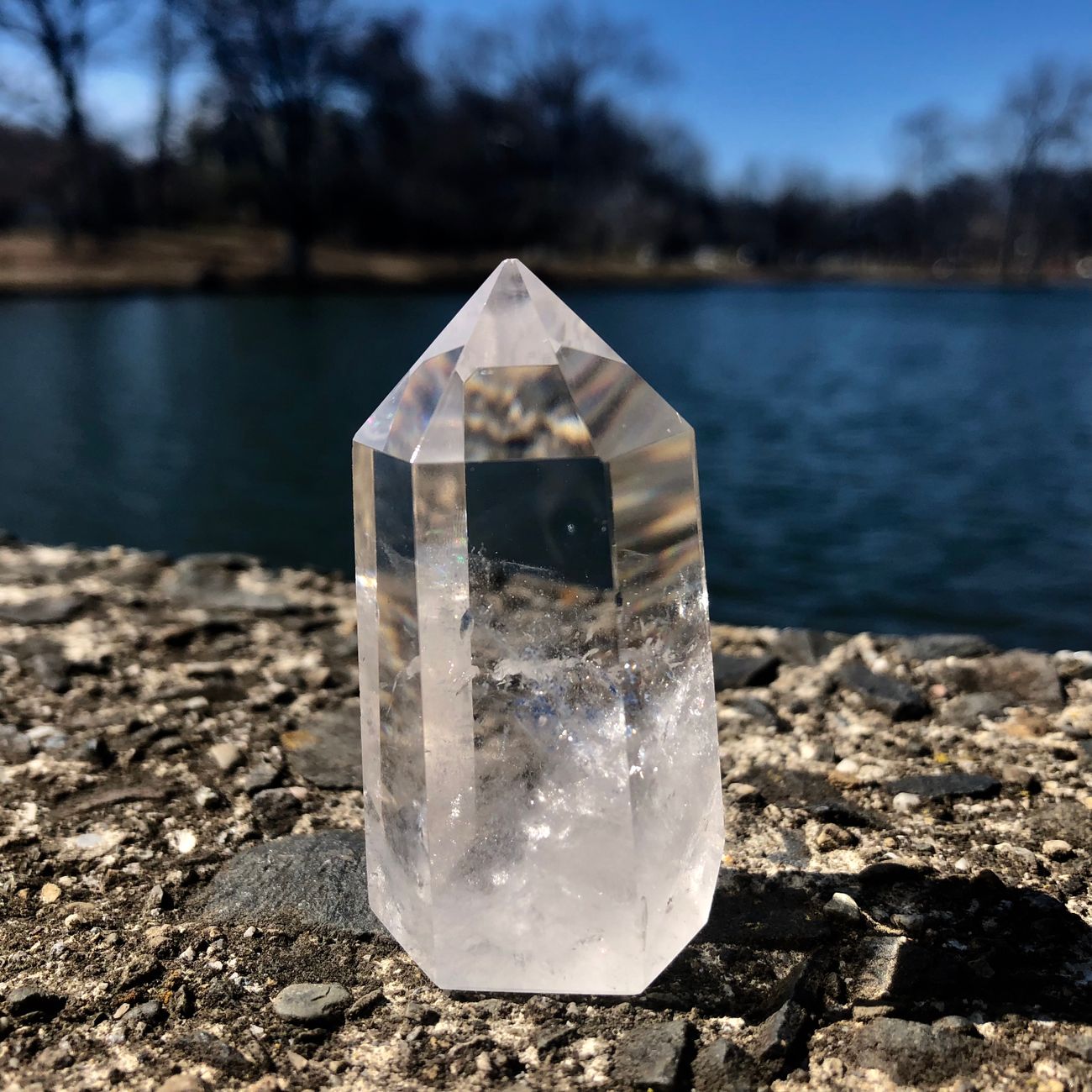
The point crystal, often a single, sharply terminated facet, directs energy in a focused beam. When positioned at the top of a client’s head during a session, a clear quartz point can help align the crown chakra, promoting a sense of clarity and purpose. This technique is especially useful for clients who feel mentally foggy during menopause.
Crystals are also categorized by their surface finish. A tumbled stone is smooth and polished, making it comfortable for handheld use, while a rough stone retains its natural, unpolished form, offering a more earthy energy. A client may hold a tumbled rose quartz during a guided meditation to gently soothe emotional turbulence, whereas a rough piece of hematite placed on the lower back can provide grounding during a yoga practice.
Commonly used healing crystals and their associated qualities include:
- Amethyst: Calming, supportive of sleep, balances hormonal fluctuations. - Rose quartz: Nurturing, promotes self‑love, alleviates anxiety. - Clear quartz: Amplifies intentions, clarifies mental fog. - Citrine: Energizing, supports metabolism, combats fatigue. - Black tourmaline: Protective, grounds excess emotional energy. - Selenite: Clears stagnant energy, aids in spiritual connection. - Fluorite: Stabilizes mood, enhances decision‑making. - Labradorite: Stimulates intuition, assists with transition periods. - Garnet: Revitalizes circulation, supports bone health.
Each stone’s properties can be matched to specific menopausal concerns. For example, a client experiencing hot flashes might benefit from a combination of amethyst and fluorite, as the former cools the nervous system while the latter steadies emotional responses.
In addition to individual stones, practitioners often use meridian pathways—energy channels identified in traditional Chinese medicine. Aligning crystals along these pathways can enhance the flow of qi (life force). A simple technique involves placing a piece of black tourmaline over the kidney meridian (located just below the rib cage) to support adrenal function, which can be taxed during hormonal transition.
The concept of the aura refers to the electromagnetic field that surrounds the body, reflecting physical, emotional, and spiritual health. Crystals can be employed to cleanse and strengthen the aura. A practical exercise is to have a client stand with arms extended while the practitioner moves a selenite wand around the perimeter of the aura, visualizing a brightening of the field.
Another term, subtle body, encompasses the non‑physical layers of the human energy system, including the etheric, emotional, and mental bodies. Crystal healing interacts with these layers, offering support that transcends purely physical interventions. For example, a client who feels detached from their sense of identity during menopause may benefit from a heart‑centered crystal meditation, fostering reconnection at the emotional level.
Professional practice requires awareness of ethics and informed consent. Practitioners must clearly communicate the scope of crystal healing, emphasizing that it is complementary, not a substitute for medical care. Obtaining written consent that outlines the intended use of crystals, session length, and any contraindications (such as metal allergies to certain stones) protects both client and practitioner.
A session typically begins with a brief health questionnaire, allowing the practitioner to identify any contraindications, such as a history of kidney stones (which may be aggravated by excessive calcium‑rich crystals). The practitioner then conducts a focused intake, discussing the client’s menopausal symptoms, lifestyle, and goals. This information guides the selection of appropriate crystals and techniques.
During the session, the practitioner may employ a tuning fork to emit specific frequencies that resonate with the client’s energy field. When combined with crystal placement, the tuning fork can enhance the stone’s vibrational impact. For instance, a 528 Hz tuning fork, often associated with DNA repair, can be struck near a clear quartz point to amplify its restorative qualities.
Challenges may arise when clients have strong expectations about crystal outcomes. Managing these expectations involves setting realistic goals and encouraging clients to view crystals as supportive tools rather than miracle cures. For example, a client hoping for immediate cessation of night sweats should be guided to understand that crystal work may gradually reduce intensity rather than eliminate symptoms outright.
Another challenge is the potential for “energy overload” when multiple high‑vibration stones are used simultaneously. Symptoms can include heightened anxiety, restlessness, or feeling “spaced out.” To mitigate this, practitioners should start with a minimal set of stones, assess the client’s response, and gradually introduce additional crystals as needed.
Cultural sensitivity is also essential. Menopause is experienced differently across cultures, and some clients may hold spiritual beliefs that influence their receptivity to crystal healing. Practitioners should adopt a respectful, client‑centered approach, asking open‑ended questions about the client’s cultural background and incorporating culturally appropriate symbols or rituals when appropriate.
Practitioners often keep a crystal journal, documenting each client’s stone selections, session notes, and observed outcomes. This record‑keeping aids in tracking progress, refining techniques, and providing evidence of efficacy for future clients. For example, noting that a client’s anxiety scores decreased after three sessions using rose quartz and a heart‑centered meditation can help validate the therapeutic plan.
In terms of maintenance, crystals should be stored in a way that preserves their energetic integrity. A common recommendation is to keep stones in a soft cloth pouch or on a wooden tray, away from direct sunlight for delicate stones like amethyst, which can fade. Regular cleansing and charging cycles, as described earlier, maintain the stones’ effectiveness over time.
When integrating crystal healing with other modalities—such as nutritional counseling, yoga, or psychotherapy—practitioners should coordinate care to avoid conflicting messages. For instance, a client undergoing CBT for mood swings may find that a crystal meditation reinforces the cognitive strategies taught in therapy, creating a synergistic effect.
Finally, ongoing professional development is vital. Attending workshops on the latest research in menopause, studying advances in bioenergetics, and participating in peer‑review groups help practitioners stay current. Engaging with scientific literature on hormone fluctuations and their impact on the nervous system can deepen a practitioner’s ability to explain how crystal vibrations may modulate stress pathways.
By mastering the terminology outlined above, crystal healers can confidently support menopausal clients, providing a compassionate, informed, and energetically resonant service that complements conventional medical care.
Key takeaways
- Menopause is the natural biological transition that marks the end of a woman’s reproductive years, typically occurring between the ages of 45 and 55.
- Crystal practitioners can tailor their approach by selecting stones that address both the hormonal instability and the associated stress response.
- Here, crystals with grounding and protective qualities, such as black tourmaline, can be incorporated into a wellness routine to complement medical recommendations.
- A practical application is to use amethyst in a calming meditation to ease the nervous system while a client uses a rose quartz hand‑held crystal to nurture emotional balance.
- While HRT can be highly effective, it carries potential risks, making it important for crystal healers to respect the client’s medical choices and collaborate with healthcare providers when appropriate.
- A related concept is bioidentical hormones, which are chemically identical to those produced by the body and are often marketed as a “natural” alternative to conventional HRT.
- A client incorporating phytoestrogen‑rich foods might also use a citrine crystal to boost vitality, reinforcing the synergy between nutrition and energetic support.