
Fermentation Fundamentals
Fermentation is the metabolic process by which microorganisms convert sugars into a range of products, most notably carbon dioxide and ethanol or organic acids. In the context of leavening, the primary purpose of fermentation is to generate…
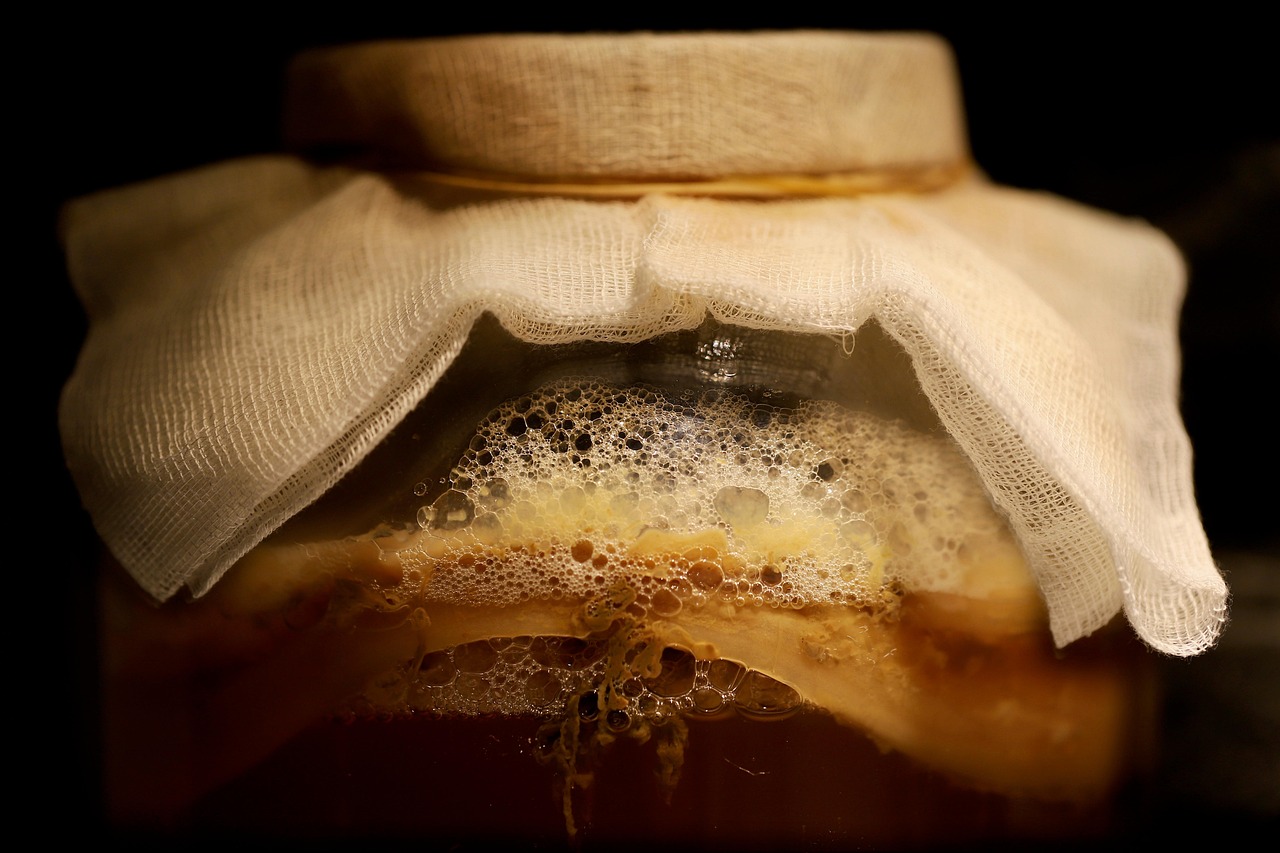
Fermentation is the metabolic process by which microorganisms convert sugars into a range of products, most notably carbon dioxide and ethanol or organic acids. In the context of leavening, the primary purpose of fermentation is to generate gas that expands dough, creating the light, porous structure characteristic of many baked goods. The process occurs in several stages, each governed by distinct biochemical pathways and influenced by a variety of environmental factors.
Leavening agents are substances that introduce gas into dough or batter. They can be biological, such as yeasts and bacteria, or chemical, such as baking soda and powder. In advanced leavening studies, the focus is on biological agents because of their complex interaction with dough matrices, flavor development, and texture formation.
Yeast refers to single‑cell fungi that are the most widely used biological leavening agents. The species Saccharomyces cerevisiae dominates commercial baking, but other strains like S. Bayanus and S. Exiguus are employed for specialty breads. Yeast cells metabolise fermentable sugars through glycolysis, producing ethanol, CO₂, and heat. The balance of these products determines the final crumb structure and flavor profile.
Bakery yeast is typically supplied as a dried, granulated product. The drying process reduces water activity, extending shelf life while preserving viability. When rehydrated, yeast cells resume metabolic activity, entering the lag phase before exponential growth. Understanding the kinetics of this rehydration is essential for precise timing in industrial operations.
Starter culture is a prepared mixture of microorganisms, often including both yeast and lactic acid bacteria (LAB), used to inoculate dough. The composition of a starter determines the dominant fermentation pathways. For example, a sourdough starter typically contains Lactobacillus sanfranciscensis and various wild yeasts, creating a symbiotic relationship that enhances flavor complexity and dough stability.
Lactic acid bacteria are Gram‑positive rods that perform hetero‑ or homo‑fermentative metabolism. In breadmaking, the most common LAB genera are Lactobacillus, Pediococcus, and Leuconostoc. These bacteria produce lactic acid, acetic acid, and other metabolites that lower dough pH, strengthening gluten and contributing to sour notes.
Homo‑fermentative LAB convert glucose almost exclusively into lactic acid, with a theoretical yield of two moles of lactic acid per mole of glucose. This pathway is advantageous when a mild acidity is desired without excessive flavor complexity. In contrast, hetero‑fermentative LAB produce a mixture of lactic acid, ethanol, CO₂, and acetic acid, creating a broader flavor spectrum and additional leavening from the gas released.
Glycolysis is the central pathway that breaks down glucose into pyruvate, generating ATP and NADH. In yeast, pyruvate is decarboxylated to acetaldehyde, which is then reduced to ethanol, releasing CO₂ in the process. The overall reaction can be summarised as: Glucose → 2 CO₂ + 2 ethanol + energy. Understanding the regulation of glycolysis is critical for manipulating fermentation rates.
Fermentable sugars include monosaccharides such as glucose and fructose, as well as disaccharides like sucrose and maltose. The availability of these sugars depends on the composition of the flour and any added sweeteners. Maltose, derived from starch hydrolysis, is the primary sugar for many bakery yeasts, while sucrose is rapidly metabolised but can lead to over‑production of ethanol if not monitored.
Enzymes such as amylases, proteases, and invertases play a pivotal role in making fermentable sugars accessible. Alpha‑amylase cleaves internal α‑1,4‑glycosidic bonds in starch, producing dextrins and maltose. Beta‑amylase releases maltose units from the non‑reducing ends of starch chains. The balance of enzymatic activity influences dough viscosity, extensibility, and the rate of gas production.
Proofing (also called final fermentation) is the stage where shaped dough is allowed to rise before baking. The duration and temperature of proofing directly affect crumb texture, flavour development, and oven spring. Professional bakers often employ controlled proofing chambers that maintain relative humidity above 85 % to prevent crust formation on the dough surface.
Bulk fermentation (or first rise) occurs after mixing and before division and shaping. This period allows for gluten development, gas retention, and flavour compound formation. The timing of bulk fermentation can be manipulated through temperature adjustments, known as the cold retardation technique, which slows yeast activity while allowing enzymatic processes to continue.
Temperature control is a primary lever for managing fermentation kinetics. Yeast activity roughly doubles for every 10 °C increase within the optimal range of 24–30 °C. Below 15 °C, the metabolic rate drops significantly, extending fermentation time and promoting the formation of flavor‑enhancing compounds such as esters and organic acids. However, temperatures below 5 °C can cause yeast dormancy, impacting dough handling.
pH influences both yeast and bacterial metabolism. Yeast tolerates a pH range of 3.5–6.0, With optimal activity near 5.0. LAB thrive in more acidic environments, often lowering dough pH to 3.8–4.2. The acidification process strengthens the gluten network by promoting the formation of disulfide bonds, which improves dough stability but can also reduce extensibility if the pH drops too low.
Acidity is measured in terms of total titratable acidity (TTA) and pH. While pH reflects the concentration of free hydrogen ions, TTA accounts for all acid species present, providing a more comprehensive view of the dough’s sourness. Bakers adjust acidity through the use of sourdough starters, the addition of vinegar or citric acid, or by varying fermentation time.
Carbon dioxide production is the primary leavening mechanism. In yeast fermentation, each mole of glucose yields two moles of CO₂. The gas is trapped within the gluten matrix, expanding the dough. The rate of CO₂ release is a function of yeast strain, sugar availability, temperature, and dough rheology. Monitoring CO₂ evolution can be achieved using a CO₂ sensor or by measuring dough volume increase.
Oven spring refers to the rapid expansion of dough during the initial phase of baking, driven by the residual activity of yeast, the expansion of trapped gases, and the evaporation of water. A well‑controlled oven spring results in a light crumb and an open crust structure. Factors that diminish oven spring include over‑proofing, low gluten strength, and excessive sugar content that depresses yeast activity.
Over‑proofing occurs when dough is allowed to rise beyond its optimal gas‑holding capacity. The gluten network becomes overstretched, leading to collapse during baking. Visual cues include a dough surface that appears overly domed, a loss of surface tension, and an excessive bulge when gently pressed. Over‑proofed dough often yields a dense crumb with large, irregular holes.
Under‑proofing results in insufficient gas production, producing a tight crumb and limited oven spring. The dough may appear dense, with a dull surface, and the interior may exhibit a compact structure. Adjusting proofing time, temperature, or yeast concentration can correct under‑proofing.
Retardation is the practice of slowing fermentation by refrigerating dough. This technique enhances flavour development by allowing slow enzymatic and bacterial activity while limiting yeast growth. Retardation also improves dough handling, as chilled dough is firmer and easier to shape. However, excessive retardation can lead to dough stiffening, requiring a warm rest before final proofing.
Fermentation by‑products include ethanol, organic acids, esters, aldehydes, and volatile phenols. Ethanol evaporates during baking, but the remaining compounds contribute to aroma and taste. Acetic acid imparts a sharp sourness, while lactic acid provides a milder tang. Esters such as ethyl acetate add fruity notes. Controlling the balance of these by‑products is essential for achieving the desired flavour profile.
Fermentation pathways can be classified into alcoholic, lactic, acetic, and mixed‑acid fermentations. Alcoholic fermentation, performed by yeast, yields ethanol and CO₂. Lactic fermentation, carried out by LAB, produces lactic acid, sometimes accompanied by CO₂ (hetero‑fermentative). Acetic fermentation, also by certain LAB, converts ethanol to acetic acid, generating heat. Mixed‑acid pathways produce a combination of acids, gases, and solvents.
Mixed‑culture fermentations involve the simultaneous activity of multiple microbial species. In sourdough, the interaction between yeasts and LAB creates a dynamic environment where yeast supplies CO₂ for leavening, and LAB lowers pH, improving dough structure and flavor. The balance of these populations can be manipulated through feeding schedules, hydration levels, and temperature regimes.
Hydration level (or dough water content) is expressed as a percentage of flour weight. Higher hydration results in a looser dough, facilitating gas expansion and producing an open crumb. However, excessive hydration can weaken gluten development and cause handling difficulties. Typical artisan breads have hydration levels ranging from 70 % to 85 %.
Autolysis is a resting period after mixing where flour enzymes, primarily proteases and amylases, act on the dough without added yeast. This process improves gluten development and flavor while reducing mixing time. Autolysis is particularly beneficial for high‑protein flours, where extended mixing can lead to over‑oxidation.
Oxidation of dough is influenced by mechanical mixing and the presence of oxidising agents such as ascorbic acid. Controlled oxidation strengthens the gluten network by forming disulfide bonds, resulting in a tighter crumb. Over‑oxidation, however, can diminish flavour and reduce dough extensibility, making it more difficult to shape.
Gluten development is the formation of a viscoelastic network composed of gliadin and glutenin proteins. Proper gluten development is essential for gas retention and dough elasticity. Factors affecting gluten include protein content, mixing intensity, resting periods, and the presence of fats or sugars, which can interfere with the network formation.
Extensibility describes the dough’s ability to stretch without tearing. High extensibility is desired for open‑crumb breads, while excessive extensibility can cause dough to spread out, losing shape. Balancing extensibility with elasticity (the ability to recover after deformation) is key to achieving optimal dough handling.
Fermentation time is a critical variable. Short fermentations (30–60 minutes) produce minimal flavour development but can be useful for rapid production. Long fermentations (12–24 hours) allow for extensive enzymatic breakdown of starch and proteins, yielding complex aromas and improved texture. The choice depends on product specifications and production constraints.
Fermentation temperature influences microbial activity and metabolite formation. Yeast prefers warm temperatures (25–30 °C) for rapid CO₂ production, while LAB often thrive at slightly lower temperatures (20–25 °C). Adjusting temperature can shift the dominance from yeast to bacteria, altering the final product’s characteristics.
Fermentation starter maintenance involves regular feeding of the culture with fresh flour and water. The feeding ratio, often expressed as 1:1:1 (Starter:Flour:Water by weight), maintains microbial viability and activity. Neglecting starter care can lead to a decline in yeast counts, an over‑growth of undesirable bacteria, and off‑flavours.
Inoculation rate is the proportion of starter or yeast added to the dough, commonly expressed as a percentage of flour weight. Typical yeast inoculation rates range from 0.5 % To 3 % for commercial breads. Higher inoculation accelerates fermentation but may reduce flavour complexity, while lower inoculation extends proofing time and enhances taste.
Fermentation inhibitors include salt, sugar, and certain fats, which can suppress yeast activity. Salt, at concentrations above 2 %, slows yeast metabolism by reducing water activity and altering cell membrane permeability. Sugar, while a fermentable substrate, can exert osmotic pressure at high levels, inhibiting yeast growth. Understanding these effects is essential for recipe formulation.
Salt not only influences flavour but also strengthens gluten by tightening the protein network. The optimal salt level for most breads is 1.5–2 % Of flour weight. Excessive salt can lead to a dense crumb due to reduced gas production, while insufficient salt may result in a weak dough structure.
Sugar serves as an immediate energy source for yeast, enhancing fermentation rate. However, high sugar concentrations (>10 %) can cause osmotic stress, leading to slower fermentation and potential dough collapse. In sweet breads, the balance between sugar content and yeast activity must be carefully managed.
Fats such as butter, oil, or shortening coat gluten strands, reducing their ability to form a strong network. This “shortening” effect improves crumb tenderness but can diminish gas retention. Bakers often compensate by increasing yeast levels or extending fermentation to achieve adequate rise.
Acid tolerance varies among yeast strains. Some specialty yeasts, such as those used in rye breads, can tolerate lower pH values (down to 3.5), Making them suitable for sourdough applications. Selecting a strain with appropriate acid tolerance ensures robust fermentation in acidic doughs.
Yeast strain selection is a critical decision. Commercial baker’s yeast is selected for its consistent performance, rapid rise, and neutral flavour. Artisan bakers may choose wild strains for unique aromatics. Strain characteristics such as flocculation (the tendency to clump), fermentation speed, and flavour profile influence the final product.
Flocculation describes the tendency of yeast cells to aggregate and settle. High‑flocculating strains may produce a slower, more even fermentation, while low‑flocculating strains remain suspended, offering rapid gas production. The choice of flocculation level can affect dough handling and proofing uniformity.
Fermentation aroma compounds include diacetyl, acetaldehyde, and various aldehydes. Diacetyl imparts a buttery note, while acetaldehyde contributes a fresh, green aroma. These compounds are produced in small amounts during yeast metabolism and can be enhanced by specific fermentation conditions, such as low temperature and extended time.
Diacetyl reduction is a metabolic pathway where yeast converts diacetyl to less flavour‑active compounds. Controlling the timing of this reduction is important for achieving the desired buttery aroma without overwhelming the product.
Stress responses in microorganisms occur when environmental conditions deviate from optimal ranges. Yeast may produce higher levels of trehalose, a protective sugar, under osmotic stress, influencing dough texture. LAB may increase exopolysaccharide (EPS) production under acidic stress, affecting crumb moisture and shelf‑life.
Exopolysaccharides are high‑molecular‑weight polymers secreted by certain LAB. EPS can improve dough viscosity, increase water retention, and contribute to a softer crumb. Strains that produce EPS are valuable in gluten‑free formulations, where they compensate for the lack of gluten’s structural properties.
Gluten‑free fermentation relies heavily on bacterial EPS and hydrocolloids to mimic the gas‑holding capacity of gluten. Fermentation of rice, corn, or sorghum flours with EPS‑producing LAB can result in acceptable rise and texture, though challenges remain in flavour development and crumb uniformity.
Fermentation monitoring techniques include dough volume measurement, CO₂ capture, pH testing, and temperature logging. Modern bakeries may employ digital dough probes that record real‑time CO₂ evolution, allowing precise control over proofing endpoints. Simple methods such as the “finger‑dimple” test remain useful for small‑scale operations.
Finger‑dimple test involves gently pressing a fingertip into the dough surface. If the indentation slowly springs back, the dough is under‑proofed; if it fills slowly, the dough is properly proofed; if the indentation remains unchanged, the dough is over‑proofed. This tactile method provides a quick visual cue for bakers.
Fermentation challenges include temperature fluctuations, inconsistent starter activity, contamination, and dough over‑hydration. Temperature spikes can accelerate yeast metabolism, leading to premature proofing, while sudden drops can cause dough to stall. Maintaining a stable environment is essential for reproducible results.
Contamination by wild microbes can introduce off‑flavours, reduce leavening, or produce spoilage. Common contaminants include moulds, undesirable yeasts, and hetero‑fermentative bacteria that produce excessive acetic acid. Implementing strict hygiene practices, such as sanitising equipment and using filtered water, mitigates these risks.
Water quality influences fermentation. Hard water containing high calcium and magnesium levels can strengthen gluten but may also inhibit enzyme activity. Chlorinated water can damage yeast cells. Many professional bakeries treat water by filtration or use distilled water to ensure consistent fermentation performance.
Fermentation in alternative grains such as spelt, einkorn, and emmer presents unique challenges. These ancient grains have different protein compositions and enzyme profiles, affecting dough extensibility and gas retention. Adjustments in fermentation time, hydration, and starter composition are often required to achieve comparable results to wheat‑based breads.
Spelt fermentation benefits from the presence of natural amylases, which can enhance sugar availability. However, spelt gluten is more fragile, necessitating gentler handling and shorter mixing times. A longer bulk fermentation can compensate for the weaker gluten network, allowing sufficient gas development.
Einkorn fermentation is characterized by a high proportion of pentosans, which increase dough viscosity. Enzymatic activity from LAB can break down pentosans, improving dough handling. Using a starter rich in EPS‑producing LAB can further enhance moisture retention and crumb softness.
Emmer fermentation often requires the addition of commercial amylase to liberate fermentable sugars from the relatively low‑starch endosperm. The slower fermentation rate of emmer dough can be offset by warm proofing or by increasing yeast inoculation.
Fermentation in whole‑grain breads introduces bran particles that can disrupt gluten continuity. Proper fermentation can mitigate this effect by allowing the gluten network to adapt around bran, improving gas distribution. Adding a short autolysis phase before bulk fermentation helps the dough absorb water and soften the bran.
Fermentation in enriched breads (e.G., Brioche, challah) involves higher fat and sugar levels, which can inhibit yeast activity. To counteract this, bakers often increase yeast concentration, extend fermentation time, or use a pre‑ferment such as a sponge or poolish to develop flavour before adding enriching ingredients.
Pre‑ferments such as poolish, biga, and levain are mixtures of flour, water, and a small amount of yeast or starter, allowed to ferment for a set period before incorporation into the final dough. Pre‑ferments develop flavour, improve dough extensibility, and increase gas retention. The choice of pre‑ferment depends on desired flavour intensity and production schedule.
Poolish is a liquid pre‑ferment with equal parts flour and water by weight, typically inoculated with a small amount of baker’s yeast. It ferments at room temperature for 12–16 hours, producing a mild, nutty aroma. The high hydration of poolish contributes to an open crumb in the final loaf.
Biga is an Italian pre‑ferment with a firmer consistency (approximately 60–70 % hydration). It is often fermented for 12–24 hours, yielding a subtle, complex flavour. Biga’s lower water content slows yeast activity, allowing for extended enzymatic development.
Levain refers to a sourdough starter used as a pre‑ferment. Levain is typically refreshed shortly before use, providing a high concentration of active microorganisms. Levain imparts pronounced acidity and distinctive aroma, which can be modulated by adjusting the proportion of mature starter to fresh flour.
Fermentation scaling presents challenges when moving from laboratory to commercial production. Parameters such as mixing speed, dough mass, and heat generation change with scale, affecting fermentation kinetics. Computational models and pilot trials are employed to predict how temperature gradients and gas diffusion will behave in larger batches.
Heat generation during fermentation, known as the thermogenic effect, can raise dough temperature by several degrees, particularly in large masses. This self‑heating can accelerate yeast activity, potentially leading to over‑proofing if not accounted for. Monitoring dough temperature throughout bulk fermentation is essential for accurate timing.
Gas diffusion in dough is governed by the porosity of the gluten network and the viscosity of the surrounding matrix. Higher viscosity slows gas movement, leading to smaller, more uniform bubbles. Adjusting dough hydration, mixing intensity, and fermentation time can manipulate gas diffusion to achieve the desired crumb structure.
Fermentation aroma profiling utilizes gas chromatography–mass spectrometry (GC‑MS) to identify volatile compounds. This analytical approach helps bakers understand how changes in fermentation conditions affect flavour. For example, increasing proofing temperature may raise the concentration of ethyl acetate, imparting a fruity note.
Fermentation kinetics can be modelled using the Monod equation, which relates microbial growth rate to substrate concentration. By fitting experimental data to this model, bakers can predict the impact of sugar levels, temperature, and pH on fermentation speed. Such models support process optimisation and consistency.
Fermentation optimisation often involves a design‑of‑experiments (DOE) approach, where multiple variables (temperature, time, inoculation rate, hydration) are systematically varied. Statistical analysis identifies the most significant factors and their interactions, guiding the development of robust fermentation protocols.
Fermentation troubleshooting requires a systematic assessment of variables. Common symptoms and corrective actions include:
- Slow rise: Check yeast viability, increase temperature, ensure adequate sugar. - Off‑flavours: Verify starter purity, reduce fermentation time, adjust acidity. - Dense crumb: Increase hydration, extend bulk fermentation, improve gluten development. - Crust collapse: Reduce proofing time, lower oven temperature, strengthen gluten.
Fermentation documentation is essential for quality control. Recording batch numbers, starter age, temperature logs, and proofing times creates a traceable record, facilitating root‑cause analysis when deviations occur. Digital bakery management systems now integrate sensors and data capture for real‑time monitoring.
Fermentation in gluten‑free products relies heavily on hydrocolloids (e.G., Xanthan gum, guar gum) and EPS‑producing LAB to replicate the gas‑holding properties of gluten. Fermentation of rice flour with a robust LAB starter can generate sufficient acidity to improve dough cohesion, while hydrocolloids provide the necessary elasticity for gas retention.
Fermentation of alternative flours such as buckwheat, millet, and quinoa introduces unique flavour compounds and nutritional benefits. These flours often lack sufficient gluten, making the role of LAB‑derived EPS and enzymatic hydrolysis critical. Adjusting the ratio of starter to flour, as well as the fermentation temperature, can optimise texture and flavour.
Fermentation and nutritional enhancement is a growing area of interest. Fermentation can increase the bioavailability of minerals by reducing phytate content, improve protein digestibility, and generate B‑vitamins. LAB strains capable of producing folate or riboflavin can be selected to fortify the final product naturally.
Fermentation and shelf‑life are linked through acid production, which inhibits spoilage microorganisms. The lower pH of sourdough breads extends microbial stability, reducing the need for preservatives. However, excessive acidity may affect consumer acceptance, requiring a balance between preservation and taste.
Fermentation and dough rheology is studied using instruments such as a farinograph, extensograph, and rheometer. These devices measure dough resistance, extensibility, and viscoelastic properties, providing quantitative data on how fermentation alters the dough’s mechanical behaviour. Rheological data guide adjustments in mixing and proofing protocols.
Fermentation and crumb structure is visualised through imaging techniques like X‑ray micro‑tomography. This non‑destructive method maps internal gas cells, revealing the distribution and size of pores. Correlating these images with fermentation parameters helps bakers fine‑tune processes to achieve target crumb characteristics.
Fermentation and sensory evaluation combines analytical data with human panels to assess aroma, taste, texture, and overall acceptability. Structured descriptive analysis identifies key attributes, while consumer testing determines market viability. The feedback loop informs iterative adjustments to fermentation conditions.
Fermentation and regulatory considerations include compliance with food safety standards such as HACCP. Fermentation steps must be documented, and critical control points (CCPs) identified, such as temperature during bulk fermentation and pH after proofing. Monitoring these CCPs ensures product safety and consistency.
Fermentation and sustainability is increasingly important. Optimising fermentation to reduce energy consumption (e.G., Using ambient temperatures for bulk fermentation) and minimizing waste (e.G., Recycling starter discard) contributes to greener production. Selecting robust, low‑resource strains supports sustainable bakery operations.
Fermentation equipment ranges from small‑scale proofing boxes to large‑capacity retarder chambers. Modern equipment often includes programmable temperature and humidity controls, as well as integrated CO₂ sensors. Proper maintenance and calibration of this equipment are essential for repeatable fermentation outcomes.
Fermentation research trends involve the exploration of novel microbial strains from wild environments, genome editing of yeast for improved stress tolerance, and the development of starter cultures tailored to specific grain types. Advances in metagenomics allow detailed profiling of microbial communities in sourdough, informing the design of custom starters.
Fermentation education emphasizes hands‑on experimentation. Students are encouraged to maintain their own starters, conduct controlled proofing trials, and analyse the impact of variable adjustments. This experiential learning deepens understanding of the complex interplay between microbiology, chemistry, and physics in leavening.
Fermentation safety includes awareness of potential allergens in starter cultures, especially when using non‑traditional microorganisms. Proper lab attire, glove use, and aseptic techniques prevent cross‑contamination. In industrial settings, ventilation is crucial to remove ethanol vapour generated during large‑scale fermentation.
Fermentation and product innovation leverages the unique capabilities of microbes to create novel textures and flavours. For instance, incorporating kefir grains into dough introduces a mixed‑culture environment that yields a tangy, airy crumb. Similarly, using yeast strains that produce higher levels of aromatic esters can create breads with fruit‑like notes, expanding the bakery’s product portfolio.
Fermentation and cultural heritage preserves traditional breads such as the French pain au levain, German Roggenbrot, and Ethiopian injera. Understanding the microbiological basis of these regional specialties enables bakers to replicate authentic characteristics while applying modern scientific insight to improve consistency and shelf‑life.
Fermentation and health trends sees the rise of low‑gluten and gluten‑free breads that rely on fermentation to improve digestibility. Fermented doughs often exhibit reduced FODMAP levels, making them more tolerable for sensitive individuals. Additionally, the presence of live probiotic LAB in certain sourdough breads offers potential gut‑health benefits.
Fermentation and flavor modulation can be achieved by manipulating fermentation temperature ramps. A gradual increase from 20 °C to 30 °C during bulk fermentation encourages the production of both lactic and acetic acids, creating a balanced sourness. Rapid temperature spikes, conversely, favour ethanol and ester formation, adding fruity nuances.
Fermentation and dough handling is influenced by the stage of fermentation. Early in bulk fermentation, dough is more extensible and can be folded to develop strength. Later, as gas bubbles enlarge, the dough becomes more delicate and requires gentle handling to avoid degassing. Mastery of timing for folding, shaping, and scoring enhances final product quality.
Fermentation and scoring (the shallow cuts made on the dough surface before baking) influences oven spring. Scoring provides an escape route for expanding gas, directing it outward and preventing crust rupture. The depth and pattern of scoring must be matched to the dough’s fermentation level; over‑proofed dough requires deeper cuts to accommodate rapid expansion.
Fermentation and crust formation is governed by Maillard reactions, which occur when proteins and sugars react at high temperatures. The extent of these reactions is affected by the dough’s moisture content, sugar concentration, and fermentation time. Extended fermentation can increase reducing sugars, enhancing crust colour and flavour.
Fermentation and crumb moisture is retained by the gel matrix formed during gelatinisation of starch. Fermentation influences this matrix by altering the degree of starch breakdown. Controlled fermentation can improve crumb moisture retention, extending the product’s freshness window.
Fermentation and texture perception involves the interaction of gas cells with the surrounding gluten‑starch matrix. Smaller, uniformly distributed gas cells produce a fine, tender crumb, while larger, irregular cells yield a more open, rustic texture. Sensory panels often describe the former as “delicate” and the latter as “chewy” or “hearty.”
Fermentation and product consistency is achieved through standardised protocols. By defining precise inoculation rates, temperature profiles, and proofing durations, bakers can minimise batch‑to‑batch variation. Statistical process control (SPC) charts track key metrics such as dough rise percentage and final pH, enabling early detection of deviations.
Fermentation and process automation incorporates sensors that feed data into control systems, which adjust temperature, humidity, and timing in real time. Automated dough mixers can modulate speed based on torque feedback, ensuring consistent gluten development. Integration of these technologies reduces reliance on operator intuition, improving repeatability.
Fermentation and sensory descriptors used by professionals include terms such as “malty,” “nutty,” “tangy,” “buttery,” and “fruity.” These descriptors are directly linked to specific volatile compounds generated during fermentation. For example, “malty” correlates with higher levels of maltol, while “fruity” aligns with increased ethyl acetate.
Fermentation and product differentiation leverages unique microbial strains to create signature breads. Artisanal bakeries often maintain proprietary starters that confer distinctive aroma profiles, providing a competitive edge. Protecting these starters through documentation and controlled propagation is essential for brand integrity.
Fermentation and consumer expectations have shifted toward cleaner labels, fewer additives, and natural processes. Demonstrating that fermentation naturally enhances flavour, texture, and shelf‑life meets these expectations. Transparent communication about the role of microbes in product development can strengthen consumer trust.
Fermentation and nutritional labeling requires accurate reporting of moisture, carbohydrate, protein, and fibre content. Fermentation can alter these values by breaking down complex carbohydrates into simpler sugars, which may affect the declared carbohydrate content. Laboratories must account for these changes when performing proximate analyses.
Fermentation and allergen management involves ensuring that starter cultures do not introduce unexpected allergens. While yeast and LAB are generally considered low‑risk, cross‑contamination with nut or gluten allergens must be avoided. Segregated equipment and thorough cleaning protocols are standard practice.
Fermentation and shelf‑life extension through acidification reduces the growth of moulds and spoilage bacteria. However, excessive acidity can accelerate staling by promoting retrogradation of starch. Balancing acid levels to achieve microbial stability while maintaining crumb softness is a key formulation challenge.
Fermentation and staling is a complex phenomenon involving moisture migration, starch retrogradation, and crumb structure relaxation. Controlled fermentation can delay staling by producing compounds that interfere with starch crystallisation, such as certain organic acids and enzymes. Understanding these mechanisms informs formulation strategies for longer‑lasting breads.
Fermentation and product line diversification enables bakeries to offer a range of breads, from mild‑flavoured sandwich loaves to intensely sour artisanal loaves. By adjusting starter strength, proofing time, and hydration, a single base recipe can be adapted to multiple market segments, optimising production efficiency.
Fermentation and cost management includes evaluating the expense of starter maintenance, energy for temperature control, and waste from discarded dough. Efficient fermentation schedules that align with peak production periods reduce labor costs and energy consumption. Reusing starter discard in other products, such as crackers, maximises resource utilisation.
Fermentation and waste reduction can be achieved by repurposing over‑proofed dough into products like croutons or flatbreads, where the excessive gas development is less critical. Additionally, spent starter can be dehydrated and used as a flavour enhancer or nutritional supplement, turning a by‑product into value‑added material.
Fermentation and intellectual property considerations arise when developing proprietary starter cultures. Patenting unique microbial strains or fermentation processes protects innovation but requires thorough documentation of strain characteristics, performance data, and manufacturing methods.
Fermentation and interdisciplinary collaboration bridges microbiology, food chemistry, engineering, and sensory science. Successful product development often involves a team of microbiologists who isolate and characterise strains, chemists who analyse volatile profiles, engineers who design proofing equipment, and sensory experts who evaluate consumer acceptance.
Fermentation and future directions foresee the integration of artificial intelligence (AI) to predict optimal fermentation conditions based on real‑time sensor data. Machine learning algorithms can analyse historical batches, identifying patterns that correlate with superior product quality. This predictive capability promises to further enhance consistency and efficiency in leavened product manufacturing.
Through this comprehensive overview of key terms and vocabulary, learners gain the foundational language necessary to navigate the complex science of fermentation. Mastery of these concepts empowers bakers, food technologists, and researchers to manipulate microbial processes deliberately, creating breads and other leavened products with targeted textures, flavours, and nutritional attributes.
Key takeaways
- In the context of leavening, the primary purpose of fermentation is to generate gas that expands dough, creating the light, porous structure characteristic of many baked goods.
- In advanced leavening studies, the focus is on biological agents because of their complex interaction with dough matrices, flavor development, and texture formation.
- The species Saccharomyces cerevisiae dominates commercial baking, but other strains like S.
- When rehydrated, yeast cells resume metabolic activity, entering the lag phase before exponential growth.
- For example, a sourdough starter typically contains Lactobacillus sanfranciscensis and various wild yeasts, creating a symbiotic relationship that enhances flavor complexity and dough stability.
- These bacteria produce lactic acid, acetic acid, and other metabolites that lower dough pH, strengthening gluten and contributing to sour notes.
- In contrast, hetero‑fermentative LAB produce a mixture of lactic acid, ethanol, CO₂, and acetic acid, creating a broader flavor spectrum and additional leavening from the gas released.