
UV Safety Regulations and Standards
UV Safety terminology forms the backbone of compliance for any organization that works with ultraviolet radiation sources. Mastery of this vocabulary enables professionals to interpret legislation, design safe work practices, and communicat…
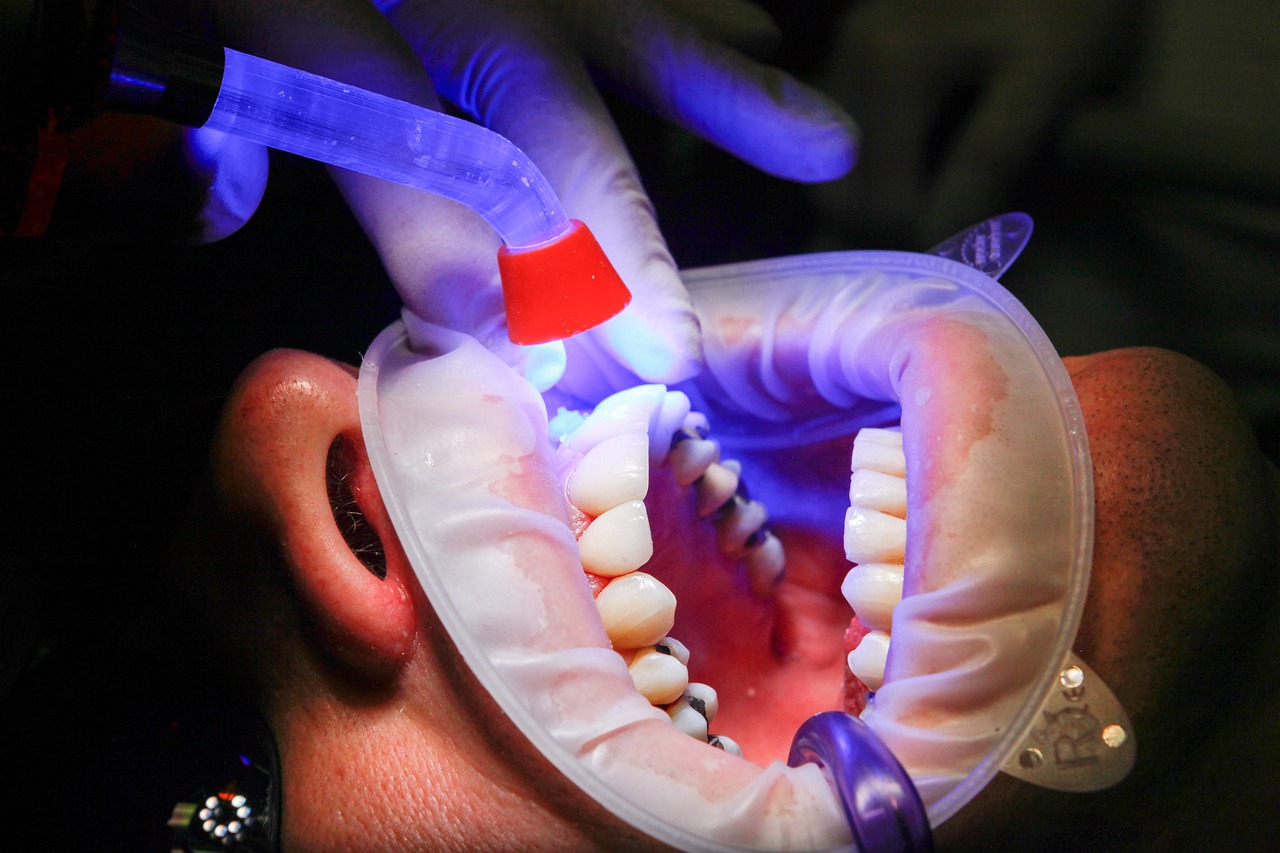
UV Safety terminology forms the backbone of compliance for any organization that works with ultraviolet radiation sources. Mastery of this vocabulary enables professionals to interpret legislation, design safe work practices, and communicate risk effectively. The following exposition defines the most frequently encountered terms, illustrates their practical application, and highlights typical challenges encountered in the field. The content is organized alphabetically and thematically to facilitate quick reference and deeper study.
Absorbed Dose – The amount of ultraviolet energy that is taken up by a material or tissue, expressed in joules per kilogram (J kg⁻¹). In the context of human exposure, absorbed dose is synonymous with the term effective dose. For example, a phototherapy device delivering 0.1 J kg⁻¹ to a patient’s skin over a ten‑minute session is considered a low‑dose treatment, whereas a welding arc that imparts 5 J kg⁻¹ in seconds can cause acute injury. Accurate measurement of absorbed dose requires calibrated sensors and knowledge of the tissue’s absorption coefficient.
Action Spectrum – A curve that represents the relative biological effectiveness of different UV wavelengths for a specific effect, such as erythema or DNA damage. The action spectrum for erythema peaks near 295 nm, while the DNA‑damage spectrum peaks around 260 nm. Understanding the action spectrum is essential when selecting filters or protective equipment, because it determines which wavelengths must be attenuated to achieve the desired protection level.
Administrative Controls – Non‑engineering measures that reduce exposure risk by altering work procedures. Examples include rotating staff to limit individual exposure time, scheduling high‑intensity operations during low‑occupancy periods, and requiring written authorisation for use of high‑output UV sources. Administrative controls are often the first line of defence when engineering solutions are impractical or cost‑prohibitive.
Air‑borne UV – Ultraviolet radiation that propagates through the atmosphere and can be measured at ground level. The term is commonly used in occupational settings where UV lamps are installed in ventilation ducts or clean‑room environments. Air‑borne UV can be inadvertently reflected from metallic surfaces, creating “hot spots” that exceed permissible exposure limits if not properly accounted for.
ANSI/IES RP‑27 – The American National Standards Institute / Illuminating Engineering Society Recommended Practice for the safe use of UV radiation. This document provides guidance on hazard analysis, control selection, and compliance testing. It is frequently referenced by regulatory agencies in the United States and serves as a benchmark for international best practice.
ANSI Z136.1 – The American National Standard for the Safe Use of Lasers, which includes a dedicated section on UV lasers. Though primarily a laser standard, it defines terms such as Nominal Hazard Zone and Maximum Permissible Exposure that are directly applicable to non‑laser UV sources.
ASTM E308 – A standard test method for measuring the ultraviolet reflectance of materials. The procedure uses a spectrophotometer to determine the percentage of incident UV that is reflected by a surface, which is critical for evaluating the suitability of wall coatings, flooring, and equipment housings in UV‑intense environments.
Biological Effectiveness – The propensity of a particular UV wavelength to cause a specific biological outcome. It is quantified by the weighting factor derived from the action spectrum. For instance, a 254 nm germicidal lamp is more biologically effective for microbial inactivation than a 365 nm lamp, even if both emit the same radiant power.
Boundary Condition – In the context of UV safety modeling, a boundary condition defines the physical limits of the computational domain, such as walls, doors, and shielding panels. Properly setting boundary conditions ensures that ray‑tracing or Monte‑Carlo simulations accurately predict exposure distribution.
Blue Light Hazard – A subcategory of UV‑related risk that pertains to the short‑wavelength visible spectrum (approximately 400–500 nm). Prolonged exposure to high‑intensity blue light can cause retinal photochemical damage. The term is often conflated with UV‑A risk, but regulatory documents distinguish the two because protective filters differ in spectral performance.
Calibration Curve – A relationship established between a sensor’s output signal and known UV irradiance levels. Calibration curves are generated using traceable reference sources and are required for any instrument that claims compliance with standards such as IEC 62471. Regular recalibration, typically annually, is mandatory to maintain measurement integrity.
Certificate of Conformity – A document issued by a recognized testing laboratory that confirms a UV device meets the applicable safety standards. In many jurisdictions, a Certificate of Conformity must accompany every commercial UV lamp before it can be marketed or installed. The certificate includes details such as the model number, test dates, and compliance statements.
Clearance Distance – The minimum safe separation between a UV source and a person or object, calculated based on the source’s output and the applicable exposure limit. For a 150 W germicidal lamp, the recommended clearance distance might be 2 m for an unprotected worker, whereas a shielded fixture could reduce that distance to 0.5 m.
Commissioning – The process of verifying that a UV system operates in accordance with design specifications and safety requirements before it is placed into service. Commissioning activities include functional testing of interlocks, verification of dose delivery, and documentation of measured irradiance levels.
Control Banding – A risk‑management methodology that groups hazards into bands based on severity and likelihood, then prescribes control measures for each band. In UV safety, control banding might assign low‑risk UV‑A sources to basic shielding, while high‑risk UV‑C sources require full enclosure, interlocks, and personal protective equipment.
Control Measures – Any action taken to reduce or eliminate UV exposure. These include engineering controls such as enclosures and filters, administrative controls such as training and scheduling, and personal protective equipment such as goggles and clothing. The hierarchy of controls favours engineering solutions over reliance on PPE.
Cosmetic UV Exposure – The intentional use of UV radiation for aesthetic purposes, such as tanning beds or UV‑cured nail polish. Although these applications are regulated, they often present unique challenges because the exposure is voluntary and the devices are located in consumer‑facing environments.
Cumulative Dose – The total amount of UV energy absorbed over a series of exposures. Cumulative dose is a critical consideration for workers who regularly handle UV sources, because biological effects such as skin ageing and cataract formation are dose‑dependent over time.
Dermal Exposure Limit – The maximum permissible dose to the skin, expressed in J cm⁻², as defined by standards such as ISO 14956. The limit varies with wavelength; for example, the limit for 254 nm UV‑C is significantly lower than that for 365 nm UV‑A due to higher biological effectiveness.
Dosimeter – A device that records the cumulative UV dose received by a wearer. Dosimeters may be passive, using photo‑chromic film, or active, using real‑time electronic sensors. In occupational settings, dosimeters are often worn on the wrist or chest to monitor compliance with exposure limits.
Effective Dose – A weighted sum of absorbed doses across different tissues, each multiplied by a tissue‑specific weighting factor. The concept is used in radiological protection and is increasingly applied to UV safety when evaluating whole‑body risk. Effective dose is expressed in sieverts (Sv), though UV standards often use mSv for practicality.
Emission Spectrum – The distribution of radiant power emitted by a UV source as a function of wavelength. Manufacturers provide emission spectra to demonstrate compliance with spectral requirements. A narrow‑band UV‑C lamp, for instance, will show a peak at 254 nm with minimal output elsewhere.
Enclosed UV System – A design in which the UV source is completely surrounded by a shielding material that blocks all radiative output. Enclosed systems are the preferred engineering control for high‑intensity germicidal lamps because they eliminate the need for operator PPE during normal operation.
Engineering Controls – Physical modifications to equipment or the environment that reduce UV exposure. Common engineering controls include interlocked doors, automatic shut‑off timers, absorptive glass, and reflective shielding. These controls are considered more reliable than administrative measures because they do not depend on human behaviour.
Exposure Limit – The maximum amount of UV radiation that an individual may be exposed to without adverse health effects, as defined by regulatory documents. Exposure limits are often expressed as Maximum Permissible Exposure (MPE) in units of J cm⁻² or W m⁻²·s. The limit varies with wavelength, exposure duration, and the population subgroup (e.g., general public versus occupational workers).
Eye Protection Factor – A rating that indicates the degree to which a protective lens reduces UV transmission to the eye. An EPF of 10 means the lens transmits only 10 % of the incident UV, effectively reducing exposure by a factor of ten. Eye protection factors are determined according to standards such as EN 169 for occupational eye protection.
Filter – A material placed in the optical path of a UV source to selectively attenuate specific wavelengths. Filters may be made of glass, quartz, polycarbonate, or specialty coatings. For example, a 280 nm cutoff filter blocks most UV‑B while allowing UV‑A to pass, which is useful in applications that require minimal skin damage but need fluorescence excitation.
Germicidal UV – UV radiation in the 200–280 nm range, primarily used for disinfection and sterilisation. Germicidal UV is highly effective at inactivating bacteria, viruses, and spores because it damages nucleic acids. However, it also poses a significant hazard to skin and eyes, necessitating stringent safety controls.
IEC 62471 – The International Electrotechnical Commission standard for the photobiological safety of lamps and lamp systems. IEC 62471 defines exposure limits, classification categories (e.g., Class 1, Class 2), and testing procedures for UV, visible, and infrared radiation. Compliance with IEC 62471 is often a prerequisite for market entry in many countries.
Interlock – A safety device that automatically disables a UV source when a protective barrier is opened or when a hazardous condition is detected. Interlocks can be mechanical, electrical, or software‑based. A common example is a door interlock that shuts off a UV lamp if the enclosure door is opened during operation.
International Commission on Non‑Ionising Radiation Protection (ICNIRP) – The organization that publishes guidelines on exposure limits for non‑ionising radiation, including UV. ICNIRP recommendations are widely adopted by national regulators and form the scientific basis for many occupational exposure limits.
Laser‑Generated UV – Ultraviolet radiation produced by frequency‑doubling or other nonlinear processes in laser systems. Laser‑generated UV poses unique hazards because of its high spatial coherence and potential for eye injury at very low power levels. The term is often accompanied by specifications such as “frequency‑doubled Nd:YAG at 355 nm”.
Maximum Permissible Exposure (MPE) – The highest level of UV radiation to which a person may be exposed without harmful effects, as defined by standards such as IEC 62471 or OSHA regulations. MPE values are wavelength‑dependent; for example, the MPE for 250 nm UV‑C over an 8‑hour period is 0.01 J cm⁻², whereas for 350 nm UV‑A it may be 30 J cm⁻².
Medical UV – The use of ultraviolet radiation for therapeutic purposes, such as phototherapy for psoriasis or neonatal jaundice. Medical UV devices must comply with both medical device regulations and UV safety standards, creating a dual‑compliance challenge. Dose accuracy, patient monitoring, and equipment maintenance are critical components of a safe medical UV program.
Mitigation Strategy – A plan that outlines specific actions to reduce UV risk. Mitigation strategies may combine engineering controls, administrative policies, and PPE. Effective strategies are documented in a risk‑assessment report and are periodically reviewed for efficacy.
National Fire Protection Association (NFPA) 99 – The standard for health care facilities, which includes provisions for UV disinfection systems. NFPA 99 addresses issues such as installation location, interlocks, and signage for UV devices used in hospitals and clinics.
Occupational Safety and Health Administration (OSHA) Standard 1910.97 – The U.S. regulation governing laser safety, which also references UV hazards in certain sections. While OSHA does not have a dedicated UV standard, compliance with laser safety regulations often satisfies UV safety requirements for laser‑generated UV.
Photobiological Hazard – Any adverse effect on living tissue caused by exposure to ultraviolet or visible light. Photobiological hazards are classified into categories such as ocular, cutaneous, and systemic. Understanding the specific hazard type guides the selection of appropriate control measures.
Photobiological Safety Classification – A system that categorises lamps and devices based on their potential to cause photobiological injury. IEC 62471 defines four classes: Class 1 (safe under all conditions), Class 2 (safe for limited exposure), Class 3R (restricted exposure), and Class 3B (high risk). The classification influences labeling, user instructions, and required protective measures.
Photochemical Reaction – A chemical change induced by absorption of UV photons. In the context of UV safety, photochemical reactions may be desirable (as in polymer curing) or undesirable (as in skin photo‑aging). The rate of reaction is proportional to the photon flux and the quantum yield of the material.
Photodermatitis – An inflammatory skin condition caused by UV exposure, often exacerbated by chemical sensitizers. Photodermatitis exemplifies the need for comprehensive hazard communication, as some workers may be unaware of their susceptibility until after an incident.
Photokeratitis – Inflammation of the cornea resulting from UV exposure, commonly known as “snow blindness” or “welder’s flash”. The condition is acute, painful, and can be prevented with proper eye protection. Photokeratitis is a benchmark injury used in many training programs to illustrate the consequences of inadequate shielding.
Photolysis – The decomposition of a chemical compound by UV photons. Photolysis is exploited in water treatment, where UV‑C breaks down organic contaminants. However, the generation of by‑products such as chloramines may introduce secondary hazards that must be managed.
Photomask – A patterned plate used in photolithography to selectively expose a substrate to UV light. In semiconductor manufacturing, the photomask defines circuit features. The term is relevant to UV safety because the mask material must withstand high‑intensity UV without degrading or scattering radiation.
Phototherapy – The clinical use of UV radiation to treat medical conditions. Phototherapy devices are subject to strict dose‑control requirements, often incorporating built‑in dosimetry and automatic shut‑off after a prescribed exposure time. Training for phototherapy operators includes both therapeutic protocol and safety compliance.
Radiant Exposure – The total energy delivered per unit area, measured in joules per square metre (J m⁻²). Radiant exposure is a fundamental metric for assessing the risk of a UV event. For instance, a surface receiving 10 J m⁻² of UV‑B may be approaching the threshold for erythema, depending on the wavelength distribution.
Radiant Intensity – The power emitted per unit solid angle, expressed in watts per steradian (W sr⁻¹). Radiant intensity is useful when modelling point sources or directional emitters, such as UV lasers. Knowing the radiant intensity allows calculation of irradiance at a given distance using the inverse‑square law.
Radiant Power – The total energy emitted per unit time by a UV source, measured in watts (W). Radiant power differs from electrical power because it accounts for conversion efficiency; a 150 W lamp may have a radiant power of 110 W in the UV band, with the remainder lost as heat.
Radiometry – The science of measuring electromagnetic radiation, including UV. Radiometric instruments include spectroradiometers, broadband meters, and UV‑specific sensors. Proper radiometric techniques are essential for verifying compliance with exposure limits and for calibrating dosimeters.
Reflectance – The proportion of incident UV radiation that is reflected by a surface. High reflectance can create secondary exposure zones. Materials such as polished aluminum may have a UV reflectance exceeding 70 %, whereas matte black coatings typically reflect less than 5 %. Selecting low‑reflectance finishes is a common mitigation strategy.
Regulatory Body – The governmental agency responsible for enforcing UV safety standards. Examples include the U.S. Food and Drug Administration (FDA) for medical UV devices, Health Canada for consumer products, and the European Union’s Machinery Directive for industrial equipment. Understanding the jurisdiction of each regulatory body is vital for market entry.
Risk Assessment – A systematic process for identifying UV hazards, evaluating the likelihood and severity of injury, and determining appropriate controls. A typical risk‑assessment report includes a hazard description, exposure scenarios, control hierarchy, and residual risk rating. Risk assessments are often required as part of a safety management system.
Safety Data Sheet (SDS) – A document that provides information on the hazards associated with a UV product, including chemical composition, exposure limits, and first‑aid measures. While SDSs are primarily used for chemical hazards, many UV lamps require an SDS to disclose photobiological risks and recommended protective equipment.
Shielding – Material or design features that block or attenuate UV radiation. Shielding can be opaque (e.g., metal housings) or transmissive (e.g., UV‑blocking glass). The effectiveness of shielding is quantified by its attenuation factor, which is the ratio of incident to transmitted irradiance.
Signage – Warning signs placed around UV equipment to alert personnel to the presence of hazardous radiation. Signage must comply with standards such as ISO 7010, using the appropriate pictograms, colour coding, and language. Proper signage reduces accidental exposure caused by unawareness.
Spectral Irradiance – The distribution of irradiance as a function of wavelength, expressed in W m⁻²·nm⁻¹. Spectral irradiance data are required for compliance calculations because exposure limits are wavelength‑specific. Spectral measurements are typically performed with a spectroradiometer calibrated against a traceable standard.
Simplified Exposure Model – A calculation method that estimates UV exposure using average values for irradiance and exposure time, rather than detailed spatial modelling. Simplified models are useful for quick assessments but may underestimate exposure in complex environments with reflections and shadowing.
Skin Cancer Risk – The probability of developing malignant skin lesions as a result of cumulative UV exposure. Epidemiological data link long‑term UV‑B exposure to basal cell carcinoma and squamous cell carcinoma. Safety programs often incorporate skin‑cancer risk assessments when establishing occupational exposure limits.
Solar UV Index – A numerical scale (0–11+) that indicates the level of UV radiation from the sun at a given location and time. While primarily used for public health advisories, the UV Index can inform workplace scheduling for outdoor tasks involving UV exposure, such as roofing or construction.
Standard Operating Procedure (SOP) – A documented set of instructions that describes how to safely operate a UV system. SOPs cover start‑up, shutdown, maintenance, emergency response, and de‑contamination. SOP adherence is monitored through audits and training records.
Stochastic Effect – A health effect whose probability increases with dose, but whose severity is independent of dose. UV‑induced skin cancer is a classic stochastic effect. Stochastic effects are distinguished from deterministic effects, which have a threshold dose below which no injury occurs.
Sub‑Band – A narrower wavelength range within a broader UV band. For example, UV‑B can be subdivided into UV‑B1 (280–315 nm) and UV‑B2 (315–340 nm). Sub‑band definitions are useful when specifying filter performance or when assessing the relative contribution of different wavelengths to a biological effect.
Sun‑Protection Factor (SPF) – A measure of how effectively a sunscreen product reduces UV‑B exposure to the skin. Although SPF is a consumer metric, understanding its limits helps safety professionals educate workers who may be exposed to natural UV while on site.
Systematic Effect – A deterministic health effect that increases in severity with increasing dose, such as photokeratitis. Systematic effects have a clear dose‑response relationship and typically exhibit a threshold below which no observable injury occurs.
Tailored UV Source – A UV lamp that has been custom‑designed to emit a specific wavelength range, often achieved through filtering or selection of phosphor materials. Tailoring reduces unnecessary exposure by eliminating extraneous wavelengths, thereby simplifying compliance.
Technical Specification – The detailed description of a UV product’s performance characteristics, including output power, spectral distribution, operating voltage, and temperature range. Technical specifications are required for procurement, certification, and maintenance planning.
Thermal Management – The set of design features that control the temperature of a UV lamp and its surrounding components. Effective thermal management prevents overheating, which can degrade lamp life and alter spectral output, potentially affecting safety margins.
Threshold Limit Value (TLV) – An occupational exposure limit recommended by the American Conference of Governmental Industrial Hygienists (ACGIH). TLVs for UV radiation are often aligned with MPE values but may differ in the basis of derivation. TLVs are frequently referenced in corporate safety policies.
Time‑Weighted Average (TWA) – An average exposure over a standard work period (usually 8 hours), used to compare actual exposure against permissible limits. For example, a worker who receives a 30 J cm⁻² dose over 2 hours has a TWA of 15 J cm⁻² h⁻¹ when spread across an 8‑hour shift.
Ultraviolet (UV) A, B, C – The three sub‑ranges of ultraviolet radiation. UV‑A (315–400 nm) penetrates deeper into the skin and is linked to ageing; UV‑B (280–315 nm) is more energetic and causes erythema; UV‑C (100–280 nm) is the most energetic and is primarily used for germicidal applications. Distinguishing among these bands is essential for selecting appropriate controls.
Ultraviolet Disinfection – The use of UV‑C radiation to inactivate microorganisms in water, air, or on surfaces. Disinfection systems must balance sufficient dose delivery to achieve the required log‑reduction while protecting operators from accidental exposure. Validation protocols often involve microbiological challenge tests.
UV Dose Monitoring – The practice of continuously tracking the UV energy delivered to a target or area. Dose monitoring may be performed with fixed sensors, portable dosimeters, or integrated system loggers. Data from dose monitoring are used to verify compliance, optimise process parameters, and support incident investigations.
UV Exposure Assessment – A systematic evaluation of the magnitude, duration, and frequency of UV radiation that personnel may encounter. Exposure assessment methods range from simple spot measurements to sophisticated computational fluid dynamics (CFD) models that incorporate reflection, scattering, and source geometry.
UV Filter Coating – A thin film applied to glass or plastic that selectively absorbs or reflects UV wavelengths. Common filter materials include cerium‑doped glass for UV‑C attenuation and low‑iron glass for UV‑A transmission. The performance of filter coatings degrades over time due to solar ageing, requiring periodic re‑evaluation.
UV Index Forecast – A predictive tool that estimates the UV Index for future dates based on atmospheric models. Outdoor work planners use UV Index forecasts to schedule high‑risk tasks during low‑UV periods, thereby reducing occupational exposure.
UV Protective Clothing – Garments designed to block a high percentage of UV radiation, typically rated by Ultraviolet Protection Factor (UPF). UPF 50+ clothing, for example, transmits less than 2 % of incident UV. Protective clothing must be selected based on the specific UV band present in the work environment.
UV Radiation Hazard – Any potential for UV exposure to cause adverse health effects. Hazards are characterised by wavelength, intensity, exposure duration, and the susceptibility of the exposed population. Hazard identification is the first step in the risk‑assessment process.
UV Shielded Enclosure – A protective housing that completely isolates a UV source from the environment, often incorporating interlocks, ventilation filters, and viewing windows made of UV‑blocking glass. Enclosures are the preferred control for high‑output germicidal lamps used in HVAC systems.
UV Transmission – The fraction of incident UV radiation that passes through a material. Transmission values are measured at specific wavelengths and are critical for selecting lens materials, window glazing, and personal protective equipment. Low transmission is desirable for protective barriers.
UV‑C Lamp – A lamp that emits primarily in the 100–280 nm range, commonly used for disinfection. UV‑C lamps are typically low‑pressure mercury vapour devices that emit a strong line at 254 nm. They require strict safety protocols because even brief exposure can cause severe skin and eye injury.
UV‑A Lamp – A lamp that emits in the 315–400 nm range, often used for curing polymers, tanning beds, or decorative lighting. UV‑A lamps are less hazardous than UV‑C but still pose risks such as photokeratitis and long‑term skin damage, especially with prolonged exposure.
UV‑B Lamp – A lamp that emits in the 280–315 nm range, used for certain medical therapies and research applications. UV‑B lamps must be carefully controlled because they can cause erythema and increase skin‑cancer risk. Protective measures often include both engineering controls and PPE.
Validation Protocol – A documented procedure that demonstrates a UV system’s ability to meet specified performance criteria, such as delivering a target dose or achieving a required log‑reduction of pathogens. Validation protocols are essential for regulatory approval and for establishing confidence in the system’s safety and efficacy.
Verification – The act of confirming that a UV system complies with design specifications, standards, and safety requirements. Verification activities may include checking interlock functionality, measuring spectral output, and reviewing documentation. Verification is distinct from validation, which focuses on performance outcomes.
Wavelength‑Specific Attenuation – The reduction of UV intensity at a particular wavelength, achieved through filters or coatings. For example, a filter that provides 99 % attenuation at 254 nm while allowing 80 % transmission at 365 nm is considered wavelength‑specific. This approach enables selective protection while preserving functional UV output.
Wavelength‑Selective Shield – A barrier that blocks certain UV wavelengths while permitting others. Wavelength‑selective shields are useful in applications where UV‑C must be excluded but UV‑A is required for fluorescence excitation. Materials such as dichroic glass are often employed to achieve this selectivity.
Workplace Exposure Limit (WEL) – The maximum UV dose that workers may receive during normal operations, typically expressed as an 8‑hour TWA. WELs are derived from national regulations and may differ from general public limits. Employers must monitor exposure and enforce WELs through engineering and administrative controls.
Zero‑Order Diffraction – The primary, undiffracted beam that emerges from a grating or photomask. In UV lithography, zero‑order diffraction can contribute to unintended exposure of surrounding areas if not properly blocked, creating a safety concern for operators.
The terms above constitute the core lexicon for professionals engaged in the design, operation, and regulation of ultraviolet systems. Mastery of these concepts enables practitioners to interpret standards, conduct rigorous risk assessments, and implement effective control strategies. In practice, the vocabulary is applied across a wide range of scenarios, from hospital sterilisation units to industrial curing lines, each presenting unique challenges that demand a nuanced understanding of both the physics of UV radiation and the regulatory framework that governs its safe use.
Key takeaways
- The following exposition defines the most frequently encountered terms, illustrates their practical application, and highlights typical challenges encountered in the field.
- 1 J kg⁻¹ to a patient’s skin over a ten‑minute session is considered a low‑dose treatment, whereas a welding arc that imparts 5 J kg⁻¹ in seconds can cause acute injury.
- Understanding the action spectrum is essential when selecting filters or protective equipment, because it determines which wavelengths must be attenuated to achieve the desired protection level.
- Examples include rotating staff to limit individual exposure time, scheduling high‑intensity operations during low‑occupancy periods, and requiring written authorisation for use of high‑output UV sources.
- Air‑borne UV can be inadvertently reflected from metallic surfaces, creating “hot spots” that exceed permissible exposure limits if not properly accounted for.
- ANSI/IES RP‑27 – The American National Standards Institute / Illuminating Engineering Society Recommended Practice for the safe use of UV radiation.
- Though primarily a laser standard, it defines terms such as Nominal Hazard Zone and Maximum Permissible Exposure that are directly applicable to non‑laser UV sources.