
Nutrient Metabolism And Digestion
Nutrient metabolism and digestion are crucial processes in the human body, and understanding these concepts is essential for managing diverticulitis. The journey of nutrient metabolism and digestion begins with ingestion of food, which is t…
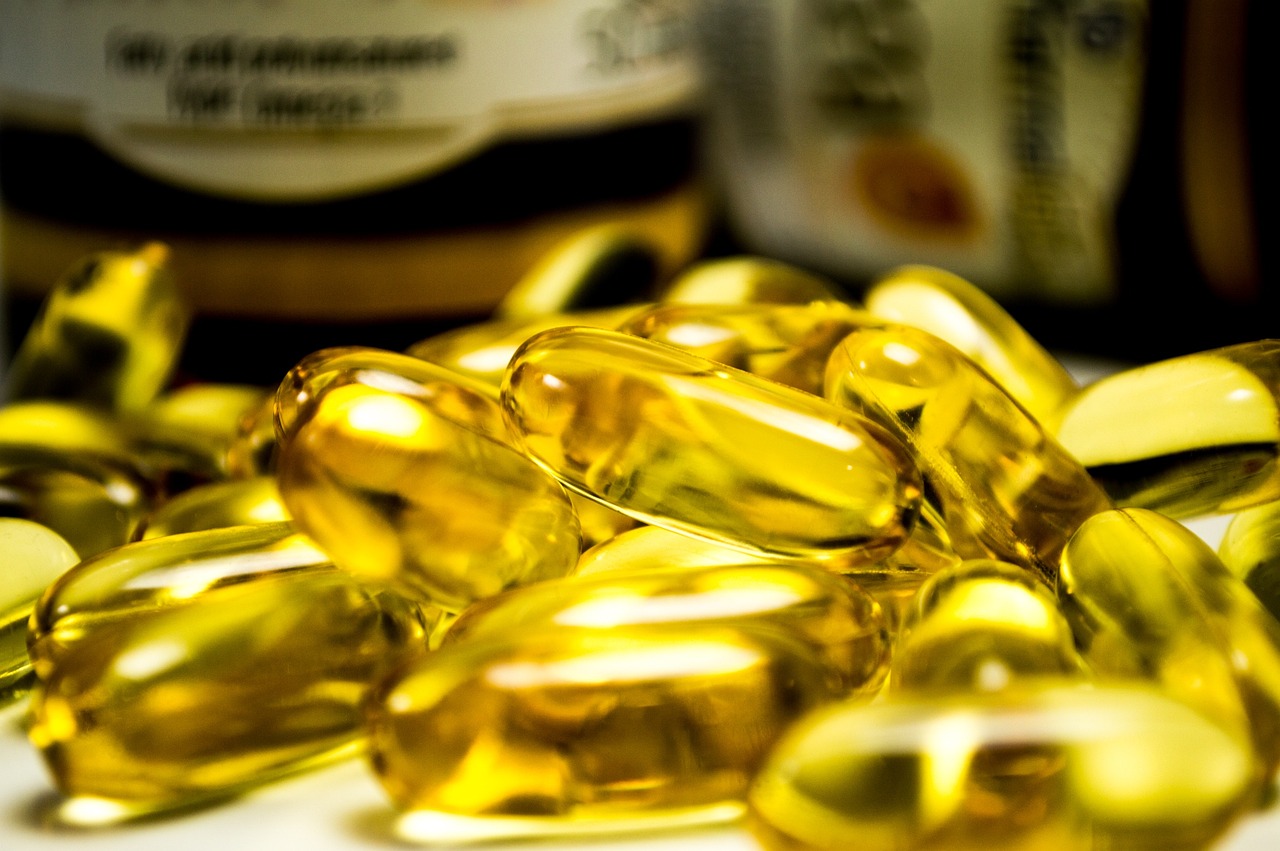
Nutrient metabolism and digestion are crucial processes in the human body, and understanding these concepts is essential for managing diverticulitis. The journey of nutrient metabolism and digestion begins with ingestion of food, which is the process of consuming and breaking down food into smaller molecules that can be absorbed and utilized by the body. The digestive system, which includes the mouth, esophagus, stomach, small intestine, and large intestine, plays a vital role in this process.
In the mouth, food is broken down into smaller molecules by enzymes such as amylase and lipase, which are found in saliva. The food is then swallowed and passes through the esophagus into the stomach, where it is further broken down by gastric acid and pepsin, a digestive enzyme. The stomach churns and mixes the food with these digestive juices, breaking it down into a liquid mixture called chyme.
The chyme then enters the small intestine, where most of the nutrient absorption takes place. The walls of the small intestine are lined with finger-like projections called villi, which increase the surface area for absorption. The nutrients are absorbed into the bloodstream through a process called diffusion, where they are carried to the liver for processing and distribution to the rest of the body.
The large intestine, also known as the colon, plays a crucial role in water absorption and waste elimination. The colon is home to a diverse community of microorganisms, known as the gut microbiome, which helps to break down certain nutrients and produce vitamins. The gut microbiome also plays a role in the development of the immune system and the production of certain hormones.
Carbohydrate metabolism is an essential process in the body, and it involves the breakdown of carbohydrates into glucose, which is then used by the body for energy. The process of carbohydrate metabolism begins with the breakdown of carbohydrates into simpler sugars, such as fructose and galactose, which are then converted into glucose. The glucose is then absorbed into the bloodstream, where it is carried to the liver for processing and distribution to the rest of the body.
Protein metabolism is another critical process in the body, and it involves the breakdown of proteins into amino acids, which are then used by the body to build and repair tissues. The process of protein metabolism begins with the breakdown of proteins into smaller peptides, which are then broken down into individual amino acids. The amino acids are then absorbed into the bloodstream, where they are carried to the liver for processing and distribution to the rest of the body.
Lipid metabolism is also an essential process in the body, and it involves the breakdown of lipids into fatty acids, which are then used by the body for energy. The process of lipid metabolism begins with the breakdown of lipids into smaller molecules, such as triglycerides and phospholipids, which are then broken down into individual fatty acids. The fatty acids are then absorbed into the bloodstream, where they are carried to the liver for processing and distribution to the rest of the body.
The process of nutrient metabolism and digestion is complex and involves many different organs and systems. The digestive system, which includes the mouth, esophagus, stomach, small intestine, and large intestine, plays a vital role in this process. The endocrine system, which includes the pancreas and other glands, also plays a crucial role in nutrient metabolism and digestion.
The pancreas produces hormones such as insulin and glucagon, which help to regulate blood sugar levels. The liver also plays a vital role in nutrient metabolism and digestion, as it helps to process and distribute nutrients to the rest of the body. The kidneys also play a crucial role in nutrient metabolism and digestion, as they help to filter waste and excess fluids from the blood.
In addition to the digestive system, the circulatory system also plays a vital role in nutrient metabolism and digestion. The heart pumps blood throughout the body, carrying nutrients and oxygen to the cells and organs. The blood vessels, which include the arteries, veins, and capillaries, help to transport nutrients and oxygen to the cells and organs.
The process of nutrient metabolism and digestion is also influenced by lifestyle factors, such as diet and exercise. A healthy diet that includes a variety of fruits, vegetables, whole grains, and lean proteins can help to support nutrient metabolism and digestion. Regular exercise can also help to improve nutrient metabolism and digestion, as it helps to increase blood flow and oxygen delivery to the cells and organs.
However, certain medical conditions, such as diabetes and gastrointestinal disorders, can affect nutrient metabolism and digestion. For example, diabetes can affect the body's ability to regulate blood sugar levels, while gastrointestinal disorders, such as irritable bowel syndrome, can affect the body's ability to digest and absorb nutrients.
In addition to medical conditions, certain medications can also affect nutrient metabolism and digestion. For example, antibiotics can affect the balance of the gut microbiome, while steroids can affect the body's ability to regulate inflammation. Certain supplements, such as probiotics and prebiotics, can also affect nutrient metabolism and digestion, as they help to support the growth of beneficial microorganisms in the gut.
The process of nutrient metabolism and digestion is also influenced by age and gender. For example, older adults may experience a decline in digestive function, which can affect their ability to absorb and utilize nutrients. Women, on the other hand, may experience changes in hormone levels during menstruation and pregnancy, which can affect nutrient metabolism and digestion.
In addition to age and gender, genetics can also play a role in nutrient metabolism and digestion. For example, certain genetic disorders, such as cystic fibrosis, can affect the body's ability to digest and absorb nutrients. Certain genetic variations, such as those that affect the lactase gene, can also affect the body's ability to digest and utilize certain nutrients.
The process of nutrient metabolism and digestion is complex and involves many different organs and systems. Understanding these processes is essential for managing diverticulitis and other gastrointestinal disorders. A healthy diet that includes a variety of fruits, vegetables, whole grains, and lean proteins can help to support nutrient metabolism and digestion, while regular exercise can help to improve blood flow and oxygen delivery to the cells and organs.
Certain supplements, such as probiotics and prebiotics, can also help to support nutrient metabolism and digestion, as they help to promote the growth of beneficial microorganisms in the gut. However, it is essential to consult with a healthcare professional before taking any supplements, as they can interact with certain medications and medical conditions.
In addition to diet and supplements, certain lifestyle changes can also help to support nutrient metabolism and digestion. For example, managing stress through techniques such as meditation and yoga can help to reduce
The process of nutrient metabolism and digestion is complex and involves many different organs and systems. Understanding these processes is essential for managing diverticulitis and other gastrointestinal disorders. By making healthy lifestyle choices, such as eating a balanced diet and engaging in regular exercise, individuals can help to support nutrient metabolism and digestion and reduce their risk of developing diverticulitis and other gastrointestinal disorders.
Certain medical conditions, such as diabetes and gastrointestinal disorders, can affect nutrient metabolism and digestion. For example, diabetes can affect the body's ability to regulate blood sugar levels, while gastrointestinal disorders, such as irritable bowel syndrome, can affect the body's ability to digest and absorb nutrients. In addition to medical conditions, certain medications can also affect nutrient metabolism and digestion.
For example, antibiotics can affect the balance of the gut microbiome, while steroids can affect the body's ability to regulate inflammation. Certain supplements, such as probiotics and prebiotics, can also affect nutrient metabolism and digestion, as they help to support the growth of beneficial microorganisms in the gut.
The process of nutrient metabolism and digestion is also influenced by age and gender. For example, older adults may experience a decline in digestive function, which can affect their ability to absorb and utilize nutrients. Women, on the other hand, may experience changes in hormone levels during menstruation and pregnancy, which can affect nutrient metabolism and digestion.
In addition to age and gender, genetics can also play a role in nutrient metabolism and digestion. For example, certain genetic disorders, such as cystic fibrosis, can affect the body's ability to digest and absorb nutrients. Certain genetic variations, such as those that affect the
The process of nutrient metabolism and digestion is complex and involves many different organs and systems. Understanding these processes is essential for managing diverticulitis and other gastrointestinal disorders. A healthy diet that includes a variety of fruits, vegetables, whole grains, and lean proteins can help to support nutrient metabolism and digestion, while regular exercise can help to improve blood flow and oxygen delivery to the cells and organs.
Certain supplements, such as probiotics and prebiotics, can also help to support nutrient metabolism and digestion, as they help to promote the growth of beneficial microorganisms in the gut. However, it is essential to consult with a healthcare professional before taking any supplements, as they can interact with certain medications and medical conditions.
In addition to diet and supplements, certain lifestyle changes can also help to support nutrient metabolism and digestion. For example, managing stress through techniques such as meditation and yoga can help to reduce
The process of nutrient metabolism and digestion is complex and involves many different organs and systems. Understanding these processes is essential for managing diverticulitis and other gastrointestinal disorders. By making healthy lifestyle choices, such as eating a balanced diet and engaging in regular exercise, individuals can help to support nutrient metabolism and digestion and reduce their risk of developing diverticulitis and other gastrointestinal disorders.
In addition to lifestyle changes, certain medical treatments can also help to support nutrient metabolism and digestion. For example, antibiotics can help to treat bacterial infections in the gut, while steroids can help to reduce inflammation and promote healing in the gut. Certain supplements, such as probiotics and prebiotics, can also help to support nutrient metabolism and digestion, as they help to promote the growth of beneficial microorganisms in the gut.
The process of nutrient metabolism and digestion is complex and involves many different organs and systems. Understanding these processes is essential for managing diverticulitis and other gastrointestinal disorders. By making healthy lifestyle choices, such as eating a balanced diet and engaging in regular exercise, individuals can help to support nutrient metabolism and digestion and reduce their risk of developing diverticulitis and other gastrointestinal disorders.
Certain medical conditions, such as diabetes and gastrointestinal disorders, can affect nutrient metabolism and digestion. For example, diabetes can affect the body's ability to regulate blood sugar levels, while gastrointestinal disorders, such as irritable bowel syndrome, can affect the body's ability to digest and absorb nutrients. In addition to medical conditions, certain medications can also affect nutrient metabolism and digestion.
For example, antibiotics can affect the balance of the gut microbiome, while steroids can affect the body's ability to regulate inflammation. Certain supplements, such as probiotics and prebiotics, can also affect nutrient metabolism and digestion, as they help to support the growth of beneficial microorganisms in the gut.
The process of nutrient metabolism and digestion is also influenced by age and gender. For example, older adults may experience a decline in digestive function, which can affect their ability to absorb and utilize nutrients. Women, on the other hand, may experience changes in hormone levels during menstruation and pregnancy, which can affect nutrient metabolism and digestion.
In addition to age and gender, genetics can also play a role in nutrient metabolism and digestion. For example, certain genetic disorders, such as cystic fibrosis, can affect the body's ability to digest and absorb nutrients. Certain genetic variations, such as those that affect the
The process of nutrient metabolism and digestion is complex and involves many different organs and systems. Understanding these processes is essential for managing diverticulitis and other gastrointestinal disorders. A healthy diet that includes a variety of fruits, vegetables, whole grains, and lean proteins can help to support nutrient metabolism and digestion, while regular exercise can help to improve blood flow and oxygen delivery to the cells and organs.
Certain supplements, such as probiotics and prebiotics, can also help to support nutrient metabolism and digestion, as they help to promote the growth of beneficial microorganisms in the gut. However, it is essential to consult with a healthcare professional before taking any supplements, as they can interact with certain medications and medical conditions.
In addition to diet and supplements, certain lifestyle changes can also help to support nutrient metabolism and digestion. For example, managing stress through techniques such as meditation and yoga can help to reduce
The process of nutrient metabolism and digestion is complex and involves many different organs and systems. Understanding these processes is essential for managing diverticulitis and other gastrointestinal disorders. By making healthy lifestyle choices, such as eating a balanced diet and engaging in regular exercise, individuals can help to support nutrient metabolism and digestion and reduce their risk of developing diverticulitis and other gastrointestinal disorders.
In addition to lifestyle changes, certain medical treatments can also help to support nutrient metabolism and digestion. For example, antibiotics can help to treat bacterial infections in the gut, while steroids can help to reduce inflammation and promote healing in the gut. Certain supplements, such as probiotics and prebiotics, can also help to support nutrient metabolism and digestion, as they help to promote the growth of beneficial microorganisms in the gut.
The process of nutrient metabolism and digestion is complex and involves many different organs and systems. Understanding these processes is essential for managing diverticulitis and other gastrointestinal disorders. By making healthy lifestyle choices, such as eating a balanced diet and engaging in regular exercise, individuals can help to support nutrient metabolism and digestion and reduce their risk of developing diverticulitis and other gastrointestinal disorders.
Certain medical conditions, such as diabetes and gastrointestinal disorders, can affect nutrient metabolism and digestion. For example, diabetes can affect the body's ability to regulate blood sugar levels, while gastrointestinal disorders, such as irritable bowel syndrome, can affect the body's ability to digest and absorb nutrients. In addition to medical conditions, certain medications can also affect nutrient metabolism and digestion.
For example, antibiotics can affect the balance of the gut microbiome, while steroids can affect the body's ability to regulate inflammation. Certain supplements, such as probiotics and prebiotics, can also affect nutrient metabolism and digestion, as they help to support the growth of beneficial microorganisms in the gut.
The process of nutrient metabolism and digestion is also influenced by age and gender. For example, older adults may experience a decline in digestive function, which can affect their ability to absorb and utilize nutrients. Women, on the other hand, may experience changes in hormone levels during menstruation and pregnancy, which can affect nutrient metabolism and digestion.
In addition to age and gender, genetics can also play a role in nutrient metabolism and digestion. For example, certain genetic disorders, such as cystic fibrosis, can affect the body's ability to digest and absorb nutrients. Certain genetic variations, such as those that affect the
The process of nutrient metabolism and digestion is complex and involves many different organs and systems. Understanding these processes is essential for managing diverticulitis and other gastrointestinal disorders. A healthy diet that includes a variety of fruits, vegetables, whole grains, and lean proteins can help to support nutrient metabolism and digestion, while regular exercise can help to improve blood flow and oxygen delivery to the cells and organs.
Certain supplements, such as probiotics and prebiotics, can also help to support nutrient metabolism and digestion, as they help to promote the growth of beneficial microorganisms in the gut. However, it is essential to consult with a healthcare professional before taking any supplements, as they can interact with certain medications and medical conditions.
In addition to diet and supplements, certain lifestyle changes can also help to support nutrient metabolism and digestion. For example, managing stress through techniques such as meditation and yoga can help to reduce
The process of nutrient metabolism and digestion is complex and involves many different organs and systems. Understanding these processes is essential for managing diverticulitis and other gastrointestinal disorders. By making healthy lifestyle choices, such as eating a balanced diet and engaging in regular exercise, individuals can help to support nutrient metabolism and digestion and reduce their risk of developing diverticulitis and other gastrointestinal disorders.
In addition to lifestyle changes, certain medical treatments can also help to support nutrient metabolism and digestion. For example, antibiotics can help to treat bacterial infections in the gut, while steroids can help to reduce inflammation and promote healing in the gut. Certain supplements, such as probiotics and prebiotics, can also help to support nutrient metabolism and digestion, as they help to promote the growth of beneficial microorganisms in the gut.
The process of nutrient metabolism and digestion is complex and involves many different organs and systems. Understanding these processes is essential for managing diverticulitis and other gastrointestinal disorders. By making healthy lifestyle choices, such as eating a balanced diet and engaging in regular exercise, individuals can help to support nutrient metabolism and digestion and reduce their risk of developing diverticulitis and other gastrointestinal disorders.
Certain medical conditions, such as diabetes and gastrointestinal disorders, can affect nutrient metabolism and digestion. For example, diabetes can affect the body's ability to regulate blood sugar levels, while gastrointestinal disorders, such as irritable bowel syndrome, can affect the body's ability to digest and absorb nutrients. In addition to medical conditions, certain medications can also affect nutrient metabolism and digestion.
For example, antibiotics can affect the balance of the gut microbiome, while steroids can affect the body's ability to regulate inflammation. Certain supplements, such as probiotics and prebiotics, can also affect nutrient metabolism and digestion, as they help to support the growth of beneficial microorganisms in the gut.
The process of nutrient metabolism and digestion is also influenced by age and gender. For example, older adults may experience a decline in digestive function, which can affect their ability to absorb and utilize nutrients. Women, on the other hand, may experience changes in hormone levels during menstruation and pregnancy, which can affect nutrient metabolism and digestion.
In addition to age and gender, genetics can also play a role in nutrient metabolism and digestion. For example, certain genetic disorders, such as cystic fibrosis, can affect the body's ability to digest and absorb nutrients. Certain genetic variations, such as those that affect the
The process of nutrient metabolism and digestion is complex and involves many different organs and systems. Understanding these processes is essential for managing diverticulitis and other gastrointestinal disorders. A healthy diet that includes a variety of fruits, vegetables, whole grains, and lean proteins can help to support nutrient metabolism and digestion, while regular exercise can help to improve blood flow and oxygen delivery to the cells and organs.
Certain supplements, such as probiotics and prebiotics, can also help to support nutrient metabolism and digestion, as they help to promote the growth of beneficial microorganisms in the gut. However, it is essential to consult with a healthcare professional before taking any supplements, as they can interact with certain medications and medical conditions.
In addition to diet and supplements, certain lifestyle changes can also help to support nutrient metabolism and digestion. For example, managing stress through techniques such as meditation and yoga can help to reduce
The process of nutrient metabolism and digestion is complex and involves many different organs and systems. Understanding these processes is essential for managing diverticulitis and other gastrointestinal disorders. By making healthy lifestyle choices, such as eating a balanced diet and engaging in regular exercise, individuals can help to support nutrient metabolism and digestion and reduce their risk of developing diverticulitis and other gastrointestinal disorders.
In addition to lifestyle changes, certain medical treatments can also help to support nutrient metabolism and digestion. For example, antibiotics can help to treat bacterial infections in the gut, while steroids can help to reduce inflammation and promote healing in the gut. Certain supplements, such as probiotics and prebiotics, can also help to support nutrient metabolism and digestion, as they help to promote the growth of beneficial microorganisms in the gut.
The process of nutrient metabolism and digestion is complex and involves many different organs and systems. Understanding these processes is essential for managing diverticulitis and other gastrointestinal disorders. By making healthy lifestyle choices, such as eating a balanced diet and engaging in regular exercise, individuals can help to support nutrient metabolism and digestion and reduce their risk of developing diverticulitis and other gastrointestinal disorders.
Certain medical conditions, such as diabetes and gastrointestinal disorders, can affect nutrient metabolism and digestion. For example, diabetes can affect the body's ability to regulate blood sugar levels, while gastrointestinal disorders, such as irritable bowel syndrome, can affect the body's ability to digest and absorb nutrients. In addition to medical conditions, certain medications can also affect nutrient metabolism and digestion.
For example, antibiotics can affect the balance of the gut microbiome, while steroids can affect the body's ability to regulate inflammation. Certain supplements, such as probiotics and prebiotics, can also affect nutrient metabolism and digestion, as they help to support the growth of beneficial microorganisms in the gut.
The process of nutrient metabolism and digestion is also influenced by age and gender. For example, older adults may experience a decline in digestive function, which can affect their ability to absorb and utilize nutrients. Women, on the other hand, may experience changes in hormone levels during menstruation and pregnancy, which can affect nutrient metabolism and digestion.
In addition to age and gender, genetics can also play a role in nutrient metabolism and digestion. For example, certain genetic disorders, such as cystic fibrosis, can affect the body's ability to digest and absorb nutrients. Certain genetic variations, such as those that affect the
The process of nutrient metabolism and digestion is complex and involves many different organs and systems. Understanding these processes is essential for managing diverticulitis and other gastrointestinal disorders. A healthy diet that includes a variety of fruits, vegetables, whole grains, and lean proteins can help to support nutrient metabolism and digestion, while regular exercise can help to improve blood flow and oxygen delivery to the cells and organs.
Certain supplements, such as probiotics and prebiotics, can also help to support nutrient metabolism and digestion, as they help to promote the growth of beneficial microorganisms in the gut. However, it is essential to consult with a healthcare professional before taking any supplements, as they can interact with certain medications and medical conditions.
In addition to diet and supplements, certain lifestyle changes can also help to support nutrient metabolism and digestion. For example, managing stress through techniques such as meditation and yoga can help to reduce
The process of nutrient metabolism and digestion is complex and involves many different organs and systems. Understanding these processes is essential for managing diverticulitis and other gastrointestinal disorders. By making healthy lifestyle choices, such as eating a balanced diet and engaging in regular exercise, individuals can help to support nutrient metabolism and digestion and reduce their risk of developing diverticulitis and other gastrointestinal disorders.
In addition to lifestyle changes, certain medical treatments can also help to support nutrient metabolism and digestion. For example, antibiotics can help to treat bacterial infections in the gut, while steroids can help to reduce inflammation and promote healing in the gut. Certain supplements, such as probiotics and prebiotics, can also help to support nutrient metabolism and digestion, as they help to promote the growth of beneficial microorganisms in the gut.
The process of nutrient metabolism and digestion is complex and involves many different organs and systems. Understanding these processes is essential for managing diverticulitis and other gastrointestinal disorders. By making healthy lifestyle choices, such as eating a balanced diet and engaging in regular exercise, individuals can help to support nutrient metabolism and digestion and reduce their risk of developing diverticulitis and other gastrointestinal disorders.
Certain medical conditions, such as diabetes and gastrointestinal disorders, can affect nutrient metabolism and digestion. For example, diabetes can affect the body
Key takeaways
- The journey of nutrient metabolism and digestion begins with ingestion of food, which is the process of consuming and breaking down food into smaller molecules that can be absorbed and utilized by the body.
- The food is then swallowed and passes through the esophagus into the stomach, where it is further broken down by gastric acid and pepsin, a digestive enzyme.
- The nutrients are absorbed into the bloodstream through a process called diffusion, where they are carried to the liver for processing and distribution to the rest of the body.
- The colon is home to a diverse community of microorganisms, known as the gut microbiome, which helps to break down certain nutrients and produce vitamins.
- The process of carbohydrate metabolism begins with the breakdown of carbohydrates into simpler sugars, such as fructose and galactose, which are then converted into glucose.
- Protein metabolism is another critical process in the body, and it involves the breakdown of proteins into amino acids, which are then used by the body to build and repair tissues.
- The process of lipid metabolism begins with the breakdown of lipids into smaller molecules, such as triglycerides and phospholipids, which are then broken down into individual fatty acids.