
Vehicle Identification And Verification
VIN – The Vehicle Identification Number is the cornerstone of any appraisal. In the context of antique and vintage cars it is a 17‑character alphanumeric code that encodes the manufacturer, country of origin, vehicle type, engine size, mode…
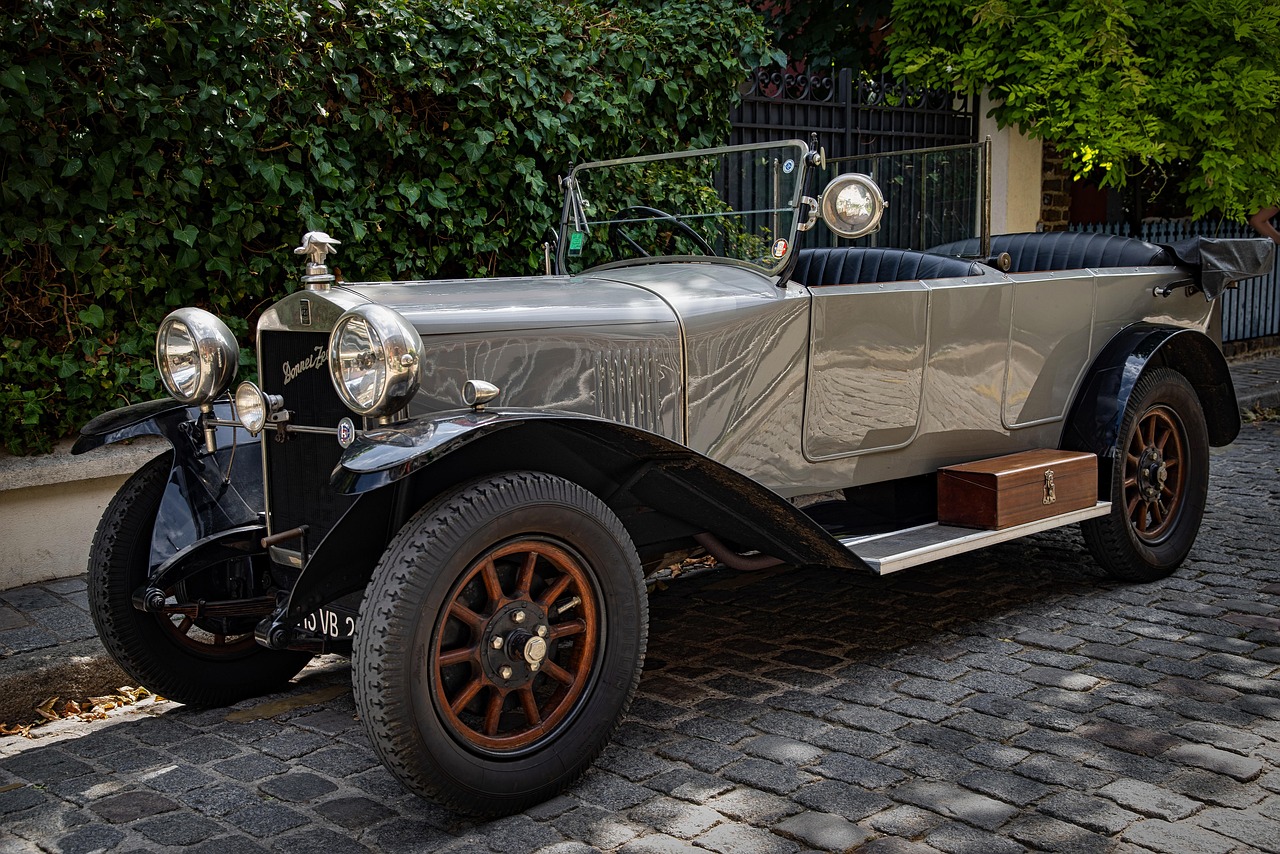
VIN – The Vehicle Identification Number is the cornerstone of any appraisal. In the context of antique and vintage cars it is a 17‑character alphanumeric code that encodes the manufacturer, country of origin, vehicle type, engine size, model year, assembly plant and a unique serial sequence. For pre‑1970 German automobiles the VIN may be shorter, often consisting of a 6‑ to 9‑character chassis number stamped on the frame rail, the engine block, or the steering column. The appraiser must be familiar with the historical formats used by brands such as Mercedes‑Benz, BMW, Auto Union and Opel, because a mis‑read digit can change the perceived rarity of a vehicle by orders of magnitude.
Chassis number – This term is frequently used interchangeably with VIN, yet it specifically refers to the identifier stamped on the structural frame of the car. In many pre‑war models the chassis number is the primary reference point for verification, as the engine serial may have been replaced during wartime service. The chassis number is usually found on a brass plate riveted to the side of the frame, on the front bulkhead, or on the inner wing of the front suspension. When assessing a 1934 Mercedes‑Benz 540 K, the appraiser will compare the stamped chassis number with the original factory build sheet to confirm authenticity.
Engine serial – The engine serial number is a separate identifier that can provide insight into the provenance of a vehicle. Early BMWs, for example, used a three‑digit engine code that indicated the production batch and the type of carburetor fitted. In the case of a 1952 BMW 501, the engine serial can be cross‑checked against the BMW archives to determine whether the engine is original or a later replacement. A mismatched engine serial is a red flag that may indicate a significant restoration or an outright swap.
Build sheet – Also known as the factory order or production record, the build sheet is a document supplied by the manufacturer that lists every option and component fitted at the time of assembly. German manufacturers kept meticulous records; a Mercedes‑Benz 300 SL’s build sheet will detail whether the car was equipped with the “Super‑Sport” package, the type of brakes (drum or early disc), and the exact paint code. The appraiser must locate the original build sheet, often stored in archives or reproduced in collector club publications, and compare each entry with the physical evidence on the car.
Model code – Model codes are short alphanumeric designations used by manufacturers to differentiate between variants of a single model. A Porsche 356 “Speedster” may carry the internal code “356/2‑1” indicating a second‑generation body style with a specific wheelbase. Recognising the correct model code is essential when establishing a car’s eligibility for historic vehicle tax exemptions in Germany, as the tax office references these codes to determine whether a vehicle qualifies as a “Klassisches Kraftfahrzeug”.
Series designation – This term describes the broader generation to which a vehicle belongs. For example, the “Type 3” series of Mercedes‑Benz refers to the range of models produced between 1933 and 1939, encompassing the 300, 320 and 350 variants. Understanding the series designation allows the appraiser to place a car within its historical production context and to assess the relative scarcity of specific body styles, such as the “Cabriolet A” versus the “Limousine”.
Factory plate – In many vintage German cars a metal plate bearing the manufacturer’s logo, the chassis number and the date of production was affixed to the vehicle’s interior. The presence of an original factory plate is strong evidence of authenticity. However, plates are often removed during restoration; a careful visual inspection can reveal the original mounting holes, which should align with the documented placement on the build sheet.
Provenance – Provenance refers to the documented ownership history of a vehicle. A clear chain of custody from the factory to the present owner adds significant value, especially when the previous owners include notable personalities or racing teams. In the German market, provenance is frequently supported by registration certificates (Zulassungsbescheinigung Teil I and Teil II), insurance policies, and club membership records. The appraiser must verify each link in the chain, looking for gaps that may indicate undocumented modifications.
Registration certificate – The German vehicle registration document, historically known as the “Fahrzeugschein”, contains the vehicle’s chassis number, engine serial, owner’s name and the date of first registration. For cars built before 1970, the certificate may also list the original colour code and the type of tyres fitted. When evaluating a 1965 Ford Mustang imported to Germany, the appraiser will compare the chassis number on the registration certificate with the number stamped on the frame to confirm that the car has not been altered.
Colour code – Manufacturers used specific paint codes to identify the exact hue applied at the factory. For pre‑1960 German cars, the colour code is often a two‑digit alphanumeric combination found on the chassis plate or on a separate “paint label”. A correct colour code, matched with the original paint formulation, is essential for a period‑correct restoration. For instance, a 1957 Mercedes‑Benz 220 SE painted in “Schwarz 2” (black) will have a distinct pigment composition compared to a later “Schwarz 3” shade.
Originality – Originality denotes the extent to which a vehicle retains its factory‑spec components and finishes. An original condition car will have its original chassis number plate, engine, transmission, interior trim, and paint. The appraiser must assess each component, noting any replacements, reproductions or aftermarket parts. A 1939 Auto Union Type C with a newly fabricated chassis but original engine and bodywork may still be highly valuable, but the reduction in originality will be reflected in the final valuation.
Restoration – Restoration describes the process of returning a vehicle to a condition that closely resembles its original factory state. In the antique market, the quality and methodology of the restoration are critical. A “factory‑authentic” restoration uses period‑correct parts, original manufacturing techniques, and meticulous craftsmanship, while a “modern” restoration may incorporate contemporary materials for durability. The appraiser must differentiate between the two, often by inspecting rivet heads, weld seams, and the type of fasteners used.
Fabricated chassis – In some cases, especially for rare models with damaged frames, a new chassis is constructed to the original specifications. The new chassis will bear a stamped “reproduction” or “Nachbau” label. While a fabricated chassis may be necessary for structural integrity, it reduces the vehicle’s originality and therefore its market value. The appraiser should document the existence of a fabricated chassis and assess whether the reconstruction was performed using historically accurate methods.
Documentation – Documentation encompasses all written, photographic and electronic records that support the vehicle’s identity. This includes factory build sheets, original sales invoices, service books, period photographs, and correspondence with the manufacturer. For German vintage cars, the “Werkstattbuch” (service book) often contains entries from authorized dealers, providing a verifiable maintenance history. The appraiser must examine each document for authenticity, looking for signs of tampering such as altered dates, inconsistent typefaces, or mismatched seals.
Photographic evidence – Historical photographs are a valuable tool for verification. A well‑documented car will have period photographs showing the vehicle in its original colour, with the original registration plates and distinctive features such as factory‑fitted accessories. When analysing a 1949 Borgward Isabella, the appraiser will compare the current vehicle’s grille shape and headlamp arrangement with archival images to confirm that no major body modifications have been made.
Serial number – While often used interchangeably with VIN, the term serial number can also refer to other components such as the gearbox, differential or steering gear. These numbers are typically stamped on the part itself and recorded in the build sheet. A mismatch between the serial number on the gearbox and the number listed in the factory documentation may indicate a non‑original replacement.
Period‑correct parts – Period‑correct parts are components that were produced during the vehicle’s original production years and are either original‑equipment manufacturer (OEM) parts or genuine reproductions made to the same specifications. For a 1951 Porsche 356, a period‑correct “K‑type” carburetor and “Brembo” drum brakes significantly increase authenticity, whereas a modern fuel‑injection system, though functional, would be viewed as a deviation from originality.
Aftermarket parts – Aftermarket parts are components produced by third‑party manufacturers, often after the vehicle’s production run. While some aftermarket parts can be of high quality, they do not contribute to originality. An appraiser must identify aftermarket parts, such as a “Brembo” disc brake conversion on a 1938 Opel Olympia, and assess their impact on the vehicle’s value. In some cases, a tasteful, reversible aftermarket modification may be accepted by collectors, but it must be disclosed in the appraisal report.
OEM reproduction – OEM reproductions are parts manufactured under licence by the original maker or a designated supplier, using the same materials and processes as the original components. For German vintage cars, many OEM reproductions are available for items such as steering wheels, dashboards and interior trim pieces. The appraiser should verify the provenance of these reproductions, often indicated by a serial number or a stamping that distinguishes them from genuine originals.
Paint analysis – Paint analysis involves laboratory testing to determine the composition, layer structure and ageing of a vehicle’s finish. For antique cars, this can confirm whether the current paint is original or a later restoration. Techniques such as Fourier‑transform infrared spectroscopy (FTIR) or X‑ray fluorescence (XRF) are used to identify pigments and binders. A 1947 Volkswagen Beetle with a lacquered “Griessgrün” (pea‑green) finish will show a specific pigment profile that can be matched to period formulations.
Metal testing – Metal testing is employed to verify the authenticity of chassis components, engine blocks and other structural parts. By analysing the alloy composition, the appraiser can determine whether a part is original or a modern replacement. For example, pre‑war German chassis were often made from a low‑carbon steel alloy distinct from post‑war steel. A discrepancy in alloy composition may reveal a fabricated chassis.
Odometer reading – The odometer reading provides insight into the vehicle’s mileage, but must be interpreted with caution. Early mechanical odometers can be rolled back or replaced. The appraiser should inspect the odometer for signs of tampering, such as mismatched numbers on the gauge face or evidence of recent cleaning. In the case of a 1958 Mercedes‑Benz 190 SL, a low mileage claim must be corroborated by service records and period photographs showing the car’s interior condition.
Mileage verification – Beyond the odometer, mileage verification can be achieved through analysis of wear patterns on the clutch, brake pads, and interior upholstery. A vehicle with an odometer reading of 25,000 km but heavily worn pedal boots likely has higher actual usage. The appraiser must reconcile these observations with documented service history to arrive at a realistic mileage estimate.
Historical context – Understanding the broader historical context of a vehicle’s production helps the appraiser assess rarity and significance. A 1936 Auto Union Type C, for example, is not only a rare pre‑war racing car but also a symbol of German engineering under the Nazi regime. The appraiser must be aware of the socio‑political factors that influenced production numbers, such as wartime material shortages or post‑war export restrictions.
Production numbers – Production numbers refer to the total quantity of a specific model or variant manufactured by the factory. These figures are often published in manufacturer archives or collector guides. A 1953 Porsche 550 Spyder, with only 90 units produced, commands a premium over a 1960 Porsche 356, of which several thousand were made. Accurate knowledge of production numbers is essential for establishing a vehicle’s rarity.
Rarity – Rarity is a function of production numbers, surviving examples, and market demand. A rare vehicle may be a limited‑run prototype, a special‑order model, or a car that survived in original condition despite a high production volume. The appraiser must consider both quantitative data (e.G., Number built) and qualitative factors (e.G., Significance to collectors) when evaluating rarity.
Market demand – Market demand reflects the current appetite of collectors for a particular make, model, or era. Trends can shift quickly; a surge in interest for 1950s British sports cars may raise the value of a Triumph TR3, while demand for certain German utility vehicles may wane. The appraiser must stay informed of auction results, dealer listings and collector club activities to gauge demand accurately.
Authenticity markers – Authenticity markers are subtle details that indicate a vehicle’s originality. These may include factory‑stamped rivet heads, original leather stitching patterns, or the presence of a unique serial number on a component that was only produced for a short period. For a 1938 BMW 327, the “M” badge on the steering wheel hub is an authenticity marker that must be present to confirm factory specification.
Period documentation – Period documentation includes original sales brochures, press releases, and advertisements from the time of the vehicle’s launch. These documents can provide evidence of factory‑fitted options, colour schemes and promotional pricing. When appraising a 1949 Borgward Hansa 1500, the appraiser may consult a 1949 Borgward catalogue to verify that the vehicle’s “Lichtmetall‑Verchromung” (light‑metal chrome) trim was indeed an optional feature.
Factory archives – Factory archives are repositories maintained by manufacturers or their successor companies that hold original production records, engineering drawings and correspondence. Access to these archives is often restricted, but many German manufacturers have made portions available to accredited appraisers. Consulting the Mercedes‑Benz archive can confirm the exact chassis number series allocated to a 1936 540 K.
Club registers – Classic car clubs frequently maintain registers of members’ vehicles, often accompanied by photographs, restoration histories and proof of originality. These registers serve as an additional source of verification, especially for models with limited documentation. The Porsche Classic Club register, for instance, lists verified examples of the 356 series, including chassis numbers and known owners.
Certificate of authenticity – A certificate of authenticity (COA) is a document issued by a recognized authority, such as a manufacturer’s heritage department or a reputable appraisal institute, confirming the vehicle’s identity and condition. While a COA adds credibility, the appraiser must still perform independent verification, as COAs can be forged or based on incomplete data.
Legal identification – In Germany, legal identification of classic vehicles involves registration with the Kraftfahrt‑Bundesamt (KBA) and the issuance of a historic vehicle licence plate (H‑Plate). To obtain an H‑Plate, the owner must provide proof of age (usually 30 years or older), authenticity and roadworthiness. The appraiser may be called upon to supply evidence for the KBA’s inspection, ensuring the vehicle complies with historic vehicle regulations.
Historic vehicle licence plate – The H‑Plate is a special licence plate that identifies a vehicle as a historic automobile, granting it tax benefits and exemption from certain modern safety requirements. The plate includes a “H” prefix followed by the registration number. An appraiser must verify that the vehicle’s documentation matches the information recorded by the KBA, including the chassis number and year of first registration.
Technical specifications – Technical specifications comprise the engine displacement, power output, transmission type, suspension geometry and braking system as originally fitted. For a 1962 Volkswagen Type 3, the original engine displacement of 1.5 L and the “Suicide” rear‑engine layout are essential technical details. Deviations from these specifications, such as a modern fuel‑injection conversion, must be noted.
Engine displacement – Engine displacement is the total volume swept by all pistons inside the cylinders, typically expressed in cubic centimetres (cc) or litres. In vintage German cars, the displacement is often linked to tax categories and model identification. A 1937 Mercedes‑Benz 300 SL with a 3.0 L inline‑six is distinguished from the 2.5 L version by its chassis code and performance characteristics.
Power output – Power output, measured in Pferdestärke (PS) or kilowatts (kW), is an indicator of the engine’s performance. Original power ratings are frequently found on the engine plate or in the build sheet. A 1955 Porsche 356‑S, rated at 90 PS, may have been upgraded to a higher output in later years; the appraiser must document any such modifications.
Transmission type – Transmission type includes manual gearboxes, automatic transmissions, and special configurations such as “pre‑selector” gearboxes used in some Auto Union models. The presence of an original four‑speed manual gearbox on a 1939 Mercedes‑Benz 300 SL is a key authenticity factor. Replacement with a later five‑speed transmission would be considered a significant alteration.
Suspension system – The suspension system, whether leaf‑spring, independent front suspension or swing‑axle rear, defines the handling characteristics of the vehicle. Original suspension components are often marked with the manufacturer’s stamp. For a 1950 BMW 507, the original double‑wishbone front suspension must be retained to preserve the car’s historic dynamics.
Brake system – Early brake systems were predominantly drum‑type, while later models introduced disc brakes. The type of brake system installed at factory delivery is recorded in the build sheet. A 1967 Ford Mustang equipped with front disc brakes in the factory specification is more valuable than a later retrofit, especially to German collectors who prize originality.
Steering system – Steering systems evolved from simple rack‑and‑pinion to more complex power‑steering arrangements. The presence of a factory‑installed hydraulic power‑steering pump on a 1954 Mercedes‑Benz 300 SE is a notable feature that must be verified against documentation. A later addition of an electric power‑steering unit would be considered a non‑original modification.
Body style – Body style refers to the external shape and configuration of the car, such as sedan, coupe, cabriolet, roadster or convertible. Certain body styles were produced in limited numbers, making them particularly sought after. A 1935 Auto Union Type C roadster, for example, is rarer than the standard two‑seat racing version, and the appraiser should confirm the body style through visual inspection and archival photographs.
Coachbuilder – Coachbuilders were independent firms that supplied custom bodies for chassis supplied by manufacturers. In Germany, coachbuilders such as Karosserie Wanderer, Stabil, and Karmann produced distinctive bodies for brands like BMW and Volkswagen. The identification of a Karmann‑built body on a 1955 Volkswagen Beetle is a key element of the vehicle’s provenance and may affect its market value.
Trim level – Trim level denotes the level of equipment and finishing details offered by the manufacturer. Higher trim levels often included leather upholstery, wood veneer, and upgraded instrumentation. For a 1960 Mercedes‑Benz 220 SE, the “Luxus” trim would include a leather dashboard, walnut trim and a clock, all of which should be present and original for a high appraisal.
Instrumentation – Instrumentation includes the speedometer, tachometer, fuel gauge, and other gauges. Original instrumentation is often stamped with the manufacturer’s logo and may have unique needle designs. A 1938 BMW 326 with original “Bayerische Motoren Werke” gauges is more valuable than a vehicle fitted with generic aftermarket instruments.
Interior upholstery – Interior upholstery covers the seats, door panels, headliner and floor mats. Original upholstery materials, such as calf‑skin leather or wool‑felt, are important authenticity markers. A 1952 Porsche 356 with its original “Dunlop” fabric seats must be verified against period photographs and any surviving purchase receipts.
Exterior finish – Exterior finish encompasses paint, chrome trim, grille design and badges. The presence of factory‑applied chrome bumpers on a 1957 Mercedes‑Benz 190 SL is a sign of originality. The appraiser should examine the condition of the chrome, looking for signs of replacement or over‑polishing that may indicate a non‑original finish.
Badges and emblems – Badges and emblems are often the first visual clues to a vehicle’s authenticity. Original badging may be secured with rivets, screws or adhesive, and the font and placement are specific to the model year. For a 1939 Porsche 356, the “Porsche” badge on the rear trunk lid should match the original style; a later “modern” badge would be a clear deviation.
Serial plate – A serial plate is a metal plate that carries a unique identifier, often the chassis number, and is affixed to the vehicle’s interior or exterior. In German pre‑war cars, the serial plate was typically riveted to the left side of the chassis rail. The appraiser must verify the plate’s authenticity, checking for correct rivet patterns and factory stamping.
Factory stamp – Factory stamps are markings applied by the manufacturer to components such as the engine block, transmission housing and suspension arms. These stamps may include the brand logo, year of production and part number. A 1951 BMW 501 engine block stamped with “BMW G B 1258” confirms the engine’s origin and must be matched with the build sheet.
Rivets – Rivets are a hallmark of vintage construction techniques. Original rivets are typically dome‑shaped, made of steel or aluminum, and are placed in a pattern consistent with factory assembly. The presence of original rivets on the body panels of a 1936 Mercedes‑Benz 540 K is a strong indicator of authenticity. Replacement with modern bolts or welded seams detracts from originality.
Welding seams – Welding seams can reveal whether body panels have been replaced or repaired. Original bodywork of many pre‑war German cars was assembled using spot‑welding or brazing, resulting in distinctive seam patterns. An appraiser should examine the seam geometry, looking for consistent bead patterns that match factory techniques. Inconsistent seams may indicate panel replacement.
Fasteners – Fasteners include bolts, screws, nuts and clips used throughout the vehicle. Original fasteners often have unique head shapes or serial markings. For a 1958 Volkswagen Transporter, the original “Karmann” bolts on the rear axle must be present to confirm authenticity. Replacement with generic fasteners is a common issue in poorly documented restorations.
Original accessories – Original accessories encompass items such as spare wheels, tool kits, original owner’s manual, and factory‑issued floor mats. These accessories are typically listed on the build sheet and may be stored in the vehicle’s trunk or interior compartments. Their presence enhances the completeness of the vehicle’s documentation and can increase its market value.
Factory‑issued manuals – Factory‑issued manuals provide operating instructions, maintenance schedules and technical data. For a 1949 Borgward Isabella, the original service manual, often bound in a leather cover, is a valuable piece of documentation. The appraiser should verify that the manual’s serial number matches the vehicle’s chassis number.
Service book – The service book, or “Werkstattbuch”, records all authorized maintenance performed on the vehicle. Entries are typically signed by the dealer and include dates, mileage and details of work performed. Gaps in the service book may indicate periods of undocumented use or restoration, which the appraiser must address.
Warranty stickers – Warranty stickers were affixed by dealers to certify that a vehicle was covered under the manufacturer’s warranty. Original warranty stickers often contain the dealer’s name, date of issue and a unique serial number. The presence of an original warranty sticker on a 1937 Auto Union Type C confirms dealer involvement at the time of sale.
Dealer plate – Dealer plates were metal plates bearing the name and location of the dealer who sold the vehicle. These plates are often found on the front grille or interior dashboard. For a 1954 Mercedes‑Benz 300 SL, the dealer plate “Mercedes‑Benz Stuttgart” provides a traceable link to the original point of sale.
Original paint swatch – Original paint swatches are small samples of the factory colour, sometimes attached to the chassis plate or stored in the service book. These swatches allow for precise colour matching during restoration. A 1935 BMW 328 with its original “Blau‑München” swatch can be accurately repainted to factory specifications.
Colour palette – Colour palette refers to the range of colours offered by the manufacturer in a given year. German manufacturers maintained detailed colour charts, each colour assigned a unique code. The appraiser should reference the correct colour palette when verifying the authenticity of a vehicle’s paint.
Original tyre size – Original tyre size is documented in the build sheet and can be verified by measuring the wheel rim and tyre dimensions. For a 1960 Volkswagen Beetle, the original tyre size of 5.50‑12 Must be present to maintain period correctness. Replacement with larger, modern tyres alters the vehicle’s silhouette and may affect its value.
Wheel design – Wheel design includes the spoke pattern, hub centre and material. Original wheels are often stamped with the manufacturer’s logo and may be made of steel, magnesium or aluminium. A 1938 Mercedes‑Benz 300 SL equipped with its original “Bremson” wire‑spoke wheels is a significant authenticity factor.
Spare wheel – The spare wheel, when original, is typically stored in the trunk or under the vehicle. Its presence and condition are part of the completeness assessment. A missing or non‑original spare wheel on a 1952 Porsche 356 is a drawback that should be noted.
Engine block casting – The engine block casting bears the foundry marks, serial number and sometimes the year of production. In German vintage engines, the casting may also include a “foundry stamp” indicating the metallurgical source. The appraiser should compare the casting to reference diagrams to confirm originality.
Crankshaft journal – The crankshaft journal’s dimensions and material composition are unique to each engine series. Measuring the journal diameter can confirm that the engine belongs to the correct model. A 1939 Mercedes‑Benz 300 SL engine with a crankshaft journal matching the “M 125” specification confirms its authenticity.
Camshaft profile – Camshaft profile determines valve timing and performance. Original camshafts often have distinctive lobes and are stamped with the manufacturer’s code. Replacement camshafts may improve performance but reduce originality. The appraiser must document any deviation from the original camshaft profile.
Fuel system – The fuel system includes the carburetor, fuel pump and fuel lines. Original carburetor types, such as a Solex or Stromberg, are recorded in the build sheet. Swapping a carburetor for a modern fuel injection system is a major alteration and must be disclosed.
Exhaust system – The exhaust system’s configuration, including mufflers and pipe routing, is often specific to a model year. Original exhaust components may be stamped with the manufacturer’s logo. Replacement with stainless‑steel aftermarket exhausts is common but reduces originality.
Transmission case – The transmission case is often stamped with the gear manufacturer’s logo and a serial number. For a 1956 Porsche 356, the transmission case should bear the “Porsche” stamp and match the serial number recorded in the build sheet. A mismatched case indicates a gearbox swap.
Clutch assembly – The clutch assembly, including the pressure plate and friction disc, may bear manufacturer stamps. Original clutch components are often identified by a specific tooth pattern on the pressure plate. The appraiser should verify that the clutch assembly matches the specifications for the model and year.
Rear axle – The rear axle’s housing, differential and final drive ratio are documented in the build sheet. Original rear axles are often marked with the manufacturer’s logo and a part number. Swapping the rear axle to a different ratio for performance purposes is a significant modification.
Steering column – The steering column may contain the vehicle’s identification number in older models. For many pre‑1970 German cars, the VIN is stamped on the steering column’s lower end. The appraiser must verify that the number matches the chassis number recorded in the registration certificate.
Dashboard layout – The dashboard layout, including instrument cluster and control placement, varies between model years. Original dashboards are often moulded from specific materials such as Bakelite or wood veneer. Replacement dashboards, even if visually similar, are considered non‑original.
Door panels – Door panels are often stamped with the manufacturer’s logo and may contain original upholstery. For a 1949 Borgward Hansa, the door panels should retain the original “Borgward” stamp and the correct interior trim. Replacement panels must be identified and documented.
Seat construction – Seat construction includes the frame, springs, padding and upholstery. Original seats may have specific spring arrangements and stitching patterns. For a 1950 BMW 501, the seat frames should be made of steel and feature the original “BMW” badge on the headrest.
Headlamp type – Headlamp type, whether sealed beam, halogen or original glass, is a key visual cue. Early German cars used round glass headlamps with chrome bezels. Modern conversions to LED headlamps are common but reduce authenticity and must be recorded.
Tail lamp configuration – Tail lamp configuration varies by model and year. Original tail lamps may be single‑bulb units or dual‑lamp assemblies. For a 1965 Ford Mustang, the presence of the original “three‑stripe” tail lamp design is essential for period correctness.
Windshield glass – Windshield glass may be original or replaced. Original glass often bears a manufacturer’s stamp on the edge. Replacement glass can be identified by differences in thickness or curvature. The appraiser should note whether the windshield is original, especially for models where the glass contributed to the vehicle’s aesthetic.
Window seals – Window seals are often made of rubber or leather. Original seals may show age‑related cracking, while newer aftermarket seals are smoother. The condition of seals can affect the vehicle’s weather‑tightness and must be assessed during inspection.
Interior trim – Interior trim includes wood veneers, chrome inserts and plastic panels. Original trim is often stamped with the manufacturer’s logo. Replacement trim, even if colour‑matched, reduces the vehicle’s originality.
Original registration plate – The original registration plate, especially if it bears a historic number, can be a valuable provenance item. For a 1938 Mercedes‑Benz, the original plate may be a “K‑Plate” indicating a pre‑war registration. The appraiser should verify the plate’s authenticity and its correlation with the registration certificate.
Historical photographs – Historical photographs serve as visual evidence of a vehicle’s original condition. When evaluating a 1954 Porsche 356, photographs taken at the time of purchase can confirm the presence of original accessories, paint colour and bodywork details. The appraiser should compare these images with the current state of the vehicle.
Archive records – Archive records include factory production logs, export documents and chassis numbers lists maintained by manufacturers. Access to these records can confirm the legitimacy of a vehicle’s claimed identity. For a 1935 Auto Union Type C, the archive may list the exact chassis number series produced for a given year.
Restoration receipt – A restoration receipt is a document issued by a reputable workshop detailing the work performed, parts used and the dates of restoration. The receipt should specify whether original parts were retained, refurbished or replaced with reproductions. The appraiser must evaluate the receipt for transparency and completeness.
Expert opinion – An expert opinion, often provided by a recognized specialist or a heritage department, can corroborate the vehicle’s authenticity. The opinion should be based on direct examination, documentation review and, when necessary, laboratory testing. While an expert opinion adds credibility, the appraiser should still conduct independent verification.
Condition grading – Condition grading is a standardized assessment of a vehicle’s physical state, ranging from “concours” (pristine, fully original) to “project” (significant restoration needed). The grading system used in Germany, such as the “Deutsche Klassische Fahrzeugbewertung” scale, provides a common language for appraisers, collectors and insurers.
Mechanical integrity – Mechanical integrity refers to the functional condition of the engine, transmission, suspension and braking systems. Even if a vehicle is cosmetically original, mechanical deficiencies can impact its value and usability. The appraiser must perform functional tests, where possible, to confirm that the car operates as intended.
Roadworthiness – Roadworthiness is the ability of a historic vehicle to meet the safety and emissions standards required for road use. In Germany, historic vehicles must pass a “H‑Prüfung” (historic inspection) to obtain an H‑Plate. The appraiser should be aware of any modifications made to satisfy modern safety requirements, such as the addition of seat belts or lighting upgrades.
Safety modifications – Safety modifications, while often necessary for legal road use, can affect originality. Common safety upgrades include the installation of modern seat belts, reinforced windshields and upgraded lighting. The appraiser must document these changes and assess whether they have been performed in a reversible manner.
Emission compliance – Emission compliance is generally not required for historic vehicles in Germany, provided they retain their original engines. However, some owners retrofit fuel‑injection systems or catalytic converters to reduce emissions. Such modifications must be disclosed, as they alter the vehicle’s authentic configuration.
Legal ownership – Legal ownership is proven through title documents, purchase contracts and registration records. The appraiser must verify that the seller possesses a clear title and that there are no liens or unresolved claims against the vehicle. In cases where ownership is contested, the appraisal may be deferred pending resolution.
Insurance documentation – Insurance documentation can provide evidence of the vehicle’s value, condition and history of loss. A comprehensive insurance policy, especially one covering “Agreed Value” for classic cars, indicates the owner’s commitment to preserving the vehicle’s authenticity. The appraiser should review the policy for any recorded incidents that may have affected the vehicle.
Tax records – Tax records, particularly those related to historic vehicle tax exemptions, can confirm the vehicle’s age and classification. In Germany, owners of vehicles over 30 years old may qualify for reduced vehicle tax if they possess an H‑Plate. The appraiser should verify that the tax records align with the vehicle’s claimed age.
Import documentation – For vehicles imported into Germany, import documentation such as customs declarations, shipping manifests and foreign registration certificates are essential. These documents establish the vehicle’s provenance prior to its arrival in Germany. A 1950 Jaguar XK imported from the United Kingdom must have complete import paperwork to substantiate its history.
Export records – Export records are relevant when a vehicle has changed hands across borders.
Key takeaways
- The appraiser must be familiar with the historical formats used by brands such as Mercedes‑Benz, BMW, Auto Union and Opel, because a mis‑read digit can change the perceived rarity of a vehicle by orders of magnitude.
- Chassis number – This term is frequently used interchangeably with VIN, yet it specifically refers to the identifier stamped on the structural frame of the car.
- In the case of a 1952 BMW 501, the engine serial can be cross‑checked against the BMW archives to determine whether the engine is original or a later replacement.
- German manufacturers kept meticulous records; a Mercedes‑Benz 300 SL’s build sheet will detail whether the car was equipped with the “Super‑Sport” package, the type of brakes (drum or early disc), and the exact paint code.
- Model code – Model codes are short alphanumeric designations used by manufacturers to differentiate between variants of a single model.
- Understanding the series designation allows the appraiser to place a car within its historical production context and to assess the relative scarcity of specific body styles, such as the “Cabriolet A” versus the “Limousine”.
- However, plates are often removed during restoration; a careful visual inspection can reveal the original mounting holes, which should align with the documented placement on the build sheet.